
Note: This article contains affiliate links. If you click on these links and make a purchase, we may earn a small commission at no extra cost to you. This helps support our research and content. Read our full affiliate disclosure here.
A smoke detector in a bedroom is the last line of defense when seconds count. You need a unit that wakes sleeping occupants without causing false alarms that disrupt sleep or become ignored. This guide focuses on the most practical bedroom smoke detectors, shortlisted for clear alarm audibility, dependable sensing, and straightforward upkeep. We tested editorial criteria that matter for night-time safety and everyday convenience. Below are the top picks that meet those standards and explanations to help you pick the right detector for each bedroom in your home.
Top Picks at a Glance
| Best Overall The best all-around choice for most situations | X-Sense SC06-W Combination Detector |  |
| Best Quality Built to a higher standard if you want something more solid | X‑Sense SC07 Combination Detector |  |
| Best Value The sweet spot between price and what you get | SITERWELL GS509A Smoke Detector |  |
| Best Budget The cheapest option that still gets the job done reliably | Kidde 10SDR Smoke Detector | 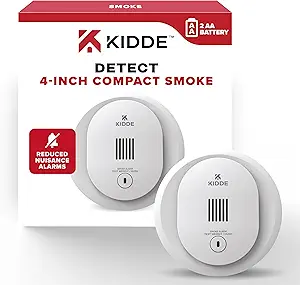 |
| Top Rated A top-rated pick with lots of positive feedback | BRK First Alert 9120B Hardwired Smoke Alarm |  |
| Most Popular A crowd favorite that many people choose with confidence | First Alert SMI100 Smoke Alarm | 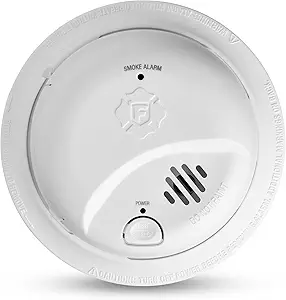 |
| Best Seller A high-volume bestseller chosen again and again | First Alert SMICO100-AC |  |
X-Sense SC06-W Combination Detector

| Power Source | 10-Year Sealed Battery |
|---|---|
| Alarm | 85 dB |
| Sensor Type | Electrochemical, Photoelectric |
| Battery Average Life | 10 years |
The X-Sense SC06-W is a combination smoke and carbon monoxide alarm designed for straightforward home protection without wiring. It uses photoelectric and electrochemical sensors to detect smoke and CO, emits an 85 dB alarm, and can wirelessly interconnect up to 18 Link+ devices so that when one unit triggers the rest sound as well. The sealed 10-year lithium battery eliminates battery swaps and the single test/silence button makes routine checks and nuisance-silencing simple. Installation is a basic mount-and-click using the included bracket, screws, and anchors, so it is suitable for ceilings or walls in bedrooms and common areas. The unit is UL 217 and UL 2034 certified and has intuitive LED indicators and a built-in self-test function. Because it is not Wi-Fi connected, you will not get remote alerts or app integration, and RF interconnect requires compatible X-Sense Link+ devices rather than wired interconnection with legacy systems.
Best for: Buyers who want a low-maintenance, code-compliant bedroom detector that covers both smoke and carbon monoxide and links wirelessly to other home alarms for coordinated alerts.
Less Ideal for: Homes that require smart remote notifications or integration with existing hardwired alarm circuits should consider Wi-Fi or hardwired alternatives instead.
- 10-year sealed lithium battery for maintenance-free power
- Wireless RF interconnect lets triggered units alarm the whole home (up to 18 devices)
- Combination smoke and CO sensing (photoelectric + electrochemical) covers both hazards
- Simple mount-and-install kit with test/silence button and self-test function
- Meets UL 217 and UL 2034 safety standards
- No Wi-Fi or app notifications for remote alerts
- RF interconnect works only with compatible Link+ devices, not with hardwired systems
Verdict: A maintenance-light combination detector for bedrooms that provides full-home coordinated alerts through RF interconnection and a sealed 10-year battery.
X‑Sense SC07 Combination Detector

| Power Source | 10-Year Sealed Battery |
|---|---|
| Alarm | 85 dB |
| Sensor Type | Photoelectric, Electrochemical |
| Battery Type | Lithium metal |
| Safety Standards | UL 217 & UL 2034 |
The X‑Sense SC07 is a basic, no-frills combination smoke and carbon monoxide alarm designed for long‑term, low‑maintenance protection. It uses a photoelectric sensor for smoke and an electrochemical sensor for CO, which makes it better at detecting slow‑smoldering fires and reducing nuisance alarms from cooking. The unit includes a visible LCD for status, an 85 dB alarm, and a factory‑sealed lithium battery rated to last 10 years, so you do not need annual battery changes. Installation is simple — mount the supplied bracket to a wall or ceiling and snap the detector in place — and the enclosure is heat‑resistant plastic to meet typical safety expectations. Limitations include no wireless interconnect, no Wi‑Fi or smart features, and it is a single standalone device, so multiple units will not communicate during an event. For bedroom use it offers dependable sensing and quiet long‑term upkeep, but you will need separate linked alarms if you want whole‑home alerting or app notifications.
Best for: Buyers who prioritize dependable, maintenance‑free protection for sleeping areas and want a straightforward detector they can install and forget for a decade.
Less Ideal for: Homes that require interconnected alarms, whole‑house alerting, or smart home integration should choose a networked or hardwired model instead.
- 10‑year sealed lithium battery eliminates regular battery changes and chirps
- Photoelectric smoke sensor reduces false alarms from cooking and detects smoldering fires faster
- Electrochemical CO sensor provides reliable carbon monoxide detection alongside smoke sensing
- Simple, tool‑light installation with included mounting bracket and hardware
- Meets UL 217 and UL 2034 safety standards
- Does not support wireless interconnection or smart app notifications
- No hardwired option; standalone only
Verdict: A low‑maintenance bedroom combo alarm that delivers reliable smoke and CO detection with a 10‑year sealed battery for worry‑free protection.
SITERWELL GS509A Smoke Detector

| Power Source | Battery Powered |
|---|---|
| Sensor Type | Photoelectric |
| Alarm | Audible |
| Operating Humidity | 10-95% RH non-condensing |
| Upper Temperature Rating | 37.8 °C |
The SITERWELL GS509A is a photoelectric smoke detector intended for everyday home protection, especially in sleeping areas where smoldering fires are most dangerous. It uses a photoelectric sensor that responds well to slow, smoky fires and emits an audible alarm over 85 dB so sleeping occupants should be alerted. The unit ships with a 9V carbon zinc battery and a mounting kit that includes a magnetic fastening plate for simpler ceiling or wall installation, and it provides a test/mute button for quick weekly checks and temporary silencing of nuisance alarms. The manufacturer rates it for a 10-year product life with ongoing battery replacement rather than a sealed 10-year battery, so you can expect long-term service with periodic battery swaps and low-battery chirps to prompt replacement. It meets common NFPA installation expectations and is compact enough to fit in typical bedroom locations, though it is not a hardwired or interconnected model, so it will not link alarms across a house without additional units or wiring.
Best for: Buyers who prioritize reliable detection of smoldering bedroom fires and want a straightforward, easy-to-install alarm they can maintain over many years.
Less Ideal for: Homes that require hardwired, factory-interconnected alarms or sealed 10-year battery units should consider other models designed for those setups.
- Photoelectric sensor detects slow, smoldering fires effectively
- Loud alarm over 85 dB suitable for waking sleeping occupants
- Includes mounting hardware and magnetic fastening kit for easier installation
- Test/mute button simplifies weekly testing and temporary silencing of false alarms
- Uses a replaceable 9V carbon zinc battery rather than a sealed 10-year battery
- Not hardwired or wireless-interconnect capable out of the box
Verdict: A simple, photoelectric bedroom smoke alarm that prioritizes smoldering-fire detection and easy installation for long-term household use.
Kidde 10SDR Smoke Detector

| Power Source | Battery Powered |
|---|---|
| Sensor Type | Photoelectric |
| Alarm Volume | 85 dB |
| Operating Humidity | Up to 95% RH, non-condensing |
The Kidde 10SDR is a compact, AA battery-powered photoelectric smoke detector intended for simple, no-wiring installation in bedrooms and other living spaces. It uses photoelectric sensing to detect smoldering fires quickly and claims faster detection than older models, while an 85 dB alarm and red LED status light provide clear audible and visual alerts. The unit includes Test & Hush for temporarily silencing nuisance alarms from cooking or steam and ships with two AA batteries and basic mounting hardware for immediate use. It meets UL 217 10th Edition standards and is rated for typical household humidity and temperature ranges. Practical limitations are its single-station design with no wireless interconnect and reliance on AA batteries that require regular replacement, but its small size and straightforward operation make it an easy add-on for bedroom protection or for landlords fitting multiple units quickly.
Best for: Buyers who want an inexpensive, easy-to-install bedroom smoke alarm that reduces nuisance triggers and provides clear audible and visual warnings.
Less Ideal for: Households that need interconnected alarms across multiple rooms or those who prefer sealed, long-life battery or hardwired systems should consider other options.
- Photoelectric sensor tuned to reduce false alarms from cooking or steam
- Battery-powered AA operation for easy, no-wiring installation
- Loud 85 dB alarm plus red LED status light for clear alerts
- Includes Test & Hush button and ships with batteries and mounting hardware
- Meets UL 217 10th Edition safety standard
- Not wirelessly or hardwired interconnectable, so it will not trigger other alarms automatically
- Requires periodic AA battery replacement rather than long-life sealed battery
Verdict: A budget-friendly, easy-to-install photoelectric alarm that is a practical choice for adding reliable bedroom smoke protection quickly.
BRK First Alert 9120B Hardwired Smoke Alarm

| Power Source | Battery Powered (120V hardwired with 9V backup) |
|---|---|
| Alarm | Audible 85 dB |
| Sensor Type | Ionization |
| Operating Humidity | 10-95% RH |
The BRK First Alert 9120B is a hardwired smoke alarm that uses an ionization sensor to detect fast flaming fires and sounds an 85 dB audible alarm. It is intended to be wired into a home's 120 volt AC system with a 9V battery backup so the alarm still functions during power outages. The unit includes a test/silence button for quick checks and temporary muting of nuisance triggers, a gasketless universal mounting plate for easier installation, and tamper-resistant locking pins. It can be interconnected with up to 12 other compatible First Alert or BRK hardwired alarms and provides a latching indicator to help identify which unit triggered. Practical benefits include reliable detection of flaming fires, continuous monitoring even if power fails, and straightforward installation features that speed setup. Limitations to note are the ionization sensor's weaker performance on slow smoldering fires compared with photoelectric sensors and the requirement for hardwiring if you want full networked functionality.
Best for: Buyers who prioritize a dependable, always-on alarm system for bedrooms and want units that stay active during outages and can be linked across a house.
Less Ideal for: People seeking the best detection for slow, smoldering fires or who cannot hardwire alarms should consider photoelectric or battery-only alternatives.
- Hardwired 120V operation with 9V battery backup ensures monitoring during power outages
- Loud 85 dB alarm that is easy to hear from nearby rooms
- Interconnect capability with up to 12 compatible BRK/First Alert units for whole-home notification
- Tamper-resistant locking pins and gasketless mounting plate simplify installation and security
- Test/silence button and latching indicator make testing and troubleshooting straightforward
- Ionization sensor is less effective at detecting slow, smoldering smoke compared with photoelectric technology
- Requires hardwiring to access interconnect features, so not ideal for renters without access to home wiring
Verdict: Choose this hardwired BRK First Alert if you want a reliable, loud bedroom smoke alarm that stays powered in outages and can be interconnected across your home.
First Alert SMI100 Smoke Alarm

| Power Source | Battery Powered |
|---|---|
| Sensor Type | Ionization |
| Built-In Media | 9V Alkaline Battery |
| Operating Humidity | 10-95% RH |
The First Alert SMI100 is a simple, battery-operated ionization smoke alarm designed for straightforward bedroom installation and maintenance. It uses First Alert's Precision Detection sensing to reduce cooking nuisance alarms while still providing early warning of fast-burning fires, and the front-access 9V battery compartment makes replacing power easy without removing the unit from the ceiling. The alarm includes a test/silence button for quick checks and a built-in end-of-life warning to prompt replacement when needed. Typical use is ceiling or wall mounting in individual rooms where hardwiring is not available or desired, and the compact profile keeps it unobtrusive in a bedroom. Limitations are the ionization sensor type, which is generally more responsive to flaming fires than slow, smoldering fires, and the reliance on a single 9V battery which requires periodic replacement and monitoring. For buyers who want a no-frills, easy-to-install bedroom detector with nuisance reduction features, this model is a practical choice.
Best for: Buyers who want a compact, easy-to-install bedroom smoke alarm with a proven sensor and clear maintenance alerts and who value straightforward upkeep and nuisance alarm reduction.
Less Ideal for: Those who prefer maximum detection of smoldering fires or want hardwired or long-life sealed battery detectors should consider other options.
- Precision Detection sensing reduces common cooking nuisance alarms
- Front-access 9V battery compartment simplifies battery replacement
- Includes test/silence button for quick functional checks
- Built-in end-of-life warning alerts when the unit needs replacement
- Ionization sensor is less sensitive to slow, smoldering fires compared with photoelectric units
- Uses a single 9V battery which requires regular replacement and will not last as long as sealed long-life power options
Verdict: A straightforward, easy-to-maintain battery smoke alarm that reduces nuisance triggers and works well as a bedroom detector when hardwiring is not required.
First Alert SMICO100-AC

| Power Source | Corded Electric |
|---|---|
| Alarm | Smoke, CO |
| Sensor Type | Ionization |
| Built-In Media | Easy Adapter Plug, 9V Battery |
| Operating Humidity | 10-95% RH |
The First Alert SMICO100-AC is a hardwired 2-in-1 smoke and CO alarm designed for home-wide protection and bedroom use. It uses First Alert's Precision Detection ionization sensor to cut down on cooking nuisance alarms while still providing fast smoke detection, and the built-in CO sensor handles carbon monoxide threats. The unit connects to house wiring and offers a quick-connect plug for easier installation, plus a 9V battery backup so it stays active during power outages. A test/silence button makes routine checks and temporary silencing straightforward, and you can interconnect multiple compatible alarms so that when one triggers, they all sound. For bedrooms the combination format reduces the need for separate devices and the battery backup maintains protection at night. Limitations to note are the reliance on home wiring for full functionality and the ionization sensor choice, which can be less sensitive to smoldering fires than photoelectric sensors favored by some safety guidelines.
Best for: Buyers who prioritize dependable, always-on protection for sleeping areas and want a single unit that covers both smoke and carbon monoxide with battery backup and interconnect options.
Less Ideal for: People who prefer a photoelectric-only detector for maximum smoldering-fire sensitivity or those who cannot or will not use hardwired fixtures in their bedrooms.
- Combines smoke and CO detection in a single unit for simplified bedroom protection
- Hardwired with quick-connect plug for permanent power and easy installation
- 9V battery backup keeps the alarm operational during outages
- Interconnect capability lets alarms in different rooms sound together for faster notification
- Test/silence button simplifies routine testing and temporary muting
- Uses an ionization smoke sensor which can be less responsive to slow, smoldering fires compared with photoelectric sensors
- Requires compatible hardwiring for interconnect features to work fully
Verdict: Choose this hardwired combination alarm if you want dependable, interconnected smoke and CO protection for bedrooms with battery backup and simple installation.
Choosing the Right Smoke Detector for Bedrooms: Key Factors to Consider
Alarm Volume & Tone Clarity
Alarm audibility is the single most important factor for bedroom detectors because occupants are often asleep when a fire starts. A detector should produce a clear, high-decibel alarm that is distinguishable from household noises yet not so harsh that users disable it. Consider measured decibel ratings at bedside distance and whether the unit uses a single tone or patterned alerts to aid recognition.
Tone clarity also matters for older occupants or those with mild hearing loss; some detectors include voice alerts or multiple tone settings. Evaluate the alarm pattern and whether the unit has proven compliance with safety standards for minimum sound output in sleeping areas.
Sensor Type and Responsiveness
Different sensors respond differently to smoldering versus flaming fires. Photoelectric sensors typically detect smoldering, smoky fires earlier, which are common in bedrooms, while ionization sensors can react faster to fast-flaming fires. Many modern bedroom-focused units use photoelectric sensing or combined sensor approaches to reduce missed smoldering events and minimize nuisance alarms from cooking or shower steam.
Look for detectors with clear statements about what smoke types they are optimized for, plus any lab or certification details that indicate reliable detection timing. Faster response is valuable, but false-alarm resistance is equally important to avoid disabling the device.
Power Source and Backup Options
Power reliability affects whether a detector will be active when needed. Battery-only detectors are simple to install and remain functional during power outages, but battery life and replacement ease are key. Hardwired detectors with battery backup tie into home electrical systems and reduce the burden of regular battery changes, but installation may require wiring access.
Consider the expected battery lifespan, whether long-life sealed batteries are used, and how the unit signals low power. Backup options ensure continued protection during outages and should be factored into bedroom placement decisions where the risk of being asleep during a blackout is higher.
Ease Of Silencing And Daily Testing
A bedroom detector should let you temporarily silence a nonemergency alarm without disabling detection. Look for a clearly labeled hush or silence function that mutes nuisance alerts for a short period while keeping the sensor active. Equally important is an intuitive test button or automatic self-test feature so you can verify function without specialized equipment.
Frequent false alarms lead to disabled detectors, so ease of silencing that still preserves safety helps maintain long-term protection. Also evaluate how the unit communicates status, such as steady or flashing LEDs, spoken messages, or audible chirps for low battery.
Installation, Mounting, And Placement Flexibility
Bedrooms come in many ceiling and wall configurations. A detector that offers multiple mounting options and clear placement guidance reduces installation friction and helps ensure correct positioning for reliable sensing. Battery-only units are often quicker to mount, while hardwired units provide a cleaner, maintenance-light solution if wiring is available.
Consider whether the detector ships with an easy-to-use mounting plate, whether it fits common junction boxes for hardwiring, and how conspicuous it will be in the room. Proper placement relative to doors, ceiling fans, and HVAC returns affects performance, so choose models that accommodate recommended bedroom locations.
Maintenance Needs And Longevity
Regular maintenance keeps bedroom detectors ready without becoming a chore. Check expected product life spans and whether the device uses replaceable or sealed batteries. Units with long-life sealed batteries that last several years can reduce maintenance but may require full replacement at end of service life.
Also consider ease of cleaning and whether the unit has replaceable sensor modules or filters. Clear maintenance indicators and simple instructions encourage consistent upkeep, which is vital because detectors with clogged sensors or exhausted batteries may fail when needed most.
Where To Mount A Bedroom Smoke Detector
Place detectors on the ceiling near the bed or on the wall near the head of the bed, following standard safety spacing rules. Ceiling mounting is usually preferred because smoke rises, but wall mounting can be acceptable when ceiling installation is impractical.
- Keep detectors at least 10 feet from cooking appliances to minimize nuisance alarms.
- Avoid mounting within a foot of ceiling corners where airflow can be turbulent.
- Do not place detectors too close to windows, doors, or HVAC vents that can divert smoke away.
Dealing With Nuisance Alarms At Night
Nuisance alarms are the leading cause of disabled detectors in bedrooms. Start by choosing a detector with photoelectric sensing or a combined sensor that reduces false triggers from steam and light cooking smoke. Place the unit away from bathrooms, kitchen doors, and cooking areas to lower the risk of nonemergency activations.
If a detector does sound unnecessarily, use the hush function rather than removing batteries. Investigate the cause and reposition or change sensor type if alarms persist.
- Use sealed long-life batteries to avoid chirps that wake occupants at odd hours.
- Verify that bedroom doors are closed at night to prevent kitchen steam from reaching the detector.
Integration With Home Alarm Systems And Smart Home Features
Some bedroom detectors can interconnect with existing alarm systems or smart-home hubs to send status alerts and coordinate multiple units. Interconnected alarms provide whole-home notification when a bedroom detector senses smoke, which is valuable if occupants sleep in different rooms.
Smart features such as push notifications, silence from a phone, or automatic self-tests add convenience, but consider privacy and network reliability. For bedrooms, prioritize reliable local alarm audibility first, then add smart features as secondary benefits.
- Confirm whether interconnected operation still produces a loud local alarm if the network is down.
- Check that any app-based silence controls do not introduce accidental delays in alarm response.
Special Considerations For Shared Bedrooms And Children's Rooms
In shared bedrooms or rooms for younger children, choose detectors with clear visual indicators and nonstartling voice alerts that explain the hazard. Units with test functions that parents can run without disturbing sleeping children help maintain routine checks.
Consider mounting height relative to bunk beds and whether the detector could be reachable by children. Tamper-resistant features and secure mounting can keep devices in place and functioning.
- Avoid units with overly complex interfaces if frequent guest use is expected.
- Place detectors to avoid being inadvertently covered by bedding or decorations.
How We Chose the Best Smoke Detector for Bedrooms
We prioritized features and performance that directly affect bedroom safety and usability. Our selection began with units designed specifically for occupant sleeping areas and then filtered for alarm audibility at bedside distances, sensor technology suited to common household smoke sources, ease of silencing without disabling safety, and duration and type of power source. We also considered maintenance needs such as battery life and self-test routines, plus mounting options and tamper resistance for a reliable fit in typical bedroom ceilings. Excluded from consideration were units intended only for outdoor, garage, or industrial use and detectors lacking documented alarm-volume specifications or standard safety certifications. The final list emphasizes measurable, buyer-relevant dimensions: alarm volume and tone clarity, sensor responsiveness to smoke types common in homes, battery or wiring reliability, user controls for hush and testing, and straightforward installation and upkeep.
Our full evaluation process is outlined in our review methodology.
FAQ
How many smoke detectors should I have for bedrooms?
You should have at least one smoke detector in every bedroom and one in the hallway outside sleeping areas. Larger homes or complex floor plans may warrant additional units to ensure timely detection.
Can I silence a bedroom detector if it false alarms at night?
Most bedroom detectors include a temporary hush or silence feature that mutes nuisance alarms for a short period while keeping the sensor active. Use the function rather than removing power, and investigate the cause of the alarm afterward.
Are battery-only detectors safe for bedrooms?
Battery-only detectors are safe if you keep batteries fresh and follow maintenance prompts. For lower upkeep, consider units with long-life sealed batteries or hardwired models with battery backup to reduce the chance of drained batteries during an emergency.
Should bedroom detectors be photoelectric or ionization?
Photoelectric detectors are generally better at detecting smoldering fires common in bedrooms and cause fewer nuisance alarms from nonhazardous sources. Combined or multi-sensor units offer broader coverage but evaluate maintenance and false-alarm resistance.
How often should I test and replace bedroom smoke detectors?
Test bedroom detectors at least once a month using the built-in test button, and replace units according to the manufacturer service life, commonly around 8 to 10 years. Replace batteries per the unit schedule or when low-battery alerts begin.
Final Verdict
Prioritize bedroom detectors that deliver clear, loud alarms and reliable sensing of smoldering smoke while minimizing nuisance alerts that invite disabling. Balance power options against installation complexity and choose hush and test features that make routine upkeep straightforward. When selecting a detector for a bedroom, decide which tradeoffs matter most to you: minimal maintenance with sealed long-life batteries, hardwiring for fewer battery changes, or specific sensor types for early smoldering detection. Focus on audibility, sensor reliability, and ease of silencing to keep sleeping occupants safe with minimal disruption.