
Note: This article contains affiliate links. If you click on these links and make a purchase, we may earn a small commission at no extra cost to you. This helps support our research and content. Read our full affiliate disclosure here.
A smoke detector for home is often the difference between a small incident and a major loss. Picking the right unit affects how quickly you are alerted, how often false alarms interrupt your household, and how easy the device is to keep working year after year. This guide shortlists the top options across common home layouts and explains the practical differences you should care about before buying. We evaluated candidates on detection reliability, installation and maintenance, and compatibility with typical home systems. Read on for the top picks and clear notes on what matters most when protecting living spaces.
Top Picks at a Glance
| Best Overall The best all-around choice for most situations | Kidde 20SD10 Smoke Detector |  |
| Best Quality Built to a higher standard if you want something more solid | X-Sense SC07-W Combination Detector |  |
| Best Value The sweet spot between price and what you get | X-Sense SC07 Combination Detector |  |
| Best Budget The cheapest option that still gets the job done reliably | Kidde 10SDR Smoke Detector | 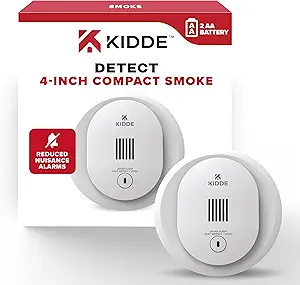 |
| Top Rated A top-rated pick with lots of positive feedback | HEIMAN Smart Smoke Detector 3‑Pack |  |
| Most Popular A crowd favorite that many people choose with confidence | First Alert SMI100 Smoke Alarm | 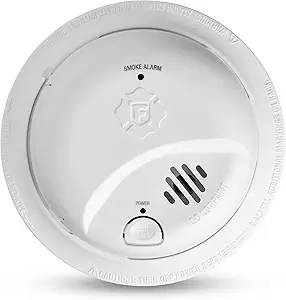 |
Kidde 20SD10 Smoke Detector

| Power Source | Battery Powered (sealed 10-year) |
|---|---|
| Sensor Type | Photoelectric |
| Alarm Volume | 85 dB |
| Compatible Devices | Standalone (Not Interconnectable) |
| Operating Humidity | Up to 95% RH, non-condensing |
The Kidde 20SD10 is a standalone photoelectric smoke detector built for simple, low-maintenance home protection. It uses advanced sensing to cut down on nuisance alarms from cooking or steam while still detecting smoldering fires faster than older models, and it signals with an 85 dB horn plus a red LED for clear visual and audible alerts. The sealed 10-year battery removes the need for periodic battery changes and low-battery chirps, which makes this unit a set-and-forget option for bedrooms, hallways, and rental units. Installation is straightforward with the included mounting hardware, and the alarm is tested to UL 217 10th Edition standards for code-compliant performance. Limitations include no interconnect capability or voice alerts and no smart features, so it will not link to other alarms or home networks and offers only basic alarm status indicators.
Best for: Buyers who want a reliable, low-maintenance smoke alarm that provides long-term, code-compliant protection without the hassle of battery changes.
Less Ideal for: Households that need networked alarms, voice alerts, or smart-home integration should choose a model with interconnect or Wi-Fi features instead.
- Sealed 10-year battery eliminates regular battery replacements and low-battery chirps
- Photoelectric sensor reduces false alarms from cooking and steam while improving detection of smoldering fires
- Meets UL 217 10th Edition testing and provides an 85 dB alarm with visible red LED for clear alerts
- Simple standalone design with included mounting hardware for easy installation
- Not interconnectable so it will not communicate with other alarms
- No smart features or app connectivity for remote alerts
Verdict: Choose the Kidde 20SD10 if you want a simple, low-maintenance smoke alarm that delivers reliable, long-life protection without battery changes.
X-Sense SC07-W Combination Detector

| Power Source | Battery Powered |
|---|---|
| Alarm | 85 dB |
| Sensor Type | electrochemical, photoelectric |
| Battery Average Life | 10 years |
| Product Style | RF Interconnected Model |
The X-Sense SC07-W is a combination smoke and CO alarm designed for whole-home protection without wiring. It uses a photoelectric smoke sensor to catch slow, smoldering fires and an electrochemical CO sensor for reliable carbon monoxide detection, and the built-in 10-year sealed lithium battery eliminates battery swaps and low-battery chirps. Units communicate wirelessly across the house so a trigger on one floor sets off all linked alarms, and the included mounting hardware makes installation straightforward. The unit includes an LCD display and meets UL 217 and UL 2034 safety standards, which helps with code-compliant installs. Practical trade-offs are that the SC07-W does not have Wi-Fi or app integration for remote alerts, and RF interconnect requires staying within the manufacturer limit for linked units and range. For buyers focused on dependable, low-maintenance detection across multiple rooms, this model delivers solid performance and long-term reliability.
Best for: Homeowners who prioritize dependable, high-performance detection and want a low-maintenance, whole-home solution that alerts every linked unit when danger is detected.
Less Ideal for: Users who need smart home integration or remote push alerts should consider detectors with Wi-Fi and app control instead.
- 10-year sealed lithium battery eliminates regular battery replacement and chirps
- Photoelectric smoke sensor reduces cooking false alarms and detects smoldering fires faster
- Electrochemical CO sensor provides reliable carbon monoxide detection
- RF wireless interconnection links alarms across the home so all units sound together
- Meets UL 217 and UL 2034 safety standards
- No Wi-Fi or smartphone app connectivity for remote notifications
- Interconnection depends on RF range limits and only supports X-Sense compatible units
Verdict: Choose the SC07-W when you want reliable, low-maintenance smoke and CO detection that sounds across the whole house without wiring.
X-Sense SC07 Combination Detector

| Power Source | 10-Year Sealed Battery |
|---|---|
| Sensor Type | Photoelectric, Electrochemical |
| Alarm | 85 dB |
| Battery Type | Lithium metal |
The X-Sense SC07 is a simple, no-frills combination smoke and carbon monoxide alarm intended for straightforward home coverage. It pairs a photoelectric smoke sensor with an electrochemical CO sensor to detect slow-smoldering fires and carbon monoxide, and it displays status on a front LCD for quick checks. The factory-sealed 10-year lithium battery eliminates regular battery swaps and chirps, and the unit mounts to a ceiling or wall with the included bracket and hardware. It meets UL 217 and UL 2034 standards and emits an 85 dB alarm when triggered. Because it is a standalone model it does not support Wi-Fi or wireless interconnection, so it is best used as an individual room monitor or as part of a manually planned placement strategy. The enclosure uses heat-resistant PC plastic and the compact design keeps the unit unobtrusive. If you need an easy-install, low-maintenance detector that combines smoke and CO sensing with a long-life battery and basic visual status, the SC07 delivers predictable, code-friendly protection without smart features.
Best for: Homeowners who want a low-maintenance, code-compliant smoke and CO detector that runs for a decade without battery changes and is easy to install as a single-room monitor.
Less Ideal for: People who want a networked or smart alarm system with app alerts, remote monitoring, or automatic interconnectivity across multiple units.
- 10-year sealed lithium battery provides maintenance-free operation without battery replacements
- Combination of photoelectric smoke and electrochemical CO sensors covers both smoldering fires and carbon monoxide
- UL 217 and UL 2034 certified for verified safety and code compliance
- Front LCD lets you quickly verify status and readings
- Includes mounting bracket, screws, and anchors for easy installation
- No wireless interconnection or Wi-Fi, so alarms will not trigger other units remotely
Verdict: Buy this if you want a durable, maintenance-free standalone smoke and CO detector that provides reliable, UL‑certified protection for a decade without battery hassles.
Kidde 10SDR Smoke Detector

| Power Source | Battery Powered |
|---|---|
| Sensor Type | Photoelectric |
| Alarm Volume | 85 dB |
| Built-In Media | 2 AA Batteries, Mounting Hardware, User Guide |
The Kidde 10SDR is a compact AA battery-powered smoke detector that uses a photoelectric sensor to detect smoldering fires faster and sounds an 85 dB alarm with a red LED status light. It is intended for basic home and apartment protection where hardwiring is not available or desired; install on ceilings or walls using the included mounting hardware and keep two AA batteries fresh for continuous operation. The unit highlights reduced nuisance alarms through advanced sensing, a Test & Hush button to silence brief false alerts, and compliance with UL 217 10th Edition for code-aware buyers. Because it is battery powered it continues to operate during power outages, but it does require battery replacement about every six months for reliable performance. The compact plastic enclosure and straightforward design make it an easy-to-install, low-complexity choice for rooms, hallways, or rental units where a low-cost, code-compliant smoke alarm is needed.
Best for: Homeowners or renters seeking an inexpensive, easy-to-install smoke alarm for individual rooms or small apartments who prioritize straightforward setup and reliable photoelectric detection.
Less Ideal for: Large homes or users who need interconnected, whole-house hardwired alarms or smart features such as app alerts and voice notifications.
- Photoelectric sensor tuned for faster detection of smoldering fires
- Battery powered for installation without wiring and operation during outages
- Test & Hush button for quick temporary silencing of nuisance alarms
- Meets UL 217 10th Edition standards for code-compliant detection
- Not hardwired or interconnected with other alarms without additional equipment
- Requires regular battery replacement to maintain protection
Verdict: A simple, code-tested photoelectric smoke alarm that delivers fast smoldering-fire detection and easy battery-powered installation for budget-minded households.
HEIMAN Smart Smoke Detector 3‑Pack

| Power Source | 10-Year Battery Powered |
|---|---|
| Sensor Type | Photoelectric |
| Compatible Devices | Google Home, Heiman APP, Home Assistant, IFTTT, SmartThings |
| Alarm | Audible (85 dB) |
This HEIMAN kit combines three compact photoelectric smoke alarms with a dedicated 2.4 GHz gateway to give whole-home detection and remote notifications. Each detector uses a dual-beam photoelectric sensor to reduce cooking false alarms while still catching slow, smoldering fires, and units wirelessly interlink locally so that when one trips all linked alarms sound. Adding the included gateway lets you receive instant app or email alerts and integrate the system with Home Assistant, Google Home, IFTTT, and SmartThings via 2.4 GHz Wi-Fi. The detectors are battery powered with sealed 10-year CR123A cells, avoiding yearly battery swaps and chirps, and they mount quickly using magnetic pads or screws. You get an 85 dB siren, one-touch test/silence, and basic fault and end-of-life indicators. Limitations are that the gateway requires 2.4 GHz Wi-Fi (no 5 GHz) and the system depends on the vendor app for remote monitoring and smart integrations, so users expecting plug-and-play cloud-free setups or 5 GHz support should verify compatibility before buying.
Best for: Buyers who prioritize dependable, low-maintenance home fire detection and want a set-and-forget solution that minimizes battery maintenance while adding remote alerts and smart-home integration.
Less Ideal for: Users who need native 5 GHz Wi‑Fi support, prefer hardwired alarms, or want a system that works completely offline without any vendor app or cloud dependency.
- Sealed 10-year battery eliminates annual battery replacements and low-battery chirps
- Dual-beam photoelectric sensors reduce false alarms from cooking and dust
- Wireless interlinking makes all alarms sound when one detects smoke for whole-home alerting
- Included gateway enables remote push/email alerts and smart home integrations
- Tool-free magnetic mounting simplifies installation
- Gateway and app require 2.4 GHz Wi-Fi only and are not compatible with 5 GHz networks
- Remote features rely on the vendor app and integrations rather than a universal cloud-free standard
Verdict: A low-maintenance, code-friendly kit that delivers reliable whole-home detection with 10-year batteries and smart gateway alerts for homeowners focused on long-term dependability.
First Alert SMI100 Smoke Alarm

| Power Source | Battery Powered |
|---|---|
| Sensor Type | Ionization |
| Built-In Media | 9V Alkaline Battery |
| Operating Humidity | 10-95% RH |
The First Alert SMI100 is a battery-operated ionization smoke alarm built around First Alert's Precision Detection sensing to cut down on cooking nuisance alarms while still providing early warning for fast-flaming fires. It installs simply on a ceiling or wall and uses a front-access 9V battery compartment so swapping batteries is quick without removing the unit. The unit includes a test/silence button and an end-of-life warning to alert you when replacement is needed, which helps keep long-term maintenance straightforward. Because it is a single-function, non-networked alarm it is best used to protect individual rooms or as part of a multi-alarm plan rather than replacing interconnected hardwired systems. The slim white housing is unobtrusive and the operating humidity range makes it suitable for most indoor locations, but buyers should plan where to place ionization sensors versus photoelectric alarms depending on their household risks.
Best for: Buyers who prioritize simple, proven standalone smoke protection with low maintenance and clear user feedback and who prefer alarms with strong customer validation.
Less Ideal for: Homes that need networked or hardwired, interconnected alarms or households wanting primarily photoelectric detection for smoldering fire risks.
- Precision Detection sensing reduces false alarms from cooking
- Front-access 9V battery compartment for easy battery changes
- Test/silence button and end-of-life warning for straightforward maintenance
- Battery operation allows installation without wiring
- Ionization-only sensor may be less responsive to smoldering fires compared with photoelectric alarms
Verdict: A straightforward, battery-powered ionization alarm that cuts down on cooking false alerts while offering easy installation and low-maintenance operation.
Choosing the Right Smoke Detector for Home: Key Factors to Consider
Sensor Type and Detection Technology
Different sensors detect different kinds of combustion. Photoelectric sensors are better at detecting smoldering, slow-burning fires that produce more smoke, while ionization sensors respond faster to fast-flaming fires that produce smaller particles. Many modern home detectors combine sensor types or include multi-sensor designs to broaden coverage.
Choosing the appropriate sensor matters because the common ignition sources in homes vary by room and activity. For example, bedrooms and living areas benefit from photoelectric sensitivity to smoldering upholstery fires, while kitchens require features that reduce nuisance triggers. Understanding sensor strengths helps you place the right detector in each area and improve overall household safety.
Power Source and Battery Considerations
Power options typically include hardwired with battery backup, battery-only (replaceable), and sealed long-life batteries. Hardwired units provide continuous power but require proper wiring and may need professional setup. Battery-only units are simplest to install but depend on regular battery replacement. Sealed long-life batteries promise years of operation without replacement, reducing maintenance but requiring full-unit replacement at end of life.
Think about your willingness to perform routine checks and battery changes. If you prefer low upkeep, sealed long-life units reduce interventions. If you have existing wiring and want integrated alarm networks, hardwired with battery backup is a practical choice. Battery reliability directly affects how often alarms are tested and replaced, so factor expected battery life into placement and maintenance plans.
Installation and Mounting Flexibility
Ease of installation influences whether detectors actually get installed correctly and in the recommended locations. Surface-mounting with a simple twist-and-lock base is easiest for most homeowners. Some units require drilling, specific ceiling box alignment, or hardwiring that may need an electrician. Units with clear mounting templates and tool-free battery access significantly reduce user error.
Mounting flexibility also matters for ceiling versus wall placement and for multi-story homes. Consider the physical footprint, weight, and base design so the detector can be placed where it will detect smoke earliest without being obstructed by beams, lighting fixtures, or HVAC returns.
Connectivity and Notification Options
Some smoke detectors offer basic local alarms only, while others provide interconnect capability so that triggering one unit sounds alarms across the home. Smart-enabled detectors can send push notifications to phones and integrate with home automation for remote alerts. Interconnectivity is especially important in larger homes or when occupants may be asleep away from the alarm source.
Decide whether you need networked notifications or local-only alerts. Networked units add convenience and faster household-wide warning but may require a compatible hub, Wi-Fi setup, or adherence to specific wiring standards. Evaluate the communication method and any ongoing requirements for connectivity to ensure it matches your technical comfort level.
False Alarm Resistance and Nuisance Reduction
Frequent false alarms reduce trust in the system and can lead to disabled devices. Detectors that include adaptive algorithms, hush features, or localized sensitivity adjustments help reduce nuisance triggers from cooking, shower steam, or dust. Photoelectric sensors and multi-criteria devices typically perform better at distinguishing real smoke events from harmless aerosols.
When installing near kitchens or bathrooms, look for units with a temporary silence or hush mode and smart sensing that decreases false alarms. Proper placement combined with nuisance-reduction features keeps alarms actionable and reduces the chance occupants disable them.
Maintenance, Self‑Testing, and End‑of‑Life Features
Regular testing and maintenance are critical for dependable performance. Look for detectors with built-in self-test routines, audible or visual low-battery indicators, and clear end-of-life alerts so you know when to replace the unit. Removable covers and easy battery access simplify monthly checks.
Some detectors provide automated self-tests and centralized status reporting for multi-unit setups. End-of-life signals prevent aging sensors from remaining in service beyond their reliable detection window. Prioritizing maintainable designs ensures alarms remain effective without creating excessive upkeep burdens.
Where to Place Smoke Detectors in Your Home
Placement decisions shape how quickly a detector senses smoke and alerts occupants. Best practices include installing detectors inside each bedroom, outside sleeping areas, and on every level of the home, including basements. Hallways and top-of-stair locations are prime spots because smoke rises and will pass through those paths.
Avoid placing detectors too close to kitchens or bathrooms where cooking or steam can cause nuisance alarms. Also steer clear of vents, windows, and ceiling fans that can divert smoke away from the sensor. For cathedral ceilings, install detectors on the highest point or on a sloped ceiling using an appropriate mounting adapter.
- Install one detector inside each bedroom and outside sleep zones
- Place at least one detector on every floor, including basements
- Keep units at least 10 feet from cooking appliances and steam sources
- Mount on ceilings when possible; use wall placement only if ceiling mounting is impractical
Interconnected Alarms Versus Standalone Units
Interconnected alarms sound all units when one detects smoke, improving warning times across larger homes. Hardwired systems can interconnect via wiring, while some battery-operated models use wireless radio to link alarms. Interconnectivity is especially beneficial for multi-story houses where occupants may be distant from the initiating alarm.
Standalone units are simpler to install and replace independently, but they rely solely on local notification. Evaluate whether the improved household-wide warning of interconnected systems is worth installation complexity for your home layout and family habits.
- Hardwired interconnect requires compatible wiring and may need professional installation
- Wireless interconnect offers retrofit options without rewiring
- Ensure all interconnected devices use compatible signaling methods
Kitchen and Bathroom Strategies to Reduce False Alarms
Kitchens and bathrooms produce steam and small particulates that can trigger some sensors. To avoid frequent false alarms, keep detectors out of immediate cooking zones and choose sensors or models with built-in nuisance resistance. For kitchens, a nearby but not adjacent detector with pause or hush features works better than a unit mounted over the stove.
Consider adding a heat alarm or combination detector in the immediate kitchen area if false alarms are a recurring problem. Regular cleaning to remove grease and dust from sensors also reduces spurious alerts and preserves reliable detection.
- Do not place detectors directly above stoves or ovens
- Use detectors with hush or temporary silence functions near kitchens
- Clean sensor openings periodically to prevent buildup
Testing, Routine Maintenance, and Replacement Schedules
Test alarms monthly using the built-in test button and replace batteries or sealed units according to manufacturer-recommended intervals. Keep a simple maintenance log to track tests and replacements so you do not miss scheduled upkeep. Dust and vacuum around detectors to prevent sensor obstruction.
Replace smoke detectors at the end of their service life, typically every 8 to 10 years depending on design. End-of-life alerts in modern detectors help, but an owner-managed schedule ensures units are replaced before sensing capability degrades.
- Test monthly and after power interruptions
- Replace replaceable batteries at least annually unless sealed long-life
- Replace detectors when they reach end-of-life or show persistent faults
Integrating Smoke Detectors with Home Safety Systems
If you already have a security or home automation system, consider detectors that support integration. Compatibility can enable central monitoring, automated lighting on alarm, or remote notifications. Confirm the communication method—hardwired contact, zone wiring, or wireless protocol—before selecting a detector for integration.
Integration adds convenience but also creates dependencies on the broader system. Ensure redundant, local alarm functionality remains active even when networked services are offline to preserve immediate on-site warnings.
- Verify supported communication protocols before buying for integration
- Maintain local audible alarms regardless of networked features
- Plan for fallback notification if the home network fails
How We Chose the Best Smoke Detector for Home
We focused on features and attributes that directly influence real-world safety, convenience, and long-term reliability in the home. Key evaluation criteria included detection accuracy under common home fire scenarios, alarm response time, and the sensor type suited to residential risks. We also weighed installation simplicity and mounting flexibility, because an effective alarm must be properly placed and powered. Power options and battery longevity were measured to reflect typical homeowner maintenance cycles. Connectivity and notification features were considered for people who want remote alerts or smart-home integration. Finally, build quality and durability were assessed through specification review and manufacturer reliability indicators. We excluded specialty commercial-grade units and devices intended exclusively for industrial or vehicular use. Units that required professional installation only were deprioritized for typical homeowner adoption. The result is a set of detectors that prioritize dependable sensing, practical upkeep, and straightforward installation.
Our full evaluation process is outlined in our review methodology.
FAQ
How many smoke detectors do I need in a typical house?
Install at least one detector on every level of the home, inside each bedroom, and outside sleeping areas. Larger or multi-level homes often need additional units to ensure fast, household-wide alerts.
Can I install battery-only detectors myself?
Yes. Battery-only detectors are usually simple to mount with basic tools and do not require electrical work. Follow mounting guidelines for height and clearance to ensure reliable detection.
What is the difference between photoelectric and ionization sensors?
Photoelectric sensors are more responsive to smoldering fires with heavy smoke, while ionization sensors react faster to quick-flaming fires that produce smaller particles. Many home owners choose photoelectric or multi-sensor units to reduce nuisance alarms and cover common residential risks.
How often should I test and replace detectors?
Test alarms monthly using the built-in test function. Replace batteries at least annually for replaceable types, and replace the entire detector at the end of its service life, commonly 8 to 10 years, or when end-of-life alerts activate.
Are wireless interconnected alarms as reliable as hardwired systems?
Wireless interconnected alarms can provide similar household-wide notification without rewiring, but reliability depends on signal range and interference. Hardwired interconnects are robust but may require professional installation for older homes.
Final Verdict
Prioritize reliable detection and correct placement when choosing a smoke detector for home. Match sensor type to common ignition sources in each room, select a power option that fits your maintenance habits, and favor units with clear testing and end-of-life indicators. Interconnectivity and nuisance-reduction features are valuable for larger homes and high-traffic areas, but they add complexity that should align with your installation capabilities. Focus on practical tradeoffs: simpler battery models are easy to deploy, hardwired systems offer integrated coverage, and sealed long-life units minimize upkeep. With these priorities in mind, you can select detectors that provide dependable alerts, manageable maintenance, and better protection for occupants.