
Note: This article contains affiliate links. If you click on these links and make a purchase, we may earn a small commission at no extra cost to you. This helps support our research and content. Read our full affiliate disclosure here.
Picking the right smoke detector matters because frequent false alarms make people ignore real alerts and can lead to disabled devices. You want dependable detection that still tolerates everyday cooking, steam, or dust so you get warnings for real danger without repeated nuisance beeps. This guide shortlists the top models designed to reduce false alarms while providing timely fire detection and clear alerts. Below we cover the finalists and explain how they were judged across accuracy, nuisance resistance, installation, maintenance, and connectivity so you can choose the model that best fits your home and routines.
Top Picks at a Glance
| Best Overall The best all-around choice for most situations | First Alert SMCO100 Combination Alarm |  |
| Best Quality Built to a higher standard if you want something more solid | X-Sense SC07 Combination Detector |  |
| Best Value The sweet spot between price and what you get | X-Sense SC01 Combination Detector |  |
| Best Budget The cheapest option that still gets the job done reliably | Kidde 10SDR Smoke Detector | 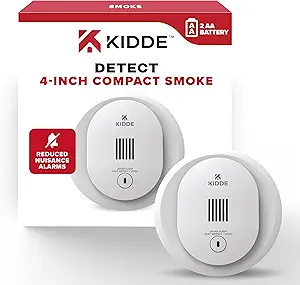 |
| Top Rated A top-rated pick with lots of positive feedback | YoLink Photoelectric Smoke Alarm YS7A12-UC |  |
| Most Popular A crowd favorite that many people choose with confidence | First Alert SMI100 Smoke Alarm | 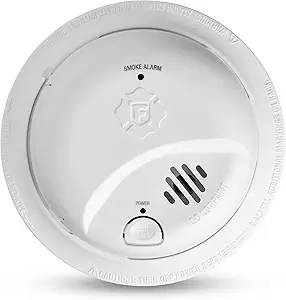 |
| Best Seller A high-volume bestseller chosen again and again | BRK First Alert 9120B |  |
First Alert SMCO100 Combination Alarm

| Power Source | Battery Powered |
|---|---|
| Alarm | Smoke, CO |
| Sensor Type | Photoelectric |
The First Alert SMCO100 is a battery-operated 2-in-1 alarm that combines a photoelectric smoke sensor with carbon monoxide detection to protect against both fire and CO hazards. It installs simply on ceilings or walls and runs on AA batteries, making placement flexible and maintenance straightforward. The key selling point is First Alert's Precision Detection technology, which is tuned to lower cooking nuisance alarms while still providing early warning for real fires. Practical features include a test/silence button for quick checks and an end-of-life warning that signals when the unit needs replacement. Because it is battery powered there is no hardwiring or complex setup, but you will need to replace batteries periodically and the unit does not offer smart features or interconnectivity with other alarms. For buyers focused on dependable, low-false-alarm smoke detection in kitchens or living areas, this model balances sensitivity and nuisance-reduction in a compact, easy-to-install package.
Best for: Buyers who want a straightforward, standalone alarm that prioritizes fewer nuisance smoke alerts while providing both smoke and CO protection for kitchens and living spaces.
Less Ideal for: Homes that require networked or hardwired alarm systems or users who need app connectivity and remote alerts should consider alternatives.
- Photoelectric sensor tuned to reduce cooking nuisance alarms
- Combined smoke and CO detection for two hazards in one unit
- Battery-powered for easy installation without wiring
- Test/silence button and end-of-life warning for simple maintenance
- No hardwired or wireless interconnect capability with other alarms
- Requires periodic AA battery replacement
Verdict: Choose the SMCO100 if you want an easy-to-install combination alarm that focuses on reducing false smoke alerts while delivering reliable smoke and CO protection.
X-Sense SC07 Combination Detector

| Power Source | 10-Year Sealed Battery |
|---|---|
| Alarm | 85 dB |
| Sensor Type | Photoelectric, Electrochemical |
| Battery Type | Lithium metal |
The X-Sense SC07 combines a photoelectric smoke sensor with an electrochemical CO sensor into a single, easy-to-install unit aimed at long-term, low-maintenance protection. It mounts on a wall or ceiling with the included bracket and hardware and runs on a built-in 10-year sealed lithium battery, eliminating routine battery changes and late-night chirps. The photoelectric sensor helps the alarm focus on slow, smoldering fires and reduces cooking-related false triggers compared with ionization-only models, while the electrochemical CO sensor provides continuous carbon monoxide monitoring. A bright LCD offers clear status and readings for quick checks. The detector meets UL 217 and UL 2034 safety standards, so it fits code-focused installs. Limitations: it is a basic standalone unit with no wireless interconnect or app control, so it will not link with other alarms or smart home systems for whole-house alerting, and the single-pack means you may need multiple units for full coverage.
Best for: Buyers who prioritize reliable detection and low false alarm rates and want a low-maintenance, code-compliant standalone alarm for kitchens, bedrooms, or common areas.
Less Ideal for: Users who need networked or smart-home–connected detectors or those who want a multi-pack solution for instant whole-house interconnection.
- 10-year sealed lithium battery eliminates regular battery replacements and low-battery chirps
- Photoelectric smoke sensor reduces cooking-related and fast-flaming false alarms compared with ionization sensors
- Built-in electrochemical CO sensor provides continuous carbon monoxide detection alongside smoke protection
- Meets UL 217 and UL 2034 certifications for safety and code compliance
- No wireless interconnect or smart features for linked alerts across multiple rooms
- Sold as a single unit so covering a whole home requires purchasing multiple detectors
Verdict: Choose the X-Sense SC07 if you want a low-maintenance, UL‑certified combo detector that minimizes cooking false alarms with a photoelectric sensor and a decade-long sealed battery.
X-Sense SC01 Combination Detector

| Power Source | 10-Year Sealed Battery |
|---|---|
| Sensor Type | electrochemical, photoelectric |
| Alarm | Audible |
| Battery Type | Lithium metal |
The X-Sense SC01 is a battery-powered combination smoke and carbon monoxide detector designed for simple standalone use. It mounts to a ceiling or wall with the supplied bracket and uses a built-in 10-year lithium battery so you do not need wiring or periodic battery replacements. The unit pairs a photoelectric smoke sensor with an electrochemical CO sensor and includes an LCD that shows real-time CO levels and battery status, which makes monitoring straightforward. The alarm is rated at 85 dB and X-Sense says the sensors are tuned to improve response while reducing nuisance triggers, which helps in kitchens and garages where false alarms are a concern. Installation and everyday operation are minimal maintenance: test, clean occasionally, and replace the entire unit at end of life. Limitations are that this model is not interconnected or Wi-Fi capable, so it will not alert other detectors or send remote notifications, and it does not replace a hardwired, interconnected system for whole-home coverage.
Best for: Buyers who want a low-maintenance, reliable two-in-one detector for single rooms or isolated areas and who prioritize fewer nuisance triggers over smart connectivity.
Less Ideal for: Homes that require whole-house interconnected alarms or remote alerts should choose a model with wireless interconnect or Wi-Fi monitoring instead.
- 10-year sealed lithium battery requires no regular battery swaps
- Photoelectric smoke and electrochemical CO sensors provide combined protection
- LCD displays real-time carbon monoxide level and battery status
- Simple standalone installation with included mounting hardware
- Not Wi-Fi enabled and cannot interconnect with other alarms
- Does not replace a hardwired interconnected system for whole-home alerting
Verdict: Pick the SC01 if you want a low-maintenance, standalone smoke and CO detector tuned to reduce false alarms without the complexity of Wi-Fi or interconnection.
Kidde 10SDR Smoke Detector

| Power Source | Battery Powered |
|---|---|
| Sensor Type | Photoelectric |
| Alarm Volume | 85 dB |
| Operating Humidity | Up to 95% RH, non-condensing |
| Upper Temperature Rating | 100 °F |
The Kidde 10SDR is a compact, two-AA battery smoke detector that uses a photoelectric sensor to prioritize smoldering smoke detection and reduce false alarms from cooking or steam. It is typically ceiling- or wall-mounted in homes, apartments, or small rooms where simple, no-wiring installation and battery backup are important. The unit emits an 85 dB alarm and a red LED when smoke is detected and includes a Test & Hush button for temporarily silencing nuisance alerts during non-emergency events. Kidde says the sensor detects smoldering fires faster than earlier designs and the alarm is tested to UL 217 10th Edition standards for code compliance. Because it runs on standard AA cells and ships with batteries, upkeep is straightforward but requires periodic battery changes. The compact enclosure and clear visual indicator make it suitable for bedrooms, kitchens near but not adjacent to cooking surfaces, and rental units where hardwiring is not available, while the simplified feature set keeps operation intuitive for most households.
Best for: Buyers who want a straightforward, low-cost smoke alarm that minimizes nuisance triggers and works without hardwiring, especially for rentals or rooms without power access.
Less Ideal for: Homeowners seeking interconnected or smart-enabled alarms with remote notifications should consider other models with wireless or hardwired interconnect and app support.
- Photoelectric sensor tuned to detect smoldering smoke and reduce nuisance alarms
- Runs on two standard AA batteries for easy replacement and operation during power outages
- Test & Hush button lets you silence false alarms temporarily without removing batteries
- Meets UL 217 10th Edition standards for recognized safety and compliance
- Requires battery replacement every six months for reliable operation
- No wireless interconnect or smart features for remote alerts
Verdict: A budget-friendly, battery-powered photoelectric alarm that cuts down on false alarms while delivering fast, code‑compliant smoke detection.
YoLink Photoelectric Smoke Alarm YS7A12-UC

| Built-In Media | Photoelectric Smoke Alarm |
|---|---|
| Power Source | Battery Powered |
| Alarm | Audible |
The YoLink Photoelectric Smoke Alarm is a compact, battery-powered detector designed to reduce false alarms while providing remote notifications through the YoLink ecosystem. It uses a photoelectric sensing chamber, which is generally better at detecting smoldering fires and less prone to nuisance tripping from cooking or steam, and the unit is UL217 10th Edition and CAN/ULC S531 certified for dependable detection. The alarm supports automated self-tests and advertises up to five years of battery life, minimizing maintenance. Full smart features require a YoLink Hub, which enables multi-channel alerts to your phone, SMS, or email and lets you silence alarms remotely when appropriate. The detector is small and easy to mount for high ceilings, bedrooms, and secondary spaces. The main limitations are the hub requirement for smart alerts and that truly critical on-site alarm loudness and local wiring features are limited by it being a battery-only standalone unit rather than a hardwired, interconnected system.
Best for: Buyers who prioritize dependable smoke detection with fewer nuisance alarms and want the option to receive remote alerts and manage alarms from their phone through a hub-backed system.
Less Ideal for: Homes that require hardwired, interconnected fire alarms for code compliance or users who need smart features without adding a separate hub.
- Photoelectric sensing reduces false alarms from cooking and steam compared with ionization sensors
- UL217 10th Edition and CAN/ULC S531 certifications provide recognized safety standards
- Up to five years of battery life reduces frequency of battery changes
- Remote multi-channel alerts and remote silence via the YoLink Hub let you respond from anywhere
- Compact, easy-to-install design suited for high ceilings and small rooms
- YoLink Hub is required to access smart alerts and remote features
- Battery-powered only, so it does not provide hardwired interconnect for whole-house alarm systems
Verdict: Choose this photoelectric YoLink detector if you want certified, low-false-alarm smoke sensing with long battery life and hub-enabled remote alerts.
First Alert SMI100 Smoke Alarm

| Power Source | Battery Powered |
|---|---|
| Sensor Type | Ionization |
| Built-In Media | 9V Alkaline Battery |
| Operating Humidity | 10-95% RH |
The First Alert SMI100 is a standalone, battery-operated ionization smoke alarm that uses First Alert's Precision Detection sensing to cut down on nuisance alerts from cooking while still signaling quickly for real fires. It installs on a ceiling or wall and is meant for single-room protection where you want a simple, no-wiring solution. The front-access 9V battery compartment and a test/silence button make maintenance and temporary hush mode straightforward, and the unit includes an end-of-life warning so you know when to replace it. Because it is ionization-based, it excels at detecting fast-flaming fires but can be less sensitive to very smoldering, slow-developing fires than photoelectric sensors. The SMI100 is compact and user-friendly, offering practical alerts without smart features or interconnectivity, so it is best for homeowners who want reliable basic protection and fewer cooking false alarms without the complexity of wired or networked systems.
Best for: Buyers who prioritize dependable, easy-to-install smoke detection with fewer cooking false alarms and who prefer straightforward battery-powered units over wired or smart models.
Less Ideal for: People who want networked, hardwired, or photoelectric-focused systems for whole-home smoldering fire detection should consider other options.
- Precision Detection reduces nuisance alarms from cooking
- Front-access 9V battery compartment simplifies battery changes
- Test/silence button for easy on-demand testing and temporary hush
- End-of-life warning signals when the unit needs replacement
- Ionization sensor is less responsive to slow smoldering fires compared with photoelectric units
- No hardwiring or interconnect capability for whole-home linked alerts
Verdict: Choose the SMI100 if you want a simple battery smoke alarm that reduces cooking false alarms while offering easy maintenance and clear end-of-life notification.
BRK First Alert 9120B

| Power Source | Battery Powered |
|---|---|
| Alarm | Audible |
| Sensor Type | Ionization |
| Operating Humidity | 10-95% RH |
The BRK First Alert 9120B is a hardwired 120 volt smoke alarm with a 9V battery backup designed to detect fast, flaming fires using an ionization sensor. It installs to the home electrical system and can interconnect with up to 12 other compatible BRK/First Alert alarms so an alarm on one unit triggers all connected units. The unit emits an 85 dB audible alarm and includes a test/silence button, tamper-resistant locking pins, and a side-load battery compartment for easier battery changes. The gasketless mount and universal mounting bracket simplify installation on ceilings or high walls. Because it uses an ionization sensor, it is especially responsive to fast, flaming fires but can be less sensitive to smoldering smoke from slow, smoldering fires, so pairing with photoelectric alarms in living areas reduces nuisance alerts and improves overall detection coverage.
Best for: Buyers who prioritize reliable, always-on protection and want a hardwired alarm that integrates into a whole-home alarm network for consistent alerts.
Less Ideal for: Those seeking the lowest nuisance-alarm profile or best smoldering-smoke detection should consider adding or choosing photoelectric alarms for living areas and bedrooms.
- Hardwired with 9V battery backup for continuous protection during power outages
- Interconnects with up to 12 other compatible BRK/First Alert alarms so all units sound together
- Simple test/silence button and tamper-resistant design for secure, maintainable installation
- Gasketless mount and universal bracket make ceiling or high wall installation faster
- Ionization sensor is less sensitive to slow, smoldering fires compared with photoelectric sensors
- Can produce nuisance alarms near cooking or steam if not placed according to recommended distances
Verdict: A dependable hardwired alarm that provides continuous, interconnected protection and is a solid choice for risk-averse buyers who want reliable detection of fast flaming fires.
Choosing the Right Smoke Detector with Fewer False Alarms: Key Factors to Consider
Sensor Type and Detection Method
The sensor technology determines how a detector senses smoke and how susceptible it is to false triggers. Photoelectric sensors excel at detecting smoldering fires and are less likely to be set off by cooking fumes than some alternatives. Ionization sensors respond quickly to fast-flaming fires but can be more sensitive to small particles, which may increase nuisance alarms in kitchens.
Many modern units use dual-sensor systems or intelligent algorithms that combine inputs to improve discrimination. When choosing a detector, check whether the detection method matches likely household hazards and whether the manufacturer describes any signal-processing features designed to reduce false positives.
Nuisance-Reduction Features
Built-in nuisance-reduction functions directly affect how often non-emergency events trigger full alarms. Features to look for include temporary hush or silence buttons for brief, known disturbances; adaptive thresholds that raise sensitivity slightly during normal cooking patterns; and steam/humidity compensation that filters transient signals caused by showers or boiling water.
The availability and usability of these protections matter. A sophisticated algorithm is only helpful if it is applied consistently and can be overridden in an emergency. Consider how the detector signals a hush period and whether it re-enables full sensitivity automatically after a safe interval.
Placement and Mounting Options
Where you install a detector affects both its effectiveness and its exposure to false-alarm sources. Ceiling-mounted detectors give the fastest warning for most fires, while wall mounting may be appropriate in certain rooms. Avoid direct placement near kitchens, bathrooms, or HVAC vents if your goal is fewer false alarms, unless the unit specifically supports nearby placement through advanced filtering.
Look for models with flexible mounting hardware, clear placement guidance, and recommendations for distance from common nuisance sources. The easier it is to place the detector properly, the fewer environmental triggers it will encounter in day-to-day use.
Power Source and Battery Performance
Power stability affects both detector reliability and the frequency of chirps that can be mistaken for false alarms. Hardwired units with battery backup reduce battery-related chirps but require more complex installation. Long-life sealed batteries or replaceable high-capacity batteries cut down on low-battery warnings that users often dismiss.
Also consider battery type and the unit's low-battery alert behavior. Devices that provide clear, infrequent reminders and predictable battery life reduce the temptation to silence or remove detectors, which in turn keeps nuisance-related behaviors from undermining safety.
Maintenance, Testability, and End-of-Life Indicators
Routine maintenance prevents false alarms caused by dust accumulation, insect ingress, or degraded sensors. A detector with easy-to-access test buttons, washable or dust-resistant housings, and clear instructions for cleaning will stay reliable longer. End-of-life warnings that clearly indicate when the sensor must be replaced help avoid alarms from aging components.
Consider how often the manufacturer recommends replacing the unit or battery, and whether the device has simple diagnostics that help you distinguish a maintenance issue from an actual smoke event.
Connectivity and Notification Options
Connected detectors can alert you remotely and often provide clearer diagnostic messages that identify alarm causes. Integration with companion apps or home systems can report whether an alarm was triggered by smoke, CO, or a maintenance condition, reducing ambiguity and unnecessary panic.
However, connectivity introduces potential complexity and notification fatigue. Choose units with configurable alerts and reliable local alarm behavior so that remote messages supplement rather than replace clear in-home warnings.
Where to Install to Minimize False Alarms
Placement decisions strongly influence how often a detector senses non-threatening aerosols. Mount detectors on ceilings in hallways outside sleeping areas for best overall coverage, and avoid installing directly over stoves, ovens, or bathrooms unless the model specifically supports nearby placement.
If kitchen coverage is required, consider placing a detector a short distance away and using a model with explicit kitchen-friendly filtering. For bathrooms, position detectors well clear of shower steam paths or choose detectors with humidity compensation.
- Ceiling center of hallways is best for general home coverage
- Keep at least 10 feet distance from cooking appliances when possible
- Avoid direct airflow from vents or fans that can carry cooking particles
- Mount detectors high on walls only if ceiling installation is impractical
Maintaining Detectors to Prevent Nuisance Alerts
Regular cleaning and inspection reduce false alarms caused by dust and insects. Use a soft brush or low-suction vacuum on the detector housing every few months and follow manufacturer guidance for deeper cleaning.
Test detectors monthly using the built-in test button and replace batteries or sealed units according to the specified interval. Replace units that show frequent unexplained chirps or erratic behavior rather than repeatedly silencing them.
- Monthly functional tests
- Quarterly light cleaning of vents and sensor openings
- Record installation date to track end-of-life replacement
Understanding Alarm Signals and Diagnostics
Not all beeps mean the same thing. Detectors often use different chirp patterns for low battery, maintenance alerts, and active alarms. Learn the pattern for each condition and consult the unit's diagnostics through any companion app if available.
When a nuisance alarm occurs, use the hush function if it is safe, then identify and eliminate the source. Persistent or unexplained alarms usually indicate a need for cleaning or replacement rather than a feature malfunction.
- Differentiate short chirps from continuous alarms
- Use hush for transient, known sources like brief cooking smoke
- Investigate persistent alarms promptly to rule out hidden issues
Balancing Sensitivity and Nuisance Filtering
High sensitivity improves early detection but can increase false alarms in busy kitchens or dusty rooms. Nuisance-filtering algorithms seek to maintain safety by requiring sustained or characteristic smoke signatures before triggering a full alarm.
When evaluating models, prefer those that document how their filtering works and allow for manual override in emergencies. That balance keeps the detector responsive to real fires while reducing interruptions from everyday activities.
- Look for documented filtering approaches
- Ensure manual override or hush is straightforward
- Prefer adjustable or adaptive thresholds for mixed-use homes
Integration With Other Home Safety Devices
Interconnected detectors and linked systems can provide clearer context during alarms. If multiple detectors sound together, you get a better sense of alarm scope and location, which helps determine whether an event is localized or widespread.
Consider whether you want devices that communicate locally only, or units that also send remote notifications. For nuisance reduction, local coordination can prevent isolated sensors from overreacting when the overall system sees no corroborating signals.
- Interconnectivity helps confirm real events
- Local coordination can reduce single-sensor false alarms
- Remote alerts add convenience but configure to avoid notification overload
How We Chose the Best Smoke Detector with Fewer False Alarms
We prioritized attributes that reduce nuisance triggers while preserving fast, reliable fire detection. Primary evaluation criteria included sensor type and algorithm quality, since multi-sensor units or units with smarter signal processing can distinguish smoke from common non-fire aerosols. We also weighed false-alarm resistance features such as hush modes, adaptive thresholds, and environmental compensation that help the detector ignore brief cooking or steam events. Practical installation and placement flexibility mattered because real-world mounting locations affect exposure to cooking fumes and humidity. Battery life and power options were considered because low-power designs and stable power reduce intermittent chirps and missed alerts. Connectivity and alert clarity were measured to ensure you receive meaningful notifications without ambiguous tones. Finally, ease of testing and maintenance—accessible test buttons, dust-resistant housings, and clear end-of-life warnings—was included because neglected upkeep often causes nuisance behavior. We excluded units lacking clear specifications about sensor type or nuisance-reduction features and any devices intended only for commercial use. Our short list emphasizes residential-appropriate detectors with documented design elements aimed at minimizing false alarms.
Our full evaluation process is outlined in our review methodology.
FAQ
Do photoelectric sensors really cause fewer false alarms than ionization units?
Photoelectric sensors typically trip less often from cooking aerosols and are more sensitive to smoldering fires, which can mean fewer nuisance alarms in kitchens. However, ionization sensors respond faster to small flaming particles, so the right choice depends on your household risks and placement.
Can I install a smoke detector in the kitchen without false alarms?
Yes, but it requires care. Use a model designed with kitchen-friendly filtering or place the detector a safe distance from the stove and oven. Proper placement and a unit with nuisance-reduction features greatly reduce false triggers.
How often should I replace or service a smoke detector to avoid nuisance beeping?
Test detectors monthly and follow manufacturer intervals for battery replacement or unit end-of-life, often every 8 to 10 years for the sensor. Regular cleaning and timely battery changes prevent many common nuisance alerts.
Will interconnected detectors reduce false alarms?
Interconnected systems can help confirm whether an alarm is localized or part of a larger event, which reduces the chance of treating isolated sensor triggers as building-wide emergencies. Properly configured local coordination can therefore lower unnecessary panic.
Are smart detectors with apps better at distinguishing false alarms?
Smart detectors can provide diagnostic information and event histories that help determine why an alarm occurred. While they may offer more context, the core ability to avoid false alarms still depends on sensor quality and onboard filtering.
Final Verdict
When your priority is fewer false alarms, focus on sensor type and nuisance-reduction features first, then make placement, power, and maintenance choices that support reliable operation. Balance sensitivity against filtering so the detector remains responsive to real danger without overreacting to routine cooking or steam. Prioritize models that document their filtering approach, offer clear maintenance guidance, and give you straightforward hush or override controls. That combination delivers dependable alerts and a quieter, more trusted home alarm setup.