
Note: This article contains affiliate links. If you click on these links and make a purchase, we may earn a small commission at no extra cost to you. This helps support our research and content. Read our full affiliate disclosure here.
Choosing a smoke detector on a budget means balancing cost with features that actually matter for keeping your home safe. You want dependable alarm performance, clear installation steps, and long-lasting power without paying extra for bells and whistles you will never use. This guide shortlists six top budget smoke detectors that meet practical safety standards and everyday usability needs. We tested these picks against common homeowner criteria like alarm reliability, installation simplicity, sensor type, and maintenance demands. Below you will find what matters, why each factor influences safety, and how to decide which budget model fits your rooms and routine.
Top Picks at a Glance
| Best Overall The best all-around choice for most situations | X-Sense SC01 Combination Detector |  |
| Best Quality Built to a higher standard if you want something more solid | X-Sense SC07 Combination Detector |  |
| Best Budget The cheapest option that still gets the job done reliably | Kidde 10SDR Smoke Detector | 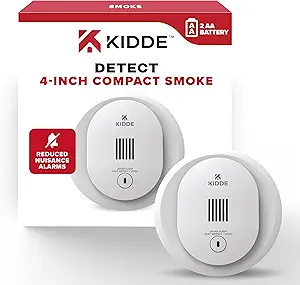 |
| Top Rated A top-rated pick with lots of positive feedback | First Alert SMI100 Smoke Alarm | 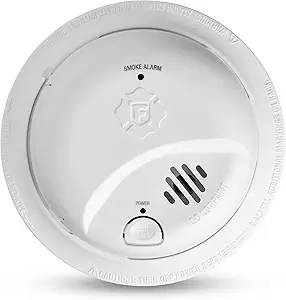 |
| Most Popular A crowd favorite that many people choose with confidence | BRK First Alert 9120B Smoke Alarm |  |
| Best Seller A high-volume bestseller chosen again and again | First Alert SMCO100 |  |
X-Sense SC01 Combination Detector

| Power Source | 10-Year Sealed Battery |
|---|---|
| Sensor Type | electrochemical, photoelectric |
| Alarm | Audible |
| Battery Type | Lithium metal |
The X-Sense SC01 is a basic standalone smoke and CO combo alarm designed for simple, long-term home protection. It combines a photoelectric smoke sensor with an electrochemical CO sensor and a built-in 10-year lithium battery so you install it once and do not need to replace batteries during its service life. The unit is mounted on a wall or ceiling using the included bracket and provides a loud 85 dB audible alarm plus an LCD that shows real-time CO levels and battery status, which helps with quick checks during routine home safety inspections. Because it is not hardwired and lacks wireless interconnect or Wi-Fi, it is best used as an individual detector per room rather than as part of a networked system. The enclosure is heat-resistant PC and the sensors aim to reduce false alarms compared with basic ionization-only units. If you want a straightforward, low-maintenance alarm that covers both smoke and CO on a budget, this model delivers reliable basics with minimal upkeep.
Best for: Homeowners or renters who want a low-maintenance, standalone alarm that provides both smoke and CO protection without wiring or ongoing battery changes.
Less Ideal for: People who need a networked system with wireless interconnect or remote monitoring should choose a model with interconnectivity features instead.
- Two-in-one protection for both smoke and carbon monoxide in a single unit
- 10-year sealed lithium battery that eliminates regular battery changes
- Real-time LCD display for CO readings and battery status
- Photoelectric and electrochemical sensors reduce common false alarms and improve detection
- Simple, no-wiring installation with included mounting hardware
- Not hardwired and cannot be interconnected wirelessly with other alarms
- No Wi-Fi or app connectivity for remote monitoring
Verdict: Pick the X-Sense SC01 if you want an inexpensive, set-and-forget smoke and CO detector that runs on a sealed 10-year battery.
X-Sense SC07 Combination Detector

| Power Source | 10-Year Sealed Battery |
|---|---|
| Alarm | 85 dB |
| Sensor Type | Photoelectric, Electrochemical |
| Battery Type | Lithium metal |
The X-Sense SC07 combines a photoelectric smoke sensor with an electrochemical carbon monoxide sensor in a simple standalone unit designed for long service life. It is intended for ceiling or wall mounting and runs on a built-in sealed lithium battery rated for 10 years, which eliminates routine battery changes and late-night low-battery chirps. The unit includes an LCD, an 85 dB alarm, and meets UL 217 and UL 2034 safety standards, so it covers the core detection needs for homes and apartments. Installation is straightforward using the included bracket and screws, and the photoelectric sensor helps reduce nuisance alarms from normal cooking. Limitations are that the SC07 is not networked and does not support wireless interconnection or app control, so each alarm operates independently and must be tested or replaced separately when its service life ends.
Best for: Buyers who prioritize dependable, low-maintenance protection and want a code‑compliant smoke and CO combo that works independently without network setup.
Less Ideal for: Homes that need interconnected alarms or smart monitoring should choose a networked or Wi‑Fi model with remote alerts instead.
- Built-in sealed 10-year lithium battery for maintenance-free operation
- Photoelectric and electrochemical sensors for reliable smoke and CO detection
- Meets UL 217 and UL 2034 safety standards
- Simple installation with included mounting bracket and hardware
- No wireless interconnection or app control to link multiple alarms
Verdict: Choose the X-Sense SC07 if you want a reliable, maintenance-free smoke and CO combo that gives decade-long protection without batteries or apps.
Kidde 10SDR Smoke Detector

| Power Source | Battery Powered |
|---|---|
| Sensor Type | Photoelectric |
| Alarm Volume | 85 dB |
| Batteries Included | 2 AA |
| Standards | UL 217 10th Edition |
The Kidde 10SDR is a straightforward, no-wires smoke alarm built for easy installation and everyday home protection. It uses a photoelectric sensor to detect smoldering fires faster according to the manufacturer and sounds an 85 dB alarm with a red LED for visual confirmation. Powered by two AA batteries included in the package, the unit runs through power outages and includes a Test & Hush button to temporarily silence nuisance alarms from cooking or steam. The compact 4-inch housing and plastic enclosure make it unobtrusive for bedrooms, hallways, and small apartments, and the alarm meets UL 217 10th Edition standards. Practical limitations are its basic feature set — there is no interconnect option, no voice alerts, and no smart integration — so it is best used as a simple, standalone detector rather than part of a monitored or networked system. For buyers prioritizing reliable, affordable smoke sensing with easy upkeep, this model covers the essentials cleanly.
Best for: Buyers seeking an affordable, fuss-free smoke alarm for single rooms, rental units, or basic home coverage who value easy installation and low ongoing complexity.
Less Ideal for: Those who want a networked or smart home safety system, multi-unit interconnectivity, or voice/remote alerts should choose a different model with those capabilities.
- Photoelectric sensor designed to reduce false alarms from cooking and steam
- Runs on two AA batteries for power-outage protection and simple installation
- Loud 85 dB alarm plus red LED status light for clear audible and visual alerts
- Compact, low-profile design suitable for small rooms and apartments
- Test & Hush button allows easy testing and temporary silencing of nuisance alarms
- No interconnect capability to link multiple alarms
- Lacks smart features, voice alerts, or app integration
Verdict: A reliable, no-frills photoelectric smoke alarm that delivers fast detection and easy battery-powered installation at a budget-friendly price.
First Alert SMI100 Smoke Alarm

| Power Source | Battery Powered |
|---|---|
| Sensor Type | Ionization |
| Built-In Media | 9V Alkaline Battery |
| Operating Humidity | 10-95% RH |
| Product Style | Precision Detection |
The First Alert SMI100 is a simple, battery-operated ionization smoke alarm intended for straightforward home protection. It installs on a ceiling or wall and runs on a front-access 9V battery for easy replacement, while a test/silence button lets you verify operation or quiet nuisance alerts. First Alert's Precision Detection sensing is tuned to cut down on false alarms from cooking while still responding quickly to fast-flaming fires that ionization sensors detect well. The unit includes an end-of-life warning to prompt replacement and operates across a wide humidity range, so it handles typical household environments. Expect minimal smart features or interconnect capability since this is a basic, standalone alarm, and ionization sensors are less sensitive to smoldering, slow-smolder fires than photoelectric types. For a no-frills, reliable single-room detector that emphasizes quick response to certain fire types, the SMI100 is a practical budget pick.
Best for: Buyers who prioritize straightforward, dependable fire detection on a budget and want a low-maintenance, easy-to-install standalone alarm for bedrooms, kitchens, or common areas.
Less Ideal for: People who want smart connectivity, whole-home interconnect systems, or the best detection for smoldering fires should consider photoelectric or interconnected models instead.
- Precision Detection reduces common cooking nuisance alarms
- Front-access 9V battery compartment for easy battery changes
- Built-in test/silence button and end-of-life warning for simple maintenance
- Wide operating humidity range suitable for typical home environments
- Ionization sensor is less sensitive to slow, smoldering fires compared with photoelectric units
- No interconnect, Wi-Fi, or smart-home features in this standalone model
Verdict: A no-frills, reliable battery smoke alarm that reduces nuisance cooking alerts while offering easy maintenance for budget-conscious buyers.
BRK First Alert 9120B Smoke Alarm

| Power Source | Battery Powered (120V AC with 9V backup) |
|---|---|
| Alarm | Audible 85 dB |
| Sensor Type | Ionization |
| Operating Humidity | 10-95% RH |
The BRK First Alert 9120B is a hardwired smoke alarm designed to detect fast, flaming fires using an ionization sensor while providing continuous monitoring through 120V AC power with a 9V battery backup. It installs to the ceiling or high on a wall and can interconnect with up to 12 compatible First Alert or BRK alarms so that all units sound when one detects smoke, which simplifies whole-home protection. The unit offers an 85 dB audible alarm, a test/silence button for quick checks and nuisance-mute, a gasketless mount for easier alignment during installation, and tamper-resistant locking pins for added security. Practical benefits include reliable detection of flaming fires, continued operation during power outages, and simple integration into an existing hardwired system. Limitations are the ionization sensor's weaker response to slow smoldering fires compared with photoelectric sensors and the need for hardwiring if you do not already have AC alarm wiring in place.
Best for: Buyers who prioritize trusted, proven home protection on a budget and want a detector that integrates with other hardwired units for coordinated alerts.
Less Ideal for: People who need the best possible detection of slow, smoldering fires or those who cannot or will not install hardwired alarms should consider alternatives like photoelectric or battery-only models.
- Hardwired 120V power with 9V battery backup for continuous operation during outages
- Ionization sensor detects fast, flaming fires effectively
- Interconnects with up to 12 compatible First Alert or BRK alarms for whole-home notification
- 85 dB audible alarm and convenient test/silence button for easy use
- Tamper-resistant locking pins and gasketless mount simplify secure installation
- Ionization sensor is less sensitive to slow, smoldering fires than photoelectric alternatives
- Requires hardwiring into the home electrical system if not already present
Verdict: A budget-friendly hardwired smoke alarm that reliably detects fast flaming fires and links with other units for simple whole-home protection.
First Alert SMCO100

| Power Source | Battery Powered |
|---|---|
| Alarm | Smoke, CO |
| Sensor Type | Photoelectric |
| Built-In Media | AA Batteries |
The First Alert SMCO100 is a battery-operated combination smoke and carbon monoxide alarm designed for simple, reliable home protection. It uses a photoelectric sensor and First Alert's Precision Detection technology to reduce nuisance cooking alarms while providing early warning for smoke, and it also monitors for carbon monoxide. Installation is straightforward since it is battery powered and does not require wiring, and the test/silence button makes weekly checks and temporary silencing easy. The unit includes an end-of-life warning to prompt replacement when sensing components age. Because it runs on AA batteries the alarm is flexible for placement but requires periodic battery changes and may not integrate with hardwired systems or smart home networks. For budget-focused buyers who prioritize dependable detection and low upfront cost, this model delivers core protection without extra connectivity features.
Best for: Buyers who want straightforward, reliable smoke and CO protection on a budget and prefer an easy-to-install, battery-powered device with fewer setup demands.
Less Ideal for: Homes that need interconnectivity, hardwired integration, or smart alerts should choose a different model with wired power or network features.
- Combination smoke and CO detection in a single unit for space-efficient protection
- Photoelectric sensor with Precision Detection reduces cooking nuisance alarms
- Battery operation allows easy installation without wiring
- Test/silence button and end-of-life warning simplify maintenance
- Requires periodic AA battery replacement
- No hardwire or smart-home connectivity options
Verdict: A no-frills, budget-friendly battery combo alarm that delivers dependable smoke and carbon monoxide detection without wiring or smart features.
Choosing the Right Smoke Detector on a Budget: Key Factors to Consider
Sensor Type and Detection Coverage
The sensor technology used determines how quickly a detector responds to different kinds of fires. Photoelectric sensors are generally better at detecting smoldering, smoky fires from slow-burning materials, while ionization sensors respond faster to fast-flaming fires. Some budget models include a single sensor type, so you need to match the sensor characteristics to the room where the detector will be installed.
Detection coverage also matters. A detector rated for a larger square footage may provide more headroom in open spaces, but placement guidelines still require mounting near likely ignition sources and on ceilings for best performance.
Alarm Reliability and False Alarm Resistance
A reliable alarm triggers when smoke or combustion byproducts are present and avoids frequent false alarms from cooking steam or bathroom humidity. Look for devices with deliberate false-alarm-reduction features such as temporary hush functions, sensitivity tuning, or smart algorithms that distinguish nuisance aerosols from combustion particles.
Excessive false alarms often lead homeowners to disable or remove detectors, which defeats the safety purpose. A budget detector that balances responsiveness with sensible nuisance filtering will be more effective in real-world use.
Power Source and Battery Life
Budget smoke detectors come in battery-only, hardwired, or hybrid formats. Battery-only units are easiest to install but require periodic battery replacement; long-life lithium batteries extend service intervals. Hardwired units tie into a home electrical system and usually include a battery backup for outages. For renters or quick installs, a battery-powered option is often the most practical.
Check manufacturer claims about battery life and whether the unit uses replaceable or sealed batteries. Replaceable batteries let you swap cells without replacing the whole detector, but sealed long-life batteries can reduce maintenance for several years.
Installation and Mounting Simplicity
Ease of installation affects whether the detector is actually installed correctly and remains in place. Budget models that include simple mounting plates, clear templates, and straightforward wiring instructions reduce installation errors. For battery units, look for tool-free battery access and intuitive alignment marks for ceiling or wall mounting.
Also consider whether the product includes all necessary hardware and whether the mounting system makes it easy to remove the unit for testing or battery replacement without disturbing the bracket.
Maintenance Indicators and End-of-Life Signaling
A detector that tells you when maintenance is needed is safer in the long run. Look for audible and visual low-battery alerts, end-of-life warnings that indicate when the sensor has degraded, and easy-to-use test or hush buttons. Clear labeling for expected service life helps you plan replacements before sensors stop functioning reliably.
Good maintenance features lower the chance of unnoticed failures and simplify compliance with recommended replacement intervals.
Where To Place Budget Smoke Detectors
Proper placement improves detection speed and reduces nuisance alarms. Install detectors on every level of the home, inside or just outside sleeping areas, and at the top of stairways. Ceiling mounting is preferred because smoke rises; if mounting on a wall, follow the manufacturer spacing from the ceiling.
Avoid installing detectors too close to kitchens or bathrooms where cooking fumes and steam can trigger nuisance alerts. In kitchens, consider placing the detector near the room but offset from immediate cooking sources. Maintain recommended clearances from vents, windows, and ceiling fans.
- Mount detectors on ceilings for best response.
- Install inside each bedroom and on every home level.
- Keep detectors away from direct cooking and shower steam.
- Place detectors near stairway tops to detect smoke movement between floors.
How to Interpret Manufacturer Sensitivity Specs
Manufacturers often publish sensitivity ranges or compliance with testing standards. Higher sensitivity catches smaller particle concentrations sooner but can increase false alarms. Look for units that meet accepted safety standards and state sensitivity in the documentation.
If sensitivity specs are listed, compare them to accepted ranges for residential detectors. When in doubt, choose models that provide plain-language guidance about expected response behavior and offer a hush feature for brief nuisance events.
- Check whether the device lists sensitivity or compliance standards.
- Balance sensitivity with the potential for false alarms in your environment.
- Choose a hush or test function to manage temporary nuisance alerts safely.
Battery Maintenance Tips for Long-Term Reliability
Establish a schedule for testing and battery checks. Test alarms monthly using the test button, and replace disposable batteries at least once a year or when the low-battery chirp starts. For units with sealed long-life batteries, note the expected service life and mark replacement dates on a calendar.
Keep a record of installation dates and any battery changes. For hardwired units with battery backup, inspect the backup at the same intervals. Proper battery maintenance avoids avoidable failures and ensures the alarm can function during power outages.
- Test alarms monthly and log results.
- Replace disposable batteries yearly or at first low-battery chirp.
- Track installation and replacement dates for easier long-term upkeep.
Dealing With Nuisance Alarms Without Compromising Safety
Nuisance alarms can be managed by choosing the right detector type and by adjusting placement. If cooking or steam is triggering alerts, move the unit slightly farther from the source or use a detector with better false-alarm resistance. Use the hush feature to silence brief non-emergency triggers while monitoring the area.
Never remove a detector because it is inconvenient. If nuisance alarms persist after repositioning, replace the unit with an alternative sensor type or model that better suits the environment. Regular cleaning to remove dust and cobwebs will also reduce false alarms.
- Relocate detectors away from frequent steam or smoke sources.
- Use hush temporarily but investigate recurring nuisance alarms.
- Clean detector openings regularly to prevent dust-related false triggers.
Upgrading From Basic Units Later
A budget detector can serve well for many years, but as needs change you may want features like interconnectivity, digital displays, or smart home integration. Consider future compatibility when selecting a baseline unit, especially if you plan to expand to interconnected systems.
If you intend to upgrade, choose mounting hardware and locations that will accommodate future models. Keep records of wiring or mounting methods used so an upgrade can proceed smoothly without unnecessary rework.
- Plan mounting locations with future upgrades in mind.
- Keep installation records to simplify later changes.
- Consider whether you want to add interconnectivity or smart features later.
How We Chose the Best Smoke Detector on a Budget
We focused on items that deliver core life-safety performance while keeping purchase and upkeep costs low. Primary evaluation criteria included alarm reliability, sensor responsiveness across smoke types, installation and mounting simplicity, battery life and power options, and the clarity of user controls and indicators. Products were filtered to include only units that meet basic safety certifications and provide clear documentation for installation and maintenance. We excluded specialty or commercial-only devices, models needing proprietary hubs, and items that rely exclusively on subscription services for basic alarm functions. We also deprioritized units with known reliability or support concerns based on manufacturer documentation. In assessing each candidate, we reviewed technical specs for smoke detection technology, tested placement and mounting steps, inspected battery or hardwire options, and evaluated user-facing features such as hush/test buttons and end-of-life indicators. The same dimensions informed our scoring criteria so readers can compare units on measurable, buyer-relevant attributes.
Our full evaluation process is outlined in our review methodology.
FAQ
How often should I replace a budget smoke detector?
Most detectors have an expected service life of 8 to 10 years. Check the unit for an end-of-life indicator or manufacture date and plan to replace the detector when the sensor life expires or earlier if it shows performance issues.
Are lithium batteries worth it for a budget model?
Lithium batteries often last significantly longer than alkaline cells and reduce maintenance. For battery-only detectors, long-life lithium cells can be a practical investment to avoid yearly battery swaps.
Can I install a battery-only detector in a hardwired-ready box?
Yes, battery-only detectors can typically be installed in existing mounting locations, but ensure the mounting hardware and spacing match. Verify that the unit is secure and that wiring cavities are properly covered if not in use.
Will a single sensor type protect my whole house?
A single sensor type will provide protection but may be better suited to some fire types than others. Using a mix of sensor types or selecting a detector with balanced sensitivity helps provide broader coverage across different fire scenarios.
What maintenance is essential for a budget smoke detector?
Monthly testing, annual battery replacement for disposable cells, periodic cleaning of vents, and attention to low-battery or end-of-life alerts are essential. Keep a record of tests and replacements to ensure continuous protection.
Final Verdict
Prioritize alarm reliability, sensor type, and power source when choosing a smoke detector on a budget. The right balance of sensitivity and nuisance resistance, combined with straightforward installation and clear maintenance indicators, will give you dependable coverage without unnecessary extras. Focus on devices that meet safety standards, are easy to maintain, and suit the layout of your home. With those priorities in mind, you can confidently select a low-cost detector that protects occupants effectively over time.