
Note: This article contains affiliate links. If you click on these links and make a purchase, we may earn a small commission at no extra cost to you. This helps support our research and content. Read our full affiliate disclosure here.
Getting the right thermostat for radiator heat makes a big difference in comfort and energy use. Radiator systems respond differently than forced-air systems, so choosing a controller that understands slow thermal response, radiator valves, and zoning needs is important. This guide shortlists seven top thermostat options suited to radiator heating setups and explains the technical and practical reasons those choices work well. We evaluate units for temperature accuracy, valve and actuator compatibility, ease of installation, and zoning capability. Read on to find the style of thermostat that fits your radiator layout and control goals.
Top Picks at a Glance
| Best Overall The best all-around choice for most situations | Sensi Lite ST25 | 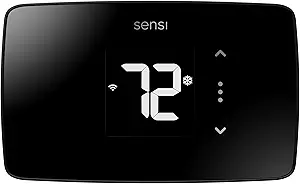 |
| Best Quality Built to a higher standard if you want something more solid | Honeywell Home RTH7600D Thermostat |  |
| Best Value The sweet spot between price and what you get | Suuwer Non-Programmable Thermostat S701 |  |
| Best Budget The cheapest option that still gets the job done reliably | White-Rodgers 70 Series 1E78-140 |  |
| Top Rated A top-rated pick with lots of positive feedback | Heagstat H701W Single-Stage Thermostat |  |
| Most Popular A crowd favorite that many people choose with confidence | Honeywell Home X2P RTH20B |  |
| Best Seller A high-volume bestseller chosen again and again | Riseem S3001 Thermostat |  |
Sensi Lite ST25
| Connectivity Technology | Wi‑Fi |
|---|---|
| Power Source | Battery or C‑wire |
| Control Method | App, Touch, Voice |
| Display Type | LCD |
| Number of Batteries | 2 AAA (included) |
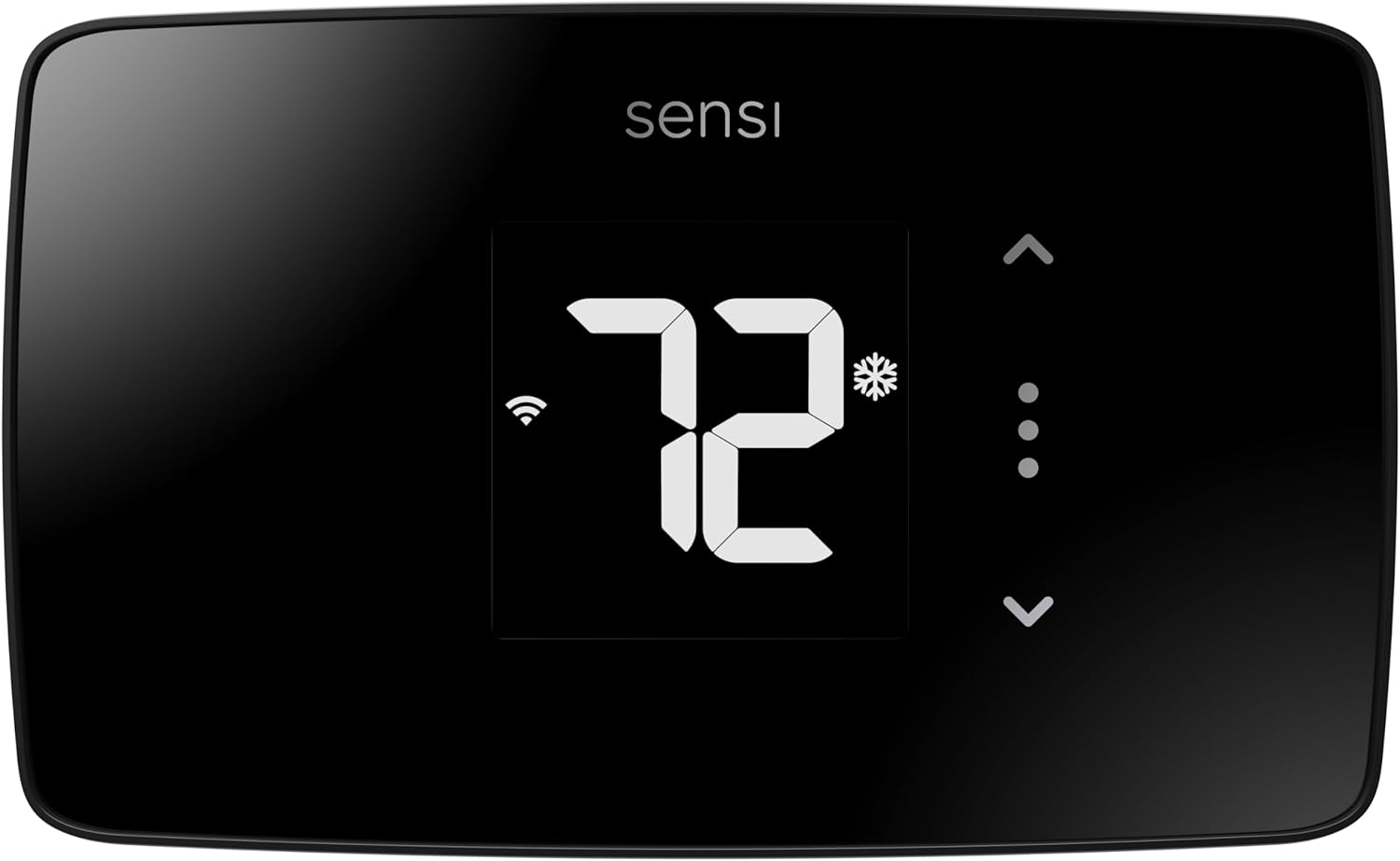
The Sensi Lite ST25 is a pared-down smart thermostat that brings app control and basic scheduling to homes with conventional HVAC, including boiler and radiator systems that use central furnace or heat pump controls. It installs as a wall-mounted unit with a built-in level and straightforward step-by-step instructions, and it can run on 2 AAA batteries or a C‑wire when required. The LCD and touch controls are easy to read and the Sensi mobile app handles remote temperature changes, geofencing, and simple usage reports for energy tracking. It is Energy Star certified and focuses on privacy by not selling activity data. Limitations: the interface and feature set are intentionally modest compared with higher-end smart thermostats, so advanced learning routines, detailed zoning controls, or deep integrations may be absent for complex multi-zone radiator setups. For single-zone radiator heating or replacing a basic wall thermostat, Sensi Lite delivers reliable remote control and scheduling without unnecessary complexity.
Best for: Buyers who want a straightforward, privacy-minded smart thermostat that adds reliable remote control and scheduling to a single-zone radiator or central heating setup without a steep learning curve.
Less Ideal for: Homes needing an advanced, multi-zone radiator control solution or users who want adaptive learning and extensive third-party automations.
- Easy DIY installation with built-in level and step-by-step guide
- Remote app control with scheduling and geofencing for temperature adjustments on the go
- Energy Star certification and usage reports to help reduce HVAC energy use
- Supports battery operation or C‑wire power for flexible wiring situations
- Privacy-focused data policy that does not sell thermostat activity data
- Limited advanced features compared with premium smart thermostats, such as adaptive learning or complex zoning controls
- Not intended for managing multiple radiator zones without additional controls
Verdict: An easy-to-install, privacy-focused smart thermostat that gives single-zone radiator and central-heat homes basic remote control, scheduling, and energy savings without complexity.
Honeywell Home RTH7600D Thermostat

| Program mode | 7-Day |
|---|---|
| Power Source | Battery Powered |
| Control Type | Touch |
| Voltage | 24 volts |
| Additional Features | Smart Response Technology |
The RTH7600D is a straightforward 7-day programmable touchscreen thermostat that learns how long your system takes to reach set temperatures and then times heating or cooling to meet programmed events. You use the large backlit touch display to set four periods per day for each weekday, plus temporary or permanent holds, and the interface shows current and set temperatures at once. Smart Response Technology preheats or precools so rooms hit the target by the scheduled time, and the thermostat includes auto changeover between heating and cooling plus a compressor protection delay and filter replacement alert. It runs on a single AAA battery or can be wired, mounts to the wall, and is compatible with many conventional systems. Limitations include a basic wired-only connectivity approach with no Wi-Fi or smartphone control and no advanced multi-zone features, so it is best where local, reliable scheduling and system protection are the priority rather than remote access or integration with smart-home platforms.
Best for: Buyers who prioritize dependable, schedule-driven temperature control and want a thermostat that times heating to reach setpoints when they expect, without needing remote app control.
Less Ideal for: Users seeking Wi-Fi connectivity, voice control, or integration with smart-home ecosystems should consider a connected thermostat instead.
- Large backlit touchscreen makes programming and viewing temps simple
- Smart Response Technology times preheating/precooling for on-schedule comfort
- 7-day, 4-period-per-day scheduling supports detailed daily routines
- Auto changeover and compressor delay protect equipment and simplify operation
- Works on battery power or standard 24V wiring for flexible installation
- No Wi-Fi or app control for remote adjustments or integrations
- Not designed for advanced multi-zone or whole-home smart system setups
Verdict: Choose the RTH7600D when you want accurate, schedule-focused temperature control that learns system run-times to deliver comfort on time without needing smartphone access.
Suuwer Non-Programmable Thermostat S701

| Controller Type | Push Button |
|---|---|
| Specific Uses For Product | Single-Stage Heating (Gas/Oil/Electric Furnace), Ventilation, and Air Conditioning |
| Power Source | Battery Powered or 24VAC |
| Display Type | LCD with blue backlight |
| Additional Features | Separate heating and cooling swing, Low Battery Indicator, 5 Minute Compressor Delay Protection |
The Suuwer S701 is a straightforward wall-mounted digital thermostat built for single-stage heating and cooling systems. It provides manual temperature control via push-button operation and a 4.5-inch backlit LCD that makes setpoints and room temperature easy to read. The unit is dual powered by 24VAC or two AAA batteries so it can work without a common wire on many systems, and it includes selectable 5-minute compressor delay protection, separate heat and cool swing adjustment, ambient temperature correction, and a low-battery indicator. Installation is typical for a basic thermostat and it is intended for conventional single-stage setups only; it is not compatible with multistage systems, most heat pumps, line-voltage baseboard heat, mini-splits, or certain RV ACs. For radiator heat specifically, the S701 supports heat-only systems and offers accurate manual control but lacks scheduling or remote connectivity that some users prefer for automating temperature around a radiator-based system.
Best for: Buyers who want a simple, reliable manual thermostat to control a single-stage radiator or conventional heating setup and who prioritize clear display and straightforward operation over automation.
Less Ideal for: People who need programmable schedules, remote access, or support for multistage or heat-pump systems should consider smarter or purpose-built alternatives.
- Large blue-backlit 4.5-inch LCD for easy reading of room temperature and setpoint
- Dual power options (24VAC or 2 AAA batteries) so no common wire is required in many installs
- Selectable 5-minute compressor delay and adjustable heat/cool swing for stable control
- Supports ambient temperature correction for more accurate room readings
- Not compatible with multistage systems, most heat pumps, line-voltage baseboard heat, or mini-splits
- No programmable schedule or remote/Wi-Fi control for automating radiator heating
Verdict: A no-nonsense manual thermostat with a large readable display and dual power options that works well for single-stage radiator and conventional heat systems when you want simple, accurate control without smart features.
White-Rodgers 70 Series 1E78-140

| Power Source | Battery Powered |
|---|---|
| Voltage | 24 volts |
| Temperature Control Type | manual |
| Display Type | Digital |
| Number of Batteries | 3 AAA batteries required. (included) |
The White-Rodgers 1E78-140 is a straightforward wall thermostat that gives basic on/off control for single-stage heat-only systems, making it a practical choice for radiator or boiler-driven heating setups that do not need scheduling. Installation is typical for wired 24-volt systems and the unit is battery powered so it retains settings without relying on house power. Its large backlit digital display and button/touch controls make set temperature changes quick and easy, and the stated plus/minus 1°F precision helps maintain steady room comfort. Because it is non-programmable there are no scheduling options or advanced features like adaptive recovery, Wi-Fi, or multi-stage control, so it suits renters or homeowners who want a reliable manual thermostat rather than smart automation. It also notes incompatibility with electric baseboard heat and some other systems, so verifying system type before purchase is important. The unit ships with batteries and conforms to a simple, low-cost design that focuses on clear temperature control rather than extra features.
Best for: Buyers who want a low-cost, no-frills thermostat to control a radiator or single-stage boiler system and prefer simple manual temperature adjustments over scheduling or smart features.
Less Ideal for: People who want programmable schedules, remote control, integration with smart-home systems, or who have electric baseboard or multi-stage heating systems should look elsewhere.
- Large, backlit digital display for easy reading in dim areas
- Simple non-programmable interface lets users adjust temperature quickly
- Battery powered so settings persist without constant house power
- Compatible with most single-stage heat-only systems and 24V wiring
- Includes required AAA batteries in the box
- No programming, Wi-Fi, or smart features for automated schedules
- Not compatible with electric baseboard heat and some other system types
Verdict: A dependable, budget-friendly manual thermostat that delivers clear, accurate control for radiator and single-stage heat systems without smart features.
Heagstat H701W Single-Stage Thermostat
| Controller Type | Non-Programmable |
|---|---|
| Power Source | AC, Battery Powered |
| Display Type | LCD |
| Connectivity Technology | Wired |
| Screen Size | 4.5 inches |
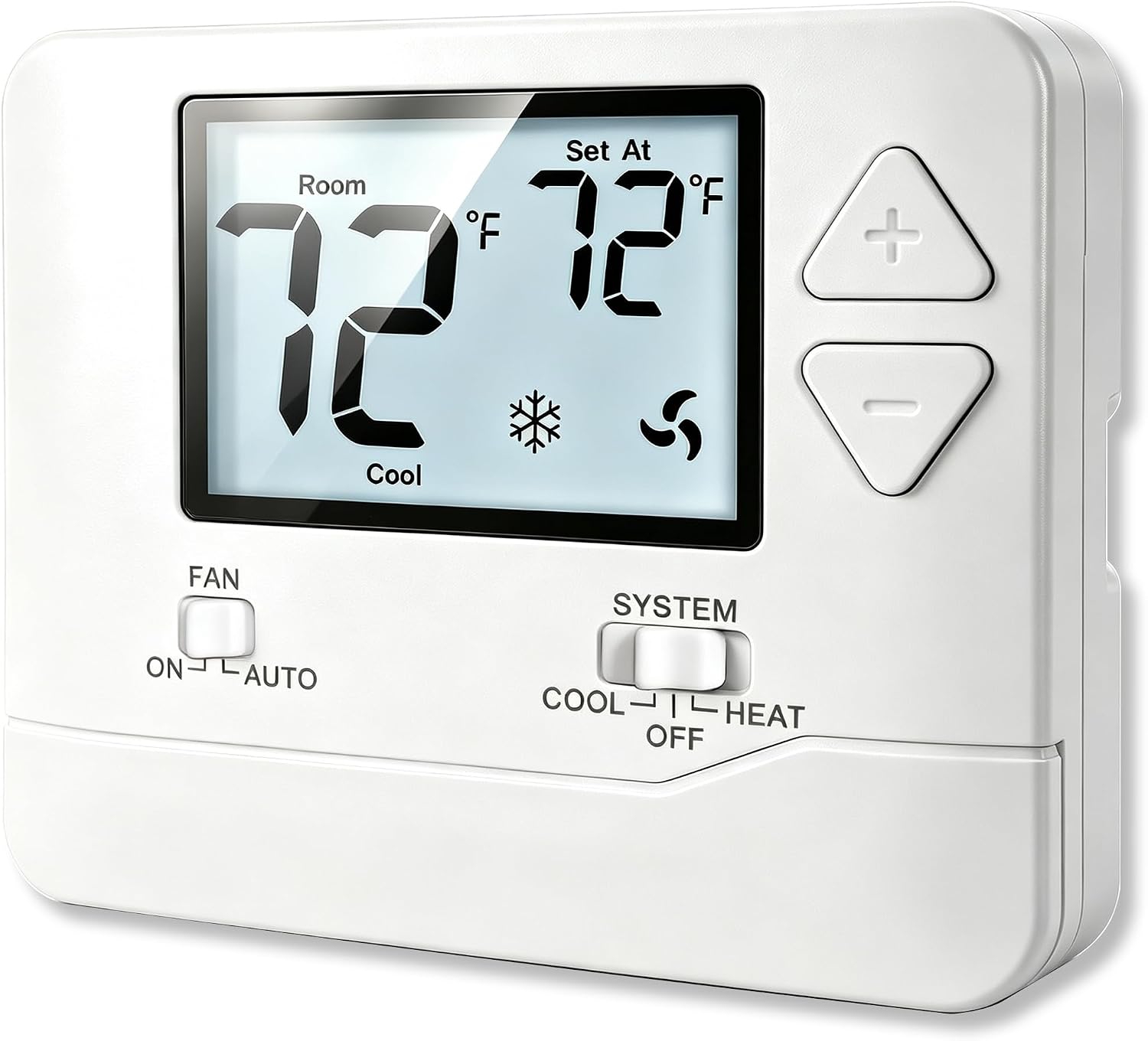
The Heagstat H701W is a manual, non-programmable wall thermostat designed for single-stage HVAC setups. It provides basic Heat/Off/Cool control with a large 4.5 square inch backlit LCD for easy reading and simple button operation, so you can change setpoints without navigating menus. The unit supports common RH/RC, W, Y, G and C terminals and can be powered either by a 24VAC common wire or two AAA batteries, which makes installation flexible for homes without a C-wire. Practical features include temperature calibration +/-4F, adjustable swing (0.2F to 2F), a selectable 5-minute compressor delay protection, and a low-battery reminder. Limitations: it only supports single-stage systems and omits auxiliary terminals for multi-stage, heat pump, or specialized controls, so it is not suitable where multi-stage or advanced programming is required. The thermostat's simplicity favors reliability and straightforward operation, but buyers needing scheduling, Wi-Fi, or multi-stage compatibility will need a different model.
Best for: Homeowners who value a straightforward, dependable thermostat for a basic single-stage heating or cooling setup and prefer a no-frills device that is easy to install and operate.
Less Ideal for: Homes that use multi-stage systems, heat pumps, or owners who want programmable schedules, remote control, or smart-home features.
- Large backlit 4.5 sq in LCD for clear readability in varied lighting
- Supports either 24VAC common wire or two AAA batteries for installation flexibility
- Selectable compressor delay and adjustable temperature swing for protecting equipment and fine-tuning comfort
- Simple manual operation with clearly labeled terminals for standard single-stage systems
- Temperature calibration feature lets you correct room sensor offset
- Not compatible with multi-stage systems, heat pumps, or many specialty terminal configurations
- No programmable schedules, Wi‑Fi, or smart-home integration
Verdict: Choose this thermostat if you need a dependable, easy-to-install non-programmable controller for a conventional single-stage system.
Honeywell Home X2P RTH20B

| Controller Type | Push Button |
|---|---|
| Temperature Control Type | Programmable |
| Power Source | Battery Powered (2 AA) |
| Display Type | LCD |
| Compatibility | Single-Stage 1 Heat/1 Cool, hot water heat, forced air |
The Honeywell Home X2P RTH20B is a straightforward programmable thermostat built for single-stage heating and cooling systems and intended as an easy upgrade or replacement. It offers 5-2 day scheduling plus a non-programmable mode, a large backlit LCD for clear daily use, and options for change filter reminders and humidity monitoring. Installation is typically simple for someone replacing a like-for-like unit and the UWP wall plate simplifies wiring during swaps; the unit runs on two AA batteries so it does not require line power. Practical benefits include clear on-device controls for basic programming, Energy Star certification for efficient operation, and compatibility with common forced-air and hot water/radiator systems that use 24 VAC, but it will not work with high-voltage electric baseboard heat. Limitations are its lack of smart-home app control or Wi-Fi features found on more advanced models, and it is optimized for single-stage systems so multi-stage or complex HVAC setups are not supported.
Best for: Buyers who want a reliable, easy-to-install programmable replacement for a single-stage radiator or hot water heating system and prefer a clear on-device interface backed by solid user reviews.
Less Ideal for: Users seeking Wi-Fi connectivity, remote control, or support for multi-stage HVAC systems should consider a smart thermostat or a model designed for more complex setups.
- 5-2 day scheduling allows weekday/weekend programming or a non-programmable option
- Large backlit LCD and touchpad controls make daily adjustments easy
- Runs on two AA batteries so no constant line power is required
- Compatible with single-stage hot water radiator systems that use 24 VAC
- No Wi-Fi or smartphone app control for remote scheduling
- Not compatible with high-voltage electric baseboard heating
Verdict: A dependable, easy-to-program replacement thermostat ideal for single-stage radiator or hot water systems when you want a simple on-device interface rather than smart features.
Riseem S3001 Thermostat

| Controller Type | Push Button |
|---|---|
| Temperature Control Type | Conventional Single Stage Systems |
| Connectivity Technology | Wired |
| Power Source | 24 volts AC or 2 AA batteries |
| Display Type | LCD |
The Riseem S3001 is a straightforward nonprogrammable wall thermostat made for single-stage heating and cooling setups. It provides simple temperature control via push buttons and a clear backlit LCD so you can set and read the room temperature quickly. The unit supports dual power (24VAC or two AA batteries) so it will keep functioning even where a C-wire is not available on most systems, and the large terminal block and universal sub-base make DIY installation relatively quick for someone comfortable with basic wiring. A separate heating and cooling swing (cycle rate) helps stabilize on/off timing, which can reduce short cycling and improve comfort. Limitations include support only for conventional single-stage systems and explicit incompatibility with multistage systems, heat pumps, mini-splits, and line-voltage baseboard heat, so it is not suitable for many modern or specialty systems. The display and controls are basic with no programming or smart features, which keeps operation simple but lacks scheduling or remote access.
Best for: Buyers who want a dependable, no-frills thermostat for a conventional single-stage radiator or furnace system and prefer a simple, easy-to-install unit with clear controls.
Less Ideal for: People who need programmable schedules, remote/smart control, or who have multistage, heat pump, mini-split, or line-voltage heating systems should look elsewhere.
- Simple push-button operation and backlit LCD for easy daily use
- Dual power option (24VAC or 2 AA batteries) so it can work without a C-wire in most systems
- Large terminal block and universal sub-base designed for straightforward DIY installation
- Separate heating and cooling swing to reduce short cycling and improve temperature stability
- Supports only conventional single-stage systems and is incompatible with heat pumps, multistage systems, and line-voltage heating
- Nonprogrammable with no smart or remote control features
Verdict: A reliable, easy-to-install digital thermostat for risk-averse buyers with single-stage radiator or forced-air systems who want simple, dependable temperature control.
Choosing the Right Thermostat for Radiator Heat: Key Factors to Consider
Temperature Accuracy and Sensor Placement
Accurate temperature sensing is central to comfort with radiator systems because radiators heat spaces slowly. A thermostat that reads ambient temperature precisely and compensates for thermal lag prevents overshoot and long cool-down periods. If the thermostat uses a remote sensor, placement matters: locate the sensor away from direct sunlight, drafts, and the radiator itself so readings reflect room air rather than localized heat.
Some thermostats offer adjustable sensing offsets or multi-sensor averaging to reduce variance between rooms. These features help maintain steady comfort without frequent manual adjustments, which is especially useful in homes with heavy thermal mass or inconsistent insulation.
Compatibility With Radiator Valves and Actuators
Radiator systems often use mechanical valves or electric actuators on each radiator. Ensure the thermostat can drive the actuator type used in your system, whether that is a simple open/close actuator, motorized valve, or a control interface for a zone valve controller. Look for clear specifications on output type, voltage, and whether the device provides on/off or modulating control.
If retrofitting, check whether the thermostat supports dry contacts or switched voltage outputs that match existing wiring. In multi-radiator zones, compatibility determines whether a single thermostat can control multiple actuators or whether separate thermostats or a dedicated zone controller is required.
Zoning and Scheduling Flexibility
Radiator heat responds slowly so zoning and schedule precision become important levers for efficiency. Thermostats with multi-event schedules and distinct temperature setpoints by time of day let you preheat spaces ahead of occupancy without wasting energy during empty hours. Zoning capability—either via multiple thermostat heads or integration with zone controllers—lets you tailor comfort by room, which is particularly valuable in multi-story homes or spaces with differing solar gain.
Advanced scheduling features such as weekday/weekend profiles, vacation modes, and temporary hold options reduce the need for manual adjustments and help the heating system operate closer to occupant patterns.
Installation and Wiring Requirements
Installation complexity varies widely across thermostat types. Some units are simple replacements for existing wall thermostats, while others require additional wiring, power sources, or interface modules for actuators. Confirm the wiring required, whether a neutral or C-wire is needed, and if the thermostat supplies power to actuators or expects external power.
Consider physical mounting too: radiator-focused thermostats are sometimes mounted away from the radiator surface to get accurate readings. For retrofits, evaluate whether you can route any extra sensor or actuator wires without invasive work.
Control Interface and Remote Access
The clarity of controls affects everyday usability. Look for thermostats with clear local controls for setpoint changes and easy schedule adjustments. If remote access is important, consider units with app-based controls or integrations that allow monitoring and scheduling from a phone. Remote diagnostics and alerts can also help identify issues like failed actuators or stuck valves.
Keep in mind that Wi-Fi or smart features add convenience but may require firmware updates and depend on network reliability. Ensure the user interface matches your comfort with technology and maintenance expectations.
Durability and Maintenance
Thermostats and actuators operate constantly through heating seasons, so build quality matters. Durable components and straightforward replaceable parts reduce the chance of mid-season failures. Check whether the thermostat supports firmware updates and has a clear path for technical support if needed.
Maintenance considerations include battery life for battery-powered models, ease of recalibration, and the accessibility of actuator endpoints. A design that allows quick access to batteries or wiring simplifies seasonal maintenance and troubleshooting.
Types of Thermostats Suitable for Radiator Systems
Radiator systems can be controlled by a few different thermostat types. Electronic room thermostats with on/off outputs are the most common and work well with electric actuators and simple zone valves. Some thermostats offer modulating outputs for more precise control where the actuator supports proportional control.
Other options include wireless room sensors paired with a central controller, and thermostats designed to trigger dedicated zone controllers that handle multiple radiators. Choose the type that matches your wiring setup and desired level of control.
- On/off electronic thermostats for simple actuator control
- Thermostats with relay outputs for zone valves
- Controllers with wireless room sensors for multi-point sensing
Retrofit Tips for Older Radiator Installations
When retrofitting older radiator systems, document existing wiring and actuator types before buying a thermostat. Many older systems use two-wire setups or mechanical linkages that need adapters or new actuators to work with modern thermostats.
Plan sensor placement to avoid interference from the radiator surface. If you cannot run additional wiring, consider thermostats with battery-operated sensors or wireless options that communicate with a hub.
- Label existing wires and photograph connections
- Verify actuator voltage and wiring before purchase
- Use remote sensors if wall mounting near the radiator skews readings
Balancing Comfort and Efficiency With Radiator Control
Because radiators heat slowly, success often comes from anticipating occupancy rather than reacting to it. Use schedules that start preheating rooms 30 to 60 minutes before expected use, depending on your system lag. Avoid frequent manual setpoint changes that force the boiler to short-cycle.
Zoning is a major tool for efficiency. Instead of heating the whole house to a single setpoint, keep common areas comfortable during the day and reduce heat in unused rooms. Even small setbacks of a few degrees can yield meaningful savings when managed with sensible schedules.
- Preheat rooms ahead of occupancy to offset thermal lag
- Use small setbacks rather than large temperature swings
- Combine zoning with radiator balancing for uniform comfort
Sensor Options and Placement Strategies
Choosing where to locate the thermostat sensor or remote probe affects perceived comfort. Place sensors in representative living spaces away from direct drafts, windows, or radiators. If a single thermostat must control a large or irregular space, consider adding remote temperature sensors for averaging.
Wall-mounted thermostats should be at typical standing height and on an interior wall. Floor or table sensors can work in rooms with unusual airflow patterns, but ensure they are protected from spills and interference.
- Avoid mounting directly above or beside a radiator
- Use multiple sensors for large rooms or open-plan areas
- Place sensors where occupants spend most of their time
Common Troubleshooting Steps
If a radiator-controlled zone is not reaching setpoint, check actuator power and wiring first. Confirm the thermostat output is commanding the actuator and that the actuator physically opens the valve. Next, verify the boiler or heat source is responding to zone calls and that there is adequate circulation.
For persistent overshoot or undershoot, revisit sensor placement and consider adding a floor or remote sensor. Ensure radiators are properly balanced and bled of air so heat delivery matches thermostat expectations.
- Verify thermostat-to-actuator wiring and power
- Bleed radiators and balance flow between zones
- Check scheduling settings to ensure preheat intervals are sufficient
How We Chose the Best Thermostat for Radiator Heat
We prioritized criteria that matter for radiator-based hydronic heating systems rather than forced-air setups. First, temperature accuracy and sensor behavior were key, because radiators have slower thermal lag and require thermostats that avoid frequent short cycles. Second, compatibility with radiator valves and electric actuators was assessed to ensure the thermostat can directly control valve-equipped radiators or interface with common actuator types. Third, zoning and scheduling flexibility were considered so homeowners can balance comfort and efficiency across rooms. Fourth, installation complexity and wiring options were evaluated since many radiator systems use two-wire or simple actuator connections rather than standard HVAC wiring. Finally, user controls and integration features were reviewed for usability and remote management where applicable. We excluded devices intended only for forced-air furnaces or heat pumps and units that cannot interface with typical radiator actuators. Our shortlist focuses on controllers that match radiator system behavior, wiring, and zoning needs. The resulting picks favor thermostats that deliver reliable temperature hold, clear valve/actuator control modes, and practical installation for retrofit and new-install situations.
Our full evaluation process is outlined in our review methodology.
FAQ
Can I use a standard wall thermostat with radiator actuators?
Often you can, but it depends on the actuator type and wiring. Many wall thermostats provide simple relay outputs that work with electric actuators or zone valves. Confirm voltage and output type match the actuator before connecting.
Do I need remote sensors for accurate readings?
Remote sensors help when the thermostat location is near a radiator, draft, or strong sunlight. They are useful in large rooms or when averaging temperature across multiple spaces to prevent localized temperature bias.
How should I schedule thermostats for slow-responding radiator systems?
Start preheating rooms 30 to 60 minutes before occupancy depending on system lag, and use modest setbacks rather than aggressive temperature swings. Multi-event schedules and temporary holds let you adapt without frequent manual intervention.
What wiring issues are common when retrofitting thermostats to radiators?
Common issues include mismatched actuator voltage, missing common or power wires for electronic thermostats, and insufficient wire runs for additional sensors. Label existing wiring and confirm specifications before purchasing a replacement.
Will a smart thermostat save energy on a radiator system?
Smart features can improve efficiency by enabling precise schedules and remote control, but savings depend on system responsiveness and how schedules are used. Because radiators have slow thermal dynamics, smart controls are most effective when paired with sensible preheat and setback strategies.
Final Verdict
Prioritize thermostats that match the electrical outputs and control style of your radiator actuators, and focus on good sensor placement and zoning capability. Accuracy and compatible valve control will have the biggest effect on comfort because radiator systems respond slowly and require anticipatory schedules. Balance advanced features against installation complexity to find a solution that delivers steady room temperatures without excessive intervention.