
Note: This article contains affiliate links. If you click on these links and make a purchase, we may earn a small commission at no extra cost to you. This helps support our research and content. Read our full affiliate disclosure here.
If you want to remove lead from your household tap without sacrificing kitchen counter space, an under-sink water filter is a practical choice. These systems sit under the sink and deliver filtered water through a dedicated faucet or the existing tap, reducing lead and other contaminants at the point of use. Choosing the right under-sink filter matters because filtration performance, certification, and ease of maintenance directly affect how safe and convenient your drinking water will be. This guide covers the top shortlisted under-sink water filters for lead removal, focusing on certified lead reduction, flow rate, filter life, and installation factors. Use the evaluation details below to find an option that meets your capacity, plumbing setup, and maintenance preferences. Next, we outline what we considered and the criteria used to evaluate the best units for lead removal.
Top Picks at a Glance
| Best Overall The best all-around choice for most situations | Waterdrop UA-5Y Under Sink Filter |  |
| Best Quality Built to a higher standard if you want something more solid | Clearly Filtered 3-Stage Under Sink System |  |
| Best Value The sweet spot between price and what you get | ICEPURE WFS5300A Under-Sink Filter |  |
| Best Budget The cheapest option that still gets the job done reliably | Dreamwills DS10 Under Sink Filter | 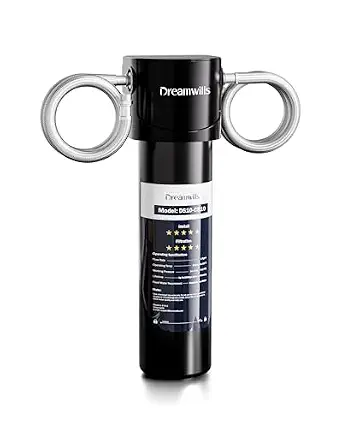 |
| Top Rated A top-rated pick with lots of positive feedback | CuZn UC-200 Under Sink Water Filter |  |
| Most Popular A crowd favorite that many people choose with confidence | Waterdrop WD-10UA Under-Sink Filter | 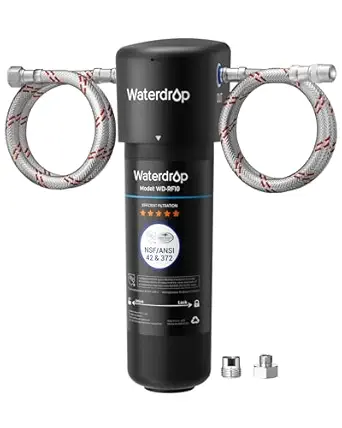 |
| Best Seller A high-volume bestseller chosen again and again | iSpring RCC7AK-BN 75 GPD RO System |  |
Waterdrop UA-5Y Under Sink Filter

| Purification Method | Activated Carbon |
|---|---|
| Filter Life Cycle | 5 years |
| Maximum Flow Rate | 1.33 gpm |
| Power Source | Mechanical Water Pressure |
| Supported Water TDS Level Maximum (PPM) | 700 |
The Waterdrop UA-5Y is an under-sink filter designed for low-maintenance, long-life service in homes on municipal water. It uses a 0.5 μm activated carbon block element and mechanical water pressure to reduce lead, chlorine, PFOA/PFOS, turbidity, rust, and bad tastes and odors while retaining beneficial minerals. Installation is straightforward with the included hoses, converter and hardware and does not require electricity, and the unit operates quietly with minimal impact on water pressure. The standout feature is the advertised 5-year filter life, which cuts replacement frequency and lowers long-term upkeep for typical households, though the larger cartridge size means you should confirm under-sink clearance before buying. The system is NSF/ANSI 372 lead-free certified and rated for up to 1.33 gpm flow and 35 to 100°F operating temperatures, making it suitable for everyday drinking and cooking water. It is intended for municipal tap water and is not recommended for well water use.
Best for: Buyers who want a low-maintenance, long-lasting under-sink filter that reduces lead and common municipal contaminants without frequent cartridge changes.
Less Ideal for: Those with well water or homes needing specialized multi-stage treatment for bacteria or very high mineral/TDS loads should look elsewhere.
- Long 5-year filter life reduces replacement frequency and maintenance
- 0.5 μm activated carbon block reduces lead, chlorine, PFOA/PFOS, and taste/odor
- NSF/ANSI 372 certified components for lead-free compliance
- Easy, tool-minimal installation with included hoses and fittings and no power required
- Larger cartridge size may not fit compact under-sink spaces
- Not recommended for well water or extremely high TDS sources
Verdict: Choose the UA-5Y if you want a certified, easy-to-install under-sink filter that prioritizes long service life and effective lead reduction with minimal upkeep.
Clearly Filtered 3-Stage Under Sink System

| Purification Method | Activated Carbon, Carbon Block, Ion Exchange, Deionization |
|---|---|
| Filter Life Cycle | 12 months |
| Supported Water TDS Level Maximum (PPM) | 500 |
| Other Special Features | Independently Tested to comply with NSF/ANSI 42, 53, 401, 473 |
| Power Source | Manual Operation |
This Clearly Filtered 3-Stage Under Sink System installs between the cold water line and valve to provide whole-tap filtration without adding a separate faucet. It uses a three-stage affinity-based process — carbon block, ion exchange and deionization components — to target hundreds of contaminants including fluoride, lead, PFAS, heavy metals and many pharmaceuticals, and it is third-party tested to NSF/ANSI standards. Typical use is simple: mount or place the compact stainless steel unit under the sink, connect to a 3/8-inch line and replace all three cartridges about once a year for an average household. Expect a modest reduction in cold water flow (manufacturer notes up to 25–35%) as the system prioritizes filtration performance, and the compact, portable design makes it renter-friendly and easy to remove if needed. The system does not require electricity and avoids the wastewater of reverse osmosis, but buyers should plan for yearly filter purchases and be aware it is optimized for cold-water lines only.
Best for: Buyers who prioritize contaminant-removal performance and independent testing and want a compact under-sink system that treats every drop from the cold tap.
Less Ideal for: People who need full hot-and-cold tap filtration, want the highest possible flow rates, or who prefer systems with very low annual maintenance requirements.
- Removes a broad list of contaminants including lead, fluoride, PFAS and many pharmaceuticals as claimed and third-party tested
- Three-stage filtration (carbon block, ion exchange, deionization) preserves beneficial minerals while targeting contaminants
- Compact stainless steel design fits under most sinks and connects to standard 3/8-inch cold water lines
- No electricity or storage tank required and produces no wastewater like reverse osmosis systems
- Cold water flow can be reduced by about 25–35% due to high-performance filtration
- All three filters must be replaced together about once a year, adding recurring maintenance cost
Verdict: Choose this system if you want a compact, third-party tested under-sink filter that prioritizes removing lead and a long list of other contaminants over maximizing cold-water flow.
ICEPURE WFS5300A Under-Sink Filter

| Purification Method | Activated Carbon |
|---|---|
| Maximum Flow Rate | 2.5 gpm |
| Filter Life Cycle | 3 years |
| Capacity | 22000 gallons |
The ICEPURE WFS5300A is an under-sink activated carbon cartridge meant to provide point-of-use drinking water by connecting to a cold water line and feeding your existing faucet. It uses a coconut-shell carbon block with a 0.5 micron outer layer and carries NSF/ANSI 42 and 372 certifications for chlorine, taste, odor reduction and lead-free materials. Installation is straightforward with a direct-connect head, basic adapters, and a claimed plug-and-play setup that most DIYers can complete in minutes. The filter supports a high tested flow rate of 2.5 gpm, so water pressure for everyday kitchen tasks should remain strong, and the large 22,000-gallon capacity means infrequent replacements for busy households. Important limits are that it is intended for cold water only and the NSF listing targets chlorine and aesthetic contaminants rather than a full spectrum of contaminant reductions, so buyers seeking certified multi-class lead removal beyond material lead-free certification should verify performance against local water quality reports or consider a unit with explicit NSF 53/Certified lead reduction data. Overall, it is a practical, high-capacity option for improving drinking water taste and reducing basic heavy metals where certified for those claims.
Best for: Buyers who prioritize a durable, low-maintenance under-sink filter that improves taste and reduces basic contaminants while minimizing replacement frequency and installation fuss.
Less Ideal for: Homes with known high lead levels or buyers who need certified multi-contaminant removal data should choose a system with explicit NSF 53 or lead-reduction certification instead.
- NSF/ANSI 42 and 372 certifications for chlorine/taste/odor reduction and lead-free materials
- High tested flow rate of 2.5 gallons per minute that preserves household water pressure
- Long service life rated for 22,000 gallons to reduce replacement frequency
- Simple direct-connect, plug-and-play installation with included adapters
- Certified mainly for chlorine/taste/odor rather than explicit NSF 53 lead-reduction performance data
- Cold-water use only, not rated for hot water applications
Verdict: A high-capacity, easy-to-install under-sink carbon filter well suited for buyers wanting long-lasting taste and chlorine improvement with minimal upkeep.
Dreamwills DS10 Under Sink Filter

| Installation Type | Under Sink |
|---|---|
| Purification Method | Carbon Block |
| Maximum Flow Rate | 1.3 gpm |
| Filter Life Cycle | 2 years |
| Supported Water TDS Level Maximum (PPM) | 600 |
The Dreamwills DS10 is an under-sink carbon block filter meant to give everyday drinking water better taste and lower chlorine and aesthetic contaminants. It installs without tools by connecting to the cold-water valve and fits into tight cabinets while delivering a calibrated 1.3 gpm flow so taps still fill quickly. The system uses coconut shell carbon and is tested to NSF/ANSI 42 for chlorine and odor reduction, and the manufacturer recommends replacing the cartridge every 12 months or after about 8,000 gallons to avoid bacterial build-up. Practical benefits include improved coffee and tea flavor, fast flow without a separate faucet, and straightforward swapouts that do not require a plumber. Limitations to note: it is intended for cold water only and is certified for chlorine and taste/odor reduction rather than comprehensive lead removal testing, so buyers focused specifically on certified lead reduction should verify lead-specific certification or choose a filter rated to NSF/ANSI 53 for lead removal.
Best for: Buyers prioritizing an affordable, easy-to-install under-sink filter that improves taste and removes chlorine without a complicated setup or extra faucet.
Less Ideal for: Homes that require certified lead removal or high-TDS filtration should consider systems explicitly rated for lead reduction rather than this model.
- Tool-free installation for DIY setup without a plumber
- Compact, space-saving under-sink design that maintains a 1.3 gpm flow
- Uses coconut shell carbon for effective chlorine, taste, and odor reduction
- NSF/ANSI 42 testing for aesthetic reduction provides independent verification
- 1-year / 8,000-gallon replacement cycle promotes sanitary cartridge changes
- Not certified to reduce lead specifically (NSF/ANSI 53 is not listed)
- Cold-water use only, not designed for hot water operation
Verdict: Choose the Dreamwills DS10 if you want an inexpensive, compact under-sink carbon filter that is easy to install and improves chlorine taste and odor without added plumbing.
CuZn UC-200 Under Sink Water Filter

| Model Number | UC-200 |
|---|---|
| Included Components | Stainless Steel Connection Hose |
| Material Type | NSF Approved Material Components |
The CuZn UC-200 is an under-sink inline filter designed for simple DIY installation and long service life. It uses a three-stage blend of micro sediment membrane, KDF-55 media, and coconut shell carbon to reduce chlorine, lead, PFAS/PFOA, sediment, microplastics and bad tastes and odors while leaving healthy minerals in the water. Because it is bacteriostatic and built for high capacity, a single unit is rated to last up to five years or 50,000 gallons depending on incoming water quality, which makes it a low-maintenance option compared with cartridge systems that need frequent replacement. Installation connects directly to the cold-water supply with the included stainless steel hose and does not require drilling. Important limitations: it does not lower total dissolved solids so it is not a substitute for reverse osmosis if you need TDS reduction, and actual lifespan depends on local water conditions. For homeowners who want a durable, set-and-forget under-sink filter that focuses on lead and chlorine reduction, the UC-200 is a practical choice.
Best for: Buyers who prioritize a reliable, low-maintenance under-sink filter for long-term reduction of lead, chlorine and similar contaminants and who value a set-and-forget solution.
Less Ideal for: Households that need reduction of total dissolved solids, very high contaminant loads, or those wanting multi-stage RO-level purification should consider other systems.
- Very long rated filter life (up to 5 years or 50,000 gallons) reduces replacement frequency.
- Tested filtration media mix that targets lead, chlorine, PFAS/PFOA and sediment while retaining beneficial minerals.
- Bacteriostatic construction and durable materials for reliable long-term use.
- Simple inline installation with included stainless steel connection hose—no drilling required.
- Does not reduce total dissolved solids so it will not replace an RO system for TDS removal.
- Actual service life varies with incoming water quality and may be shorter in high-contaminant areas.
Verdict: Choose the UC-200 if you want a dependable, long-lasting under-sink filter that significantly reduces lead and chlorine with minimal upkeep.
Waterdrop WD-10UA Under-Sink Filter

| Purification Method | Activated Carbon |
|---|---|
| Installation Type | Under Sink |
| Maximum Flow Rate | 2.5 gpm |
| Filter Life Cycle | 1 years |
| Supported Water TDS Level Maximum (PPM) | 700 |
The Waterdrop WD-10UA is a compact under-sink activated carbon filter that connects to your cold water feed to deliver clearer, better-tasting drinking water. It installs with push-to-connect fittings and a twist-and-lock cartridge so setup and annual cartridge changes are straightforward without tools or drilling. The cartridge is NSF/ANSI 42 and 372 certified for chlorine, taste and odor reduction and the listing highlights reduction of lead and PFAS-related compounds, making it a reasonable choice where those contaminants are a concern. Its mechanical design relies on household water pressure and the upgraded internal area helps resist clogging while keeping a usable flow for faucets and drinking. Limitations include compatibility only with cold municipal water and the one-year filter life, which requires buying replacement WD-RF10 cartridges; it is not rated for well water or hot water use. For buyers prioritizing verified contaminant reduction and simple maintenance, the WD-10UA delivers an easy under-sink filtration upgrade with clear real-world installation and replacement benefits.
Best for: Buyers who want a proven, easy-to-install under-sink filter focused on reducing chlorine, lead and PFAS from municipal cold tap water and who value straightforward maintenance and social-proofed performance.
Less Ideal for: Homes using well water, hot water feed, or users who need multi-stage filtration for bacteria or very fine particulate removal should look for a different system.
- NSF/ANSI 42 and 372 certification for chlorine, taste and odor reduction
- Push-to-connect fittings and twist-lock cartridge enable tool-free installation and quick filter changes
- Designed to reduce lead and PFAS/PFOA/PFOS in municipal cold water
- Compact single-canister design fits under most sinks and is suitable for leased properties or RVs
- Intended for cold municipal tap water only and not suitable for well or hot water
- Filter life is 12 months requiring annual replacement cartridges
Verdict: A compact, NSF-certified under-sink carbon filter that makes it simple to reduce lead and PFAS in municipal cold tap water with easy installation and annual cartridge swaps.
iSpring RCC7AK-BN 75 GPD RO System

| Purification Method | Reverse Osmosis, Alkaline, Activated Carbon, Carbon block |
|---|---|
| Power Source | No Power Needed |
| Maximum Flow Rate | 284 liters_per_day |
| Supported Water TDS Level Maximum (PPM) | 750 |
| Filter Life Cycle | 6 months |
The iSpring RCC7AK-BN is an under-sink reverse osmosis unit that delivers highly filtered drinking water while adding minerals back in for improved taste and pH. It uses six filtration stages including sediment, carbon, RO membrane and an alkaline mineral stage, and comes with a brushed-nickel faucet and storage tank for standard kitchen installation. The system is NSF/ANSI 58 certified for the full system, which provides confidence in lead, fluoride and many other contaminant reductions, and the transparent first-stage housing makes it simple to see sediment buildup. Installation is designed for do-it-yourselfers with push-to-connect fittings and a convertible feed adapter for common plumbing. The unit requires no electricity and lists a 75 gallons-per-day capacity and a typical filter replacement cadence, so maintenance is predictable. Downsides are the under-sink footprint and the need to replace filters on schedule to maintain performance, and it does not provide hot water dispensing or powered features some users expect.
Best for: Buyers who prioritize verified contaminant reduction and long-term water quality control and want a durable, no-electricity under-sink solution backed by certification and support.
Less Ideal for: People with extremely limited under-sink space or those seeking a no-maintenance countertop pitcher-style filter should consider simpler, smaller options instead.
- NSF/ANSI 58 certified full-system filtration for verified contaminant removal including lead
- Alkaline remineralization stage improves taste and balances pH
- Transparent first-stage housing lets you visually inspect sediment buildup
- DIY-friendly fittings and top-mounted fastener simplify installation from above
- Runs without electricity and includes faucet and storage tank for a complete under-sink setup
- Requires regular filter and membrane replacements to sustain certified performance
- Takes notable under-sink space compared with simpler cartridge filters
Verdict: Choose the RCC7AK-BN when you want a certified, no-electricity under-sink RO system that removes lead and restores taste with a mineral boost.
Choosing the Right Under-Sink Water Filter for Lead Removal: Key Factors to Consider
Certification and Test Verification
Look for third-party certification or lab test results that specifically verify lead reduction performance. Certifications provide objective evidence that a filter meets recognized standards for lead removal.
Without independent verification, manufacturer claims are harder to trust. A certified system gives confidence that the media and design reduce both dissolved and particulate lead under real-world flow conditions.
Filtration Technology and Media
Different media remove lead in different ways. Adsorptive media such as activated carbon with lead-specific treatment, ion exchange resins, and specialized chelating or catalytic layers each target lead with varying effectiveness and capacity.
Understanding which technology a system uses helps predict how it will behave with your water chemistry, including whether it more effectively removes particulate lead or dissolved ionic lead.
Flow Rate and Household Needs
Flow rate determines how quickly filtered water is available at the tap. Higher flow rates are more convenient for filling pitchers, cooking, or multiple simultaneous uses, while lower flow systems can be sufficient for single-person kitchens.
Consider typical household demand and whether the system delivers through a dedicated faucet or integrates with your existing tap, since that affects usability during meal prep and cleanup.
Filter Life and Replacement Frequency
Longer filter life reduces the frequency of cartridge changes and lowers long-term maintenance hassle. Filter life is often expressed in gallons or months; both matter because occasional high-demand use can reach the gallon limit faster than the time-based limit.
Also consider how filter performance degrades over time. Some media maintain lead reduction efficacy near the end of life, while others decline more rapidly, making timely replacement important for safety.
Installation and Plumbing Compatibility
Under-sink systems vary in installation complexity. Some require only basic cartridge swaps and a single dedicated faucet hole, while others need additional fittings, shutoff valves, or more advanced plumbing skills.
Assess cabinet space, existing faucet configuration, and whether you are comfortable performing basic plumbing. Systems designed for straightforward DIY installation reduce the need for professional help.
Ongoing Maintenance and Parts Availability
Easy-to-find replacement cartridges, clear replacement schedules, and simple access to the filter housings make ongoing maintenance less frustrating. Consider whether replacements are sold widely and whether the manufacturer provides clear guidance on changing filters.
Also look at the cost and lead time for replacement parts. Even the best-performing filter can become impractical if cartridges are hard to source quickly.
How Under-Sink Lead Filters Work
Under-sink lead-removal systems typically combine one or more filtration stages tailored to capture lead particles and dissolved lead ions. Common stages include sediment prefilters to trap rust and particulates, adsorptive carbon to bind organic contaminants and some metals, and specialized media or ion exchange layers designed specifically for lead.
The multi-stage approach protects the lead-targeting media from premature fouling and balances flow rate with removal efficacy. Systems that include a pressure-balanced housing and clear service indicators make it easier to keep the unit performing at rated levels.
- Sediment prefilter extends life of lead-specific media
- Adsorptive layers handle organic tastes and some metal binding
- Specialized media target dissolved lead ions or chelated lead particles
Installation Options and What to Expect
Most under-sink systems fit within a standard cabinet and connect to the cold water line. Some use a dedicated faucet that mounts to the sink or countertop, while others adapt to the existing faucet arrangement. Installation typically involves shutting off the water, attaching the filter housing to the cold feed, and routing the outlet to the faucet.
Expect to allocate 30 to 90 minutes for a DIY install depending on your experience. Check clearance for filter housings and replacement cartridges to ensure you can access them comfortably without removing cabinetry or plumbing each time.
- Dedicated faucet models require a drill hole if one is not available
- In-line adapters can minimize changes to existing faucet hardware
- Keep space for cartridge removal and replacement
Maintenance Best Practices
Follow the manufacturer's replacement schedule based on gallons or months, and track actual usage. If your household uses more water than average, change cartridges earlier based on gallon ratings rather than the time interval alone. Flushing new cartridges per instructions helps remove manufacturing debris and stabilizes performance.
Keep a replacement cartridge on hand to avoid gaps in protection. Inspect housings and O-rings during each change and replace worn seals to prevent leaks and maintain proper pressure. Regularly check for reduced flow as a sign that prefilters may be clogged and due for replacement.
- Flush new cartridges before first use
- Replace O-rings during cartridge changes if damaged
- Track gallons-through-filter, not just calendar months
Matching a System to Water Quality
If you suspect or know you have lead issues, start with a water test that measures lead concentration and other relevant chemistry parameters. High sediment, iron, or hardness can affect media life and may necessitate prefiltration. Understanding your water helps you choose a system with appropriate prefilter stages and media capacity.
Local water chemistry can also influence whether a given media will be effective for dissolved versus particulate lead. Where multiple contaminants are present, select a multi-stage system that maintains lead reduction performance without frequent premature replacement.
- Test water for lead concentration before selecting a system
- Choose prefilters if sediment or iron is present
- Check media compatibility with dissolved versus particulate lead
Signs Your System Needs Attention
Watch for reduced flow, cloudy water, or a return of metallic taste as indicators that maintenance is needed. A sudden change in water appearance or taste after a cartridge change can signal an installation issue or a damaged seal. Regular checks prevent lapses in protection.
Some systems include usage indicators or pressure gauges to signal replacement time. If your unit lacks indicators, set calendar or gallon-based reminders based on the rated capacity to avoid running filtered water through an exhausted cartridge.
- Reduced flow often means clogged prefilter
- Metallic taste may indicate diminished lead removal
- Use indicators or manual tracking to schedule replacements
How We Chose the Best Under-Sink Water Filter for Lead Removal
We prioritized systems that are explicitly designed to reduce lead and that carry independent third-party certification or published test data supporting their lead-removal claims. Filtration efficacy was the first filter: we looked for technologies and media with proven performance against dissolved and particulate lead. Flow rate and usable delivery were next, since a highly effective filter that delivers water too slowly can be impractical for everyday kitchen use. Durability and filter life were weighted heavily because frequent cartridge replacement increases maintenance burden and long-term cost. We assessed installation complexity and compatibility with typical under-sink plumbing so homeowners can install units without major cabinetry work or special tools. Finally, we considered replacement filter availability and ease of replacement to ensure ongoing performance. Excluded items included untested or unsupported lead-removal claims, countertop or pitcher-style units, and systems requiring extensive plumbing modification beyond standard under-sink hookups. The result is a shortlist of products that meet performance, usability, and maintenance expectations specific to lead removal under the sink.
Our full evaluation process is outlined in our review methodology.
FAQ
How do I know if an under-sink filter removes lead effectively?
Look for third-party certification or lab test results that specifically list lead reduction. Check the reduction percentage at relevant flow rates and follow installation and maintenance guidance to ensure the system performs as tested.
Can I connect an under-sink lead filter to my existing faucet?
Many systems can connect to an existing cold-water line, but some require a dedicated faucet. Confirm the product's installation options and whether your sink has space or a spare hole for a dedicated dispenser if needed.
How often should I replace cartridges for lead removal?
Replacement frequency depends on rated capacity in gallons and your household water usage. High sediment or elevated contaminant levels can shorten filter life, so track gallons used and replace cartridges per the manufacturer schedule or sooner if flow drops.
Will under-sink lead filters affect my water pressure?
All filters introduce some pressure drop. Higher-capacity and multi-stage systems are designed to balance removal efficiency with reasonable flow rates, but expect a modest reduction in pressure at times of heavy use. Choose a system with a flow rating that matches your typical demand.
Do I need to test my water after installing a filter?
Testing after installation can confirm the filter is performing as expected and that lead levels are reduced. Periodic testing is also useful if you notice changes in taste or clarity, or if plumbing work has occurred upstream.
Final Verdict
Prioritize certified lead-reduction performance, realistic filter life, and a flow rate that fits your daily kitchen use when choosing an under-sink water filter for lead removal. Balance those with installation complexity and how easy replacement cartridges are to source. By focusing on measurable lead removal data, maintenance cadence, and plumbing compatibility, you can select a system that provides safer drinking water without disrupting normal kitchen routines. Choose the option that best matches your measured water needs and willingness to maintain cartridges. A properly chosen and maintained under-sink lead filter provides a reliable, low-profile solution to reduce lead exposure at the tap.