
Note: This article contains affiliate links. If you click on these links and make a purchase, we may earn a small commission at no extra cost to you. This helps support our research and content. Read our full affiliate disclosure here.
If you want consistently cleaner, better-tasting tap water without sacrificing cabinet space, an under-sink water filter is a practical upgrade. Installing one hides filtration components beneath the counter and gives you a dedicated filtered-water tap at the sink. Choosing the right under-sink water filter matters because filtration capacity, contaminant reduction, and ease of installation directly affect long-term convenience and reliability. This guide shortlists the top under-sink water filters for sink, covering models that suit different household sizes and plumbing setups. We evaluated systems on filtration performance, installation complexity, maintenance needs, and ongoing flow and pressure impact. Read on to find systems that match your water concerns and DIY comfort level before the product list below.
Top Picks at a Glance
| Best Overall The best all-around choice for most situations | APEC Water ROES-50 |  |
| Best Quality Built to a higher standard if you want something more solid | Clearly Filtered 3-Stage Under Sink System |  |
| Best Value The sweet spot between price and what you get | ICEPURE WFS5300A Under-Sink Filter |  |
| Best Budget The cheapest option that still gets the job done reliably | Dreamwills DS10 Under Sink Filter | 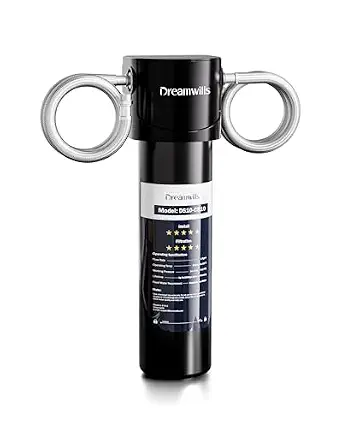 |
| Top Rated A top-rated pick with lots of positive feedback | Waterdrop WD-UL12A Under Sink Filter |  |
| Most Popular A crowd favorite that many people choose with confidence | iSpring RCC7AK-BN 75 GPD RO System |  |
| Best Seller A high-volume bestseller chosen again and again | Waterdrop WD-10UA Under-Sink Filter | 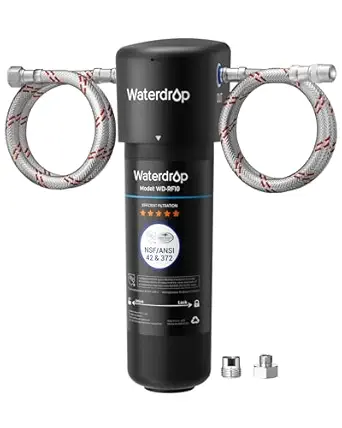 |
APEC Water ROES-50

| Purification Method | Reverse Osmosis |
|---|---|
| Filtration Stages | 5-Stage |
| Capacity | 50 gallons per day |
| Operating Pressure Range | 40-85 psi |
| Filter Life Cycle | 6 months |
The APEC Water ROES-50 is a five-stage under-sink reverse osmosis system designed to produce high-purity drinking water for a household kitchen. It uses prefilters, an RO membrane, and post-filters to reduce a wide range of contaminants including chlorine, lead, arsenic, fluoride, PFAs, and microplastics, and it delivers up to 50 gallons per day to a dedicated faucet and storage tank. Installation is DIY-friendly with quick-connect fittings and color-coded tubing, and the unit comes with a brushed-nickel faucet, tank, and a Filter-Max-ES50 filter set to get started. In practice the system provides very low-TDS water and noticeably improved taste for cooking and beverages, but it requires periodic filter and membrane replacements—prefilters roughly every 6 to 12 months and the membrane/post-filters every 12 to 24 months depending on feed water. The system operates on household water pressure within 40 to 85 psi and runs quietly since it is tank-based, but expect slow RO production compared with whole-house or higher-output models. For a balanced all-round under-sink option it combines strong contaminant removal, straightforward maintenance, and reliable build quality.
Best for: Buyers who want a reliable, proven under-sink RO system that delivers very low-TDS water and comprehensive contaminant reduction with straightforward DIY installation and maintenance.
Less Ideal for: Homes that need very high daily RO throughput or those who prefer a no-install countertop filter solution should consider other system types.
- Comprehensive 5-stage filtration removes a wide range of contaminants including heavy metals and PFAs
- Produces up to 50 gallons per day, sufficient for most household drinking and cooking needs
- DIY-friendly quick-connect fittings and color-coded tubing simplify under-sink installation
- Includes faucet, storage tank, and starter filter set so system is ready to use out of the box
- Requires regular filter and membrane replacements on a multi-month schedule
- RO output is relatively slow and relies on the storage tank for steady flow
Verdict: The ROES-50 is a dependable all-around under-sink reverse osmosis system that delivers high-purity drinking water with easy DIY installation and complete starter components.
Clearly Filtered 3-Stage Under Sink System

| Purification Method | Activated Carbon, Carbon Block, Ion Exchange, Deionization |
|---|---|
| Filter Life Cycle | 12 months |
| Supported Water TDS Level Maximum (PPM) | 500 |
| Other Special Features | Independently Tested to comply with NSF/ANSI 42, 53, 401, 473 |
| Upper Temperature Rating | 54 °F |
The Clearly Filtered 3-Stage Under Sink System is a compact under-sink water filter that uses a proprietary affinity filtration blend plus carbon and ion-exchange stages to reduce a long list of contaminants including fluoride, lead, PFAS, and various pharmaceuticals. It installs in minutes to a standard 3/8-inch cold water line without adding a separate faucet, making it practical for renters or homeowners who want high-performance filtration without plumbing work. The system is third-party tested to NSF/ANSI 42, 53, 401 and 473 and is optimized to preserve beneficial minerals while removing harmful compounds. Expect a modest reduction in cold-water flow (manufacturer notes up to 25-35%) and an annual filter change cycle for typical households, which keeps ongoing maintenance simple. The stainless-steel braided lines and portable slim design let you mount it under most sinks, and the absence of a reverse-osmosis drain means no wastewater. If you prioritize contaminant removal and easy DIY setup, this unit delivers lab-backed performance in a small footprint.
Best for: Buyers who want lab-verified, high-contaminant reduction from an easy DIY under-sink unit and value preserving beneficial minerals while removing harmful compounds.
Less Ideal for: People who need maximum cold-water flow for appliances or who prefer a system with a separate dedicated filtered faucet or integrated drinking-water dispenser.
- Removes a broad list of contaminants including fluoride, lead, PFAS, pharmaceuticals, and VOCs based on third-party testing
- Third-party tested to NSF/ANSI standards 42, 53, 401, and 473 for verified performance
- Compact, portable design installs to a standard 3/8-inch cold water line without adding a separate faucet
- Zero-waste design (no RO drain) and stainless-steel braided lines reduce installation complexity and water waste
- Cold water flow can be reduced by about 25–35% because of dense filtration media
- Filters must all be replaced together approximately every 12 months, which can be a recurring cost
Verdict: Choose this system if you want a compact, third-party tested under-sink filter that prioritizes broad contaminant removal with easy DIY installation.
ICEPURE WFS5300A Under-Sink Filter

| Purification Method | Activated Carbon |
|---|---|
| Maximum Flow Rate | 2.5 gpm |
| Filter Life Cycle | 3 years |
| Capacity | 22000 gallons |
| Installation Type | Under Sink |
The ICEPURE WFS5300A is a single-cartridge under-sink drinking water filter that uses a coconut-shell activated carbon block to reduce chlorine, taste, odor, and certain heavy metals while leaving beneficial minerals in place. It installs directly on a cold water line with 1/2" or 3/8" female NPT fittings and the manufacturer bills the plug-and-play setup as a quick DIY job with a 2-second filter swap. The cartridge is rated for 22,000 gallons or about three years of service under typical municipal water conditions, which reduces the frequency and cost of replacements compared with shorter-life cartridges. Certified to NSF/ANSI 42 and 372, the system offers verifiable chlorine reduction and lead-free materials, and the tested 2.5 gpm flow rate keeps faucet pressure feeling natural for everyday use. Limitations include cold-water-only connection and a single-stage carbon design, so it does not address dissolved solids or provide multi-stage contaminant removal found in reverse-osmosis or specialty multi-filter systems.
Best for: Buyers seeking a low-maintenance under-sink filter that prioritizes long cartridge life and reliable chlorine and taste removal without frequent replacements.
Less Ideal for: People who need comprehensive contaminant removal such as TDS reduction or systems for both hot and cold lines should consider multi-stage or reverse-osmosis alternatives.
- High-capacity 22,000-gallon cartridge reduces replacement frequency
- NSF/ANSI 42 and 372 certifications for chlorine reduction and lead-free materials
- Tested 2.5 gpm flow rate that preserves faucet flow
- Easy DIY installation and quick, tool-free filter changes
- Cold-water line only so it cannot be used on hot lines or combined hot/cold configurations
- Single-stage carbon filter does not reduce total dissolved solids or offer multi-contaminant removal
Verdict: Choose this ICEPURE unit when you want a certified, long-life under-sink carbon filter that keeps faucet flow high while minimizing how often you replace the cartridge.
Dreamwills DS10 Under Sink Filter

| Maximum Flow Rate | 1.3 gpm |
|---|---|
| Purification Method | Carbon Block |
| Supported Water TDS Level Maximum (PPM) | 600 |
| Filter Life Cycle | 2 years |
| Capacity | 8000 gallons |
The Dreamwills DS10 is an under-sink carbon block filter engineered for straightforward home use, delivering a calibrated 1.3 gpm flow so water tastes clean without sacrificing faucet speed. It installs without tools by connecting hoses to the cold-water valve and fits into tight cabinets, making it practical for kitchens with limited under-sink space. The coconut shell carbon media and NSF/ANSI 42 testing target chlorine, bad taste, and odors while retaining beneficial minerals, and the manufacturer recommends a hygienic 12-month / 8,000-gallon replacement cycle to avoid bacterial growth. Practical benefits include fast fill speeds for everyday drinking, coffee, and cooking, plus included adapters and mounting hardware for most standard setups. Limitations are that it is cold-water only and its advertised one-year lifespan is shorter than some longer-life cartridges, so replacement costs and frequency should be considered for heavy-use households.
Best for: Buyers who want an affordable, easy-to-install under-sink filter that improves taste and odor without complicated plumbing or large cabinet clearance.
Less Ideal for: Homes needing hot-water filtration, very high-volume households that prefer multi-year cartridges, or users seeking advanced contaminant removal beyond chlorine and taste.
- Tool-free, compact installation that fits into crowded under-sink cabinets
- Hydraulically calibrated 1.3 gpm flow for fast filling while maintaining contact time
- Uses coconut shell carbon and meets NSF/ANSI 42 standards for chlorine and taste reduction
- Includes adapters, hoses, tape, and mounting hardware for a complete install
- Cold-water filtration only, not suitable for hot water lines
- Filter life rated at one year / 8,000 gallons, requiring annual replacements for regular households
Verdict: A budget-friendly, compact under-sink carbon filter that delivers NSF-tested chlorine and taste reduction with tool-free installation and fast faucet flow.
Waterdrop WD-UL12A Under Sink Filter

| Purification Method | Activated Carbon |
|---|---|
| Filter Life Cycle | 1 years |
| Maximum Flow Rate | 0.75 gpm |
| Supported Water TDS Level Maximum (PPM) | 700 |
| Certification | NSF/ANSI 42 & 372 |
The Waterdrop WD-UL12A is a renter-friendly under-sink activated carbon filtration unit that installs without drilling and connects to standard 3/8" water lines. It is intended for cold-water use and reduces chlorine, PFAS/PFOA/PFOS, lead, rust and other chemical impurities while preserving dissolved minerals. The twist-and-lock cartridge and suction-cup freestanding base make installation and replacement straightforward, and a built-in time reminder beeps and lights when the filter needs changing. With a rated capacity of 11,000 gallons or about 12 months of use and a maximum flow around 0.75 gpm, it maintains steady water delivery for everyday kitchen tasks without frequent clogging. Practical limits include lack of a separate faucet and no TDS reduction, so it will not lower dissolved solids readings and is intended as a contaminant and taste treatment rather than mineral removal. For homes, offices, or RVs where easy install and predictable filter life matter, the WD-UL12A is a practical, low-hassle choice.
Best for: Buyers who want a reliable, low-maintenance under-sink filter that installs without drilling and delivers consistent contaminant reduction with predictable annual replacements.
Less Ideal for: Those who need a system that lowers total dissolved solids, provides a separate filtered faucet, or requires high-temperature hot-water filtration.
- No-drill, freestanding design simplifies installation for renters and tight spaces
- NSF/ANSI 42 & 372 certified components for chlorine and aesthetic contaminant reduction
- Long rated life of 11,000 gallons or about 12 months reduces replacement frequency
- Built-in time reminder with light and beep helps ensure timely cartridge changes
- Does not reduce TDS or remove dissolved minerals, so it will not change mineral readings
- No dedicated faucet included, relies on existing sink plumbing for delivery
Verdict: Choose this unit if you want a straightforward, no-drill under-sink filter with certified contaminant reduction and a long, predictable 12-month service interval.
iSpring RCC7AK-BN 75 GPD RO System

| Purification Method | Reverse Osmosis, Alkaline, Activated Carbon, Carbon block |
|---|---|
| Power Source | No Power Needed |
| Maximum Flow Rate | 284 liters_per_day |
| Operating Pressure Range | 70 psi |
| Filter Life Cycle | 6 months |
The iSpring RCC7AK-BN is an under-sink reverse osmosis system that uses six stages of filtration including sediment, carbon, RO membrane, and an alkaline remineralization stage to deliver low-TDS drinking water. It installs under a kitchen sink and includes a brushed-nickel top-mounted faucet and a storage tank for ready access to filtered water; push-to-connect fittings and color-coded tubing make DIY installation straightforward and the clear first-stage housing lets you visually check sediment buildup. The system is NSF/ANSI 58 certified for whole-system RO performance and claims high removal rates for TDS, lead, PFAS, chlorine, and dozens of other contaminants, while the mineral boost returns some healthy minerals and raises pH for a spring-water taste. Maintenance requires periodic filter changes on a 6-month to multi-year cadence depending on the cartridge, and its 75 GPD capacity and 70 psi operating pressure expectations mean you should confirm feed water pressure and tank fill speed match your household needs. The unit runs without electricity and includes online installation videos and lifetime technical support in the U.S.
Best for: Buyers who prioritize proven contaminant removal and verified performance and want a factory-certified, do-it-yourself under-sink RO system backed by strong user feedback and support.
Less Ideal for: Homes without adequate cold-water feed pressure or users who need instant high-volume dispensing without a storage tank should consider alternate systems.
- NSF/ANSI 58 certified for full-system RO performance
- Six-stage filtration with alkaline remineralization for improved taste and pH
- Clear first-stage housing for easy visual inspection of sediment
- DIY-friendly push-to-connect fittings and online installation videos
- Operates without electricity and includes a storage tank and faucet
- Requires regular filter replacements on a specified schedule
- 75 GPD output and tank fill rate depend on household water pressure
Verdict: Choose the iSpring RCC7AK-BN when you want a certified, six-stage under-sink RO system that reliably removes a wide range of contaminants and restores minerals for better-tasting drinking water.
Waterdrop WD-10UA Under-Sink Filter

| Purification Method | Activated Carbon |
|---|---|
| Maximum Flow Rate | 2.5 gpm |
| Filter Life Cycle | 1 years |
| Supported Water TDS Level Maximum (PPM) | 700 |
| Capacity | 11000 gallons |
The Waterdrop WD-10UA is a compact under-sink activated-carbon filter designed for municipal cold water use and everyday drinking and cooking needs. It installs directly to standard 3/8" or 1/2" cold-water feeds with a twist-and-lock housing and push-to-connect fittings so most homeowners can install it without drilling or complex plumbing. The cartridge is NSF/ANSI 42 certified for chlorine, taste and odor reduction and is reported to cut PFAS, PFOA/PFOS and lead, while retaining beneficial dissolved minerals. Waterdrop claims a long service life for one household with a rated capacity up to 11,000 gallons or about 12 months under typical municipal conditions, and replacement is quick thanks to the quick-change design. Flow rate is adequate for daily use and the unit includes fittings and tape for a complete under-sink setup. Limitations: it is intended for cold municipal water only, not well or hot water, and its effectiveness depends on incoming water quality so heavy sediment or very high TDS sources may need prefiltration or a different technology.
Best for: Buyers who want a straightforward, low-hassle under-sink filter to improve tap taste and reduce common contaminants in municipal water and prefer a reliable, easy-to-install system.
Less Ideal for: Homes using well water, users needing hot-water filtration, or anyone who needs a system that significantly lowers TDS or handles very high sediment loads without a prefilter.
- NSF/ANSI 42 certified for chlorine, taste and odor reduction
- Twist-and-lock housing with push-to-connect fittings enables easy DIY installation
- Long rated life with up to 11,000 gallons or 12 months per cartridge
- Designed to reduce PFAS, PFOA/PFOS and lead while retaining beneficial minerals
- Includes necessary fittings and Teflon tape for under-sink hookup
- Only for cold municipal water and not suited for well or hot water use
- Does not remove dissolved solids indicated by TDS, so it is not a total TDS-reducing system
Verdict: A simple, NSF-certified under-sink carbon filter that reliably improves municipal tap water taste and reduces lead and PFAS with easy DIY installation.
Choosing the Right Under-Sink Water Filter for Sink: Key Factors to Consider
Contaminant Reduction Targets
Know what you need the under-sink water filter to remove. Municipal and well water can present different issues, from chlorine taste and odor to lead, volatile organic compounds, or sediment. Matching the system's stated reduction capabilities to your water concerns ensures you get meaningful benefits.
If you have specific contaminants of concern, choose a unit with dedicated stages or certified reductions for those compounds. Generic carbon-only systems help with taste and chlorine but may not address heavy metals or specific industrial contaminants.
Filtration Stages and Media
Look at how many stages the system uses and what media are included. Typical combinations pair a sediment pre-filter with activated carbon and sometimes specialty media for lead or scale control. Multi-stage designs tend to handle a broader range of particles and chemicals than single-stage units.
Understand that more stages can mean better coverage but also higher ongoing maintenance if multiple cartridges require regular replacement. Prioritize the stages that address your main water issues rather than counting stages as an automatic quality marker.
Installation and Space Requirements
Under-sink systems must fit the available cabinet space and align with your sink plumbing. Measure usable cabinet height, width, and depth before you buy. Systems that mount to the cabinet wall or use compact, stacked cartridges can fit into tighter spaces.
Consider whether you will install it yourself or hire a plumber. Some systems use simple push-fit tubing and quick-connect fittings for straightforward DIY installs. Others require cutting tubing, drilling for an additional faucet, or attaching to existing cold-water lines, which increases installation complexity.
Flow Rate and Water Pressure Impact
A filter that heavily restricts flow will make filling pots and running the faucet slow and frustrating. Check published flow rates and note whether the system includes a dedicated faucet or integrates with your existing tap. Systems with high-capacity membranes or multiple parallel cartridges typically preserve better flow.
Also account for incoming household pressure. Very low household pressure can be further reduced by restrictive filters, so choose a system with modest pressure drop for homes that already struggle with flow.
Filter Life and Replacement Cost
Filter longevity affects both hassle and cost. Cartridges rated for higher gallons between changes reduce the frequency of maintenance but may cost more upfront. Look for realistic lifespan claims and consider how easy replacement cartridges are to source.
Factor in the environmental and storage implications of cartridge disposal and whether the manufacturer supplies clear reminder systems or simple twist-lock mechanisms to make swaps quick and error-free.
Leak Protection and Build Quality
Because the unit sits under the sink near cabinets and stored items, robust fittings and leak-mitigation features matter. Systems with reinforced tubing, quick-connect fittings, and built-in shutoff valves lower the risk of leaks during operation or servicing.
Check for clear installation instructions, accessible shutoff points, and warranty support. A sturdily built head assembly and corrosion-resistant brackets reduce the chance of mid-life failures that could lead to leaks.
Matching a System to Your Water Test Results
Start by testing your water or reviewing a recent water quality report. A basic municipal report shows common parameters such as chlorine residuals, lead, and total dissolved solids. For private wells, a comprehensive test is advisable because wells can contain bacteria, nitrates, and minerals that municipal systems do not.
Once you have results, choose systems that explicitly list reduction of the contaminants you care about. If testing is not feasible, prioritize filtration media that handle the most common tap-water complaints: sediment, chlorine taste and odor, and organic compounds.
- Municipal users often benefit most from carbon-based stages for taste and chlorine removal.
- Well owners may need additional sediment, microbial, or specific ion-targeting stages.
- If lead or PFAS are a concern, look for systems that include certified reduction stages for those contaminants.
DIY Installation Tips
Preparing the installation area makes the process smoother. Turn off the cold-water supply, clear the cabinet, and lay down a towel to catch drips. Confirm you have basic tools: an adjustable wrench, screwdriver, a drill if a dedicated faucet hole is needed, and a bucket to capture residual water.
Follow tubing routing best practices: avoid sharp kinks, keep tubing away from hot water lines, and secure fittings to reduce strain. If the system uses quick-connect fittings, press tubing fully into the connector and give a firm tug to confirm a secure seat. When in doubt, use the shutoff valves and pressure-test the system before putting items back under the sink.
- Measure space and plan tubing routes before unboxing components.
- Install shutoff valves and check for leaks at all connections.
- Consider a licensed plumber if your setup involves soldered fittings or complicated faucet modifications.
Maintenance Schedule and Best Practices
Create a simple maintenance calendar based on cartridge life and household usage. Log the installation date and expected replacement interval for each cartridge to avoid lapses. Some systems support multiple cartridge types with staggered replacement schedules; organize spare filters so you can swap them on time.
When replacing cartridges, follow manufacturer guidance for flushing and sanitizing the housing. Proper flushing removes trapped carbon fines and primes the filter media for optimal performance. Keep an eye on water taste and pressure as practical indicators that a cartridge change may be due.
- Use a calendar reminder to track cartridge changes.
- Flush new cartridges per instructions to prevent discoloration or taste issues.
- Inspect tubing and fittings during each change for signs of wear.
Space-Saving Mounting Options
Under-sink cabinets vary widely in usable space. Systems with vertical stacked cartridges or compact single-canister designs fit narrow cabinets, while multi-canister horizontal rigs need more width. Some brands supply mounting brackets that let you affix the system to the cabinet wall to free up floor space.
If cabinet depth is limited, consider units with smaller canisters and external mounting capability. Planning mounting location relative to the cold-water inlet and drain connection reduces tubing length and simplifies the install.
- Measure inside cabinet height and depth before selecting a system.
- Prefer wall-mounted brackets in tight floor-space situations.
- Check for sufficient clearance to remove cartridges for replacement.
When to Call a Professional
Hire a plumber for complex installs, for example when you must modify existing supply lines, solder fittings, or cut granite counters for a new faucet. Professional installation reduces risk of leaks and ensures compliance with local plumbing codes.
Also consider professional help if you detect contamination types that require specialized equipment or certificates for removal. A pro can recommend appropriate system sizing and verify that pressure and flow remain within acceptable ranges after installation.
- Call a pro for soldered or hard-piped connections.
- Use a plumber if you are unsure about local code requirements.
- Seek expert advice when a full water treatment solution may be needed.
How We Chose the Best Under-Sink Water Filter for Sink
We prioritized systems that deliver verifiable contaminant reduction, straightforward installation, and predictable long-term maintenance. Our selection criteria emphasized filtration performance for common municipal and well contaminants, the robustness and life of filter cartridges, and whether the system maintains adequate flow and pressure for everyday kitchen use. We also considered ease of installation under typical single-sink cabinets, the clarity of replacement instructions, and the availability of standard replacement parts. Excluded from consideration were specialty point-of-entry or whole-house systems, countertop filters, and filters that require major plumbing or electrical work. We favored systems that use tested media such as activated carbon, sediment stages, and certified reduction stages, and we flagged options that include dedicated lead or chlorine reduction stages. Durability of fittings and leak protection features were also part of the editorial filter to reduce maintenance headaches. In short, we filtered for measurable removal capability, manageable installation for a competent DIYer or plumber, reasonable cartridge life, and minimal impact on daily water flow. These dimensions guided inclusion and ranking across the shortlist.
Our full evaluation process is outlined in our review methodology.
FAQ
How often should I replace under-sink filter cartridges?
Replacement frequency depends on cartridge type and household water use. Many cartridges are rated for 6 to 12 months or a specific gallon count. Heavier sediment or higher usage will shorten life, so track both time and water production for accurate scheduling.
Can I install an under-sink filter myself?
Many under-sink systems are designed for competent DIYers and use push-fit or quick-connect fittings. Basic plumbing knowledge helps, but call a plumber if installation requires soldering, complex faucet work, or changes that affect your home plumbing codes.
Will an under-sink filter affect my water pressure?
All filters introduce some pressure drop, but well-designed under-sink systems aim to minimize flow restrictions. Check published flow rates and choose a system with higher rated flow if your household requires stronger kitchen output.
Do under-sink filters remove lead and PFAS?
Some under-sink filters include specific media certified to reduce lead or PFAS. If these contaminants are a concern, select a system that explicitly lists those reductions or carries appropriate third-party certifications for those compounds.
Is a dedicated faucet required for an under-sink system?
Some systems use a dedicated faucet while others tie into the existing cold-water line. A dedicated faucet simplifies installation and keeps filtered and unfiltered water separate, but it requires an extra hole in the sink or countertop unless an unused hole is available.
Final Verdict
Choosing the right under-sink water filter for sink means balancing contaminant coverage, installation complexity, and ongoing maintenance. Prioritize systems that address the specific contaminants your water test highlights, fit the available cabinet space, and preserve adequate flow for daily kitchen tasks. Expect routine cartridge changes and basic checks for leaks as part of ownership. If you prefer minimal hands-on maintenance, pick a system with longer-life cartridges and straightforward replacement procedures. For buyers comfortable with DIY plumbing, many reliable under-sink filters deliver excellent filtration with modest installation effort. Focus on the filtration stages and realistic maintenance cadence to pick a system that suits your household needs.