
Note: This article contains affiliate links. If you click on these links and make a purchase, we may earn a small commission at no extra cost to you. This helps support our research and content. Read our full affiliate disclosure here.
Choosing the right under-sink water filter for tap water matters because it affects the water you use for drinking, cooking, and making beverages every day. A properly matched unit reduces specific contaminants, preserves adequate flow at the kitchen faucet, and fits neatly under the sink without complex plumbing work. This guide highlights the top shortlisted under-sink water filters for tap water across common household needs. We evaluate options based on contaminant removal capability, flow rate, filter life, and ease of installation so you can pick a solution that balances water quality and daily usability. Read on for a clear breakdown of what matters and how these picks differ.
Top Picks at a Glance
| Best Overall The best all-around choice for most situations | iSpring RCC7AK-BN 75 GPD RO System |  |
| Best Quality Built to a higher standard if you want something more solid | Clearly Filtered 3-Stage Under Sink System |  |
| Best Value The sweet spot between price and what you get | Amazon Basics Under-Sink Water Filter |  |
| Best Budget The cheapest option that still gets the job done reliably | Dreamwills DS10 Under Sink Filter | 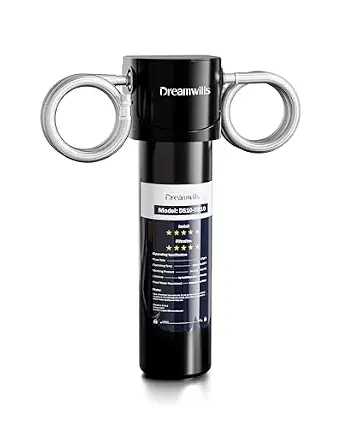 |
| Top Rated A top-rated pick with lots of positive feedback | Waterdrop 10UB-B Under Sink Filter |  |
| Most Popular A crowd favorite that many people choose with confidence | Waterdrop WD-10UA Under-Sink Filter | 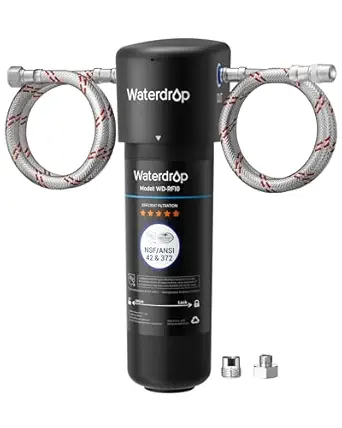 |
| Best Seller A high-volume bestseller chosen again and again | CuZn UC-200 Under Sink Filter |  |
iSpring RCC7AK-BN 75 GPD RO System

| Purification Method | Reverse Osmosis, Alkaline, Activated Carbon, Carbon block |
|---|---|
| Power Source | No Power Needed |
| Maximum Flow Rate | 284 liters_per_day |
| Supported Water TDS Level Maximum (PPM) | 750 |
| Filter Life Cycle | 6 months |
The iSpring RCC7AK-BN is a complete under-sink reverse osmosis system that turns municipal or well tap water into low-TDS, mineral-balanced drinking water. It uses six stages of filtration including sediment, carbon, RO membrane and an alkaline remineralization stage to restore minerals and raise pH for a more neutral, pleasant taste. The system is rated for up to 75 gallons per day and operates without electricity, feeding water into the included storage tank and a brushed nickel top-mounted faucet. Practical touches include a transparent first-stage housing for quick visual checks, push-to-connect fittings and color-coded tubing to simplify DIY installation, plus a convertible feed adapter to fit common water lines. The unit is NSF 58 certified for whole-system performance and reduces a wide range of contaminants including lead, fluoride, chlorine and PFAS. Expect routine filter changes on the manufacturer schedule and space under the sink for the tank and housings; installation and replacement filters are straightforward but require some basic plumbing comfort.
Best for: Buyers who want a proven, certified under-sink RO system that delivers low-TDS water with improved taste and are comfortable with a DIY install and periodic filter maintenance.
Less Ideal for: People who need an ultra-compact countertop solution or those unwilling to perform periodic filter changes and occasional basic plumbing work.
- NSF/ANSI 58 full-system certification for verified RO performance
- Six-stage filtration with alkaline remineralization for improved taste and balanced pH
- Runs without electricity and delivers up to 75 gallons per day
- Transparent first-stage housing and push-fit fittings make inspection and DIY installation easier
- Requires under-sink space for tank and housings which may not fit very tight cabinets
- Filters and membrane need regular replacement on the stated life cycle
Verdict: Choose the iSpring RCC7AK-BN if you want a certified, electricity-free under-sink RO system that produces low-TDS, mineral-balanced drinking water with reliable DIY-friendly installation.
Clearly Filtered 3-Stage Under Sink System

| Purification Method | Activated Carbon, Carbon Block, Ion Exchange, Deionization |
|---|---|
| Filter Life Cycle | 12 months |
| Supported Water TDS Level Maximum (PPM) | 500 |
| Upper Temperature Rating | 54 °F |
| Other Special Features | Independently Tested to comply with NSF/ANSI Standards 42, 53, 401, 473 |
The Clearly Filtered 3-Stage Under Sink System is a compact DIY under-sink filter that uses a blend of carbon, carbon block, ion exchange, and deionization media to remove a long list of contaminants including fluoride, lead, PFAS, and pharmaceuticals. It installs on the cold water line with 3/8-inch fittings and supplies filtered water to the existing tap without adding a separate faucet. The unit is third-party tested to NSF/ANSI standards and is optimized for performance rather than flow, so expect a noticeable reduction in cold water flow of roughly 25 to 35 percent. Filters are designed to be replaced annually for the average household, and the system avoids the wastewater of reverse osmosis systems. The stainless-steel braided lines and compact footprint make it renter-friendly and reasonably portable, but the focus on heavy contaminant removal means buyers should accept lower flow and plan for yearly filter replacements and higher filter costs compared with basic carbon-only options.
Best for: Buyers who prioritize high contaminant removal and validated performance and want a single under-sink solution that treats all water from the existing tap.
Less Ideal for: People who need full household high-flow output or who prefer a hands-off, low-maintenance system with multi-year filter intervals.
- Targets a very wide range of contaminants including fluoride, lead, PFAS, pharmaceuticals and VOCs
- Independently tested to comply with NSF/ANSI standards 42, 53, 401 and 473
- No wastewater generation unlike reverse osmosis systems
- Compact, stainless-steel design fits under most sinks and installs without a separate faucet
- Cold water flow can be reduced by roughly 25–35 percent
- Filters require annual replacement which can add ongoing cost
Verdict: Choose this system when validated contaminant removal and performance are your top priorities for under-sink filtration.
Amazon Basics Under-Sink Water Filter

| Installation Type | Under Sink |
|---|---|
| Purification Method | Activated Carbon |
| Capacity | 11000 gallons |
| Supported Water TDS Level Maximum (PPM) | 500 |
This Amazon Basics under-sink water filter is a simple, no‑power activated carbon system designed to connect directly to standard 3/8" or 1/2" cold water lines. It installs with a twist-and-lock housing and push-to-connect fittings so most DIYers can install it under a sink in minutes, and the replaceable cartridge is rated for up to 11,000 gallons or 12 months of use on municipal water. Certification to NSF/ANSI 42 and 372 verifies reduction of chlorine, bad taste, and odor while using polypropylene and a carbon block element. The included hoses and adapter fittings make it compatible with common US sink feed valves without extra parts, and the manual design means no electricity or separate faucet is required. Limitations are the basic contaminant scope—this unit targets taste and chlorine rather than heavy metals or microbiological contaminants—and it requires annual cartridge changes if you want peak performance. For buyers who want a straightforward, high-capacity carbon under-sink filter that is easy to install, this is a practical choice.
Best for: Buyers who prioritize a straightforward, low-maintenance under-sink solution that cuts chlorine and improves tap taste without added plumbing complexity or power requirements.
Less Ideal for: Homes needing broad-spectrum contaminant removal like lead, VOCs, or biological filtration should consider more advanced multi-stage or certified specialty systems instead.
- NSF/ANSI 42 and 372 certified for chlorine, taste, and odor reduction
- High service life rated at 11,000 gallons or 12 months per cartridge
- Tool-free twist-and-lock housing and push-to-connect fittings simplify installation and cartridge replacement
- Includes hoses and 3/8"–1/2" converter for direct connection to common sink feed valves
- Does not claim reduction of heavy metals, nitrates, or microbiological contaminants
- Manual, cold-water-only design limits use to standard potable lines and basic filtration scope
Verdict: A high-capacity, easy-to-install activated carbon under-sink filter that reliably improves tap taste and odor for practical everyday use.
Dreamwills DS10 Under Sink Filter

| Maximum Flow Rate | 1.3 gpm |
|---|---|
| Purification Method | Carbon Block |
| Supported Water TDS Level Maximum (PPM) | 600 |
| Filter Life Cycle | 2 years |
| Capacity | 8000 gallons |
The Dreamwills DS10 is an under-sink water filter that connects to your cold water line and uses a coconut shell carbon block to improve drinking and cooking water taste. It is calibrated for a 1.3 gpm flow so you get near-immediate flow at the faucet while maintaining enough contact time for effective chlorine and odor reduction. Installation is tool-free and compact, letting the unit fit easily inside crowded cabinets and simplifying an owner-install for nonplumbers. The manufacturer rates the cartridge for 8,000 gallons or about 12 months, and the system is tested to NSF/ANSI 42 for aesthetic chlorine reduction. Practical benefits include fast fill speed, food-grade BPA-free housing, and a one-year refresh cycle that reduces the risk of stale filters. Limitations are that it is for cold water only, focuses on chlorine and taste rather than broad contaminant removal, and the advertised lifespan is a conservative one-year interval compared with some longer-life cartridges from other lines.
Best for: Buyers who want an inexpensive, easy-to-install under-sink filter that noticeably improves tap water taste and odor without professional plumbing work.
Less Ideal for: Homes that need comprehensive contaminant removal (for example heavy metals, fluoride, or very high TDS) or those who require hot-water filtration should look at more advanced systems.
- Calibrated 1.3 gpm flow for quick faucet filling while maintaining filtration contact time
- Uses coconut shell carbon block tested to NSF/ANSI 42 for chlorine and taste reduction
- Tool-free installation designed for easy DIY under-sink mounting
- Compact housing fits into crowded cabinets and preserves storage space
- BPA-free, food-grade materials and a clear one-year replacement interval for hygiene
- Cold-water only — not rated for hot water use
- Targets chlorine and aesthetic contaminants but not a broad range of dissolved contaminants like heavy metals beyond chlorine reduction
Verdict: A budget-friendly, compact under-sink carbon filter that delivers quick faucet flow and clear taste improvement with simple DIY installation.
Waterdrop 10UB-B Under Sink Filter

| Purification Method | Activated Carbon |
|---|---|
| Maximum Flow Rate | 0.75 gpm |
| Filter Life Cycle | 11,000 gallons / 12 months |
| Installation Type | Under Sink |
| Supported Water TDS Level Maximum (PPM) | 700 |
The Waterdrop 10UB-B is an under-sink activated carbon filter designed to deliver treated drinking water via a dedicated stainless steel faucet. It installs to cold water lines with push-to-connect fittings and a 3/8"–1/2" converter, so setup is quick and tool-free, and the cartridge uses a twist-and-lock design for fast replacement. The multi-stage carbon block media is third-party tested to reduce chlorine, bad tastes and odors and to cut lead and certain PFAS compounds, while the manufacturer rates the cartridge life at 11,000 gallons or about 12 months under typical municipal water. Flow is reasonably steady for a point-of-use system at up to 0.75 gpm, making it suitable for filling pitchers, drinking and cooking without a large pressure drop. The unit keeps dissolved minerals while targeting harmful contaminants, and it ships with a brushed stainless faucet for a finished counter look. Limitations are typical of single-cartridge carbon systems: it is not designed for bacteriological disinfection or very high TDS reduction and replacement filters are required annually to maintain performance.
Best for: Buyers who prioritize a dependable, low-maintenance point-of-use filter that consistently removes common chemical contaminants and installs quickly under a kitchen sink.
Less Ideal for: Homes needing microbiological protection, very low-TDS water, or whole-house high-flow filtration should consider other system types.
- Third-party tested reduction of chlorine, lead and PFAS-class compounds
- Long rated service life of up to 11,000 gallons or 12 months per cartridge
- Push-to-connect fittings and twist-and-lock cartridge for fast tool-free installation and replacement
- Includes a lead-free stainless steel dedicated faucet for separate drinking water delivery
- Retains beneficial dissolved minerals while removing taste, odor and targeted contaminants
- Not intended for bacterial or virus removal or significant TDS reduction
- Maximum flow rate (0.75 gpm) is modest compared with whole-house or higher-flow systems
Verdict: A reliable, easy-to-install under-sink carbon filter that delivers long-lasting chemical contaminant reduction and a dedicated faucet for everyday drinking water.
Waterdrop WD-10UA Under-Sink Filter

| Purification Method | Activated Carbon |
|---|---|
| Maximum Flow Rate | 2.5 gpm |
| Filter Life Cycle | 1 years |
| Supported Water TDS Level Maximum (PPM) | 700 |
| Capacity | 11000 gallons |
The Waterdrop WD-10UA is a compact under-sink activated carbon filter designed for municipal cold water supplies and everyday kitchen use. It installs with push-to-connect fittings and a twist-and-lock cartridge, and includes hoses and a 3/8"–1/2" converter so it ties into standard sink feed valves without drilling. The unit is NSF/ANSI 42 and 372 certified and targets chlorine, lead, PFAS/PFOA/PFOS, bad taste and odor, delivering noticeably fresher tasting water for drinking, cooking and ice. Waterdrop quotes an 11,000-gallon capacity or 12 months of service on municipal water and provides a relatively high flow rate for a single-canister system, so it should meet typical household demand without a big pressure hit. Limitations: it is intended for cold municipal water only and is not suitable for well water or hot water, and replacement availability and cost should be considered since the cartridge is the consumable. The design keeps beneficial minerals while removing contaminants that affect health and flavor, making it a practical, easy-to-install choice for renters and homeowners who want improved tap water quickly.
Best for: Buyers who prioritize proven performance and social proof—people who want an easy, certified under-sink filter that improves taste and reduces common municipal contaminants with minimal installation hassle.
Less Ideal for: Homes relying on well water, users needing microbiological or ultra-fine particulate removal, or buyers who want multi-stage filtration for hard water treatment should look elsewhere.
- NSF/ANSI 42 and 372 certification for chlorine and aesthetic contaminant reduction
- Twist-and-lock cartridge with push-to-connect fittings for quick, tool-light installation
- Rated up to 11,000 gallons or 12 months per cartridge for low-maintenance operation
- Maintains flow rate suitable for typical kitchen use with reported high flow outlet
- Compact single-canister design fits easily under most sinks and in RVs or offices
- Designed only for cold municipal water so it will not handle well water or hot-water sources
- Single-stage activated carbon does not remove dissolved solids shown by TDS meters
- Replacement cartridges are consumables and add ongoing cost
Verdict: A certified, easy-to-install single-canister under-sink filter that delivers better-tasting, contaminant-reduced tap water for municipal supplies with minimal fuss.
CuZn UC-200 Under Sink Filter

| Model Number | UC-200 |
|---|---|
| Included Components | Stainless Steel Connection Hose |
| Product Benefits | Removes Lead |
| Material Type | NSF Approved Material Components |
The CuZn UC-200 is an inline under-sink filter built for long service life and straightforward DIY installation. It uses a three-stage blend of micro sediment membrane, KDF-55 media, and coconut-shell carbon to cut chlorine, lead, PFAS/PFOS and common taste and odor problems while leaving beneficial minerals intact. The unit connects directly to a cold-water line and ships with a stainless steel connection hose so most homeowners can install it in minutes without drilling. Its standout feature is longevity: the UC-200 is rated for up to five years or 50,000 gallons depending on water quality, which lowers replacement frequency and waste compared with typical 6-month cartridges. The filter is NSF/ANSI 42 certified for component materials and is described as bacteriostatic, helping reduce sediment and microplastics as well. Limitations to note are that it does not perform reverse osmosis level TDS removal, and real-world lifespan depends heavily on incoming water; very hard or heavily contaminated supplies may require earlier replacement or prefiltration.
Best for: Buyers who prioritize low maintenance, long-lasting filtration and simple installation for whole-kitchen tap water will appreciate this model.
Less Ideal for: If you need aggressive TDS reduction or RO-level purification for sensitive applications, choose a reverse osmosis system instead.
- Very high rated service life up to 5 years or 50,000 gallons reducing replacement frequency
- Three-stage media (sediment, KDF-55, coconut carbon) that targets chlorine, lead, PFAS/PFOS and improves taste
- Direct-connect design with included stainless steel hose for easy DIY installation
- Bacteriostatic construction and NSF/ANSI 42 approved materials
- Does not reduce total dissolved solids so it will not perform like an RO system
- Actual filter life varies with incoming water quality and may be shorter in poor source water
Verdict: Choose the CuZn UC-200 if you want a low-maintenance, long-life under-sink filter that reliably improves tap water taste and reduces lead and PFAS without frequent cartridge changes.
Choosing the Right Under-Sink Water Filter for Tap Water: Key Factors to Consider
Contaminant Reduction
Different under-sink filters target different contaminants, from sediment and chlorine to heavy metals and organic compounds. Understand which contaminants are present in your tap water by checking a recent water quality report or testing a sample. Choosing a filter certified for the specific contaminants you want reduced ensures the system will meaningfully change taste, odor, and safety.
Consider whether you need broad-spectrum removal or a targeted reduction. For example, carbon-based stages are excellent for improving taste and removing chlorine and VOCs, while specialized media or reverse-osmosis stages are required for reducing lead, fluoride, or nitrates. Matching the filter technology to your water profile avoids paying for unnecessary complexity.
Flow Rate and Household Demand
Under-sink filters sit in line with your kitchen faucet, so flow rate matters for everyday use. A filter with too low a flow rate can make tasks like filling pots or using a filtered faucet frustrating, especially in homes with multiple simultaneous uses. Look for rated flow in gallons per minute and consider how the filter performs under pressure drop.
Some multi-stage systems reduce flow more than single-cartridge units. If you often run the tap while cooking or have multiple users, prioritize systems rated for higher flow or that include a dedicated filtered faucet with its own flow characteristics. Also factor in any appliances that may draw filtered water if connected to the same line.
Filter Life and Ongoing Maintenance
Filter life determines how often you must change cartridges and impacts ongoing cost and convenience. Manufacturers often rate cartridges by gallons filtered or months of use, but actual life varies with incoming water quality and household usage. Choose systems with clear, realistic life ratings and consider whether the replacement schedule matches your willingness to maintain the system.
Some units use larger-capacity cartridges or have multiple stages where only certain stages need frequent replacement. Systems with tool-free cartridge changes and convenient replacement supplies simplify maintenance. Also verify whether the filters have indicators or counters to help you track replacement timing.
Installation Complexity and Required Space
Under-sink systems must fit in the available cabinet space and integrate with existing plumbing. Check the dimensions of the filter housing and whether the unit requires a dedicated filtered faucet or can route to an existing faucet. Some installations need drilling or additional fittings, while others are designed for straightforward in-line hookups with common compression fittings.
Consider whether you are comfortable with a DIY install or will hire a plumber. Systems that include clear instructions, common hardware, and quick-connect fittings tend to be faster to install. Also evaluate clearance for cartridge changes and whether the system interferes with garbage disposals or pipe layouts.
Certification and Testing
Independent certification from recognized testing organizations verifies a filter's contaminant reduction claims. Look for certifications that match the contaminants you care about. Certification gives confidence that performance claims are backed by standardized testing rather than proprietary measurements.
When certifications are absent, look for detailed third-party lab test results from reputable labs. Certifications and transparent testing practices reduce uncertainty about real-world performance and can be decisive for households with specific health concerns related to tap-water contaminants.
Replacement Parts and Long-Term Support
Availability of replacement cartridges and compatible fittings affects total cost and system longevity. Filters that use proprietary or hard-to-find cartridges can become expensive to maintain or difficult to service over time. Confirm expected cartridge lifetimes and the availability of replacements through multiple channels.
Also consider warranty terms, customer support responsiveness, and whether common maintenance items are sold individually. Systems with widely available parts and clear support pathways minimize downtime and unexpected expenses.
How Under-Sink Systems Treat Tap Water
Under-sink water filters typically combine multiple media stages to address sediment, chlorine and taste compounds, and target chemical or metal contaminants. Common stage types include sediment prefilters to protect downstream media, activated carbon for taste and odor control, and specialized media or membrane stages for heavy metals or dissolved solids.
Understanding the function of each stage helps you match system capabilities to your tap-water issues. For example, a sediment prefilter will prevent rapid clogging in systems connected to older plumbing, while a post-filter carbon stage polishes taste right before the faucet.
- Sediment prefilters protect and extend life of other media
- Activated carbon improves taste and reduces organic chemicals
- Specialty media or membranes address specific contaminants like lead or dissolved minerals
Dedicated Filter Faucet Vs. Integrated Routing
Many under-sink systems include a dedicated filtered-water faucet that sits separately from the main kitchen faucet. This setup keeps filtered water isolated and can avoid pressure or flow compromises on the primary tap. Dedicated faucets also clearly indicate when you are using filtered water.
Alternatively, systems that route filtered water to the existing faucet reduce countertop hardware but may require diverter connections or more complex plumbing. Consider which approach fits your kitchen layout and daily habits.
- Dedicated faucet: clear separation and consistent filtered flow
- Integrated routing: cleaner counters but may need plumbing changes
Space-Saving Installation Tips
Measure under-sink cabinet depth and available vertical clearance before selecting a unit. Some systems mount to the cabinet wall or floor to save space, while others require a wide footprint that can conflict with garbage disposals or plumbing traps. Plan where the filter and replacement cartridges will be stored for easy access.
If space is tight, consider low-profile housings or systems that allow the filter canisters to be positioned horizontally. Also look for quick-disconnect fittings that enable easier removal and reinstallation during maintenance.
- Check clearance for cartridge removal
- Consider mounting options to save floor space
- Store replacement cartridges within the same cabinet for convenience
Maintenance Best Practices
Follow the manufacturer-recommended replacement schedule but be ready to adjust frequency based on real usage and water quality. Inspect inlet strainers and prefilters periodically, and flush new cartridges as directed to remove manufacturing dust and activate media properly.
Keep a maintenance log with installation dates, cartridge changes, and any pressure or taste changes. This record helps detect early signs of declining performance and prevents unexpected clogs or flow loss.
- Flush new cartridges before use
- Keep replacement parts on hand for uninterrupted filtration
- Record maintenance dates to track true filter life
When to Consider Professional Installation
If your plumbing layout is unusual, if you plan to tie filtered water to multiple fixtures, or if you are uncomfortable making pipe connections, hire a professional. A plumber can ensure proper pressure, leak-free joints, and code-compliant installations.
Professional installation can be worthwhile when the unit requires additional fittings, shutoff valves, or modifications that affect sink fixtures. Weigh the cost of professional help against the time and potential risk of improper installation.
- Hire help for complex plumbing or multi-fixture setups
- Ask the installer to demonstrate cartridge changes and shutoffs
How We Chose the Best Under-Sink Water Filter for Tap Water
We prioritized measurable filtration performance, practical installation, and real-world usability when selecting the shortlisted under-sink water filters for tap water. Primary evaluation criteria included certified contaminant reduction for target tap-water contaminants, sustained flow rate under typical household demand, filter capacity and replacement cadence, and installation complexity including required tools and space. We also considered the long-term cost and availability of replacement cartridges and the build quality of housings and fittings. Products were excluded if they lacked third-party test data or certification relevant to common municipal tap-water contaminants, if replacement parts were not readily available, or if the manufacturer did not provide clear specifications for flow rate or filter life. We did not consider countertop or faucet-mounted systems; the focus is strictly under-sink units that treat water at the point of use. The chosen filters represent a range of approaches to contaminant removal and maintenance burden so buyers can prioritize what matters most to their household.
Our full evaluation process is outlined in our review methodology.
FAQ
Do under-sink water filters remove chlorine from tap water?
Often, yes. Many under-sink filters include activated carbon stages specifically designed to reduce chlorine and improve taste and odor. Effectiveness depends on contact time and carbon quality, so look for systems rated for chlorine reduction.
How often do under-sink filter cartridges need to be replaced?
It usually depends on the cartridge capacity, household usage, and incoming water quality. Typical replacement intervals range from three months to a year. Monitor flow rate and taste changes as practical indicators that a cartridge needs replacement.
Will installing an under-sink filter reduce water pressure at the faucet?
Sometimes. Multi-stage filters and fine membranes can lower flow rate, especially under high demand. Choose systems with rated flow that matches your household needs to minimize noticeable pressure loss.
Can I connect an under-sink filter to my refrigerator or ice maker?
Usually it depends on the system design and plumbing layout. Some under-sink units can supply multiple fixtures with proper fittings, but this may affect filter lifespan and flow demands. Plan capacity and routing carefully if you intend to serve additional appliances.
Are replacement cartridges easy to find long term?
Availability varies by system. Filters using common cartridge sizes or widely adopted connector standards tend to have better long-term parts availability. Verify the supply chain for replacement cartridges before committing to a system.
Final Verdict
An under-sink water filter for tap water can be a practical way to improve taste, reduce target contaminants, and deliver filtered water conveniently at the kitchen sink. Prioritize contaminant removal that matches your water profile, enough flow rate for everyday tasks, and a maintenance rhythm you can sustain. Balance installation complexity and long-term parts availability when choosing a system. If you value simple upkeep and consistent flow, pick units with accessible cartridge changes and higher rated flow. If contaminant reduction is the priority, select systems certified for the specific contaminants you need removed. Either way, choose the setup that fits your cabinet space and maintenance expectations for reliable filtered tap water.