
Note: This article contains affiliate links. If you click on these links and make a purchase, we may earn a small commission at no extra cost to you. This helps support our research and content. Read our full affiliate disclosure here.
If your home has hard water, an under-sink water filter can improve taste, reduce scale deposits, and protect plumbing fixtures. Choosing the right under-sink water filter for hard water matters because the wrong system may not target the minerals that cause buildup or might slow flow to a frustrating degree. This guide highlights seven shortlisted under-sink water filters that address common hard-water problems and explains the practical tradeoffs involved. We evaluated systems for their ability to reduce hard-water effects and common contaminants, installation and serviceability, and expected maintenance costs. Read on to understand which features matter for your sink and water conditions before you review the product list below.
Top Picks at a Glance
| Best Overall The best all-around choice for most situations | 3M Aqua-Pure FF100 Under-Sink Filter |  |
| Best Quality Built to a higher standard if you want something more solid | Philips AUT9340 Reverse Osmosis |  |
| Best Value The sweet spot between price and what you get | Waterdrop WD-10UB Under-Sink Filter |  |
| Best Budget The cheapest option that still gets the job done reliably | Dreamwills DS10 Under Sink Filter | 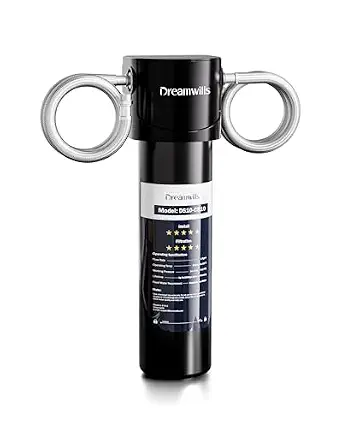 |
| Top Rated A top-rated pick with lots of positive feedback | iSpring RCC7AK-BN RO System |  |
| Most Popular A crowd favorite that many people choose with confidence | Waterdrop WD-10UA Under Sink Filter | 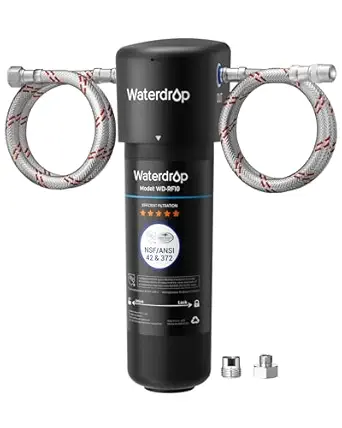 |
| Best Seller A high-volume bestseller chosen again and again | Express Water RO5DX |  |
3M Aqua-Pure FF100 Under-Sink Filter

| Flow rate | Up to 2.5 gallons per minute |
|---|---|
| Capacity | Up to 6,000 gallons |
| Included components | Filter head assembly, FF101 cartridge, mounting screws |
| Certification | NSF (Standards 42 and 53) |
The 3M Aqua-Pure FF100 is an under-sink full-flow filtration system designed to deliver filtered water at faucet flow rates up to 2.5 gallons per minute, so you do not lose noticeable water pressure during everyday use. It uses a three-stage process: a nonwoven prefilter for larger particles, a pleated sub-micron membrane that captures particles down to about 0.2 micron, and a carbon block to reduce chlorine taste and odor plus selected volatile organic compounds and lead. Installation mounts under the sink and connects to your existing faucet with 3/8" NPT fittings, and the head assembly includes a built-in shut-off and a Sanitary Quick Change cartridge for fast, contact-free replacements. The system is NSF certified to standards for particulate and health-related contaminants and is rated for up to 6,000 gallons of capacity, making it suitable for regular household drinking and cooking water. It requires basic plumbing connections and occasional cartridge changes, and does not include a dedicated dispensing faucet or softening capability for mineral scale from hard water.
Best for: Buyers who want a reliable under-sink filter that supplies daily drinking and cooking water at normal faucet flow without adding a separate faucet and who value certified contaminant reduction and simple cartridge changes.
Less Ideal for: Homes primarily seeking a water softening solution or heavy-duty scale control should consider a water softener or scale-specific system instead.
- Full-flow design maintains faucet water pressure up to 2.5 GPM for normal use
- Triple-stage filtration (pre-filter, sub-micron membrane, carbon block) tackles particulates, chlorine, lead, cysts, and select VOCs
- NSF certified for relevant drinking-water standards
- Sanitary Quick Change (SQC) cartridge and built-in shut-off make filter swaps fast and tidy
- Rated capacity up to 6,000 gallons suitable for typical household consumption
- Does not remove hardness minerals or prevent scale from hard water
- Requires plumbing connections and additional fittings for installation
- No dedicated countertop or separate drinking faucet included
Verdict: Choose the 3M Aqua-Pure FF100 if you want a certified under-sink filter that delivers full-flow, easy-change filtration for better-tasting, lower-contaminant drinking water.
Philips AUT9340 Reverse Osmosis

| Capacity | 400 GPD |
|---|---|
| Drain ratio | 2.3:1 low drain ratio |
| Purification method | 5-stage RO with carbon block and post-carbon |
| Operating pressure range | 14.5-58 psi |
| Supported water TDS max | 500 ppm |
The Philips AUT9340 is a tankless under-sink reverse osmosis system built for steady, high-throughput purification in a kitchen environment. It uses a 5-stage filtration stack including carbon block, post-carbon and an Aquaporin RO membrane to reduce TDS, lead, chromium III, chlorine, odors and particulates, and the membrane-backed design is intended to deliver stable performance throughout filter life. The unit is tankless and slim so it mounts vertically or horizontally to fit under most cabinets, and an automatic fresh-water refresh and four smart flushing modes keep internal lines clear and reduce standing water. Practical benefits for a hard-water household include a high 400 GPD capacity with a low 2.3:1 drain ratio that lowers waste water, tool-free twist filter replacements, and whisper-quiet operation thanks to pressure-stabilized flushing instead of a large motor. Important limits: it requires 14.5–58 psi input pressure and supports up to 500 ppm TDS, so very hard or low-pressure supplies may need a booster or pretreatment; the system also has an included faucet and fittings which may still need minor plumbing adjustments for some installs.
Best for: Homeowners who prioritize consistent, high-volume purified water and lower wastewater from an under-sink RO system and want minimal daily maintenance.
Less Ideal for: People with very low household water pressure or extremely high TDS well water who need pre-treatment, pressure boosting, or a specialty system designed for extreme hardness.
- High rated throughput at 400 GPD for fast supply to a household faucet
- Low 2.3:1 drain ratio reduces wastewater compared with traditional RO systems
- Tankless, slim design fits under most cabinets and supports vertical or horizontal mounting
- Self-flush and four intelligent flushing modes prevent standing water and reduce filter fouling
- Tool-free quick-twist filters and long filter lifespans lower maintenance frequency and cost
- Requires minimum input pressure within 14.5–58 psi range so may need a booster on low-pressure supplies
- Supported maximum TDS 500 ppm may limit performance on extremely high-TDS sources
Verdict: Choose the AUT9340 if you want a high-throughput, tankless RO that cuts waste water and delivers consistently fresh water with low-maintenance, quiet operation.
Waterdrop WD-10UB Under-Sink Filter

| Purification Method | Activated Carbon |
|---|---|
| Maximum Flow Rate | 0.75 gpm |
| Filter Life Cycle | 1 years |
| Capacity | 11000 gallons |
| Supported Water TDS Level Maximum (PPM) | 700 |
The Waterdrop WD-10UB is an under-sink filter that installs on cold water lines and supplies a dedicated stainless steel faucet for drinking water. It uses a multistage activated carbon block cartridge (WD-RF10) to cut PFAS, PFOA/PFOS, lead, chlorine, sediment and common chemical tastes and odors, while preserving beneficial dissolved minerals. Installation is tool-free with push-to-connect fittings and a feed-water adapter that fits 3/8" or 1/2" lines, and the twist-and-lock cartridge design makes replacements quick. The system is rated for about 11,000 gallons per cartridge and offers a tested flow up to 0.75 gpm at 60 psi with the upgraded outlet capable of higher faucet flow, so it delivers steady filtered water for drinking, cooking, and small kitchen tasks. It is intended for municipal cold water only and is not suitable for well water or hot lines, and replacement filters are required yearly under typical use. For households on hard water, the unit removes contaminants that affect taste and safety but does not function as a water softener, so scale-prone plumbing will not be addressed by this filter alone.
Best for: Buyers who want a straightforward, low-maintenance under-sink filter that improves drinking water taste and reduces specific contaminants without complex plumbing work.
Less Ideal for: Homes that need water softening or treatment for well water contaminants should choose a softener or a system designed for well water instead.
- Reduces PFAS, PFOA/PFOS, lead, chlorine, bad taste and odor with multistage activated carbon filtration.
- Includes a dedicated lead-free stainless steel faucet for drinking water.
- Tool-free push-to-connect fittings and twist-and-lock cartridge simplify installation and filter changes.
- Long rated capacity of 11,000 gallons per cartridge for lower replacement frequency.
- Maintains beneficial dissolved minerals while targeting harmful contaminants.
- Not suitable for well water or hot water supply.
- Does not soften water or remove hardness minerals that cause scale.
Verdict: A practical, easy-to-install under-sink filter that reliably reduces common municipal contaminants and delivers a dedicated faucet for better-tasting drinking water.
Dreamwills DS10 Under Sink Filter

| Maximum Flow Rate | 1.3 gpm |
|---|---|
| Purification Method | Carbon Block |
| Supported Water TDS Level Maximum (PPM) | 600 |
| Filter Life Cycle | 2 years |
| Capacity | 8000 gallons |
The Dreamwills DS10 is an under-sink carbon block filter designed to give everyday drinking water a noticeable taste and odor improvement while fitting into tight cabinets. It installs without tools using the included fittings and connects to the cold-water line, delivering up to 1.3 gallons per minute so you get near-immediate cold water for drinking and cooking. The cartridge uses coconut shell carbon and is tested to NSF/ANSI 42 for chlorine and aesthetic reduction, and Dreamwills recommends a hygienic one-year or 8,000-gallon replacement cycle to avoid bacterial growth. Practical benefits include a space-saving vertical housing, a reasonably fast flow rate for kitchen tasks, and clear replacement cadence that keeps performance consistent. The system does not claim to remove hardness minerals or high TDS and is sized for chlorine and taste control rather than heavy mineral reduction, so households fighting hard water scale should plan to pair it with a dedicated water softener or scale-control solution. Overall it is a straightforward, budget-friendly under-sink option for improving flavor and odor in cold kitchen water.
Best for: Budget-minded buyers who want an easy, compact under-sink filter that improves taste and removes chlorine without complex installation.
Less Ideal for: Homes primarily trying to treat hard water, scale, or high mineral content should choose a water softener or a filter designed specifically for hardness reduction.
- Tool-free installation with included adapters and fittings
- Hydraulically calibrated 1.3 GPM flow gives fast cold-water delivery
- NSF/ANSI 42 testing for chlorine and aesthetic reduction
- Compact vertical design fits in crowded under-sink cabinets
- Uses coconut shell carbon for effective taste and odor improvement
- Does not reduce hardness or significantly lower TDS
- Filter lifespan set to 1 year which requires annual replacement
Verdict: Choose the DS10 if you want an affordable, compact under-sink carbon filter that delivers fast cold-water flow and reliable chlorine and taste reduction with simple DIY installation.
iSpring RCC7AK-BN RO System

| Purification Method | Reverse Osmosis, Alkaline, Activated Carbon, Carbon block |
|---|---|
| Power Source | No Power Needed |
| Maximum Flow Rate | 284 liters_per_day |
| Supported Water TDS Level Maximum (PPM) | 750 |
| Filter Life Cycle | 6 months |
The iSpring RCC7AK-BN is a 6-stage reverse osmosis system that removes a wide range of contaminants and adds minerals back to raise pH for better-tasting water. It is installed under the sink and supplies a dedicated brushed-nickel faucet; the top-mounted fastener design speeds countertop faucet installation because you do not have to tighten the nut from beneath the sink. Notable features include an NSF/ANSI 58 certification for the full system, a transparent first-stage housing to inspect sediment buildup, push-to-connect fittings and color-coded tubing that simplify DIY installation, and a mineral AK stage that remineralizes water after the RO membrane. The system runs without electricity and is rated for up to 75 gallons per day with support for TDS up to 750 ppm, making it suitable for many hard-water households that want low-maintenance pure water. Limitations to consider are the routine filter replacements (six-month recommended for some stages) and the need for under-sink space and a storage tank, which can be a constraint in very small cabinets.
Best for: Buyers who prioritize a reliable, certified under-sink RO setup that reduces contaminants and returns drinkable, mineral-balanced water and who prefer a system built for long-term, low-fuss operation.
Less Ideal for: People with extremely limited under-sink space or those who need a point-of-use solution without a storage tank should consider tankless or countertop alternatives.
- NSF/ANSI 58 full-system certification for verified contaminant reduction
- Alkaline remineralization stage restores minerals and raises pH for better taste
- Transparent first-stage housing lets you visually check sediment buildup
- Push-to-connect fittings and color-coded tubing simplify DIY installation
- Operates without electricity and supplies up to 75 gallons per day
- Requires periodic filter replacements on a six-month to multi-year schedule
- Needs under-sink space and a storage tank which may limit fitment in very small cabinets
Verdict: Choose the RCC7AK-BN when you want a certified, electricity-free under-sink RO system that reliably removes contaminants and returns mineral-balanced drinking water.
Waterdrop WD-10UA Under Sink Filter

| Purification Method | Activated Carbon |
|---|---|
| Filter Life Cycle | 12 months |
| Maximum Flow Rate | 2.5 gpm |
| Supported Water TDS Level Maximum (PPM) | 700 |
The Waterdrop WD-10UA is an under-sink activated carbon filter intended for municipal cold water that connects directly to standard 3/8" or 1/2" feed lines. Installation uses twist-and-lock and push-to-connect fittings so you can mount it under the sink without drilling and swap the cartridge in seconds. The unit is NSF/ANSI 42 and 372 certified for chlorine, taste and odor reduction and claims to reduce PFAS, PFOA/PFOS and lead, making it a practical choice for improving drinking and cooking water. It maintains a steady flow for everyday use with tested flow around 0.75 gpm at 60 psi and an upgraded 3/8" outlet listed up to 1.33 gpm. The cartridge is rated for roughly 12 months of life with municipal water and the system supports up to 700 ppm TDS, but it is not intended for well water or hot water. If your priority is a compact, easy-to-install NSF-certified carbon filter that keeps beneficial minerals while cutting chlorine and certain contaminants, this system delivers; users with non-municipal sources or who need particulate or bacterial removal should look at other filtration types.
Best for: Buyers who value third-party certifications and social proof and want a simple, compact under-sink carbon filter to improve tap water taste and reduce specific chemical contaminants in municipal supplies.
Less Ideal for: Homes relying on well water, hot water line filtration, or those who need certified microbiological removal or very low-micron particulate filtration.
- NSF/ANSI 42 and 372 certifications for chlorine, taste and odor reduction
- Twist-and-lock plus push-to-connect fittings for tool-free, fast installation and cartridge changes
- Designed to reduce PFAS, PFOA/PFOS and lead in municipal cold water
- Compact footprint suitable for under-sink, RV or small-space installs
- Long single-cartridge life rated up to 12 months with municipal water
- Not suitable for well water or hot water use
- Does not provide ultrafiltration or certified bacterial/virus removal in this model
Verdict: Choose the WD-10UA if you want an NSF-certified, easy-to-install under-sink carbon filter that reliably improves municipal tap water taste and reduces select chemical contaminants.
Express Water RO5DX

| Filtration | SED, GAC, ACB, ROM, PAC |
|---|---|
| Gallons Per Day | 50 GPD |
| Maximum Flow Rate | 0.8 gpm |
| Power Source | No Power Needed |
| Supported Water TDS Level Maximum (PPM) | 300 |
The Express Water RO5DX is a five-stage under-sink reverse osmosis system designed to deliver very low-TDS drinking water for a household. It installs under a cabinet and uses sediment, granular and block carbon, an RO membrane, and a post-carbon stage to remove a wide range of contaminants including heavy metals, fluoride, chlorine, and many VOCs and pharmaceuticals. Typical use is standard kitchen drinking and cooking water: the system feeds a dedicated chrome faucet and stores purified water in the included tank for fast delivery at about 0.8 gpm. Practical features include quick-connect fittings, a leak-stop valve with a floor disk, and labeled, color-matched housings that make filter changes straightforward; replacement cadence is stated as twice-yearly for pre/post filters and annually for the membrane. The unit needs no electricity but does require adequate incoming pressure (40-80 psi) and will waste roughly one to three gallons for every gallon produced depending on feed pressure and water quality, which is typical for RO systems. It offers NSF-tested contaminant reduction and comes with parts to fit common under-sink connections, but installation in remote locations may need extra tubing or a booster pump.
Best for: Buyers who prioritize very low-TDS, extensively tested drinking water and want a mostly DIY under-sink RO solution with clear maintenance intervals and included installation parts.
Less Ideal for: Those seeking a zero-waste or point-of-use carbon-only filter, or households with persistently low incoming water pressure without willingness to add a booster pump.
- Comprehensive five-stage filtration with independent NSF-tested reduction claims for heavy metals, fluoride, chlorine, VOCs and more.
- Produces up to 50 gallons per day and stores purified water in the included 4 gallon tank for ready access.
- Quick-connect fittings and labeled housings simplify installation and routine filter swaps.
- Includes a brass/chrome faucet and leak-stop valve plus adapters for 1/2" and 3/8" feed lines.
- Typical RO wastewater ratio of about 1–3 gallons discarded per gallon produced, increasing water use.
- Requires minimum water pressure (40 psi) and may need a booster pump for low-pressure homes.
Verdict: Choose the RO5DX if you want a tested, full five-stage under-sink RO that reliably produces very low-TDS drinking water for household use.
Choosing the Right Under-Sink Water Filter for Hard Water: Key Factors to Consider
Scale Control Method
How a system addresses mineral buildup matters because calcium and magnesium are the primary causes of scale. Some under-sink filters include media that reduce scale formation chemically or sequester minerals, while others are designed mainly to remove sediments and common contaminants but do not alter scaling tendency.
For hard-water households, pick a system whose scale-control method matches your severity of hardness. Mildly hard water may be managed with a filter that includes sequestering media, while severe hardness often requires a dedicated scale-control solution combined with filtration to protect fixtures and reduce spotting.
Contaminant Reduction Capabilities
Different filters target different contaminants. For under-sink systems intended for hard water, you should confirm whether the cartridge removes or reduces common dissolved inorganic minerals, chlorine, lead, VOCs, and particulates. The presence of contaminants other than hardness minerals may influence which cartridge types you need.
Look for systems that list specific certified reduction claims for contaminants you care about. Filtration stages are often modular, allowing sediment prefiltration to protect finer media and improve overall longevity.
Flow Rate And Water Pressure
Under-sink filters can reduce flow rate because water must pass through cartridges or membranes. High flow restriction can make kitchen tasks slower and feel inconvenient. Check the rated flow rate at typical household pressure and consider whether the system supports peak use without long waits.
If you have a household with frequent simultaneous water use, pick a system with higher rated flow or dual-cartridge designs to preserve usable pressure at the faucet.
Installation Footprint And Compatibility
Under-sink space is often limited. Measure the cabinet area and check clearances for cartridges, tubing runs, and the dedicated faucet, if required. Some systems mount vertically, others horizontally, and a few require more cabinet depth.
Also verify compatibility with your existing cold-water shutoff and faucet configuration. Systems with quick-connect fittings and clear installation guides reduce the chance of needing professional help.
Maintenance Frequency And Consumable Costs
Filter replacement frequency directly affects ownership cost and convenience. Systems designed for hard water may need more frequent filter or media changes because mineral loading can reduce capacity.
Consider how easy replacements are to perform and whether replacement cartridges are widely available. A longer service interval and user-friendly replacement process often outweigh a slightly higher initial cost.
Durability And Warranty Support
A robust housing and reliable fittings reduce the risk of leaks and long-term failures. Hard-water conditions can accelerate wear on seals and valves, so durable materials and thoughtful engineering matter.
Review warranty coverage and what is included for leaks or manufacturing defects. Good support and clear replacement policies simplify ownership and reduce the long-run cost and hassle.
How Hard Water Affects Under-Sink Systems
Hard water carries dissolved minerals that deposit as scale when water evaporates or is heated. Under-sink systems that were designed only to remove particulates or chlorine may not prevent scale buildup inside filters, cartridges, or downstream fixtures.
Over time, scale can reduce flow through the filter, shorten cartridge life, and clog faucet aerators. Understanding this helps you prioritize scale-control features, such as sequestering media or special housings that tolerate mineral deposits and allow easier maintenance.
- Mineral deposits reduce filter porosity and flow.
- Scale can increase maintenance frequency and replacement costs.
- Some filter media resist scale better than others and preserve flow longer.
Types Of Under-Sink Filtration Media
Common media include activated carbon for organic compounds and chlorine taste and odor, KDF or catalytic media for reducing chlorine and metals, ion-exchange resins for softening or specific ion removal, and physical sediment filters. Some systems combine stages to address multiple concerns.
For hard water, systems that pair sediment protection with scale-inhibiting or ion-exchange stages can extend cartridge life and reduce visible scale on fixtures.
- Activated carbon improves taste and reduces chlorine.
- KDF media can help control scale and reduce certain metals.
- Ion-exchange resins can lower hardness ions or condition water to reduce deposits.
Sizing For Household Demand
Match the system s rated flow and daily capacity with your household s peak usage. A single-person household has very different needs than a family that runs the kitchen faucet frequently. Under-sizing leads to low pressure and frequent flushing or service.
Look at both the instantaneous flow rate and the recommended service interval so you can estimate how often replacements or downtime will be required.
- Check rated gallons per minute at expected pressure.
- Consider multiple taps or simultaneous use when choosing flow ratings.
- Higher capacity cartridges generally mean fewer changeouts.
Installation Considerations And Tools
Simple under-sink filters use quick-connect fittings and require only basic tools, while others need a dedicated faucet hole or valve adapters. Assess whether you want to drill a new sink or use an existing spare hole for the filtered tap.
Also plan the tubing route and make sure there is room for filter removal during service. Some housings are reversible or come with bracket mounts that simplify placement and reduce the need for extra plumbing work.
- Confirm faucet requirements and hole availability.
- Measure cabinet depth and clearance for cartridge changes.
- Prefer systems with clear, labelled connections and tool-free service where possible.
Routine Maintenance Best Practices
Establish a calendar for cartridge changes based on the manufacturer s recommended service interval and your measured water hardness. Flushing new cartridges per instructions and checking for leaks after installation reduces the risk of early failure.
Keep a small toolkit under the sink and store spare O-rings and replacement cartridges if space and budget allow. Regularly inspect inlet screens and faucet aerators for mineral buildup and clean them to maintain flow.
- Record installation and replacement dates for easy tracking.
- Inspect connections annually and replace aging tubing.
- Flush cartridges after installation to remove loose media fines.
How We Chose the Best Under-Sink Water Filter for Hard Water
We prioritized systems that are explicitly designed to handle the challenges that come with hard water while still delivering reliable contaminant reduction. Key evaluation criteria included filtration effectiveness against minerals and common tap contaminants, scale-control capability or compatibility with scale-inhibiting media, and the system s impact on flow rate under typical household pressure. We also considered installation complexity and hardware compatibility for standard under-sink spaces, plus ongoing maintenance needs such as filter life and ease of cartridge replacement. Products that required complex plumbing modifications or specialized tools for routine service were excluded unless they offered clear, measurable benefits for hard-water treatment. We favored systems with clear published specifications for contaminant reduction and flow performance. The selection balances real-world usability for homeowners with measurable filtration and scale-control performance, ensuring each shortlisted system meets meaningful standards for durability, serviceability, and suitability for hard-water environments.
Our full evaluation process is outlined in our review methodology.
FAQ
Will an under-sink filter remove hardness completely?
Most under-sink filters do not remove hardness completely. Some systems use ion-exchange or specific media to reduce hardness ions, but complete softening usually requires a dedicated water softener. Under-sink filters can, however, reduce scale formation and improve taste depending on media used.
How often should I change cartridges with hard water?
Change intervals depend on water hardness and usage. Hard water can shorten cartridge life, so expect more frequent replacements than with soft water. Follow the manufacturer s guidelines and monitor flow; a noticeable drop usually indicates it is time to replace the cartridge.
Can I install an under-sink filter myself?
Many under-sink filters are designed for do-it-yourself installation using basic tools and quick-connect fittings. More advanced systems that require drilling a faucet hole or modifying shutoff valves may need a plumber. If you are unsure, consult installation instructions before starting.
Will a filter affect my water pressure?
Yes. Filters add resistance to flow, and some cartridges reduce pressure more than others. Choose a system with a rated flow compatible with your household demand to minimize noticeable pressure loss, especially during peak use.
How can I tell if scale is forming inside my under-sink filter?
Signs of scale include reduced flow, white or chalky deposits on fittings and faucet aerators, and increased frequency of cartridge clogging. Regular inspection during maintenance intervals helps spot early scale formation and lets you address it before seals or housings are affected.
Final Verdict
When choosing an under-sink water filter for hard water, prioritize systems that combine effective contaminant reduction with explicit scale-control strategies. Balance the desired filtration performance against flow-rate needs and the realistic maintenance schedule you can sustain. Durable fittings, easy cartridge access, and clear capacity ratings reduce long-term hassle. Focus on the metrics that matter most to you, such as scale control efficiency and maintenance frequency, and choose a system that fits your under-sink space and daily water demands. That approach will give you better tasting water and fewer scale-related headaches without unnecessary complexity.