
Note: This article contains affiliate links. If you click on these links and make a purchase, we may earn a small commission at no extra cost to you. This helps support our research and content. Read our full affiliate disclosure here.
When temperatures drop, many standard doorbells lose battery capacity, fail to boot, or produce laggy video. A Video Doorbell for Cold Weather is built to keep your entryway monitored through freezing nights and icy mornings. In this guide we shortlisted the top options that emphasize reliable low-temperature performance, extended battery life, and consistent motion detection. You will find picks chosen for real-world winter use, whether you need wired operation for constant power or a battery model rated to withstand subzero conditions. Read on to understand the tradeoffs that matter for winter reliability before you pick the right model for your home.
Top Picks at a Glance
| Best Overall The best all-around choice for most situations | Google Nest Doorbell (Battery) |  |
| Best Quality Built to a higher standard if you want something more solid | Ring Wired Doorbell 4K Pro |  |
| Best Value The sweet spot between price and what you get | Tapo D205 Video Doorbell | 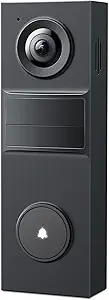 |
| Best Budget The cheapest option that still gets the job done reliably | Orbitell M52 Doorbell Camera |  |
| Top Rated A top-rated pick with lots of positive feedback | Ring Battery Doorbell |  |
| Most Popular A crowd favorite that many people choose with confidence | Blink Video Doorbell |  |
Google Nest Doorbell (Battery)

| Power Source | Battery Powered |
|---|---|
| Waterproof Rating | IP54 |
| Field Of View | 145 degrees |
| Video Capture Resolution | 960×1280 |
| Frame Rate | 30 fps |
The Nest Doorbell (Battery) is a flexible smart doorbell designed for easy install anywhere and for climates that need a weather-rated unit. It records vertical HD video at 30 fps with HDR and night vision so you can see visitors head-to-toe and still get usable images in high-contrast light or darkness, and its 145 degree field of view captures packages on the ground. The unit runs on a rechargeable battery but can also be connected to existing doorbell wiring for continuous power, and it stores up to an hour of events locally if Wi-Fi or power fails. Smart detection separates people, packages, animals, and vehicles and pushes alerts to the Google Home app, while two-way talk and pre-recorded responses let you handle deliveries without opening the door. Important limits: battery operation does not permit continuous 24/7 recording even when wired, and longer event history requires a Nest Aware subscription. For cold-weather use the IP54 rating and battery design mean it will tolerate outdoor conditions but may need more frequent charging in extreme cold.
Best for: Buyers who want a weather-rated, smart doorbell that is easy to install anywhere and prioritizes clear day/night video with intelligent alerts.
Less Ideal for: Users who require uninterrupted 24/7 local recording without any subscription or those who need guaranteed long runtime in extreme cold without periodic recharging.
- Battery-powered with optional wired hookup for flexible installation
- Vertical HD video with HDR and 145° field of view captures people and packages clearly
- Built-in person/package/vehicle detection reduces false alerts
- Local event storage up to 1 hour if Wi-Fi or power is lost
- Works with Google Home and voice assistants for hands-free checks
- Cannot provide continuous 24/7 recording on battery power even when wired
- Event history beyond the free 3 hours requires a Nest Aware subscription
- Battery life can shorten in very cold temperatures
Verdict: Choose this Nest Doorbell if you want a flexible, weather-rated smart doorbell with clear vertical HDR video and intelligent person/package detection for reliable winter monitoring.
Ring Wired Doorbell 4K Pro
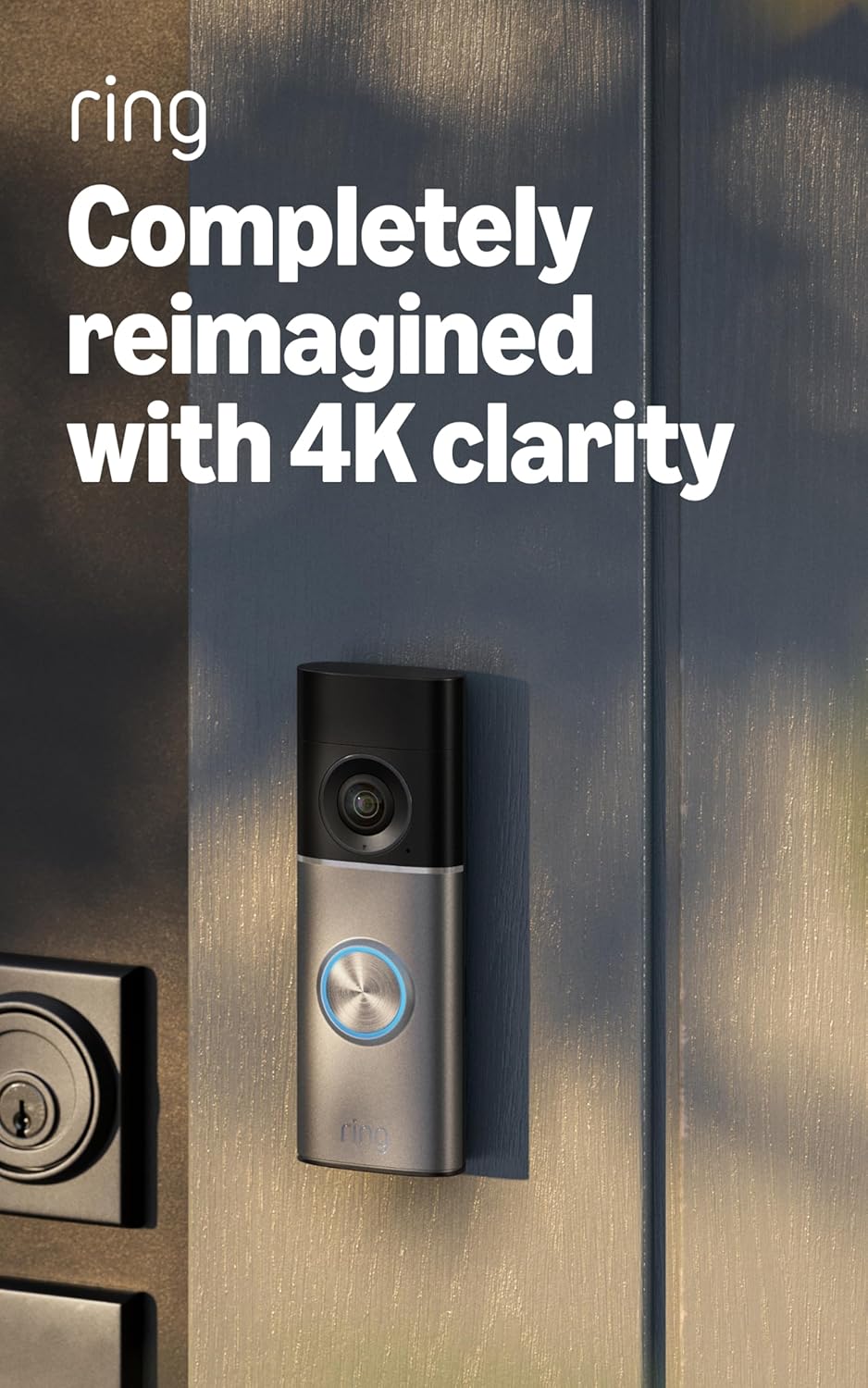
| Video resolution | Retinal 4K |
|---|---|
| Zoom | Up to 10x Enhanced Zoom |
| Power | Hardwired |
| Motion detection | 3D Motion Detection |
The Ring Wired Doorbell 4K Pro is a hardwired video doorbell built for high-resolution monitoring and continuous power. It captures retinal 4K video with a wide field of view and up to 10x enhanced zoom so you can inspect distant details, and it switches to high-contrast black-and-white night vision in total darkness while offering low-light true color when some ambient light is present. The unit supports Live View, two-way talk with Audio+, and 3D Motion Detection to reduce false alerts and deliver more targeted notifications; video descriptions are available with a compatible subscription. Because it is wired, the doorbell is suited to installations that need nonstop power rather than relying on batteries, and the premium finish options help match exterior decor. Limitations include the need for a hardwired connection and an optional subscription for some advanced features, and like many high-resolution cameras it will generate larger video files that increase storage and bandwidth use.
Best for: Buyers who prioritize the clearest possible video and uninterrupted operation for exterior monitoring and want high-resolution imaging to catch fine details in outdoor conditions.
Less Ideal for: Those who need a simple, battery-powered solution or do not want to use a subscription service for advanced features should consider other options.
- Retinal 4K video with wide-angle imaging for detailed, high-resolution footage
- Up to 10x enhanced zoom to inspect distant subjects and small details
- Hardwired design provides continuous power for nonstop monitoring
- Low-light Sight and night vision for color in dim light and clear B&W in darkness
- 3D Motion Detection reduces false alerts with more precise motion pinpointing
- Requires hardwired installation so it is not suitable for battery-only setups
- Advanced features such as Video Descriptions require a compatible subscription
Verdict: Choose this hardwired 4K doorbell when you need the highest-resolution continuous video and precise motion alerts for reliable outdoor monitoring.
Tapo D205 Video Doorbell
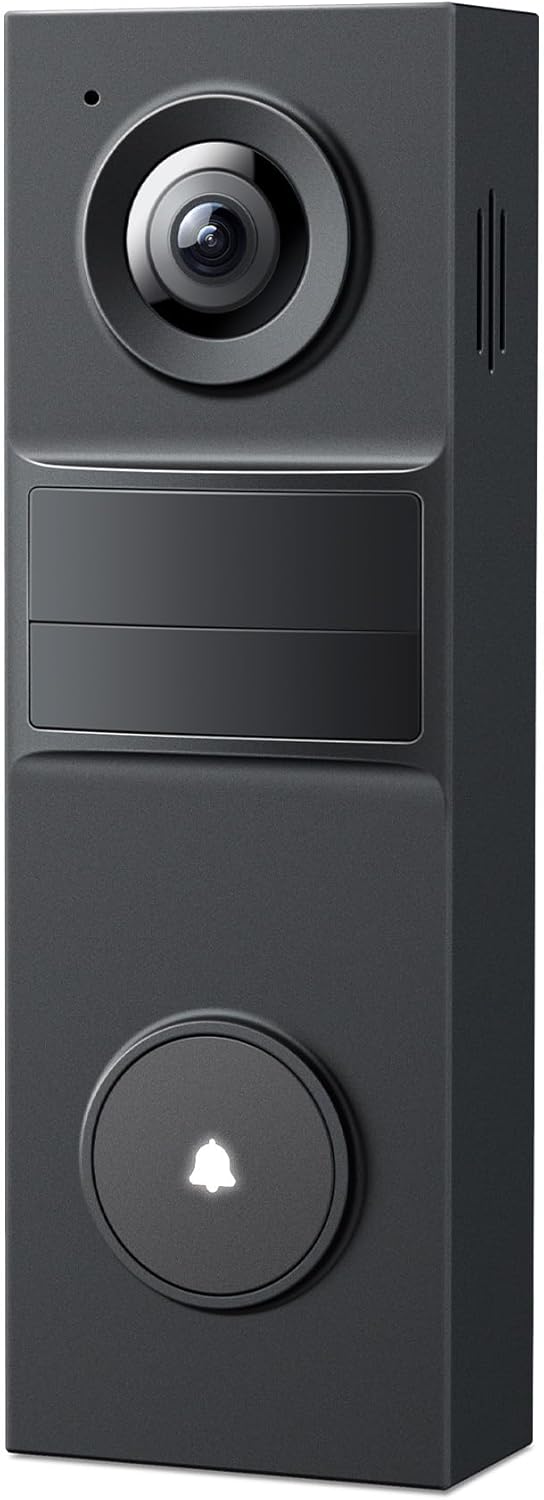
| Video Capture Resolution | 2K 3MP |
|---|---|
| Field of View | 160° |
| Battery | 5200 mAh rechargeable |
| Wireless Technology | Wi‑Fi 2.4Ghz only |
| Water Resistance Level | IP54 |
The Tapo D205 is a wire-free video doorbell designed for long-term outdoor use that records in 2K with a 160° ultra-wide field of view and AI person detection. It is typically mounted at the entryway and runs on a built-in rechargeable battery that can be recharged via a bottom USB-C port or kept topped up with outdoor power or a power bank, reducing the need to remove the unit. The camera captures clearer detail day or night thanks to 2K resolution and IR night vision and includes built-in spotlights to improve low-light images. Notifications come as ring calls and motion alerts, and the Tapo app supports two-way audio, prerecorded quick responses, and customizable activity zones to reduce false alerts. Storage is flexible with local microSD support (up to 512GB) or optional cloud backup. Limits to consider are 2.4 GHz Wi-Fi only, which can constrain placement in areas with weak 2.4 GHz coverage, and reliance on battery power that requires periodic charging depending on activity and temperature. For cold climates the IP54 weather resistance and external charging options help keep it operational through varying conditions.
Best for: Buyers who want a practical, low-maintenance doorbell that prioritizes clear video, flexible storage, and multiple charging options to minimize visits to the unit.
Less Ideal for: Users who need 5 GHz Wi-Fi support or want a fully wired, maintenance-free hardwired doorbell solution without periodic charging.
- Sharp 2K video and 160° field of view capture head-to-toe coverage and fine detail.
- AI person detection and customizable activity zones reduce irrelevant motion alerts.
- Built-in 5,200 mAh rechargeable battery with USB-C charging and outdoor power support for flexible recharging.
- Local microSD storage up to 512GB plus optional cloud backup for multiple recording choices.
- IP54 weather resistance and built-in spotlights support reliable day/night outdoor operation.
- Works only on 2.4 GHz Wi-Fi, which may limit connectivity in some network setups.
- Battery life varies with usage and cold temperatures can reduce run time, requiring more frequent charging.
Verdict: Choose the Tapo D205 if you want a weather-ready, battery-powered doorbell that delivers clear 2K video, smart person alerts, and flexible local or cloud storage with convenient USB-C charging.
Orbitell M52 Doorbell Camera
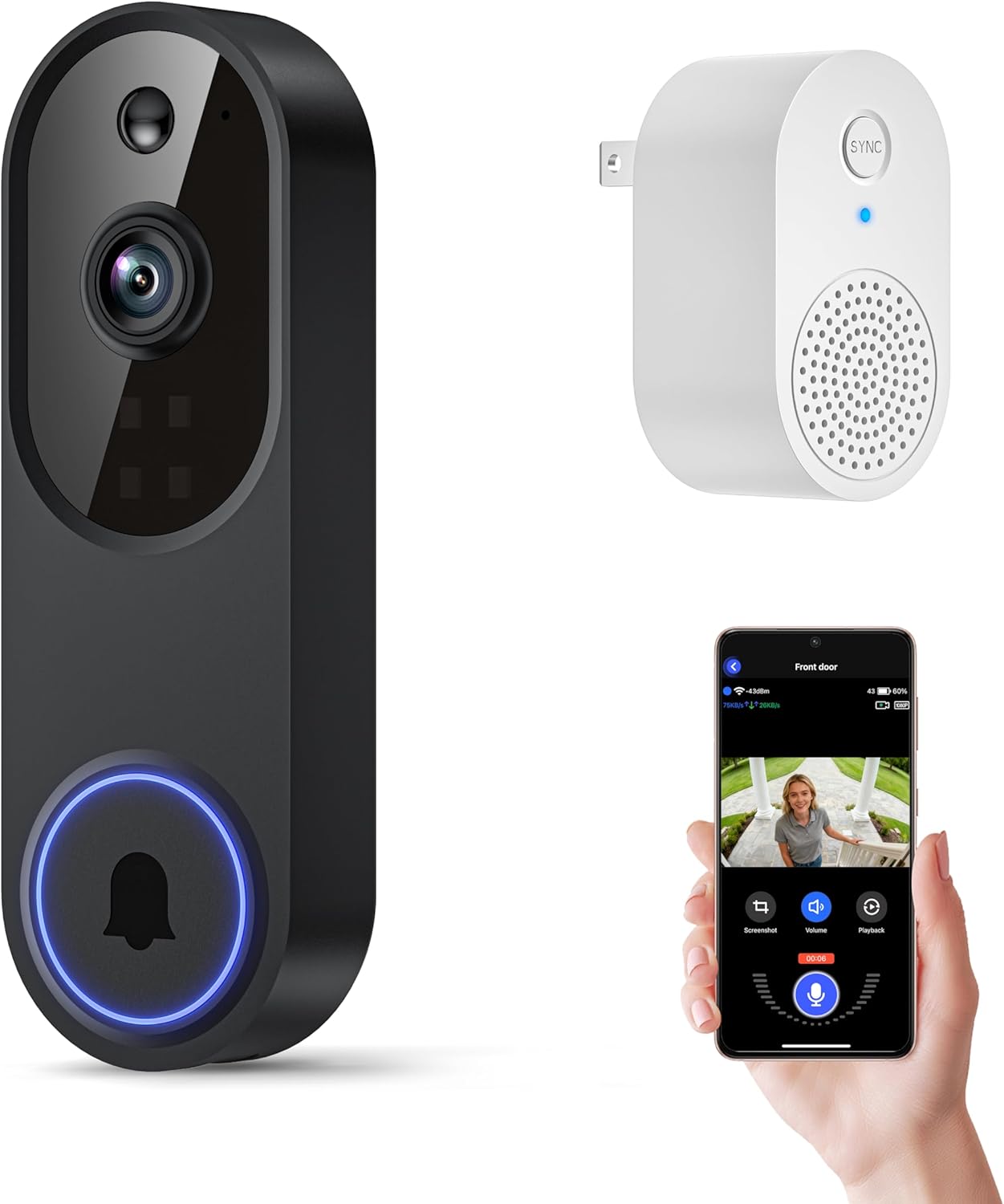
| Connectivity Technology | Wi-Fi (2.4GHz) |
|---|---|
| Video Resolution | 1080p |
| Special Features | 2-Way Audio, Motion Sensor, Night Vision |
| Indoor Outdoor Usage | Indoor, Outdoor |
| Light Source | Infrared LED |
The Orbitell M52 is a battery-powered Wi‑Fi doorbell camera designed for year‑round outdoor use with AI motion detection and two‑way audio. It records 1080p video to encrypted cloud storage (subscription required) and sends instant push alerts when its AI filters identify people versus vehicles or animals, reducing false alarms. Four infrared LEDs and an advanced sensor provide clear night-color footage, and the unit is IP65 rated for rain and low temperatures, making it suitable for cold-weather installations. Setup is handled through a smartphone app over 2.4GHz Wi‑Fi and the camera supports sharing with multiple accounts while limiting simultaneous live viewers. Practical limitations include no local SD storage, required cloud subscription for recordings, and the camera only works on 2.4GHz networks which may require router configuration in some homes. Battery charging is done with the included micro-USB cable and the manufacturer recommends a full charge before first use. For buyers who want a straightforward, weatherproof doorbell camera that prioritizes helpful motion alerts and night performance, the M52 is a capable budget-friendly option.
Best for: Homeowners seeking a budget-friendly, weatherproof doorbell camera that reliably detects people and records clear night footage for winter climates.
Less Ideal for: Users who require local or free onboard storage, multi-band Wi‑Fi support, or an always‑wired doorbell solution should consider other options.
- AI motion detection that distinguishes people from vehicles and animals to reduce false alerts
- Night-color vision with four infrared LEDs for clearer low-light footage
- IP65 weather resistance suitable for outdoor use in cold and wet conditions
- Two-way audio for real-time communication with visitors
- Supports sharing with multiple accounts for family access
- No local recording option; video requires paid cloud subscription to store footage
- Works only on 2.4GHz Wi‑Fi which can limit connectivity in some network setups
- Battery requires separate charging via micro-USB and needs an initial long charge
Verdict: A cost-conscious, weather-rated doorbell camera that focuses on smart person detection and strong night performance for cold outdoor conditions.
Ring Battery Doorbell

| Battery | Built-in rechargeable |
|---|---|
| Charging port | USB-C |
| Video coverage | Head-to-toe vertical field of view |
| Features | Live View, Two-Way Talk, Motion Detection & Alerts |
The Ring Battery Doorbell is a battery-powered video doorbell designed for straightforward home or small business monitoring. It records an extended vertical field of view so you can see head-to-toe activity, and you can check Live View or speak to visitors with two-way talk from the Ring app. The unit charges using a built-in battery and a USB-C cable, allowing easy removal and recharging without rewiring. Motion detection sends real-time alerts to your phone and Ring supports smarter person and package notifications with an optional Protect subscription. Installation is simple and the doorbell integrates with Alexa for hands-free alerts and video on Echo devices. For cold-weather use the removable rechargeable battery simplifies maintenance, though frequent cold-triggered motion events may increase recharge frequency and some advanced detection features require a subscription.
Best for: Buyers who prioritize a reliable, easy-to-maintain wireless doorbell that gives extended vertical coverage and simple app access for checking activity remotely.
Less Ideal for: Those who want continuous local recording without any cloud subscription or users who prefer a hardwired, maintenance-free power solution.
- Head-to-toe vertical video gives extra coverage for packages and visitors
- Built-in rechargeable battery with USB-C charging for simple removal and recharging
- Live View and two-way talk let you interact with visitors in real time from the app
- Motion alerts sent to your phone keep you informed of activity
- Some intelligent alerts and cloud video review require a paid Ring Protect subscription
Verdict: A dependable, easy-to-charge battery doorbell that extends vertical view and delivers realtime alerts, making it a practical choice for cold-weather monitoring when you want simple maintenance and dependable remote access.
Blink Video Doorbell

| Battery type | 3 AA Energizer lithium batteries (included) |
|---|---|
| Video | Head-to-toe HD with infrared night vision |
| Sync module | Sync Module Core included |
| Smart assistant | Works with Alexa |
The Blink Video Doorbell is a second-generation wireless doorbell designed for simple, mostly maintenance-free home monitoring. It captures a tall head-to-toe HD view with infrared night vision, offers two-way audio through the Blink app, and includes a Sync Module Core so local connectivity and battery management are handled out of the box. The device is primarily used wire-free with three included AA Energizer lithium batteries that Blink says can last up to two years, which reduces how often you need to swap cells—helpful in cold-weather locations where battery replacement is inconvenient. Setup is straightforward whether you mount it on the porch or connect to existing doorbell wiring to chime inside the house. The doorbell works with Alexa and supports Blink subscription features like person alerts and stitched Moments clips for easier review. Expect the usual limitations of cloud-dependent systems: advanced detection and extended storage require a subscription, and very low temperatures will still shorten lithium battery life compared with room-temperature claims.
Best for: Buyers who prioritize low-maintenance, easy-to-install outdoor monitoring and want a proven mainstream option with clear user feedback and included connectivity hardware.
Less Ideal for: Users who need extensive free cloud storage, fully on-device advanced analytics, or guaranteed battery performance in extreme cold without periodic battery changes.
- Long claimed battery life using three AA Energizer lithium batteries, reducing maintenance visits
- Head-to-toe HD field of view with infrared night vision for 24/7 monitoring
- Includes Sync Module Core for simplified local connectivity and setup
- Simple wire-free or wired installation and two-way talk through the Blink app
- Advanced detection features and cloud storage require a paid Blink subscription
- Battery runtime can be shorter in very cold temperatures despite the two-year claim
Verdict: Choose this Blink doorbell if you want an easy-to-install, low-touch outdoor camera with long advertised battery life and included connectivity for reliable cold-weather coverage.
Choosing the Right Video Doorbell for Cold Weather: Key Factors to Consider
Operating Temperature Range
Look for a specified operating temperature range in the product documentation. Manufacturers that publish a minimum operating temperature give you a reliable indication that the internal electronics and battery chemistry are rated for cold conditions. A doorbell rated only to 0 degrees Celsius may struggle in winter climates that routinely dip lower, while devices rated to negative temperatures are designed with components and materials intended to function when frozen.
Choosing a product with a wider operating window reduces the risk of shutdowns, boot failures, and sensor misbehavior during cold snaps. If you live in a region with severe winters, prioritize the lowest guaranteed operating temperature you can find.
Battery Performance and Management
Battery chemistry degrades in the cold, producing reduced usable capacity and slower charging. For battery-powered video doorbells, assess claimed runtime and whether the manufacturer specifies performance at low temperatures. Features like thermal management, reserve capacity, and cold-charge support help preserve uptime during extended cold spells.
Also consider practical behaviors such as whether the device throttles features to conserve energy in cold conditions or offers a low-temperature charging mode. If you need year-round wireless installation, choose a unit whose battery system is explicitly engineered for winter use or plan for supplemental power solutions.
Wired Power and Cold-Start Recovery
Hardwired doorbells have the advantage of continuous power, which helps avoid battery-related failures in cold weather. Evaluate the compatibility with existing doorbell transformers and whether the unit supports continuous operation without relying on battery assist. Pay attention to cold-start recovery behavior, meaning how the device boots and reconnects after an outage or deep temperature drop.
A wired configuration that provides steady voltage and supports fast reconnection reduces the chance of missed events during freezing temperatures. If wiring is not available, check for recommended external power accessories designed for cold climates.
Low-Light Optics and Image Processing
Winter brings long nights and reflective snow, both of which influence image capture. Optics, infrared illumination, and software-based low-light enhancement determine whether the doorbell will produce usable footage at dawn, dusk, or during snowstorms. Sensors that handle high dynamic range and white balance adjustments for snow reflections prevent blown-out highlights and maintain facial detail.
Prioritize units with proven low-light capability and settings that let you tune motion zones to avoid false triggers from blowing snow or sun glint.
Connectivity and Signal Robustness
Cold weather can affect Wi-Fi performance and make connectors stiffer or more brittle. Choose doorbells that support robust wireless standards and provide clear guidance on recommended router placement and signal strength. Some models include mesh-network or dual-band support to maintain a steady connection when environmental factors strain the link.
Assess how the device handles reconnecting after brief outages and whether it buffers clips locally until the connection is restored. Stable connectivity minimizes missed recordings and delayed alerts during storms and extreme temperatures.
Ingress Protection and Build Durability
Freezing rain, snow build-up, and freeze-thaw cycles stress housings and seals. Higher ingress protection ratings and ruggedized housings reduce moisture intrusion and prevent condensation on optics. Materials that resist cracking in cold temperatures help keep the unit serviceable for multiple winters.
Look for explicit IP ratings and notes about gasket materials or reinforced housings. Durable mechanical design reduces maintenance and the chance that weather-related damage will impair the doorbell's function.
Battery Strategies for Winter
If wiring is not an option, plan for winter battery management. Cold reduces capacity, so expect shorter intervals between charges as temperatures drop. Look for doorbells that provide battery health diagnostics and temperature-aware charging modes that help preserve usable capacity.
Practical strategies include installing the unit in a slightly sheltered location to reduce direct exposure to wind chill, using battery packs rated for low temperatures, and scheduling more frequent checks during prolonged cold spells.
- Enable power-saving settings during extreme cold to extend runtime
- Keep spare fully charged batteries indoors at room temperature
- Mount under an overhang to reduce direct exposure to wind and snow
Wired Vs Battery in Cold Climates
Wired doorbells typically offer more dependable operation in freezing conditions because they avoid battery chemistry limitations. If you have existing doorbell wiring and a compatible transformer, wired installation is the most reliable way to ensure continuous power during cold snaps.
That said, modern battery models designed for cold weather can be a practical alternative when wiring is impossible. Evaluate the tradeoffs between installation flexibility and the need to monitor and maintain battery health more actively in winter.
- Wired: better continuous uptime and fewer cold-related failures
- Battery: easier installation but requires active winter maintenance
- Hybrid options: battery with optional wired charging give redundancy
Mounting and Placement Tips for Winter Reliability
Placement affects both the device's exposure to elements and its wireless signal. Mount the doorbell where it gets some shelter from prevailing winds and direct snowfall. Avoid low spots where melting snow can pool near the unit or its connectors.
Consider height and angle to minimize snow or salt spray on the lens and microphone. Proper placement can also improve motion detection consistency by reducing direct exposure to reflective snow and moving branches.
- Choose a sheltered spot under an overhang or porch
- Angle the camera to reduce overhead snow accumulation
- Keep the unit clear of de-icing spray paths and roof runoff
Managing Motion Alerts in Snowy Conditions
Snow and wind-driven flakes can trigger frequent false alerts. Use motion zoning and sensitivity controls to limit detections to the walkway or door area. Some devices offer adaptive detection that learns regular patterns and reduces nuisance alerts over time.
During heavy snowfall, temporarily adjusting sensitivity or enabling scheduled do-not-disturb windows can reduce alert overload while preserving important event captures. Balance sensitivity so you still get person or package detections without constant weather-triggered notifications.
- Define narrow motion zones around the door and walk path
- Lower sensitivity during storms to reduce false positives
- Enable person-only or vehicle-only detection if available
Maintaining Clear Optics in Winter
Snow, ice, and condensation on the lens degrade image quality. Regularly inspect and gently clean the lens surface, and consider hydrophobic coatings or lens hoods that help shed moisture. Some users install a small shield or adopt mounts that keep the lens angled slightly downward to limit buildup.
Condensation can form when temperature swings occur. If you notice fogging, remove and dry the unit if safe to do so, and check seals for wear. Ensuring a tight seal and correct installation orientation reduces fog and ice accumulation on the optics.
- Check and clean the lens after heavy snow or ice events
- Use mounted shields or angle changes to prevent buildup
- Inspect seals annually for cracking from freeze-thaw cycles
How We Chose the Best Video Doorbell for Cold Weather
We focused on the technical and practical traits that determine whether a video doorbell stays dependable when temperatures fall. Primary evaluation criteria included certified operating temperature range, battery performance at low temperatures, and how well firmware and sensors maintain motion detection and recording in cold conditions. We also considered power options and recovery behavior, specifically whether wired models sustain continuous operation and whether battery models support cold-weather charging and reserve capacity. Image quality in low-light winter scenes and connectivity resilience on cold days were assessed through specification checks and manufacturer cold-weather guidelines. Durability and ingress protection were included to ensure seals and housings resist freeze-thaw cycles. We excluded models without explicit low-temperature ratings or with insufficient documentation about winter performance. We also filtered out doorbells lacking either a recommended wired power option for extreme cold or clear battery-temperature handling. The final shortlist emphasizes devices with verifiable cold-weather specs, practical power strategies, and firmware or sensor features that reduce false triggers and dropped recordings in winter conditions.
Our full evaluation process is outlined in our review methodology.
FAQ
Will a standard video doorbell work in subzero temperatures?
It depends. Many standard models are not rated for extreme cold and may suffer reduced battery life or fail to boot. Check the specified operating temperature; choose a unit rated for the minimum temperatures expected in your area for reliable performance.
Is wiring necessary for winter reliability?
Wiring is not strictly necessary but it helps. Hardwired power reduces reliance on batteries, which lose capacity in cold conditions, and improves uptime during prolonged cold spells. Battery models designed for cold climates can work, but they require more active management.
How can I reduce false alerts from blowing snow?
Use motion zones and lower sensitivity during storms. If available, enable person-only detection or similar filters so the device ignores small moving objects like snowflakes while still capturing people and packages.
What maintenance does a doorbell need after a snowstorm?
Inspect and gently clean the lens and housing to remove snow, salt, and ice. Check seals and mounting hardware for any signs of moisture intrusion or damage. If the unit was submerged or heavily iced, allow it to dry fully before powering back on.
Can I charge a doorbell battery in cold weather
Some batteries support cold-charge modes, but many experience slower charging or reduced efficiency when cold. Follow the manufacturer's guidance on charging temperature ranges, and when possible bring spare batteries indoors to charge at room temperature before swapping them in.
Final Verdict
Prioritize devices with explicit low-temperature ratings and robust power strategies when shopping for a Video Doorbell for Cold Weather. If you can hardwire the unit, that choice generally offers the most reliable year-round operation. For battery installations, select models with cold-weather battery management and plan for more frequent checks and spare batteries during extreme cold. Ultimately, balance your installation constraints with the environmental demands of your climate. Focus on operating range, power behavior, and durability to ensure consistent winter performance and fewer missed events when temperatures drop.