
Note: This article contains affiliate links. If you click on these links and make a purchase, we may earn a small commission at no extra cost to you. This helps support our research and content. Read our full affiliate disclosure here.
If you are worried about lead in your tap water, choosing the right water filter for lead removal matters for health and peace of mind. Lead can enter water from old service lines and plumbing, and not every household system removes it effectively. This guide presents six shortlisted water filters that target lead reduction and outlines the tradeoffs between filtration performance, installation type, and maintenance requirements. You will get practical details about how these picks perform on lead reduction, what installation and upkeep look like, and which features matter most for everyday use. Read on to find the right solution for your kitchen setup and drinking-water habits.
Top Picks at a Glance
| Best Overall The best all-around choice for most situations | iSpring RCC7AK-BN Reverse Osmosis |  |
| Best Quality Built to a higher standard if you want something more solid | APEC Water ROES-50 |  |
| Best Budget The cheapest option that still gets the job done reliably | Waterdrop Lucid Pitcher WD-PT-07B |  |
| Top Rated A top-rated pick with lots of positive feedback | Waterdrop WD-10UA Under-Sink Filter | 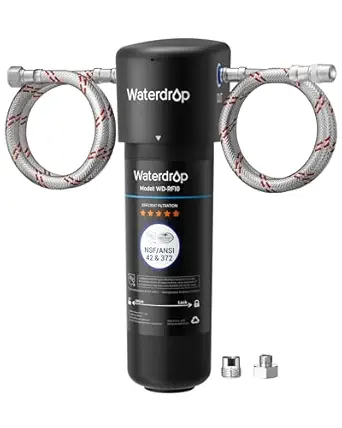 |
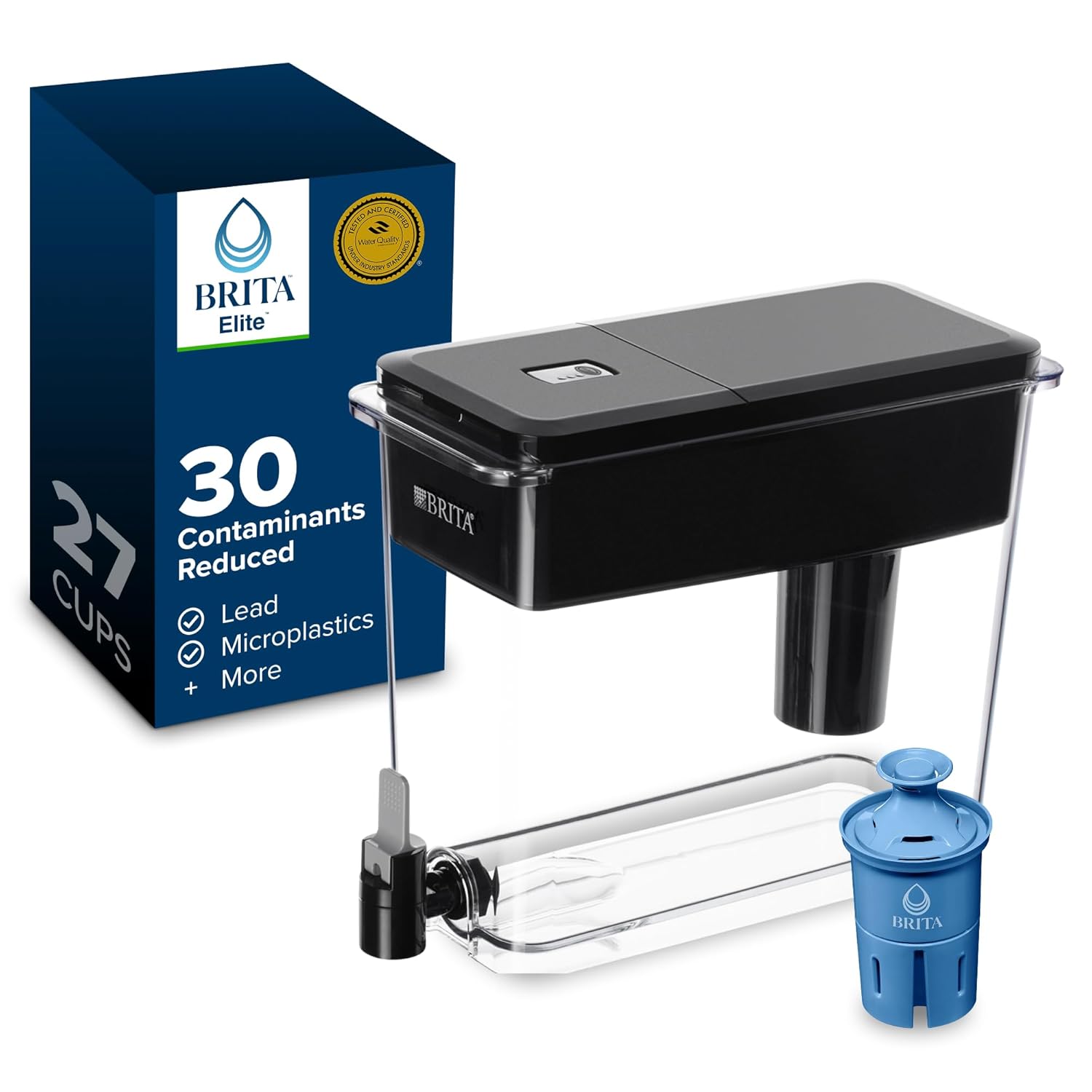
| Most Popular A crowd favorite that many people choose with confidence | Brita UltraMax 27-Cup Dispenser |  |
| Best Seller A high-volume bestseller chosen again and again | Brita Metro 6-Cup Pitcher |  |
iSpring RCC7AK-BN Reverse Osmosis

| Purification Method | Reverse Osmosis, Alkaline, Activated Carbon, Carbon block |
|---|---|
| Power Source | No Power Needed |
| Maximum Flow Rate | 284 liters_per_day |
| Supported Water TDS Level Maximum (PPM) | 750 |
| Filter Life Cycle | 6 months |
The iSpring RCC7AK-BN is a six-stage under-sink reverse osmosis system that pairs a standard RO membrane with an alkaline remineralization stage to restore healthy minerals and raise pH for better-tasting water. It is installed under the sink and feeds a dedicated brushed-nickel faucet, with a top-mounted fastener that simplifies tightening the faucet nut from above. Notable features include an NSF/ANSI 58 full-system certification, a transparent first-stage housing for quick visual checks, push-to-connect fittings and color-coded tubing for easier DIY installs, and a storage tank so filtered water is ready on demand. The system reduces TDS and a long list of contaminants including lead and PFAS, and it operates without electricity. Expect routine filter changes on a six-month cadence for some stages and occasional membrane replacement; the unit also requires under-sink space for the tank and housings. For buyers who want a full RO system that improves taste while specifically addressing heavy metals like lead, this unit offers certified performance and practical installation aids.
Best for: Buyers who want a proven, full reverse-osmosis solution that reliably removes lead and other contaminants while also improving flavor and pH, and who are comfortable with periodic maintenance and an under-sink installation.
Less Ideal for: People who need a portable or countertop solution, or those unwilling to allocate under-sink space or perform routine filter and membrane replacements.
- NSF/ANSI 58 full-system certification confirming contaminant reduction performance
- Alkaline remineralization stage restores minerals and raises pH for improved taste
- Transparent first-stage housing lets you visually monitor sediment buildup
- Push-to-connect fittings and color-coded tubing simplify DIY installation
- Works without electricity and includes a storage tank for on-demand water
- Requires under-sink space for the tank and filter housings
- Regular filter changes and membrane maintenance are needed to retain performance
Verdict: Choose the iSpring RCC7AK-BN for certified RO performance that removes lead while adding minerals back for better-tasting, alkaline drinking water.
APEC Water ROES-50

| Purification Method | Reverse Osmosis |
|---|---|
| Filtration Stages | 5-Stage |
| Capacity | 50 gallons |
| Operating Pressure Range | 40-85 psi |
| Filter Life Cycle | 6 months |
The APEC ROES-50 is a five-stage under-sink reverse osmosis system designed to deliver very pure drinking water for typical households. It uses a series of prefilters, an RO membrane, and a post-filter to reduce chlorine, lead, arsenic, fluoride, heavy metals, PFAs, and microplastics, producing up to 50 gallons per day stored in a dedicated tank for steady flow. Installation is DIY-friendly with quick-connect fittings and color-coded tubing, and the kit includes a dedicated brushed-nickel faucet and replacement Filter-Max set. Filters are sized for long service life with prefilters changed roughly every 6-12 months and the membrane/post-filters lasting 12-24 months depending on feed water quality. Important trade-offs are low output compared with whole-house systems and the need for a storage tank and periodic filter replacements, but for point-of-use drinking and cooking water the ROES-50 provides factory-quality contaminant reduction and consistent taste improvement.
Best for: Buyers prioritizing high contaminant removal and taste improvement at the kitchen tap who want a performance-focused under-sink solution with proven RO membrane filtration.
Less Ideal for: People looking for whole-house filtration, very high flow without a tank, or a zero-install countertop option should consider different systems.
- Five-stage RO that targets lead, heavy metals, fluoride, chlorine, PFAs and microplastics
- Certified WQA-level construction and tested components for reliable contaminant rejection
- DIY-friendly quick-connect fittings and color-coded tubing simplify under-sink installation
- Includes faucet, storage tank, and Filter-Max replacement set so it is ready to install out of the box
- Long filter life for prefilters and membrane reduces how often you need to service the unit
- 50 GPD output may be limiting for very large households or heavy usage
- Requires periodic replacement filters and an RO storage tank which takes under-sink space
Verdict: Choose the ROES-50 when you need a high-performance under-sink RO that reliably removes lead and other heavy contaminants for excellent drinking water quality.
Waterdrop Lucid Pitcher WD-PT-07B

| Capacity | 2.4 liters |
|---|---|
| Filter Life Cycle | 200 gallons / 3 months |
| Purification Method | Activated Carbon |
| Maximum Flow Rate | 0.5 gpm |
The Waterdrop Lucid WD-PT-07B is a countertop 10-cup water filter pitcher intended for everyday drinking water improvement. It uses a multi-stage activated carbon/ACF filter that is NSF/ANSI 42 and 372 certified and is rated to reduce contaminants including lead-related compounds, chlorine, and some metal ions, while leaving dissolved solids (TDS) unchanged. The pitcher fits in most refrigerator doors and has a hands-free lid for simple pouring and an LED indicator to track the filter life, which the company rates at about 200 gallons or three months. In practice the pitcher is easy to fill, pours without spills, and noticeably improves taste and odor from municipal tap water. Limitations include a non-electric passive filter so filtration speed depends on gravity and the filter does not lower TDS for users wanting mineral reduction; replacement filters are required roughly every three months. For routine household water improvement focused on lead and chlorine reduction, this pitcher is a practical, low-effort option.
Best for: Buyers who want an affordable, easy-to-use pitcher that improves tap water taste and reduces lead-related contaminants without installing hardware.
Less Ideal for: People who need rapid high-volume filtration, lower TDS, or whole-house treatment should consider under-sink or point-of-entry systems instead.
- NSF/ANSI 42 and 372 certified filtration for verified contaminant reduction
- Hands-free lid and slim shape designed to fit most refrigerator doors
- LED filter life indicator simplifies replacement timing
- Long filter life rated at about 200 gallons or 3 months
- Gravity-fed design filters more slowly than powered systems
- Does not reduce total dissolved solids (TDS)
Verdict: A budget-friendly, NSF-certified pitcher that reliably improves taste and reduces lead-related contaminants for everyday drinking water.
Waterdrop WD-10UA Under-Sink Filter

| Purification Method | Activated Carbon |
|---|---|
| Installation Type | Under Sink |
| Maximum Flow Rate | 2.5 gpm |
| Filter Life Cycle | 1 years |
| Supported Water TDS Level Maximum (PPM) | 700 |
The Waterdrop WD-10UA is an under-sink activated carbon filter built for straightforward lead and chemical reduction on municipal cold water lines. It installs with push-to-connect fittings and a twist-and-lock cartridge, connecting to standard 3/8" or 1/2" cold feed lines without drilling; replacement cartridges are the WD-RF10. The unit is NSF/ANSI 42/372 listed for chlorine, taste and odor reduction and is claimed to reduce PFAS and lead, making it suitable for drinking and cooking water. Waterdrop rates the filter life at about 12 months under typical household use and lists a tested flow around 0.75 gpm (up to 1.33 gpm from the 3/8" outlet), so you get steady faucet flow for filling pitchers and routine kitchen tasks. It is designed only for cold, municipal water and is not appropriate for well water or hot water. The compact single-canister design is space efficient, but advanced contaminant removal beyond carbon adsorption (for example, certified lead-only higher-level reductions or sediment prefiltration) is not part of this model, so homes with complex water issues may need a multi-stage system or lab testing before relying on it as the sole solution.
Best for: Buyers who prioritize a reliable, easy-to-install under-sink filter that reduces lead and common chemical contaminants from municipal cold water and want a low-maintenance annual cartridge swap.
Less Ideal for: Homes with untreated well water, hot water connections, or water with multiple contamination sources that require multi-stage or specialty filtration should consider a different system.
- NSF/ANSI 42 and 372 components for verified chlorine, taste and odor reduction
- Twist-and-lock cartridge with push-to-connect fittings for tool-free installation and quick replacement
- Claims reduction of PFAS, PFOA/PFOS and lead in municipal cold water
- Compact single-canister fits easily under most sinks and includes fittings for 3/8" and 1/2" lines
- Long cartridge life rated up to 12 months or roughly 11,000 gallons
- Not intended for well water or hot water use
- Single-stage activated carbon design does not include sediment or ultrafiltration prefiltering
Verdict: Choose the WD-10UA if you want a compact, NSF-listed under-sink carbon filter that reliably reduces lead and common chemical contaminants with simple, tool-free installation.
Brita UltraMax 27-Cup Dispenser
| Capacity | 27 cups |
|---|---|
| Filter life cycle | 120 gallons / 6 months |
| Purification method | Activated Carbon / Advanced Carbon Core |
| Certifications | WQA and NSF/ANSI certified |
The Brita UltraMax 27-cup dispenser is a pour-through countertop dispenser designed for families who want ready access to filtered drinking water. It uses Brita Elite Advanced Carbon Core filtration, which is WQA and NSF/ANSI certified to reduce 99% of lead plus 30+ other contaminants including chlorine, microplastics, and select pesticides and pharmaceuticals. The tall 27-cup tank sits on a counter or in the fridge and delivers water through a simple spigot, making it handy for refilling glasses, pitchers, or a coffee maker without frequent trips to the tap. Its Elite filter is rated for about 120 gallons or roughly six months of typical household use, so replacements are infrequent compared with many competitor cartridges. The dispenser is BPA-free and freestanding, but it is a pour-through system so it relies on countertop space and manual refilling rather than plumbing integration. If your priority is certified lead reduction in an easy-to-use, high-capacity format, this model delivers reliable performance with relatively low filter-change frequency.
Best for: Buyers who want a proven, certified solution to reduce lead and other contaminants and prefer an easy, high-capacity countertop dispenser backed by strong user feedback.
Less Ideal for: People seeking a plumbed or under-sink filtration solution or those with very limited counter or fridge space should consider alternate filter types.
- WQA and NSF/ANSI certified to reduce 99% of lead and 30+ contaminants
- Large 27-cup capacity keeps filtered water available for families and entertaining
- Elite filter lasts about 120 gallons (~6 months), reducing replacement frequency
- BPA-free freestanding design with convenient spigot for easy dispensing
- Pour-through countertop design requires manual refilling and occupies counter or fridge space
- Not a plumbed-in system so it cannot supply inline kitchen fixtures directly
Verdict: Choose the Brita UltraMax when you want certified lead reduction and a large, low-maintenance countertop dispenser for household use.
Brita Metro 6-Cup Pitcher

| Filter Life Cycle | 2 months (about 40 gallons) |
|---|---|
| Maximum Flow Rate | 9.7 milliliters_per_second |
| Supported Water TDS Level Maximum (PPM) | 500 |
| Upper Temperature Rating | 85 °F |
The Brita Metro 6-cup pitcher is a small, fridge-friendly filtered water pitcher intended for everyday countertop or mini-fridge use. It holds about six cups and includes one Standard filter that is WQA and NSF/ANSI certified to reduce chlorine taste and odor plus selected metals such as copper, mercury, and cadmium. The pitcher's easy-fill lid and space-saving profile make refills simple and let it sit in most refrigerator doors without taking much space. Brita's SmartLight filter indicator tracks the filter life (about 40 gallons or roughly two months) so you get a timely reminder to replace filters. Practical benefits include lower single-use plastic waste and simple maintenance with widely available replacement filters. Limitations to note: the Standard filter is not rated specifically for lead reduction, so if lead removal is your primary concern you will need to choose a Brita Elite filter or a certified system that lists lead reduction explicitly. Also the 6-cup capacity is best for individuals or small households rather than heavy daily use.
Best for: Buyers who want a reliable, easy-to-use pitcher to improve tap water taste and reduce common contaminants while avoiding complex installation or maintenance.
Less Ideal for: Homes with known lead in the water supply or households needing high-capacity filtration should consider systems certified specifically for lead removal or larger-capacity solutions.
- WQA and NSF/ANSI certified to reduce chlorine taste and selected heavy metals
- Space-saving 6-cup design fits most fridge doors and mini-fridges
- SmartLight indicator alerts when the filter needs replacing
- Includes one Standard filter and uses widely available replacement filters
- One Standard filter can replace up to 300 single-use 16.9 oz plastic bottles
- Standard filter is not specifically certified for lead reduction
- Small 6-cup capacity may require frequent refills for larger households
Verdict: A compact, certified pitcher that improves tap water taste and reduces several contaminants while delivering simple, low-risk filtration for everyday use.
Choosing the Right Water Filter for Lead Removal: Key Factors to Consider
Certification & Verified Reduction
Look for third-party certifications that specifically list lead reduction as a tested contaminant. Certifications indicate lab-verified performance under standardized conditions and give you confidence the filter will reduce lead levels as claimed.
Pay attention to the exact test conditions the certification references. Some certifications report percent reduction at specific flow rates and influent concentrations. Knowing those limits helps set realistic expectations for how the filter will perform on your water.
Filtration Technology
Different filters use different mechanisms to remove lead, including reverse osmosis, ion exchange, and adsorptive media such as activated carbon with specialty resins. Each approach has tradeoffs in speed, waste water production, and ability to remove other contaminants.
Consider whether you want a single-stage cartridge aimed at lead, or a multi-stage system that also handles chlorine, sediment, and other metals. Matching the technology to the specific water quality issue ensures the filter addresses lead without creating other compromises.
Installation Type and Fit
Installation options range from countertop and faucet-mounted units to under-sink cartridges and dedicated pitchers. Your kitchen layout, sink configuration, and whether you rent or own will influence which installation types are feasible.
Under-sink systems often provide higher capacity and better aesthetics but require more installation work. Faucet-mounted and pitcher-style filters are easier to start with but can have shorter filter life or lower throughput. Choose the format that fits your plumbing and willingness to do installation work.
Filter Life, Replacement Frequency, and Cost
Filter longevity affects ongoing cost and convenience. A cartridge that lasts longer reduces how often you must reorder and swap parts, but longevity claims vary with actual water quality and usage.
Check whether the filter has a straightforward replacement process and whether replacement cartridges are commonly available. Also consider whether the filter offers end-of-life indicators, which reduce the risk of using an exhausted cartridge that no longer removes lead effectively.
Flow Rate and Daily Capacity
A filter that removes lead but produces only small volumes of water per day can be frustrating for households that use filtered water for cooking, beverages, and ice. Look at rated flow rates and total capacity before replacement.
For multi-person households or those that use a lot of filtered water, choose systems designed for higher throughput or pair a point-of-use drinking-water filter with an unfiltered tap for other needs.
Maintenance, Monitoring, and Ease of Use
Ongoing ease of maintenance influences reliability. Filters with simple cartridge changes, clear orientation, and accessible housings reduce the chance of installation errors that compromise performance.
Monitoring features such as LED indicators, usage counters, or time-based reminders help ensure timely replacement. If the system requires occasional sanitizing or effort to flush new cartridges, confirm you can follow those steps reliably.
Point-of-Use Options Versus Whole-Home Solutions
Point-of-use filters treat water at a single tap or dispenser and are the most common choice for lead reduction in drinking water. They are typically easier to install and can be focused on the water you actually consume. For lead specifically, point-of-use systems at the kitchen sink or refrigerator ice maker are often the most efficient way to lower exposure.
Whole-home systems treat water at the mains before it reaches every faucet. While they can protect skin-contact uses, whole-home systems are not always necessary for lead reduction in drinking water and tend to be more complex to install and maintain. Evaluate whether lead is primarily a drinking-water concern in your home before choosing a whole-house approach.
- Point-of-use: targeted, simpler installation, lower upfront disruption
- Under-sink: higher capacity and cleaner countertop appearance
- Countertop and faucet-mounted: minimal installation but sometimes lower capacity
- Whole-home: broad protection but greater cost and complexity
Reverse Osmosis and Waste Water Considerations
Reverse osmosis can be highly effective at removing lead and many other contaminants, but it generates a reject stream that wastes water. Consider your household water usage and whether the higher water waste is acceptable.
RO systems typically include a storage tank and require periodic membrane and prefilter replacement. They often provide very low lead levels when properly maintained, but factor in the space and maintenance needs before committing to this technology.
- RO reduces a wide range of dissolved solids including lead
- Expect some water waste and additional component maintenance
- RO is a good option when maximum contaminant reduction is required
Fitting Filters to Municipal and Well Water
Municipal water and private well water present different baseline concerns. Municipal supplies are usually disinfected and monitored, but lead can enter through aging pipes. Well water may have other metals or sediment that impact filter performance or life. Knowing your source helps select the right system.
A basic lead-focused cartridge may be sufficient for municipal users with no other contaminants. If you have well water, look for systems that include sediment prefiltration and broader contaminant removal to protect the lead-specific media and maintain flow.
- Test your water source to identify lead levels and co-contaminants
- Prefiltration protects specialized lead media from clogging
- Match filter capacity and media to your specific water profile
Installation Tips and Common Pitfalls
Before installation, measure available under-sink space and check faucet connection types to ensure compatibility. Some filters require a dedicated faucet hole or alternate dispenser, while others attach to the existing faucet or sit on the countertop. Planning prevents surprises during setup.
Common pitfalls include forgetting to flush new cartridges for the recommended time, cross-threading fittings, and not securing tanks or housings. Follow the manufacturer instructions for initial flushing, and verify connections for leaks after installation.
- Measure space and confirm connection types prior to purchase
- Flush new cartridges thoroughly to remove manufacturing residues
- Tighten fittings to manufacturer torque recommendations to avoid leaks
Maintaining Lead-Reduction Performance Over Time
Lead-reduction capability depends on maintaining the filter media in good condition. Replace cartridges on schedule and follow any flushing or sanitizing steps. Overused cartridges can lose effectiveness and may allow lead breakthrough.
Keep a replacement schedule and store spare cartridges so you are not tempted to use an expired element. If your water quality changes, such as after plumbing work or seasonal shifts, retest your water and consider more frequent replacement until you confirm stable performance.
- Follow recommended replacement intervals and flushing procedures
- Retest water after major plumbing changes
- Keep spare cartridges on hand to avoid lapses in protection
How We Chose the Best Water Filter for Lead Removal
We focused on real-world factors that determine whether a water filter will actually reduce lead exposure in a home. Primary evaluation criteria included certified lead-reduction performance under standard test conditions, the types of filtration media used, and claimed reduction percentages or certified contaminant lists. We also weighed installation flexibility because filters that cannot be installed in a typical kitchen setup are less useful to most buyers. Maintenance costs and filter life were treated as separate criteria because a high-performing cartridge that needs frequent replacement can be impractical. Ease of use and visible indicators for end-of-life were included so owners can reliably know when to replace a filter. Flow rate and capacity rounded out the selection filters, since slow dispensers or tiny capacities create poor user experiences even if filtration is excellent. We excluded systems that do not make certified claims about lead removal or that rely solely on unproven technologies. We likewise filtered out solutions that require full-house plumbing modifications beyond typical homeowner scope. The resulting shortlist balances verified lead-reduction ability, practical installation paths, predictable upkeep, and everyday usability.
Our full evaluation process is outlined in our review methodology.
FAQ
How do I know if a filter actually removes lead?
Check for third-party certifications or lab test results that explicitly list lead reduction. Certifications indicate the filter was tested under controlled conditions for lead removal and provide the best evidence of performance.
Can a pitcher filter remove lead effectively?
Some pitcher filters are designed to reduce lead, but they generally have lower capacity and flow rate than point-of-use cartridges or under-sink systems. For consistent lead reduction, check certification and be prepared for more frequent cartridge replacement.
How often should I replace a lead-reduction filter cartridge?
Replacement frequency depends on cartridge capacity, your household water usage, and incoming water quality. Typical intervals range from a few months to a year. Follow the manufacturer's recommended schedule and monitor indicators if provided.
Does filter installation require a plumber?
Many point-of-use and faucet-mounted systems are designed for DIY installation using basic tools. Under-sink systems or those requiring a separate dispenser may be more involved and could benefit from professional installation if you are uncomfortable with plumbing work.
Will a lead-reduction filter remove other contaminants?
That depends on the filter media. Some systems target lead specifically, while multi-stage systems also handle chlorine, sediment, and other metals. Review the product's tested contaminant list to confirm which substances it reduces.
Final Verdict
Prioritize verified lead-reduction performance, installation fit, and maintenance practicality when choosing a water filter for lead removal. Certified reduction and the right filtration technology should be the first filters in your decision process, followed by how the system fits your kitchen and how often cartridges must be replaced. Balance tradeoffs between throughput, ease of use, and ongoing upkeep to find a dependable solution that keeps your household drinking water low in lead and convenient to use.