
Note: This article contains affiliate links. If you click on these links and make a purchase, we may earn a small commission at no extra cost to you. This helps support our research and content. Read our full affiliate disclosure here.
Choosing the right water filter for drinking water affects both the safety and taste of the water you and your family consume every day. The right filter reduces common contaminants, improves flavor, and fits your household flow and maintenance needs without adding hassle. This guide highlights seven shortlisted water filters for drinking water that suit a range of kitchens and priorities. We evaluated each option for contaminant removal performance, filter life and maintenance, and how they affect water flow and installation. Read on to find the style and capacity that match your usage and preferences.
Top Picks at a Glance
| Best Overall The best all-around choice for most situations | DREO RO Countertop WF112 | 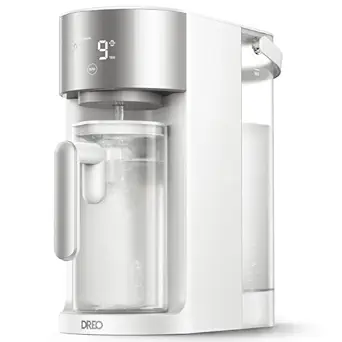 |
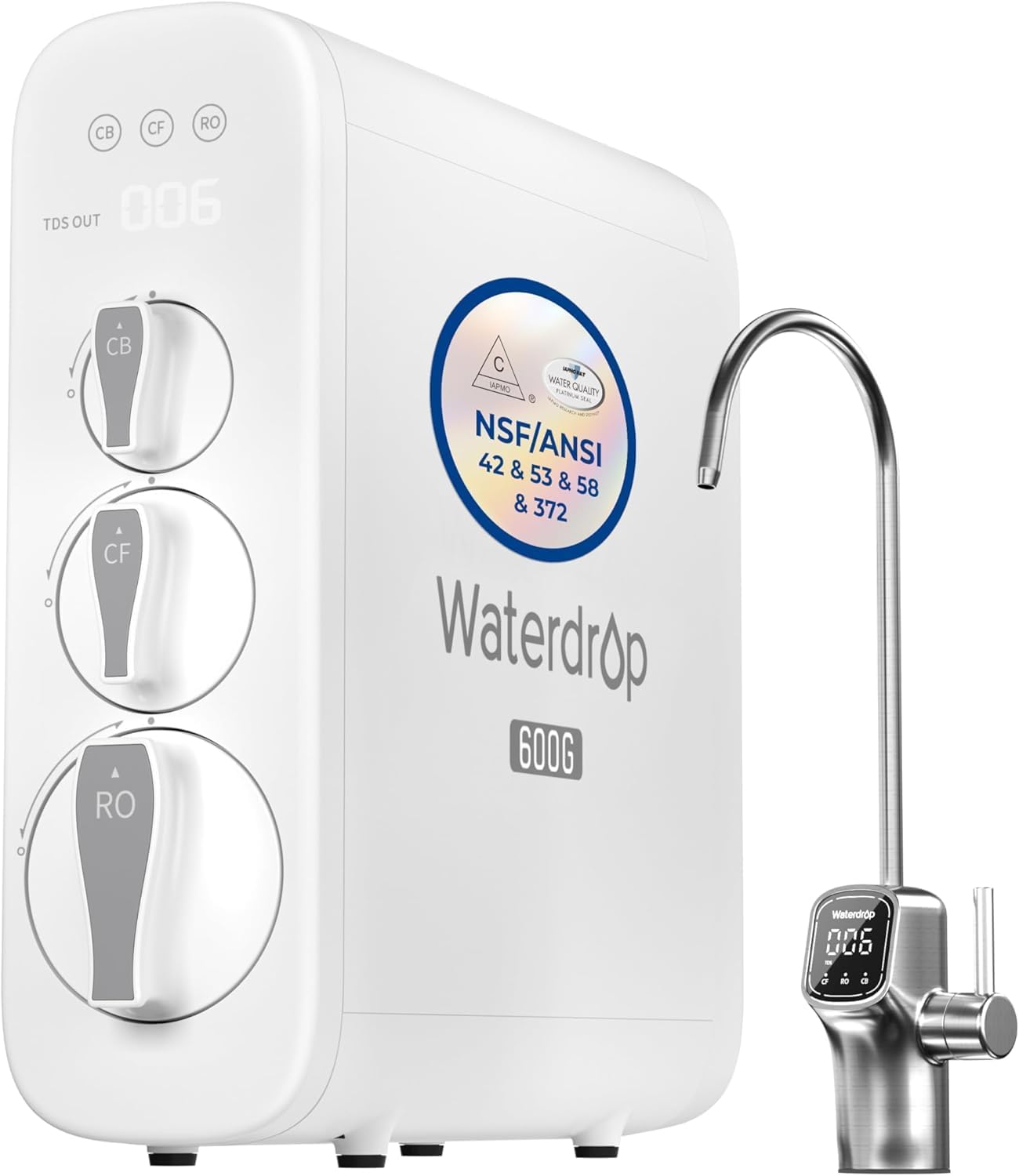
| Best Quality Built to a higher standard if you want something more solid | Waterdrop G3P600 Reverse Osmosis |  |
| Best Value The sweet spot between price and what you get | ZeroWater 22-Cup Ready-Read Dispenser |  |
| Best Budget The cheapest option that still gets the job done reliably | Waterdrop PT-05B-L Pitcher | 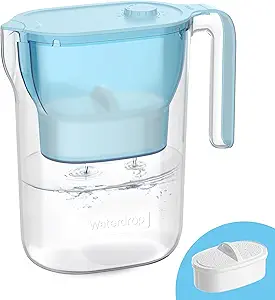 |
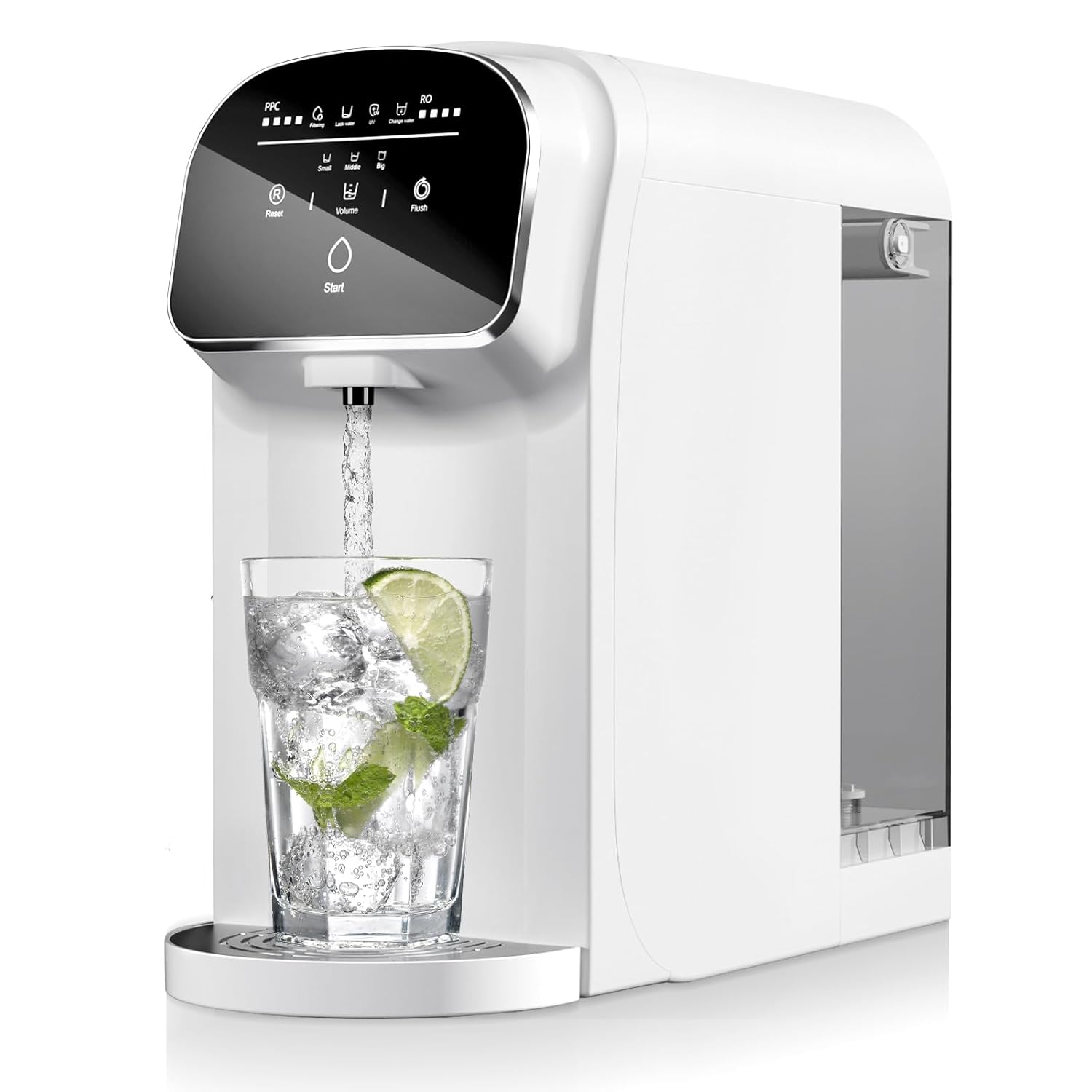
| Top Rated A top-rated pick with lots of positive feedback | Aigerri Countertop RO System |  |
| Most Popular A crowd favorite that many people choose with confidence | Brita Large Water Filter Pitcher |  |
| Best Seller A high-volume bestseller chosen again and again | EveryDrop Refrigerator Filter 1 |  |
DREO RO Countertop WF112

| Purification Method | Reverse Osmosis |
|---|---|
| Capacity | 3 liters |
| Other Special Features | Built In TDS Meter, Change Filter Indicator, Touch Control |
| Pure to Drain Rate | 3:1 |
The DREO WF112 is a countertop reverse osmosis purifier that delivers RO-quality drinking water without hard plumbing installation. It uses a 7-stage RO filter and an integrated TDS meter so you can monitor raw and purified water in real time, and a touch-control interface reports filter life for easier maintenance. The unit includes an auto-fill pitcher with a sensor for hands-free refills and a self-cleaning flush that helps keep internal tubing clear. With a 3:1 pure-to-drain ratio and a replacement life quoted at about 265 gallons, it aims to reduce water waste and ongoing plastic bottle use compared with single-use water. The compact footprint and installation-free design make it convenient for small kitchens, offices, or apartments, and filters twist in for quick swaps. Expect slower output compared with a plumbed under-sink RO system and periodic filter replacements; the 3 liter reservoir plus 1.1 liter pitcher is best for one to two people rather than large households.
Best for: Buyers who want near–under-sink RO water quality without installing plumbing and who value easy monitoring and minimal setup for use in small kitchens, apartments, or offices.
Less Ideal for: Large families or anyone needing high daily volumes of filtered water or faster continuous flow should consider plumbed or higher-capacity systems instead.
- Built-in TDS meter and filter life indicator for real-time water quality and maintenance reminders
- Autofill pitcher with sensor and touch controls for convenient, hands-free refills
- Self-cleaning/auto-flush feature helps reduce buildup in internal tubes
- Compact countertop design that requires no permanent installation
- Smaller combined capacity (3L tank plus 1.1L pitcher) limits daily output for larger households
- RO systems produce slower filtered water flow compared with plumbed filters and require periodic filter replacements
Verdict: If you want true RO-level drinking water without plumbing changes, this compact countertop system delivers monitored, low-waste filtration for one to two people.
Waterdrop G3P600 Reverse Osmosis
| Purification Method | Carbon Block, Reverse Osmosis |
|---|---|
| Other Special Features of the Product | 8-stage Filtration, 600GPD high capacity, 2:1 low drain ratio, Smart display faucet |
| Power Source | Corded Electric |
| Supported Water TDS Level Maximum (PPM) | 1500 |
| Maximum Flow Rate | 0.42 gpm |
The Waterdrop G3P600 is a tankless under-sink reverse osmosis system designed for steady, high-volume drinking water production. Its 8-stage filtration and RO membrane target a wide range of contaminants, and the unit produces up to 600 gallons per day with a 2:1 pure-to-drain ratio, so you get fast pours and relatively low wastewater. The smart faucet reports TDS and filter life, making it easy to monitor water quality and maintenance intervals. Tankless construction saves under-sink space and enables tool-free filter swaps, while the automatic flushing keeps membranes cleaner between changes. Important practical limits are that it needs a nearby electrical outlet and under-sink clearance that fits the unit, and installation requires drilling a faucet hole plus a drain connection. For buyers who prioritize steady output and strong contaminant reduction, this system delivers performance-oriented filtration in a compact package.
Best for: Buyers who want high-capacity, performance-focused drinking water filtration with real-time monitoring and minimal under-sink footprint.
Less Ideal for: People who cannot provide under-sink power or who need a completely tool-free, no-drill countertop solution.
- High output up to 600 gallons per day for fast fills and heavy use
- 8-stage filtration plus RO membrane reduces TDS, heavy metals, PFAS, chlorine and other contaminants
- 2:1 pure-to-drain ratio lowers wastewater compared with many RO units
- Tankless design saves significant under-sink space and allows tool-free filter replacement
- Smart faucet displays TDS and filter life for easy water quality and maintenance monitoring
- Requires an electrical outlet under the sink for operation
- Installation needs drilling a faucet hole and a drain connection which may demand plumbing work
Verdict: Choose the G3P600 if you need a compact, high-output tankless RO that delivers strong contaminant reduction with smart monitoring for drinking water use.
ZeroWater 22-Cup Ready-Read Dispenser

| Capacity | 5.2 liters |
|---|---|
| Purification Method | Ion Exchange |
| Supported Water TDS Level Maximum (PPM) | 1 |
| Included Components | 22-Cup dispenser, 5-stage filter, TDS meter |
The ZeroWater 22-Cup Ready-Read Dispenser is a countertop filtered water pitcher that uses a five-stage ion exchange filter to reduce total dissolved solids and contaminants such as lead, chromium, PFOA/PFOS, and mercury. You fill the top reservoir and water passes through the multi-stage cartridge into the lower 22-cup reservoir for dispensing; the included TDS meter lets you measure dissolved solids and signals when the filter needs replacement. The design is meant for everyday kitchen use and offers a large capacity so you refill less often than with smaller pitchers, and the ergonomic handle and pour spout make serving straightforward. Benefits include the IAPMO certifications for specific contaminant reduction and an eco-friendly reduction in single-use bottles versus bottled water. Limitations are that filtering speed depends on gravity so fills take time compared with under-sink or powered systems, and replacement filters are required at intervals determined by incoming water quality and TDS readings.
Best for: Buyers who want a practical, countertop solution that reliably lowers dissolved solids and specific contaminants while avoiding single-use bottles and frequent refills.
Less Ideal for: Households needing instant large-volume delivery or plumbed under-sink filtration should consider connected or powered systems instead.
- Certified to reduce lead, PFOA/PFOS, chromium, and mercury
- Integrated TDS meter for easy monitoring of filter performance
- Large 22-cup capacity reduces refill frequency
- Includes 5-stage ion exchange filter for very low TDS water
- Gravity-fed filtration is slower than plumbed or electric systems
- Requires periodic replacement filters based on water quality
Verdict: Choose this dispenser if you want a certified, high-capacity countertop pitcher that produces very low-TDS drinking water and includes a TDS meter for easy replacement timing.
Waterdrop PT-05B-L Pitcher

| Capacity | 7-Cup |
|---|---|
| Filter life | Up to 200 gallons / 3 months |
| Certifications | NSF/ANSI 42 & 372 |
| Material Type | BPA-free, lead-free |
The Waterdrop PT-05B-L is a countertop water filter pitcher designed for simple daily use; it holds about seven cups and uses a long-life cartridge rated for up to 200 gallons or roughly three months of typical use. Installation is straightforward: soak the cartridge, press it into the reservoir, and use the mechanical dial on the lid to track remaining life. Filtration uses activated carbon fiber and is NSF/ANSI 42 and 372 certified to reduce chlorine, taste and odor plus some PFAS, lead and other common contaminants, so water tastes noticeably fresher compared with unfiltered tap water. The slim shape fits most refrigerator doors and the BPA-free plastic body is light and easy to handle. Limitations include no TDS reduction and the need to discard the first two pitchers after cartridge installation, and performance will vary with local water quality. For buyers prioritizing an affordable, low-maintenance pitcher that reduces common taste-and-odor contaminants, this model delivers good value.
Best for: Buyers seeking an inexpensive, easy-to-use pitcher that noticeably improves tap water taste without complex installation or high ongoing costs.
Less Ideal for: People who need significant TDS reduction, complete removal of dissolved minerals, or advanced multi-stage purification should consider higher-end systems instead.
- NSF/ANSI 42 and 372 certified to reduce chlorine, taste, and some contaminants
- Long-life filter rated up to 200 gallons or about three months
- Slim, fridge-friendly shape and lightweight BPA-free construction
- Mechanical life recorder on the lid helps track filter changes
- Does not lower total dissolved solids (TDS)
- Requires discarding the first two pitchers after installing a new filter
Verdict: A budget-friendly pitcher that provides certified chlorine and taste reduction with a long-life cartridge for low-cost everyday drinking water improvement.
Aigerri Countertop RO System
| Purification Method | Reverse Osmosis |
|---|---|
| Capacity | 5 liters |
| Container Type | Dispenser |
| Installation Type | Countertop |
The Aigerri countertop RO system delivers multi-stage purification without plumbing work, making it an easy source of daily drinking water in kitchens, offices, or RVs. You fill the 5 L feed tank, plug the unit in, and the built-in five-stage filtration (including PPC prefilter, RO membrane, and UV) plus a separate purified water tank produce cold or ambient filtered water on demand. Notable practical features include a 5:1 pure-to-drain ratio that reduces wastewater compared with typical RO units and a compact countertop footprint that fits many counters and small spaces. Filter life is positioned for months of use and replacement cartridges are straightforward to swap, which helps keep ongoing maintenance simple. The main limitations are the countertop capacity and reliance on periodic filter/UV maintenance, so it is better suited to households wanting a reliable point-of-use purifier rather than whole-house treatment or heavy continuous filling needs.
Best for: Buyers who prioritize a reliable, easy-to-use source of high-purity drinking water without installing plumbing will appreciate this unit for everyday household or small-office use.
Less Ideal for: People needing whole-house filtration, continuous high-volume dispensing, or a permanently plumbed under-sink solution should consider other systems.
- Five-stage filtration including RO membrane and UV for broad contaminant reduction
- Plug-and-play countertop design requires no plumbing or installation
- Efficient 5:1 pure-to-drain ratio reduces wastewater compared with many RO systems
- Separate purified water tank plus 5 L feed tank for ready access to filtered water
- Limited output capacity compared with under-sink or whole-house systems, requiring refills for heavy use
- Requires periodic filter and UV maintenance to retain performance
Verdict: If you want a reliable, no-installation countertop RO purifier that delivers high-purity drinking water with lower waste, this Aigerri system is a solid choice.
Brita Large Water Filter Pitcher

| Capacity | 10 ounces |
|---|---|
| Purification Method | Granular Activated Carbon |
| Filter Life Cycle | 2 months |
| Supported Water TDS Level Maximum (PPM) | 500 |
| Power Source | Manual |
The Brita Large 10-cup water filter pitcher is a straightforward countertop pitcher that makes tap water taste better by reducing chlorine and select heavy metals using a Granular Activated Carbon plus ion-exchange filter. You fill the flip-top reservoir and filtered water collects in the pitcher for easy pouring and fridge storage, which is handy for families who want ready cold water without single-use bottles. The included filter is certified to last about 40 gallons or roughly two months under average use, and the pitcher is BPA-free and freestanding so it fits on fridge shelves. It is manual and requires swapping filters on schedule and an initial flush to remove carbon dust, so it is not a hands-off system but the setup and daily use are simple. For buyers who care about verified contaminant reduction and broad user reviews, the Brita name and certifications offer reassuring social proof, though it does not remove microbiological contaminants and is best used with municipally treated water.
Best for: Buyers who prioritize proven contaminant reduction and widely used, easy-to-operate filtration for everyday drinking water and want the reassurance of a well-known brand and certifications.
Less Ideal for: People needing a point-of-use system that removes bacteria or provides full water purification or users who want a fully automated or maintenance-free solution.
- Certified to reduce chlorine taste and odor plus select heavy metals like copper, mercury and cadmium
- 10-cup capacity fits refrigerator shelves and fills multiple reusable bottles
- BPA-free plastic and simple flip-top reservoir for easy refills
- Includes one filter rated for about 40 gallons or two months of typical use
- Does not purify microbiologically unsafe water and is unsuitable where disinfection is required
- Requires regular filter replacements and initial flushing to remove carbon dust
Verdict: A simple, certified pitcher filter that delivers better-tasting tap water and trusted reduction of common chemical contaminants for everyday household use.
EveryDrop Refrigerator Filter 1

| Model Number | EDR1RXD1 |
|---|---|
| Unit Count | 1 Count |
| Included Components | 1 Water Filter |
| External Testing Certification | NSF 42, NSF 53, NSF 401 |
This EveryDrop Filter 1 (EDR1RXD1) is a factory-quality replacement designed to fit compatible Whirlpool refrigerators and reduce a wide range of contaminants in drinking water and ice. It uses triple filtration with a coconut shell activated carbon core to capture large particles, microfiltration for medium-size debris, and microscopic adsorption for chemicals and heavy metals, and it is independently certified to NSF 42, 53, and 401. In everyday use you push the cartridge into the factory filter housing for a simple, tool-free swap that keeps water tasting cleaner and helps protect ice clarity. The filter is certified to reduce 70 contaminants, including microplastics, VOCs, and some pharmaceuticals, which makes it a good choice for households that prioritize verified contaminant removal. It should be replaced roughly every six months or after about 200 gallons, and buyers should match the model/color marking to ensure a correct fit for their fridge. The product is focused on reliable contaminant reduction rather than extra features like app tracking or multi-packs.
Best for: Buyers who want a dependable, factory-quality refrigerator filter backed by independent certifications and simple, no-tools replacement for consistently cleaner drinking water.
Less Ideal for: People who need a universal cartridge for multiple fridge brands or who prefer long-life or bulk multi-pack filters to minimize replacement frequency.
- NSF 42, 53, and 401 certifications for verified contaminant reduction
- Reduces up to 70 contaminants including heavy metals, VOCs, and microplastics
- Triple filtration with coconut shell activated carbon for improved taste and odor
- Factory-designed fit for Whirlpool refrigerators for straightforward push-in installation
- Single-count pack may require more frequent purchases for multi-fridge households
- Not a universal filter; must match refrigerator model/color for correct fit
Verdict: Choose this factory-designed EveryDrop Filter 1 when you want a proven, certified refrigerator water filter that reliably reduces a wide range of contaminants for safer tasting water.
Choosing the Right Water Filter for Drinking Water: Key Factors to Consider
Contaminant Reduction Capabilities
Different filters target different contaminants. Carbon-based filters excel at improving taste and reducing chlorine and organic compounds, while specialty media or reverse osmosis systems remove dissolved solids, heavy metals, and certain inorganic contaminants.
Knowing which contaminants are relevant in your water source determines the right technology. If lead or PFAS is a concern, choose a filter with certified reduction for those specific contaminants. For municipal water that primarily needs taste and odor improvement, a high-quality carbon filter can be sufficient and less intrusive.
Filter Life and Replacement Frequency
Filter longevity affects total cost and convenience. Cartridges rated for higher gallons between changes reduce the number of replacements but may be larger or more costly upfront. Short-life filters can be cheaper initially but require frequent changes and more ongoing expense.
Also check how easy replacements are to source and swap. Standardized, widely available cartridges simplify upkeep, while proprietary or hard-to-find filters can create downtime if supply is limited. Consider your household's water use and pick a capacity that minimizes mid-month swaps.
Flow Rate and Daily Capacity
Flow rate determines how quickly you can fill pitchers, pour a glass, or run the tap. Some high-removal technologies slow output substantially; others maintain near-normal flow. Match the system to your typical usage—high-flow faucets, multiple simultaneous users, or filling pots demand higher output.
Daily capacity is equally important for larger households. Systems with higher rated gallons per day or larger storage components reduce the chance of running out of filtered water during peak use.
Installation Requirements
Installation ranges from simple countertop attachments and faucet-mounted units to under-sink or inline systems requiring basic plumbing. If you rent or prefer a no-drill solution, choose countertop or pitcher filters. Under-sink units keep counters clear but may need a dedicated faucet or diverter valve.
Think about access for servicing and whether you are comfortable working under the sink. Some systems can be installed with just a wrench and Teflon tape, while others may require a plumber for a secure, leak-free fit.
Certifications and Testing
Look for certifications from recognized testing organizations that verify claims about contaminant reduction. Certifications indicate that a filter has been independently evaluated against specific standards for contaminant removal and material safety.
Certification scopes vary, so confirm that the listed contaminants match your priorities. Independent test reports or third-party lab results provide additional confidence beyond marketing claims.
Ongoing Maintenance and Cost
Maintenance includes filter changes, occasional sanitizing, and checking seals and tubing. Evaluate how often parts need replacement and whether the process is simple enough to do yourself.
Factor in the recurring cost of replacement elements and any consumables. Lifetime costs can exceed the initial purchase price, so estimate annual filter replacement expense when comparing systems.
Types of Home Drinking-Water Filters
There are several common technologies used for drinking-water filtration. Activated carbon systems are widespread because they reduce taste and odor issues and capture many organic contaminants. Reverse osmosis systems provide high removal rates for dissolved solids but require a drain line and usually store filtered water in a tank. Mechanical sediment filters protect downstream media by catching particles, and specialty media target specific contaminants like lead or PFAS.
- Activated carbon: good for chlorine, taste, and many organics
- Reverse osmosis: high removal for dissolved solids and many contaminants
- Sediment filters: first-stage protection to extend media life
- Specialty cartridges: tailored media for heavy metals or synthetic compounds
Installing Different Filter Types
Installation varies by product architecture. Faucet-mounted and countertop models are the simplest and often do not require tools beyond an included adapter. Under-sink filters typically require connecting to the cold-water supply and may need a dedicated faucet hole. Inline or whole-house units need basic plumbing skills and sometimes a shut-off valve to isolate the unit for servicing.
- Countertop/Faucet: quick, minimal tools, portable
- Under-sink: hidden, higher capacity, permanent
- Inline/Whole-house: broad coverage, professional install often recommended
Maintaining Your Water Filter
Regular maintenance ensures consistent performance. Replace cartridges at the recommended intervals, flush systems after installing new media, and inspect seals and tubing for wear. Some systems benefit from periodic sanitizing of housings to prevent biofilm buildup. Keep a replacement schedule so you do not run the filter past its rated capacity.
- Follow manufacturer replacement intervals
- Flush new cartridges before use
- Inspect seals and hoses during each replacement
Measuring Filter Performance at Home
You can monitor basic performance with simple indicators. A noticeable return of chlorine taste or slower flow often signals a spent filter. For more precise assurance, home test kits measure parameters such as chlorine, lead, hardness, and total dissolved solids. Regular testing helps verify that the chosen filter remains adequate for your water quality concerns.
- Taste and odor as an informal indicator
- Flow reduction often indicates clogging
- Home test kits for specific contaminants
How We Chose the Best Water Filter for Drinking Water
Our shortlist focuses on filters that deliver reliable contaminant reduction, practical everyday performance, and manageable upkeep. We prioritized verified reduction of common drinking-water concerns such as chlorine taste and odor, lead, and particulates, along with systems that offer measurable performance data from independent testing or manufacturer specifications. Longevity and replacement cadence were assessed so the picks balance maintenance frequency with total filtered volume. We also weighed installation complexity and required tools, favoring options that install with standard household plumbing or simple countertop/under-sink hookups. Flow rate and peak delivery mattered because undersized systems create bottlenecks at the tap. Materials and construction were checked for safe-contact finishes and NSF/ANSI or equivalent listings where available. Exclusions: we excluded one-off filters without performance data, units that require specialized installation beyond typical home plumbing, and products with ambiguous replacement availability. The resulting criteria reflect what matters for everyday drinking-water filtration rather than niche or industrial use.
Our full evaluation process is outlined in our review methodology.
FAQ
How often should I replace my drinking-water filter cartridge?
Replacement frequency depends on filter capacity and household use, but many cartridges are rated for 3 to 12 months. Heavily used systems or water with higher particulate load may require more frequent changes.
Will a drinking-water filter remove lead and PFAS?
Some filters are specifically certified to reduce lead and PFAS, while general carbon filters may not. Check independent performance claims and certifications for these contaminants if they are a concern.
Can I install most drinking-water filters myself?
Many countertop, faucet-mounted, and basic under-sink units are designed for DIY installation with common tools. More complex inline or whole-house systems may need a plumber for secure, code-compliant installation.
Does filtering water affect mineral content and taste?
Filtration can change mineral levels depending on the technology. Reverse osmosis reduces dissolved minerals and can produce very neutral-tasting water, while carbon filters tend to preserve more minerals while improving taste by removing chlorine and organics.
How do I know which contaminants to test for in my water?
Start with your local water quality report or use a home test kit to screen for common issues like chlorine, hardness, lead, and nitrates. If you have private well water, more comprehensive testing is recommended annually or after changes in source conditions.
Final Verdict
Pick a water filter based on the contaminants you need to remove, how much filtered water your household uses, and how much maintenance you are willing to perform. Prioritize verified contaminant reduction and a filter life that fits your usage pattern to minimize downtime and recurring cost. Balance flow needs and installation preferences so the system integrates into daily routines. With those tradeoffs in mind, you can confidently select a drinking-water filter that improves taste and reduces specific hazards without adding unnecessary complexity.