
Note: This article contains affiliate links. If you click on these links and make a purchase, we may earn a small commission at no extra cost to you. This helps support our research and content. Read our full affiliate disclosure here.
If hard water is leaving mineral deposits on fixtures and shortening appliance life, a targeted water filter can help. Choosing the right water filter for limescale reduces visible scaling, protects your plumbing, and improves how water feels and tastes around the home. This guide shortlists the top options for tackling limescale specifically, with attention to how well each unit prevents deposits, how long filters last, and how easy systems are to install and maintain. Below you will find our top picks, followed by clear evaluation criteria to help you pick the best solution for your situation.
Top Picks at a Glance
| Best Overall The best all-around choice for most situations | A. O. Smith Whole House Descaler AO-WH-DSCLR | 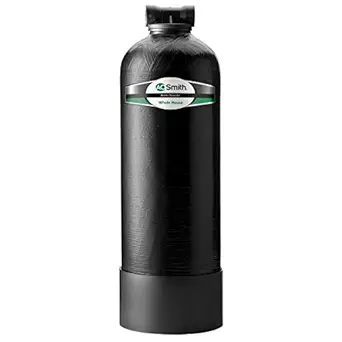 |
| Best Quality Built to a higher standard if you want something more solid | iSpring US31 Under-Sink Filter |  |
| Best Value The sweet spot between price and what you get | Waterdrop Scale Inhibitor WD-W65 |  |
| Best Budget The cheapest option that still gets the job done reliably | Omnipure SCL10-B Inline Water Filter |  |
| Top Rated A top-rated pick with lots of positive feedback | Philips AquaClean CA6903/22 |  |
| Most Popular A crowd favorite that many people choose with confidence | ZeroWater 22-Cup Ready-Read Dispenser |  |
| Best Seller A high-volume bestseller chosen again and again | Waterdrop WD-CTF-01 Countertop Filter |  |
A. O. Smith Whole House Descaler AO-WH-DSCLR

| Maximum Flow Rate | 7 gpm |
|---|---|
| Operating Pressure Range | 20-100 psi |
| Supported Water TDS Level Maximum (PPM) | 1200 |
| Filter Life Cycle | 6 years |
| Upper Temperature Rating | 90 °F |
This A. O. Smith salt-free whole-house descaler uses scale control media to alter dissolved hardness minerals into microscopic inert crystals that pass harmlessly through plumbing rather than forming scale. It installs inline on the main supply and is marketed for homes with moderate hardness; the unit is DIY-friendly if you have basic plumbing skills and comes with a shut-off valve, nipple, and hose adapter. Its strengths are long life and low maintenance since there is no salt, backwashing, or electricity required, and it supports up to 7 gpm flow and 1,200 ppm TDS, so it can protect appliances and piping without changing water chemistry or reducing TDS. Limitations are that it does not soften water or remove iron, chlorine, or sediments, so mineral spot reduction and actual soft water feel will not be achieved. For households looking to reduce scale formation with a low-effort, long-lasting system this is a practical option, but those who need true softening or contaminant removal should consider complementary treatments.
Best for: Homeowners who want a low-maintenance, long-lasting way to reduce scale buildup across the house without changing water chemistry and who prioritize protecting plumbing and appliances over achieving soft water.
Less Ideal for: People who need true water softening, stain or iron removal, or significant contaminant reduction should choose a dedicated softener or filtration system instead.
- Salt-free operation requires no salt, backwashing, or electricity
- Long service life rated for 6 years or 600,000 gallons
- Works with both city and well water and supports up to 7 gpm flow
- Includes basic installation parts (shut-off valve, nipple, hose adapter)
- Does not actually soften water or remove minerals, iron, chlorine, or sediment
Verdict: Choose this salt-free descaler if you want a low-maintenance, long-lasting way to prevent limescale across a whole house without adding salt or electricity.
iSpring US31 Under-Sink Filter

| Purification Method | 3 Stage chemical absorption and mechanical filtration |
|---|---|
| Maximum Flow Rate | 1 gpm |
| Filter Life Cycle | 12 months |
| Capacity | 10000 gallons |
| Upper Temperature Rating | 100 °F |
The iSpring US31 is a 3-stage under-sink filtration kit designed for steady, point-of-use water improvement. It uses a sediment prefilter, granular activated carbon, and a CTO carbon block to cut chlorine, odors, and common chemicals while preserving minerals and total dissolved solids. The system installs under the sink and includes a dedicated brushed-nickel faucet with a patented above-counter fastening that simplifies mounting. With up to 10,000 gallons or 6–12 months of filter life and a 1 gpm maximum flow rate, it supplies fast drinking and cooking water without slowing kitchen tasks. The clear first-stage housing makes it easy to spot heavy sediment, and NSF/ANSI testing claims add independent validation for the media used. Limitations: this is not a reverse-osmosis system so it will not lower TDS or remove dissolved salts that cause limescale, and it requires adequate household water pressure to hit the stated flow rate.
Best for: Buyers who prioritize fast, affordable point-of-use purification and want a durable under-sink system that cuts chlorine and sediment while keeping water minerals intact.
Less Ideal for: Homes seeking scale reduction or low-TDS water for appliances and boilers should choose an RO or water softening solution instead.
- Three-stage filtration targets sediment, chlorine, and common chemical contaminants.
- High flow rate up to 1 gallon per minute for fast fill and use.
- Transparent first-stage housing for quick visual inspection of sediment.
- Includes dedicated faucet and above-counter fastening to simplify installation.
- Filter life up to 10,000 gallons or 6–12 months reduces replacement frequency.
- Does not reduce TDS or remove dissolved minerals that contribute to limescale formation.
- Requires 30–70 psi feed water pressure to perform at rated flow.
Verdict: Choose the iSpring US31 if you want a high-flow, three-stage under-sink filter that reliably removes chlorine and sediment while keeping beneficial minerals.
Waterdrop Scale Inhibitor WD-W65

| Compatible Water Purifier Models | 3M AP430SS |
|---|---|
| Material Type | Stainless Steel and Food-grade polyphosphates |
| Inlet/Outlet | 3/4" NPT |
| Flow Rate | Up to 10 GPM |
The Waterdrop WD-W65 is an inline scale inhibitor designed to dose food-grade polyphosphates into a cold-water line to limit lime-scale formation on water heaters, boilers, and fixtures. It installs into a 3/4" NPT inlet/outlet and is intended to let part of the source water pass through the cartridge where it picks up the inhibitor before rejoining the main flow, so it does not act as a full-flow particulate filter. Typical use is on the cold supply feeding a water heater or whole-house line to slow scale buildup, improve appliance efficiency, and extend component life. The unit uses a stainless steel adapter and BPA-free materials, and each cartridge is rated for roughly six months of regular use depending on local water hardness. Important limits are that it will not remove sediments or dissolved minerals and effectiveness varies with water chemistry and correct upright installation; it is an additive-style solution rather than a mechanical softener. For homeowners wanting a low-maintenance way to reduce scaling risk, it is a practical complement to filtration or softening systems but not a replacement for them.
Best for: Buyers who want a low-maintenance, additive approach to reduce scale damage to water heaters and plumbing and who prioritize preserving appliance efficiency over removing minerals.
Less Ideal for: Homes that need actual softening or particulate removal, heavy-sediment well water, or users who require guaranteed hardness reduction rather than scale inhibition.
- Uses food-grade polyphosphates to inhibit lime-scale formation rather than relying on salt or electricity
- 3/4" NPT inlet/outlet supports high flow up to advertised 10 GPM for stable water pressure
- Stainless steel adapter and BPA-free materials reduce corrosion and contact-safety concerns
- Cartridge design offers simple, low-effort maintenance with predictable replacement interval
- Does not filter out sediment, iron, or minerals since it is not a full-flow filter
- Effectiveness depends on local water chemistry and proper installation orientation
Verdict: Choose the WD-W65 when you want a simple, low-maintenance inline solution to reduce lime-scale damage and extend the life of hot-water appliances.
Omnipure SCL10-B Inline Water Filter

| Degree of Nominal Filtration | 10 microns |
|---|---|
| Flow Rate | 0.5 GPM |
| Filter Life | 6 months or 1250 Gallons |
| Material Type | Activated Carbon, Resin |
| External Testing Certification | NSF |
The Omnipure SCL10-B is an inline 10-micron filter meant for ice machines, water coolers, drinking fountains, under-sink systems, and reverse osmosis setups. It uses activated carbon and resin media and a friction-welded construction that avoids glues or binders, which helps reduce contamination risk and provides a reliable seal. At a nominal flow rate of 0.5 gallons per minute it is suited to low-flow fixtures and point-of-use appliances; the manufacturer rates filter life at about six months or 1,250 gallons. The cartridge's design focuses on taste improvement and limiting lime-scale formation rather than comprehensive multi-contaminant removal, so it is a practical choice where hardness reduction and improved flavor are the priorities. Installation is typical for inline filters and may require fittings if your existing tubing or connectors differ. For buyers on a budget who need a simple, compact inline filter to protect small equipment and cut mineral buildup, this is a straightforward option, but those needing high flow or broad contaminant certification should consider other solutions.
Best for: Buyers who want an inexpensive, compact inline filter to reduce scale and improve taste on small appliances and point-of-use systems and who prioritize simple, predictable maintenance.
Less Ideal for: Homes needing high-flow filtration, whole-house treatment, or advanced contaminant removal should look at dedicated softeners or multi-stage certified filters instead.
- Inline design works with ice machines, water coolers, drinking fountains, and under-sink or RO prefilter setups
- Activated carbon and resin media improve taste and help inhibit lime-scale formation
- Friction-welded construction avoids glues or binders for a cleaner seal
- Rated life of about 6 months or 1,250 gallons gives a predictable replacement interval
- Low nominal flow rate (0.5 GPM) limits use on high-demand taps or whole-house applications
- Filtration is 10-micron nominal, so it does not target very fine contaminants or full softening
Verdict: A budget-friendly inline filter that reliably improves taste and helps limit limescale on small appliances and point-of-use systems.
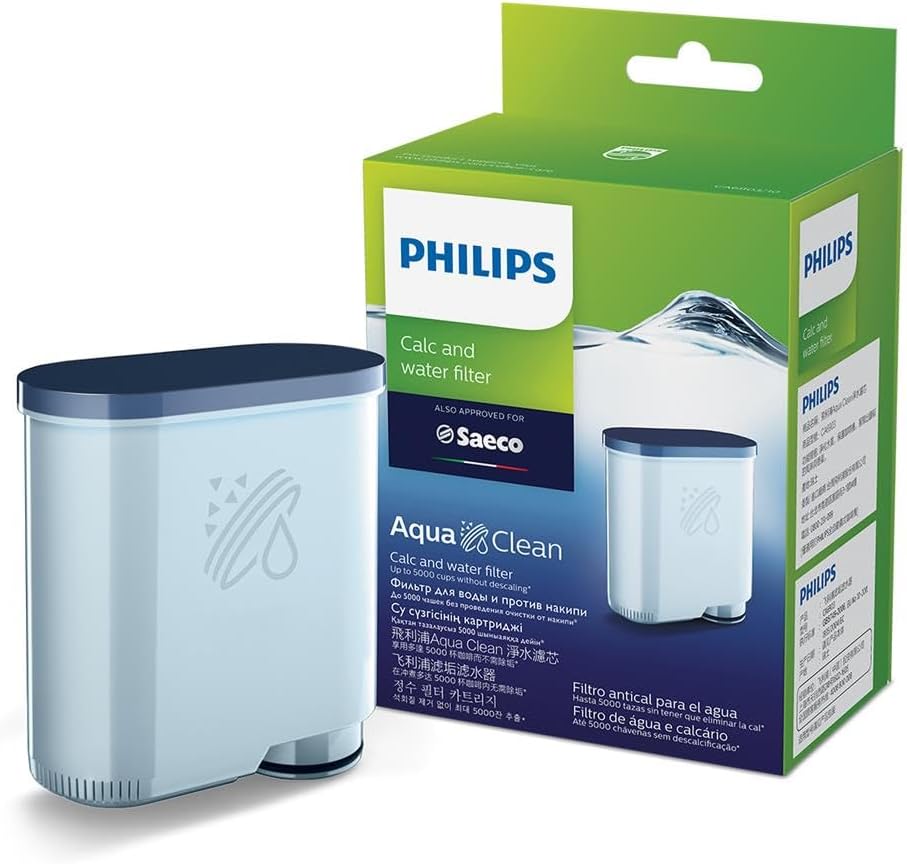
Philips AquaClean CA6903/22
| Model Number | CA6903/22 |
|---|---|
| Unit Count | 2 Count |
| Material Type | Plastic |
| Product Benefits | Reduces formation of limescale; no descaling up to 5,000 cups |
The Philips AquaClean CA6903/22 is a replacement water filter pack meant to protect compatible Philips espresso machines by reducing calcium and other impurities that cause limescale. It installs with a click-and-go system and uses a micro-porous filter plus ion-exchange technology to limit scale buildup, which the manufacturer says can prevent descaling for up to 5,000 cups when replaced on schedule. In everyday use the filters improve water quality entering the brew group, which helps preserve machine parts and keeps coffee tasting cleaner over time. Because they are factory-certified replacements, they are straightforward to fit and backed by Philips guidance for reliable performance. The main limitation is that their anti-scale lifespan depends on following replacement intervals and water hardness, so users with very hard water may still need periodic descaling or more frequent filter changes.
Best for: Buyers who prioritize reliable machine protection and want a factory-certified filter to minimize limescale and maintenance for their Philips espresso machine.
Less Ideal for: People with extremely hard water who need a stronger whole-house or pre-treatment solution or who prefer non-proprietary aftermarket filters.
- Reduces limescale formation using ion-exchange technology
- Click-and-go installation for quick, tool-free replacement
- Manufacturer-certified filter that preserves machine performance
- Claimed no-descaling period up to 5,000 cups when used as directed
- Effectiveness and service interval vary with local water hardness
Verdict: Choose the Philips AquaClean CA6903/22 when you want a factory-certified water filter that reliably reduces limescale and simplifies maintenance for Philips espresso machines.
ZeroWater 22-Cup Ready-Read Dispenser

| Capacity | 5.2 liters |
|---|---|
| Purification Method | Ion Exchange |
| Supported Water TDS Level Maximum (PPM) | 1 |
| Included Components | 22-Cup Dispenser, 5-Stage Filter, TDS Meter |
The ZeroWater 22-Cup Ready-Read dispenser brings a 5-stage ion exchange filter and a built-in TDS meter to countertop use, making it easy to monitor dissolved solids and know when the cartridge needs changing. Fill the reservoir and the system uses a multi-stage cartridge to remove total dissolved solids including metals and many minerals, which helps reduce limescale-forming hardness components in the filtered water. The included meter reads TDS so you can confirm near-zero readings before pouring, and the ergonomic handle and 22-cup capacity suit kitchens or small offices. The filter is IAPMO certified for reductions of lead, chromium, PFOA/PFOS and mercury, and the unit arrives with one replacement filter and a TDS meter to get started. Expect regular filter replacements if your source water has high TDS, and the dispenser is plastic-bodied so treat it gently and keep it out of hot sunlight; it does not require plumbing or electricity beyond the meter. For buyers focused on lowering dissolved solids and minimizing limescale in beverages and kettles, the Ready-Read gives measurable results, but maintenance and recurring filter cost are part of the package.
Best for: Buyers who value measurable water quality and want to reduce dissolved solids and limescale in drinking water or appliances, using the TDS meter to verify results and replacement timing.
Less Ideal for: People seeking a heavy-duty, long-lasting metal unit or a point-of-entry limescale treatment for whole-house hardness control should consider other solutions.
- 5-stage ion exchange filtration targets total dissolved solids associated with limescale and heavy metals
- Built-in TDS meter provides instant, verifiable readings so you know when to change the filter
- 22-cup capacity fits kitchens and small office use without frequent refills
- IAPMO certification for reduction of lead, chromium, PFOA/PFOS and mercury
- Includes one 5-stage replacement filter and TDS meter out of the box
- Plastic dispenser construction is less durable than glass or stainless alternatives
- Filters will need frequent replacement if input water TDS is high, increasing ongoing cost
Verdict: Choose this dispenser if you want a countertop filter that delivers verifiable near-zero TDS readings to reduce limescale and confirm filter performance.
Waterdrop WD-CTF-01 Countertop Filter

| Purification Method | 5-stage filtration |
|---|---|
| Maximum Flow Rate | 1.6 gpm |
| Capacity | 8000 gallons |
| Operating Pressure Range | 15-100 psi |
| Filter Life Cycle | 12 months |
The Waterdrop WD-CTF-01 is a countertop faucet-mounted filtration system built from 304 food-grade stainless steel that connects to most standard kitchen taps and uses a 5-stage cartridge to reduce chlorine, heavy metals, hydrogen sulfide, and sediments. It installs without drilling and includes adapters and a wrench for a straightforward setup; a switch on the unit lets you toggle between tap and filtered water in seconds. The filter is rated for up to 8,000 gallons or about 12 months of use under municipal water conditions, and it supports a fast flow up to 1.6 gallons per minute so filling a glass or pot is quick. The stainless housing and anti-slip base give it a durable, stable presence on the countertop. Limitations to note: it does not reduce TDS and will not fit pull-out, spray-style, or sensor faucets, so check faucet compatibility before purchase. Replacement filter model information is provided for future upkeep.
Best for: Buyers who prioritize reliable, easy-to-install countertop filtration and want a durable, low-maintenance system that removes chlorine and common contaminants while maintaining good flow.
Less Ideal for: People with nonstandard faucet types or those seeking a filter specifically to lower TDS or soften very hard water should consider other solutions.
- Five-stage cartridge reduces chlorine, sediments, and several heavy metals
- Durable 304 food-grade stainless steel construction with anti-slip base
- Fast flow rate up to 1.6 gallons per minute for near-instant filtered water
- Long service life rated up to 8,000 gallons or 12 months
- Includes faucet, inlet/outlet hoses, adapters and wrench for easy installation
- Not compatible with pull-out, handheld, spray-style, or sensor-activated faucets
- Does not reduce total dissolved solids (TDS)
Verdict: Choose this stainless steel Waterdrop countertop filter when you want a long-lasting, easy-to-install system that reliably removes chlorine and common contaminants while keeping fast flow.
Choosing the Right Water Filter for Limescale: Key Factors to Consider
Scale Reduction Effectiveness
This measures how well a water filter prevents limescale formation on fixtures and inside appliances. Some systems reduce dissolved hardness directly, while others condition minerals to make them less likely to bind and form deposits. Effectiveness matters because even modest residual hardness can produce visible scaling over time. When assessing options, look for independent test data or performance specifications that quantify reductions in calcium and magnesium or describe the underlying conditioning process.
A filter that removes or neutralizes a high percentage of hardness will extend the life of kettles, coffee makers, dishwashers, and plumbing. Conversely, a system that primarily improves taste without addressing mineral content will not stop scale buildup. Consider expected hardness levels in your water when choosing target reduction rates.
Filter Lifespan and Ongoing Maintenance
Filter longevity affects both convenience and total cost of ownership. Some cartridges need replacement every few months, while other technologies offer multi-year service life. Frequency of maintenance also determines how often you must shut off water, troubleshoot leaks, or buy consumables.
Longer lifespans reduce interruption and waste from discarded cartridges, but very long-life systems can require more complex initial installation or periodic professional servicing. Check how replacement intervals are stated and whether filter performance remains steady throughout the rated life rather than dropping off early.
Flow Rate and Water Pressure
A water filter should not noticeably reduce flow at faucets or appliances. Systems with low flow rates can frustrate household use, lengthen fill times for kettles and pots, and strain appliances that expect certain inlet pressure. Flow performance is influenced by filter media, system design, and whether the unit is intended for point-of-use or whole-house service.
For kitchen or point-of-use filters, ensure the rated flow supports typical faucet demands. For whole-house conditioning, verify the maximum flow and pressure drop at expected household peak demand. Consider pressure relief or bypass options that maintain usable flow during high demand or while servicing the filter.
Installation Complexity and Required Plumbing
Some water filters install easily under-sink with basic hand tools, while others require cutting into main supply lines or mounting near the water meter. Installation complexity influences whether you can do the work yourself and how much additional hardware or professional labor will cost. Look at connection types, required shutoff valves, and whether the system needs a drain line or electrical supply.
If you rent or have limited access to plumbing, choose a solution with minimal modifications. For permanent whole-house systems, factor in the installation footprint and space needed for future cartridge changes or maintenance access.
Compatibility With Appliances and Plumbing
Ensure the selected water filter integrates with your existing plumbing layout and the appliances you want to protect. Some systems are designed for point-of-use protection of a single faucet or appliance, while others provide whole-house conditioning. Compatibility affects the degree of protection against limescale; protecting only the kitchen faucet will not prevent scaling in a water heater or washing machine.
Check inlet and outlet sizes, required plumbing connections, and whether additional fittings are needed. For apartment or multi-unit dwellings, also consider landlord restrictions and how the system will attach to existing supply lines.
Materials, Certifications, and Warranty
Materials determine durability in mineral-rich environments where scale and corrosion are concerns. Look for corrosion-resistant housings, certified media, and seals rated for potable water. Certifications from recognized test labs give confidence in claims about mineral reduction or safety of materials in contact with drinking water.
A robust warranty and clear coverage for leaks or premature failures indicate product confidence. Compare what is covered and for how long, and whether warranties require professional installation to remain valid.
Point-of-Use Vs Whole-House Options
Decide whether you need a point-of-use filter for the kitchen or a whole-house solution that protects every fixture. Point-of-use units are easier to install and service, and they typically provide concentrated protection for drinking water and a single appliance. Whole-house systems cover every outlet and appliance but often require more space, higher upfront effort to install, and larger maintenance items.
Think about where scale is causing the most visible or costly problems. If scale is primarily in kettles and coffee makers, a dedicated kitchen filter may be sufficient. If you see scale in showerheads, on faucets, and inside water heaters, a whole-house approach will provide broader protection.
- Point-of-use: easier DIY installation, lower upfront footprint
- Whole-house: comprehensive protection, higher installation complexity
- Consider combining approaches for focused protection plus broad coverage
How Conditioning Technologies Differ
Products intended to combat limescale use varying approaches. Some remove hardness minerals via ion exchange or reverse osmosis, while others use template-assisted crystallization or electromagnetic processes to alter mineral behavior so deposits do not form. Each approach has tradeoffs in maintenance, water use, and effectiveness against visible scale.
Removal methods directly lower dissolved mineral concentrations but can require regular resin regeneration or water discharge. Conditioning approaches aim to reduce scaling without removing minerals but may be less consistent in very hard water. Match technology choice to the severity of your water hardness and your tolerance for maintenance.
- Ion exchange: effective hardness removal, needs regeneration or cartridge changes
- Reverse osmosis: high reduction, often for drinking water only, can produce wastewater
- Conditioning technologies: lower maintenance, variable real-world results
Measuring Hardness and Setting Expectations
Before buying, test your water hardness using a home test strip or a lab report from your water provider. Results will help you choose a system rated for your hardness level and set realistic expectations for how quickly existing scale can be removed versus prevented.
If you have very hard water, plan for an initial clean of fixtures and appliances after installing a treatment system. Filters and conditioners are mainly preventative; removing existing heavy scale may require descaling products or service.
- Use test strips or municipal lab reports to determine grains per gallon or ppm
- Match system capacity to measured hardness for effective results
- Plan for one-time descaling of existing buildup after installation
Maintenance Tips to Maximize Performance
Follow the manufacturer schedule for cartridge or resin changes, and keep a maintenance log. Periodic inspections for leaks, seal integrity, and pressure changes catch issues before they degrade protection. Flushing the system after cartridge changes and running water through new media helps avoid discoloration or taste issues.
If you have a conditioner that requires regeneration, use recommended salts or chemicals and adhere to suggested intervals. For whole-house systems, ensure drain lines remain clear and that drain valves operate smoothly to prevent backups.
- Keep replacement parts on hand to avoid service gaps
- Record filter change dates and water hardness test results
- Inspect fittings and housing seals during each service
Common Mistakes to Avoid
Do not assume one solution fits every situation. Under-sizing a system for household demand leads to pressure loss and reduced effectiveness. Conversely, over-specifying a point-of-use system that you cannot maintain will produce poor long-term results.
Avoid skipping professional help if the installation requires cutting into the main supply or altering pressure regulation. Improper installation risks leaks, code violations, and voided warranties. Finally, do not ignore local plumbing codes and recommended certifications when choosing a system.
- Avoid undersized units for household peak demand
- Don't skip professional installation when required
- Check local codes and certification requirements
How We Chose the Best Water Filter for Limescale
We evaluated water filters for limescale using performance and practical use metrics that matter to homeowners dealing with hard water. Primary considerations included measured scale reduction, meaning the filter or system's ability to lower dissolved calcium and magnesium or to prevent those minerals from depositing as scale. Longevity and filter life were key because frequent cartridge changes reduce convenience and raise ongoing maintenance. Flow rate and pressure impact everyday use, so we prioritized systems that maintain acceptable water pressure for kitchen and household needs. Installation complexity and required tools determined how suitable a product is for DIY homeowners versus those who should hire a professional. Finally, materials and certifications were checked for corrosion resistance and verified claims about reduced mineral content. We excluded products that do not specifically address limescale formation or that only target taste and odor without affecting hardness. Systems intended solely for whole-house filtration without data on scale control were deprioritized unless they included specific hardness-reduction technology. The final selection favored solutions that balance demonstrable scale control, reasonable lifespan, practical flow performance, and straightforward installation.
Our full evaluation process is outlined in our review methodology.
FAQ
Will a water filter for limescale remove all hardness from my water?
It depends on the technology. Some systems remove most dissolved calcium and magnesium, while conditioning technologies change mineral behavior to reduce deposits without removing all hardness. Check the product's stated reduction rate and match it to your measured water hardness.
How often do I need to replace cartridges or media?
Replacement intervals vary widely by system and household use. Many point-of-use cartridges last several months, while whole-house media can last a year or more. Follow manufacturer guidance and monitor flow and taste as indicators of replacement need.
Can I install a limescale filter myself?
Many point-of-use models are designed for DIY installation with basic tools, but whole-house systems or units that require cutting into supply lines may need a licensed plumber. If the job affects pressure regulation or drains, professional installation is recommended.
Will treating for limescale affect drinking water taste?
Some treatment methods change mineral content and can subtly alter taste. Systems that remove minerals often result in noticeably different taste, while conditioners generally leave dissolved minerals in the water and cause less taste change.
Do limescale filters waste water?
Certain technologies, especially reverse osmosis or regeneration-based ion exchange, produce wastewater during operation or regeneration. Conditioning systems typically do not produce appreciable waste. Check the system's specifications for any wastewater rates.
Final Verdict
Choose a water filter for limescale based on measured hardness, the area you want protected, and how much maintenance you will accept. If scale affects many fixtures and appliances, prioritize whole-house solutions sized for peak flow and built with corrosion-resistant materials. For isolated issues at a sink or appliance, a point-of-use unit that directly targets hardness can be simpler to install and maintain. Balance scale reduction effectiveness against filter life and installation complexity to find a reliable option that fits your household routine.