
Note: This article contains affiliate links. If you click on these links and make a purchase, we may earn a small commission at no extra cost to you. This helps support our research and content. Read our full affiliate disclosure here.
Picking the right all-in-one bread maker changes how often you bake, how much hands-on time you spend, and the range of recipes you can reliably make at home. Whether you want crust control, a reliable gluten-free setting, or a compact machine for countertop use, the right unit makes fresh bread routine instead of a weekend project. This guide shortlists the top All-in-One Bread Makers available for home kitchens and explains the features that matter most for everyday baking. Below you will find our top picks followed by the key criteria used to evaluate them and practical advice to match a machine to your baking habits.
Top Picks at a Glance
| Best Overall The best all-around choice for most situations | Breville Custom Loaf BBM800XL | 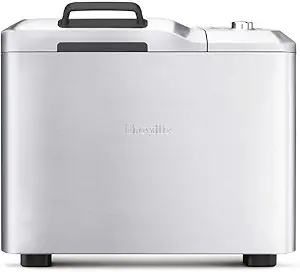 |
| Best Quality Built to a higher standard if you want something more solid | Zojirushi Home Bakery Virtuoso Plus BB-PDC20BA |  |
| Best Value The sweet spot between price and what you get | Neretva 2LB Bread Maker PE8866SU |  |
| Best Budget The cheapest option that still gets the job done reliably | Elite Gourmet Programmable Bread Maker |  |
| Top Rated A top-rated pick with lots of positive feedback | Saluna Bread Maker BM901 |  |
| Most Popular A crowd favorite that many people choose with confidence | Cuisinart Bread Maker CBK-110P1ES |  |
| Best Seller A high-volume bestseller chosen again and again | OSIPOTO Bread Maker BM8708 |  |
Breville Custom Loaf BBM800XL

| Capacity | 2.5 pounds |
|---|---|
| Wattage | 830 watts |
| Number of Programs | 13 |
| Voltage | 120 volts |
The Breville Custom Loaf BBM800XL is a full-featured bread maker that handles everything from basic loaves to specialty recipes using 13 automatic programs and nine custom memory slots so you can save personal recipes. It mixes and kneads on a collapsible kneading platform that folds away before baking to reduce holes in the crumb and includes an automatic fruit and nut dispenser for timed add-ins. The smart LCD gives clear feedback through each stage, and a 60-minute power interruption backup helps protect long cycles. Practical touches include two paddles for standard breads and jam, and a 2.5 pound maximum loaf capacity for larger households. The machine is robust and aimed at frequent home bakers who want control and convenience, though its stainless steel housing and 16.8 pound weight mean it is a heavier countertop appliance and requires some bench space. Expect to hand-wash accessories and to spend a little time learning custom settings to get repeatable results with new recipes.
Best for: Home bakers who want a versatile, high-control machine that can produce a range of loaves and store personalized recipes for repeatable results.
Less Ideal for: People with very limited counter space or those who prefer a lightweight, minimalist bread maker for occasional use.
- 13 automatic programs plus nine custom recipe slots for flexible baking
- Collapsible kneading blade that folds before bake to reduce holes in the loaf
- Automatic fruit and nut dispenser times mix-ins accurately
- Clear LCD that shows progress and supports manual and automatic operation
- Relatively heavy and large for small kitchens
- Accessories require hand washing rather than being dishwasher-safe
Verdict: A versatile, feature-rich bread maker for home bakers who want program flexibility and the ability to save custom recipes.
Zojirushi Home Bakery Virtuoso Plus BB-PDC20BA

| Capacity | 2 pounds |
|---|---|
| Wattage | 700 watts |
| Number of Programs | 7 |
| Voltage | 120 volts |
The Zojirushi Home Bakery Virtuoso Plus is a performance-focused breadmaker that produces consistent, well-browned 2 lb loaves with minimal fuss. It uses dual heaters in the lid and base for even browning and a rapid baking option that can finish a loaf in about 2 hours and 25 minutes, while the 13-hour delay timer lets you schedule fresh bread for morning or evening. The machine offers seven program choices including whole wheat, multigrain, gluten-free, and vegan settings, plus three crust shades selectable from the clear-view lid. Practical touches include double kneading blades for thorough dough development, a removable nonstick pan for cleanup, and a simple LCD control panel with included measuring tools and recipes. The unit is relatively heavy and large, so it is best kept on a dedicated counter spot, and hand wash care is recommended for some components. For home bakers who prioritize consistent, bakery-style results and flexible program options, this model delivers dependable performance.
Best for: Home bakers who want a high-performing, versatile machine that reliably produces bakery-style 2 lb loaves and who value program variety and even crust control.
Less Ideal for: Buyers with very limited counter space or those who prefer a compact, lightweight breadmaker for occasional use should consider smaller models instead.
- Dual heaters promote even baking and reliable crust color
- Double kneading blades improve dough development and rise
- Multiple healthy-course presets including gluten-free and vegan
- Rapid program produces a finished loaf in about 2 hours and 25 minutes
- 13-hour delay timer lets you schedule fresh bread when you want it
- Unit is bulky and relatively heavy compared with compact models
- Some parts require hand washing rather than dishwasher cleaning
Verdict: Choose this Zojirushi if you want a robust, program-rich breadmaker that consistently delivers even browning and bakery-quality 2 lb loaves.
Neretva 2LB Bread Maker PE8866SU

| Capacity | 2 pounds |
|---|---|
| Wattage | 565 watts |
| Number of Programs | 20 |
| Voltage | 120 volts |
This Neretva bread maker is designed to handle a wide range of baking tasks with minimal fuss. You select from 20 programs — from basic and whole-wheat to gluten-free, jam, and yogurt — set one of three crust colors, and let the 2 lb loaf pan and dual heaters produce evenly baked loaves. The stainless-steel body and nonstick ceramic pan make cleanup straightforward, and features like a 15-hour delay timer, 1-hour keep-warm, and a power-interruption recovery mode add convenience for busy schedules. At 550–565 watts the machine bakes faster than many basic models, and noise is kept low enough for overnight or early-morning use. The unit ships with useful accessories such as two kneading paddles, measuring tools, and a paddle removal hook that simplify recipe work. Limitations to note are the single loaf capacity if you need larger batches and that advanced bakers may miss more granular manual controls, but for everyday baking this model covers nearly every common recipe without needing separate appliances.
Best for: Buyers who want a single reliable machine that handles most home baking needs with preset convenience and minimal hands-on time.
Less Ideal for: Bakers who routinely need larger loaves or who want full manual control over every step should consider larger or pro-style machines instead.
- Wide 20-program selection including gluten-free and jam functions
- Dual top-and-bottom heaters for more even baking
- Nonstick ceramic pan and stainless-steel exterior for easier cleanup and durability
- 15-hour delay timer, keep-warm, and power-interruption recovery for flexible scheduling
- Comes with two kneading paddles and useful measuring/accessory tools
- Single 2 lb maximum loaf capacity limits large-batch baking
- Fewer manual/customization controls compared with pro-style machines
Verdict: A versatile, easy-to-use all-in-one bread maker that delivers evenly baked loaves and useful presets for everyday home bakers.
Elite Gourmet Programmable Bread Maker

| Capacity | 2 pounds |
|---|---|
| Wattage | 550 watts |
| Number of Programs | 19 |
| Voltage | 120 volts |
The Elite Gourmet Programmable Bread Maker automates kneading, rising, and baking to produce homemade loaves with minimal effort. You add ingredients, pick one of 19 one-touch programs (including gluten-free, whole wheat, quick bread, pizza dough, cake, and jam), set loaf size and crust darkness, and the machine handles mixing and baking. Its 1/1.5/2 lb loaf size options and 15-hour delay timer make it easy to schedule fresh bread for mornings or meal times, and the 60-minute keep-warm helps with serving flexibility. The compact design is energy efficient compared with an oven and comes with a nonstick pan, kneading blade, and measuring tools for day-one use. Practical limitations include a modest 550-watt motor that may extend bake times versus higher-powered models and a single baking pan that limits batch size and variety when you want multiple loaves at once. Controls are straightforward but basic, so advanced bakers who want fine timing or customization may find it limited. For everyday home bakers on a budget, it covers a wide range of recipes with reliable convenience.
Best for: Buyers seeking an affordable, easy-to-use all-in-one bread maker that handles a wide range of recipes and lets you schedule fresh loaves without fuss.
Less Ideal for: Serious home bakers who want fast bake times, advanced customization, or the capacity to bake multiple loaves at once should consider more powerful or professional models.
- 19 preset programs including gluten-free, pizza dough, cake, and jam for versatile baking
- Three loaf sizes (1, 1.5, 2 lb) and crust settings to match household needs
- 15-hour delay timer and 60-minute keep-warm for planned fresh bread
- Compact, energy-saving design suitable for small kitchens
- Includes nonstick pan, kneading blade, and measuring tools for immediate use
- 550-watt power is modest, which can mean longer bake cycles compared with higher-watt models
- Single pan limits output to one loaf at a time
Verdict: A budget-friendly, feature-rich bread maker that delivers scheduled, versatile home-baked loaves with minimal effort.
Saluna Bread Maker BM901

| Capacity | 2 pounds |
|---|---|
| Wattage | 600 watts |
| Number of Programs | 25 |
| Voltage | 120 volts |
The Saluna BM901 is a full-featured countertop bread machine aimed at home bakers who want one appliance to handle a wide range of recipes. It offers 25 programs including 14 bread types, cake and special menus, plus a custom setting so you can save experimentation results. The touchscreen and visible lid make selecting programs and monitoring the loaf straightforward, while the automatic nut and fruit dispenser times additions during kneading for consistent texture. You can choose among three loaf sizes and three crust colors, and the 13-hour preset timer is handy for waking to fresh bread. The machine runs on 600 watts and uses a nonstick aluminum pan and detachable blades designed for easier cleaning. Expect a reliable everyday performer for standard loaves, quick breads, and simple cakes, though advanced bakers wanting artisan crusts or sourdough starters may find the machine limits fine control over fermentation and oven-style browning. For most users it simplifies making consistent homemade bread with minimal fuss.
Best for: Buyers who prioritize a dependable, easy-to-use all-in-one machine to produce consistent loaves and simple specialty breads with minimal hands-on work.
Less Ideal for: Bakers seeking full oven-style control for artisan sourdough, large hearth loaves, or advanced fermentation techniques should look at dedicated ovens and proofing setups instead.
- Wide program selection (25 presets) covers many bread types, cakes, and special menus
- Automatic nut and fruit dispenser times inclusions during kneading for even distribution
- Touchscreen controls and visible lid make operation and monitoring simple
- Supports three loaf sizes and three crust color settings for flexible results
- 13-hour delay timer lets you schedule fresh bread for mornings or events
- 600-watt heater and confined bread pan limit oven-style crust development compared with full-size ovens
- Not ideal for advanced fermenting techniques like long cold fermentation or open-crumb artisan loaves
Verdict: Choose the Saluna BM901 if you want a reliable, feature-rich bread maker that delivers consistent loaves with easy one-touch operation and timed add-ins.
Cuisinart Bread Maker CBK-110P1ES

| Capacity | 2 pounds |
|---|---|
| Wattage | 550 watts |
| Number of Programs | 12 |
| Voltage | 120 volts |
The Cuisinart CBK-110P1ES is a compact, fully automatic bread machine that mixes, kneads, and bakes up to a 2 lb. loaf using one of 12 preset programs. Typical use is simple: add ingredients, pick a program, choose crust color and loaf size, and use the 13-hour delay timer to have fresh bread when you want it. The vertical nonstick pan and LCD display make operation and monitoring straightforward, and audible beeps and a 60-minute keep-warm help manage timing. Beyond standard sandwich loaves it can handle cakes, pizza dough, jams, and gluten-free recipes included in the booklet. Practical limits include a smaller footprint and vertical loaf shape that may not match artisan free-form loaves, and hand-wash care instructions add cleanup steps compared with dishwasher-safe parts. With 550 watts of power it heats reliably for consistent crusts, and the machine's preset variety and delay-start make it a strong choice for anyone who wants homemade bread without hands-on baking.
Best for: Buyers who value reliable, low-effort homemade bread backed by strong customer feedback and want preset versatility plus a delay timer for scheduled baking.
Less Ideal for: Bakers seeking large or free-form artisan loaves or a machine with dishwasher-safe components should consider different models.
- 12 preset programs support a wide range of breads and other recipes
- Three crust color and three loaf-size options for customization
- 13-hour delay-start timer lets you schedule fresh bread
- Compact footprint fits most countertops while baking up to 2 lb. loaves
- Vertical pan produces a specific loaf shape that limits artisan-style loaves
- Removable parts require hand washing rather than dishwasher cleaning
Verdict: A compact, feature-rich bread maker for buyers who want dependable, scheduled homemade loaves with a wide preset selection.
OSIPOTO Bread Maker BM8708

| Capacity | 2 pounds |
|---|---|
| Wattage | 550 watts |
| Number of Programs | 17 |
| Voltage | 120 volts |
The OSIPOTO BM8708 is a compact stainless steel bread maker that handles everything from sandwich loaves to dough and jam using 17 preset programs. You load ingredients into the removable nonstick pan, choose loaf size and crust darkness, and either run a program immediately or use the 15-hour delay timer to have bread ready for breakfast; the unit also offers a 1-hour keep-warm cycle. The machine's digital LCD, included kneading paddle and measuring tools make it beginner friendly, and the stainless body and removable pan simplify cleaning. At 550 watts it heats and bakes reliably for standard home recipes, and the three crust shades plus multiple loaf sizes add practical flexibility for family meals. Practical limitations are its hand-wash care instruction for some components and the 2-pound maximum capacity, which may be larger than single-person needs but smaller than some commercial-style bakers. For cautious buyers who want consistent, programmable results without a steep learning curve, this model delivers predictable homemade bread with minimal fuss.
Best for: Buyers who prioritize a dependable, easy-to-use machine with lots of preset programs and scheduled baking for family meals or regular home baking.
Less Ideal for: Bakers who need a heavy-duty, commercial-capacity oven or those who want fully dishwasher-safe components should look elsewhere.
- 17 preset programs cover loaves, dough, jam and specialty breads for wide recipe flexibility
- 15-hour delay timer and 1-hour keep-warm let you schedule fresh bread for mornings
- Stainless steel exterior and removable nonstick pan make cleaning and maintenance straightforward
- Includes kneading paddle, measuring cup and spoon so you can start baking without extra accessories
- Some parts require hand washing rather than being dishwasher safe
- 2-pound maximum capacity may be larger than needed for single users but smaller than some commercial machines
Verdict: A versatile, beginner-friendly bread maker with many presets and a reliable delay timer that makes scheduled fresh bread simple for home cooks.
Choosing the Right All-in-One Bread Maker: Key Factors to Consider
Loaf Size and Shape
Different machines produce varying loaf sizes and shapes, from compact 1-pound loaves to larger 2-pound or pullman-style pans. Think about how many slices you typically need and whether your family prefers sandwich-style loaves or smaller artisan-shaped bread.
Loaf size affects bake time, ingredient quantities, and storage. Larger loaf cycles require longer kneading and proofing, which can change crust formation and crumb structure. If you plan to bake for a family or for regular sandwich-making, choose a machine with a larger loaf capacity and reliable glazing of the crust.
Program Variety and Customization
A good all-in-one unit offers multiple presets for common doughs and breads plus the ability to adjust crust darkness and loaf size. Dedicated cycles for whole grain, gluten-free, and rapid or express baking let you avoid manual timing and guesswork.
Customization is important if you like to experiment with starter-based recipes, overnight dough, or specialty flours. Machines that let you program knead, rest, and bake durations separately give you control to fine-tune results without external intervention.
Mixing and Kneading Performance
Efficient kneading determines crumb development and how evenly ingredients incorporate. Look for machines with robust paddle designs and motor control that provide steady torque during heavy dough cycles.
Poor kneading leads to dense or uneven loaves and increases the likelihood of underdeveloped gluten in wheat-based recipes. Machines that offer variable kneading cycles or reverse-knead options can handle a wider range of dough hydration levels and flour blends.
Control Interface and Presets
Simple, intuitive controls reduce mistakes and speed up routine baking. A clear display, logical menu flow, and tactile buttons help when programming delayed starts or switching presets mid-cycle.
Some machines include memory functions or program-lock features that prevent accidental changes during a long cycle. If you plan to use delayed start for overnight dough, check that the timer and crust settings are easy to set and that the machine provides clear status feedback while running.
Cleaning and Access
Bread-making involves sticky dough and occasional spills. Removable nonstick pans and detachable kneading paddles make cleanup easier and reduce time between bakes.
Also consider how accessible the interior is for wiping down flour dust and how easy it is to remove stuck dough from corners. Machines with dishwasher-safe parts or straightforward disassembly save time and encourage regular maintenance, which in turn extends service life.
Size, Weight, and Counter Impact
An all-in-one machine can be bulky. Measure your countertop space and consider where you will store the unit when not in use. Heavier models are usually more stable during kneading but are harder to move.
Noise and vibration levels also affect placement. If the machine will run overnight or early morning, choose a quieter, well-balanced model. Compact units suit small kitchens but may limit loaf size and program options.
Getting Started With Your Bread Maker
Set up on a stable, heat-resistant surface and read the manual for any first-run instructions. Many units recommend initial calibration cycles or a simple water-and-flour test to familiarise you with timing and crust results.
Use the manufacturer-recommended measuring method for ingredients to avoid dense loaves. A kitchen scale is the most reliable way to ensure consistent hydration and rise across batches.
- Place the machine away from walls to allow venting.
- Pre-measure ingredients and use room-temperature liquids unless the recipe specifies otherwise.
- Rotate through basic recipes to understand how the machine kneads and bakes before attempting advanced formulas.
Tips for Better Gluten-Free Baking
Gluten-free dough behaves differently than wheat-based dough. It tends to be wetter and lacks the elasticity that traps gas during proofing. Use dedicated gluten-free cycles when available, which often adjust knead and rest times to prevent overworking the batter.
Stabilizers such as xanthan gum and blends formulated for machines improve texture. Allow for slightly longer bake times and test for doneness with a timer plus a firmness check rather than relying solely on color.
- Use accurate gluten-free recipe proportions adjusted for machine loaf size.
- Avoid overfilling; gluten-free batters expand differently than traditional doughs.
- Consider removing the kneading paddle before the final bake if paddle marks are a concern.
Maintaining Your Machine for Long Life
Regular cleaning after each use prevents flour buildup and sticky residue. Wipe the interior and exterior with a damp cloth once the appliance has cooled and clean the pan and paddle per the manual instructions.
Inspect seals, the paddle shaft, and the pan coating periodically. Replace or repair parts that show wear to maintain loaf quality and prevent scraping that affects nonstick surfaces.
- Avoid abrasive cleaners on nonstick surfaces.
- Run an empty warm cycle occasionally to evaporate moisture and reduce odors.
- Store the unit with the lid slightly ajar to prevent trapped moisture if space allows.
Maximizing Recipe Success
Start with basic white or sandwich recipes to learn how your machine handles mixing and rise. Note how crust settings and loaf size choices affect bake time and texture.
When adapting conventional oven recipes, reduce yeast slightly and watch hydration closely. Machine kneading and proofing are different from hand methods, so adjust times rather than ingredients when troubleshooting texture issues.
- Keep a baking log of adjustments and results for repeatability.
- Use high-protein flour for chewier loaves and lower-protein flour for softer crumb.
- Consider pre-soaking whole grains or seeds to improve texture and prevent dryness.
Safety and Placement Considerations
Bread makers produce steam and heat from vents and the lid. Keep the back and sides clear of cabinets or flammable items to allow proper ventilation.
Mind the power cord routing and never operate the machine on an unstable surface. If the machine has a locking lid, confirm it is engaged before starting kneading cycles to avoid interruptions.
- Keep children and pets away during high-torque kneading.
- Unplug when cleaning and after cool-down.
- Check for cracked pans or damaged cords and stop use if any safety issue is found.
How We Chose the Best All-in-One Bread Maker
We evaluated All-in-One Bread Makers against practical, repeatable criteria that matter to home bakers. First, loaf consistency was assessed by looking at features that control mixing, kneading, proofing, and baking—uniform crumb and consistent rise matter more than raw wattage. Second, program flexibility and preset quality were considered, including dedicated cycles for whole wheat, gluten-free, rapid bake, and custom programs. Third, user experience was factored in via control layout, display clarity, and how easy it is to set timers, crust color, and loaf size. Fourth, cleaning and maintenance were evaluated by examining nonstick pan design, removable kneading paddles, and how parts are accessed. Fifth, build and durability indicators such as materials used for the pan and housing, plus warranty scope and serviceability, were included. We excluded units that are single-function or that lack basic programmability because this roundup focuses on versatile all-in-one machines. We also filtered out models without essential safety features such as cool-touch exteriors and reliable lid locks. The final selections prioritize machines that balance loaf quality, ease of use, and cleaning practicality for home kitchens.
Our full evaluation process is outlined in our review methodology.
FAQ
Can I use my all-in-one bread maker to make dough only for baking in a conventional oven?
Yes. Many machines offer a dough-only cycle that mixes and proofs without baking. This is useful for shaping loaves or rolls that you prefer to bake in a conventional oven for crust control.
How important is the kneading paddle design when choosing a bread maker?
Quite important. Paddle design affects how well ingredients incorporate and how much air is worked into the dough. A well-designed paddle reduces unmixed pockets and makes for a more uniform crumb.
Is delayed start safe for recipes with dairy or eggs?
Delayed start is convenient but can be risky with perishable ingredients if left at room temperature for long periods. Use delayed start primarily for recipes that use water-based doughs or low-risk ingredients, or refrigerate ingredients if your recipe supports it.
How often should I replace the kneading paddle or pan?
Replace parts when nonstick coating shows significant wear, or if the paddle becomes warped. Frequency depends on use, but inspect these parts every few months for heavy users and replace as needed to maintain performance.
Will a larger machine always produce better bread?
Not necessarily. Larger machines allow bigger loaves but may require different timing and ingredient scaling. The machine's control quality and kneading performance are often more important than sheer capacity.
Final Verdict
Choosing an all-in-one bread maker comes down to balancing loaf capacity, program flexibility, and how much hands-on control you want over recipes. Prioritize machines that offer clear presets for the breads you bake most, reliable kneading action, and easy cleanup to keep weekly baking sustainable. If you bake gluten-free or specialty doughs, opt for units with dedicated cycles and adjustable program components. Focus on the performance dimensions discussed here and match them to your routine to find the machine that will make fresh bread a regular part of your kitchen.