
Note: This article contains affiliate links. If you click on these links and make a purchase, we may earn a small commission at no extra cost to you. This helps support our research and content. Read our full affiliate disclosure here.
If you want fresh homemade loaves without spending a lot, the right bread maker for the money can make baking simple and repeatable. You care about consistent crumb, reliable crust control, and an intuitive set of programs so you actually bake more often. This guide covers five shortlisted machines that balance build quality and everyday performance. We evaluated each by how it handles basic white and whole-grain loaves, ease of use, cleanup, and long-term durability. Read on for the features and tradeoffs that matter when buying an affordable bread maker.
Top Picks at a Glance
| Best Value The sweet spot between price and what you get | Amazon Basics 2-Pound Bread Maker |  |
| Best Budget The cheapest option that still gets the job done reliably | Elite Gourmet Programmable Bread Maker EBM8103B |  |
| Top Rated A top-rated pick with lots of positive feedback | Saluna Bread Maker BM901 |  |
| Most Popular A crowd favorite that many people choose with confidence | Cuisinart Bread Maker CBK-110P1ES |  |
| Best Seller A high-volume bestseller chosen again and again | OSIPOTO 2LB Bread Maker BM8205 | 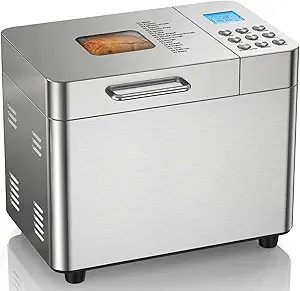 |
Amazon Basics 2-Pound Bread Maker

| Capacity | 2 pounds |
|---|---|
| Wattage | 550 watts |
| Number of Programs | 14 |
| Voltage | 120 volts |
This Amazon Basics bread maker handles the whole loaf process from mixing to baking and is geared toward everyday home use. It supports up to a 2 pound loaf and offers 14 programs covering basic and specialty breads, doughs, gluten-free recipes, and jam, while three crust color settings let you tweak the finish. The machine is straightforward to use: add ingredients, pick a program and crust setting, and the unit runs through kneading, rising, and baking cycles; the ExpressBake option can deliver a loaf in under 90 minutes when you need bread fast. The 550 watt motor provides consistent performance for typical home batches and the nonstick pan simplifies loaf removal and cleanup. Limitations are its single loaf capacity and basic controls compared with higher-end models that offer dual loaf sizes, touchscreen menus, or WiFi features, so it is best for cooks who want reliable fresh bread without advanced bells and whistles.
Best for: Buyers who want an affordable, no-fuss machine to bake regular single-loaf bread at home without needing advanced features.
Less Ideal for: Anyone who regularly needs larger or multiple loaves, advanced programmability, or smart/connectivity features should look elsewhere.
- Complete automatic cycle that mixes, kneads, rises, and bakes for hands-off baking
- 14 preset programs including gluten-free and dough settings for recipe flexibility
- ExpressBake option produces bread in under 90 minutes when time is limited
- Nonstick 2-pound loaf pan simplifies removal and cleanup
- Only supports a single 2-pound loaf size so it is not suitable for larger batches
- Controls are basic compared with premium models that offer more customization or connectivity
Verdict: A budget-friendly, reliable bread maker that delivers full automatic loaves and a speedy ExpressBake option for buyers focused on value and practicality.
Elite Gourmet Programmable Bread Maker EBM8103B

| Capacity | 2 pounds |
|---|---|
| Wattage | 550 watts |
| Number of Programs | 19 |
| Voltage | 120 volts |
This Elite Gourmet bread maker handles mixing, kneading, rising, and baking automatically, making it an easy way to get fresh bread at home without oven time. You load ingredients into the nonstick pan, pick one of 19 programs — including gluten-free, whole wheat, pizza dough, cake, and jam — choose loaf size and crust darkness, then start or set the 15-hour delay so bread is ready when you want it. The 2 lb capacity can be reduced to 1.5 or 1 lb, and the 60-minute keep-warm keeps loaves ready to serve. At 550 watts it is compact and uses less energy than a full oven, which suits small kitchens and apartments. Practical extras include a removable kneading blade, measuring tools, a recipe booklet, and dishwasher-safe parts for easier cleanup. It is basic compared with high-end models so precise artisan crust control and advanced customization are limited, but for everyday loaves, quick breads, and dough prep it delivers consistent, no-fuss results at a modest price point.
Best for: Buyers who want a straightforward, budget-friendly machine to bake everyday loaves, experiment with different recipes, and wake up to fresh bread without a steep learning curve.
Less Ideal for: Serious home bakers seeking precise control over crust and loaf attributes or those who want a heavy-duty commercial-style machine.
- Wide range of 19 preset programs including gluten-free and dough/jam cycles
- Selectable loaf sizes (1, 1.5, 2 lb) and crust color settings
- 15-hour delay timer and 60-minute keep-warm for scheduled baking
- Compact, lower-wattage design that saves energy compared with an oven
- Removable nonstick pan and dishwasher-safe parts for easier cleanup
- Limited advanced customization for crust texture and bake profiles
- Not as feature-rich or durable as higher-end, premium bread machines
Verdict: A practical, budget-friendly bread maker that covers a wide range of everyday recipes and scheduled baking without complexity.
Saluna Bread Maker BM901

| Capacity | 2 pounds |
|---|---|
| Wattage | 600 watts |
| Voltage | 120 volts |
| Number of Programs | 25 |
The Saluna BM901 is a compact, user-friendly bread maker aimed at reliably producing home-baked loaves without fuss. It runs 25 built-in programs that cover a wide range of breads, cakes, and specialty menus, and supports three loaf sizes and three crust settings so you can dial in results for different recipes. The touchscreen makes program selection and the 13-hour delay timer straightforward for set-and-forget baking, while the visible lid and automatic nut/fruits dispenser let you monitor progress and add mix-ins at the right time. At 600 watts it handles typical home batches up to 2 pounds and includes a nonstick aluminum baking pan and removable paddle for easier cleanup. Practical limitations are its modest power compared with commercial machines and the reliance on the included nonstick coating and removable parts for durability, so long-term heavy use may show wear. For daily home baking where consistent, no-fuss loaves matter, the BM901 covers the bases with useful automation and controls.
Best for: Buyers who value dependable, automated home baking and want a machine that produces consistent loaves with minimal intervention and simple controls.
Less Ideal for: Those baking large volumes daily, running a small bakery, or needing a higher-power commercial-grade machine should consider more robust alternatives.
- Wide program selection with 25 presets for breads, cakes, and special menus
- Touchscreen controls and 13-hour delay timer for easy set-and-forget operation
- Automatic nut/fruit dispenser times add-ins for even distribution
- Three loaf sizes and three browning levels for flexible results
- Visible lid lets you monitor baking without opening the machine
- 600W motor and compact design are best suited to home use rather than heavy commercial baking
- Nonstick coating and removable parts may require replacement after extended heavy use
Verdict: A reliable, feature-rich 2 lb home bread maker that delivers consistent, low-effort loaves thanks to extensive presets and practical automation.
Cuisinart Bread Maker CBK-110P1ES

| Capacity | 2 pounds |
|---|---|
| Wattage | 550 watts |
| Number of Programs | 12 |
| Voltage | 120 volts |
The Cuisinart CBK-110P1ES is a countertop bread machine that handles the full baking cycle from mixing to baking and keeps loaves warm for up to 60 minutes. It is typically used for making everyday sandwich loaves, artisan-style breads, and even cakes, jams, or pizza dough using one of 12 preprogrammed menus. The machine offers three crust color settings and three loaf-size options so you can customize appearance and portion size, and the 13-hour delay-start timer is handy for waking up to fresh bread. The vertical nonstick pan is removable for easier cleaning and the LCD shows cycle time and options clearly, with audible beeps for status. Practical limits include a modest 550-watt motor and a compact footprint that favors home bakers who make small to medium batches rather than large or frequent commercial batches, and the machine requires hand washing for care. For buyers focused on proven performance, the CBK-110P1ES balances ease of use, useful presets, and a reliable feature set for everyday home baking.
Best for: Buyers who want a dependable, easy-to-use home bread maker with a strong track record and clear preset controls for everyday loaves and occasional specialty bakes.
Less Ideal for: People who need to bake large quantities frequently, run a small bakery, or want a fully hands-off commercial-capacity machine.
- 12 preprogrammed menus cover bread, doughs, and specialty options
- Three crust colors and three loaf sizes let you tailor loaf appearance and quantity
- 13-hour delay-start timer for fresh bread when you want it
- LCD display and audible alerts make operation simple and intuitive
- Not designed for high-volume or commercial baking due to compact capacity and motor power
- Requires hand washing for some components
Verdict: A reliable, compact bread maker with useful presets and delay-start that delivers consistently good home-baked loaves for everyday use.
OSIPOTO 2LB Bread Maker BM8205

| Voltage | 120 |
|---|---|
| Capacity | 2 pounds |
| Wattage | 600 watts |
| Number of Programs | 17 |
The OSIPOTO BM8205 is a straightforward countertop bread maker that handles everything from kneading to baking with minimal input, making it a good fit for home bakers who want fresh loaves without fuss. You load ingredients, pick one of 17 programs (including whole wheat, gluten-free, jam and cake), choose loaf size and crust darkness, then start the 15-hour delay timer to have fresh bread ready when you want it. The 600W motor and claimed 360° even heat distribution aim to produce an evenly browned crust and soft interior, while the nonstick pan and included measuring tools simplify cleanup and setup. Practical touches include a keep-warm function and an overheat protection feature that pauses operation if temperatures climb, then restarts after cooling. The stainless steel housing looks durable, but the unit is compact so it is best for typical home kitchens rather than heavy commercial use. Expect multi-hour bake cycles for larger loaves and occasional monitoring of ventilation for best results.
Best for: Buyers who prioritize reliable, no-fuss home baking and want a feature-rich machine that produces family-sized loaves with preset programs and a delay timer.
Less Ideal for: Users who need a commercial-capacity oven or want fully hands-on artisan features like steam or removable baking stones should consider other options.
- Large 2 lb capacity with three loaf-size options for family-sized loaves
- 17 automatic programs including gluten-free, cake, jam and yogurt for flexible recipes
- 15-hour delay timer and keep-warm function for scheduled baking
- Nonstick pan and included measuring tools make cleanup and setup easier
- Not intended for heavy commercial use due to compact, home-oriented design
- Hand wash recommended for care which may add cleaning time
Verdict: A dependable, beginner-friendly bread maker that delivers family-size loaves with a wide selection of preset programs and convenient scheduling features.
Choosing the Right Bread Maker for the Money: Key Factors to Consider
Loaf Quality
Loaf quality is the primary reason most people buy a bread maker. It covers crumb texture, evenness of rise, and crust color control. Consistent internal temperature and reliable kneading determine whether dough develops proper gluten structure, which directly affects chew and crumb. Uneven heating or poor paddle action can leave dense pockets or underbaked centers.
When comparing budget-friendly units, look for machines that demonstrate steady results across simple white, whole-wheat, and quick-bread recipes. A model that reliably produces an acceptable loaf without frequent recipe adjustments will save time and reduce frustration over the long run.
Program Versatility
Program versatility determines how many recipes you can make well without manual intervention. Basic cycles for white bread, whole wheat, and quick bread are essential. Additional useful programs include dough-only, jam, and gluten-free settings depending on your dietary needs.
For buyers focused on value, ensure the machine's cycles offer adjustable crust settings and loaf sizes. A good range of programs reduces the need to babysit bakes or experiment with complex manual steps, making the machine more useful from day one.
Ease of Use
Ease of use includes control layout, display readability, and how intuitive the programming is. Clear labels, a logical menu structure, and a visible timer make everyday operation less error-prone. A simple delayed-start that reliably counts down to bake time is very helpful for scheduling fresh bread when you want it.
Consider how straightforward the instructions and recipe guide are, and whether parts like the kneading paddle are easy to fit and remove. If you will be teaching family members to use the machine, a minimal learning curve improves overall value.
Cleaning & Maintenance
Regular cleaning and occasional maintenance affect how long a bread maker remains a pleasure to use. Nonstick pans that release crumbs and are easy to wipe out make cleanup faster. Removable paddles that detach fully without trapped dough are important to avoid buildup.
Also consider access to interior areas where flour or crumbs collect. Machines that require complex disassembly or frequent scrubbing reduce everyday value. For budget-conscious buyers, simpler maintenance routines keep ongoing ownership costs and hassle low.
Build Durability
Build durability covers the materials and mechanical design that determine how well the machine holds up to repeated use. Key points are the stability of the motor, sturdiness of the drive mechanism for the paddle, and longevity of heating elements. Metal parts in critical areas and a well-sealed baking chamber reduce failure modes.
A robustly built bread maker may cost more up front but provide better long-term value through fewer repairs and more consistent baking over years of use. When buying for the money, focus on models that prioritize durability where it matters most.
Control Over Crust and Size
The ability to select crust darkness and loaf size makes a bread maker far more flexible. Different recipes and personal preferences require varying crusts from light to dark, and loaf size options let you match household consumption without waste.
Reliable size and crust controls mean you can adapt a single machine to multiple needs, increasing its usefulness and value. For buyers prioritizing practicality, these options help tailor results without complex manual adjustments.
Why Budget Machines Can Still Make Great Loaves
Modern affordable bread makers often include the essential mechanical and heating elements needed for good results. Key components such as a competent mixing paddle, a stable motor, and an evenly distributed heating element are what produce a decent loaf, and many budget models offer these basics without expensive extras.
Understanding what features deliver consistent results helps you avoid paying for marketing features that do not improve daily baking. Focus on a reliable baking chamber, predictable program timings, and a sturdy paddle drive when evaluating lower-cost options.
- Core mechanical design matters more than extra menus
- Even heating and stable motor speed produce consistent texture
- Simple, repeatable programs beat many complex presets
Common Tradeoffs on a Tight Budget
Lower-cost bread makers typically trade off advanced control and premium build materials for a lower price point. You might see fewer program presets, a simpler casing, or plastic components in non-critical areas. These compromises do not prevent good baking but can affect long-term durability and fine-grain control.
Expect to invest a bit more time tuning hydration or timing for whole-grain recipes on budget units. If you plan to bake daily, consider the durability and serviceability of parts that wear, such as the paddle and drive shaft.
- Fewer advanced presets and customization
- More plastic in trim or non-essential parts
- Potential need for slight recipe adjustments with whole grains
How to Test a Bread Maker at Home
Run basic tests with a standard white sandwich recipe and a whole-wheat loaf to evaluate how each machine handles kneading, rise, and bake stages. Note crumb structure, any dense pockets, and how evenly the crust browns. Track how much hands-on adjustment you needed.
Also test the delayed-start and crust selection features to ensure they behave predictably. Time a full baking cycle and observe whether the machine maintains steady heat. These simple trials reveal the real-world strengths and limitations of a unit.
- Bake a white sandwich loaf and a whole-grain loaf
- Use delayed-start to check timer reliability
- Assess paddle removal and pan cleanup after baking
Recipes and Simple Tweaks for Better Results
Small adjustments often improve outcomes on budget machines. Slightly increasing hydration when using whole-wheat flour or adding a short additional knead cycle can help gluten development. Letting dough rest briefly before the final rise can also compensate for less aggressive kneading.
Follow the manufacturer's recommended order of ingredients and measure by weight where possible for more consistent results. Small recipe notes can make a major difference in loaf quality without changing equipment.
- Increase hydration slightly for whole grains
- Consider a manual short knead if dough seems underworked
- Use weight measurements for better consistency
Maintenance Tips to Extend Service Life
Routine maintenance keeps a budget bread maker reliable. Clean the pan and paddle after each bake to prevent built-up residue, and inspect the drive shaft and seals for wear. Wipe the exterior and vent areas to avoid flour accumulation that can affect motor cooling.
Store spare paddles if available and replace removable nonstick pans if coating shows significant wear. Simple care extends usable life and preserves loaf consistency over many bakes.
- Clean paddle and pan after every use
- Check drive components for signs of wear periodically
- Keep vents clear to maintain motor cooling
How We Chose the Best Bread Maker for the Money
To assemble this list of bread makers for the money we applied practical, buyer-focused filters that highlight real-world performance and ownership experience. Key evaluation dimensions included loaf quality across common recipes, program flexibility for white and whole-grain breads, and control over crust color and loaf size. We also weighed ease of programming and display clarity, how straightforward routine cleaning and maintenance are, and the reliability suggested by construction and heating design. Energy efficiency and consistent temperature control were considered because they directly affect rise and bake outcomes. Products excluded from consideration were units with limited or confusing controls, inconsistent loaf results in common tests, or designs that require frequent, difficult maintenance. We prioritized machines that offer robust basic baking functionality and sensible features rather than niche bells and whistles. The resulting picks balance dependable baking performance, user-friendly operation, and durability for budget-conscious buyers.
Our full evaluation process is outlined in our review methodology.
FAQ
How long does it take to bake a standard loaf in a bread maker?
A typical full cycle for a standard sandwich loaf runs about three to four hours depending on the machine and program. Rapid or quick-bake settings cut time but may alter crumb and crust characteristics.
Can I make gluten-free bread in an entry-level bread maker?
Many machines can handle gluten-free dough if they offer a dedicated gluten-free program or a customizable setting. Success often depends on the machine's ability to provide a controlled knead and steady baking profile.
Is it better to use weight measurements for bread maker recipes?
Yes. Measuring flour and liquids by weight produces more consistent results than volume measurements, especially on budget machines where small differences in hydration have larger effects on dough behavior.
How do I prevent the paddle from getting stuck in a loaf?
Ensure the paddle is seated correctly before starting and scrape excess dough into the pan rather than onto the paddle. Some users remove the paddle after the knead phase if their machine and recipe allow, but check your machine's guidance first.
How often should I replace the nonstick pan or paddle?
Replace parts when the nonstick coating shows significant wear or if the paddle or pan is warped. With regular care, these parts can last years, but frequency depends on usage and cleaning practices.
Final Verdict
When choosing a bread maker for the money, prioritize machines that deliver consistent loaf quality, straightforward controls, and easy maintenance. Expect some tradeoffs in advanced presets and premium finishes, but focus on the mechanical fundamentals: even heating, a reliable paddle drive, and accessible cleanup. Choose based on the types of bread you plan to bake most often. If you bake whole-grain loaves frequently, favor machines with strong kneading and stable temperature control. If you want simplicity and occasional use, a unit with clear programming and easy cleanup will provide the best value.