
Note: This article contains affiliate links. If you click on these links and make a purchase, we may earn a small commission at no extra cost to you. This helps support our research and content. Read our full affiliate disclosure here.
If you bake with spelt regularly, choosing the right bread maker makes a big difference in loaf texture and consistency. Spelt flour behaves differently from wheat: it absorbs liquid faster, has a more fragile gluten structure, and benefits from gentler kneading and precise rise temperatures. This guide focuses on the top bread makers suited for spelt bread, shortlisted for machines that handle denser, lower-gluten doughs without overworking them. Below you will find the best options for spelt bakers, plus the criteria we used to evaluate machines and practical tips for getting better loaves at home.
Top Picks at a Glance
| Best Overall The best all-around choice for most situations | Zojirushi Home Bakery Supreme BB-CEC20 |  |
| Best Quality Built to a higher standard if you want something more solid | Breville Custom Loaf BBM800XL | 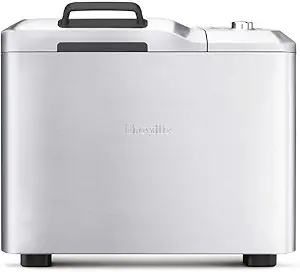 |
| Best Value The sweet spot between price and what you get | Amazon Basics 2-Pound Bread Maker |  |
| Best Budget The cheapest option that still gets the job done reliably | Elite Gourmet Bread Maker EBM8103B |  |
| Top Rated A top-rated pick with lots of positive feedback | Zojirushi Home Bakery Virtuoso Plus BB-PDC20BA |  |
| Most Popular A crowd favorite that many people choose with confidence | Cuisinart Bread Maker CBK-110P1ES |  |
| Best Seller A high-volume bestseller chosen again and again | OSIPOTO Bread Maker BM8708 |  |
Zojirushi Home Bakery Supreme BB-CEC20

| Capacity | 2 pounds |
|---|---|
| Wattage | 700 watts |
| Voltage | 120 volts |
| Number of Programs | 10 |
The Zojirushi Home Bakery Supreme is a full-featured countertop breadmaker designed to produce consistent, evenly baked 2-pound loaves and a variety of other items like cakes, jams and dough. You pick a program on the clear LCD panel—there are 10 preset cycles including dough, quick bake and sourdough starter—set crust darkness and use the 13-hour timer for delayed baking. The unit runs at 700 watts and uses a rectangular nonstick pan with paddles for kneading, which makes removal and cleanup easier. In practice the fuzzy-logic controller manages rising and baking well, giving a uniform crumb and reliable crust color; longer ferment programs are useful for denser flours such as spelt. Trade-offs are the single loaf size limit and the need to hand-wash the pan and paddle, and the machine is relatively heavy for countertop storage. For home cooks who want reliable, hands-off bread including alternative flours, this model is a solid choice.
Best for: Home bakers who want a dependable, hands-off machine for regular use with varied recipes and who value consistent results when experimenting with alternative flours like spelt.
Less Ideal for: Buyers who need larger or multiple loaf capacities or a lightweight, easily stowed appliance should look elsewhere.
- Versatile program list covers breads, dough, jam, cake and sourdough starter
- Adjustable crust shade and 13-hour timer for delayed baking
- Fuzzy-logic control yields consistent rise and bake for different flours
- Nonstick baking pan simplifies loaf removal and cleanup
- Only bakes a single rectangular 2-pound loaf size
- Pan and paddle require hand washing rather than dishwasher safety
Verdict: Choose this Zojirushi if you want a reliable, programmable breadmaker that consistently handles spelt and other specialty flours for a 2-pound loaf.
Breville Custom Loaf BBM800XL

| Voltage | 120 volts |
|---|---|
| Capacity | 2.5 pounds |
| Wattage | 830 watts |
| Number of Programs | 13 |
The Breville Custom Loaf BBM800XL is built for home bakers who want hands-on control over loaf size, crust, and recipe programming while still enjoying bread machine convenience. It runs on 830 watts and includes 13 programs plus nine customizable recipe slots so you can tailor cycles for different flours like spelt and save your best settings. The collapsible kneading paddle mixes then folds away before baking to reduce the hole left in the crumb, and an automatic fruit and nut dispenser times additions without manual intervention. The clear LCD makes it easy to monitor progress and the unit provides 60 minutes of power interruption protection so longer cycles are less likely to fail. Practical limitations include a relatively large footprint and a 2.5 pound maximum loaf capacity that may be more than needed for single households, and the machine requires hand washing of some accessories. For bakers focused on consistent, customizable loaves—including alternative grains like spelt—this model brings program flexibility and features that help achieve reliable results.
Best for: Bakers who prioritize control and repeatable results and want a machine that can be tuned and saved for specialty flours like spelt.
Less Ideal for: Buyers seeking a compact, travel-friendly unit or those who prefer fully dishwasher-safe accessories and minimal countertop presence.
- 13 automatic programs plus nine custom settings for storing personal recipes
- Collapsible kneading paddle that folds away to minimize paddle hole in the finished loaf
- Automatic fruit and nut dispenser that adds mix-ins at the correct time
- Smart LCD display with progress monitoring and 60 minutes of power interruption backup
- Requires hand washing of accessories rather than dishwasher-safe parts
- Relatively large footprint for smaller kitchens
Verdict: Choose the Breville Custom Loaf BBM800XL if you want a high-control bread maker that adapts well to specialty grains and lets you save custom recipes for consistent spelt loaves.
Amazon Basics 2-Pound Bread Maker

| Capacity | 2 pounds |
|---|---|
| Wattage | 550 watts |
| Number of Programs | 14 |
| Voltage | 120 volts |
This Amazon Basics bread maker handles the full bread-making cycle—mixing, kneading, rising, and baking—up to a 2-pound loaf. It offers 14 programs including settings for doughs and gluten-free recipes, plus an ExpressBake mode that can produce a loaf in under 90 minutes. Users control crust color with three settings and monitor progress on a simple LCD display. The stainless steel housing and nonstick pan keep cleanup straightforward, and the 550-watt heater provides steady baking for consistent results. For flours like spelt that benefit from gentler handling and longer rise times, the multiple programs and dough cycles let you adjust timing and skip baking to finish in a conventional oven if desired. Limitations include a single loaf size (2 lb) and basic controls rather than advanced timing customization, so highly experimental bakers may find it restrictive; also power and paddle placement can influence crumb when using heavier whole-grain flours. For routine home baking of spelt and other artisan-style breads this machine simplifies the process and saves hands-on time.
Best for: Buyers who want a straightforward, low-fuss way to make fresh spelt and whole-grain loaves at home without learning manual kneading and timing techniques.
Less Ideal for: Serious artisanal bakers who need variable loaf sizes, fine-grained timing control, or frequent recipe experimentation should consider more advanced machines or stand mixers with proofing setups.
- Full automatic cycle from mixing to baking for up to a 2-pound loaf
- 14 preset programs including dough and gluten-free options for recipe flexibility
- ExpressBake mode can produce a loaf in under 90 minutes when time is tight
- Nonstick pan and stainless steel exterior make cleanup and surface care easy
- Only supports a single 2-pound loaf size so larger batches require multiple bakes
- Controls are basic with limited custom timing for experimental whole-grain formulas
- Heavier flours like spelt may need manual adjustments to hydration and kneading to achieve ideal crumb
Verdict: A simple, dependable automatic bread maker that makes baking spelt loaves easy for busy home bakers who want consistent, low-effort results.
Elite Gourmet Bread Maker EBM8103B

| Capacity | 2 pounds |
|---|---|
| Wattage | 550 watts |
| Number of Programs | 19 |
| Voltage | 120 volts |
The Elite Gourmet EBM8103B is an entry-level programmable bread maker designed to simplify home baking by automating kneading, rising, and baking. You add ingredients, pick one of 19 programs including gluten-free and whole wheat, set the crust and loaf size, and the machine handles the rest; the 15-hour delay timer and 60-minute keep-warm make it easy to time fresh bread for meals. Its 2 lb maximum loaf capacity plus 1 and 1.5 lb options suit singles and families, and the included pan, kneading blade, and measuring tools make it ready to use. At 550 watts the unit is compact and energy efficient compared with an oven, which helps in small kitchens. Limitations include a basic control interface rather than a touchscreen and the usual paddle hole in the loaf from the kneader, which some home bakers dislike; heavier whole-grain or specialty flours like spelt may need slight recipe adjustments and extra hydration to get consistent results. For the price it is a practical, no-frills way to make a wide range of breads at home.
Best for: Buyers wanting an affordable, easy-to-use bread machine that handles a wide variety of presets and fits small kitchens, especially those focused on making everyday homemade loaves without advanced programming needs.
Less Ideal for: Bakers who demand precise, professional-level control over rising and baking profiles or who need a machine specifically tuned for high-ratio specialty flours without manual recipe tweaking.
- 19 preset programs including gluten-free and whole wheat for varied dough types
- Three loaf size options (1, 1.5, 2 lb) to match household needs
- 15-hour delay timer and 60-minute keep-warm for timed fresh bread
- Compact, energy-efficient 550-watt design suitable for small kitchens
- Basic controls without a touchscreen limit fine-tuning of custom cycles
- Kneading paddle leaves a hole in the finished loaf
Verdict: A budget-friendly programmable bread maker with broad presets and timed baking that makes fresh, homemade loaves accessible to everyday cooks.
Zojirushi Home Bakery Virtuoso Plus BB-PDC20BA

| Capacity | 2 pounds |
|---|---|
| Wattage | 700 watts |
| Number of Programs | 7 |
| Voltage | 120 volts |
The Zojirushi Home Bakery Virtuoso Plus is a thoughtfully engineered breadmaker aimed at consistent, bakery-style results at home. It bakes up to a 2-pound rectangular loaf and offers seven program settings including whole wheat, multigrain, rapid whole wheat, and gluten free, plus three crust shade options and a 13-hour delay timer. Dual heaters in the lid and base and double kneading blades promote even browning and thorough dough development, which helps with denser flours like spelt that need good kneading and heat distribution. The machine is used by adding measured ingredients, selecting a program on the clear LCD, and letting the unit handle kneading, rising, and baking; removable nonstick pan and included measuring tools simplify cleanup and setup. Trade-offs are its relatively large footprint and 700-watt power draw, so it needs a stable countertop spot and standard household outlet, and hand-wash care is recommended for some parts. For someone prioritizing reliable, repeatable loaves and specialized whole-grain programs, this breadmaker delivers dependable performance.
Best for: Buyers who want a dependable machine that produces consistent whole-grain and specialty-flour loaves with minimal babysitting and predictable results.
Less Ideal for: Those who need a very small, lightweight unit or fully dishwasher-safe components should consider more compact or easy-clean alternatives.
- Dual heaters and double kneading blades improve even browning and thorough dough development
- Multiple healthy-grain and gluten-free programs tailored for whole wheat and specialty flours
- 13-hour delay timer lets you schedule fresh bread when needed
- Removable nonstick pan and included measuring tools simplify cleanup and setup
- Relatively heavy and takes significant countertop space compared with compact models
- Requires hand washing for some components rather than dishwasher-safe parts
Verdict: Choose this Zojirushi if you want a reliable, bakery-style breadmaker that consistently handles whole-grain and specialty flours like spelt.
Cuisinart Bread Maker CBK-110P1ES

| Capacity | 2 pounds |
|---|---|
| Wattage | 550 watts |
| Number of Programs | 12 |
| Voltage | 120 volts |
The Cuisinart CBK-110P1ES is a countertop bread machine that handles the full bread cycle—mixing, kneading, rising, and baking—using one of 12 preprogrammed settings. Typical use is straightforward: add ingredients, pick a program, choose loaf size and crust color, and start; the 13-hour delay timer and 60-minute keep-warm are helpful for timing fresh loaves. The vertical nonstick pan produces 1 to 2 lb. loaves and the LCD shows countdown and cycle status while audible beeps signal cycle changes. Practical benefits include compact counter fit, a variety of menu options that cover basic and specialty doughs, and simple controls for daily baking or experimenting with alternative flours like spelt. Important limitations are the vertical loaf shape that can be denser with some artisan recipes and the single paddle which may leave a small tunnel in very wet or whole-grain doughs; heavier whole-grain breads sometimes need recipe adjustment or shortened mix times for best texture.
Best for: Buyers who want a reliable, easy-to-use machine for daily home baking and who value variety of presets and scheduled baking over artisan loaf shaping.
Less Ideal for: Bakers seeking bakery-style freeform or very open-crumb artisan loaves or those who need dishwasher-safe components should look elsewhere.
- 12 preprogrammed menus for a wide range of breads and doughs
- Selectable loaf sizes and three crust color options for customization
- 13-hour delay-start and 60-minute keep-warm for scheduled baking
- Compact stainless steel design fits small counters while offering up to 2 lb. loaves
- Vertical pan and single paddle can produce denser texture with some whole-grain or artisan recipes
- Hand-wash required for removable parts rather than dishwasher-safe
Verdict: A dependable, compact bread maker with versatile presets and scheduling that makes it easy to bake fresh spelt and other whole-grain loaves at home.
OSIPOTO Bread Maker BM8708

| Capacity | 2 pounds |
|---|---|
| Wattage | 550 watts |
| Number of Programs | 17 |
| Voltage | 120 volts |
The OSIPOTO BM8708 is a countertop bread machine aimed at making a wide range of loaves with minimal fuss. You pick a program on the LCD, add ingredients to the removable nonstick pan and the machine handles mixing, kneading, rising, and baking across 17 presets including whole wheat and dough modes useful for spelt. The 15-hour delay timer and 1-hour keep-warm let you schedule fresh bread for mornings, while three crust shade settings and three loaf sizes help match family needs. The stainless steel housing and included paddle, measuring tools, and recipe book make setup straightforward, and the nonstick pan simplifies cleanup. At 550 watts it runs quietly and offers a good success rate for basic and whole-grain recipes, but heavy artisan loaves that need manual shaping or long cold ferments are outside its scope. Also, the user interface is simple but not highly programmable for advanced custom fermentation schedules. For buyers wanting reliable, low-effort loaves including spelt-based breads, it covers the essential functions without complexity.
Best for: Buyers who want a dependable, low-effort machine to bake everyday and whole-grain breads with predictable results and minimal tinkering.
Less Ideal for: Bakers seeking full artisan control, custom multi-stage fermentation, or who prefer hand-shaped loaves and sourdough starters managed outside a machine.
- 17 preset programs cover common breads and doughs including whole-grain and dough modes for spelt recipes
- Nonstick removable pan and included paddle make cleanup and setup easy
- 15-hour delay timer and 1-hour keep-warm enable scheduled baking for fresh mornings
- Stainless steel exterior offers a durable, easy-to-wipe finish
- Limited advanced programmability for custom fermentation or long cold proofs
- Not intended for artisan-style loaves that require hand shaping or long rises
Verdict: A reliable, user-friendly bread maker that handles spelt and other whole-grain loaves with scheduled convenience for risk-averse home bakers.
Choosing the Right Bread Maker for Spelt Bread: Key Factors to Consider
Kneading Intensity and Cycle Length
Spelt flour has a weaker gluten network than modern wheat, so aggressive kneading can quickly overwork the dough and produce a dense, gummy loaf. Look for machines that offer adjustable knead cycles or softer knead presets. Being able to shorten the knead time or choose a gentler knead pattern helps preserve spelt's delicate structure.
A machine that allows you to program custom knead intervals or choose a whole-grain/soft dough setting will give you more control over loaf texture. In practice, modest kneading with intermittent rests often yields a lighter crumb when using spelt.
Temperature Control and Proofing Accuracy
Consistent, moderate temperatures are crucial for proofing spelt dough. Too warm and the dough can over-proof and collapse; too cool and rise will be insufficient. Choose a bread maker with stable temperature control during both kneading and rising phases.
Reliable proofing means the unit maintains set temperatures within a narrow range and offers distinct rise programs. Some machines include multiple rise stages or manual temperature adjustments, which helps you adapt to room temperature and variations in spelt hydration.
Program Flexibility and Customization
Spelt often requires deviations from default white-bread settings, so flexibility matters. Machines that provide multiple grain-specific programs, custom memory, or user-defined cycles let you tailor kneading, rest, and bake times to spelt flour's needs.
The ability to delay start, pause, or edit a program mid-cycle is also helpful for mid-bake adjustments. A good range of programs increases the chance you can fine-tune a machine to consistently produce desirable spelt loaves.
Crust Options and Bake Settings
Spelt loaves tend to brown faster because of their sugar profile and reduced gluten protection. Bread makers with adjustable crust darkness, lower-heat bake modes, or separate bake-only phases let you avoid overly crisp or dark crusts while still achieving full bake-through.
Models offering a soft crust or reduced-browning function help maintain a tender crust and prevent an excessively hard exterior that can overwhelm the tender crumb of spelt bread.
Pan Shape, Paddle Type, and Loaf Size
Pan geometry and the kneading paddle affect the final loaf shape and crumb. Shallow pans and single, low-profile paddles reduce the tendency to compact spelt dough against the pan walls. Removable paddles that leave a smaller hole in the finished loaf also improve presentation.
Consider loaf size options too. Smaller loaves are easier to bake evenly with spelt, so machines offering 1-lb or 1.5-lb settings can be advantageous when experimenting with hydration and proof times.
Ease of Cleaning and Maintenance
Spelt dough can be stickier than wheat dough, which makes cleanup more important. Look for nonstick pans and paddles that are easy to remove and wash. Machines with accessible crumb areas and straightforward paddle removal reduce maintenance time.
Durable interior finishes and simple access to components that need regular cleaning will keep the machine performing well, especially when you bake with denser, whole-grain flours often.
Adjusting Hydration When Using Spelt
Spelt absorbs liquid differently than wheat, so you will likely need to modify your hydration slightly. Start by reducing the liquid in a recipe by about 5 to 10 percent, then monitor dough consistency during the knead phase. The dough should be tacky but not wet and should form a cohesive ball.
If your bread maker lets you watch the dough during the first knead, pause after a few minutes and check consistency. Add small amounts of water or flour as needed in tablespoon increments. Over time you will learn the right balance for your climate and flour freshness.
- Aim for a tacky, slightly slack dough rather than a dry, stiff ball.
- Adjust hydration gradually and document changes for repeatable results.
- Consider using room-temperature liquids and monitoring ambient humidity.
Using Rest or Autolyse Periods in Machine Programs
Spelt benefits from rest periods that allow the flour to hydrate without mechanical stress. If your machine includes a soak or pre-mix stage, use it to let flour absorb liquid before intensive kneading begins.
When a preset does not include a rest, simulate one by pausing the cycle after initial mixing. Let the dough rest for 10 to 20 minutes, then resume kneading. This approach improves gluten development without aggressive work.
- Look for machines with a pre-soak or delayed knead feature.
- Manual pause can replicate autolyse when presets lack a specific rest.
Testing for Doneness: Internal Temperature and Crumb
Because crust can color quickly on spelt loaves, color alone is not a reliable doneness indicator. Use an internal thermometer when possible. A fully baked spelt loaf typically reaches an internal temperature around 200 to 205 degrees Fahrenheit, depending on loaf size and hydration.
If you cannot use a thermometer, tap the bottom of the loaf after removal from the pan. A hollow sound usually indicates thorough baking. Allow loaves to cool sufficiently before slicing to let the crumb set; spelt can be slightly gum-like if cut too soon.
- Target internal temp roughly 200 to 205 F for most spelt loaves.
- Let loaves cool on a rack to avoid trapped steam and gummy crumb.
- If crust is dark but interior is underdone, reduce crust setting next time.
Ingredient Tips for Better Spelt Loaves
Use fresh, high-quality spelt flour and consider a small percentage of dough enhancer or vital wheat gluten if you want more structure. For many bakers, a modest addition of vital wheat gluten helps spelt hold shape without losing its characteristic flavor.
Also pay attention to salt and sugar levels. Because spelt is more flavorful, you may need slightly less salt. Sugars and sweeteners influence browning, so reduce them if your crust is coloring too quickly.
- Consider adding 1 to 2 percent vital wheat gluten for improved rise.
- Reduce sugar slightly to prevent rapid crust browning.
- Use a digital scale for consistent ingredient ratios.
Maintenance and Long-Term Performance
Regular cleaning of the pan and paddle prevents buildup that can affect kneading dynamics. Remove and inspect the paddle frequently; a worn or misshapen paddle will compact dough differently and reduce loaf quality.
Follow any manufacturer maintenance guidance for lubricating moving parts and keeping vents clear. Consistent upkeep helps maintain temperature accuracy and knead performance over many loaves.
- Wash pans and paddles after each use and dry thoroughly before storage.
- Check seals and hinges periodically to maintain even baking.
- Replace paddles if they show distortion that affects dough movement.
How We Chose the Best Bread Maker for Spelt Bread
We focused on features and performance that specifically affect spelt dough handling. First, we prioritized knead-cycle control and program variety to avoid overworking spelt's delicate gluten. Second, temperature stability during both kneading and rising was assessed, since spelt needs consistent, moderate heat to proof without collapsing. Third, we evaluated crust control and bake settings that allow lower-bake or softer-crust options suitable for lighter spelt loaves. Fourth, we considered pan shape and paddle design because shallow pans and removable paddles reduce compacting fragile dough. We excluded machines designed only for basic white loaves or those lacking adjustable program parameters. We did not include bread machines without a dedicated rapid, gluten-free, or custom program options that can be adjusted for hydration and knead intensity. Our shortlist reflects machines that offer practical controls for home spelt bakers and reliable real-world results in handling lower-gluten grains.
Our full evaluation process is outlined in our review methodology.
FAQ
Can I use 100% spelt flour in a bread maker?
Often you can, but results depend on machine settings and hydration. 100% spelt frequently requires gentler kneading, slightly reduced liquid, and careful proofing to avoid collapse. Many bakers start with partial substitutions before moving to full spelt.
How should I change knead time for spelt compared with wheat?
Reduce knead time or choose a softer dough program. Spelt needs less mechanical work to develop what gluten it has, so aim for shorter, gentler kneads and include rest periods to let the flour hydrate.
Will my bread maker's standard loaf setting work for spelt?
Standard loaf settings can work but may over-knead or over-brown spelt loaves. Use programs with grain or soft-dough options, adjust crust darkness, and monitor the first knead to make minor hydration corrections.
Do I need to change yeast amounts for spelt bread?
Yeast amounts are usually similar, but proofing behavior can differ. Because spelt gluten is weaker, you may want to reduce yeast slightly to prevent rapid over-proofing, or control proof times through lower rise temperatures.
How do I prevent spelt loaves from becoming gummy?
Ensure the loaf is fully baked by checking internal temperature and allowing adequate cooling. Adjust hydration to be slightly drier, reduce knead intensity, and let the dough rest before aggressive kneading to improve crumb structure.
Final Verdict
Choosing the right bread maker for spelt bread comes down to control. Prioritize machines that let you adjust knead intensity, proofing temperature, and crust settings so you can adapt to spelt's unique hydration and gluten characteristics. Expect to experiment with hydration, rest periods, and program tweaks to find the sweet spot for your flour and environment. Focus on machines with stable heat, flexible programs, and paddle designs that minimize dough compaction. With those priorities in mind, you will be able to bake consistent, flavorful spelt loaves at home.