
Note: This article contains affiliate links. If you click on these links and make a purchase, we may earn a small commission at no extra cost to you. This helps support our research and content. Read our full affiliate disclosure here.
If you want safer, better-tasting drinking water from a dedicated tap, an under-sink water filter is a practical upgrade for most homes. These systems are installed out of sight under a kitchen sink and treat water at the point of use, cutting common contaminants and improving flavor without altering your whole-house plumbing. This guide covers seven shortlisted options optimized for home use. We focus on how well each system filters contaminants, how easy it is to install and maintain, and what everyday performance you can expect. Read on to compare features and pick the under-sink solution that fits your installation skills, water quality concerns, and household drinking needs.
Top Picks at a Glance
| Best Overall The best all-around choice for most situations | Express Water RO5DX Reverse Osmosis |  |
| Best Quality Built to a higher standard if you want something more solid | iSpring RCC7-BN 5-Stage RO |  |
| Best Value The sweet spot between price and what you get | FRIZZLIFE SK99 Under Sink Filter |  |
| Best Budget The cheapest option that still gets the job done reliably | Dreamwills DS10 Under Sink Filter | 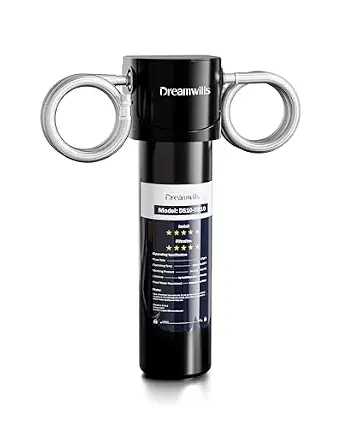 |
| Top Rated A top-rated pick with lots of positive feedback | Waterdrop WD-10UA Under Sink Filter | 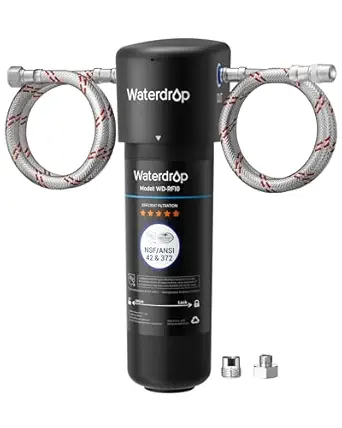 |
| Most Popular A crowd favorite that many people choose with confidence | iSpring RCC7AK-BN RO System |  |
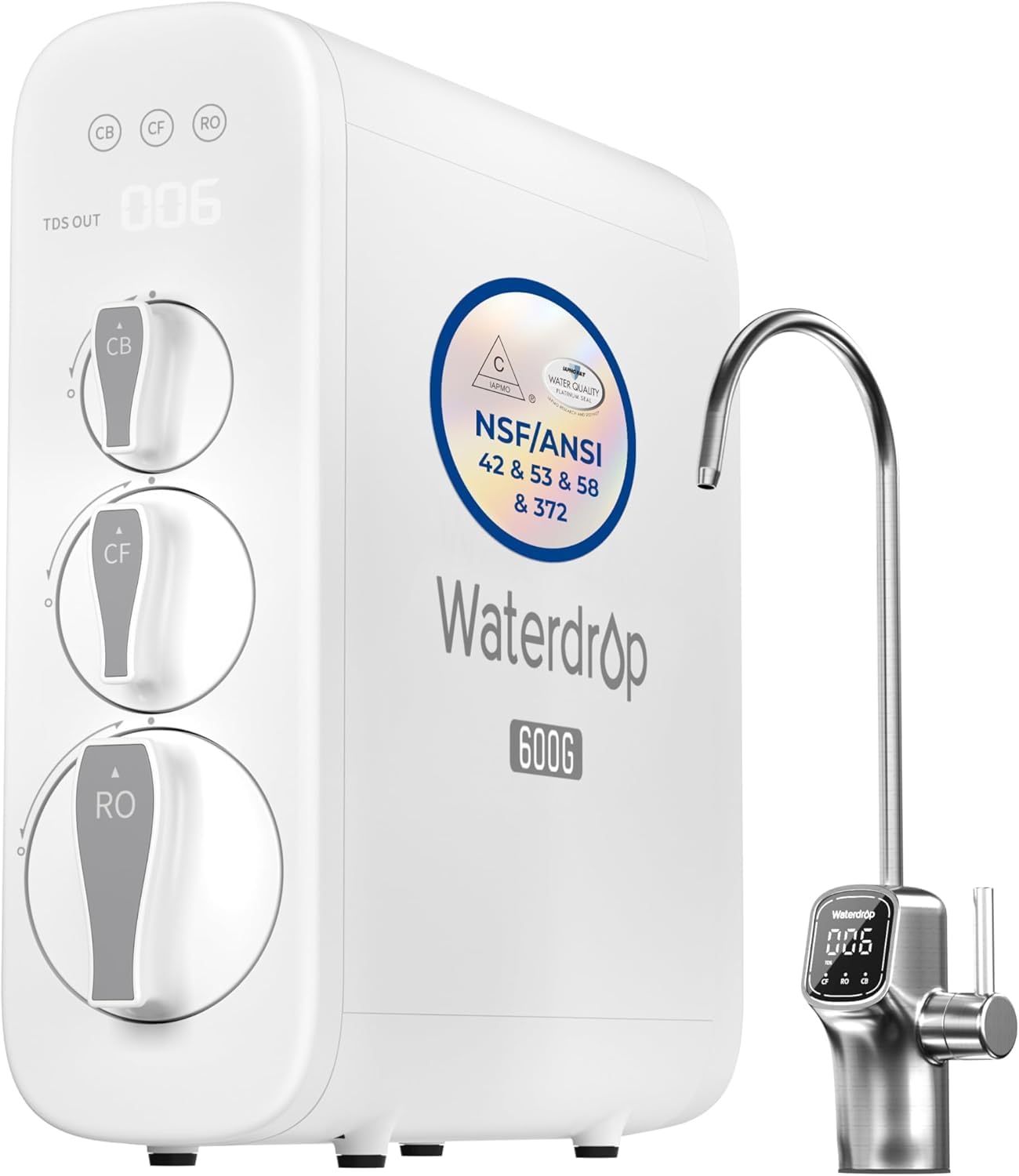
| Best Seller A high-volume bestseller chosen again and again | Waterdrop G3P600 Tankless RO |  |
Express Water RO5DX Reverse Osmosis

| Filtration stages | 5-stage (SED, GAC, ACB, ROM, PAC) |
|---|---|
| Production rate | 50 GPD |
| Maximum flow rate | 0.8 gpm |
| Power source | No Power Needed |
| Supported TDS max | 300 ppm |
The Express Water RO5DX is an NSF-tested five-stage under-sink reverse osmosis system designed to deliver very high-purity drinking water for a household. It uses sequential sediment, granular activated carbon, activated carbon block, RO membrane, and post-activated carbon stages to cut heavy metals, fluoride, chlorine, VOCs, pharmaceuticals and other dissolved solids, and includes a 4 gallon storage tank plus a chrome faucet for convenient dispensing. Installation is aimed at DIYers with quick-connect fittings and included adapters for common 3/8" and 1/2" supply lines, and the system runs without electricity while producing up to 50 GPD at typical pressures. Practical extras include a leak stop valve, labeled color-matched housings for easier filter changes and a filter wrench, and the package ships with extra filters for the first year. Expect wastewater: typical RO rejection produces one to three gallons discharged per gallon produced, and the unit needs 40-80 psi to operate reliably which may require a booster in low-pressure homes. For a balanced home buyer wanting a compact, tested under-sink RO that removes a broad range of contaminants, the RO5DX is a capable option with clear maintenance intervals and accessible serviceability.
Best for: Homeowners or renters who want lab-verified high-purity drinking water from an under-sink system and prefer a DIY-installable, fully featured RO with included spare filters.
Less Ideal for: People with very low incoming water pressure without a booster pump, or those who prefer zero-waste filtration methods like direct-flow carbon filters.
- Certified testing and multi-stage filtration that targets heavy metals, fluoride, chlorine, VOCs and pharmaceuticals
- Produces up to 50 gallons per day with a fast-flow faucet rated at 0.8 gpm
- Quick-connect fittings, included adapters and labeled housings simplify DIY installation and filter changes
- Includes 4 gallon storage tank and extra filters for the first year
- Built-in leak stop valve for added safety
- RO systems produce wastewater at roughly 1–3 gallons discharged per gallon produced
- Requires 40–80 psi water pressure to operate without a booster or pump
Verdict: If you want a tested, do-it-yourself under-sink RO that removes a wide range of contaminants and supplies fast faucet flow, the Express Water RO5DX is a practical all-around choice.
iSpring RCC7-BN 5-Stage RO

| Purification Method | Reverse Osmosis, Activated Carbon, Carbon block |
|---|---|
| Capacity | 75 gallons |
| Maximum Flow Rate | 3.4 liters per minute |
| Supported Water TDS Level Maximum (PPM) | 750 |
| Power Source | No Power Needed |
The iSpring RCC7-BN is a performance-focused under-sink reverse osmosis system built to deliver bottler-quality drinking water at home. It uses three pre-filters (sediment, GAC, carbon block), a high-rejection RO membrane and a post-carbon polishing stage to cut contaminants down to 0.0001 microns and reduce TDS by roughly 80 to 90 percent. The clear first-stage housing and push-to-connect fittings make filter inspection and DIY installation straightforward, while the included 75 gallon storage tank and designer brushed-nickel faucet provide ready access to filtered water without needing electricity. Notable practical benefits include NSF/ANSI 58 certification, food-grade tubing and a lead-free faucet, which together support reliable contaminant reduction and safe drinking water for cooking, coffee and baby formula. Buyers should expect routine filter changes and periodic maintenance, and this system is intended for municipal tap water rather than untreated well water. The RCC7-BN balances high contaminant removal and straightforward under-sink service for households that prioritize water quality.
Best for: Homeowners who prioritize high contaminant removal and clear-tasting drinking water and are willing to perform routine filter maintenance or DIY installation.
Less Ideal for: Households using untreated well water without a point-of-entry treatment system or buyers who want a no-maintenance, whole-house solution.
- Comprehensive 5-stage filtration removes a wide range of contaminants including PFAS, chlorine, and heavy metals
- NSF/ANSI 58 certified for verified reverse osmosis performance
- Transparent first-stage housing allows quick visual checks for sediment buildup
- Includes 75 gallon storage tank and a lead-free brushed nickel faucet for ready access to filtered water
- Not designed for untreated well water without prefiltration
- Requires periodic filter and membrane replacements and occasional maintenance
Verdict: Choose the iSpring RCC7-BN if you want a certified, high-capacity under-sink RO system that delivers near–bottled-quality drinking water for a performance-oriented home setup.
FRIZZLIFE SK99 Under Sink Filter

| Purification Method | Carbon Block |
|---|---|
| Maximum Flow Rate | 2.5 gpm |
| Operating Pressure Range | 20-80 psi |
| Upper Temperature Rating | 100 °F |
| Other Special Features of the Product | Certified by IAPMO against NSF/ANSI 53 & 42 |
The FRIZZLIFE SK99 is an 8-layer, 0.5-micron under-sink carbon block filter system designed for everyday drinking water improvement. It installs under a kitchen sink and includes a dedicated faucet and Teflon tape for a DIY setup that the brand says takes under 15 minutes and does not require a plumber. The system is IAPMO-tested to NSF/ANSI 42 and 53 standards and targets particulates, chlorine, chloramine, lead and PFAS/PFOA while keeping total dissolved solids and essential minerals intact. A TWIST-IN replacement cartridge design simplifies filter changes and the housing is engineered so you only replace the internal cartridges instead of the whole canister, which lowers waste and ongoing cost. Flow is rated up to 2.5 gpm so everyday tasks like filling a glass or supplying an ice maker are quick. The package also notes an added pressure regulator and upgraded housing to reduce leaks. It is not a whole-home unit, so it only improves water at the dedicated faucet or connected fridge line and requires periodic cartridge replacement.
Best for: Homeowners looking to optimize drinking water quality and ongoing cost who want a certified under-sink filter they can install and maintain themselves.
Less Ideal for: People who need whole-house filtration or who prefer a system that reduces total dissolved solids rather than retaining minerals.
- NSF/ANSI 42 and 53 tested for reduction of chlorine, lead, chloramine and particulates
- Fine 0.5-micron, 8-layer carbon block filtration that preserves beneficial minerals
- Twist-in cartridge design and replaceable core lower waste and simplify maintenance
- High flow rate up to 2.5 gpm suitable for fast dispensing and fridge ice maker connection
- Includes faucet and basic installation kit for DIY setup without a plumber
- Only treats water at the sink/connected line, not whole-house supply
- Replacement filters are required on a schedule which adds ongoing cost
Verdict: A certified, high-flow under-sink filter that balances strong contaminant reduction with low-waste, user-serviceable cartridges for budget-conscious home drinkers.
Dreamwills DS10 Under Sink Filter

| Maximum Flow Rate | 1.3 gpm |
|---|---|
| Purification Method | Carbon Block |
| Supported Water TDS Level Maximum (PPM) | 600 |
| Filter Life Cycle | 2 years |
| Capacity | 8000 gallons |
The Dreamwills DS10 is an under-sink carbon block filter designed to deliver clean-tasting cold drinking water with a simple, tool-free install. It uses coconut shell carbon in a BPA-free housing and is hydraulically tuned to 1.3 gpm so water stays in contact with the carbon long enough to remove chlorine, odors, and improve flavor while still producing a glass of water in about three seconds. The unit is tested to NSF/ANSI 42 for aesthetic chlorine reduction and is intended for a 12-month (or 8,000 gallon) replacement cycle to avoid biological growth in an overrun cartridge. Installation is straightforward: connect the included hoses and adapters to your cold water valve and tuck the compact canister into the cabinet. Limitations include cold-water-only use and a focus on chlorine and taste contaminants rather than broad-spectrum contaminant removal like lead-specific certified filters, and the one-year lifespan means annual replacement costs to maintain performance.
Best for: Buyers seeking an affordable, easy-to-install under-sink filter to noticeably improve tap taste and odor for daily drinking and cooking without professional plumbing work.
Less Ideal for: Homes that need certified removal of specific contaminants like lead, very high TDS water, or those wanting whole-house or multi-stage contaminant removal should choose a different system.
- Tool-free, DIY installation with included adapters and fittings
- Hydraulically calibrated 1.3 gpm flow for usable faucet performance
- Uses coconut shell carbon block that reduces chlorine, bad taste, and odors
- Compact, space-saving canister fits easily under most cabinets
- NSF/ANSI 42 testing for chlorine and aesthetic reduction
- Filters cold water only and is not rated for hot water use
- Not marketed as a targeted lead-removal or multi-contaminant certified system
Verdict: A budget-friendly, compact under-sink carbon filter that delivers noticeably better tasting cold water with fast, tool-free installation.
Waterdrop WD-10UA Under Sink Filter

| Purification Method | Activated Carbon |
|---|---|
| Maximum Flow Rate | 2.5 gpm |
| Filter Life Cycle | 12 months |
| Supported Water TDS Level Maximum (PPM) | 700 |
| Capacity | 11000 gallons |
The Waterdrop WD-10UA is an under-sink activated carbon filter engineered for everyday drinking and cooking water. It connects directly to standard 3/8" or 1/2" cold-water lines and installs with twist-and-lock and push-to-connect fittings, so setup is straightforward without drilling. The cartridge is rated for about 11,000 gallons or 12 months under municipal cold-water use and is NSF/ANSI 42 and 372 certified for chlorine and taste reduction and to limit lead exposure. Waterdrop highlights a larger filtration area to resist clogging and offers a tested flow rate that supports typical kitchen use. The system is mechanical, so it needs no power and keeps beneficial dissolved minerals while targeting harmful contaminants like PFAS and PFOA/PFOS. Limitations: it is intended only for cold, municipal supply and is not suitable for well water or hot lines, and finer particulate or microbial removal requires different filter media. Replacement cartridges are available but require periodic purchase to maintain performance.
Best for: Buyers who prioritize a dependable, low-maintenance under-sink filter for improving drinking water taste and reducing common chemical contaminants in municipal cold-water systems.
Less Ideal for: Homes on private wells, users needing microbial or ultrafine particle removal, or anyone who requires hot-water filtration under the sink.
- NSF/ANSI 42 and 372 certified for chlorine, taste, and lead reduction
- Quick twist-and-lock and push-to-connect fittings for tool-free installation
- Long rated life of about 12 months or 11,000 gallons under municipal cold water
- Maintains beneficial dissolved minerals while reducing PFAS, PFOA/PFOS and other contaminants
- Mechanical design requires no electricity and delivers steady household flow
- Not suitable for well water or hot water supply
- Single-stage activated carbon does not provide ultrafine particulate or microbial removal
Verdict: Choose the WD-10UA if you want a reliable, easy-to-install under-sink carbon filter that improves taste and reduces lead and PFAS for a year of low-maintenance home drinking water.
iSpring RCC7AK-BN RO System

| Purification Method | Reverse Osmosis, Alkaline, Activated Carbon, Carbon block |
|---|---|
| Power Source | No Power Needed |
| Maximum Flow Rate | 284 liters_per_day |
| Supported Water TDS Level Maximum (PPM) | 750 |
| Filter Life Cycle | 6 months |
The iSpring RCC7AK-BN is an under-sink reverse osmosis system built to deliver low-TDS, mineral-balanced drinking water without electricity. It installs under the counter and uses a clear first-stage housing, push-to-connect fittings, and a patented top-mounted faucet fastener that simplifies countertop faucet installation. The six-stage filtration chain includes sediment and carbon prefilters, an RO membrane and an alkaline remineralization stage that raises pH and restores minerals for a more natural taste. NSF/ANSI 58 certification for the full system gives strong third-party validation of contaminant reduction, and the unit is rated to handle up to 75 gallons per day and higher TDS feed water. Maintenance follows scheduled filter changes (roughly 6 months for some stages) with replacement filter sets available in different service intervals. Limitations include the typical RO waste water and the need for periodic filter and membrane replacements, and the storage tank plus multiple housings requires under-sink space and basic DIY comfort for installation.
Best for: Buyers who prioritize proven performance and third-party validation and want an under-sink system that produces low-TDS, mineralized drinking water with clear installation guidance and support.
Less Ideal for: Households unwilling to manage periodic filter maintenance or those with very limited under-sink space and no tolerance for RO wastewater should consider other options.
- NSF/ANSI 58 full-system certification confirming effective contaminant reduction
- Six-stage filtration with alkaline remineralization for improved taste and balanced pH
- Operates without electricity and delivers up to 75 gallons per day
- Transparent first-stage housing for easy visual monitoring of sediment buildup
- Top-mounted patented faucet design and push-to-connect fittings simplify installation
- Produces the standard RO wastewater that some households may find wasteful
- Requires regular filter and membrane replacements and under-sink space for the tank
Verdict: Choose this system if you want a certified, electricity-free under-sink RO that restores minerals for better-tasting, reliably low-TDS drinking water.
Waterdrop G3P600 Tankless RO
| Filtration stages | 8-stage Filtration |
|---|---|
| Flow rate | 600 GPD |
| Pure to drain ratio | 2:1 |
| Maximum flow rate (faucet) | 0.42 gpm |
| Installation type | Under Sink |
The Waterdrop G3P600 is a tankless under-sink reverse osmosis system built for steady home drinking water use. It combines an 8-stage filtration path, including carbon block and RO membrane, with a smart faucet that shows TDS and remaining filter life, so you can monitor quality without guesswork. The unit is designed to produce fast water flow — about an 8 oz cup in eight seconds — and its 2:1 pure-to-drain ratio reduces wastewater compared with many RO systems. Tankless form saves under-sink space and the cartridge-style filters twist out for tool-free replacement. Certifications against NSF/ANSI 42, 53, 58 and 372 cover common contaminant reduction and lead-free material, which supports a conservative buyer's focus on verified performance. Expect to need an electrical outlet under the sink and to drill the faucet and drain holes during installation, and note the system requires periodic filter replacements to maintain performance.
Best for: Homeowners who prioritize verified contaminant reduction and a compact, monitored under-sink RO solution for daily drinking water.
Less Ideal for: People without an accessible under-sink electrical outlet or those who prefer a no-maintenance, non-RO faucet-mounted filter.
- High production rate up to 600 gallons per day for rapid dispensing
- Certified to NSF/ANSI 42, 53, 58 and 372 for verified contaminant reduction and lead-free materials
- Smart faucet with TDS readout and filter life indicator for easy monitoring
- Tankless design saves under-sink space and enables quick, tool-free filter swaps
- Low 2:1 pure-to-drain ratio reduces wastewater compared with traditional RO units
- Requires under-sink electrical power and two drilled holes for installation
- Filter replacements and periodic maintenance are required to retain certified performance
Verdict: Buy this if you want a space-saving, NSF-certified tankless RO with a smart faucet for reliable, testable drinking water performance.
Choosing the Right Drinking Under-Sink Water Filter for Home Use: Key Factors to Consider
Certified Contaminant Removal
Look for independent certification or test data that shows which contaminants the filter reduces and by how much. Certifications from recognized testing organizations validate claims for substances such as lead, chlorine, volatile organic compounds, and microbial cysts.
Why it matters: Drinking-water filters vary widely in what they remove. A system that reliably reduces lead and chloramine with documented results will better protect household health than one that only lowers taste-and-odor compounds. Match the filter's demonstrated capabilities to the contaminants of concern in your water report.
Flow Rate and Daily Capacity
Flow rate determines how quickly filtered water dispenses at the dedicated tap. Higher flow rates make the system feel seamless for cooking and filling containers, while low flow can be frustrating during everyday use. Daily or cartridge capacity indicates how much treated water you can expect before needing a replacement filter.
Why it matters: Homes with higher water usage or larger households need systems rated for greater daily throughput or longer cartridge life. If you frequently fill large pots or pitchers, prioritize systems with higher flow and capacity to avoid delays and frequent filter changes.
Installation Complexity
Under-sink systems vary from simple quick-connect fittings that most homeowners can install to setups that require cutting pipes, drilling a faucet hole, or mount brackets. Consider the tools and workspace required, plus whether the system needs a dedicated faucet or can integrate into an existing tap.
Why it matters: A straightforward installation reduces the chance of leaks and can save on service costs. If you are uncomfortable with basic plumbing, choose a unit with tool-free connections or plan to hire a plumber to ensure a safe, code-compliant installation.
Maintenance Needs and Replacement Costs
Evaluate how often filters must be replaced, how easy the change-out is, and the ongoing cost of replacement cartridges. Some systems use a single multi-stage cartridge replaced annually, while others require multiple cartridges changed on staggered schedules.
Why it matters: Even a well-performing filter becomes inconvenient if replacements are frequent, difficult to access, or expensive. Factor in both the time and the recurring cost when choosing a system to ensure long-term satisfaction.
Size, Fit, and Under-Sink Footprint
Measure the available space under your sink and compare it with the system's dimensions. Consider clearance for valves, shutoff access, and room for filter removal. Some systems are compact and mount to the cabinet wall or floor, while others are bulky and require clearing storage space.
Why it matters: A system that is too large for your cabinet will create installation difficulties or force you to relocate stored items. Picking a unit that fits the available footprint ensures easier installation and maintenance without sacrificing functionality.
Materials, Build Quality, and Warranty
Inspect the materials used for housings, fittings, and tubing. Durable housings and corrosion-resistant fittings increase long-term reliability. Also, pay attention to warranty length and what it covers, since a robust warranty often reflects confidence in product longevity.
Why it matters: Higher build quality reduces the risk of leaks and premature failures. A clear warranty and customer support options provide protection and peace of mind if problems arise after installation.
Types of Under-Sink Drinking Filters
Under-sink drinking filters generally fall into a few functional types: single-cartridge carbon systems that target taste and chlorine, multi-stage filters that combine sediment, carbon, and specialized media for broader contaminant removal, and reverse-osmosis units that remove a wider range of dissolved solids. Each approach balances removal capability, water waste, and maintenance differently.
Choosing the right type depends on your water quality priorities. If your main concern is taste and chlorine, a carbon-based cartridge may be sufficient. If you need to address heavy metals or dissolved salts, a multi-stage or membrane-based option may be more appropriate.
- Carbon-only: Good for chlorine, taste, and odor control
- Multi-stage: Broader contaminant coverage with targeted media
- Reverse osmosis: High reduction rates for dissolved solids but requires drain line and may waste water
Dedicated Tap Vs. Integrated Output
Most under-sink systems use a dedicated faucet mounted on the countertop or sink deck. This isolates treated water from the unfiltered supply and avoids plumbing changes to your main faucet. Some systems can also be plumbed to an existing faucet with additional valves, but that often increases installation complexity.
A dedicated tap gives visual assurance that you are dispensing filtered water and simplifies the plumbing layout. If you prefer an out-of-sight solution, check whether the system supports discreet faucet styles and whether your sink has a spare hole for installation.
- Dedicated tap: Clear separation of filtered water, easier leak isolation
- Integrated plumbing: Fewer fixtures but may require adapter parts and more extensive installation
Measuring Performance: What Test Results Mean
Independent test results and certification reports list specific contaminant reduction percentages under controlled conditions. Pay attention to which contaminants were tested, the test concentrations, and the conditions of the test. A percentage reduction for lead, for example, indicates the system's ability to lower that contaminant under the test protocol.
Remember that lab results are a guide. Real-world performance depends on feed-water quality, temperature, flow rate, and proper maintenance. Use your local water quality report to identify likely contaminants and match test results to those concerns.
- Look for tested reductions of contaminants relevant to your water
- Check the test conditions to understand how results translate to daily use
Routine Maintenance and Troubleshooting
Establish a maintenance schedule based on the manufacturer's recommendations and your household usage. Keep a calendar or set reminders for filter changes and note any changes in taste or flow that may signal filter exhaustion. When replacing cartridges, inspect O-rings and seals to prevent leaks.
If you encounter low flow or discoloration, shut off the water to the unit and check for clogged pre-filters, kinked tubing, or blocked aerators at the faucet. For persistent issues, consult the system's support documentation or a qualified plumber.
- Replace cartridges on schedule and keep spare O-rings
- Document installation and part numbers for easier future service
Water Conservation and Waste Considerations
Some under-sink technologies, especially reverse-osmosis systems, produce wastewater as part of the filtration process. Consider how much wastewater is generated relative to your household priorities and whether you want to install a permeate pump or reclaimed-water arrangement to reduce drain flow.
Carbon-only and multi-stage adsorption systems typically do not produce wastewater and are more water-efficient. Weigh the tradeoffs between filtration effectiveness and water use when selecting a system.
- RO systems: Higher purity with wastewater byproduct
- Carbon/multi-stage: Lower water waste, adequate for many common contaminants
How We Chose the Best Drinking Under-Sink Water Filter for Home Use
We evaluated candidate under-sink drinking water filters using measurable, buyer-focused criteria that reflect typical home installations. Key considerations included certified contaminant reduction, because verified performance for lead, chlorine, cysts, and VOCs is fundamental to drinking-water safety. Flow rate and capacity were used to assess real-world usability, ensuring a system can supply steady water for cooking and filling pitchers. Installation complexity and required tools were rated to reflect how easily a homeowner can fit the system without professional help. Maintenance frequency and filter replacement cost were examined since ongoing upkeep affects lifetime cost and convenience. Build quality and warranty coverage rounded out the selection filters to ensure systems are robust and supported. We excluded whole-house filtration and countertop pitchers from consideration and focused solely on under-sink, point-of-use systems intended for drinking and cooking. Systems that lacked independent contaminant reduction data or that required extensive plumbing modifications were not included. The resulting list prioritizes verified filtration performance, practical installation, and low-friction operation for typical home users.
Our full evaluation process is outlined in our review methodology.
FAQ
How often should under-sink filter cartridges be replaced?
Replacement intervals vary by cartridge type and usage but typically range from every 6 months to 12 months. Heavier particulate loads or higher family water use may shorten life, so watch for drops in flow or taste changes as signs to replace filters.
Can I install an under-sink drinking filter myself?
Many home-oriented under-sink systems use quick-connect fittings and clear instructions that enable do-it-yourself installation. More complex setups requiring faucet drilling or a drain connection may be better handled by a plumber, depending on your comfort with basic plumbing.
Will an under-sink drinking filter remove hard water minerals?
Most under-sink carbon and multi-stage filters do not remove hardness minerals like calcium and magnesium. If hard water is a primary concern, a water-softening solution or a reverse-osmosis system with appropriate membrane selection may be needed.
Do under-sink systems affect water pressure at other fixtures?
Under-sink drinking filters only treat the water line connected to their dedicated faucet, so they should not reduce pressure at other household fixtures. Improper installation or shared plumbing taps can cause pressure issues, so follow installation guidance carefully.
How can I tell which contaminants are in my tap water?
Check your local water quality report or have a certified lab perform a water test to identify contaminants and their concentrations. Knowing what is present helps you match an under-sink system's certified reductions to real needs.
Final Verdict
Prioritize verified contaminant removal, installation practicality, and realistic maintenance expectations when selecting an under-sink drinking water filter for home use. Tradeoffs are inevitable: systems with the broadest removal profiles may require more space, a drain connection, or higher maintenance, while simple carbon units offer easy installation and efficient operation for taste and chlorine issues. Decide which contaminants and household behaviors matter most, measure your under-sink space, and choose a system that aligns with those constraints. That approach will help you get reliable, great-tasting drinking water without unnecessary complexity.