
Note: This article contains affiliate links. If you click on these links and make a purchase, we may earn a small commission at no extra cost to you. This helps support our research and content. Read our full affiliate disclosure here.
Choosing the right drinking water filter for backpacking matters because it affects your pack weight, refill speed, and safety on trail. You need a solution that removes pathogens and particles without slowing you down or adding unnecessary bulk. This guide shortlists the top picks in the drinking water filter category for backpacking and explains the tradeoffs between speed, weight, and durability. We evaluate each option on criteria like flow rate, contaminant removal, ease of maintenance, and ruggedness so you can find the best fit for the kind of trips you take. Read on to see concise guidance before the product reviews.
Top Picks at a Glance
| Best Overall The best all-around choice for most situations | Survivor Filter PRO Pump |  |
| Best Quality Built to a higher standard if you want something more solid | GRAYL GeoPress 24 oz | 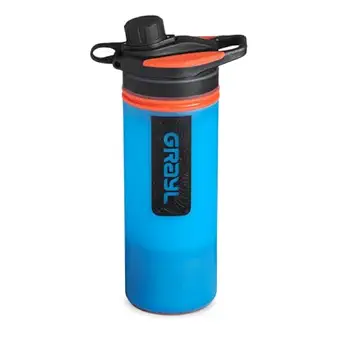 |
| Best Value The sweet spot between price and what you get | SimPure Gravity Water Filter 3L |  |
| Best Budget The cheapest option that still gets the job done reliably | Sawyer MINI Water Filter SP128 |  |
| Top Rated A top-rated pick with lots of positive feedback | LifeStraw Personal Water Filter 5-Pack |  |
| Most Popular A crowd favorite that many people choose with confidence | LifeStraw Personal Water Filter |  |
| Best Seller A high-volume bestseller chosen again and again | Sawyer Squeeze Filter SP129 |  |
Survivor Filter PRO Pump

| Purification Method | Hollow Fiber Membrane, Ultra Filtration |
|---|---|
| Maximum Flow Rate | 500 milliliters_per_minute |
| Power Source | Non Electric |
| Capacity | 100000 liters |
| Material Type | BPA Free ABS |
The Survivor Filter PRO Pump is a lightweight, hand-pumped water purifier built for hiking, camping, and emergency kits. It uses a three-stage system: a 0.1 micron pre-filter, activated carbon to reduce heavy metals and chemicals, and a 0.01 micron ultrafilter that the company says removes viruses, bacteria, and protozoa. It is non-electric and rated to pump roughly 500 ml per minute, so you can draw directly from lakes, streams, and rivers without waiting. The unit comes with inlet and outlet hoses, a backwashing syringe and a carrying case, and the filters are user-serviceable for extended lifespan. Practical benefits include fast flow for filling bottles and minimal weight for long treks, plus simple backwashing to restore flow in the field. Important limitations are that it is for fresh water only, requires manual pumping which can be tiring over long sessions, and periodic cleaning is needed to maintain the advertised flow rate and longevity.
Best for: Hikers and campers who want a lightweight, fast, and replaceable-filter pump purifier for reliably turning fresh water sources into drinkable water on multi-day trips.
Less Ideal for: People who need large daily volumes of water without manual effort or who require a purifier rated for saline or industrial-contaminated sources should consider different solutions.
- Three-stage filtration (pre-filter, carbon, 0.01 micron ultrafilter) removes pathogens and reduces heavy metals
- Non-electric hand pump design provides about 500 ml/min flow for on-demand clean water
- Lightweight and compact for backpacking and emergency kits
- Includes hoses, backwash syringe, and carrying case for field maintenance and storage
- Manual pumping can be tiring for large-volume water needs
- Not suitable for salt water or sources outside the fresh water recommendation
Verdict: A lightweight, fast manual pump purifier that gives backpackers reliable, replaceable three-stage filtration for on-the-go fresh water treatment.
GRAYL GeoPress 24 oz

| Capacity | 24 fluid ounces |
|---|---|
| Purification Method | Electroadsorption, Activated Carbon |
| Maximum Flow Rate | 5 liters per minute |
| Supported Water TDS Level Maximum (PPM) | 1000 |
The GRAYL GeoPress is a handheld water purifier bottle designed for fast, no-fuss use on the trail: fill the outer cup with source water, press the inner press down through the purifier cartridge, and clean water is ready in about 8 seconds. It removes viruses, bacteria, and protozoa while activated carbon layers reduce particulates, VOCs, PFAS, chemicals, pesticides, heavy metals, and bad tastes or odors, so it is suitable for drinking, cooking, or refilling reservoirs. Notable user-focused features include a RiverFlow spout for fast chugging or filling, a one-way valve for adding electrolyte drink mixes without contaminating the media, soft press pads and TPE grip for comfortable pressing, and a replaceable cartridge rated for roughly 300 cycles. The bottle is BPA-free polypropylene and stands up to drops at full capacity, but its 24 oz capacity means you will press frequently on longer outings or when sharing with a group. The purifier is fully manual so there is no battery reliance, yet the cartridge lifespan and per-press effort are factors to plan around for extended trips.
Best for: Backpackers and performance-focused hikers who want proven pathogen-level purification and the fastest possible flow without pumps or batteries.
Less Ideal for: Large groups, ultralighters who want minimal weight and bulk, or users who prefer passive or inline hydration solutions that require less frequent handling.
- Removes viruses, bacteria, and protozoa for true purification
- Very fast flow rate — purifies 24 oz in about 8 seconds (5 L/min)
- Activated carbon layers reduce chemicals, PFAS, VOCs, and odors
- One-way valve allows adding electrolyte or flavored mixes without fouling the filter
- Replaceable cartridge rated for about 300 cycles and disassembles for cleaning
- 24 oz capacity requires frequent refills on long hikes or when sharing
- Manual pressing requires physical effort and a low surface to press against
Verdict: Choose the GeoPress if you need fast, reliable pathogen-level purification on the trail without pumps or batteries.
SimPure Gravity Water Filter 3L

| Capacity | 3 liters |
|---|---|
| Purification Method | Activated Carbon, Hollow Fiber Membrane |
| Maximum Flow Rate | 27 liters per hour |
| Filter Life Cycle | 3.5 years (≈5000 L) |
The SimPure gravity water filter is a backpacking-oriented, non-electric purifier that hangs from a tree or other support and delivers filtered water into a container below. It uses a 0.1-micron hollow fiber ultrafiltration membrane combined with a coconut shell GAC and PP prefilter to remove bacteria, reduce chlorine and bad tastes, and treat water at a stated flow of up to 27 liters per hour. The 3 L TPU bag is very light and rolls up small for pack storage, and the included tree strap and extension tube let you set it up hands-free or connect to a bottle for direct drinking. Filter lifespan is rated at about 5,000 liters (roughly 3.5 years for typical family use), so replacements are infrequent for solo or small-group trips. Limitations are that it is a gravity system so flow depends on head height and incoming water quality, and it does not rely on chemical or UV disinfection so very turbid or viral-contaminated sources may need pre‑treatment or a different method for full protection.
Best for: Backpackers and lightweight campers who prioritize low-weight, hands-free filtration and want a fast, long‑lasting purifier for typical freshwater sources.
Less Ideal for: People planning to rely on a single method for highly contaminated or visibly turbid water, or those who need a pump/UV system that actively inactivates viruses.
- Very lightweight and packable for backpacking
- 0.1-micron hollow fiber plus activated carbon for broad microbial and taste reduction
- Hands-free gravity setup with included tree strap and extension tube options
- High stated flow rate that fills containers faster than straw-style filters
- Long rated filter life (about 5,000 liters) for extended trips
- Flow depends on hang height and can slow with very turbid water
- Does not actively treat viruses or replace boiling for certain high-risk sources
Verdict: Choose this if you want an ultra-light, hands-free gravity purifier that delivers fast, long-lived filtration for typical backpacking water sources.
Sawyer MINI Water Filter SP128

| Purification Method | Hollow Fiber Membrane |
|---|---|
| Other Special Features | Removes bacteria, protozoa, and microplastics |
| Capacity | 100000 gallons |
| Upper Temperature Rating | 100 °F |
| Included Components | Mini filter, 16‑oz pouch, straw, cleaning plunger |
The Sawyer MINI is a palm-size, manual water filter built for lightweight backpacking, travel, and emergency use. It uses a 0.1 micron hollow fiber membrane to block bacteria, protozoa and microplastics and can be used several ways: squeeze through the included 16-ounce pouch, drink through the straw, attach to a disposable 28 mm bottle, or connect inline with hydration tubes. The filter is rated up to 100,000 gallons and ships with a cleaning plunger to extend life, and its tiny weight and simple construction make it easy to stash in a pack or kit. Because it is manually operated there is no battery or pump to fail, but flow slows as the filter clogs and squeezing or backflushing is required to restore throughput. The MINI excels when low weight and proven microbial protection are priorities, though users expecting fast flow without occasional maintenance may find that trade-off limiting on long trips with very turbid sources.
Best for: Buyers prioritizing minimal weight and reliable microbial protection for day hikes or multi-day backpacking trips who want a simple, no-battery solution.
Less Ideal for: People who need high flow from very turbid water sources, quick hands-free pumping, or those who prefer filters that require less frequent maintenance on long group trips.
- Very lightweight and pocketable for backpacking
- 0.1 micron hollow-fiber filtration removes bacteria, protozoa, and microplastics
- Multiple use modes: squeeze pouch, straw, screw-on bottle, or inline with hydration packs
- Rated up to 100,000 gallons with included cleaning plunger to extend service life
- Flow rate slows with dirty water and requires backflushing to maintain performance
- No motorized pumping so drawing water from low sources can be slower
Verdict: Choose the Sawyer MINI when you want the lightest, field-proven microbial filtration for backpacking and travel.
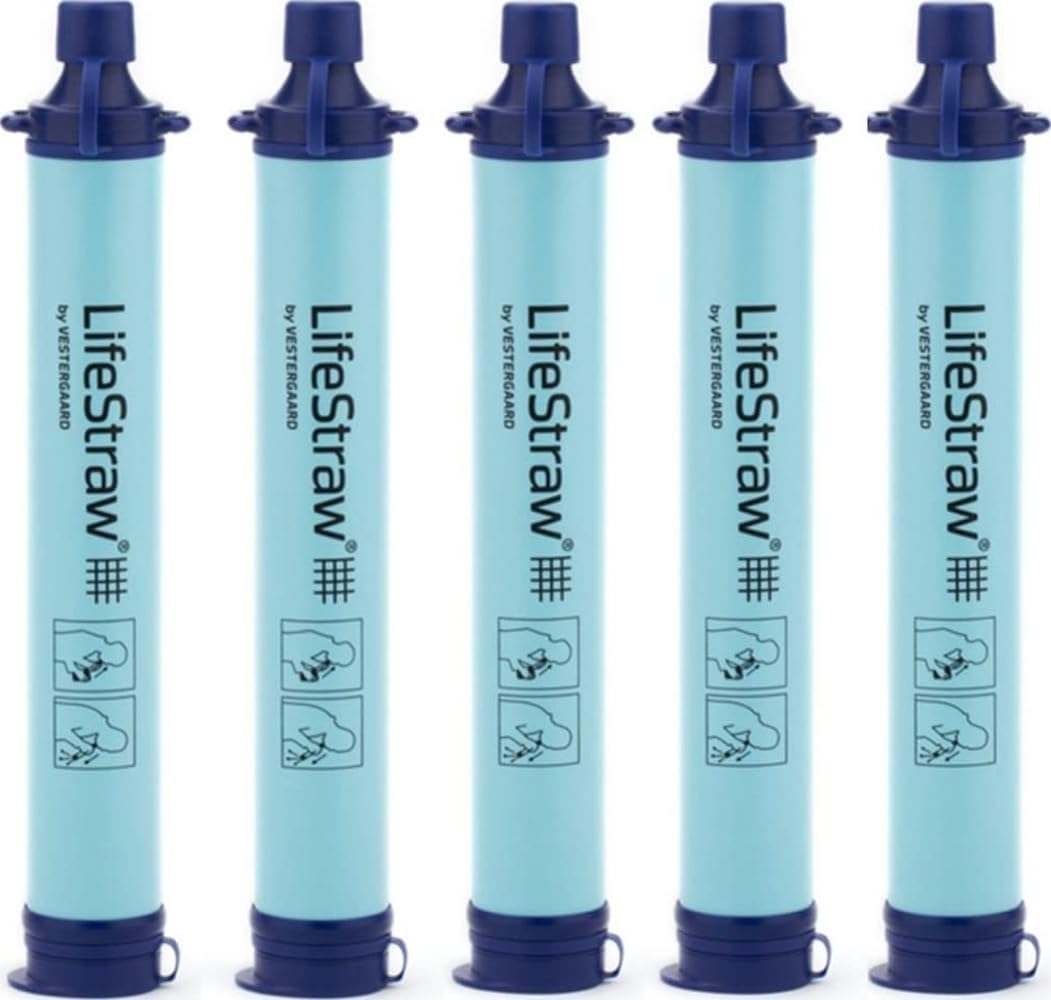
LifeStraw Personal Water Filter 5-Pack
| Purification Method | Hollow Fiber Membrane |
|---|---|
| Capacity | 4000 liters |
| Maximum Flow Rate | 1000 liters per hour |
| Supported Water TDS Level Maximum (PPM) | 1000 |
| Power Source | No Electricity Or Battery Power Required |
The LifeStraw Personal Water Filter is an ultralight straw filter designed for drinking directly from lakes, rivers, or filled containers while backpacking, traveling, or in emergencies. Each disposable-style unit uses a hollow fiber membrane to mechanically remove bacteria, parasites, microplastics and silt, and is rated to deliver about 4,000 liters over its usable life. Use is simple: dip or draw water through the straw and drink without batteries, pumps, or chemicals, which keeps it fast and reliable on the trail. The compact plastic body and lack of moving parts make it rugged and easy to pack; the five-pack format is handy for group trips or for keeping spares. Limitations are that it only filters biological and particulate contaminants and is not a chemical or virus purifier in all conditions, and users must avoid freezing and follow backflushing guidance to maintain flow. For reliability-focused backpackers who want a proven, no-fuss way to get safe drinking water, LifeStraw performs predictably in typical freshwater settings.
Best for: Backpackers and outdoor travelers who prioritize proven, low-maintenance filtration that works reliably without power or pumps and who prefer simple gear that is easy to pack and replace.
Less Ideal for: People who need broad-spectrum purification against chemicals or viruses, or those who require a fast-fill system for large groups should consider a different filtration method.
- Ultralight, no-power design that works by drawing water directly for on-demand drinking
- Hollow fiber membrane certified to remove bacteria, parasites and microplastics
- Each unit rated for a long service life (approx. 4,000 liters) for multiple trips or extended use
- Sold as a five-pack so you can equip a group or keep spares for emergencies
- Does not remove all chemical contaminants or guarantee virus removal in every water source
- Flow rate decreases as filter loads and it requires occasional backflushing to restore performance
Verdict: For reliable, ultralight trail filtration that consistently removes bacteria, parasites and microplastics, the LifeStraw five-pack is a proven, packable choice.
LifeStraw Personal Water Filter

| Model Number | LSPHF038 |
|---|---|
| Material Type | Plastic |
| External Testing Certification | NSF |
| Unit Count | 1 Count |
The LifeStraw Personal Water Filter is an ultralight, pack-and-forget straw filter designed for backpacking, travel, and emergency use. You drink directly from a stream, lake, or canteen through the straw and the hollow-fiber microfilter blocks virtually all bacteria and parasites while reducing turbidity and microplastics. It is easy to use without pumps, batteries, or chemicals, and its compact plastic body fits in a pocket or hydration pouch. The filter is rated to provide up to 4,000 liters of water under typical use and meets testing protocols used by EPA and NSF, which gives confidence when sourcing water in the backcountry. The lack of moving parts makes it low maintenance but also means it only filters while you sip or gravity-feed into a container, so it is less convenient for group use or for filling large volumes quickly. For solo hikers and travelers who need a reliable, tested emergency filter, the LifeStraw delivers straightforward protection with almost no setup required.
Best for: Hikers and travelers who prioritize a proven, low-weight solution to make natural water microbiologically safe and want a no-fuss filter backed by third-party testing and wide user adoption.
Less Ideal for: Groups that need to filter water for multiple people quickly or users who require removal of chemicals, heavy metals, or desalination.
- Removes 99.999999% of bacteria and 99.999% of parasites according to tested microfiltration membrane
- Ultralight, compact design that fits in a pack or pocket for minimalist backpacking
- No batteries or pumps required, drink directly from water sources or use to gravity-feed into a container
- Long service life rated up to 4,000 liters with simple maintenance
- Designed for individual use so filling large volumes or serving groups is slow
- Does not remove chemical contaminants or salts, only microbiologicals and particulates
Verdict: Choose the LifeStraw when you want a lightweight, laboratory-tested personal filter that reliably removes bacteria and parasites for solo backpacking and emergency use.
Sawyer Squeeze Filter SP129

| Purification Method | Hollow Fiber Membrane |
|---|---|
| Other Special Features | Removes bacteria, protozoa, 100% microplastics |
| Maximum Flow Rate | 1.7 liters per minute |
| Upper Temperature Rating | 40 °C |
The Sawyer Squeeze SP129 is a compact, low‑weight portable filtration system built for backpacking, travel, and emergency use. It uses a 0.1 micron hollow fiber membrane that blocks bacteria, protozoa and 100% of microplastics, and is supplied with two 32‑oz collapsible pouches plus adapters to fit standard 28 mm bottles and hydration packs. Typical use is simple: fill a pouch from a stream or tap, connect the filter, and squeeze clean water into a bottle or directly to your mouth; it also works inline in a gravity or hydration setup. The rated flow (about 1.7 L/min) is fast enough for quick refills but slows as the filter clogs; fibers can be backflushed to restore flow and the filter is rated for a very large service life. Practical benefits include minimal weight and bulk, versatile connection options, and proven microbial protection. Limitations are that it does not remove viruses and that cold or very turbid water may reduce flow and require more maintenance or pre‑filtering.
Best for: Buyers who prioritize a proven, low‑weight filtration system for routine backcountry water treatment and want a simple, reliable method to get safe drinking water on short or multi‑day trips.
Less Ideal for: People who need protection against viruses or who expect to drink repeatedly from highly contaminated or salty sources without additional treatment should consider other options.
- Very small and lightweight for backpacking and travel
- 0.1 micron hollow fiber removes bacteria, protozoa, and all microplastics
- Includes two reusable 32‑oz pouches and bottle/hydration adapters for flexible use
- High rated lifetime capacity and backflushable design restores flow
- Does not filter viruses so not suitable for all water sources
- Flow rate decreases with very dirty water and may need pre‑filtering
Verdict: A proven, ultra‑light, easy‑to‑use backpacking filter that delivers reliable bacterial and protozoan protection with minimal weight.
Choosing the Right Drinking Water Filter for Backpacking: Key Factors to Consider
Contaminant Coverage
Knowing what a filter removes is fundamental. On most backcountry trips you need protection against bacteria and protozoa like Giardia and Cryptosporidium. Some filters include activated carbon or chemical treatment to reduce taste, odors, and certain organic chemicals, which is useful when filtering water near agricultural or fire-affected areas.
Match the expected water hazards to the filter's specifications. For glacial melt, alpine streams, or most lakes, a microbiological filter is usually enough. If you will encounter stagnant water, algal blooms, or areas with known chemical contamination, look for a system with broader adsorption capability or plan to carry a secondary chemical disinfectant.
Flow Rate and Throughput
Flow rate matters for efficiency at camp and while moving. Fast filters save time when topping multiple bottles or filling hydration reservoirs. Throughput, often expressed as liters before replacement, indicates long-term value and how often you will need replacement cartridges.
Consider how many people you typically support and whether you often refill larger containers. A pump or squeeze-style filter with high instantaneous flow is helpful for solo hikers who prioritize speed. For group use, higher total throughput and the ability to replace cartridges on the trail become more important.
Weight and Packability
Every extra ounce counts on multiday hikes. Filters that integrate with soft bottles or use lightweight housings reduce pack weight and bulk. Assess the total carried system weight, including hoses, connectors, spare cartridges, and cleaning tools.
Think about where the filter will live in your pack and how easily you can access it during breaks. A compact filter that tucks into an external pocket or compresses down when empty is often preferable to a bulky but slightly faster unit for long-distance routes.
Ease of Maintenance
Trail maintenance determines how consistently a filter performs. Units that allow simple backflushing, rinsing, or disassembly with common items extend service life and reduce the chance of clogging. Filters that require complex tools or proprietary cleaning kits are less convenient in the backcountry.
Also consider how easy it is to change or carry spare cartridges. If a filter requires swapping parts frequently, ensure spares are lightweight and stowed properly to avoid contamination.
Durability and Cold-Weather Performance
Backpacking exposes gear to impacts, drops, and temperature swings. Robust housings, reinforced connections, and freeze-resistant components reduce failure risk. Some filter media can be damaged by freezing water; models with removable cartridges or freeze-tolerant designs are safer for shoulder-season trips.
Inspect seals, threads, and hose fittings for resilience. A marginally heavier unit built from tougher materials can be a better long-term choice than an ultra-light filter that fails after a few seasons.
User Interface and Compatibility
How a filter connects to bottles, bladders, or source water affects usability. Universal threads and common connector types increase flexibility on trail. Simple squeeze or gravity adapters often work with a range of containers without extra parts.
Evaluate whether the filter works with your preferred water bottles and hydration reservoirs. Some systems require separate adapters to fill bladders or attach to hydration hoses; those extras add complexity and weight.
Squeeze, Pump, or Gravity: Picking the Right Mechanism
There are three common ways to move water through a backpacking filter. Squeeze filters rely on flexible soft bottles or bags and are lightweight with few moving parts. Pump filters provide strong flow and can be easier to use with larger water sources, but they include mechanical components. Gravity filters let water do the work and are convenient for groups, but they are bulkier and slower to set up.
Choose based on trip style. If you favor fast, minimalist hikes, a squeeze system usually offers the best weight-to-speed tradeoff. For solo trips with frequent source-access challenges, a reliable pump can be more tolerant of sediment. For basecamp or group trips, a gravity bag reduces effort while filtering larger volumes.
- Squeeze: light, simple, best for solo hikers
- Pump: higher instant flow, good for varied sources
- Gravity: low effort, ideal for groups or camp use
Trail Maintenance Tips to Extend Filter Life
Backflush or rinse filters regularly to prevent clogging. Many units can be backflushed with clean water, reversing flow to dislodge trapped particles. Do this whenever you notice slowing flow or after filtering turbid water.
Carry a soft-bristle brush or use a clean finger with water to agitate cartridge surfaces if allowed by the manufacturer. Store filters dry and out of direct sun between trips to prevent biological growth, and keep spare O-rings or seals if the design allows user replacement.
- Backflush after heavy use or filtering silty water
- Dry components thoroughly to prevent mold
- Pack small spare seals and a cleaning brush
Using Filters in Cold or Alpine Conditions
Freezing is a common cause of filter damage. If you expect subfreezing nights, keep the filter inside your sleeping bag or insulated water bottle to prevent ice formation in the cartridge. Some filters allow cartridge removal and drainage, which reduces freeze risk.
In alpine settings, source water may be clear but biologically active in certain areas. Even in cold environments, follow local advisories and filter all untreated water. Consider quicker-flowing systems for high-altitude trips where meltwater sources are limited and you need fast refills.
- Protect the filter from freezing overnight
- Use faster-flow systems when water is scarce
- Drain and store cartridges when not in use
Packing Spares and Consumables
Plan for cartridge life and spare parts. Even high-throughput cartridges have finite capacity and can clog sooner when filtering sediment-heavy sources. Carry a lightweight spare cartridge or a small chemical disinfectant as a backup for unexpected failures.
Also include small maintenance items like extra O-rings, a compact syringe for backflushing, and a short length of tubing for improvised repairs. These items are low weight but can save a trip if the primary filter has an issue.
- Bring at least one spare cartridge or alternative disinfection method
- Pack small repair items: O-rings, syringe, short tubing
- Store spares in a watertight bag to prevent contamination
Compatibility With Bottles and Hydration Systems
Confirm connector types before you rely on a filter in the field. Filters that integrate directly with soft bottles or standard threaded bottles reduce adapters and simplify use. If you use hydration bladders, check for compatible hose fittings or plan to fill the reservoir via a wide-mouth opening.
Adapters are available for many combinations, but carrying multiple adapters increases weight and setup time. When possible, adopt a simple system of one filter and one or two compatible containers for quick refills.
- Prefer systems that match your usual bottles to avoid adapters
- Test connectors at home before the trip
- Label spare adapters to avoid confusion
How We Chose the Best Drinking Water Filter for Backpacking
We prioritized criteria that directly affect performance on the trail and long-term reliability. First, contaminant removal effectiveness was required: filters had to meet established microfiltration or purification standards for bacteria and protozoa, and we considered additional chemical adsorption for areas with agricultural runoff. Second, flow rate and real-world throughput were key, because slow filters disrupt campsite routines and multiply exposure risk when purifying water for groups. Third, weight and packability had to be suitable for multiday treks, favoring compact housings and minimal accessories. Fourth, ease of cleaning and maintenance matters for multi-day use; units that can be backflushed or cleaned with minimal tools scored higher. Fifth, durability and construction were considered to ensure components survive repeated use and rough handling. We excluded bulky gravity-only systems designed for basecamp use and filters that require specialty cartridges not widely available. The final shortlist reflects a balance of filtration performance, trail-friendly ergonomics, and serviceability.
Our full evaluation process is outlined in our review methodology.
FAQ
How often should I replace a backpacking filter cartridge?
Replacement frequency depends on throughput and source water quality. In clear alpine streams, a cartridge will last much longer than when filtering silty or stagnant water. Track liters filtered when possible and carry a spare if you will be remote for many days.
Can I use a drinking water filter for backpacking in a group of four?
Yes, but choose a higher-throughput system or plan more frequent refills. Gravity filters or pump systems scale better for groups because they handle larger volumes with less effort than single-person squeeze filters.
Is chemical treatment necessary if I have a filter?
Often not for bacteria and protozoa if the filter is rated appropriately. Chemical treatment adds protection against viruses and some chemical contaminants. Consider chemicals as a backup for filters that do not claim viral removal or when dealing with uncertain contamination.
How do I prevent my filter from freezing on a winter trek?
Keep the filter and any onboard water insulated and, if possible, inside your sleeping bag overnight. Drain the cartridge and store it warm when not in use. Some designs tolerate freezing better, but prevention is the safest approach.
Can I drink directly from the filter output into a hydration bladder?
Usually yes, if the filter has compatible fittings or you use an adapter. Verify the connectors at home and practice filling your bladder to avoid spills and contamination while on trail.
Final Verdict
Prioritize what matters most for your trips when choosing a drinking water filter for backpacking. If speed and low weight are top priorities, focus on squeeze systems with solid contaminant ratings. If you travel with people or need to filter large volumes, give more weight to throughput and gravity or pump designs. Balance durability and ease of maintenance against packability, and always carry a compact backup plan for cartridge failure or unexpected contamination. With those tradeoffs in mind, you can select a trail-ready filter that keeps water safe and minimizes hassle.