
Note: This article contains affiliate links. If you click on these links and make a purchase, we may earn a small commission at no extra cost to you. This helps support our research and content. Read our full affiliate disclosure here.
If you live in a rental, small apartment, or a home without a dryer vent or dedicated gas line, choosing the right dryer without hookups matters. These machines are designed to work where traditional venting or gas connections are not available, making laundry practical in constrained spaces. You want reliable dry times, fabric care that avoids over-drying, and installation that does not require a tradesperson. This guide shortlists the top dryers without hookups across common use cases and explains the criteria used to evaluate them. Read on to see which models best balance drying performance, water and energy use, and the installation flexibility you need.
Top Picks at a Glance
| Best Overall The best all-around choice for most situations | Feelfunn Portable Dryer ZX-CD-6 |  |
| Best Quality Built to a higher standard if you want something more solid | EUHOMY Compact Laundry Dryer 3.5 cu ft | 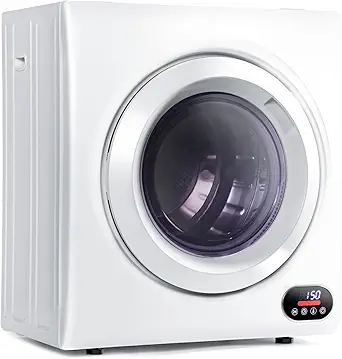 |
| Best Value The sweet spot between price and what you get | Euhomy 1.5 Cu.Ft. Portable Dryer |  |
| Best Budget The cheapest option that still gets the job done reliably | qiunhang Portable Dryer HGJ |  |
| Top Rated A top-rated pick with lots of positive feedback | BLACK+DECKER BCED26 Compact Dryer |  |
| Most Popular A crowd favorite that many people choose with confidence | Panda Portable Dryer PAN725SF | 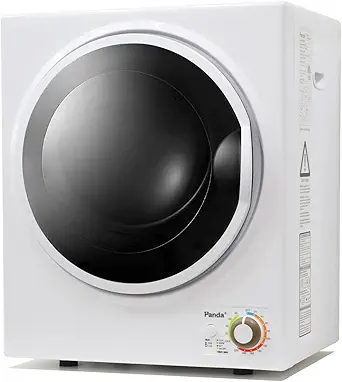 |
| Best Seller A high-volume bestseller chosen again and again | MOJOCO Portable Dryer MJC-T03 |  |
Feelfunn Portable Dryer ZX-CD-6

| Capacity | 1.5 cubic feet |
|---|---|
| Rated Power | 850W |
| Maximum Temperature | 140°F |
| Access Location | Front Load |
The Feelfunn ZX-CD-6 is a small, front‑load portable dryer designed for apartments, dorms, and other spaces without hard hookups. It uses an 850W heater that reaches up to about 140°F and a forward/reverse tumbling action to dry and fluff small loads; the maker recommends limiting wet load to roughly 10 pounds for faster results. Controls are simple: a single knob selects one of four drying modes so it is easy to operate without a learning curve. The stainless steel drum and transparent door feel durable and let you check progress, while the three-layer lint filter and exhaust connector help contain lint. It is light enough to wall‑mount with the included hardware, and runs quietly enough for shared living spaces. Expect longer cycle times and smaller batch capacity compared with full-size dryers, and you will need to manage venting or use the exhaust adapter for indoor placement. For everyday small loads, delicates, and quick refreshes, this dryer is a practical, space-saving option.
Best for: Buyers who need a compact, easy-to-use dryer for small loads in spaces without hookups and value simple controls and portability.
Less Ideal for: Homes that routinely dry large loads, bulky items, or need very fast turnaround should choose a full-size vented or condenser dryer instead.
- Compact 1.5 cu ft design fits apartments, dorms, and RVs
- 850W heater with up to 140°F for reasonably quick drying on small loads
- Simple knob controls with four modes make operation intuitive
- Stainless steel drum and transparent door add durability and easy monitoring
- Multi-layer lint filter and exhaust connector help contain lint and moisture
- Limited capacity so full loads or bulky items will take multiple cycles
- Lower power than full-size dryers means longer drying times for heavier wet loads
- Requires planning for exhaust/venting when used indoors
Verdict: A compact, user‑friendly portable dryer that delivers reliable small‑load drying where no permanent hookup exists.
EUHOMY Compact Laundry Dryer 3.5 cu ft

| Capacity | 3.5 cubic feet |
|---|---|
| Power | 1500 W |
| Form Factor | Front Load |
| Material Type | Stainless Steel |
| Specification Met | DOE, ETL |
The EUHOMY compact laundry dryer is a plug-in electric front-load dryer built for small spaces that need reliable, fast drying without a gas line. It uses a 1500W heater and a 3.5 cubic foot stainless steel drum to handle medium loads after spin-drying, and the unit reaches temperatures up to about 140°F for quicker drying. The LCD touch panel offers four modes including Strong, Intelligent, ECO, and Normal so you can tailor cycle time and heat to different fabrics. Practical design touches include a 105° see-through door that pauses the cycle when opened, external multi-layer outlet filters for lint control, and a carry handle for repositioning. Because it is a condenser/exhaust-style portable dryer it is suited to apartments, dorms, or any location without hardline hookups, but it requires space for the exhaust hose and regular filter cleaning to keep performance consistent. Expect faster drying than low-watt compact models, but like all vented portables it will work best when loads are not overloaded and spin-extracted first.
Best for: Buyers who need higher drying performance from a plug-in, non-gas dryer for apartments or small homes and prioritize quicker cycle times and flexible modes over fitting a full-size unit.
Less Ideal for: Large households that need frequent heavy-capacity drying or users who cannot accommodate an exhaust hose and outlet clearance should consider other solutions.
- 1500W heater delivers faster drying than lower-watt compact units
- 3.5 cu ft stainless steel drum handles medium-sized loads
- Multiple drying modes with LCD touch controls for tailored cycles
- 105° see-through door with auto-stop improves loading and safety
- External multi-layer lint filters make cleaning and maintenance accessible
- Requires exhaust hose space and venting which limits placement options compared with ventless models
- Not a match for very large households because capacity is limited compared with full-size dryers
Verdict: If you want a plug-in dryer that maximizes drying speed and control in apartments or dorms, this 3.5 cu ft 1500W EUHOMY unit is a strong performance-focused choice.
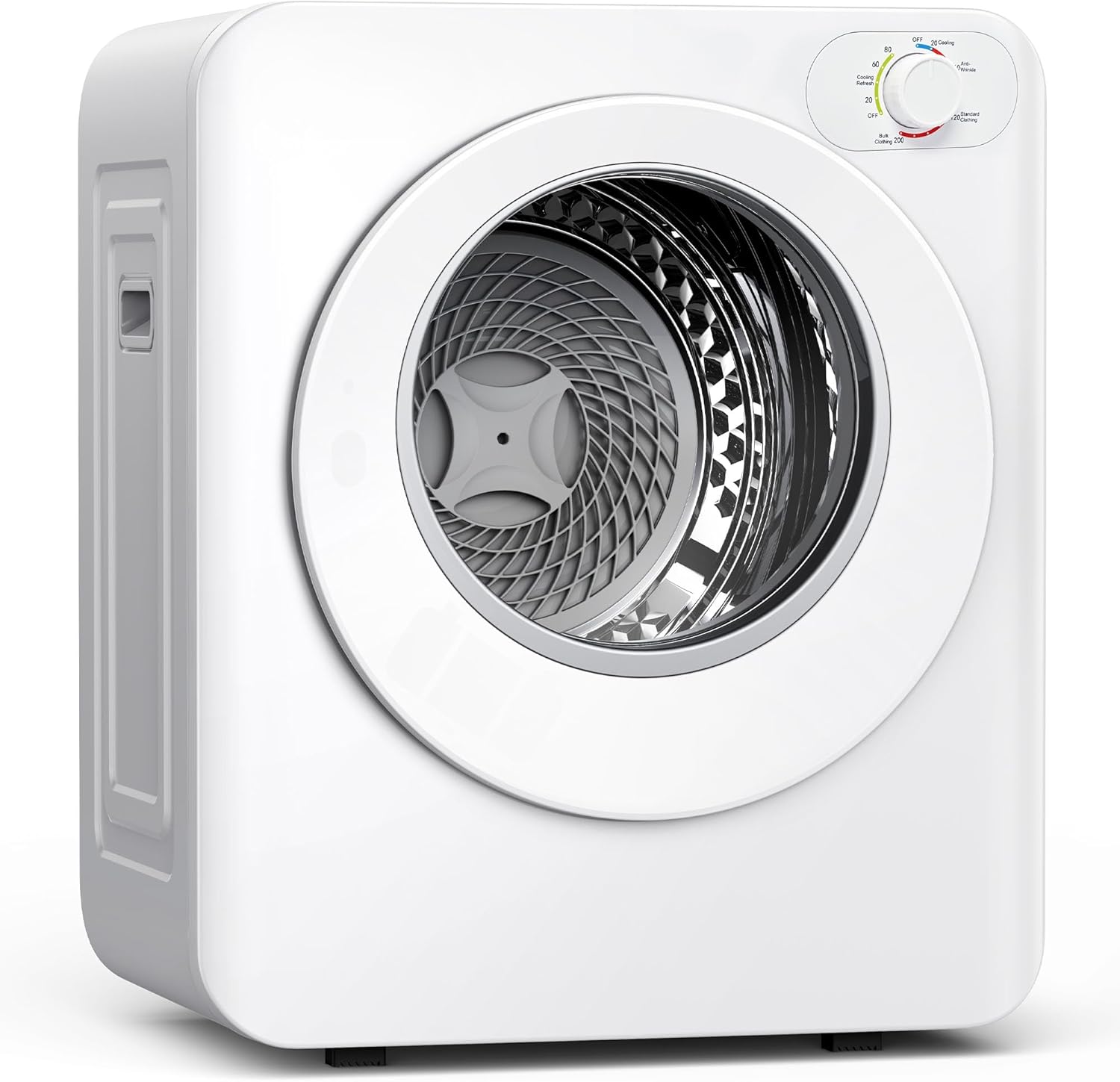
Euhomy 1.5 Cu.Ft. Portable Dryer
| Capacity | 1.5 cubic feet |
|---|---|
| Power | 850 W |
| Door Orientation | Left |
| Form Factor | Front Load |
| Specification Met | ETL |
The Euhomy 1.5 cu.ft. portable dryer is a compact, ventless front-load machine designed for apartments, dorms, and RVs where a full-size hookup is not available. It runs on 850W and reaches temperatures up to about 140°F to dry small loads quickly, and the reversible stainless steel drum plus a transparent door help reduce tangles and let you monitor the cycle. The simple knob control offers five modes—cooling, anti-wrinkle, standard, bulk drying, and refresh—so you can choose quicker cool-downs or longer bulk cycles depending on the load. Practical touches include a lint filter, a 105° door opening for easy loading, and automatic shutoff when the door is opened. Trade-offs are the modest 1.5 cu.ft capacity and 8.8 lb wet-clothes limit, which mean multiple loads for families and longer cycles for denser items; noise and dry time will vary with load moisture. For people who need a reliable, space-saving dryer without plumbing or vent hookups, this model covers the basics in a compact package.
Best for: Buyers who need a reliable, no-hookup dryer that saves space and handles frequent small loads in apartments, dorms, or RVs and who prioritize practicality over large capacity.
Less Ideal for: Those who regularly dry large household loads, heavy bedding, or want the fastest possible cycle times should choose a larger-capacity dryer instead.
- Compact front-load design fits small spaces and can be freestanding, stacked, or wall-mounted
- Reversible stainless steel drum and transparent door reduce tangling and allow monitoring
- Five practical cycle modes including anti-wrinkle and refresh for odor removal
- ETL certification and built-in lint filter for safer, cleaner operation
- Small 1.5 cu.ft capacity and 8.8 lb wet load limit require repeated batches for larger households
- 850W power and compact heater produce longer dry times on heavy or very wet items
Verdict: A compact, no-hookup dryer that reliably handles small, frequent loads for space-conscious users who want a practical ventless drying solution.
qiunhang Portable Dryer HGJ

| Access Location | Top Load |
|---|---|
| Capacity | 9 load |
| Material Type | Plastic |
The qiunhang Portable Dryer HGJ is a small, top-load electric dryer meant for quick drying of small loads when a full-size machine or hookup is not available. It is built for portability and travel: the unit folds, includes a carry bag and a remote control, and claims to dry up to nine garments in about 50 minutes using PTC heat and directed airflow. Typical use is in apartments, RVs, dorm rooms, or while traveling to refresh delicates and everyday wear without a vent or water hookup. Practical benefits include fast cycle times for small batches, quieter operation than a conventional dryer, and low power draw from the PTC heater for gentler, more consistent heat. Important limitations are its very small physical size and limited capacity that make it unsuitable for large loads or heavy items, and it relies on electric heat so drying times and performance will vary with fabric type and load density. Expect simple, appliance-level controls rather than advanced moisture sensing or heavy-duty drying power.
Best for: Buyers who need an affordable, space-saving dryer to handle small loads, seasonal travel, or rental living where hookups are not available and portability is a priority.
Less Ideal for: Households that regularly dry large loads, heavy towels, bedding, or require fast turnaround for many garments should choose a full-size dryer instead.
- Portable, foldable design with carry bag for travel or small-space storage
- Remote control and built-in timer for convenient, hands-off operation
- PTC heating for steady, energy-efficient warm air and gentler drying
- Quiet operation suitable for apartments, dorms, or RV use
- Small capacity limits use to very small loads and delicates
- Not a replacement for a full-size dryer for bulky or heavy items
Verdict: A compact, budget-friendly portable dryer that delivers quick, quiet drying for small loads and travel when traditional hookups are not an option.
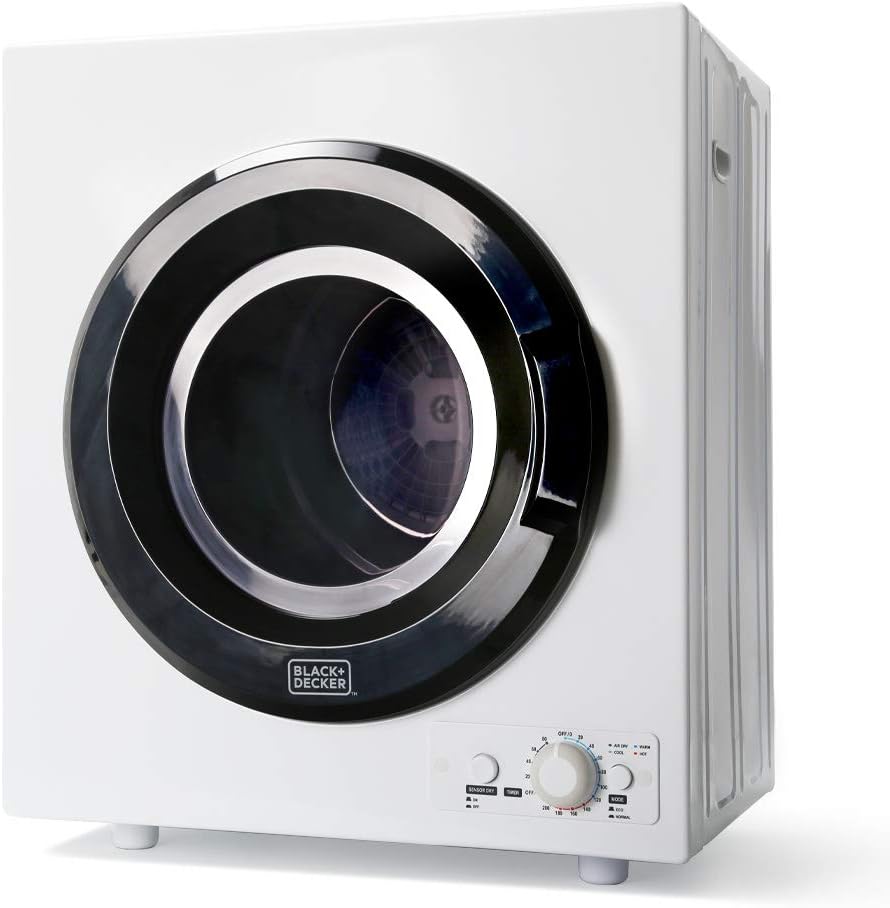
BLACK+DECKER BCED26 Compact Dryer
| Capacity | 2.65 cubic feet |
|---|---|
| Load weight | 8.8 lbs |
| Power | 1400W, 120V |
| Drying modes | Air Dry, Cool, ECO, Warm, Hot |
| Vent connector | Fits 4" vent hose |
The BLACK+DECKER BCED26 is a compact, front-load vented dryer built for apartments, RV-style setups, and anywhere a full-size hookup is not available. It runs on 120V and 1400W, accepts up to about 8.8 pounds per load into a 2.65 cu ft stainless steel drum, and offers five modes including Air Dry, Cool, ECO, Warm, and Hot plus a Sensor Dry that measures moisture to adjust the cycle. Installation is straightforward with the included 4-inch exhaust connector and a standard 3-prong plug, and adjustable leveling legs help place it on uneven floors. Practical benefits include a smaller drum that is gentler on delicates, an ECO mode that reduces unnecessary heat, and safety features like overheat protection. Expect longer cycle times than 240V full-size dryers — dry times can span 30 to 200 minutes — and you will need space for the vent hose and to empty lint regularly. For reliability-focused users this unit provides predictable, simple operation and factory-style components but it is not a drop-in replacement for a high-capacity, fast commercial dryer.
Best for: Buyers who need a dependable, easy-to-install dryer for small homes or apartments and prioritize straightforward, predictable operation over high capacity or speed.
Less Ideal for: Households that regularly dry large loads, need very fast turnaround, or cannot accommodate an external vent hose should consider other solutions.
- Runs on a standard 120V outlet so no special wiring is required
- Sensor Dry and multiple modes (Air, Cool, ECO, Warm, Hot) help protect fabrics and save energy
- Stainless steel drum and front-load design are gentle on clothes
- Includes 4" exhaust connector and adjustable leveling legs for easy installation
- Longer drying times compared with 240V full-size dryers
- Requires venting space and a 4" exhaust hose which limits placement options
Verdict: A reliable, easy-to-install 120V vented compact dryer that delivers predictable, fabric-friendly drying for small households without special electrical hookups.
Panda Portable Dryer PAN725SF

| Capacity | 1.5 cubic feet |
|---|---|
| Voltage | 120V/60Hz |
| Rated Input | 850W |
| Drum Material | Stainless Steel |
The Panda PAN725SF is a small, front-load portable dryer aimed at apartments, dorms, and other spaces without dedicated hookups. It dries small loads using an 850W motor and a stainless steel drum, with selectable heat settings (cold, warm, hot) and a timer that runs from 20 to 200 minutes so you can match time to fabric and dampness. Installation is flexible: plug into a standard 120V outlet and use the included exhaust vent for window or through-wall venting, or wall-mount it with the supplied bracket to save floor space. Practical touches include a three-layer lint filter, a see-through door with a 105-degree opening, and automatic shutoff for safety. Expect slower dry cycles compared with full-size, higher-wattage dryers and smaller capacity that limits loads to lightweight items or a few garments at a time. The low power draw helps keep energy use down, but drying heavy or bulky items will take longer and may require multiple cycles.
Best for: Buyers who need a reliable, compact dryer that fits into small rentals or rooms without hookups and who prioritize proven performance and user safety over rapid large-load drying.
Less Ideal for: Households that need to dry large loads, bulky items, or want near-commercial drying speed should look at higher-capacity, higher-power options.
- Compact footprint and multiple installation modes including wall-mounting to save floor space
- Standard 120V plug-in operation requires no special electrical hookup
- Three-layer lint filter and see-through door with automatic shutoff improve usability and safety
- Stainless steel drum offers better durability than plastic tubs
- Low 850W power means longer drying times compared with full-size dryers
- Small 1.5 cu.ft capacity restricts loads to lightweight or very small batches
Verdict: A compact, plug-in dryer built for small spaces and renters who need a safe, flexible non-hookup drying solution.
MOJOCO Portable Dryer MJC-T03

| Form Factor | Top Load |
|---|---|
| Capacity | 22 pounds |
| Included Components | Dryer, Dryer Bag |
The MOJOCO Portable Dryer is a lightweight, top-load, foldable dryer meant for small loads and spaces without dryer hookups. It uses a 600W heating system with two temperature modes and an adjustable timer to dry lightweight items like shirts, underwear, and baby clothes; light items can dry in about 1–2 hours while heavier pieces may take longer. The unit is quiet in operation and includes automatic overheat protection for safer use, plus a built-in LED UV sanitizing lamp to help freshen garments. Its foldable design and included storage bag make it easy to move for apartment use, RVs, or travel. Expect practical energy savings compared with full-size vented dryers, but plan for longer cycle times and limited capacity — the dryer is meant for multiple small items rather than bulky bedding. Overall, it is a convenient secondary dryer for occasional loads and situations where standard hookups are not available.
Best for: Buyers who need a safe, compact drying solution for apartments, travel, or RVs and prioritize a low-risk, easy-to-use appliance for small loads.
Less Ideal for: People who regularly need to dry large, heavy items or full loads should choose a full-size dryer instead.
- Compact, foldable design with included storage bag for easy transport and storage
- Two heat settings and timer let you tailor drying to delicate or faster cycles
- Built-in LED UV sanitizing lamp for added garment freshness
- Quiet operation with automatic overheat protection for safer indoor use
- Limited capacity suited for light garments rather than bulky or heavy items
- Longer drying times compared with full-size electric dryers
Verdict: A portable, low-risk dryer that delivers quiet, energy-efficient drying and UV sanitizing for small loads when you do not have a hookup.
Choosing the Right Dryer Without Hookups: Key Factors to Consider
Drying Method and Efficiency
Dryers without hookups typically use either heat-pump technology or condenser systems to remove moisture without a vent. Understanding the drying method matters because it affects how quickly a load dries and how much ambient heat and humidity the machine produces in the room.
Heat-pump dryers generally reuse warm air and operate at lower temperatures, which improves energy efficiency and reduces fabric wear but can increase cycle times. Condenser dryers extract moisture into a reservoir or drain, often drying faster but sometimes using more power. Consider how quickly you need clothes turned around and whether longer cycles are acceptable for energy savings.
Installation and Space Requirements
One of the main reasons buyers choose a dryer without hookups is installation flexibility. Check the physical footprint, door swing, and whether the unit can be stacked on a compatible washer or placed on a pedestal. You also need to confirm electrical requirements; most ventless electric dryers run on standard 120V or 240V circuits, and matching the required outlet is essential.
Also consider how the dryer vents moisture: some models need periodic emptying of a condensate tank, others require a small drain hose, and a few can be plumbed to a drain. Think about access for maintenance and whether the machine will sit in a humid area that needs additional ventilation.
Fabric Care Features
Because ventless dryers often run at lower temperatures or for longer cycles, fabric care features become more important. Look for moisture sensors that stop cycles when clothes are dry, multiple heat settings for delicates and heavy items, and cycle presets that match common fabrics.
Reduced-heat options or gentle tumble programs can prevent shrinking and extend the life of synthetic fibers. Anti-wrinkle or drum-tumble finishing cycles also help when you cannot remove clothes immediately after a cycle ends.
Operating Costs and Efficiency
Operating a dryer without hookups can have different cost implications depending on the technology. Heat-pump dryers tend to be more efficient and can lower electricity use over time, though they may cost more up front. Condenser and traditional-resistance electric dryers can have higher energy draws and may add to monthly utility bills.
Consider average cycle length and estimated kWh per cycle, and weigh that against how often you do laundry. Also account for any water use if the model condenses into a drain, and the potential need to run a room fan or dehumidifier if the laundry area lacks ventilation.
Maintenance and Reliability
Maintenance on ventless dryers often includes emptying condensate tanks, cleaning filters, and occasionally checking heat exchangers or pumps. Ease of accessing lint screens and condensate reservoirs affects how often maintenance becomes a chore.
Models with straightforward filter designs and clear maintenance alerts reduce the chance of performance degradation over time. Reliability considerations should include the simplicity of repairs and how commonly replaceable parts are available.
Types of Ventless Dryers Explained
Ventless dryers fall into a few technological groups, most commonly heat-pump and condenser designs. Heat-pump units recycle warm air through a closed loop, extracting moisture via a refrigerant cycle at lower drying temperatures. Condenser dryers heat air and then cool it internally to condense out moisture into a tank or drain.
Choosing between these types depends on priorities. Heat-pump models usually save energy and treat fabrics gently, while condenser units can be simpler and sometimes faster. Consider the typical load types you wash and whether lower-temperature drying is acceptable.
- Heat-pump: High efficiency, lower temperatures, longer cycles
- Condenser: Simpler design, may dry faster, can produce more ambient heat
- Reservoir vs. drain: Some units collect water in a tank; others allow a drain connection
Where to Place a Dryer Without Hookups
Placement affects performance and comfort. Avoid tight, unventilated closets that trap humidity. Ideal locations include laundry alcoves with a little clearance, ventilated bathrooms, or utility rooms with some air circulation.
If you must place the dryer in a smaller space, leave recommended clearance around the unit, and plan for condensate management. Using a small exhaust fan or keeping a door ajar during cycles can help control room humidity.
- Allow manufacturer-recommended clearances for air intake and exhaust
- Ensure access to electricity and any drain connection if required
- Avoid closed closets without ventilation unless the unit is explicitly rated for that use
Saving Energy with a Ventless Dryer
To minimize energy use, select cycles that match load size and fabric type, and use moisture sensors rather than preset timers. Running full loads instead of many smaller loads improves efficiency per pound of laundry. Cooler or eco modes on heat-pump dryers can reduce consumption, even if cycles take longer.
Routine maintenance such as cleaning filters and ensuring good air circulation helps the dryer operate efficiently. In some situations, pairing the dryer with air-drying for heavy items can cut overall energy use.
- Use moisture-sensing cycles to avoid over-drying
- Clean lint filters regularly to maintain airflow
- Group similar fabrics to optimize drying times and energy use
Managing Humidity and Indoor Air Quality
Dryers that do not vent outdoors release heat and moisture into the surrounding space or collect it internally. If the unit vents some warm air, you may notice increased humidity. That can encourage mold or make a small apartment uncomfortable without proper ventilation.
Consider using a dehumidifier or running a bathroom fan when drying clothes indoors. For units with condensate tanks, empty them promptly and check seals to prevent leaks. Good room airflow improves condenser performance and reduces the chance of persistent dampness.
- Monitor room humidity during long drying cycles
- Empty condensate containers and clean seals to prevent leaks
- Use room ventilation or a dehumidifier in tight spaces
Common Installation Questions
Most ventless dryers require only a standard electrical circuit and a flat, stable surface. Verify the required circuit voltage and outlet type before buying. Some models can be stacked on compatible washers while others are designed only for side-by-side placement.
If a model offers a drain connection, decide whether you will route a hose to a floor drain or use the built-in reservoir. Check access for future maintenance so you can reach lint filters and water tanks easily.
- Confirm electrical requirements: 120V versus 240V
- Decide on drain setup: reservoir vs. direct drain
- Plan for service access and filter cleaning
How We Chose the Best Dryer Without Hookups
We focused on features and performance that matter specifically for dryers that operate without dedicated venting or gas connections. Our editorial filters prioritized drying effectiveness on mixed loads, moisture-extraction efficiency, and heat-management systems because non-vented machines must remove or condense water internally. Installation flexibility and compact footprint were key since many buyers need machines that fit tight spaces and plug into a standard outlet. Energy and water consumption were included to reflect ongoing operating cost and environmental impact. Fabric-care options and cycle variety were evaluated to ensure the machines handle delicates, bulky items, and mixed-fabric loads without excessive wear. We excluded any unit that requires permanent vent installation or a hard gas connection, and we did not consider washer-dryer combos that only offer limited drying capacity. Models with unreliable moisture sensing, poor build quality, or minimal user controls were removed from consideration. The final picks represent a balance of drying speed, gentle fabric handling, easy setup, and efficient moisture removal.
Our full evaluation process is outlined in our review methodology.
FAQ
How long do ventless dryers typically take to dry a load?
Dry times vary by technology and load size. Heat-pump models often take longer than vented machines but run at lower temperatures. Expect average cycles to range from about 60 to 120 minutes depending on fabric type and load size.
Can I install a ventless dryer in a closet?
You can install some ventless dryers in closets if the manufacturer approves it and required clearances and ventilation are provided. Without proper airflow, humidity can build up, so confirm the unit's installation guidelines before placing it in an enclosed space.
Do ventless dryers need maintenance more often than vented dryers?
They require similar lint-filter maintenance but may need additional tasks like emptying condensate tanks or cleaning heat exchangers. Regular upkeep keeps performance steady and prevents moisture-related issues.
Are ventless dryers safe for delicate fabrics?
Yes. Many ventless dryers run at lower temperatures and include gentle or delicate cycles. Moisture sensors and low-heat settings help reduce the risk of shrinkage or fiber damage.
Will using a ventless dryer increase my apartment humidity?
Some ventless models release a degree of heat and humidity into the room, especially condenser units without sealed condensate systems. Using room ventilation or a dehumidifier can reduce added moisture.
Final Verdict
Choosing a dryer without hookups comes down to balancing drying speed, fabric care, and how the unit handles moisture in your space. Prioritize drying efficiency and moisture-management features if you do frequent loads, or favor installation flexibility and a smaller footprint for tight spaces. Keep in mind the tradeoff between lower operating costs and longer cycle times when selecting technology. Focus on units with reliable moisture sensors, easy maintenance, and clear installation requirements so you can install and run the dryer with minimal hassle. With the right priorities, you can get dependable drying performance without a vent or gas connection.