
Note: This article contains affiliate links. If you click on these links and make a purchase, we may earn a small commission at no extra cost to you. This helps support our research and content. Read our full affiliate disclosure here.
If you want fresh citrus every morning without a long cleanup ritual, choosing an easy-to-clean orange juicer changes the routine. The right juicer reduces time spent scrubbing small crevices, minimizes pulp mess, and keeps your countertop sanitary after each use. This guide highlights seven shortlisted, top-performing orange juicers chosen for fast teardown, simple parts, and reliable extraction. Below we summarize what matters for cleanup and juice quality, then walk through the features that make a juicer genuinely easy to maintain. Use the evaluation criteria to match a juicer to your daily habits before you review the specific product picks.
Top Picks at a Glance
| Best Overall The best all-around choice for most situations | Breville Citrus Press BCP600SIL |  |
| Best Quality Built to a higher standard if you want something more solid | Breville Citrus Press Pro 800CPXL |  |
| Best Value The sweet spot between price and what you get | Cuisinart Pulp Control CCJ-500P1 | 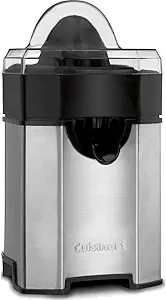 |
| Best Budget The cheapest option that still gets the job done reliably | Elite Gourmet ETS623 Citrus Juicer |  |
| Top Rated A top-rated pick with lots of positive feedback | OXO Good Grips 2-in-1 Citrus Juicer |  |
| Most Popular A crowd favorite that many people choose with confidence | BLACK+DECKER Citrus Juicer CJ625 |  |
| Best Seller A high-volume bestseller chosen again and again | Juilist Centrifugal Juicer |  |
Breville Citrus Press BCP600SIL

| Power | 110 Watts |
|---|---|
| Voltage | 110 to 120 Volts |
| Warranty | 1 Year Limited Product Warranty |
The Breville Citrus Press is a motorized juicer designed for quick, one-handed citrus juicing at home. You place halved fruit on the finned cone, lower the hinged arm and the motor spins the cone to extract juice while the fruit dome holds the fruit steady; the drip-stop spout keeps counters clean during pouring. Practical details include a one-size-fits-all juicing cone that works across lemons, oranges and grapefruits, and removable components such as the cone, juice collector, filter and fruit dome that are dishwasher-safe for easy cleanup. The dual switch safety requires the arm to be lowered before the cone will spin, which helps prevent accidental operation. At 110 watts it provides enough power for efficient extraction without being overly loud or bulky on the counter. If you want fast, consistent fresh citrus juice with minimal fuss and simple cleanup, this model is well suited, though it is specifically a citrus press and not intended for whole-fruit or vegetable juicing.
Best for: Buyers who want a dedicated, easy-to-use citrus juicer that delivers quick, consistent fresh juice with minimal cleanup and simple operation.
Less Ideal for: People seeking a multifunction juicer that handles whole fruits, vegetables, or large-capacity batch juicing should consider a different style of juicer.
- One-size-fits-all finned cone extracts juice from limes through grapefruits
- Motorized operation with hinged arm for easy one-handed juicing
- Drip-stop spout reduces counter mess when pouring
- Multiple removable parts are dishwasher-safe for straightforward cleaning
- Designed only for citrus so it cannot process whole fruits or other produce
Verdict: A compact, motorized citrus press that makes quick work of lemons to grapefruits and is easy to clean, ideal for buyers who want fresh citrus juice with minimal fuss.
Breville Citrus Press Pro 800CPXL

| Maximum Power | 100 watts |
|---|---|
| Wattage | 110 watts |
| Power Source | Corded Electric |
| Voltage | 120 volts |
| Capacity | 800 ml |
The Breville Citrus Press Pro 800CPXL is a sturdy, performance-focused citrus press built for frequent home use. Its triple-hinged active-arm and power-assisted lever let you apply consistent downward pressure with minimal effort, which improves extraction and reduces wrist strain when juicing many oranges or grapefruits. The Quadra-Fin die-cast juicing cone is acid-resistant and shaped to pull the most juice from different fruit sizes, while the dual safety switch prevents the cone from spinning unless the arm is lowered and pressure is applied. Practical touches for cleanup include a drip-stop spout to prevent countertop mess and several removable parts that are dishwasher safe. The machine runs on a single speed motor and is a compact counter unit, so it is best for straightforward pressing rather than multi-speed or pulping control. If you want a heavy-duty, easy-to-clean press that prioritizes extraction and repeatable performance, this model delivers with reliable construction and user-friendly cleaning features.
Best for: Buyers who prioritize efficient extraction and easy cleanup when making frequent fresh citrus juice and want a robust, ergonomic countertop press.
Less Ideal for: Those seeking a compact, lightweight handheld squeezer or a multi-speed juicer with adjustable pulp settings should consider other options.
- Power-assisted lever and triple-hinged arm for effortless, consistent pressure
- Quadra-Fin die-cast juicing cone extracts well from a range of citrus sizes
- Acid-resistant stainless-steel construction for long-term durability
- Removable parts and dishwasher-safe components for easy cleaning
- Drip-stop spout prevents countertop spills during use
- Single speed motor limits control over extraction intensity
- Relatively heavy and takes counter space compared with handheld squeezers
Verdict: Choose the Breville Citrus Press Pro if you want a heavy-duty, easy-to-clean countertop press that extracts maximum juice with minimal effort.
Cuisinart Pulp Control CCJ-500P1

| Capacity | 12 ounces |
|---|---|
| Number of Speeds | 3 |
| Power Source | Corded Electric |
| Material | Stainless Steel |
The Cuisinart Pulp Control CCJ-500P1 is a compact electric citrus juicer designed for everyday countertop use. It uses an auto-reversing universal reamer and three adjustable pulp-control settings to handle everything from limes to grapefruit, and a final-spin feature helps extract extra juice from the pulp. Juice flows through an extra-long snap-up spout to reduce drips and fill taller glasses, and removable parts are dishwasher-safe for easy cleanup. With a corded electric design and simple button controls the unit is straightforward to operate and well suited to quick breakfasts, cocktail prep, and small-batch juicing. The juicer is stainless steel finished for a durable look, but its 12-ounce carafe means it is meant for single-serve or small batches rather than producing large quantities at once. Power specs list both 25 watts and 800 watts which may confuse shoppers, though in practice the machine runs quietly and efficiently for routine citrus tasks.
Best for: Buyers who want a no-fuss, easy-to-clean citrus juicer for daily single-serve use and value efficient juice extraction without bulky equipment.
Less Ideal for: People who need to juice large quantities at once or want a multi-fruit extractor that handles whole apples and hard produce.
- Three pulp-control settings let you choose juice texture from low to high pulp
- Auto-reversing reamer and final-spin feature improve juice yield
- Dishwasher-safe removable parts make cleaning fast and simple
- Extra-long snap-up spout reduces drips and fits taller glasses
- Compact footprint fits small countertops
- Small 12-ounce capacity requires frequent emptying for larger batches
- Specification lists conflicting wattage information that may be unclear
Verdict: A compact, easy-to-clean citrus juicer that maximizes juice yield for everyday single-serve use.
Elite Gourmet ETS623 Citrus Juicer

| Maximum Power | 40 watts |
|---|---|
| Power Source | Corded Electric |
| Voltage | 120 |
| Capacity | 24 oz |
The Elite Gourmet ETS623 is a straightforward countertop citrus juicer built for daily use in small kitchens. Its 40-watt motor and auto-reversing reamer spin both ways to help extract more juice with a simple push-down action, and the 24 oz container holds about three cups so you can make multiple servings without stopping. A built-in pulp and seed filter produces smoother juice, and the easy-pour spout plus ergonomic handle make serving convenient. Detachable parts are top-rack dishwasher safe for quick cleanup, while most structural components are BPA-free and stainless steel for basic durability. The unit is corded and manually controlled, so operation is simple without extra modes or settings. Trade-offs are minimal but include modest power relative to larger commercial machines and a compact footprint that limits batch size to about 2–3 servings at once. For buyers who want a no-frills, easy-to-clean citrus juicer for everyday fresh juice, this model covers the essentials reliably.
Best for: Buyers on a tight budget who need a simple, reliable countertop juicer for daily fresh citrus juice in small kitchens, apartments, or RVs.
Less Ideal for: Households that regularly need large quantities of juice or users who want high-speed, multi-function juicers with adjustable settings.
- 40-watt motor with auto-reversing reamer for improved extraction
- 24 oz (3-cup) container suitable for small batches and direct pouring
- Detachable parts are top-rack dishwasher safe for easy cleaning
- Built-in pulp and seed filter yields smoother juice
- Limited to small batch volumes compared with larger juicers
- Manual, single-speed operation lacks variable control
Verdict: A budget-friendly, easy-to-clean citrus juicer that delivers reliable extraction and simple cleanup for small-batch home use.
OXO Good Grips 2-in-1 Citrus Juicer

| Power Source | Manual |
|---|---|
| Capacity | 350 ml |
| Material | Plastic |
| Product Care Instructions | Dishwasher Safe |
| Special Features | Pulp Control |
The OXO Good Grips 2-in-1 Citrus Juicer is a simple, dependable manual juicer designed for everyday kitchen use. It includes two snap-on reamers so you can switch quickly between small citrus like lemons and limes and larger fruit like oranges and grapefruits, and the reamers nest for compact storage. Measurement markings up to 350 ml make it easy to measure yield, and the contoured body plus drip-free pour spout keeps juicing tidy. All plastic components are BPA-free and dishwasher safe, so cleanup is fast and low-effort. Because it is manual, you control extraction and pulp level, but vigorous juicing takes some arm effort compared with an electric model. The straightforward construction and removable parts mean fewer things to break, which is useful if you want a long-lasting, easy-to-clean tool rather than a fancier appliance.
Best for: Buyers who want a low-maintenance, reliable countertop juicer for occasional to regular citrus use and who prioritize easy cleaning and simple, durable design.
Less Ideal for: People who need high-speed, high-volume juicing or prefer hands-free electric extraction for large batches.
- Two reamers for both small and large citrus, increasing versatility
- Removable parts are dishwasher safe for easy cleaning
- Clear measurement markings up to 350 ml for accurate yield tracking
- Drip-free pour spout and contoured grip reduce mess during use
- Manual operation requires physical effort and is slower than electric juicers
- All-plastic construction may feel less durable than metal alternatives
Verdict: A fuss-free, easy-to-clean manual juicer that reliably handles both small and large citrus with removable dishwasher-safe parts.
BLACK+DECKER Citrus Juicer CJ625

| Wattage | 150 watts |
|---|---|
| Power Source | Corded Electric |
| Voltage | 120 volts |
| Special Features | Auto-Reversing |
The BLACK+DECKER CJ625 is a simple countertop citrus juicer intended for everyday orange and lemon squeezing. It uses auto-reversing reamer cones (with small and large sizes) to extract juice efficiently and has an adjustable pulp basket so you can control texture. Juice collects in a clear pitcher with measurement markings and a drip-free spout, and most removable parts are dishwasher-safe which makes cleanup quick. The unit runs on corded electric power and the plastic construction keeps it lightweight and easy to store, while the stainless steel blade and self-reversing action help get more juice from each fruit. The motor is designed for home use rather than heavy commercial cycles, so it works best for routine household juicing rather than wholesale production. If neat cleanup and straightforward operation are priorities, this model delivers a no-frills, reliable result at a small footprint.
Best for: Buyers who want a straightforward, low-effort citrus juicer that is easy to clean and suitable for regular home use, guided by clear user feedback and reliable basic features.
Less Ideal for: People who need a heavy-duty or commercial-grade juicer for high-volume juicing or those who prefer all-metal construction for long-term durability.
- Auto-reversing cones extract more juice from each half-fruit
- Includes small and large cones for different citrus sizes
- Clear pitcher with measurement markings and drip-free spout for easy pouring
- Removable parts are dishwasher-safe for simple cleanup
- Plastic body may feel less durable than metal alternatives
- Designed for household volume, not continuous commercial use
Verdict: Pick this juicer if you want an easy-to-clean, compact electric model that reliably extracts juice for everyday home use.
Juilist Centrifugal Juicer

| Maximum Power | 800 watts |
|---|---|
| Wattage | 400 watts |
| Number of Speeds | 3 |
| Capacity | 400 ml |
| Special Features | 3" Wide Mouth, Easy to Clean |
The Juilist centrifugal juicer is a countertop appliance designed to quickly extract juice from fruits and vegetables using a high-speed motor and a 3" wide feed chute that reduces prep time. It offers three speeds and a pulse option so you can match speed to soft fruits, harder produce, or brief bursts for extra extraction, and the visible window helps you monitor the process. The unit includes a stainless steel cutting disc with a micro-mesh filter and a removable filter basket that can be brushed and washed in the dishwasher, which makes cleanup straightforward. Safety features include a double lock arm, non-slip base, and automatic overheat protection. Expect fast operation and reasonably good juice yield for typical citrus and mixed-fruit juices, but avoid fibrous, low-juice greens or frozen ingredients that the manufacturer warns against. The compact footprint keeps it from dominating a small counter, though the 400 ml collection capacity means you'll need to empty it during larger batches. For buyers prioritizing simple maintenance and reliable, everyday juicing, this is a practical choice.
Best for: Buyers who want a straightforward, low-maintenance juicer for daily citrus and mixed-fruit juices and who prioritize easy cleanup and safe operation.
Less Ideal for: People who plan to juice large volumes at once, extract heavy green juices from fibrous vegetables, or want a cold-press/slow masticating juicer.
- 3" wide feed chute reduces chopping and speeds up prep
- Dishwasher-safe accessories and included brush simplify cleaning
- Three speed settings plus pulse let you tailor extraction for different produce
- Stainless steel cutting disc and micro-mesh filter for efficient juice separation
- Safety lock arm, non-slip base, and overheat protection improve safe everyday use
- Not recommended for very fibrous or frozen produce
- 400 ml capacity requires frequent emptying for larger batches
Verdict: Choose this juicer if you want a fast, compact machine that delivers good everyday juice and is easy to clean.
Choosing the Right Easy-to-Clean Orange Juicer: Key Factors to Consider
Number and Size of Removable Parts
A juicer with few, large removable parts simplifies cleaning because you can rinse and air-dry pieces quickly. Small crevices and many tiny components invite trapped pulp and longer scrub times. Consider how many parts you will need to detach after each use and whether any require special tools or brushes.
Large, simple pieces are also easier to stack for dishwasher loads and reduce the chance of leaving residue behind. If you plan to use the juicer daily, fewer parts correlate directly to less time spent maintaining the appliance and a higher likelihood you will keep up with routine cleaning.
Material and Surface Finish
Nonporous materials such as stainless steel and certain hard plastics resist staining and odor retention, which matters when squeezing acidic citrus frequently. Matte or textured finishes can hide residue and be harder to rinse thoroughly, while smooth, glossy surfaces usually rinse cleaner with less effort.
Also assess whether the reamer and juice container are prone to discoloration from citrus oils. Dishwasher-safe plastics should specify heat tolerance to avoid warping; food-grade metals should resist corrosion and be easy to wipe down. The right material keeps both the appliance and the juice tasting fresh over time.
Dishwasher Compatibility
Dishwasher-safe parts make cleanup nearly automatic for many households. Check which components are rated for the dishwasher and which must be hand-washed. Items that are top-rack safe or explicitly labeled dishwasher-compatible cut down on hand-scrubbing time and speed post-use cleanup.
Keep in mind that while dishwashers handle most of the cleaning, delicate parts or seals may still need occasional hand care. Verify that seals, filters, and motors are protected from moisture exposure to avoid long-term damage when using machine washing for the removable pieces.
Pulp Separation and Collection
Effective pulp management reduces the need to strain juice or scrub pulp from tight screens. Look for designs that channel pulp into a single, accessible container or have easily removable filters. A well-designed pulp trap keeps solids out of the juice and concentrates mess in one place for quick emptying.
If you prefer smoother juice, examine how aggressive the filtration is and whether the filter can be rinsed quickly without losing shape. For households that use pulp in recipes, a larger, removable pulp cup is preferable because it allows quick transfer and cleaning.
Seals, Drip Control, and Exterior Cleanability
Seals and drip-control features prevent juice from running into motor housings where it becomes difficult to clean. Spouts with on/off drips or raised edges keep countertops cleaner, reducing the need to wipe under the juicer after every use. Removable spouts and trap doors that open for rinsing make exterior maintenance much easier.
Consider how accessible crevices are around the base and if the housing allows wiping without catching pulp or sticky residue. The easier the exterior is to clean, the less time you spend maintaining the whole unit and the better the appliance will look over time.
Storage and Drying Considerations
How you store the juicer after cleaning can determine whether parts dry fully and resist odor buildup. Units with parts that nest together and lay flat are easier to air-dry and store in a cabinet. If parts retain water or must be assembled wet, they can develop mildew or off-odors.
Evaluate whether the design allows for vertical drying or whether components can be left assembled to save space. Good storage-friendly designs mean less handling and fewer instances of forgotten parts—important for keeping the appliance hygienic and ready for use.
How Easy-Clean Designs Speed Daily Use
When a juicer is designed for fast cleaning, you are more likely to use it regularly. Quick teardown, accessible pulp bins, and wide-mouth parts let you rinse under a faucet in seconds and put most pieces in the dishwasher when needed.
Small design choices, such as removable spouts and smooth internal contours, prevent buildup in hidden areas. Over time these conveniences reduce kitchen clutter and prevent the appliance from becoming a maintenance chore.
- Fewer parts speed rinsing and drying
- Removable pulp containers consolidate mess
- Accessible spouts limit countertop drips
Maintaining Flavor and Hygiene Over Time
Acidic citrus can leave oils and odors that accumulate if parts are not cleaned thoroughly. Regularly disassembling and drying components prevents residual flavors from affecting future batches of juice.
Periodic deep cleaning with a mild detergent and a soft brush for filters will remove lingering pulp and prevent staining. Inspect seals and gaskets for trapped residue and clean them gently to maintain a sanitary juicing environment.
- Rinse immediately after use to prevent drying of pulp
- Use mild detergents and soft brushes for filters
- Air-dry parts fully to avoid mildew
Small Kitchen, Big Considerations
If counter space is limited, choose a compact model with parts that nest for storage. A smaller footprint that still allows easy access to removable components will make cleanup simpler without sacrificing juice quality.
Also consider electric versus manual action. Manual reamers tend to have very simple parts to clean but require more physical effort. Electric designs can offer better extraction with still-manageable cleanup when engineered for maintenance.
- Compact designs are easier to store and dry
- Manual reamers often have the fewest parts
- Electric units should prioritize accessible housings
Tools and Techniques for Faster Cleanup
A small brush or dedicated sponge can dramatically reduce cleanup time when targeted at the reamer and filter. Rinse components immediately and use brief cycles in the dishwasher for a periodic deeper clean.
For stubborn pulp, soak removable parts for a few minutes in warm, soapy water before scrubbing. Avoid abrasive pads on glossy surfaces to prevent micro-scratches that trap residue.
- Keep a small soft brush near the sink
- Soak filters briefly to loosen pulp
- Rotate dishwasher and hand-wash cycles to extend part life
When to Replace Seals and Filters
Seals and filters are wear items that affect both cleaning ease and juice quality over time. Replace rubber gaskets and foam pads if they show discoloration, cracks, or persistent odors that do not resolve with cleaning.
Inspect filters for warping or tears each few months depending on use frequency. Replacing worn components restores the original maintenance experience and reduces the chance of hidden buildup.
- Check seals monthly for signs of wear
- Replace warped or torn filters promptly
- Keep spare seals on hand if you juice frequently
How We Chose the Best Easy-to-Clean Orange Juicer
We focused on attributes that directly affect daily cleanup and sustained performance. Primary filters included ease of teardown, the number and size of removable parts, and whether parts are dishwasher-safe. We also prioritized extraction efficiency because higher yield reduces the number of oranges you must process, and good pulp separation to limit additional straining or rinsing. Durability of bowl and reamer materials was evaluated to ensure surfaces resist staining and odor retention over time. We considered motor design and venting placement to avoid trapped pulp inside the housing as well as sealing and drip-control features that reduce counter mess. Noise level and footprint were secondary filters for general usability, since quieter, compact units are easier to keep in regular use. We excluded items with permanently attached pulp traps that require complex internal cleaning and designs with non-removable reamers. Models that rely on fragile, hard-to-dry foam parts or that have numerous tiny fasteners were also removed from consideration. The result is a list of compact, maintainable orange juicers where teardown, rinsing, and storage are straightforward.
Our full evaluation process is outlined in our review methodology.
FAQ
How often should I deep-clean an orange juicer?
Deep-cleaning every one to two weeks is usually sufficient for household use, with quick rinses after every use. Increase deep-clean frequency if you juice daily or if you notice lingering odors or discoloration.
Can I put all juicer parts in the dishwasher?
Not always. Many juicers have specific parts rated for the dishwasher while motors and certain seals must be hand-washed. Check the product care instructions and place smaller pieces on the top rack if dishwasher-safe.
What is the best way to remove stuck pulp from filters?
Soak the filter for a few minutes in warm, soapy water to loosen particles, then use a soft brush to dislodge trapped pulp. Avoid metal brushes that can deform the filter.
Do manual reamers require less maintenance than electric models?
Manual reamers typically have fewer parts and are easier to rinse and dry. Electric models can be just as easy to maintain if designed for simple teardown, but they require extra care around the motor housing.
How can I prevent my juicer from smelling like citrus over time?
Rinse and dry parts thoroughly after each use and perform periodic deep cleans with mild detergent. Replace seals or foam components that retain odor and store parts open to air to prevent mildew.
Final Verdict
Prioritize models that simplify teardown and limit trapped pulp when choosing an easy-to-clean orange juicer. Look for dishwasher-compatible components, smooth surfaces, and accessible pulp collection to reduce daily maintenance time. Balance extraction efficiency against the number of parts you are willing to clean and choose the design that matches how often you will juice. Ultimately, the best choice is the unit you will use consistently. Favor straightforward, durable designs with replaceable seals and simple filters so cleanup stays quick and the appliance remains pleasant to use over the long term.