
Note: This article contains affiliate links. If you click on these links and make a purchase, we may earn a small commission at no extra cost to you. This helps support our research and content. Read our full affiliate disclosure here.
A handheld carbon monoxide detector puts life-saving monitoring in your hand when you need it most. Whether you need a compact unit for travel, a quick check of a second living space, or a portable option for contractors and landlords, the right model helps you detect dangerous CO levels quickly and with confidence. This guide shortlists the top handheld carbon monoxide detectors available, focusing on measurement accuracy, alarm responsiveness, and battery reliability. Read on to see the key features we weighed and find the portable detector best suited to your everyday and on-the-go safety needs.
Top Picks at a Glance
| Best Overall The best all-around choice for most situations | TOPTES CT-913 Carbon Monoxide Detector |  |
| Best Quality Built to a higher standard if you want something more solid | Forensics Detectors FD-90A CO Meter |  |
| Best Value The sweet spot between price and what you get | TOPTES CT-580 Carbon Monoxide Detector |  |
| Best Budget The cheapest option that still gets the job done reliably | Kidde Carbon Monoxide Detector KN-COB-LP2 | 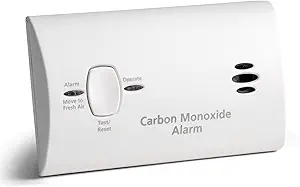 |
| Top Rated A top-rated pick with lots of positive feedback | Forensics Detectors FD-101-CO |  |
| Most Popular A crowd favorite that many people choose with confidence | Klein Tools ET110 CO Meter |  |
| Best Seller A high-volume bestseller chosen again and again | Kidde CO Detector COB |  |
TOPTES CT-913 Carbon Monoxide Detector

| Detection range | 0–1000 ppm |
|---|---|
| Sensor type | UK DDS electrochemical sensor |
| Battery | 4000mAh rechargeable |
| Alarm | Audible, Visual, Vibration |
The TOPTES CT-913 is a handheld CO detector aimed at travel, field inspections, and workshops where quick, portable readings are needed. It measures 0–1000 ppm and shows real-time values on a TFT color display plus a trend graph so you can see concentration changes over time. An upgraded UK DDS electrochemical sensor promises fast response and consistent readings, and the unit stores alarm records for later review. For alerts it uses audible, visual, and vibration alarms that can be tailored with configurable thresholds, and the display has adjustable brightness and auto screen-off to save battery. The CT-913 runs on a built-in 4000mAh rechargeable battery rated for about 60 hours, and charges via USB-C so you can top it up easily while traveling. It is housed in durable ABS and ships with a storage case and cable. Expect a well-featured portable detector that favors convenience and professional-style readouts, though it is a single-device solution best for spot checks rather than whole-home wired monitoring systems.
Best for: Buyers who need a portable, professional-style CO meter for inspections, camping, RV use, or spot checks and who value accurate live readings and long battery life.
Less Ideal for: People looking for a hardwired or permanently mounted whole-home carbon monoxide alarm with interconnect capability should choose a different product.
- Wide 0–1000 ppm detection range with real-time numeric readout and trend graph for clear situational awareness
- Triple alarm modes (audible, visual, vibration) with customizable thresholds for versatile alerts
- Long 4000mAh rechargeable battery offering about 60+ hours of operation per charge with USB-C charging
- Upgraded electrochemical sensor for fast response and dependable accuracy
- Includes storage case and records alarm history for inspection use
- Not designed to replace a permanently installed home CO alarm or interconnected systems
Verdict: Choose the CT-913 when you want a rechargeable, handheld CO detector with a wide measurement range, trend graph, and professional alarm options for spot checks and inspections.
Forensics Detectors FD-90A CO Meter

| Gas Detected | Carbon Monoxide (CO) |
|---|---|
| Detection Range | 0-1000 ppm |
| Resolution | 1 ppm |
| Sensor Type | Electrochemical |
| Calibration | USA NIST traceable |
The FD-90A CO meter is a compact, professional handheld detector designed for fast, accurate carbon monoxide readings from 0 to 1000 ppm with 1 ppm resolution. It uses an electrochemical sensor with a response time under 30 seconds and arrives factory calibrated to USA NIST traceable standards, which makes it suitable for inspections, occupational safety checks, and field troubleshooting. The unit offers adjustable audio, visual, and vibration alarms plus a backlit LCD and temperature readout for clear results in varied conditions. It is ruggedized for fieldwork with shock, dust, water, and explosion protection and includes a stainless steel belt clip and USB recharge cable for on-the-go use. Battery life and charging are practical for day use, though heavier continuous monitoring would require periodic recharging. Calibration capability and included calibration document let you maintain measurement confidence, but sensor life is limited by typical electrochemical replacement intervals. For a buyer focused on reliable, calibrated performance in a portable package, this meter delivers professional-level detection in real-world use.
Best for: Technicians, inspectors, and performance-focused buyers who need a portable, calibrated CO meter for accurate spot checks and field diagnostics.
Less Ideal for: Users seeking permanent continuous monitoring solutions or very long unattended logging without periodic recharging and sensor maintenance.
- USA NIST-traceable factory calibration for measurement confidence
- Electrochemical sensor with 0–1000 ppm range and 1 ppm resolution
- Multiple alarm modes: audible, visual LED, and vibration
- Rugged build with dust, water, shock, and explosion protection and belt clip
- Rechargeable battery with included USB cable and backlight LCD for field use
- Battery average life listed at 10 hours may require recharging during long shifts
- Sensor life limited to typical electrochemical replacement intervals (2–3 years)
Verdict: Buy this if you need a rugged, NIST-calibrated handheld CO meter that delivers professional-grade spot measurements in the field.
TOPTES CT-580 Carbon Monoxide Detector

| Power Source | Battery Powered (USB-C rechargeable) |
|---|---|
| Sensor Type | Electrochemical |
| Alarm | Audible, visual indicator, vibration |
The TOPTES CT-580 is a portable CO detector built for on-the-go checks and basic professional use. It measures 0 to 1000 ppm with a fast-response electrochemical sensor and displays readings on a color TFT screen, which makes concentration changes easy to read at a glance. The unit offers three simultaneous alarm modes—audible, visual indicator, and vibration—so it alerts reliably in noisy or low-visibility situations, and it stores alarm history and supports zero and standard gas calibration for more controlled environments. Practical touches include adjustable screen brightness, auto screen-off, a built-in flashlight, and USB-C rechargeable power so you do not need to replace disposable batteries. The CT-580 ships with a protective case and charging cable and is certified by a national lab, which helps with confidence in measurements. Downsides are typical of compact detectors: it is a single-sensor handheld tool rather than a fixed household alarm and lacks networked alerts or smart-home integration, so use it as a spot-check or portable safety device rather than a home-wide monitoring solution.
Best for: Buyers who want a reliable, portable CO spot-check tool for occasional home safety checks, travel, or professional inspections and value fast readings and on-device controls over networked features.
Less Ideal for: People seeking a permanent, whole-house CO alarm system with continuous monitoring, automatic home alerts, or smart-home integration should look elsewhere.
- Electrochemical sensor with 0–1000 ppm range and fast 0.3s response for quick, accurate spot checks
- Three simultaneous alarm modes (audible, visual, vibration) improve detectability in varied conditions
- Rechargeable via USB-C with adjustable brightness and auto screen-off for longer field use
- Includes alarm history and calibration options useful for professional checks and record keeping
- Portable design with protective case and built-in flashlight for camping, travel, or inspections
- Not a fixed home alarm and does not provide continuous room monitoring or remote alerts
- No smart-home connectivity or companion app for remote notifications
Verdict: Choose the CT-580 if you need a fast, certified handheld CO detector for portable spot checks and inspections with rechargeable convenience.
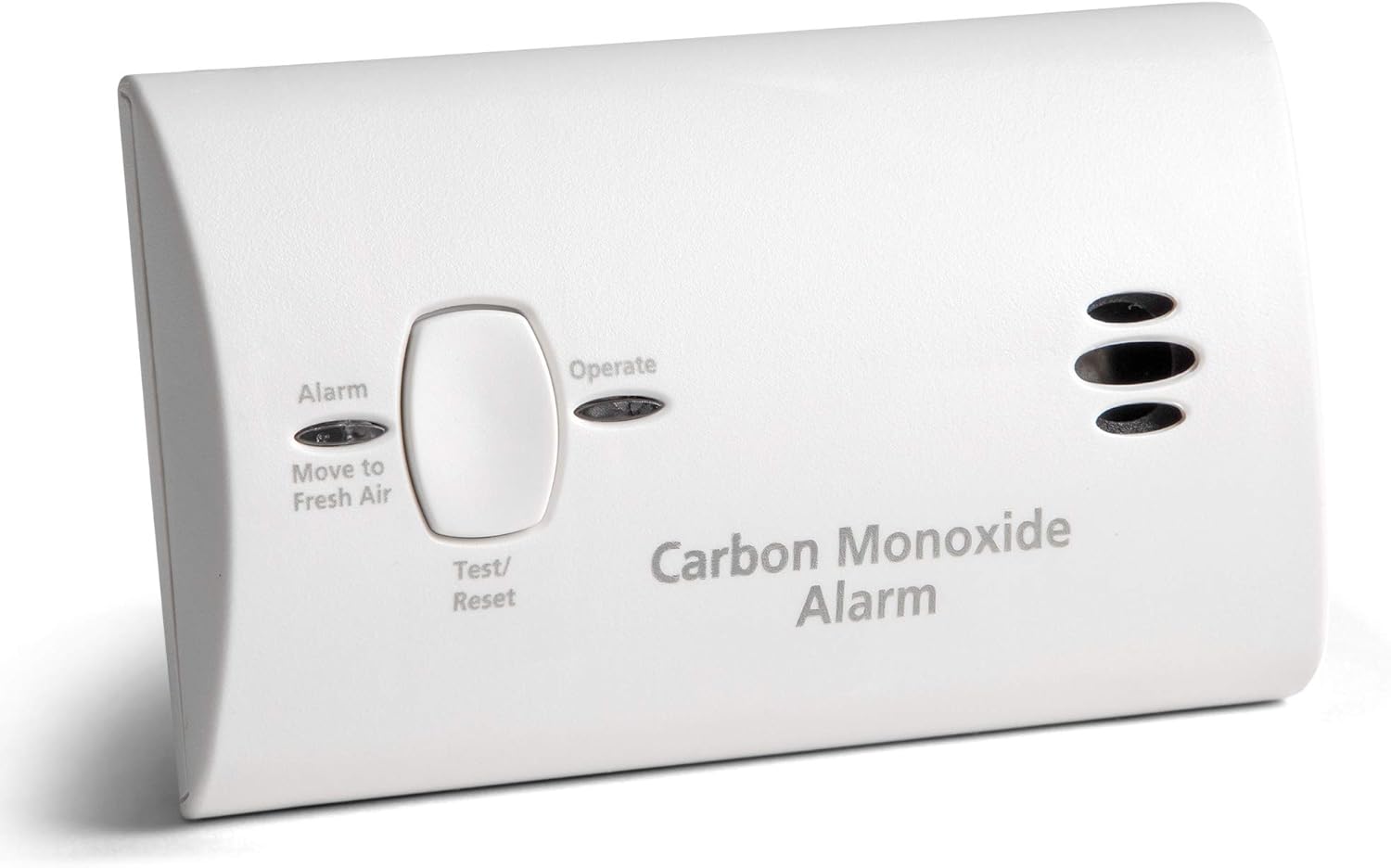
Kidde Carbon Monoxide Detector KN-COB-LP2
| Power Source | Battery Powered (2 AA) |
|---|---|
| Alarm | 85 dB Audible |
| Operating Humidity | 10 to 95% RH, non-condensing |
| Product Style | 3rd Edition |
The Kidde KN-COB-LP2 is a compact, battery-powered carbon monoxide detector designed for easy use at home or while traveling. It uses an electrochemical sensor to detect CO and runs on two AA batteries, so there is no wiring required and the unit remains active during power outages. The detector can be wall-mounted or set on a tabletop and offers straightforward status LEDs: green for power and red plus an 85 dB audible alarm when CO is detected. A test-reset button and a hush feature make it simple to verify operation and silence nuisance chirps temporarily, and event memory logs the last CO detection or test. Practical benefits include portability, quick installation, and dependable basic detection without relying on house wiring. Limitations are that it lacks a digital CO concentration readout and networked alerts, so it provides alerting rather than detailed monitoring or smart integration.
Best for: Buyers who want an affordable, no-fuss handheld CO alarm for short-term use, travel, or supplementing existing detectors with an extra portable unit.
Less Ideal for: Households seeking a primary monitor with detailed CO readings, integrated home monitoring, or multi-unit interconnectivity should consider more advanced models.
- Portable, battery-powered design works without wiring and during power outages
- Electrochemical sensor provides reliable CO detection
- Simple LEDs plus an 85 dB alarm make status and alerts easy to interpret
- Test-reset and hush functions allow quick checks and temporary silence of warnings
- No digital concentration display to show CO ppm levels
- Lacks smart connectivity or remote alerting capabilities
Verdict: A straightforward, budget-friendly portable CO detector that delivers reliable alarms and easy installation for travel or supplemental home use.
Forensics Detectors FD-101-CO

| Gas Detected | Carbon Monoxide (CO) |
|---|---|
| Range | 0 – 1000 ppm |
| Resolution | 1 ppm |
| Protection Category | IP67 |
| Operational Time | 24 months |
The FD-101-CO is a portable CO detector built for demanding environments and routine spot checks. It uses an electrochemical sensor with 1 ppm resolution across a 0–1000 ppm range and ships factory-calibrated with a USA NIST traceable certificate, which simplifies deployment for safety inspections. The unit is compact and ruggedized with IP67 waterproofing, a rubberized housing, and a 10-foot drop rating, so it stands up to jobsite use. Alerts come through a triple system of buzzer, LED, and vibration and include adjustable setpoints for OSHA TWA and STEL, so you can monitor both instantaneous and exposure limits. The sealed ER14335 lithium battery is rated to last about two years, making this effectively disposable for low-maintenance applications. Limitations are the lack of user-replaceable sensor or battery and basic display functionality compared with larger bench instruments, so it is best as a reliable field spot-check tool rather than a full-featured continuous monitor.
Best for: Buyers who prioritize dependable, ready-to-use CO readings for field inspections, jobsite safety checks, or occupational compliance and want a low-maintenance, rugged handheld instrument.
Less Ideal for: Users who need a continuous fixed-install CO monitor, frequent long-term calibration servicing, or a device with rechargeable battery and advanced logging features should consider other instrument types.
- Factory calibration with USA NIST traceable certificate for dependable accuracy
- Electrochemical sensor with 1 ppm resolution across 0–1000 ppm for precise spot readings
- Rugged IP67 waterproof housing and 10 ft drop resistance for harsh conditions
- Triple-alert system (buzzer, LED, vibration) and adjustable OSHA-compliant alarm setpoints
- Long sealed battery life (~24 months) reduces maintenance and downtime
- Sealed disposable battery and sensor mean no user-replaceable battery or long-term sensor servicing
- Limited display and feature set compared with larger, powered monitors
Verdict: A factory-calibrated, rugged handheld CO detector designed for reliable, low-maintenance spot checks and jobsite safety monitoring.
Klein Tools ET110 CO Meter

| Model Number | ET110 |
|---|---|
| Power Source | Battery Powered |
| Alarm | Audible and Visual |
| CO Range | 0 to 1000 ppm |
The Klein Tools ET110 is a compact handheld carbon monoxide meter designed for technicians who need on-the-spot CO readings. It measures CO concentration in ppm and also displays temperature in Fahrenheit or Celsius on a backlit LCD, which makes it usable in dim workspaces. The unit provides both audible and visual alarms and includes two preset exposure thresholds (low at 35 ppm and high at 200 ppm) so you get immediate alerts when levels exceed safety limits. It runs on four AAA batteries, ships with a carrying pouch for transport, and has an auto power-off to conserve battery when idle. The meter is built as a field tool rather than personal protective equipment, so it is best used for spot checks, HVAC inspections, and troubleshooting rather than continuous personal monitoring. Its meter form factor and bright orange enclosure help it stand out on a job site, but users should understand this is a professional spot-measurement device and not intended as a replacement for permanently installed alarms or continuous wearable monitors.
Best for: Technicians and safety-conscious buyers who need a portable, professional-grade meter for spot-checking CO levels during HVAC service, inspections, or site troubleshooting.
Less Ideal for: People seeking a continuous home CO alarm or wearable personal monitor for 24/7 protection should choose a dedicated residential detector or personal alarm instead.
- Measures CO concentration and temperature on a single handheld display
- Backlit LCD and audible plus visual alarms for clear alerts in low light
- Two preset exposure alarm thresholds for quick safety assessment
- Includes batteries and a carrying pouch for immediate field use
- Auto power-off helps conserve battery during idle periods
- Not intended for continuous personal protection or as a fixed home alarm
- No listed specifications for sensor life or calibration interval
Verdict: A rugged, job-site ready handheld meter that gives fast, easy CO and temperature readings with audible and visual alarms for professional spot checks.
Kidde CO Detector COB

| Power Source | Battery Powered |
|---|---|
| Alarm | Audible, Visual |
| Sensor Type | Electrochemical |
The Kidde COB is a straightforward, lightweight carbon monoxide detector intended for everyday home use and short-term travel. It uses an electrochemical sensor to monitor CO levels and emits a loud 85 dB alarm plus changing LED lights to signal status, and a Test/Hush button for quick checks or temporary silencing. The unit runs on two AA batteries included with the package, so it installs without wiring and continues working during power outages, and it can be wall mounted or set on a tabletop for flexible placement. Meeting UL 2034 5th Edition and ETL listings, the detector provides the basic features most buyers need: clear audible and visual alerts, a reliable sensor type, and a compact form that is easy to move between rooms or pack for trips. Limitations include its non-rechargeable AA power (you must replace batteries) and the lack of smart connectivity or advanced memory logging, so it is best as a simple, dependable monitor rather than a data-tracking device.
Best for: Buyers who prioritize reliable, easy-to-use CO protection and want a compact, portable unit they can mount or carry between rooms or travel with.
Less Ideal for: People seeking networked monitoring, remote alerts, or long-life sealed batteries should consider detectors with smart connectivity or built-in 10-year power solutions instead.
- Electrochemical sensor for dependable CO detection
- Loud 85 dB alarm with LED status lights for clear audible and visual alerts
- Battery-powered with two AA batteries and portable, no wiring required
- Test/Hush button for easy testing and temporary silencing of nuisance alarms
- Uses replaceable AA batteries rather than a long-life sealed battery or rechargeable pack
- No smart features or event logging for remote alerts or history review
Verdict: A simple, portable CO detector that delivers reliable audible and visual alerts for risk-averse buyers who want dependable, no-frills protection at home or on the go.
Choosing the Right Handheld Carbon Monoxide Detector: Key Factors to Consider
Sensor Type and Accuracy
The sensing technology is the single most important factor for handheld carbon monoxide detectors. Electrochemical sensors are common in modern handheld units because they respond proportionally to CO concentrations and maintain calibration longer than semiconductor or catalytic sensors.
Accuracy affects whether the unit reliably distinguishes between safe background levels and concentrations that require action. Look for detectors that specify an accuracy range or reference standards used for calibration. For handheld use, consistent readings across temperature and humidity swings are also important because portable monitors are used in many environments.
Alarm Response and Visibility
A fast, unmistakable alarm is essential. Response time measures how quickly the detector raises an alert after CO levels rise. Handheld detectors intended for quick checks should trigger promptly at hazardous concentrations so you can act without delay.
Alarm visibility matters too. Look for models with both a loud audible alarm and bright visual indicators. In noisy or outdoor settings, the visual alert or vibration option can make the difference between noticing a warning and missing it.
Battery Life and Power Flexibility
Because handheld detectors are often used intermittently or while traveling, battery life and how the device is powered are key practical concerns. Longer battery life reduces the chance of a dead unit when you need it, and easily replaceable batteries are helpful for fieldwork.
Some detectors offer rechargeable batteries or multi-mode power options. Consider how often you will use the unit and whether you prefer disposable cells for quick swaps or rechargeable packs for frequent use. Power-saving features like auto-off or sleep modes can extend runtime without sacrificing readiness.
Durability and Ergonomics
Handheld detectors need to withstand being carried, set down, and occasionally dropped. Rugged housings, rubberized grips, and secure battery compartments increase longevity. Weather resistance or IP-rated sealing is beneficial if you plan to use the detector outdoors or in damp spaces.
Ergonomics influence how easily you can hold, aim, and read the unit during quick checks. Lightweight designs with intuitive button layouts and visible screens make the device faster to operate under stress.
Display, Alerts, and User Interface
A clear display that shows CO concentration numerically and indicates units is useful for documenting readings. Backlit screens improve readability in low light. Simple user interfaces reduce the chance of configuration errors and speed up spot checks.
Menus and secondary features should not complicate basic operation. Look for one-touch testing or mute functions for non-critical alerts, plus obvious status indicators for sensor health, calibration, and battery level.
Certification and Self-Test Features
Certifications and built-in self-tests add confidence that the detector will function when needed. While handheld units may not carry the same certifications as fixed residential alarms, devices that perform automatic self-checks or provide clear end-of-life notifications help you avoid false security.
Regular self-test routines, visible pass/fail indicators, and clear instructions for periodic checks are practical features that support long-term reliability.
When To Use a Handheld Detector Versus a Fixed Alarm
Handheld carbon monoxide detectors are designed for spot checks and portable monitoring rather than continuous household protection. Use a handheld unit to quickly scan areas when you suspect a leak, to test rental properties, or to carry while traveling in older accommodations or near fuel-burning appliances.
Fixed alarms remain the primary safety layer for ongoing protection inside living spaces. A handheld unit complements, but does not replace, permanently installed alarms because it provides mobility and convenience for intermittent checks.
- Portable spot checks in garages, campsites, or hotel rooms
- Pre-inspection of HVAC, furnaces, or vehicle cabins
- Temporary monitoring during maintenance or appliance testing
Interpreting Readings and Taking Action
Know how to interpret concentration readings. Low background levels are normal, but sustained or rising concentrations above recommended exposure thresholds warrant immediate action. Handheld detectors often display numeric parts-per-million values and may have tiered alarm thresholds to indicate increasing severity.
If a handheld detector indicates elevated CO, move people to fresh air, ventilate the area if safe to do so, and seek professional inspection for fuel-burning appliances. Use the handheld device to identify entry points or to monitor whether levels are decreasing after ventilating.
- Treat any audible alarm seriously and evacuate if occupants are symptomatic
- Re-check after ventilation to confirm levels fall to background
- Record readings and timestamps when monitoring recurring issues
Maintaining and Testing Your Handheld Detector
Regular maintenance ensures a handheld CO detector remains reliable over time. Check battery level indicators before planned use and carry spare batteries if you will be away from power for extended periods. Follow the manufacturer-recommended schedule for bump tests or functional checks.
Keep the sensor area clean and free of dust or debris. Avoid exposing the unit to solvents or excessive moisture. If your detector offers an electronic self-test, perform it periodically and note any warning lights or end-of-life indicators.
- Perform a quick functional test monthly if used frequently
- Replace batteries before long trips and store the unit in a dry place
- Follow calibration or sensor replacement guidance if offered
Features That Matter for Travel and Field Use
For travel, prioritize compact size, light weight, and long battery life. A rugged carry case can protect the detector during transit. Backlit displays, vibration alerts, and lockable buttons reduce accidental changes and improve usability in unfamiliar settings.
Field users such as inspectors should look for units with durable housings, clear numeric readouts, and simple calibration checks to ensure the device performs reliably across multiple sites.
- Compact form factor and clip or lanyard attachment points
- Rechargeable options with USB charging for modern convenience
- Clear battery and sensor status indicators for on-the-go confidence
Understanding Alarm Thresholds and Standards
Alarm thresholds vary by device and intended use. Handheld detectors often use established exposure guidelines to define warning levels, but the absolute numbers and how the device communicates cumulative exposure differ by unit. Pay attention to whether the detector indicates instantaneous peaks or averaged exposure over time.
Familiarize yourself with the threshold behavior of any handheld detector you choose so you understand whether an alarm reflects an immediate danger or a longer-term exposure concern. This helps you prioritize rapid evacuation versus continued monitoring and professional evaluation.
- Instant peak alarms for acute high concentrations
- Averaged alarms to indicate prolonged exposure
- Clear labeling of concentration units and thresholds
How We Chose the Best Handheld Carbon Monoxide Detector
We focused editorial selection on features that most affect real-world handheld carbon monoxide monitoring. Primary evaluation criteria included sensor accuracy and calibration stability, response time and alarm clarity, battery life and power options, physical durability and portability, and user interface simplicity for quick checks under stress. We prioritized detectors using proven electrochemical sensing elements because they offer more consistent readings across temperature and humidity ranges than older sensor types. Response time and alarm volume were tested conceptually against the need to warn an occupied space quickly and clearly. Battery runtime and easy power replacement were necessary for a device intended for travel or intermittent use. Durability and ergonomics matter because many handheld units are used in varied environments and may be subject to drops or rough handling. We excluded products designed only for permanent installation or multi-gas professional analyzers that are not optimized for handheld CO spot checks. The result is a shortlist of portable detectors that balance reliable readings, quick alerts, and practical battery and durability characteristics.
Our full evaluation process is outlined in our review methodology.
FAQ
How accurate are handheld carbon monoxide detectors compared with wall-mounted alarms?
Handheld detectors with quality electrochemical sensors can be similarly accurate for spot checks, but they may not provide continuous monitoring. Wall-mounted alarms are optimized for long-term residential detection and placement rules, while handhelds are best for portability and targeted inspections.
How often should I test a handheld CO detector?
Test a handheld detector before each extended trip or at least monthly if used regularly. Many units include self-test functions that should be run periodically to confirm alarm and sensor operation.
Can I use a handheld detector to certify a space is safe after appliance maintenance?
A handheld detector is useful for immediate post-maintenance checks, but it should be part of a broader inspection. For formal certification or persistent issues, a qualified technician using calibrated equipment is recommended.
What battery type is best for a handheld CO detector?
The best battery type depends on your use pattern. Disposable alkaline batteries are convenient for long storage and quick replacement, while rechargeable packs or USB-chargeable units are better for frequent use. Prioritize units with clear battery-level indicators.
Will humidity or temperature affect handheld detector readings?
Extreme temperature and high humidity can influence some sensors. Devices with electrochemical sensors are generally less sensitive to environmental swings, but you should consult operating temperature ranges and avoid taking readings in conditions outside the specified limits.
Final Verdict
Handheld carbon monoxide detectors are a practical complement to fixed alarms when you need mobility, quick spot checks, or temporary monitoring. Prioritize sensor accuracy, fast alarms, and dependable power for a portable unit you can trust in varied environments. Balance portability and durability with clear displays and self-test features to ensure consistent, actionable readings. Choose a model that matches how you will use it most often. If you need frequent field checks, emphasize ruggedness and battery flexibility. For occasional travel or home spot checks, lean toward compact designs with reliable sensors and straightforward operation.