
Note: This article contains affiliate links. If you click on these links and make a purchase, we may earn a small commission at no extra cost to you. This helps support our research and content. Read our full affiliate disclosure here.
If you work with thick fabrics, sew repeatedly, or want a dependable machine for repairs and home projects, choosing a heavy-duty mechanical sewing machine matters. These machines prioritize metal frames, stronger motors, and straightforward mechanical controls so you can power through denim, canvas, upholstery, and multiple layers without constant adjustments. This guide shortlists the top picks for heavy-duty mechanical sewing machines and explains what makes each option suitable for demanding tasks. We evaluate stitch consistency, build durability, ease of maintenance, and accessory compatibility. Read on to find a machine that matches your workload and sewing habits.
Top Picks at a Glance
| Best Quality Built to a higher standard if you want something more solid | Janome HD3000 Heavy-Duty Sewing Machine |  |
| Best Value The sweet spot between price and what you get | Brother ST371HD Sewing Machine |  |
| Top Rated A top-rated pick with lots of positive feedback | SINGER Heavy Duty 4423 |  |
| Most Popular A crowd favorite that many people choose with confidence | SINGER Heavy Duty 4432 |  |
| Best Seller A high-volume bestseller chosen again and again | VEVOR JK9808T Industrial Sewing Machine |  |
Janome HD3000 Heavy-Duty Sewing Machine
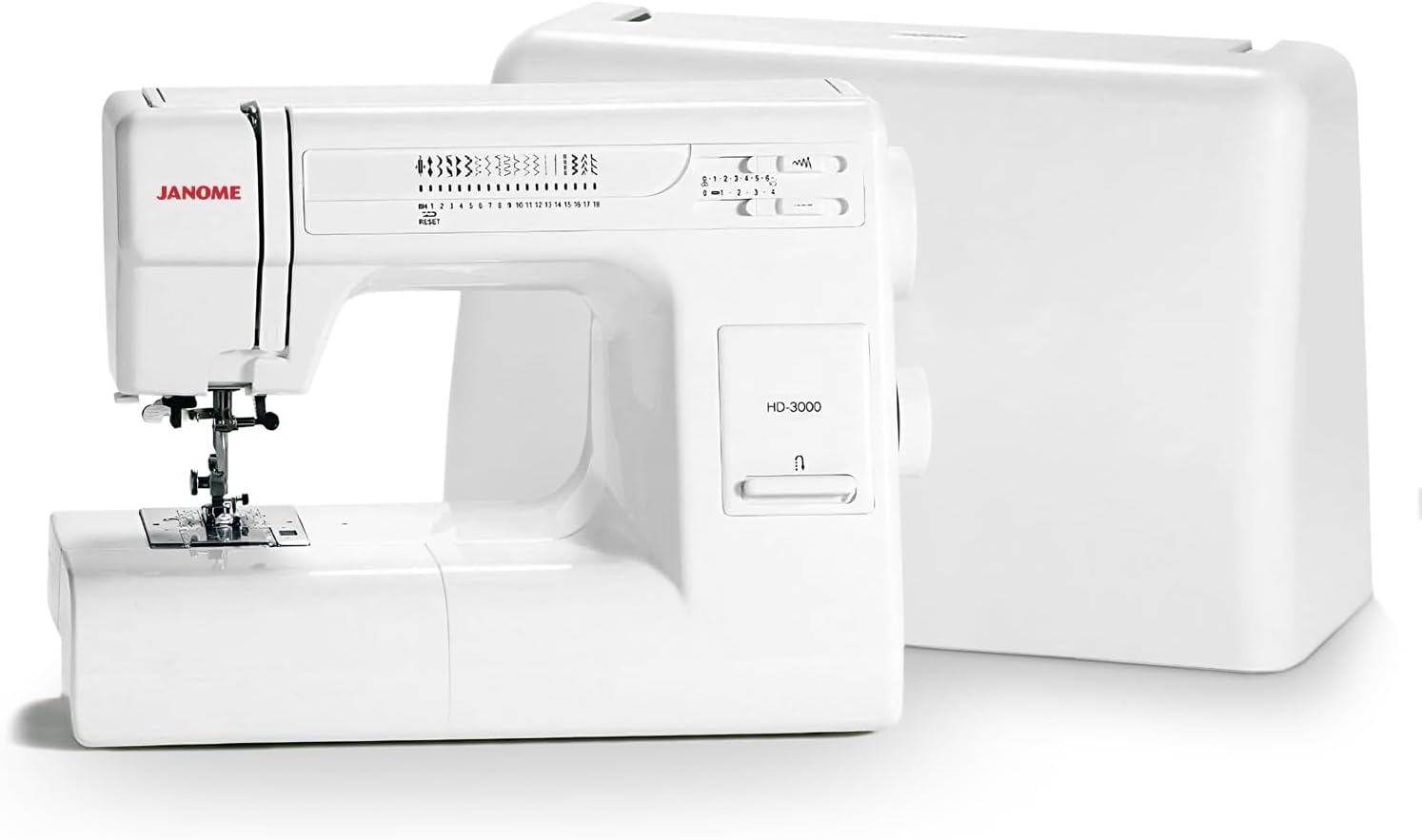
| Model Number | HD3000 |
|---|---|
| Brand Name | Janome |
| Power Source | Corded Electric |
| Included Components | Foot Control, Power Cord, Standard Accessories |
| Material | Aluminum, Plastic |
The Janome HD3000 is a straightforward heavy-duty mechanical machine built for reliable, no-frills sewing. It offers 18 built-in stitches including a one-step buttonhole, a built-in needle threader, snap-on presser feet, manual thread tension adjustment, and a push-pull bobbin winder, so it covers most garment and home-sewing tasks. The metal/aluminum construction and high presser foot clearance make it well suited to thicker fabrics and repeated use, and the included hard carrying case and foot control make setup and transport simple. Use is typical: select a stitch, adjust tension and presser foot pressure for the fabric, wind the bobbin, and sew; reverse stitching is available for secure seams. Limitations include its mechanical controls—there is no digital stitch memory or electronic speed control—so it favors sewists who prefer tactile dials and robust build over programmable features. Stitch width and length are adjustable manually and the machine lacks specialized automatic features found on higher-end computerized models. For buyers who want a durable, capable mechanical machine for frequent projects, the HD3000 delivers dependable performance.
Best for: Practical sewists who prioritize durable, performance-oriented mechanical construction for frequent garment and home-sewing projects and who prefer tactile controls over computerized features.
Less Ideal for: Users who want advanced computerized features, touchscreen controls, or automated stitch customization should consider a computerized machine instead.
- Metal/aluminum heavy-duty construction for durability with thicker fabrics
- 18 built-in stitches plus one-step buttonhole cover common sewing needs
- Built-in needle threader and snap-on presser feet speed setup and foot changes
- Includes hard carrying case, foot control, and standard accessories for portability and ready use
- Mechanical controls lack computerized stitch programming or automatic stitch selection
- No electronic speed control or advanced automation found on computerized models
Verdict: Buy this if you want a rugged, performance-focused mechanical sewing machine that handles frequent use and heavier fabrics without the complexity of computerized models.
Brother ST371HD Sewing Machine

| Built-in stitches | 37 |
|---|---|
| Power source | Corded Electric |
| Input voltage | 120 volts |
| Included feet | 6 |
The Brother ST371HD is a strong, mechanical sewing machine built to handle everyday projects and heavier materials like denim, leather, and canvas. It offers 37 utility and decorative stitches plus an auto-size one-step buttonhole, a jam-resistant drop-in top bobbin, built-in needle threader, and a free arm for cuffs and sleeves. The metal needle plate and heavy-duty needles help feed thick fabrics smoothly, and the included six presser feet give you options for zippers, blind hems, nonstick surfaces, and more. With a top speed around 800 stitches per minute and a simple dial-based stitch selection, the ST371HD is straightforward to use for beginners yet durable enough for frequent use. Limitations are its mechanical controls rather than a computerized interface and the lack of advanced features like an LCD or speed tapering, so stitch customization is basic. For users who want a reliable, no-frills workhorse that handles heavy fabrics without fuss, this machine delivers solid performance.
Best for: Buyers who prioritize a durable, straightforward machine that can regularly sew and repair garments and heavier fabrics without needing computerized bells and whistles.
Less Ideal for: Anyone seeking a feature-rich computerized machine with an LCD, advanced stitch editing, or automated embroidery capabilities should look elsewhere.
- Durable metal needle plate and metal interior for stability with heavy fabrics
- 37 built-in stitches including an auto-size one-step buttonhole for common sewing tasks
- Jam-resistant drop-in top bobbin and automatic bobbin winder for easier setup
- Included six presser feet provide ready-to-use options for zippers, blind hems, nonstick fabrics, and buttonholes
- Mechanical controls limit fine tuning and advanced stitch customization
- No digital display or computerized features for automated stitch programming
Verdict: Choose the ST371HD when you want a sturdy, no-frills mechanical workhorse that reliably handles heavy fabrics and common sewing tasks.
SINGER Heavy Duty 4423

| Built-in stitches | 23 |
|---|---|
| Stitch applications | 97 |
| Max sewing speed | 1,100 stitches/min |
| Power source | Corded Electric |
| Input voltage | 120 volts |
The SINGER Heavy Duty 4423 is a mechanical sewing machine built around a strong motor and metal interior frame to tackle thick fabrics and frequent use. It offers 23 built-in stitch patterns that translate to 97 stitch applications, a top drop-in bobbin for easy monitoring, and an automatic needle threader to speed setup. With a maximum speed of 1,100 stitches per minute and a motor rated noticeably stronger than standard consumer models, it powers through denim, canvas, and multiple layers without bogging down. The stainless steel bed plate helps fabric feed smoothly and the included presser feet and accessories cover common tasks from zippers to buttonholes. Trade-offs are its mechanical controls rather than digital programmability and modest LED lighting instead of a larger work lamp, so stitch selection and fine adjustments are manual. For someone who wants a straightforward, hard-working machine that emphasizes durability and sewing power, the 4423 is a practical choice; users seeking touchscreen features or a wider built-in stitch library may prefer a different model.
Best for: Buyers who prioritize a durable, no-nonsense machine that reliably handles heavy fabrics and frequent projects and who prefer manual controls over digital features.
Less Ideal for: If you want a touchscreen interface, extensive built-in stitch patterns, or automated stitch programming, a computerized machine would be a better fit.
- Robust motor with high sewing speed for faster project completion
- Heavy-duty metal interior frame for long-term stability and skip-free stitching
- Top drop-in bobbin and automatic needle threader simplify setup and maintenance
- Includes several presser feet and accessories for common sewing tasks
- Mechanical controls lack digital programming or memory functions
- Limited built-in stitch count compared with computerized models
Verdict: Choose the 4423 when you need a sturdy, high-speed mechanical sewing machine that consistently handles heavy fabrics and regular use.
SINGER Heavy Duty 4432

| Built-in stitches | 32 |
|---|---|
| Max stitch speed | 1,100 stitches per minute |
| Bobbin type | Top drop-in, clear cover |
| Power source | Corded Electric |
The SINGER Heavy Duty 4432 is a mechanical sewing machine built to handle demanding home sewing projects from denim repairs to home decor. It uses a robust metal frame and a powerful motor to push the needle through thicker fabrics, with a top drop-in bobbin, stainless steel bed plate, and a built-in needle threader for easier setup. You get 32 stitches and one-step buttonhole capability that cover basic garment construction, decorative seams, and utility stitches, plus an included set of presser feet and accessories to get started. The machine reaches up to 1,100 stitches per minute, which speeds up long seams and multi-piece projects, though the faster pace can feel loud and requires steady speed control. Its mechanical controls are simple and reliable but lack computerized stitch memory or automatic tension fine-tuning, so stitch adjustments are manual and better suited to users comfortable tweaking settings. Overall it delivers strong, no-frills performance for heavy fabrics and everyday sewing needs.
Best for: Buyers who want a proven, durable mechanical machine that reliably handles heavy fabrics and frequent sewing and who value long-term reliability supported by many user reviews.
Less Ideal for: Sewers who want touchscreen controls, automatic tension, or extensive computerized stitch programming should look at computerized models instead.
- Heavy-duty metal frame for stability and durability
- Powerful motor with up to 1,100 stitches per minute for fast sewing
- Top drop-in jam-proof bobbin with clear cover for easy monitoring
- Includes a useful accessory kit and multiple presser feet to start projects
- Built-in needle threader and one-step buttonhole simplify common tasks
- No computerized features or automatic tension control requires manual adjustments
- Can be relatively loud at high speed compared with lighter machines
Verdict: Choose the SINGER 4432 if you need a straightforward, heavy-duty mechanical machine that reliably powers through thick fabrics and long projects.
VEVOR JK9808T Industrial Sewing Machine

| Power | 550W servo motor |
|---|---|
| Stitch speed | 5000 SPM |
| Presser lift | 0.3 in manual, 0.5 in knee lifter |
| Noise level | ≤80 dB |
| Power source | AC |
The VEVOR JK9808T is a commercial lockstitch sewing machine kit built for high-speed, heavy-duty work. Driven by a 550W servo motor it claims up to 5000 stitches per minute and is designed to handle thick materials such as multiple layers of denim, leather, and canvas. The machine includes practical shop features: an LCD for speed and needle position control, soft start, automatic thread trimming, one-touch reverse, knee lifter for hands-free presser control, LED task light, widened worktable and a storage drawer. Its metal frame, automatic lubrication and oil window support continuous use in a production-like setting, while the quoted noise level under 80 dB keeps a workshop from getting too loud. Expect a learning curve for tension and timing adjustments typical of industrial heads, and the unit is large and heavy so it needs a permanent workspace and occasional maintenance. For buyers who need high throughput on heavy fabrics, it delivers factory-style performance at a lower cost than purpose-built OEM lines.
Best for: Buyers who want a robust, production-capable lockstitch machine for heavy fabrics and small-scale workshop use and who prefer a complete table-mounted kit that can run long jobs reliably.
Less Ideal for: Casual hobbyists or occasional home sewers who need a lightweight, portable or low-maintenance machine should consider simpler domestic models instead.
- High-speed servo motor rated up to 5000 SPM for fast production sewing
- Built metal frame with automatic lubrication for durable, continuous use
- LCD controls for speed, needle up/down and soft start for precise adjustments
- Automatic thread trimmer, one-touch reverse and knee lifter streamline workflow
- Large, heavy unit requires a dedicated workspace and upkeep
- Industrial machines typically need setup and tuning that can be challenging for beginners
Verdict: Choose the VEVOR JK9808T if you need an affordable, factory-style lockstitch machine that can handle heavy fabrics and high-throughput workshop use.
Choosing the Right Heavy-Duty Mechanical Sewing Machine: Key Factors to Consider
Frame and Chassis Construction
A rigid frame reduces vibration and prevents the needle and feed dogs from misaligning when tackling multiple layers of heavy material. Machines with metal chassis or significant internal reinforcement hold settings more reliably and produce more consistent stitches under load. A sturdier build also tends to last longer with frequent use, which is essential if you repair upholstery, sew canvas bags, or work with heavy denim.
Lightweight plastic bodies may be quieter or less expensive but they can flex during aggressive sewing, causing skipped stitches or timing issues. Inspecting construction details and how parts are mounted gives a practical sense of which machines are designed for hard use.
Motor Power and Torque
Power ratings alone do not tell the whole story because torque at low speeds is what forces the needle through layers. Higher-torque motors maintain feed and stitch formation when you slow down for corners or thick seams. For frequent heavy-fabric sewing, prioritize machines specified for higher torque or those described for canvas, leather, or upholstery work.
Also consider how the motor behaves under stall conditions. A motor that bogs down or stalls will produce irregular stitches and may stress internal components. Machines with clutch-style or reinforced drive systems tend to handle tough materials with less strain.
Presser Foot Pressure and Feed System
Adjustable presser-foot pressure and a robust feed system are critical when moving irregular or thick materials. Being able to increase pressure helps maintain even fabric advance, while decreasing pressure prevents crushing delicate layers. Look for machines with multiple feed dog heights or alternative feeding options such as walking feet compatibility for especially tricky stacks.
An inconsistent feed can cause puckering, uneven seam allowances, or skipped stitches. The ability to swap to specialized feet and to fine-tune pressure gives you control when switching between light and heavy projects.
Needle and Bobbin Capacity
Heavy fabrics require heavier needles and sometimes larger bobbins to accommodate thicker threads. Machines that accept a range of needle sizes and have user-friendly bobbin access reduce setup time and make heavier threads practical for long seams. A larger or higher-capacity bobbin means fewer changes during long sewing runs and is particularly useful for upholstery, bag making, or production-style tasks.
Also check whether the machine supports industrial-style or heavy-duty needles without modification. Machines that limit needle size or thread thickness will hamper heavy-fabric projects.
Serviceability and Parts Availability
Frequent heavy use increases the need for routine maintenance and occasional part replacement. Machines with straightforward, user-serviceable parts, accessible tension assemblies, and replaceable gears or belts simplify preventive care and repairs. Clear owner manuals and simple disassembly reduce downtime for owners who prefer to perform basic maintenance themselves.
If a machine requires specialized service or has sealed components that cannot be accessed, expect higher repair costs and longer wait times. Consider how easy it will be to get replacement needles, presser feet, or bobbins locally.
Who Needs a Heavy-Duty Mechanical Sewing Machine
These machines are designed for people who regularly work with thick or layered materials such as denim, canvas, leather, or upholstery. If you alter outdoor gear, mend heavy garments frequently, make tote bags, or handle home-decor sewing that uses dense fabrics, a heavy-duty mechanical machine will save time and reduce frustration.
They are also a good choice for hobbyists who prefer a simple, mechanical interface without computerized menus. Mechanical controls often make it faster to change stitch length and tension on the fly when dealing with variable fabric thicknesses.
- Frequent mending or alterations of heavy garments
- Small-batch bag or upholstery projects
- Users who prefer tactile, dial-based controls
- Work that requires compatibility with heavier needles and threads
Setting Up for Thick Fabrics
Preparing a machine for thick fabrics requires a few deliberate adjustments. Start with the correct heavy-duty needle and a suitable thread. Increase the presser-foot pressure as needed and reduce stitch length for stronger seams. A walking foot can improve layer feeding for quilts or stacked seams.
Tension adjustments are often necessary after changing needle and thread sizes. Sew test scraps at the seam width and density you plan to use before starting the main project to confirm even stitches on both sides.
- Use heavy-duty needles sized for fabric weight
- Choose a strong polyester or bonded thread for seams
- Shorten stitch length for dense seams
- Test on fabric scraps to fine-tune tension and pressure
Maintaining a Mechanical Heavy-Duty Machine
Routine maintenance keeps performance consistent. Clean lint and debris from the feed dogs and bobbin area after heavier sewing sessions. Regular oiling of recommended points will prolong gear life and reduce noise. Replace needles frequently; a dull or bent needle causes skipped stitches and can damage fabric or the machine.
Inspect belts and drive components periodically and tighten or replace them if you notice slippage. Keep a small toolkit with screwdrivers, brush, and oil near the machine to make quick maintenance straightforward.
- Clean feed dogs and bobbin case after heavy use
- Oil moving parts per the manual schedule
- Change needles after prolonged projects
- Check belts and drive components for wear
Common Upgrades and Accessories
A few accessories improve the heavy-fabric sewing experience. Walking feet and even-feed feet help feed multiple layers smoothly. Hemmers and edge guides reduce measurement time for repetitive seams. Heavy-duty presser feet and larger bobbins expand what you can sew without frequent stops.
Consider a sturdier table or mounting system if your machine will see daily use. Vibration can be reduced with anti-vibration mats or a heavy work surface, improving stitch consistency and comfort during long sessions.
- Walking foot or even-feed foot for multi-layer feeding
- Heavy-duty presser feet and stronger needles
- Larger-capacity bobbins or extended spool holders
- Sturdy table or anti-vibration base for stability
Troubleshooting Skipped Stitches and Tension Issues
Skipped stitches and uneven tension are common when switching between light and heavy materials. First, confirm you are using the correct needle and that it is inserted properly. Check for bent needles and replace them promptly. Rebalance tension by testing on scrap material and adjust upper tension a half turn at a time until stitches are even.
If tension adjustments do not help, inspect the bobbin area for lint or incorrectly wound bobbins. Also verify the feed mechanism is engaging properly. Persistent skipping under load may indicate insufficient motor torque or a need for a higher-grade needle and thread.
- Replace bent or dull needles immediately
- Clean bobbin area to remove lint buildup
- Test and adjust tension on fabric scraps
- Verify feed dogs are engaging and presser pressure is set correctly
How We Chose the Best Heavy-Duty Mechanical Sewing Machine
We started by focusing on machines built for frequent use and tough materials rather than casual or purely decorative sewing. Our selection process prioritized tangible, testable attributes that affect day-to-day performance for heavy-duty sewing tasks. We looked for robust metal chassis and frame construction to limit flex when stitching multiple layers. Motor torque and power delivery were used to assess the machine's ability to feed thick fabrics and maintain stitch consistency under load. Stitch options and presser-foot pressure adjustability were evaluated because they determine how well a machine adapts to different fabric weights. Ease of maintenance, including accessible bobbin systems and user-serviceable parts, was considered to keep downtime low for owners who sew often. We also assessed accessory compatibility and included machines that support heavier needles, industrial-style presser feet, and higher-capacity bobbins. Exclusions included lightweight, hobbyist machines and models that lack the minimum torque or frame rigidity needed for regular heavy-fabric work. The final list balances raw durability, consistent stitch performance, and practical serviceability.
Our full evaluation process is outlined in our review methodology.
FAQ
Can a heavy-duty mechanical sewing machine handle leather?
Often, yes. Many heavy-duty mechanical machines accept heavier needles and provide enough torque to sew light to medium-weight leather. For thicker leather, specialized needles and slower stitching help, and a walking foot or non-stick presser foot can improve feed. Very thick or industrial leather may still require an industrial machine.
How often should I change needles when sewing heavy fabrics?
You should change needles more frequently than with lightweight fabrics. For heavy or layered projects, consider swapping needles after several hours of continuous work or whenever you notice skipped stitches or damage to the needle tip. Fresh needles reduce skipped stitches and fabric snags.
Do heavy-duty mechanical machines need professional servicing more often?
Not necessarily more often, but service needs depend on usage intensity. Regular owner maintenance like cleaning and oiling extends intervals between professional services. High-volume or very heavy-material work can accelerate wear on belts and gears, making occasional professional inspection prudent.
Is a walking foot necessary for heavy fabrics?
A walking foot is not always required but is highly beneficial for multi-layer and slippery or irregular materials. It improves layer feeding by coordinating movement between the top and bottom fabric layers and reduces shifting and puckering.
Will a heavy-duty machine be louder than a regular machine?
Heavy-duty machines can be louder due to stronger motors and more robust drive components. Proper mounting on a solid surface and regular lubrication can reduce noise. Some increased sound is a tradeoff for the additional power and durability.
Final Verdict
When selecting a heavy-duty mechanical sewing machine, prioritize frame rigidity, motor torque, and a feed system that can handle thick or layered materials. Balance the need for strong stitch formation with ease of maintenance and accessory compatibility so the machine remains practical for long projects. Focus on tradeoffs between raw power and user serviceability to match the machine with the intensity of your sewing work. Choose a model that aligns with the fabrics you sew most often and the maintenance routine you are willing to keep for reliable results.