
Note: This article contains affiliate links. If you click on these links and make a purchase, we may earn a small commission at no extra cost to you. This helps support our research and content. Read our full affiliate disclosure here.
If you work with canvas regularly you need a machine that can handle thick layers, coarse threads, and frequent use. Choosing the right heavy-duty sewing machine for canvas affects seam strength, needle life, and how smoothly multiple layers feed through the throat plate. This guide presents five shortlisted options that excel at heavy textiles and frequent heavy use. We evaluated machines for stitch strength, feed reliability, motor torque, and ease of maintenance to help you find a unit that fits your workload and workshop setup. Read on to see the practical strengths we looked for and the tradeoffs to expect.
Top Picks at a Glance
| Best Overall The best all-around choice for most situations | Janome HD3000 Heavy-Duty Sewing Machine |  |
| Best Quality Built to a higher standard if you want something more solid | Juki TL-2010Q |  |
| Best Value The sweet spot between price and what you get | SINGER Heavy Duty 4411 |  |
| Best Budget The cheapest option that still gets the job done reliably | FEIYUE FYe310 Sewing Machine |  |
| Top Rated A top-rated pick with lots of positive feedback | SINGER Heavy Duty 4423 |  |
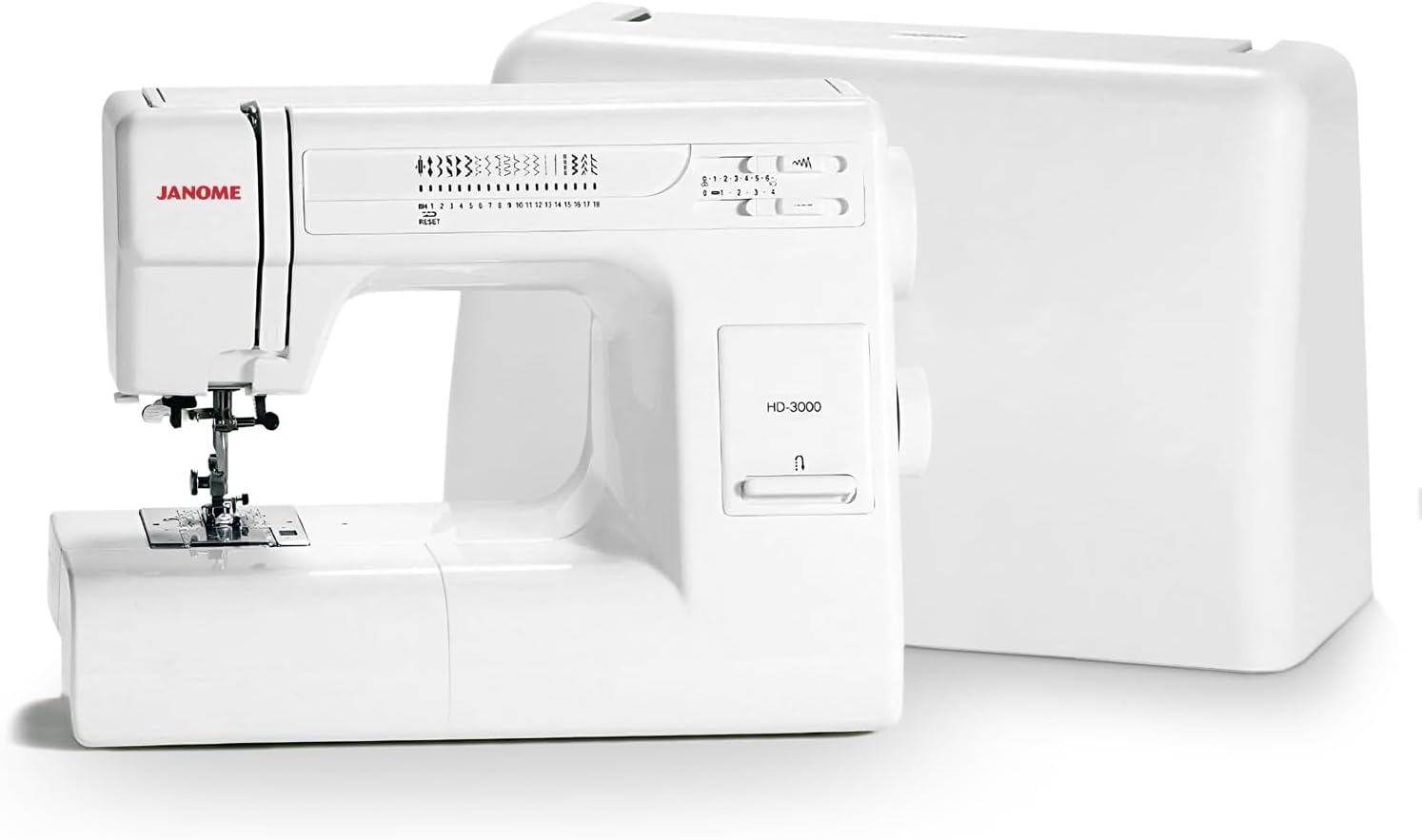
Janome HD3000 Heavy-Duty Sewing Machine
| Model Number | HD3000 |
|---|---|
| Included Components | Foot Control, Power Cord, Standard Accessories |
| Power Source | Corded Electric |
| Material | Aluminum, Plastic |
The Janome HD3000 is a straightforward, mechanically driven heavy-duty machine built for everyday and tougher home projects. It offers 18 built-in stitches plus a one-step buttonhole, a built-in needle threader, snap-on presser feet and a push-pull bobbin winder, which make setup and common tasks fast and predictable. The metal/aluminum construction and adjustable foot pressure help when working with thicker fabrics like canvas or denim, and the included hard case and free arm increase portability and access for sleeves or cuffs. Because it is mechanical rather than computerized, controls are simple dials and levers so learning and repairs are easier for hobbyists. Limitations include the absence of computerized stitch memory, a basic manual needle threading system despite the threader, and no advanced automation for quilt or embroidery work, so power users wanting electronic precision or many specialty stitches may find it too basic. For most home sewers tackling heavy fabrics, it delivers reliable, durable performance without unnecessary complexity.
Best for: Sewers who want a durable, no-frills machine that handles canvas and other heavy fabrics reliably and is easy to maintain and operate.
Less Ideal for: People who need computerized stitch programming, embroidery capability, or extensive specialty stitch options for professional garment production.
- Sturdy metal/aluminum construction suited for heavier fabrics
- 18 built-in stitches plus a one-step buttonhole for common sewing tasks
- Adjustable foot pressure and extra-high presser foot help feed bulky materials
- Snap-on presser feet and push-pull bobbin winder simplify setup and maintenance
- Includes hard carrying case for protection and transport
- Mechanical controls lack computerized stitch customization
- Not designed for advanced embroidery or precision quilting features
Verdict: Choose the Janome HD3000 if you want a simple, rugged mechanical machine that handles heavy fabrics like canvas without fuss.
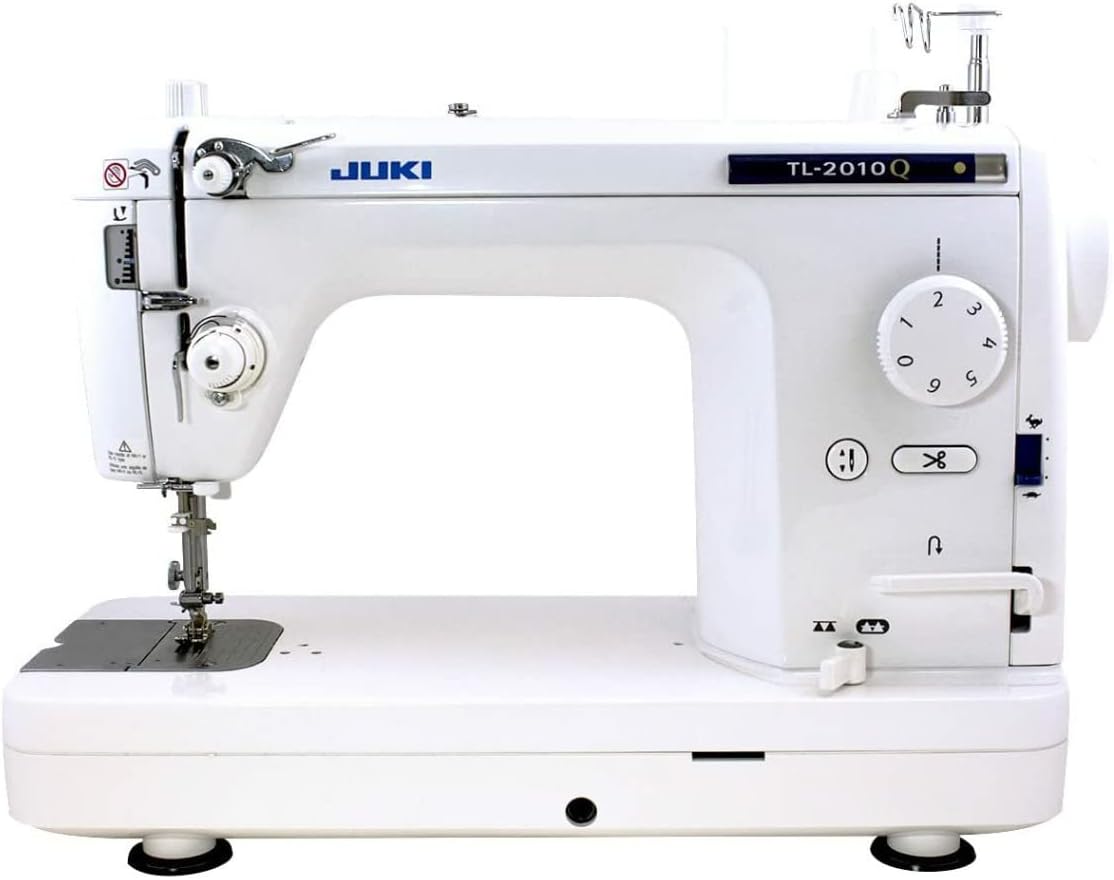
Juki TL-2010Q
| Power Source | Treadle Powered |
|---|---|
| Material | Aluminum |
The Juki TL-2010Q is a purpose-built, high-performance single-needle lockstitch machine designed for straight stitching, quilting, tailoring and home-decor projects. It is typically used on a tabletop or mounted into a cabinet or quilting frame and offers a robust motor and a knee lifter for hands-free presser-foot control, which makes feeding thick layers easier. Notable features include an automatic thread trimmer that cuts needle and bobbin threads at the end of a seam and a push-lever automatic needle threader for quick starts. The machine's 12 mm presser-foot lift and solid aluminum construction help when working with heavier fabrics like canvas, and the included extension table expands the work surface for larger pieces. This model is portable with a carrying handle, but its weight and industrial-minded design mean it is optimized for performance rather than compact travel. If you need a dependable, straight-stitch workhorse for heavy fabrics and long sewing sessions, the TL-2010Q delivers strong stitch quality and practical conveniences for production or serious hobby use.
Best for: Buyers who prioritize stitch strength and consistent straight-stitch performance for heavy fabrics and production-style sewing will appreciate this machine’s durability and practical features.
Less Ideal for: If you need a versatile multi-stitch or decorative-capable machine or require a lightweight travel model, choose a different machine.
- Powerful, high-performance motor suited for long runs and heavy fabrics
- Automatic thread trimmer speeds finishing by cutting needle and bobbin threads
- 12 mm presser-foot lift and sturdy aluminum body handle thick multi-layer materials
- Knee lifter frees hands for maneuvering large canvas pieces
- Includes extension table to support larger work surfaces
- Single straight-stitch capability limits decorative or zigzag applications
- Relatively heavy and not ideal for frequent portable use
Verdict: Choose the Juki TL-2010Q when you need a durable, production-capable straight-stitch machine that reliably handles canvas and other heavy fabrics.
SINGER Heavy Duty 4411

| Power Source | Corded Electric |
|---|---|
| Built-In Stitches | 11 |
| Stitch Applications | 69 |
| Top Drop-In Bobbin | Yes |
The SINGER Heavy Duty 4411 is built to tackle thicker materials like canvas and denim while remaining usable for lighter fabrics, thanks to a more powerful motor and adjustable presser foot pressure. It delivers up to 1,100 stitches per minute and offers 69 stitch applications for basic, stretch, and decorative needs, making it practical for repair work, home decor, and small canvas projects. The metal interior frame and stainless steel bed plate add stability and smooth fabric feed, and the top drop-in bobbin with a transparent cover simplifies monitoring thread. Included accessories such as four presser feet, needles, and bobbins let you start projects right away, and the LED light helps with precision. Limitations include its mechanical controls, which lack computerized stitch customization and automatic tension features, and the machine is relatively basic for advanced quilting or industrial-scale canvas work. For users who want a sturdy, no-frills machine that speeds through heavy seams and layered fabrics, the 4411 is a reliable choice.
Best for: Buyers who prioritize a rugged, efficient machine for home heavy-duty projects and frequent stitching on canvas, denim, or layered fabrics and want straightforward, reliable performance over advanced electronics.
Less Ideal for: People needing computerized stitch customization, built-in quilting features, or a production-level industrial machine for large-scale canvas manufacturing should consider other options.
- Stronger motor and high-speed stitching up to 1,100 stitches per minute for faster seam completion
- Heavy-duty metal interior frame and stainless steel bed plate for stable, skip-free sewing on thick fabrics
- Top drop-in bobbin with transparent cover makes thread monitoring and reloading easier
- Comes with essential presser feet and accessories to begin projects immediately
- Mechanical controls lack computerized stitch programming and automatic tension
- Not optimized for industrial-scale or very large canvas projects
Verdict: Choose the Singer 4411 if you want a tough, fast, no-frills machine that reliably handles canvas and other heavy fabrics at home.
FEIYUE FYe310 Sewing Machine

| Power Source | Corded Electric |
|---|---|
| Input Voltage | 120 volts |
| Included Components | Embroiderer plate, 6 bobbins, 3 needles, multi-function screwdriver, buttonhole foot, guide presser foot, zipper foot, button fitting foot |
The FEIYUE FYe310 is a compact full-size sewing machine built around an energy-saving servo motor and a metal-framed body that helps it handle heavier fabrics like denim and canvas. It includes an automatic needle threader for faster setup, a foot pedal for speed control, and 25 built-in stitch patterns covering basic, decorative, and stretch needs. The machine ships with multiple presser feet, extra bobbins and needles, and simple overload protection that locks the handwheel and flashes a light if a jam occurs. In practical use this machine is well suited for mending, garment sewing, and occasional canvas projects; the metal frame and higher torque motor keep fabric feeding steady when working through thickness. Limitations include a basic feature set compared with computerized heavy-duty models and a relatively compact footprint that may be tighter for very large projects, so serious industrial users will want a more specialized machine. For the price it delivers a capable, energy-efficient platform for home sewists tackling heavier materials occasionally.
Best for: Home sewists on a budget who need a durable, energy-efficient machine that can handle occasional canvas or denim projects without paying for an industrial model.
Less Ideal for: People who do high-volume commercial sewing or require advanced computerized stitch control and a large working bed for continuous heavy-duty production.
- Energy-saving servo motor with overload protection for more efficient, safer operation.
- Metal frame and higher torque motor improve feeding through dense fabrics like denim and canvas.
- Automatic needle threader speeds setup and reduces eye strain.
- Includes multiple presser feet and spare bobbins so you can start sewing right away.
- Not a computerized or industrial-grade machine, so advanced stitch programming and heavy continuous production are limited.
- Compact work area may feel restrictive for very large canvas pieces.
Verdict: A budget-friendly, metal-framed sewing machine that brings servo-motor power and basic heavy-fabric capability to home users working with canvas and denim.
SINGER Heavy Duty 4423

| Built-in stitches | 23 |
|---|---|
| Stitch applications | 97 |
| Maximum speed | 1,100 stitches/min |
| Power source | Corded Electric |
| Input voltage | 120 volts |
The SINGER Heavy Duty 4423 is built around a robust metal interior frame and a stronger motor to deliver fast, consistent stitching for demanding projects. It offers 23 built-in stitches that translate into 97 stitch applications, a top drop-in bobbin for easy monitoring, an automatic needle threader to speed setup, and LED lighting to illuminate the work area. In practice the 1,100 stitches-per-minute top speed and increased piercing power make it capable of sewing through denim, canvas, and multiple fabric layers with fewer skips, while the stainless steel bed plate helps fabric feed smoothly. The machine ships with several presser feet and basic tools so you can start mending, upholstery, or home-decor jobs right away. Trade-offs are its mechanical controls, which require manual adjustment rather than electronic presets, and its plastic outer shell, which keeps weight down but is less premium than all-metal housings. For users who prioritize a dependable, no-frills workhorse for heavy fabrics, the 4423 performs well.
Best for: Buyers who need a reliable, workhorse machine for frequent sewing of canvas, denim, and upholstery and who value consistent performance over digital features.
Less Ideal for: If you want touchscreen controls, computerized stitch programming, or a lightweight travel machine, this model is not the best fit.
- Heavy-duty interior metal frame for stable, skip-free sewing on thick fabrics
- Powerful motor with up to 1,100 stitches per minute for fast production and better piercing of heavy seams
- Top drop-in bobbin and automatic needle threader simplify setup and maintenance
- Includes multiple presser feet and accessories to handle common tasks out of the box
- Mechanical controls lack electronic stitch memory or automated presets
- Outer casing is plastic rather than full metal, which may feel less rugged
Verdict: Choose the Singer 4423 when you want a rugged, high-speed machine that reliably handles canvas and other heavy fabrics.
Choosing the Right Heavy-Duty Sewing Machine for Canvas: Key Factors to Consider
Motor Torque and Power
Stronger motor torque determines whether a machine can consistently drive a needle and heavy thread through multiple layers of canvas. A high continuous-duty motor reduces the risk of stalling when stitching thick seams or when working at low speeds for precision.
When comparing machines, focus on specifications that indicate sustained power rather than short-term peak ratings. Motor cooling and thermal protection are also important because heavy fabric work generates more heat. A machine with adequate torque and heat management will run longer sessions without dropping performance.
Feed Mechanism and Stitch Consistency
The feed system controls how evenly canvas is advanced under the presser foot. For thick or layered canvas, a robust drop-feed, walking foot, or compound feed prevents skipping, puckering, and unequal layer movement.
Look for machines with adjustable presser foot pressure and a feed dog system designed for heavy fabrics. Even small differences in feed reliability affect seam alignment on long panels or when joining multiple layers, so prioritize dependable feeding over extra decorative stitch options.
Needle Size and Thread Compatibility
Canvas requires larger needles and stronger thread than typical apparel sewing. Check the maximum needle size the machine accepts and whether it supports heavy-duty or upholstery threads. Needle holder stability matters because larger needles generate more lateral forces.
Also consider bobbin capacity and the shuttle design, as some heavy threads need larger bobbins or alternate spool paths to avoid tension problems. Machines that explicitly list compatibility with upholstery or bonded threads reduce the risk of thread breakage and poor stitch formation.
Construction and Frame Stability
A machine's physical construction affects vibration, timing stability, and long-term durability under heavy use. Metal frames and reinforced main shafts resist flexing when driving large needles through dense fabric, maintaining consistent stitch quality.
Lightweight plastic components in critical areas can lead to faster wear or timing drift. Inspect the build design for metal gears or high-quality sealed bearings and a well-supported needle bar to ensure the machine remains accurate over time.
Presser Foot and Accessory Support
Specialized presser feet, such as walking feet, roller feet, and high-lift feet, make feeding canvas and bulky seams practical. The ability to change presser foot height and use aftermarket heavy-duty feet increases versatility for different canvas projects.
Check whether the machine has a removable throat plate for free-arm or darning work, and whether accessories for edge binding, seam sealing, or heavy-topstitching are compatible. Good accessory support reduces the need for improvisation when tackling complex canvas tasks.
Serviceability and Maintenance
Regular maintenance keeps a heavy-duty machine running under continuous load. Easy access to oiling points, a removable faceplate for cleaning lint and thread build-up, and a simple timing adjustment procedure shorten downtime.
Also consider the availability of user-serviceable parts such as belts, bobbins, and standard needles. Machines that make routine maintenance straightforward will have lower long-term ownership costs and fewer interruptions during extended canvas projects.
Understanding Canvas Sewing Challenges
Canvas is dense, abrasive, and often used in layered assemblies, which amplifies common sewing issues like skipped stitches, broken needles, and uneven feed. Understanding these specific challenges helps prioritize the features you need in a heavy-duty machine.
Expect to adjust tension, presser foot pressure, and needle selection when moving from light fabrics to canvas. Reinforced seams and topstitching also demand consistent stitch formation and a machine that can tolerate thicker threads without jamming.
- Multiple stacked layers need strong motor torque and stable needle bar alignment.
- Abrasive fabric increases wear on needles and feed components.
- Thicker threads require proper bobbin capacity and tension ranges.
Needles, Threads, and Supplies That Work Best
Choose needles labeled for heavy fabrics or upholstery and select a size that matches the thread thickness. Strong bonded polyester or heavy nylon thread resists abrasion and offers better seam longevity on canvas.
Keep a stock of spare needles and use a needle suited to the stitch type. Use larger bobbins when possible and winding them evenly to prevent tension spikes. Using compatible lubricants and cleaning supplies preserves both fabric and machine components.
- Use bonded polyester or heavy nylon thread for exterior canvas work.
- Rotate needles frequently during large projects to avoid dulling.
- Wind bobbins consistently to maintain even tension.
Setup Tips for Better Canvas Seams
Start with a slow test stitch on fabric scraps that match your work. Set the presser foot pressure higher than you would for light fabrics and increase stitch length slightly for stronger topstitching on canvas. Adjust tension gradually and re-test after each change.
For bulky seams, consider using a walking foot or a roller foot to improve layer feeding. Clamp or pin heavy sections securely and sew with a steady, controlled pace rather than forcing speed, which can cause skipped or crooked stitches.
- Test stitch on scrap canvas before beginning the main piece.
- Increase presser foot pressure and stitch length for heavy topstitching.
- Use a walking or roller foot for multi-layer feeding stability.
Workshop Setup and Ergonomics
Canvas projects can be large and heavy, so arrange a work surface that supports the material and keeps it level with the machine bed. A larger extension table or custom support reduces fabric drag and prevents accidental pulling that distorts seams.
Consider positioning lighting and clamps to reduce frequent repositioning. Ergonomic considerations such as a comfortable sewing chair and a foot control that responds smoothly under load improve control and reduce fatigue during long sewing sessions.
- Add an extension table to support large panels and long seams.
- Use strong clamps rather than excessive pinning for thick layers.
- Ensure even lighting and stable seating for precision control.
Common Repairs and When to Call a Technician
Routine issues include needle breakage, tension inconsistencies, and thread jams. Many of these can be resolved with correct needle selection, tension adjustments, and cleaning lint from the bobbin area. Follow manufacturer maintenance steps for lubrication and timing checks.
If the machine develops persistent skipped stitches under proper setup, odd noises, or overheating despite correct motor handling, these are signs that a technician should inspect timing, gear wear, or motor mounts. Regular preventive maintenance reduces the frequency of repairs.
- Clean lint and rebalance bobbins regularly to prevent jams.
- Replace worn feed dogs or presser feet to restore feeding performance.
- Seek professional service for timing issues, unusual noises, or persistent skipping.
How We Chose the Best Heavy-Duty Sewing Machine for Canvas
We focused on machines designed to handle multiple layers of canvas and similar heavy fabrics without skipping stitches or overheating. Selection prioritized motor torque and sustained power to push needles and heavy threads through dense material, along with a reliable feed system that prevents bunching or misalignment when sewing several plies. Durability was assessed through build quality indicators such as metal frames, reinforced presser feet, and heavy-duty bobbin and shuttle systems. We also considered needle and thread compatibility, including maximum needle sizes and whether machines support thick upholstery or bonded threads. Ease of maintenance and access for routine tasks like lubrication and timing checks was another filter, since canvas work often means intensive use. Finally, we excluded machines intended only for light domestic sewing, hobby use, or those lacking documented specifications for heavy-fabric performance. Products that failed to state motor torque, maximum stitch length under load, or compatible needle/thread ranges were not included.
Our full evaluation process is outlined in our review methodology.
FAQ
Can a heavy-duty sewing machine sew multiple layers of canvas?
Often yes. Heavy-duty machines with strong motors and appropriate feed systems are designed to handle multiple canvas layers. Success depends on correct needle size, thread choice, and presser foot settings.
What needle type should I use for canvas?
Use needles labeled for heavy fabrics or upholstery and choose a larger size to match your thread. Change needles frequently because canvas dulls tips faster than lighter fabrics.
How do I prevent skipped stitches when sewing canvas?
Ensure your machine has sufficient torque, use the proper needle and thread, adjust presser foot pressure, and test on scraps. A walking foot or roller foot often reduces skipped stitches on layered canvas.
How often should a machine used for canvas be serviced?
Service frequency depends on workload but expect more frequent maintenance than light-use machines. Clean and oil accessible points after heavy sessions and schedule professional checks periodically if you sew canvas regularly.
Is a walking foot necessary for canvas work?
Not always necessary but often helpful. A walking foot or similar compound-feed accessory improves layer feeding and reduces slippage when sewing multiple thick layers.
Final Verdict
Prioritize machines that offer strong, sustained motor torque, a dependable feed system, and compatibility with larger needles and heavy threads. Durable construction and easy access for maintenance will extend service life when you sew canvas frequently. Balance these performance needs against workspace ergonomics and accessory support to pick a machine that handles your typical projects without unnecessary downtime.