
Note: This article contains affiliate links. If you click on these links and make a purchase, we may earn a small commission at no extra cost to you. This helps support our research and content. Read our full affiliate disclosure here.
If you drink celery juice regularly, choosing the right juicer makes a big difference in yield, texture, and cleanup. Celery is fibrous and stringy, so some machines extract more liquid and leave drier fiber than others. This guide covers seven shortlisted juicers that perform well with celery, focusing on juice yield, ease of cleaning, and reliable daily use. Below you will find concise profiles of the top options along with the evaluation criteria we used. Use this guide to match a juicer to your routine and cleanup preferences before you buy.
Top Picks at a Glance
| Best Overall The best all-around choice for most situations | Omega Masticating Juicer MM900HDS |  |
| Best Quality Built to a higher standard if you want something more solid | NAMA J2 Cold Press Juicer |  |
| Best Value The sweet spot between price and what you get | Ninja NeverClog Cold Press Juicer JC151 |  |
| Best Budget The cheapest option that still gets the job done reliably | QCen 500W Centrifugal Juicer | 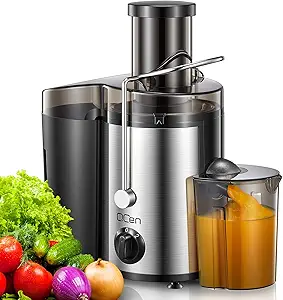 |
| Top Rated A top-rated pick with lots of positive feedback | ECOSELF Cold Press Juicer |  |
| Most Popular A crowd favorite that many people choose with confidence | Hamilton Beach Big Mouth Juicer 67601A |  |
| Best Seller A high-volume bestseller chosen again and again | Juilist Centrifugal Juicer AMR526 |  |
Omega Masticating Juicer MM900HDS

| Wattage | 200 watts |
|---|---|
| Power Source | Corded Electric |
| Number of Speeds | 1 |
| Capacity | 0.8 liters |
The Omega MM900HDS is a low-speed, single-auger masticating juicer designed to extract maximum juice and nutrients from celery and other produce. It runs at about 80 RPM using triple-stage masticating action, and ships with a dedicated celery end cap plus a standard end cap for other fruits and vegetables. A large feed chute and automotive pulp ejection reduce prep and cleanup time, and most removable parts are top-rack dishwasher safe. The 200-watt motor and slow operation minimize heat and oxidation so juice can be stored longer and retain more enzymes. Practical limits are its single speed and manual operation, which means less flexibility for very hard or frozen ingredients compared with high-speed or multi-speed machines, and its 0.8-liter capacity makes it better for batch juicing than continuous commercial use. The long 15-year parts and performance coverage is a strong reassurance for regular home use.
Best for: Buyers who want a reliable home juicer focused on getting the most juice and nutrients from celery and leafy greens and who value long-term durability and low-heat extraction.
Less Ideal for: If you need a fast, multi-speed juicer for high-volume commercial use or to process frozen/hard items frequently, this single-speed batch juicer is not the best choice.
- Dedicated celery end cap for higher yield from celery stalks
- Low 80 RPM speed and triple-stage masticating action reduce heat and oxidation to preserve nutrients
- Most removable parts are top-rack dishwasher safe for easier cleanup
- Automotive pulp ejection and large feed chute cut prep and processing time
- 15-year parts and performance coverage provides long-term support
- Single speed/manual operation limits versatility for very hard or frozen ingredients
- 0.8-liter capacity is modest for large-volume or continuous juicing
Verdict: Choose the Omega MM900HDS if you want a durable, low-speed cold-press juicer that squeezes maximum nutrients and yield from celery and leafy produce.
NAMA J2 Cold Press Juicer

| Wattage | 200 watts |
|---|---|
| Power Source | Corded Electric |
| Voltage | 120 |
| Number of Speeds | 1 |
| Capacity | 30 fluid ounces |
The NAMA J2 is a slow, single-auger cold press juicer built for hands-free batch juicing. It uses a 200 W motor turning at low speed to gently press fruits and vegetables through an auger, and the wide self-feeding hopper lets you load a full recipe and walk away. For celery juice the slow masticating action and included fine strainer produce high-yield, low-pulp juice while handling fibrous stalks more effectively than centrifugal models. The unit is quiet in operation and ships with juice and pulp containers plus strainers and a cleaning brush to simplify cleanup, though parts are hand-wash only. Practical limits are its single speed and 30 fl oz capacity, which mean very large batches require staggered cycles, and the 200 W motor is tuned for efficiency rather than heavy continuous industrial duty. If you want nutrient-preserving, hands-off celery extraction with straightforward maintenance, this machine delivers consistent results with minimal fuss.
Best for: Buyers who prioritize maximum juice yield and nutrient preservation for fibrous produce and want a mostly hands-free, low-noise solution for regular celery juice at home.
Less Ideal for: People who need variable speed control, very large continuous commercial throughput, or who prefer dishwasher-safe parts for frequent high-volume use should look elsewhere.
- Self-feeding wide hopper for hands-free batch juicing
- Masticating single-auger design yields more juice with less pulp for fibrous produce like celery
- Quiet, low-speed operation preserves nutrients and flavor
- Includes juice and pulp containers plus strainers and cleaning brush for easier use
- Single-speed motor limits control for delicate vs tough produce
- 30 fl oz capacity may require multiple cycles for larger servings
Verdict: Choose the NAMA J2 if you want a quiet, hands-free cold-press juicer that maximizes yield and produces low-pulp celery juice at home.
Ninja NeverClog Cold Press Juicer JC151

| Maximum Power | 150 watts |
|---|---|
| Number of Speeds | 2 |
| Power Source | Corded Electric |
| Capacity | 24 fluid ounces |
The Ninja NeverClog JC151 is a slow masticating juicer designed to handle fibrous produce like celery, kale, and carrots without frequent clogging. Its 150-watt high-torque motor turns an auger at low speed to extract juice while minimizing foam and heat, and two interchangeable pulp filters let you choose less or more pulp depending on texture preference. The included 24 oz juice jug and 36 oz pulp container make it convenient for making multiple servings or prepping juice for the day, and a reverse function helps clear jams when processing dense stalks. Parts that contact juice are dishwasher safe and the design emphasizes easy assembly and cleanup. Practical features like an anti-drip lever and two one-touch programs simplify everyday use, though it is not as fast as centrifugal models so batch time is longer. For buyers focused on nutrient retention and steady extraction from tough, fibrous vegetables, this model delivers consistent results with straightforward controls.
Best for: Buyers who prioritize reliable extraction and nutrient retention from fibrous vegetables and want simple controls and easy cleanup for regular celery or green-juice prep.
Less Ideal for: People who need very fast single-serve juicing, frequent on-the-go use, or a compact ultra-light model for small kitchens.
- High-torque 150W auger extracts juice from fibrous ingredients like celery and kale effectively
- Two interchangeable pulp filters provide control over juice texture
- Large 24 oz juice jug and 36 oz pulp container support batch juicing
- Dishwasher-safe juice-contact parts and simple assembly make cleanup easier
- Slower extraction speed compared with centrifugal juicers, so larger batches take more time
- Heavier and taller footprint may take more countertop space
Verdict: Choose the Ninja NeverClog JC151 if you want a practical cold-press juicer that reliably handles celery and other fibrous greens while keeping cleanup simple.
QCen 500W Centrifugal Juicer

| Maximum Power | 500 watts |
|---|---|
| Number of Speeds | 2 |
| Power Source | Corded Electric |
| Capacity | 3 liters |
The QCen 500W centrifugal juicer is a straightforward countertop extractor designed for everyday fruit and vegetable juicing. It uses a high-speed 500W motor and a 3-inch wide feed chute to process whole or large pieces of produce quickly, and two speed settings let you switch between softer items and tougher roots. A safety lock arm prevents operation unless the cover is secured, and an overload protection cuts power if the motor overheats. Removable, BPA-free parts and a detachable filter basket make rinsing and hand-washing manageable after use. For celery juice specifically, centrifugal machines deliver fast extraction but tend to produce a thinner yield with more foam and slightly higher oxidation than slow masticating models, so expect faster prep and shorter extraction time at the cost of slightly lower nutrient retention. The unit is compact and practical for small kitchens, though hand-wash care and the need to strain foam may add post-juice work. If you want speedy daily celery shots on a budget, this model is a sensible, no-frills choice.
Best for: Buyers who want an affordable, fast juicer for daily vegetable and fruit shots and prioritize speed and compact footprint over ultra-high nutrient retention.
Less Ideal for: Those seeking maximum juice yield, minimal oxidation, or the smoothest texture for long, daily celery-only regimens should consider slow masticating juicers instead.
- Powerful 500W motor for quick extraction
- 3-inch wide feed chute reduces chopping time
- Two speed settings for soft and hard produce
- Safety lock arm and overload protection for safer use
- Removable parts make cleaning and maintenance easier
- Centrifugal design produces more foam and faster oxidation than slow juicers
- Parts require hand washing rather than dishwasher-safe cleaning
Verdict: A budget-friendly, fast centrifugal juicer that saves prep time with a wide chute and reliable 500W power, making it a practical choice for quick celery juice at home.
ECOSELF Cold Press Juicer

| Material | Acrylonitrile Butadiene Styrene (ABS) |
|---|---|
| Special Features | Easy to Clean; High Juice Yield; Reverse Function; Low Noise Motor; Self Feeding; Wide Feed Chute |
The ECOSELF Cold Press Juicer is a slow masticating juicer built for extracting high-yield, low-oxidation juice from fruits, vegetables, and leafy greens. Its wide feed chute and self-feeding, hands-free design let you drop in larger pieces or whole produce with minimal prep, which speeds up morning routines and batch juicing for celery. The single-auger mechanism and low-speed operation aim to preserve enzymes and reduce foam, and the reverse function helps clear clogs without disassembly. Assembly is straightforward and the included brush makes cleaning faster than typical cold-press units, though thorough rinsing of the filter is still needed after fibrous runs. The rotary one-touch control is simple to operate, and the ABS construction feels durable for regular use. Expect slower throughput than centrifugal models, and juicing very fibrous material may require occasional reverse cycles. For users prioritizing nutrient retention and consistent extraction for celery and greens, this model offers reliable performance with modest maintenance.
Best for: Home users who want a dependable cold-press juicer that consistently extracts juice from celery and leafy greens and who value nutrient retention and hands-free operation.
Less Ideal for: People who need very fast, high-volume throughput or want a near-zero maintenance centrifugal machine should consider other juicer types.
- Wide feed chute and auto-feeding reduce prep time and allow whole or large pieces
- Slow masticating extraction preserves nutrients and minimizes oxidation
- High reported juice yield that reduces waste from produce
- Reverse function clears clogs for smoother operation during fibrous juicing
- Simple one-touch control and quick assembly for everyday use
- Slower juicing speed compared with centrifugal juicers
- Requires regular cleaning of filter and parts after fibrous runs
Verdict: Choose this ECOSELF cold press juicer if you want a reliable, hands-free masticating machine that maximizes juice yield and preserves nutrients for celery and leafy-green juices.
Hamilton Beach Big Mouth Juicer 67601A

| Maximum Power | 800 watts |
|---|---|
| Power Source | Corded Electric |
| Number of Speeds | 1 |
| Material | Plastic, Stainless Steel |
The Hamilton Beach Big Mouth Juicer is a centrifugal machine built for fast, everyday juicing. Its 3-inch feed chute accepts whole apples, celery stalks, and similarly sized produce so you spend less time prepping, and the 800W motor helps push both hard and soft items through the stainless steel strainer to extract juice quickly. Practical touches include a large pulp bin that reduces emptying during a session, dishwasher-safe removable parts for easier cleanup, and a cleaning brush for the strainer. Because it is a centrifugal model, it works best when you want speed and higher yields from firmer produce but it will introduce more foam and slightly more oxidation than slow masticating juicers, which affects shelf life of juice. Single-speed operation keeps controls simple but limits fine-tuning for delicate leafy greens. Overall, it is a straightforward option if you prioritize fast prep and easy cleaning for daily celery and mixed-vegetable juices, while accepting the typical centrifugal compromises on foam and short-term freshness.
Best for: Buyers who want fast, low-prep juicing of celery and mixed produce with easy cleanup and proven performance backed by broad customer experience.
Less Ideal for: If you need maximum nutrient retention and longer juice shelf life or plan to primarily juice lots of leafy greens, a slow masticating juicer would be a better fit.
- Large 3-inch feed chute lets you juice whole fruits and long stalks like celery with minimal prep
- 800W motor provides strong extraction for both hard and soft produce
- Dishwasher-safe removable parts and included cleaning brush simplify cleanup
- Generous pulp bin reduces interruptions during multiple juicing batches
- Centrifugal design produces more foam and introduces more oxidation than slow juicers, reducing juice shelf life
- Single speed limits performance tuning for leafy greens and delicate herbs
Verdict: Choose this juicer if you want quick, low-prep celery and fruit juices with strong extraction and easy cleanup.
Juilist Centrifugal Juicer AMR526

| Feed Chute | 3" |
|---|---|
| Maximum Power | 800 watts |
| Wattage | 400 watts |
| Number of Speeds | 3 |
| Capacity | 400 ml |
The Juilist Centrifugal Juicer AMR526 is a compact, stainless steel centrifugal juicer aimed at fast everyday juicing. It accepts whole or large-cut produce via a 3" wide feed chute and uses a stainless steel cutting disc plus a micro-mesh filter to separate juice from pulp. Three speed settings let you dial back rpm for soft fruits and ramp up for harder produce, and a pulse/high "P" option handles stubborn items. The motor is specified with a 400 W running power and an 800 W maximum burst for rapid extraction, and the maker says optimized motor tech improves juice yield compared with similar machines. Accessories are dishwasher-safe and a cleaning brush is included, which makes maintenance easier. Safety features include a double lock arm, non-slip base, overheat protection, and a visible window so you can watch extraction. Limitations: as a centrifugal design it will produce more foam and slightly lower yield on fibrous greens like celery compared with slow masticating juicers, and the 400 ml capacity means you may need to empty the jug for larger batches.
Best for: Buyers who want a risk-averse, easy-to-use countertop juicer that speeds prep and cleanup and prefers a reliable, straightforward appliance for daily fruit and light-vegetable juices.
Less Ideal for: Anyone seeking the highest possible yield or the quietest machine for heavy-duty daily celery or leafy-green juicing should consider a slow masticating juicer instead.
- 3" wide feed chute reduces chopping and speeds prep
- Three speed settings plus pulse for different produce types
- Stainless steel cutting disc and micro-mesh filter for efficient extraction
- Dishwasher-safe parts and included brush simplify cleanup
- Safety features include double lock arm, overheat protection, and non-slip base
- Centrifugal design yields more foam and less extraction from very leafy or fibrous greens like celery
- 400 ml capacity is small for batch juicing larger quantities
Verdict: A fast, easy-to-use centrifugal juicer that minimizes prep and cleanup for everyday fruit and light-vegetable juices.
Choosing the Right Juicer for Celery Juice: Key Factors to Consider
Extraction Efficiency and Yield
How much liquid you get from a given amount of celery directly affects cost per serving and how often you need to buy produce. Efficient juicers compress and shear celery fibers to release more liquid while leaving drier pulp behind. Higher yield matters if you plan to drink celery juice daily or make larger batches.
Extraction efficiency also influences prep time. Machines that can process longer stalks or that require fewer passes reduce handling time. Consider whether the juicer uses a cold-press or centrifugal approach, and how that method typically performs with stringy vegetables like celery.
Ease of Cleaning and Maintenance
Frequent celery juicing means you will disassemble and clean the machine often, so accessible parts and straightforward rinse cycles are essential. Look for wide chutes, removable strainers that are easy to scrub, and components rated for dishwasher use if you want extra convenience.
Maintenance extends beyond daily washing. Check for replaceable wear parts and designs that minimize trapped pulp in hard-to-reach crevices. Simple, tool-free disassembly reduces the friction of regular cleaning and makes it more likely you will keep up with maintenance.
Pulp Dryness and Texture
Dry pulp indicates efficient separation of juice from fiber. Drier pulp means you extracted more liquid per stalk and reduces waste. For celery, pulp texture also predicts mouthfeel; a juicer that leaves excessively wet pulp may be losing juice you paid for.
If you use pulp for composting or recipes, consider how wet or stringy the leftover fiber is. Some machines produce finer, drier pulp suited to compost bins, while others leave spongier residue that can be messier to handle.
Motor Strength and Durability
Celery is tough on motors because of its long fibers. A robust motor with stable gearing resists stalling and maintains consistent extraction over repeated use. Durable construction and metal drive components generally last longer under regular, heavy use.
Think about duty cycle and whether you will juice multiple batches back to back. A motor rated for frequent operation will prevent overheating and reduce the chance of premature failure. Warranty support and availability of serviceable parts are also important for long-term ownership.
Feed Chute Design and Prep Time
How much you need to cut celery before feeding it to the juicer affects prep time. A longer, wider chute reduces trimming and speeds up the process. Some machines accept full or half stalks, while others need very small pieces.
Chute design also affects clogging risk. A narrow or awkward feed path can trap stringy fibers, requiring more stops to clear the device. Prioritize a design that fits your typical kitchen prep habits to save time and frustration.
Noise, Vibration, and Kitchen Fit
Daily juicing should not make your kitchen unpleasant. Low-noise models are more comfortable for morning routines. Vibration affects stability and can cause the machine to move or drip if not well-balanced.
Consider how the juicer's size and footprint fit your countertop and storage. Heavier, more stable units tend to vibrate less but require more space. If you live in a small kitchen or shared space, quieter operation and a compact footprint may be higher priorities.
Cold-Press Vs. Centrifugal for Celery
Cold-press or masticating juicers and centrifugal juicers extract juice differently, and that difference matters for celery. Cold-press machines crush and slowly squeeze fibers, which generally yields more juice and clearer liquid with less heat. Centrifugal models cut and spin produce at high speed, which can be faster but often leaves wetter pulp and can struggle with long, stringy stalks.
- Cold-press: higher yield, drier pulp, slower processing.
- Centrifugal: faster, simpler cleanup for some fruits, but may underperform on celery.
Prep Tips to Improve Yield
Simple prep steps increase yield and reduce jams. Trim tough base ends or overly fibrous parts and cut stalks to the length recommended by the manufacturer. For long-stalk designs, threading whole halves reduces prep time. Rinse stalks thoroughly to remove grit that can dull components.
- Remove wilted or brown parts that add bitterness.
- Bundle stalks loosely to feed evenly and prevent clogging.
- Alternate celery with softer produce if your machine tends to stall.
Managing Pulp and Post-Juice Uses
Think ahead about what you will do with the leftover pulp. Drier pulp is easier to compost and less messy to handle. Wet, stringy pulp can be repurposed in soups, broths, or baked goods when finely processed, but moisture content affects where it is most useful. If composting, store pulp in airtight bags in the fridge until you can add it to your bin. For culinary uses, blitz the pulp in a food processor to reach a usable texture and balance moisture with other ingredients.
- Dryer pulp: better for compost and less dripping.
- Wetter pulp: suitable for recipes after further processing.
Daily Routine and Countertop Practicalities
Consider how juicing will fit into your daily routine. If you plan a quick morning shot, prioritize machines with short warm-up and cleaning times. If juicing is a weekend activity, larger, higher-capacity units with more thorough extraction may be preferable. Also evaluate storage needs. Taller masticating units may need dedicated cabinet space, while compact centrifugal units tuck away more easily. Balance extraction goals with your kitchen's real estate and how often you expect to use the device.
- Time per batch and number of daily cycles.
- Physical footprint and storage plan.
Health and Juice Quality Considerations
Cold-pressed extraction typically produces less oxidation and clearer juice, which can preserve flavor and nutrients for a longer period in the refrigerator. Celery juice is often consumed fresh, so minimizing heat and air exposure during extraction helps maintain its bright flavor. If you plan to store juice, choose a machine that minimizes foam and aeration to improve short-term stability. Also consider how easily the juicer can be sanitized, since fresh vegetable juices can be a medium for bacterial growth if not handled properly.
- Lower oxygen incorporation extends fresh flavor.
- Easier sanitization reduces contamination risk.
How We Chose the Best Juicer for Celery Juice
We focused on machines that handle long, fibrous produce like celery without excessive clogging. Our selection filters emphasized extraction efficiency, ease of cleaning, durability for daily use, and consistent juice clarity. We prioritized designs that leave drier pulp, require fewer passes, and accommodate typical stalk lengths or offer sensible feeding options. Key evaluation dimensions included cold-press or mastication efficiency for fibrous vegetables, the simplicity of disassembly and access for cleaning, motor and gear durability for routine use, and noise and vibration during operation. We excluded compact citrus-only or single-purpose models that are not designed for leafy or stringy vegetables. Also excluded were models lacking user-serviceable parts or clear cleaning paths that consistently create maintenance headaches. Final selection balanced quantitative performance indicators like measured yield with qualitative factors such as build quality and user ergonomics to present dependable choices for daily celery juicing.
Our full evaluation process is outlined in our review methodology.
FAQ
Can I use a regular juicer for celery daily?
Often yes, provided the machine is rated for fibrous vegetables and you follow recommended prep. Daily use favors cold-press designs and motors built for frequent cycles; centrifugal units can work but may require more clearing and produce wetter pulp.
How should I prepare celery for the best extraction?
Trim any damaged ends and cut stalks to the machine's recommended length. For narrow chutes, slice stalks into shorter segments. Loosely bundle stalks to feed evenly and avoid overpacking the chute.
Will celery juice separate quickly after juicing?
Separation is common because fiber and liquid separate over time. Stir or shake just before drinking. Cold-press machines usually produce juice that separates more slowly due to lower aeration.
How often should I deep-clean my juicer?
Rinse parts after each use and perform a deeper clean weekly if you juice daily. Disassemble and scrub strainers and gaskets to prevent buildup and odors. Replace worn seals as needed to maintain performance.
Is pulp from celery safe to use in recipes?
Yes, but texture and moisture level matter. Drier pulp is easier to incorporate into compost or baked goods, while wetter pulp benefits from further processing before use in soups or smoothies.
Final Verdict
Choose a juicer for celery juice by prioritizing extraction efficiency, ease of cleaning, and motor durability. Expect tradeoffs between speed and yield: faster centrifugal units may save time but often leave wetter pulp and require more clearing, while slower cold-press machines generally produce higher yield and clearer juice. Decide whether short prep and quick cleaning or maximum daily yield is more important to your routine, then pick a machine that aligns with that priority. Focus on models with accessible parts and serviceable components to ensure reliable daily performance and lower long-term maintenance hassles.