
Note: This article contains affiliate links. If you click on these links and make a purchase, we may earn a small commission at no extra cost to you. This helps support our research and content. Read our full affiliate disclosure here.
If you love making fresh juice from ripe berries, peaches, and other soft fruits, the right juicer makes the difference between a thick, pulpy mess and a smooth, flavorful drink. A juicer designed for soft fruits focuses on gentle extraction to preserve juice clarity and minimize foam while recovering as much liquid as possible. This guide covers our shortlisted top picks across the category and explains the features that matter most for soft-fruit juicing. You will find options that prioritize yield, ease of cleaning, and simple operation to help you pick the machine that fits your routine. Read on to see how we evaluated each model and which factors to weigh before buying.
Top Picks at a Glance
| Best Overall The best all-around choice for most situations | Breville Juice Fountain Plus JE98XL |  |
| Best Quality Built to a higher standard if you want something more solid | Hurom H70 Slow Juicer |  |
| Best Value The sweet spot between price and what you get | QCen 500W Centrifugal Juicer | 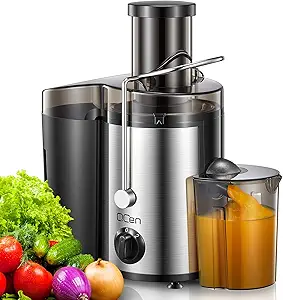 |
| Best Budget The cheapest option that still gets the job done reliably | Elite Gourmet Citrus Juicer ETS623 |  |
| Top Rated A top-rated pick with lots of positive feedback | ECOSELF 3-in-1 Cold Press Juicer |  |
| Most Popular A crowd favorite that many people choose with confidence | Hamilton Beach Big Mouth Juicer |  |
| Best Seller A high-volume bestseller chosen again and again | Juilist Centrifugal Juicer |  |
Breville Juice Fountain Plus JE98XL

| Wattage | 850 watts |
|---|---|
| Number of Speeds | 2 |
| Power Source | Corded Electric |
| Capacity | 1 liters |
The Breville Juice Fountain Plus JE98XL is a fast centrifugal juicer built for everyday use, especially when you want quick glassfuls from whole fruit and vegetables. Its 3-inch extra-wide chute reduces prep because many apples, pears, and similar soft produce can go in whole or only halved, while the titanium-reinforced disc and stainless-steel micro-mesh filter aim to maximize extraction. Two speed settings let you choose low for softer fruits and leafy greens and high for denser items, and the included 35.2 fl oz juice jug has a built-in froth separator for smoother pours. Clean up is straightforward: the pulp container detaches and many parts are dishwasher safe. Practical limits are those of centrifugal designs—you will get faster yields than slow masticating machines but slightly more foam and lower retention of some nutrients in leafy greens. The unit is sturdy and bench-friendly, with cord wrap storage, but it is best for users prioritizing speed and convenience over the absolute highest yields from very soft leafy produce.
Best for: Buyers who want a fast, reliable everyday juicer that minimizes prep and cleans up easily while still handling soft fruits well.
Less Ideal for: If you prioritize the highest possible yield and nutrient retention from leafy greens and very soft produce, a slow masticating juicer would be a better choice.
- Extra-wide 3-inch chute cuts prep time for whole and large fruits
- 850W motor provides quick, efficient extraction
- Two-speed control for switching between soft and hard ingredients
- Built-in froth separator yields smoother pours with less foam
- Detachable pulp container and dishwasher-safe parts simplify cleanup
- Centrifugal design produces more foam and slightly lower yield from leafy greens compared with slow juicers
- Not optimized for extracting maximum nutrients from very soft produce
Verdict: Choose this Breville if you want a quick, low-prep centrifugal juicer that handles soft fruits efficiently and cleans up with minimal fuss.
Hurom H70 Slow Juicer

| Wattage | 150 watts |
|---|---|
| Power Source | Corded Electric |
| Material | Plastic |
| Special Features | Easy to Clean |
| Unit Count | 1 Count |
The Hurom H70 is a single-auger, cold-press masticating juicer built to squeeze high yields from fruits and vegetables while minimizing cleanup. It uses a strainer-free Easy Clean chamber and a two-part auger system that separates pulp during juicing, so parts detach and rinse quickly rather than requiring scrubbing of fine mesh. The wide self-feeding hopper accepts larger produce and lets you add ingredients while running, reducing prep time for soft fruits like berries, grapes, and bananas. Running at low speed and 150 watts, it produces smooth juice with little foam and keeps noise low, and the front-facing gauge lets you monitor juice volume as you go. Trade-offs include a primarily plastic construction and hand-wash-only care, which makes long-term durability and dishwasher convenience less ideal than metal-bodied models. The unit is compact and portable, which suits kitchens where counter space is limited but high extraction performance for soft fruits is still a priority.
Best for: Buyers who prioritize extracting maximum, smooth juice from soft fruits with minimal prep and fast cleanup in a compact machine.
Less Ideal for: Users seeking metal-bodied, dishwasher-safe heavy-duty machines for very frequent commercial use should consider more industrial models.
- Strainer-free Easy Clean chamber that reduces time spent scrubbing mesh filters
- Large self-feeding hopper that minimizes chopping and allows continuous feeding
- Low-speed masticating action for higher juice yield and smoother texture from soft fruits
- Compact footprint suitable for small countertops
- Front-facing juice gauge for quick visual monitoring during use
- Mostly plastic construction and hand-wash-only care may reduce perceived long-term robustness
- Not dishwasher-safe which means cleaning still requires manual rinsing
Verdict: Choose the H70 if you want a compact, high-yield slow juicer that handles soft fruits with minimal prep and very easy rinse-cleaning.
QCen 500W Centrifugal Juicer

| Maximum Power | 500 watts |
|---|---|
| Number of Speeds | 2 |
| Power Source | Corded Electric |
| Voltage | 120 volts |
| Capacity | 3 liters |
The QCen 500W centrifugal juicer is a compact countertop machine designed to quickly turn fruits and vegetables into juice using a high-speed spinning basket. It is typically used for daily home juicing where speed matters—large feed chute lets you drop in whole apples or citrus halves while two speed settings let you pick a gentler low setting for soft fruits like berries and melon and a higher setting for firmer produce such as carrots. The stainless steel motor and blade components aim for efficient extraction and durability, while the safety lock arm and overload protection help prevent accidental starts and overheating. Removable parts simplify rinsing after use, though the product care instructions note hand washing. Because it is a centrifugal design running at high RPMs, it produces juice quickly but may introduce more foam and slightly less yield and shelf life than slow masticating models. For someone prioritizing fast, everyday juice from soft fruit and occasional hard produce, it balances power, convenience, and straightforward cleaning.
Best for: Buyers who want a fast, no-fuss juicer for everyday soft fruits and occasional harder produce and who prioritize speed and minimal prep over the slow-press method.
Less Ideal for: Those who want maximum long-term juice yield, minimal oxidation, or fully juice-plate-clean convenience from a slow masticating model should look elsewhere.
- 500W motor provides strong, fast extraction
- 3-inch wide feed chute reduces prep and fits larger pieces
- Two speed settings allow gentler low-speed juicing for soft fruits
- Safety lock arm and overload protection improve safe operation
- Removable parts make rinsing and cleaning easier
- Centrifugal high-speed extraction can create more foam and shorter juice shelf life compared with slow juicers
- Parts require hand washing rather than dishwasher-safe convenience
Verdict: A practical, speedy centrifugal juicer that saves prep time and handles soft fruits well thanks to its wide feed chute and two-speed 500W motor.
Elite Gourmet Citrus Juicer ETS623

| Maximum Power | 40 watts |
|---|---|
| Power Source | Corded Electric |
| Capacity | 24 oz |
| Special Features | Quiet Motor |
The Elite Gourmet ETS623 is a compact electric citrus juicer designed for quick home batches of orange, lemon, lime, or grapefruit juice. Its 40-watt motor and auto-reversing reamer extract juice in both directions to improve yield from soft citrus while the push-down activation keeps operation simple. Juice collects in a 24 oz (3-cup) container with an integrated pulp and seed filter and an easy-pour spout and handle so you can serve directly from the unit. Detachable parts are top-rack dishwasher safe for easy cleanup, and the small footprint fits well on counters in apartments, dorms, or RVs. The unit is made from stainless steel and BPA-free materials and is ETL listed for safety. Because it is a basic, manual-controller appliance with a modest motor, it is best suited for everyday household juicing rather than heavy commercial use, and the manufacturer recommends hand washing for longest life even though parts are dishwasher safe.
Best for: Buyers looking for an affordable, space-saving citrus juicer to make fresh small batches at home or in small living spaces who prioritize simplicity and straightforward performance.
Less Ideal for: Those who need a high-capacity or commercial-grade juicer for frequent heavy use or multi-fruit juicing beyond soft citrus should look at more powerful models.
- 40-watt motor with auto-reversing reamer improves juice extraction from citrus
- Compact 24 oz container with built-in pulp and seed filter and easy-pour spout
- Detachable parts are top-rack dishwasher safe for faster cleanup
- BPA-free materials and ETL listing for basic safety compliance
- Modest 40-watt motor not intended for heavy or continuous commercial use
- Manufacturer recommends hand washing for longest life despite dishwasher-safe parts
Verdict: A compact, budget-friendly citrus juicer that delivers better-than-basic extraction for everyday soft-fruit juicing in small kitchens.
ECOSELF 3-in-1 Cold Press Juicer

| Wattage | 350 watts |
|---|---|
| Voltage | 120 volts |
| Material | Acrylonitrile Butadiene Styrene (ABS) |
| Capacity | 6.3 pounds |
The ECOSELF 3-in-1 Cold Press Juicer is a single-auger masticating machine designed for home use and family batches. It slowly cold-presses fruits and vegetables with an UltraPress spiral compression system to extract juice with minimal pulp, and it includes three filters so you can switch between smooth juice, pulpier juice, and sorbet or frozen-fruit desserts. A 6.0-inch feed chute and large feeding chamber reduce prep time for whole soft fruits, while a supplied pusher helps feed ingredients steadily into the auger. The upgraded low-speed, high-torque motor paired with an all-metal gearbox is built to run quietly and steadily, which supports frequent use without excessive vibration. Most parts disassemble quickly and rinse clean under running water, and the package includes an oversized juice container and pulp collector. Limitations to consider are that masticating juicers are slower than centrifugal models and require soaking nuts for nut milk, and sorbet use needs partially thawed frozen fruit as recommended. For buyers who prioritize consistent extraction and quieter operation when processing soft fruits, this unit delivers practical, reliable performance.
Best for: Home cooks who want reliable, gentle cold-press extraction of soft fruits and family-sized batches and who value quiet operation and consistent juice yield.
Less Ideal for: Buyers who need very fast juice output for high-volume commercial use or those who prefer a minimal-prep centrifugal juicer for single-serve convenience.
- Three interchangeable filters for smooth juice, pulp juice, and sorbet expand versatility for soft fruits and desserts.
- 6.0-inch feed chute and large feeding chamber reduce chopping and speed up batch processing.
- Low-speed, high-torque motor with all-metal gearbox runs quietly and provides steady extraction.
- Fewer parts and a simple locking design make assembly and rinsing under running water fast and straightforward.
- Slower extraction speed compared with centrifugal juicers, so production takes more time for large volumes.
- Nut milk requires pre-soaking nuts and additional processing steps, adding prep time.
Verdict: Choose this juicer if you want a quiet, dependable cold-press machine that reliably extracts smooth juice and handles soft fruits and family batches.
Hamilton Beach Big Mouth Juicer

| Maximum Power | 800 watts |
|---|---|
| Power Source | Corded Electric |
| Number of Speeds | 1 |
| Capacity | 5 pounds |
The Hamilton Beach Big Mouth Juicer is a centrifugal extractor built for quick home juicing when you want minimal prep. Its 3-inch feed chute accepts whole apples, celery stalks, and other soft produce so you can skip extensive chopping, and the 800W motor spins a stainless steel strainer to separate juice from pulp rapidly. Typical use is straightforward: load produce, push, and collect juice in your own cup or pitcher while pulp collects in the large bin. Removable parts and the included cleaning brush make cleanup simple, and most components are dishwasher safe. Because it is a centrifugal machine it excels at fast extraction of softer fruits and many vegetables, though centrifugal juicers can introduce more foam and slightly less juice from leafy greens compared with slow masticating models. The unit has a single speed control and overload protection for safe operation during heavy loads. For buyers who prioritize speed, easy feeding, and simple cleaning, this model delivers consistent, no-fuss results for everyday juicing.
Best for: Buyers who want fast, low-prep juicing of soft fruits and common vegetables and who value social proof and reliability when choosing a proven, easy-to-use machine.
Less Ideal for: If you prioritize maximum yield from leafy greens or want the quietest, slow-press extraction possible, a masticating juicer is a better fit.
- Extra-large 3-inch feed chute reduces pre-cutting for whole fruits and many vegetables
- 800 watt motor provides fast, powerful extraction
- Removable dishwasher-safe parts and included cleaning brush simplify cleanup
- Large pulp bin allows longer juicing sessions without emptying
- Single speed limits control over extraction for delicate leafy greens or soft berries
- Centrifugal design may produce more foam and slightly lower yield on leafy produce
Verdict: Choose this juicer if you want rapid, low-prep extraction from soft fruits and everyday produce using a straightforward, easy-to-clean centrifugal design.
Juilist Centrifugal Juicer

| Maximum Power | 800 watts |
|---|---|
| Wattage | 400 watts |
| Feed Chute | 3" |
| Number of Speeds | 3 |
| Material | Stainless Steel |
The Juilist centrifugal juicer is a countertop high-speed juicer built to process a range of fruits and vegetables quickly using a stainless steel cutting disc and micro-mesh filter. It has a 3" wide feed chute that reduces prep time by fitting larger pieces, three speed settings for soft and harder produce, and a visible window so you can watch extraction. The motor is rated to reach up to 800W peak with a nominal 400W operating power and includes automatic overheat protection and a double safety lock for stable operation. Accessories like the filter brush and juicer cup are dishwasher-safe, making cleanup straightforward for daily use. Expect fast yields from soft fruits like oranges, melon, and tomatoes, but the manufacturer advises against very hard items, frozen produce, sugar cane, and some high-fiber greens. The unit is compact and intended for routine household juicing rather than heavy commercial use, and users who push the machine with inappropriate ingredients may shorten motor life.
Best for: Buyers who want a fast, easy-to-use home juicer that handles soft fruits with minimal prep and prioritizes straightforward cleaning and safety.
Less Ideal for: People who need heavy-duty or commercial-grade juicing, or who plan to frequently juice very hard or frozen ingredients.
- 3" wide feed chute reduces chopping and speeds prep
- Three-speed control adapts to soft and firmer produce
- Dishwasher-safe accessories and included brush simplify cleaning
- Visible window for monitoring extraction and juice clarity
- Safety features include overheat protection and double lock arm
- Not recommended for very hard items, frozen produce, or high-fiber vegetables
- Compact 400 ml capacity may require frequent emptying for larger batches
Verdict: A user-friendly countertop juicer that quickly processes soft fruits with minimal prep and easy cleanup.
Choosing the Right Juicer for Soft Fruits: Key Factors to Consider
Extraction Method
The extraction method determines how the juicer handles soft fruits. Masticating and triturating systems press or grind produce at lower speeds, which reduces heat and oxidation and preserves delicate flavors. Centrifugal machines rely on high-speed shredding and can introduce more foam and heat, potentially altering taste and texture. Consider whether you prioritize maximum yield and clarity or faster throughput.
Extraction method also affects maintenance. Slower, lower-speed mechanisms often produce thicker pulp that may need manual clearing, while high-speed units can push more fiber into waste but may be easier to rinse. Match the extraction method to the types of soft fruit you plan to juice most often.
Feed Design and Clog Management
Soft fruits can form jams and sticky residues in narrow feed chutes or fine screens. Look for feed paths and screens designed to discourage packing and allow short cycles without stopping. Wide chutes reduce the need for pre-cutting, while gentle auger geometries help move pulpy material through the machine.
Features like reverse function, accessible pulp ejection, and removable screens make unclogging faster. If you plan to juice mainly berries and ripe stone fruit, prioritize designs that minimize sudden stops and include tools or modes for clearing pulp safely.
Cleaning and Maintenance
Sticky, sugary juices from soft fruits can quickly coat screens and chambers. Choose a machine with simple, tool-free disassembly, smooth interior surfaces, and dishwasher-safe components if you want lower cleanup time. Some devices offer quick-rinse modes or removable filter baskets that reduce scrubbing.
Regular cleaning prevents residue buildup that affects flavor and hygiene. Consider how often you will juice and whether you prefer daily quick rinses or deeper weekly maintenance routines when evaluating cleaning features.
Juice Quality and Texture
Soft fruits produce higher pectin and tend to yield thicker, cloudier juices. The juicer should manage pulp separation to give the texture you want. Machines with adjustable pulp control or fine mesh filters let you tune clarity versus body.
If you plan to use the juice in cocktails or recipes that require clarity, favor systems with reliable pulp separation. For smoothies or thicker beverages, a machine that retains more fiber may be acceptable. Texture also influences how long the juice keeps before settling or fermenting.
Noise and Kitchen Fit
Noise level matters for morning use and household comfort. Low-speed, gear-driven units are typically quieter than high-RPM centrifugal models. Consider where you will operate the juicer and whether sound might be disruptive.
Also evaluate the appliance footprint and cord management to ensure it fits your countertop or storage plan. Heavier, sturdier bases reduce vibration during operation but require more storage space.
Durability and Parts Availability
Frequent juicing of soft fruits can accelerate wear on seals, screens, and auger surfaces. Look for machines constructed from robust plastics or metal components in high-wear areas. Easy availability of replacement parts and clear manufacturer instructions for part swaps extends usable life.
Durability matters if you plan to use the juicer daily or for batch processing. Machines with replaceable strainers and reinforced feed mechanisms tend to perform consistently over time with routine maintenance.
Best Techniques for Juicing Soft Fruits
Prepare soft fruits by washing gently and removing large pits or stems that could damage screens. For very ripe or squishy produce, chilling fruit briefly in the refrigerator firms the flesh and reduces mess during processing. Cut fruit into sizes that match the feed opening to avoid overworking the motor.
Operate the juicer in short cycles to allow pulp to clear and to reduce heat buildup. Alternate berries or soft slices with firmer produce if your machine is prone to clogging, and use slow, steady pressure rather than forcing material through the chute. Collect juice in a chilled container to preserve flavor and slow enzymatic changes.
- Chill very ripe fruit to reduce sticking
- Remove large pits and thick stems before feeding
- Run short cycles and clear pulp frequently
- Alternate soft and firmer items to maintain flow
Maintaining Screens and Filters
Screens and filters are the parts most affected by pectin-rich soft fruits. After each session rinse the sieve immediately to prevent sticky residue from hardening. Use a small brush to dislodge trapped seeds or fibers, and soak stubborn deposits in warm water before scrubbing.
Inspect screens periodically for warping or clogging that could reduce yield. Replacing a damaged filter restores performance more effectively than attempting to force-clean compromised mesh. Where available, keep a spare screen on hand to minimize downtime.
- Rinse filters right after use
- Soak to loosen sugary residues
- Use a brush to clean fine mesh
- Replace warped screens promptly
How Pulp Settings Change Flavor and Storage
Adjustable pulp settings let you balance body and clarity. Higher pulp retention keeps more soluble fiber and can make juices more filling, while finer filtration yields a clearer beverage that stores slightly longer. Consider intended use: fresh drinking within a few hours tolerates thicker juice, whereas clear juice is better for mixing or longer short-term storage.
Remember that sugar in soft fruit accelerates fermentation. Plan consumption and storage accordingly, refrigerating juice promptly and using airtight containers to preserve freshness for up to a couple of days depending on acidity and sugar content.
- Higher pulp equals fuller mouthfeel
- Finer filtration improves clarity and short-term storage
- Refrigerate juice promptly to slow fermentation
- Use airtight containers for best freshness
Safety Tips and Daily Use Habits
Always follow basic safety steps: ensure the juicer is unplugged before disassembly, use provided pusher tools rather than fingers, and avoid overfilling the feed to prevent jams. Read and follow the machine's torque or duty cycle guidance to avoid overheating the motor when processing successive batches.
Develop a quick cleanup routine to keep the unit ready. Wipe down the exterior after each use, empty the pulp bin promptly, and dry parts fully before reassembly to prevent mold or odors from sticky residues.
- Unplug before disassembly and cleaning
- Use pushers provided with the unit
- Allow motor to cool between long batches
- Dry parts thoroughly before storage
When to Use a Juicer Versus a Blender
Juicers separate liquid from fiber to produce a drinkable juice, while blenders retain all the pulp for smoothies and purees. If you want a light, clear drink from soft fruits, a juicer is the right choice. For thick blended beverages or recipes that benefit from full fiber, a blender is more appropriate.
Some users combine approaches: quick juicing for a clear base, then blending a portion of the pulp back in to adjust texture. Consider kitchen goals, nutritional preferences, and cleanup tradeoffs when choosing one appliance over the other.
- Use juicer for clear, drinkable juices
- Use blender for full-fiber smoothies
- Combine both for hybrid textures
- Consider cleanup and prep time
How We Chose the Best Juicer for Soft Fruits
We selected models that specifically handle delicate, high-pectin produce without excessive foaming or clogging. Our editorial filters prioritized extraction efficiency with soft textures, mechanisms that limit oxidation, and straightforward cleaning workflows. We required machines to offer consistent throughput for purees and thin juices, stable operation for short batch runs, and safety features typical of countertop appliances. Evaluation criteria included juice yield from berries and ripe stone fruits, feed-path design to prevent clogs, extraction speed and heat management to limit flavor change, and how easy components are to disassemble and clean. We also considered build durability for frequent use and noise levels for morning kitchens. Units that were purpose-built only for hard produce or that relied solely on centrifugal high-speed shredding were excluded, as were models lacking clear cleaning access or safety interlocks. The resulting list reflects appliances that balance gentle handling of soft fruit with realistic kitchen usability and upkeep demands.
Our full evaluation process is outlined in our review methodology.
FAQ
Can I juice very ripe berries without clogging the machine?
Often you can, but it depends on the juicer design. Chilling very ripe berries and running short cycles helps prevent jams. Machines with wide feed paths and gentle augers handle sticky berries more reliably.
How long will fresh soft-fruit juice last in the fridge?
Usually up to 24 to 48 hours depending on acidity and sugar content. Refrigerate immediately in an airtight container and consume sooner for best flavor and safety.
Is it better to remove skins from stone fruits before juicing?
It depends on the fruit and your texture preference. Thin skins are often fine to juice and add nutrients, but very fuzzy or waxy skins may affect flavor or clog screens. Pit removal is recommended to protect internal parts.
Will a juicer preserve nutrients from soft fruits?
A juicer extracts vitamins and minerals present in the liquid but may leave some fiber behind. Low-speed extraction reduces heat and oxidation, which helps retain more delicate nutrients compared with high-speed shredding.
How do I prevent my juice from foaming too much?
Reduce foam by chilling fruit before juicing, using slower extraction speeds, and pouring juice through a fine strainer after extraction. Allowing juice to settle briefly in a chilled container also helps separate foam.
Final Verdict
Choosing a juicer for soft fruits comes down to balancing gentle extraction with practical upkeep. Prioritize machines that manage pectin-rich pulp without clogging, offer easy disassembly for cleaning, and control extraction temperature to preserve flavor. Expect tradeoffs between clarity, yield, and cleanup time, and pick the features that match how often and what types of soft fruit you will process. For most home users who want consistent, smooth juice from berries and ripe stone fruit, focus on extraction method, feed design, and ease of cleaning. Those priorities will yield the most reliable results and the fewest maintenance headaches.