
Note: This article contains affiliate links. If you click on these links and make a purchase, we may earn a small commission at no extra cost to you. This helps support our research and content. Read our full affiliate disclosure here.
If you want to add more fresh juice to your routine without spending much, an under-$50 juicer can be a practical gateway. The right low-cost juicer will make consistent extraction from fruits and softer vegetables, be straightforward to assemble, and keep cleanup time to a minimum so you actually use it regularly. This guide shortlists seven top picks in the under-$50 category and explains the features that matter for day-to-day home juicing. Below you will find focused evaluation criteria that highlight extraction performance, cleaning demands, build quality, and ease of use to help you pick the best fit for your needs.
Top Picks at a Glance
| Best Overall The best all-around choice for most situations | GDOR Centrifugal Juicer GS378 |  |
| Best Quality Built to a higher standard if you want something more solid | NEWBULIG Cold Press Juicer |  |
| Best Value The sweet spot between price and what you get | BLACK+DECKER Citrus Juicer CJ625 |  |
| Best Budget The cheapest option that still gets the job done reliably | Elite Gourmet ETS623 Citrus Juicer |  |
| Top Rated A top-rated pick with lots of positive feedback | Cuisinart Pulp Control CCJ-500P1 | 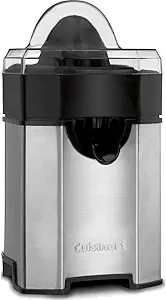 |
| Most Popular A crowd favorite that many people choose with confidence | Zulay Metal 2-in-1 Lemon Squeezer | 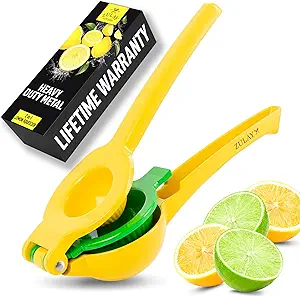 |
| Best Seller A high-volume bestseller chosen again and again | Juilist Centrifugal Juicer AMR526 |  |
GDOR Centrifugal Juicer GS378
| Maximum Power | 800 watts |
|---|---|
| Number of Speeds | 2 |
| Feed Chute Width | 3 inches |
| Power Source | ac |
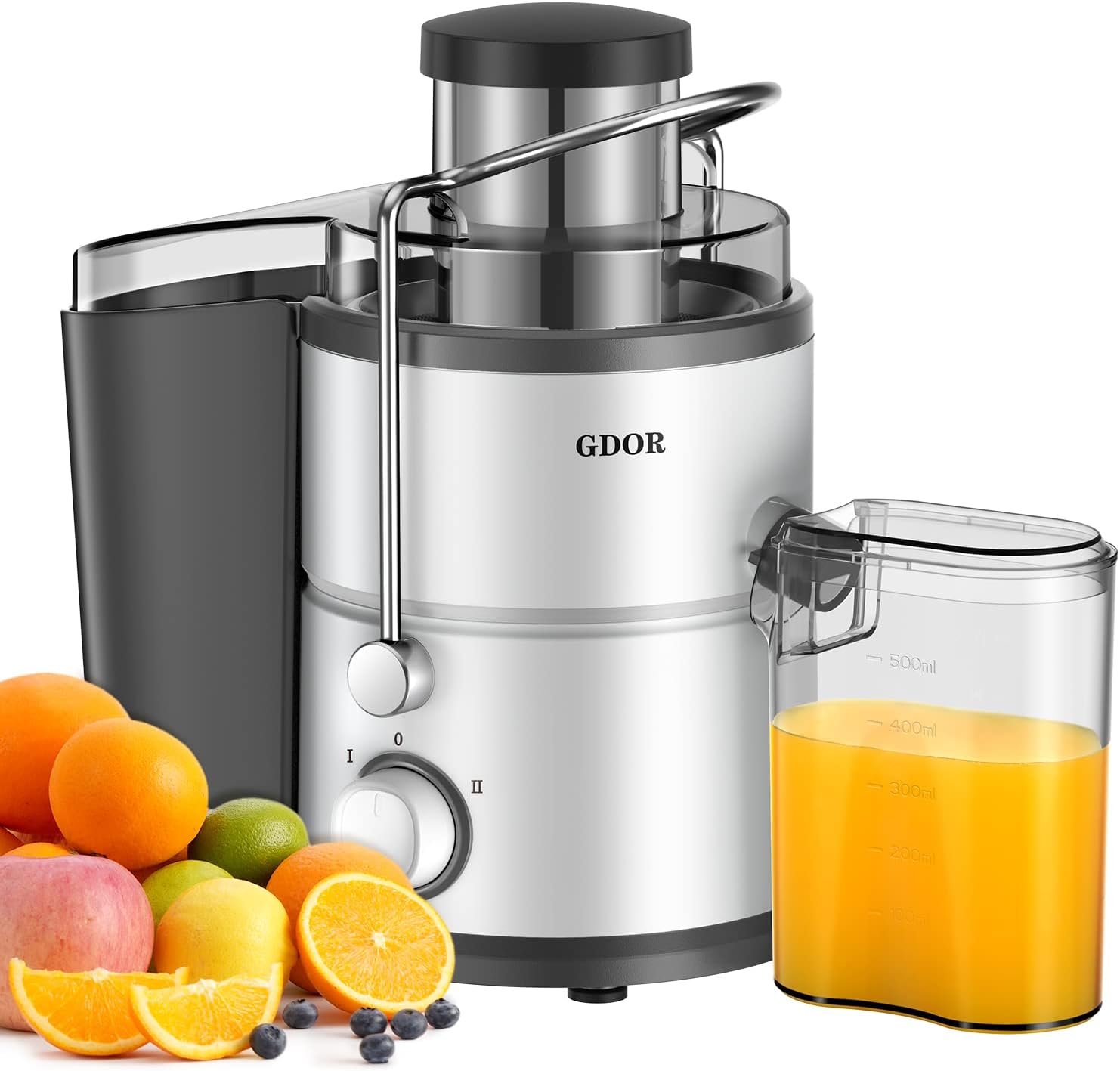
The GDOR Centrifugal Juicer GS378 is a budget-friendly centrifugal machine designed to turn whole fruits and many vegetables into juice quickly. It uses an 800W motor and a 3" wide feed chute so you can often skip chopping, and a dual-speed knob adapts RPMs for soft or hard produce. The package includes a 17 oz juice jug with a built-in foam separator and a cleaning brush, and safety features such as a locking arm, micro switch protection, non-slip feet, and overheat/overload shutdown add reliability during repeated use. For everyday juicing the unit is fast and straightforward: load fruit, select low or high speed, and pour from the anti-drip spout into your glass. Expect decent yield for common fruits and firm vegetables, but as a centrifugal model it will produce more foam and less micronutrient retention than slow masticating units. The plastic body and dishwasher-safe parts keep cleanup simple, though the capacity and pulp handling suit single-serving or small-family use rather than heavy commercial batches.
Best for: Buyers who want a fast, no-fuss countertop juicer that minimizes prep time and handles a mix of soft and hard produce for everyday home use.
Less Ideal for: Those seeking maximum juice yield, minimal foam, or commercial-level continuous juicing should consider a slow masticating or higher-capacity machine instead.
- Powerful 800W motor for quick extraction
- 3-inch wide feed chute reduces prep time by letting you juice larger pieces or whole fruits
- Dual-speed control handles both soft and hard produce
- Built-in foam separator and anti-drip spout improve pour quality and countertop cleanliness
- Multiple safety features including locking arm and overheat protection
- Centrifugal design yields more foam and less nutrient retention than slow juicers
- Moderate capacity and pulp handling better suited to singles or small families
Verdict: A fast, easy-to-use centrifugal juicer that saves prep time with a wide chute and dual speeds, making it a practical everyday choice under $50.
NEWBULIG Cold Press Juicer
| Wattage | 200 watts |
|---|---|
| Voltage | 120 volts |
| Feed chute | 4.25 inches |
| Special Features | Reverse function, Safety Lock, Quiet Motor |
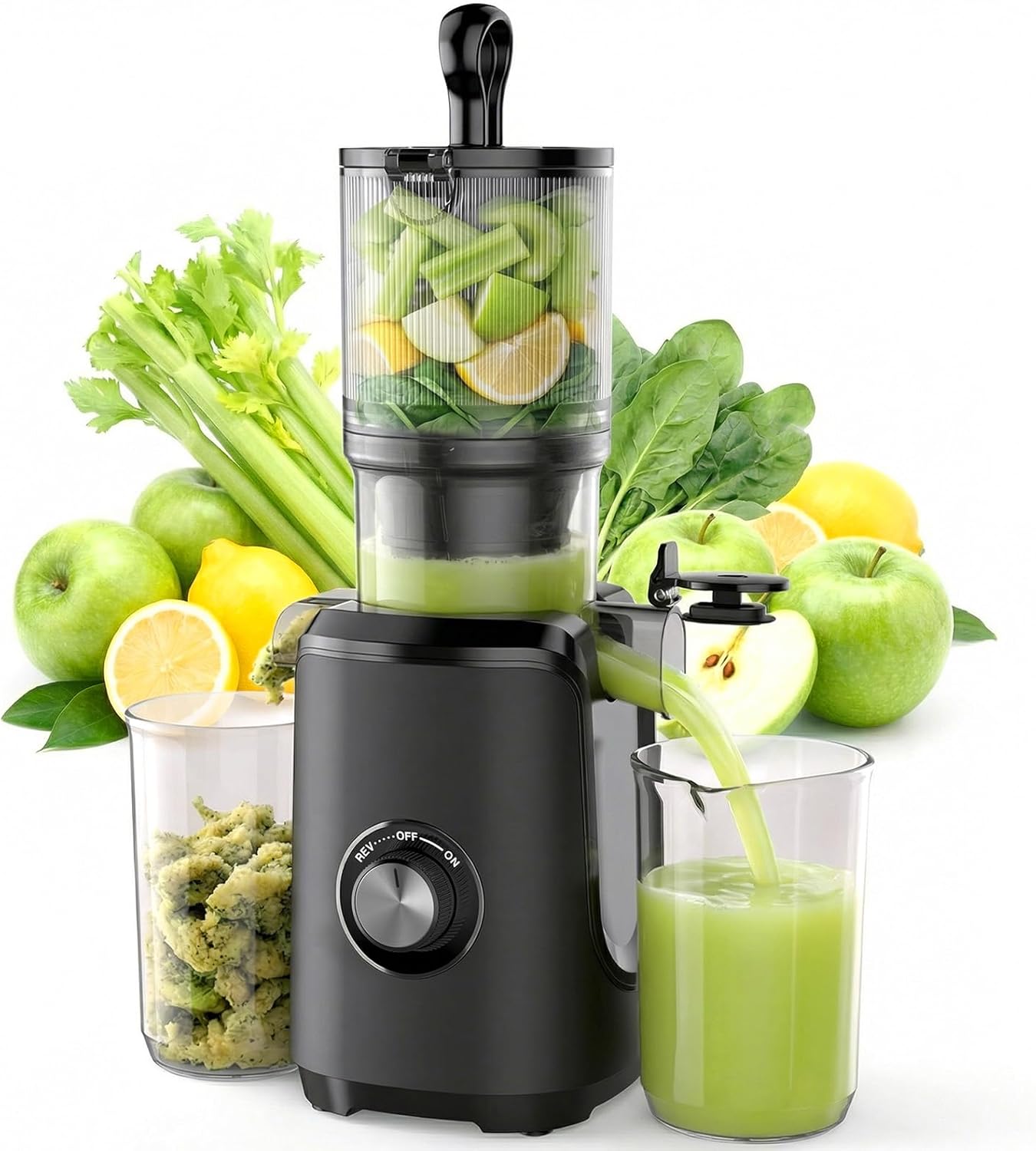
The NEWBULIG Cold Press Juicer is a single-auger masticating machine designed to extract juice with minimal heat and oxidation. It uses a slow 200-watt motor and a 4.25-inch feed chute so you can feed many whole fruits and vegetables with little prep, and the reverse function clears clogs without full disassembly. The unit includes a juice cup, pulp cup, and a cleaning brush, and most parts detach for quick hand washing. In practice it delivers higher-yield, less foamy juice than centrifugal models and runs quietly, which makes morning routines less intrusive. Expect slower throughput than high-speed juicers, so it is better for focused juice sessions rather than large-batch, rapid juicing. Materials are mostly ABS and polycarbonate with some stainless steel, and the safety lock prevents operation when opened for added peace of mind. Overall it offers efficient nutrient-preserving extraction and easy maintenance at a budget price, but it trades speed for quality of juice and requires hand washing of parts.
Best for: Buyers who prioritize juice quality and nutrient retention over speed and want a quiet, easy-to-clean cold-press juicer for daily small-batch use.
Less Ideal for: Anyone who needs very fast, high-volume juicing or wants dishwasher-safe convenience for every component should consider a different style of juicer.
- Wide 4.25" feed chute reduces prep by fitting many whole fruits and vegetables
- Slow masticating motor preserves nutrients and yields less oxidation and foam
- Reverse function clears clogs quickly without disassembly
- Quiet operation suitable for use in the morning or shared spaces
- Detachable parts plus included cleaning brush make routine cleaning straightforward
- Hand wash only; parts are not dishwasher-safe
- Slower juicing throughput compared with centrifugal high-speed juicers
Verdict: If you want a budget cold-press juicer that maximizes juice yield and nutrient retention for small daily batches, this NEWBULIG model delivers strong performance for the price.
BLACK+DECKER Citrus Juicer CJ625

| Wattage | 150 watts |
|---|---|
| Power Source | Corded Electric |
| Voltage | 120 volts |
| Special Features | Auto-Reversing |
| Material | Plastic |
The BLACK+DECKER CJ625 is a straightforward countertop citrus juicer designed for everyday home use. You press the fruit onto the cone and the unit's auto-reversing reamer extracts juice efficiently from both halves; two cone sizes handle small lemons to larger oranges. Juice collects in a clear pitcher with measurement markings and a drip-free spout so you can pour directly into glasses or recipes, and a removable pulp basket lets you dial pulp level or discard solids. Most removable parts are dishwasher safe, which keeps cleanup quick. The motor is sized for light to moderate juicing sessions rather than heavy commercial use, and the body is plastic so it saves space but is not as rugged as metal machines. If you want a simple, no-fuss juicer that gets good extraction for home breakfasts and cooking, this model delivers solid performance for the price.
Best for: Buyers who prioritize practical, reliable kitchen tools that save time and clean up easily and who want an affordable juicer for everyday citrus like oranges, lemons, and limes.
Less Ideal for: People who need a heavy-duty or commercial-grade juicer for large batches, or buyers wanting a premium metal finish and extra-durable components.
- Auto-reversing reamer improves juice extraction from each half
- Includes two cone sizes for different citrus fruits
- Clear pitcher with measurement marks and drip-free spout for easy pouring
- Removable parts are dishwasher safe for simple cleanup
- Plastic construction is less durable than metal-bodied juicers
- Motor is intended for household use and may struggle with continuous heavy juicing
Verdict: A compact, easy-to-clean citrus juicer that reliably extracts juice and suits practical buyers looking for a solid everyday model under $50.
Elite Gourmet ETS623 Citrus Juicer

| Maximum Power | 40 watts |
|---|---|
| Power Source | Corded Electric |
| Voltage | 120 |
| Capacity | 24 oz |
| Material | Stainless Steel |
The Elite Gourmet ETS623 is a countertop citrus juicer designed for quick home use when you want fresh orange, lemon, lime, or grapefruit juice without fuss. The 40-watt motor with an auto-reversing reamer spins both ways to increase extraction while the push-down manual activation keeps operation simple. Juice collects in a 24 oz container with an integrated pulp and seed filter and an easy-pour spout so you can serve directly. Removable parts are dishwasher-safe on the top rack for cleanup, and the compact footprint fits small kitchens, dorms, or RVs. Practical benefits include stronger-than-basic motor power for faster yield, contained pulp control for smoother juice, and safe BPA-free materials. Limitations are modest capacity for larger households and hand-wash recommended for longest life despite dishwasher-safe labeling, so heavy daily use may show wear over time.
Best for: Buyers seeking an affordable, no-frills countertop citrus juicer that delivers better extraction than very basic units and fits small kitchens and occasional use.
Less Ideal for: Those who need large-volume juicing for big families or frequent heavy use should choose a larger-capacity or more heavy-duty juicer instead.
- 40-watt motor with auto-reversing reamer improves juice extraction compared with lower-powered models
- 24 oz (3-cup) integrated container with pour spout and pulp/seed filter for tidy serving
- Compact footprint suitable for small counters, dorms, or RV kitchens
- Removable parts are top-rack dishwasher safe for easier cleanup
- Small 24 oz capacity limits batch size for larger households
- Push-down manual control offers less automation than some higher-end electric juicers
Verdict: A compact, budget-friendly citrus juicer that gives stronger extraction and tidy serving for small batches under $50.
Cuisinart Pulp Control CCJ-500P1

| Power Source | Corded Electric |
|---|---|
| Number of Speeds | 3 |
| Capacity | 12 ounces |
| Material | Stainless Steel |
The Cuisinart CCJ-500P1 is a countertop electric citrus juicer built for straightforward, reliable daily use. It uses an auto-reversing universal reamer plus a final-spin feature to extract more juice from fruit, and offers three pulp-control settings so you can choose low, medium, or high pulp in the glass. The extra-long snap-up spout helps reduce drips and fits larger glasses while removable parts are dishwasher safe for easy cleanup. With a modest motor and simple button controls it is best for fresh orange, lemon, lime, and grapefruit juice rather than heavy-duty pressing or non-citrus produce. The stainless steel construction and included 3-year limited warranty give confidence in durability, though the unit is compact and has a 12-ounce capacity so frequent juicing sessions will require emptying. For buyers after a dependable, no-frills citrus juicer under $50, this model delivers efficient extraction and easy maintenance at a low cost.
Best for: Buyers who want a simple, dependable countertop citrus juicer for daily fresh juice with minimal fuss and easy cleanup.
Less Ideal for: Those who need large-batch juicing, a multi-fruit juicer, or a juicer that handles hard produce and leafy greens.
- Auto-reversing universal cone and final-spin increase juice yield from citrus.
- Three adjustable pulp settings let you control pulp level in each serving.
- Dishwasher-safe removable parts simplify cleanup.
- Stainless steel build and included 3-year limited warranty support long-term reliability.
- Small 12-ounce capacity means frequent emptying for larger batches.
- Designed specifically for citrus so it cannot process whole non-citrus fruits or vegetables.
Verdict: A reliable, compact citrus juicer that maximizes juice yield and keeps cleanup easy, making it an excellent budget pick for everyday citrus juicing.
Zulay Metal 2-in-1 Lemon Squeezer

| Material | Aluminum |
|---|---|
| Power Source | Manual |
| Blade Material | Stainless Steel |
| Capacity | 0.5 liters |
The Zulay Metal 2-in-1 Lemon Squeezer is a handheld manual press that uses a bowl-and-cone design to squeeze citrus with minimal effort. You use it by placing a halved lemon or lime in the bowl and pressing the long ergonomic handles together to force juice through the perforated base, which keeps seeds and large pulp out of your glass. Made of aluminum with a stainless steel blade area and a food-grade finish, it feels sturdy and suited for frequent kitchen or bar use without electricity or batteries. Its compact footprint makes it easy to store and quick to rinse by hand; the description also notes dishwasher safety. Limits include the small bowl size, which is best for lemons, limes, and small oranges rather than large citrus, and the manual action means it can be tiring for large batches. Given its simple, durable build and high customer approval, it is a practical, low-cost tool for anyone wanting reliable fresh citrus juice without a countertop juicer.
Best for: Buyers who prioritize a proven, well-reviewed manual citrus press that is simple, durable, and backed by strong social proof for everyday lemon and lime use.
Less Ideal for: People who need to juice large quantities regularly or who want an electric countertop juicer with higher capacity and less manual effort.
- Sturdy aluminum construction for long-term use
- Ergonomic long handle reduces hand strain during pressing
- Perforated bowl filters seeds and large pulp for cleaner juice
- Compact manual design requires no power and stores easily
- Dishwasher-safe or quick hand wash for fast cleanup
- Small bowl capacity limits use with large oranges or high-volume juicing
- Manual pressing can be tiring for frequent large batches
Verdict: A sturdy, highly rated manual citrus squeezer that delivers reliable fresh lemon and lime juice without the cost or complexity of an electric juicer.
Juilist Centrifugal Juicer AMR526

| Maximum Power | 800 watts |
|---|---|
| Wattage | 400 watts |
| Feed Chute | 3" |
| Number of Speeds | 3 |
| Dishwasher Safe | Yes |
The Juilist Centrifugal Juicer AMR526 is a budget-friendly countertop juicer built for fast, everyday use. It accepts larger pieces through a 3-inch wide feed chute so you spend less time prepping, and the motor offers three speed settings to handle soft fruits up to firmer produce like apples and carrots. The stainless steel cutting disc and micro-mesh filter aim to boost yield while the visible window and one-button controls make operation straightforward for novices. Accessories like a cleaning brush and dishwasher-safe parts cut cleanup time, and built-in safety features include a double lock and overheat protection. Because it is a centrifugal model, it juicers quickly but can leave more pulp and slightly less nutrient retention than a slow mastication juicer, and the maker cautions against very fibrous or frozen items. For kitchens where counter space is limited, its compact footprint and easy assembly are practical advantages, though users seeking the quietest or highest-yield cold-press extraction may prefer a different style.
Best for: Buyers who want an affordable, easy-to-use juicer that speeds up prep and cleanup and prefer a simple, reliable appliance for daily fruit and vegetable juices.
Less Ideal for: People who prioritize maximum juice yield, minimal oxidation, or juicing high-fiber and frozen ingredients should consider a slow masticating juicer instead.
- 3" wide feed chute reduces prep time for larger fruit pieces
- Three speed settings let you match speed to soft or hard produce
- Stainless steel cutting disc and micro-mesh filter for improved juice yield
- Dishwasher-safe parts plus a cleaning brush simplify cleanup
- Safety features include overheat protection and a double lock for stable use
- Centrifugal design produces more pulp and slightly lower nutrient retention than slow juicers
- Manufacturer advises against juicing very fibrous or frozen items
Verdict: A compact, easy-to-use centrifugal juicer that delivers quick results and fuss-free cleanup for budget-conscious daily juicing.
Choosing the Right Juicer: Key Factors to Consider
Extraction Efficiency
How much juice a juicer yields from the same amount of produce matters because higher extraction reduces the number of fruits or vegetables you need to buy. Efficient extraction typically comes from sharper filters and faster centrifugal action in budget machines, or better-placed augers in slow juicers. For under-$50 models, focus on how the juicer handles common items like apples, oranges, and carrots. Expect slightly lower yields than pricier models, but good designs still recover the majority of liquid from softer produce.
Extraction efficiency also affects texture and pulp dryness. A unit that leaves very wet pulp is wasting produce and increases ongoing cost. When evaluating compact units, consider whether the machine can maintain consistent throughput when you load it with several pieces in a row, since stalls or clogs lower effective efficiency over time.
Ease of Cleaning
Cleaning time strongly influences how often you will use a juicer. Look for units with removable parts that are simple to separate and have smooth surfaces that resist pulp buildup. Dishwasher-safe components are a clear plus, but even hand-washable parts should rinse clean without tools. Filters are the most common pain point; finer meshes extract more juice but can trap fibers that require a brush to remove.
Consider whether the juicer has enclosed pulp chambers or nooks that trap juice and create odors between uses. Quick-rinse designs and straightforward filter access reduce maintenance and make daily juicing realistic for busy schedules.
Motor Reliability
Budget juicers rely on smaller motors, so long-term reliability is a key buying factor. A reliable motor maintains speed under load, resists overheating, and starts smoothly without frequent stalls. Buyers should check for basic thermal protection features or recommended duty cycles in the manual to avoid premature failure.
Durable motor housings and well-supported shafts reduce wobble and stress on bearings. Even on low-cost units, look for evidence of stable construction and consistent motor performance to ensure the appliance lasts several years of regular use.
Noise and Vibration
Noise and vibration affect where and when you can use a juicer. Centrifugal machines that spin at high RPMs tend to be louder and produce more vibration, which can be disruptive in small apartments or early-morning routines. A quieter unit makes juicing less intrusive and more likely to become part of a daily habit.
Vibration also signals how well parts are balanced. Excess vibration can hasten wear on mechanical parts and lead to faster loosening of fasteners. Prioritize units that run smoothly and have stable feet or anti-slip bases to keep the appliance steady during operation.
Size and Workspace Impact
Counter space is often limited, so a compact footprint can be essential. A smaller juicer is easier to store and faster to set up, but very small machines may have tiny feed chutes that require more chopping. Balance the space savings against the added prep time required for small chutes. Cord length, storage options, and whether parts nest for storage also influence how bulky the unit feels in day-to-day use.
Consider the pulp collector capacity as well. Smaller bins need emptying more often during larger batches, which interrupts workflow. Choose a size that fits your typical serving size to minimize mid-juicing interruptions.
Centrifugal Vs Slow Juicing at a Budget
At the under-$50 price point, centrifugal juicers dominate because they are simpler and cheaper to manufacture. These machines use high-speed spinning and a mesh filter to separate juice from pulp. They perform well on soft fruits and many vegetables and deliver juice quickly, which is ideal for busy mornings.
Slow or masticating designs are rare in this price range and, when present, often sacrifice build refinements. If you prioritize nutrient retention and drier pulp for maximum yield, be aware that true slow extraction is uncommon under $50 and performance will vary more across models.
- Centrifugal: fast extraction, good for apples and citrus, more foam and noise
- Slow-style units: gentler on produce, typically lower noise and foam but less common at this price
How to Test a Juicer at Home Before Commiting
If you can inspect or try a unit in person, run a short trial with a trio of common ingredients such as an apple, a carrot, and an orange. Check how much prep each requires, whether the feed chute accepts halved items, and how much pulp remains after juicing. Time the total process including cleanup to judge real-world convenience.
Also evaluate noise and vibration by running the machine for a minute or two on a typical load. Listen for unusual rattles and verify that the unit does not overheat during short continuous use. Finally, test disassembly to see how easily you can reach the filter and rinses cleanly.
- Try apple, carrot, and orange to cover soft and firmer produce
- Time total process including cleanup for a realistic estimate
- Listen for rattles and check for excessive heat after brief use
Maintenance Tips to Extend Service Life
Regular cleaning after each use is the single best way to keep a budget juicer functioning well. Rinse parts immediately to prevent dried pulp buildup, and use a small brush on the mesh to remove fibers. Wipe the motor housing with a damp cloth but avoid immersing electrical components.
Avoid overloading the machine with very hard items in rapid succession. Cut large ingredients into pieces that fit the chute and alternate firm and soft produce to maintain consistent feed. Periodically inspect seals and fasteners and tighten them if needed to prevent leaks and excessive vibration.
- Rinse and brush the filter after each use
- Alternate firm and soft produce to reduce motor strain
- Inspect seals and tighten fasteners periodically
Common Mistakes Buyers Make
Expecting commercial-level yields from an inexpensive home juicer leads to disappointment. Under-$50 units are designed for light to moderate household use and will not match the throughput of more expensive, professionally oriented machines.
Another frequent mistake is overlooking cleaning complexity. A model with a tiny filter mesh may extract well but require lengthy cleaning that defeats the convenience of quick juicing. Finally, buyers sometimes choose the smallest footprint without considering feed chute size, which increases prep time significantly.
- Do not expect commercial throughput or ultra-dry pulp
- Balance extraction against cleaning time
- Check feed-chute size to avoid excessive chopping
Best Practices for Juicing Different Produce
Soft fruits like oranges and grapes need minimal prep and perform well in most budget juicers. Peel citrus to reduce bitterness and remove seeds that can cause off flavors. For soft items, shorter processing times limit foam and oxidation.
Harder produce such as carrots and apples benefit from slicing into smaller pieces to reduce motor strain and help the unit maintain speed. Leafy greens produce low juice volume in centrifugal machines; to improve yield, combine greens with water-rich fruits like cucumbers or apples.
- Peel citrus and remove large seeds
- Slice hard produce to reduce motor strain
- Mix leafy greens with water-dense fruits for better yield
How We Chose the Best Juicer
We focused on criteria that matter for budget-friendly juicers used in everyday home kitchens. First, extraction efficiency: how well a unit separates juice from pulp for common fruits and soft to medium vegetables, since efficient extraction gives you more usable juice per fruit and reduces waste. Second, ease of cleaning: time and complexity of disassembly, dishwasher-safe parts, and how easy the filter is to rinse free of pulp. Third, reliability and build quality: durability of the motor and feeding components under typical domestic use. Fourth, noise level and motor strain: lower noise and consistent speed indicate a unit that can handle repeated cycles without overheating. Fifth, user convenience: size, cord storage, pulp capacity, and simple controls that reduce setup friction. We excluded heavy-duty masticating or commercial machines that exceed the price scope or require specialized maintenance. We also filtered out units with minimal parts support or clearly unsafe electrical design. The final shortlist balances measurable efficiency, straightforward maintenance, and real-world usability for buyers seeking an affordable, dependable juicer.
Our full evaluation process is outlined in our review methodology.
FAQ
Can a juicer under $50 handle carrots and beets?
Often yes for carrots, especially if sliced to fit the feed chute; beets are firmer and may require smaller pieces. Expect slightly lower yield and monitor motor strain during extended runs.
How often should I clean a budget juicer?
Rinse removable parts after every use and deep-clean the filter and components at least once a week if used daily. Immediate rinsing prevents dried pulp buildup that is harder to remove.
Are cheaper juicers noisy?
Many under-$50 centrifugal juicers are louder than higher-end models because of faster spinning and lighter construction. Noise varies by design, so check for solid feet and balanced components to minimize vibration.
Will a small chute increase prep time?
Yes. Smaller feed chutes require more chopping, which adds prep time. Balance counter space savings against the convenience of a larger chute when possible.
How long should I expect a budget juicer to last?
With regular cleaning and moderate use, a well-built budget juicer can last several years. Lifespan depends on motor cooling, duty cycle, and how often it is pushed with very hard produce.
Final Verdict
When shopping for a juicer under $50, prioritize extraction efficiency and ease of cleaning because these traits most strongly influence daily convenience and ongoing cost. Accept tradeoffs in noise and throughput compared with higher-priced machines, and choose a size and chute configuration that match your prep habits. With realistic expectations and routine maintenance, an affordable juicer can be a reliable, low-friction way to add more fresh juice to your routine.