
Note: This article contains affiliate links. If you click on these links and make a purchase, we may earn a small commission at no extra cost to you. This helps support our research and content. Read our full affiliate disclosure here.
Picking a first sewing machine shapes how quickly you learn and how much you enjoy the craft. A mechanical sewing machine for beginners gives you tactile controls, straightforward maintenance, and predictable stitch results that help build foundational skills. This guide highlights seven shortlisted options that are well suited to new sewers, and explains the practical tradeoffs between simplicity, stitch capability, and long-term reliability. Below you will find focused evaluations based on usability, stitch quality, and everyday durability so you can choose a machine that matches the projects you want to tackle. Read on for the decision criteria we used and clear buyer guidance before the product list.
Top Picks at a Glance
| Best Overall The best all-around choice for most situations | Janome 2212 Sewing Machine |  |
| Best Quality Built to a higher standard if you want something more solid | Janome 1522DG Sewing Machine | 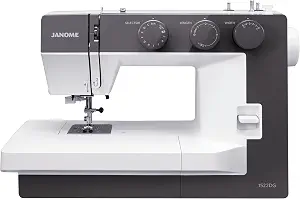 |
| Best Value The sweet spot between price and what you get | FEIYUE FYe310 Sewing Machine |  |
| Best Budget The cheapest option that still gets the job done reliably | Brother FB1757X Sewing Machine |  |
| Top Rated A top-rated pick with lots of positive feedback | Brother XM2701 Sewing Machine |  |
| Most Popular A crowd favorite that many people choose with confidence | SINGER Heavy Duty 4423 |  |
| Best Seller A high-volume bestseller chosen again and again | SINGER Heavy Duty 4411 |  |
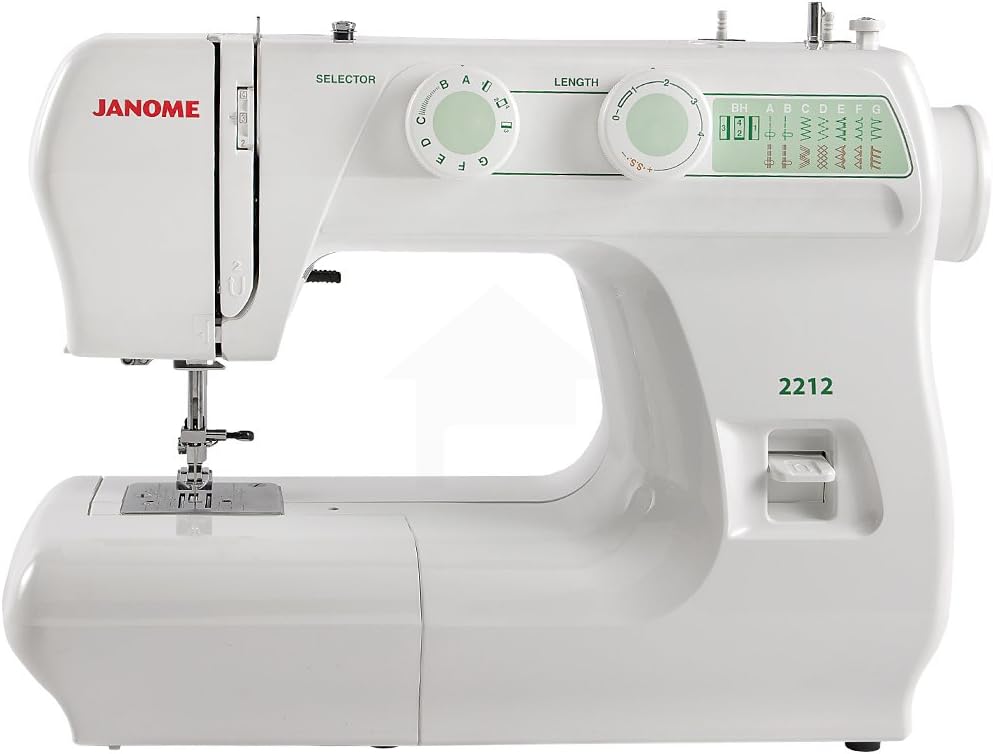
Janome 2212 Sewing Machine
| Built-in stitches | 12 |
|---|---|
| Buttonhole | 1 four-step buttonhole |
| Maximum stitch length | 4 mm |
| Maximum stitch width | 5 mm |
| Power source | AC |
The Janome 2212 is a straightforward, no-frills mechanical sewing machine built for learning and everyday mending. It offers 12 built-in stitches plus a four-step buttonhole, with a dial selector for quick stitch changes and manual stitch width and length adjustment for fine-tuning. Useful practical features include a free arm for cuffs and sleeves, drop-feed capability for quilting or darning, a front-loading oscillating bobbin, snap-on presser feet, and an extra-high presser foot lift to handle thicker seams. The machine runs from an AC motor with foot pedal control, is lightweight enough to move between rooms or store easily, and includes common accessories like bobbins, basic feet, needles, and a seam ripper. Limitations are its mechanical control set and modest stitch count, which mean it lacks computerized conveniences and advanced decorative stitches, and it is not intended for heavy industrial fabrics. For beginners who want a durable, easy-to-understand machine to practice on, it covers the essentials without unnecessary complexity.
Best for: Someone starting sewing who wants a reliable, easy-to-use mechanical machine to learn fundamentals, do repairs, and complete basic garment and home-sewing projects.
Less Ideal for: Sewists who need a wide range of decorative stitches, automation, or a machine built for heavy industrial fabrics should look at more advanced or specialized models.
- Simple mechanical controls that are easy for beginners to learn
- Includes practical accessories (presser feet, bobbins, needles) to start sewing immediately
- Free arm and drop-feed expand capability for mending, hemming, and quilting
- Extra-high presser foot lift and metal needle plate help handle thicker seams and steady fabric feed
- Lightweight and portable for moving between rooms or storing when not in use
- Only 12 basic stitches and a four-step buttonhole, so limited decorative options
- No computerized features like automatic needle threading or programmable stitch memory
Verdict: A durable, beginner-friendly mechanical machine that covers essential stitches and practical features without the complexity of computerized models.
Janome 1522DG Sewing Machine

| Built‑in stitches | 22 |
|---|---|
| Buttonhole | 1‑step |
| Maximum speed | 800 stitches per minute |
| Power source | AC/DC |
| Presser foot lift | Extra‑high |
The Janome 1522DG is a straightforward mechanical sewing machine built around a heavy‑duty interior metal frame and a beginner‑friendly feature set. It provides 22 built‑in stitches plus a one‑step buttonhole, adjustable stitch length and zigzag width, and a flip‑up stitch chart for quick selection. Practical touches like a built‑in needle threader, auto‑declutch bobbin winder, extra‑wide extension tray for quilting, removable free arm, and three‑position foot pressure dial make it useful across garments, quilting, and home‑decor projects. The machine runs up to 800 stitches per minute and includes six presser feet and five bobbins, so you can start most projects right away. Tradeoffs are inherent in its mechanical design: adjustments are manual rather than digitally guided, and heavy projects will rely on user technique rather than automated tension systems. At about 14 pounds it is portable for classes but still substantial on a sewing table. For beginners who want a robust, no‑nonsense machine that teaches core skills, the 1522DG balances capability with simplicity.
Best for: Beginners who want a durable, hands‑on machine that teaches core sewing skills and handles quilting and garment work without digital complexity.
Less Ideal for: Users who want touchscreen controls, automated tension/stitch programming, or high‑end commercial speed and automation should consider computerized machines instead.
- Sturdy interior metal frame for consistent sewing and reduced vibration
- 22 built‑in stitches plus one‑step buttonhole cover most beginner projects
- Built‑in needle threader and auto‑declutch bobbin winder speed setup
- Foot pressure adjustment and extra‑wide extension tray improve handling of varied fabrics
- Includes six presser feet and multiple accessories so you can start sewing immediately
- Mechanical controls require manual dialing and offer less precision than digital models
- Lacks advanced automated tension or stitch memory features
Verdict: Choose the Janome 1522DG if you want a solid, mechanically controlled machine that teaches good technique while handling a wide range of beginner sewing projects.
FEIYUE FYe310 Sewing Machine

| Power Source | Corded Electric |
|---|---|
| Input Voltage | 120 volts |
| Built-in Stitches | 24 (approx.) |
| Motor Power | 100W servo motor |
The FEIYUE FYe310 is a practical, beginner-friendly mechanical sewing machine built around a 100W servo motor and a heavy-duty interior metal frame so it can tackle light garments through thicker fabrics like denim. It offers about 24 built-in stitches, a 4-step buttonhole, automatic needle threader, front-loading bobbin and removable free arm, so everyday repairs, home decor projects and simple garment sewing are straightforward. The electronic stepless foot pedal and dual LED lights help with precise speed control and visibility, while the servo motor includes an intelligent protection mode that flashes and locks the handwheel if the machine jams. Included accessories such as multiple presser feet and extra bobbins mean you can start sewing without hunting for extras. Limitations are typical for machines in this class: it is a basic mechanical model without an LCD or advanced computerized stitch programming, and its mostly plastic exterior may not feel as premium as higher-end metal-cased models.
Best for: Buyers who want a no-nonsense, energy-efficient mechanical machine that handles everyday sewing and occasional heavy fabrics while keeping setup and operation simple.
Less Ideal for: If you need computerized stitch editing, embroidery capability, or a premium all-metal exterior for heavy commercial use, look at higher-end computerized or industrial machines instead.
- High-torque 100W servo motor with overload protection for reliable stitching and better energy efficiency
- Heavy-duty interior metal frame supports consistent feeding through thicker fabrics
- Automatic needle threader and front-loading bobbin simplify setup for beginners
- Includes useful accessories (multiple presser feet and extra bobbins) so you can start projects right away
- Electronic stepless foot pedal and dual LED lights give fine speed control and good work-area illumination
- No computerized LCD or stitch memory for advanced pattern editing
- Plastic exterior reduces perceived durability compared with fully metal-cased machines
Verdict: A user-friendly, heavy-duty beginner machine that pairs a powerful servo motor and metal frame with practical features to handle everyday sewing and thicker fabrics reliably.
Brother FB1757X Sewing Machine

| Total included stitches | 17 |
|---|---|
| Buttonhole styles | 4 one-step auto-size |
| Power source | AC |
The Brother FB1757X is a straightforward mechanical sewing machine aimed at everyday sewing projects and beginners. It offers 17 built-in utility and decorative stitches plus four one-step auto-size buttonhole styles, selected via a dial, and a reverse stitch for reinforcement. Practical features include a free arm for sleeves and pant legs, a jam-resistant drop-in top bobbin with a clear cover, an included extension table for larger pieces, and an LED light to brighten the work area. The machine's metal frame and adjustable tension make it capable of handling heavier fabrics such as denim and light leather, and the package includes four presser feet and spare bobbins to get started. Being a mechanical model, settings are manual which keeps cost and complexity down but means it lacks computerized conveniences like an LCD screen or automatic stitch selection. For sewists who want a durable, no-frills machine that covers common stitches and basic tailoring without a steep learning curve, the FB1757X delivers dependable, practical performance.
Best for: Buyers looking for an affordable, reliable first sewing machine that covers basic garment and home-sewing tasks without the complexity of computerized models.
Less Ideal for: Sewers who want advanced stitch libraries, touchscreen controls, or automated features for heavy craft or professional-level projects.
- 17 built-in stitches and 4 one-step auto-size buttonhole styles for common sewing needs
- Jam-resistant drop-in top bobbin with clear cover makes threading and monitoring thread easy
- Free arm and included extension table expand usability for sleeves and larger projects
- Sturdy metal frame and adjustable tension handle heavier fabrics like denim
- LED-lit work area improves visibility for detailed work
- Manual dial controls lack computerized automation and advanced stitch customization
- Limited to 17 stitch options which may be restrictive for decorative or specialty sewing
Verdict: A budget-friendly, dependable mechanical machine that covers essential stitches and practical features ideal for beginners learning to sew.
Brother XM2701 Sewing Machine

| Built-in stitches | 27 |
|---|---|
| Included presser feet | 6 |
| Power source | Corded Electric |
| Input voltage | 120 volts |
The Brother XM2701 is a straightforward mechanical sewing machine aimed at beginners and everyday home sewing. It offers 27 built-in stitches, an automatic one-step buttonholer, an easy needle threader, and a jam-resistant drop-in top bobbin that simplify setup and routine sewing tasks. The machine includes six quick-change presser feet and a free arm for sewing cuffs, sleeves, and pant legs, making it useful for mending, hemming, simple garment construction, and small quilting projects. Controls are dial-based for stitch selection, length, width, and tension, which keeps operation simple and reliable without a learning curve. The built-in LED light improves visibility for detailed work. Because it is a mechanical model with a corded power source, it feels durable and predictable under normal use, though it lacks computerized conveniences like memory stitch settings or an LCD screen. The XM2701 is a practical choice if you want a no-frills, dependable machine that covers common household sewing tasks without unnecessary complexity.
Best for: Buyers who want a reliable, easy-to-use mechanical machine for learning to sew and handling everyday repairs and projects without technical complexity.
Less Ideal for: People who need advanced computerized functions, professional-grade heavy-duty performance, or frequent sewing of very thick industrial materials should look elsewhere.
- Automatic needle threader and jam-resistant drop-in bobbin simplify threading and reduce jams
- 27 built-in stitches plus one-step buttonholer and six presser feet cover common sewing tasks
- Free arm design helps with cuffs, sleeves, and cylindrical hems
- Dial controls and LED work light make operation intuitive and visible
- Mechanical controls lack advanced computerized features like stitch memory or a digital display
- Not designed for heavy industrial use or consistently sewing very thick materials
Verdict: A dependable, beginner-friendly mechanical sewing machine that provides essential stitches and user-friendly features for everyday home sewing.
SINGER Heavy Duty 4423

| Built-in stitches | 23 |
|---|---|
| Stitch applications | 97 |
| Max sewing speed | 1,100 stitches/min |
| Power source | Corded Electric |
| Input voltage | 120 volts |
The SINGER Heavy Duty 4423 is a mechanically operated sewing machine aimed at handling both everyday sewing and tougher jobs like denim and canvas. It offers 23 built-in stitches covering 97 stitch applications, a 1,100 stitches-per-minute top speed, and a 60% stronger motor that gives extra piercing power through thick seams. Practical features for beginners include a top drop-in bobbin that is easy to load, an automatic needle threader, LED work light, and four included presser feet plus accessories stored in the tray. The stainless steel bed plate and metal interior frame make fabric feed smoother and help prevent skipping when working with multiple layers. Trade-offs to note are its primarily mechanical control layout, which means there is a learning curve for stitch selection and adjustments compared with computerized models, and the machine is relatively heavy to move. For learners who want a durable, fast machine that can grow with more advanced home projects, the 4423 balances power and basic conveniences well.
Best for: Beginners who prioritize a robust, forgiving machine that can handle heavy fabrics and lots of practice time and who prefer a straightforward mechanical design over touchscreen controls.
Less Ideal for: Users who want lightweight portability, touchscreen programming, or fully automated stitch selection should consider a computerized or travel-friendly machine instead.
- Powerful motor and high top speed for faster sewing and better penetration on thick fabrics
- Heavy-duty metal interior frame and stainless steel bed plate for stable, skip-free stitching
- Automatic needle threader and top drop-in bobbin make setup and threading easier for beginners
- Includes multiple presser feet and common accessories so you can start sewing right away
- Mechanical controls require manual adjustment and have a steeper learning curve than computerized machines
- Heavier unit makes it less portable for frequent transport
Verdict: Buy this if you want a durable, high-speed mechanical machine that can handle heavy fabrics and teach you solid sewing fundamentals.
SINGER Heavy Duty 4411

| Power Source | Corded Electric |
|---|---|
| Built-In Stitches | 11 |
| Stitch Speed | Up to 1,100 stitches/min |
| Bobbin Type | Top drop-in, transparent cover |
The SINGER Heavy Duty 4411 is a straightforward mechanical sewing machine built to handle both everyday sewing and tougher materials like denim or canvas. It uses a powerful corded motor and a heavy-duty interior metal frame to deliver up to 1,100 stitches per minute, making it useful for mending, home decor projects, and simple garment construction. The machine includes a top drop-in bobbin with a clear cover for easy monitoring, LED lighting for the work area, a stainless steel bed plate for smooth fabric feed, and four presser feet to get started. The stitch options are limited compared with computerized models but the 11 built-in stitches plus a 4-step buttonhole cover the basics beginners need while keeping operation simple and dependable. Setup and threading are typical of mechanical machines and the solid metal construction gives confidence for thicker fabrics, though advanced decorative stitching and auto-features are not available. For a risk-averse buyer seeking a durable, no-frills starter machine, the 4411 balances power and simplicity well.
Best for: Buyers who want a reliable, simple-to-use mechanical starter machine that can handle both lightweight and heavier fabrics and who prioritize durability and predictable performance.
Less Ideal for: Users who want many decorative stitches, touchscreen controls, or automated stitch selection should consider a computerized model instead.
- Robust metal interior frame for stable, skip-free sewing
- Powerful motor rated for high-speed stitching suitable for thick fabrics
- Top drop-in bobbin with transparent cover for easy thread monitoring
- Includes essential presser feet and accessories to start sewing right away
- Limited to 11 built-in stitches so fewer decorative options than computerized machines
- Manual mechanical controls require initial learning compared with plug-and-play computerized models
Verdict: A durable, no-nonsense mechanical sewing machine that gives beginners a dependable, heavy-duty platform to learn on.
Choosing the Right Mechanical Sewing Machine for Beginners: Key Factors to Consider
Simplicity of Controls
A beginner benefits from straightforward dials and labeled settings. Simple mechanical knobs for stitch selection, length, and tension reduce setup time and help you learn cause-and-effect: change the tension, see how the stitch changes. Clear markings and tactile detents on controls make repeated adjustments predictable, which matters when you are practicing different fabrics.
Complex multi-function levers or tiny unlabeled buttons can slow learning and increase frustration. Prioritize machines where basic operations like threading the needle and winding the bobbin are visibly documented and easy to follow.
Threading and Bobbin Access
Fast, intuitive threading and easy bobbin access save time during practice sessions. Front-loading bobbins that are visible through a clear cover or top-loading drop-in bobbins that click into place are both acceptable if the path is well marked. A machine that makes it simple to load, remove, and inspect the bobbin reduces downtime caused by tangles and incorrect winding.
Also consider whether the machine provides a built-in cutter and a straightforward reverse lever for lockstitching. These small conveniences speed up basic tasks and are especially useful when learning.
Stitch Options and Adjustability
A beginner machine should offer the essential stitches: straight stitch, zigzag, and a handful of utility stitches for seams and finishing. Adjustable stitch length and width allow you to experiment and understand how stitch settings affect fabric behavior. While an extensive library of decorative stitches is not necessary early on, having a few stretch or utility stitches is helpful for sewing knits, mending, and garment construction.
Controls that let you fine-tune tension and stitch length without guessing improve learning outcomes because you can methodically troubleshoot problems like puckering or skipped stitches.
Build Quality and Stability
A stable sewing platform and a sturdy internal frame reduce vibration and keep feed consistent, which directly affects stitch uniformity. Machines with metal-reinforced frames or heavy-duty bases are less likely to walk on the table or produce uneven stitches when working at speed. For beginners, predictable behavior is more valuable than high-end features because it shortens the feedback loop during practice.
Consider whether the machine feels solid when you press the foot pedal and whether major parts are accessible for routine maintenance like oiling and needle replacement.
Presser Feet and Accessories
Useful presser feet accelerate progress. A basic package should include an all-purpose foot, a zipper foot, and a buttonhole foot or a simple button sewing assist. Extra accessories such as spare bobbins, a seam ripper, and a needle assortment make learning less interrupted and let you try different fabrics sooner.
Also check whether the machine accepts common low-shank feet or uses a proprietary mount. Compatibility with widely available feet extends the machine's versatility without requiring specialized add-ons.
Maintenance and Long-Term Upkeep
Mechanical machines are often praised for simple servicing, but access to moving parts is key. Machines with easily removable throat plates and a clear path to the bobbin case make cleaning lint and performing oiling straightforward. Readily replaceable needles and a documented maintenance routine reduce the lifetime cost of ownership.
Beginners should favor machines that clearly document routine tasks and avoid models that require professional servicing for common issues. A straightforward maintenance regimen helps keep stitch performance consistent as you gain experience.
Why Choose a Mechanical Machine First
Mechanical sewing machines give direct tactile feedback and predictable operation, which accelerates skill development. Without complex menus or automatic adjustments, you learn how stitch length, tension, and presser foot pressure interact across different fabrics.
They are also simpler to repair and maintain at home, and many beginners find the visible controls easier to understand than electronic displays. For foundational sewing skills, the straightforward nature of mechanical machines reduces the learning curve.
- Direct manipulation of stitch settings builds intuition
- Fewer electronic parts mean easier at-home maintenance
- Ideal for practicing basic garment construction and mending
Setting Up Your Machine for the First Project
Start by installing the correct needle and threading the machine following the marked path. Wind and insert a properly wound bobbin, check that the presser foot is down when threading the top, and set stitch length to a medium setting for general seams.
Test on scrap fabric that matches your project weight. Adjust tension incrementally until the stitch looks even on both sides. Use the feed dog and presser foot recommendations in the manual for best results.
- Use scrap fabric for tension and stitch length tests
- Lower the presser foot when threading the needle for correct tension path
- Keep spare needles and bobbins handy during initial projects
Common Beginner Sewing Problems and Fixes
Skipped stitches often indicate a dull, bent, or improperly seated needle, or the wrong needle type for the fabric. Replacing the needle and ensuring it is fully inserted usually solves the issue. Also inspect the bobbin for tangles and confirm the thread path is correct.
Puckering can be caused by incorrect tension, too short stitch length, or needle size mismatch. Adjust stitch length and tension in small increments and test on scrap before proceeding. If the feed seems uneven, verify that the throat plate and feed dogs are clean and free of lint.
- Skipped stitches: change needle and verify seating
- Puckering: adjust tension and stitch length
- Uneven feed: clean the throat plate and bobbin area
Essential Accessories to Buy or Keep On Hand
A basic toolkit will speed learning and troubleshooting. Keep a few sizes of universal needles, extra bobbins, a small brush for lint, a seam ripper, and a measuring tape close to your machine. A magnetic pin dish or pincushion prevents dropped pins from getting lost in the workspace.
Consider additional presser feet as your skills grow. A zipper foot and a buttonhole foot expand the range of projects you can tackle without changing machines. Storage for accessories and a dust cover also help extend the machine's life.
- Needle assortment and spare bobbins
- Seam ripper and lint brush
- Zipper and buttonhole presser feet
Basic Maintenance Checklist
After each use, remove lint from the bobbin area and under the throat plate. Oil moving parts only if the manual specifies it and use sewing-machine oil sparingly. Replace needles regularly to avoid fabric damage and skipped stitches.
Schedule a deeper inspection every few months if you sew regularly: check belt tension, clean accessible gears, and ensure screws are snug. Simple preventive maintenance keeps mechanical machines running smoothly for years.
- Clean bobbin area after each project
- Replace needle after 6 to 8 hours of sewing or when issues appear
- Follow manual instructions for oiling and periodic checks
How We Chose the Best Mechanical Sewing Machine for Beginners
We prioritized machines that make learning faster and reduce early frustrations. Our selection filters favored straightforward mechanical designs with clearly labeled controls, robust metal or reinforced frames, and a basic but useful set of stitch options that cover hemming, seams, and simple decorative work. We looked for machines with reliable stitch formation across common fabrics, adjustable stitch length and width, and a capable feed dog system to handle woven and medium-weight knits. Ease of use and clarity of controls were weighted heavily: intuitive dials, visible tension adjustment, and a clear bobbin system reduce setup errors during early learning. Build durability and maintenance were next: accessible servicing points, replaceable needles, and a stable base contribute to consistent performance. Practical accessories and threading guides also influenced selection because they shorten the setup learning curve. We excluded computerized or heavily automated machines, advanced industrial units, and models lacking basic stitch adjustments. Final picks reflect machines that balance beginner-friendly operation with the core functions needed to progress from practice projects to everyday sewing tasks.
Our full evaluation process is outlined in our review methodology.
FAQ
Is a mechanical sewing machine harder to use than a computerized one?
Not usually. Mechanical machines have simpler controls that are easier to understand for beginners. They require more manual adjustment, but that hands-on setup helps you learn core sewing principles.
What stitch types do beginners really need?
Start with a straight stitch and a zigzag. A few utility stitches for stretch fabrics and a basic buttonhole function are useful additions. Decorative stitches are optional until you have the basics down.
How often should I change the needle?
Change the needle after about 6 to 8 hours of sewing or immediately if it becomes bent, dull, or starts causing skipped stitches. Using the correct needle type and size for your fabric is equally important.
Can mechanical machines handle heavier fabrics?
Many mechanical machines manage medium-weight fabrics well. Heavier materials may require a stronger motor, appropriate needle types, and slower stitching speed. Check the machine's specifications for recommended fabric weights.
Do mechanical machines require professional servicing?
They do not usually require frequent professional servicing. Routine cleaning, needle changes, and occasional oiling keep most mechanical machines running, but a yearly service can help maintain peak performance for regular users.
Final Verdict
For beginners, prioritize machines that make threading, stitch selection, and tension adjustment obvious and repeatable. Focus on a sturdy platform, accessible bobbin access, and a small but useful set of stitches so you can practice and progress without unnecessary complexity. Tradeoffs commonly involve fewer bells and whistles in exchange for simpler operation and easier upkeep. Choose a mechanical sewing machine that matches the types of projects you plan to sew and that feels stable during use. If you value hands-on learning and straightforward maintenance, a well-built mechanical machine will serve as a dependable foundation for years of sewing.