
Note: This article contains affiliate links. If you click on these links and make a purchase, we may earn a small commission at no extra cost to you. This helps support our research and content. Read our full affiliate disclosure here.
Picking the right sewing machine for quilting changes how fast and comfortably you complete projects. Quilting stresses machines in different ways than garment sewing: you need even stitch formation, a reliable feed for multiple fabric layers, and enough throat space to maneuver large blocks and finished quilts. This guide highlights the top shortlisted sewing machines for quilting that balance stitch quality, power to handle batting and multiple layers, and user-friendly features for piecing and quilting. Below you will find our top picks along with clear evaluation criteria to help you match a machine to your quilting style and workspace. Read on to understand the tradeoffs that matter most when buying for quilting work.
Top Picks at a Glance
| Best Overall The best all-around choice for most situations | Juki TL-2010Q Sewing Machine |  |
| Best Quality Built to a higher standard if you want something more solid | Juki HZL-F600 Sewing Machine |  |
| Best Value The sweet spot between price and what you get | Janome JW8100 Sewing Machine |  |
| Best Budget The cheapest option that still gets the job done reliably | SINGER M3500 Sewing Machine |  |
| Top Rated A top-rated pick with lots of positive feedback | Brother HC1850 Sewing & Quilting Machine |  |
| Most Popular A crowd favorite that many people choose with confidence | SINGER Heavy Duty 4423 |  |
| Best Seller A high-volume bestseller chosen again and again | Brother XM2701 Sewing Machine |  |
Juki TL-2010Q Sewing Machine
| Power Source | Treadle Powered |
|---|
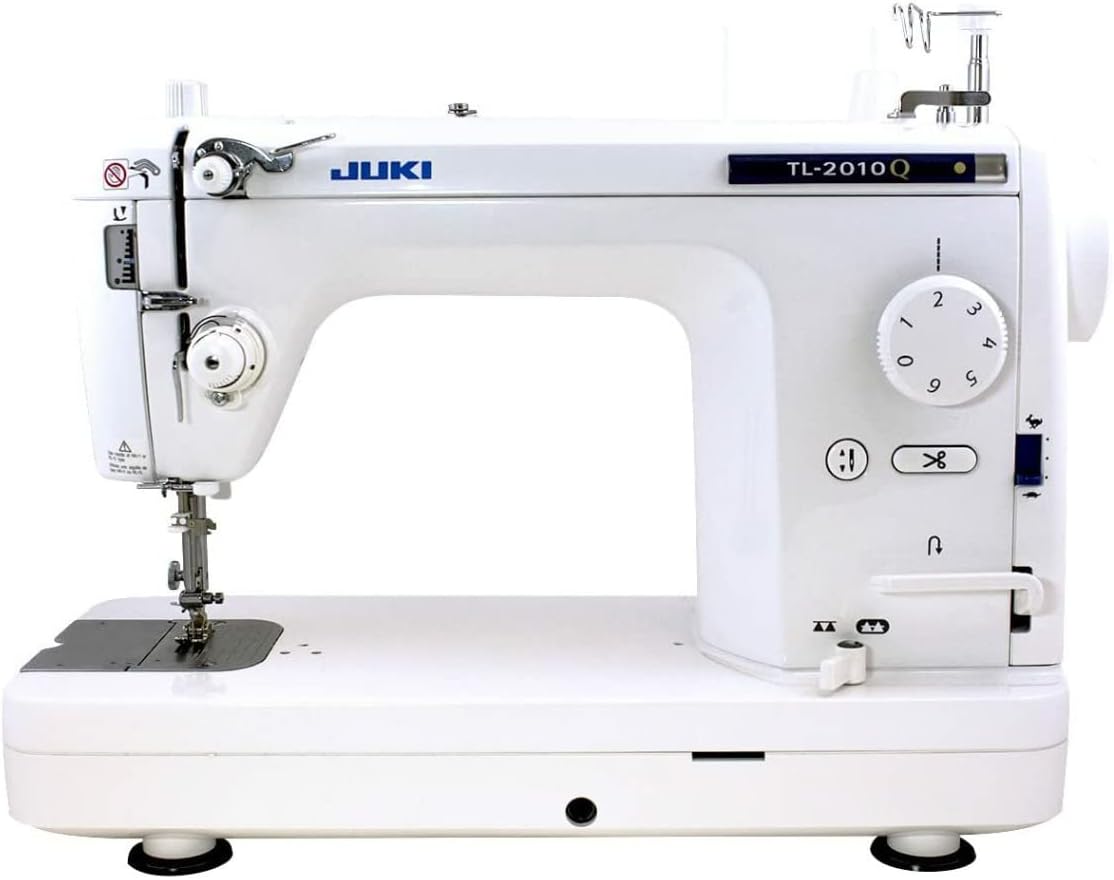
The Juki TL-2010Q is a purpose-built single-needle lockstitch machine designed for quilting, tailoring, and home-decor sewing. It delivers industrial-style straight stitching with a built-in automatic thread trimmer that trims needle and bobbin threads at the push of a button, which speeds finishing and reduces fiddly thread clipping. Practical user aids include a knee lifter that raises the presser foot up to 12 mm for feeding multiple layers and thick quilts, and an automatic needle threader to avoid eyestrain when rethreading. The machine is lightweight and portable with a carrying handle and can be used free-standing on a tabletop or mounted into compatible quilting frames or cabinets. Because it focuses on straight stitching and quilting performance, you get reliable, high-speed stitch quality but not multi-stitch decorative options or twin-needle convenience found on domestic multifunction machines. The TL-2010Q suits sewists who prioritize stitch consistency, power for thicker fabrics, and faster workflow when piecing and quilting layers.
Best for: Sewists who want a powerful, no-nonsense machine focused on straight stitching and quilting efficiency, and who value stitch consistency and the ability to handle multiple quilt layers.
Less Ideal for: Users who need a multipurpose home machine with built-in decorative, zigzag, or stretch stitch options for varied garment construction should consider alternatives.
- Automatic thread trimmer for fast, clean thread finishes
- Knee lifter raises presser foot up to 12 mm for easy handling of thick quilt layers
- Automatic needle threader reduces setup time and eye strain
- Portable, tabletop design with built-in handle and optional mounting for frames/cabinets
- Industrial-style straight stitch quality suited to heavy fabrics
- Limited to single needle lockstitch functionality with no decorative stitch options
- No built-in decorative or zigzag stitches for garment finishing
Verdict: Choose the TL-2010Q if you want a portable, high-performance straight-stitch machine that speeds quilting and handling thick layers with factory-quality stitch consistency.
Juki HZL-F600 Sewing Machine

| Power Source | AC |
|---|---|
| Material | Metal |
The Juki HZL-F600 is a performance-oriented computerized sewing and quilting machine built for users who need stitch variety and reliable everyday operation. It offers 255 built-in stitches covering basic, stretch, decorative, lettering, and buttonhole options, which makes it easy to switch between piecing, quilting, and decorative work using the push-button stitch selector and clear LCD display. The automatic needle threader and jam-resistant features reduce setup frustration and help keep production moving during longer projects. Accessories store in the included tray and a soft dust cover helps protect the machine between uses. Being a heavier, metal-bodied unit powered by AC, it feels stable under a quilting foot and handles multiple layers with more confidence than lightweight hobby machines, though its size and weight make it less convenient to transport. The machine focuses on practical, reliable features rather than smart connectivity, so quilters who prioritize stitch control, durability, and straightforward operation will get the most from it.
Best for: Quilters who prioritize stitch variety, dependable stitch quality, and a stable, durable machine for regular piecing and quilting projects.
Less Ideal for: Casual sewists who need a lightweight, highly portable machine or users seeking Bluetooth or app-based pattern features.
- Large stitch library with 255 built-in stitches for piecing, decorative work, and buttonholes
- Intuitive LCD and push-button stitch selector for quick setting changes
- Automatic needle threader and jam-resistant design reduce setup time and interruptions
- Metal construction and heavier weight provide stability for quilting multiple layers
- No built-in Wi-Fi or app connectivity for pattern transfer or updates
- Heavier and less portable than compact hobby machines
Verdict: Choose the Juki HZL-F600 when you want a solid, no-nonsense computerized machine that delivers extensive stitch options and stable performance for quilting.
Janome JW8100 Sewing Machine

| Built-in stitches | 100 |
|---|---|
| Buttonholes | 7 one-step |
| Power source | Corded Electric |
The Janome JW8100 is a feature-rich computerized sewing machine aimed at hobbyists who want reliable performance for garment sewing and quilting. It offers 100 built-in stitches, a backlit LCD for stitch selection, a start/stop button and speed control for sewing without the foot pedal, and practical convenience features like a built-in needle threader, needle up/down control, and an auto-declutch bobbin winder. The machine ships with quilting-friendly extras including an extra-wide extension table, an even feed foot and a quarter-inch foot that make managing larger projects and piecing easier. The 7-piece feed dog system and jam-proof drop-in bobbin help produce balanced stitches on multiple fabric types, and the bundle includes common presser feet and tools so you can start quilting right away. Downsides are typical for home machines: it is not a heavy industrial unit, so extremely thick or continuous high-volume work may push its limits, and the 7mm maximum stitch width may constrain some specialty techniques. For most quilters and home sewists the JW8100 balances convenience, useful quilting accessories, and dependable stitch quality.
Best for: Home sewists and quilters who want a capable, feature-packed machine that simplifies stitch selection and supports larger projects without needing a commercial machine.
Less Ideal for: Users who require industrial-level heavy-duty performance or continuous high-volume production should consider a more robust commercial machine.
- 100 built-in stitches and 7 one-step buttonholes for versatile decorative and utility stitching
- Included extra-wide extension table, even feed foot and 1/4" quilting foot help handle quilts and large projects
- Backlit LCD, start/stop button and speed control make stitch selection and hands-on sewing convenient
- Seven-piece feed dog system and jam-proof drop-in bobbin give consistent fabric feeding and fewer interruptions
- Not designed for industrial or continuous heavy-duty production work
- Maximum 7mm stitch width may limit some specialty stitch needs
Verdict: A well-equipped, user-friendly computerized machine that gives home quilters the stitches and accessories they need to tackle quilts and larger sewing projects.
SINGER M3500 Sewing Machine

| Built-in stitches | 32 |
|---|---|
| Stitch applications | 110 |
| Power source | Ac/Dc |
| Top-drop bobbin | Yes |
The SINGER M3500 is a straightforward, beginner-friendly sewing machine that expands a basic machine's capabilities with 110 stitch applications and a one-step buttonhole. In everyday use it handles garment mending, decorative stitching, and light-to-medium quilting tasks thanks to adjustable stitch width and length and a free arm for cuffs and hems. The metal-framed body and top-drop bobbin give it solid durability while the included accessory kit stores needles, bobbins, presser feet and small tools in the front compartment for quick setup. Practical features such as an automatic needle threader and bright LED work light speed prep and reduce eye strain during detailed work. Limitations for quilting: it is not a heavy-duty long-arm or high-speed quilting machine, so very thick multi-layer quilts or extensive quilting hours may push its limits, and the 5.7 inch needle-to-tower space restricts very large quilt sections. Still, for piecing blocks, sewing smaller quilted projects, and regular home sewing it delivers good value and useful features for the price point.
Best for: Quilters on a budget who want a capable, easy-to-use machine for piecing blocks, smaller quilt projects, and regular home sewing where value and basic quilting features matter most.
Less Ideal for: Anyone planning to do long sessions of heavy-duty quilting, large whole-cloth quilts, or professional quilting who needs extended throat space and a higher-capacity quilting platform.
- Wide stitch selection with 110 stitch applications for decorative and utility use
- One-step buttonhole and built-in needle threader simplify common garment tasks
- Metal frame and top-drop bobbin add stability and reliable operation
- Accessory kit and front storage make setup and changeovers convenient
- LED light improves visibility for precise sewing work
- Limited throat space (5.7 inch) makes handling very large quilt sections less convenient
- Not designed for heavy continuous quilting of very thick multi-layer quilts
Verdict: A budget-friendly sewing machine that brings a wide stitch selection and helpful conveniences to home quilters who need an affordable, capable machine for piecing and smaller quilting projects.
Brother HC1850 Sewing & Quilting Machine

| Built-in stitches | 185 |
|---|---|
| Power source | Corded Electric |
| Input voltage | 120 volts_of_alternating_current |
| Included feet | 8 |
The Brother HC1850 is a feature-rich computerized sewing and quilting machine built to handle everything from garment repairs to full quilting projects. It provides 185 built-in stitches including alphanumeric stitches and eight one-step auto-size buttonholes, plus a wide extension table and a spring-action quilting foot that make piecing and free-motion quilting easier. The machine includes an advanced automatic needle threader, a jam-resistant drop-in top bobbin, adjustable sewing speed, and a backlit LCD for straightforward stitch selection. Practical extras arrive in-box: eight presser feet, multiple bobbins, a needle set, and a quilt guide so you can start quilting immediately. At roughly 10 pounds with a built-in carrying handle it is portable enough for classes and group sessions. Important limitations are its 120V US-only design and that it is a general consumer machine rather than a heavy-industrial unit, so extremely thick layered jobs or continuous commercial use may push its limits. For hobbyists and dedicated home quilters it balances versatility and ease of use with dependable construction.
Best for: Buyers who prioritize a reliable, easy-to-use machine for home quilting and mixed sewing projects will appreciate its thoughtful quilting features and dependable design.
Less Ideal for: People who need a commercial-grade, heavy-duty machine for nonstop production or those outside the US needing non-120V compatibility should consider other options.
- Large stitch library including decorative and alphanumeric stitches for quilting and monogramming
- Spring-action quilting foot and wide extension table for easier handling of large quilts
- Automatic needle threader and jam-resistant top bobbin speed setup and reduce fiddling
- Includes multiple presser feet and accessories so you can begin quilting right away
- Backlit LCD and variable speed control simplify stitch selection and tailoring for fabrics
- Not intended for heavy commercial or continuous industrial use
- Limited to 120V operation for sale/use in the US only
Verdict: A dependable, beginner-friendly quilting machine that packs professional quilting features into a versatile home-use package.
SINGER Heavy Duty 4423

| Built-in stitches | 23 |
|---|---|
| Stitch applications | 97 |
| Max speed | 1,100 stitches/min |
| Power source | Corded Electric |
| Input voltage | 120 volts |
The SINGER Heavy Duty 4423 is a mechanical sewing machine built to handle both everyday sewing and thicker materials like denim and canvas. It offers 23 built-in stitches that support 97 stitch applications, a powerful motor rated for high-speed sewing up to 1,100 stitches per minute, and a heavy-duty interior metal frame with a stainless-steel bed plate for smoother fabric feed. Practical touches include a top drop-in bobbin, an automatic needle threader, LED work light, and four essential presser feet plus a small accessory kit stored in the tray. Quilters will appreciate the machine's steady performance when stitching through multiple layers and its ability to maintain consistent stitch quality at higher speeds. Limitations to consider: it is a mechanical (not computerized) machine so stitch selection and fine adjustments are manual, and the accessory set is basic compared with specialized quilting machines that include walking feet or extended tables. For crop-heavy quilting and precision piecing you may want more quilting-specific attachments, but for general quilting projects and heavy fabric piecing the 4423 is a robust, reliable option.
Best for: Quilters who want a sturdy, no-frills machine that can handle thick seams and frequent piecing while relying on proven, widely reviewed performance.
Less Ideal for: Users seeking a feature-rich computerized quilting machine with advanced stitch programming, onboard guides, or specialized quilting accessories should look elsewhere.
- Powerful motor and high top speed for faster sewing and easier penetration of thick seams.
- Heavy-duty metal interior frame and stainless-steel bed plate for stable, skip-free stitching.
- Top drop-in bobbin and automatic needle threader simplify setup and reduce interruptions.
- Includes multiple presser feet and basic accessories so you can start sewing right away.
- Not a computerized machine so stitch customization and memory features are absent.
- Does not include quilting-specific accessories like a walking foot or large extension table.
Verdict: Buy this if you want a robust, high-speed mechanical machine that reliably handles heavy fabrics and everyday quilting tasks.
Brother XM2701 Sewing Machine

| Power Source | Corded Electric |
|---|---|
| Input Voltage | 120 volts |
| Included Stitches | 27 built-in stitches |
| Included Feet | 6 quick-change presser feet |
The Brother XM2701 is a straightforward, beginner-friendly mechanical sewing machine geared toward home sewers who want versatility without complexity. It offers 27 built-in stitches including utility, decorative, and quilting options plus an automatic one-step buttonholer, so you can handle seams, hems, decorative work, and basic quilting tasks. Practical conveniences include an automatic needle threader, jam-resistant drop-in top bobbin, automatic bobbin winding, a bright LED work light, and six quick-change presser feet that cover zipper, blind hem, narrow hem, and button tasks. The free arm makes finishing cuffs and sleeves easier and the dial controls let you select stitch, length, and width without menus. Because it is a mechanical, corded 120V machine, it is simple to maintain and reliable for routine use, though it lacks computerized features like speed presets, memory, or an LCD screen found on quilting-focused models. For quilters, it handles piecing and smaller quilting projects well but may be limited for heavy-duty quilting, large quilts, or advanced decorative stitching needs.
Best for: Buyers who want a dependable, easy-to-use sewing machine for everyday sewing and small to medium quilting projects and who prioritize straightforward setup and low maintenance.
Less Ideal for: Users planning to do large-format quilting, frequent heavy quilting with thick batting, or seeking advanced computerized stitch control and automation should consider a more robust quilting-focused machine.
- 27 built-in stitches including quilting and decorative options for versatile sewing
- Automatic needle threader and jam-resistant drop-in bobbin make setup fast and reduce frustration
- Six included presser feet and free arm increase versatility for common tasks like zippers, buttonholes, and hems
- Bright LED work light and clear dial controls simplify use for beginners
- Mechanical design lacks advanced computerized features and stitch customization
- Not designed for heavy-duty quilting or very thick multi-layer quilts
Verdict: A reliable, no-frills machine that makes everyday sewing and small quilting projects easy for risk-averse buyers who want straightforward setup and dependable performance.
Choosing the Right Sewing Machine for Quilting: Key Factors to Consider
Stitch Consistency and Tension Stability
Quilting involves stitching through multiple layers that can pull unevenly on the thread. Consistent stitch formation and stable tension matter because skipped stitches, puckering, or inconsistent loops are more visible on quilted surfaces. Look for machines with accessible tension adjustment and a track record of holding even tension when moving from thin backing to thick seams.
Machines that maintain even tension reduce rework and speed progress, especially on long continuous seams or decorative quilting lines.
Throat Space and Workspace
The distance between the needle and the machine body determines how easily you can maneuver blocks and quilt tops. Larger throat space makes basting, free-motion quilting, and handling bulky finished quilts far less awkward. Consider how you typically work: small projects may not need a massive arm, while lap quilts and larger throw sizes benefit from extra clearance.
Also account for the flatbed length and whether the machine accepts an extension table to create a larger, more supportive surface for controlling fabric movement.
Power, Motor Cooling, and Durability
Quilting often requires long stitching bursts and penetrating multiple stacked seams, which taxes the motor. Adequate motor torque prevents the machine from bogging down at seam intersections and reduces skipped stitches. Durable motor construction and cooling design matter because overheating can cause temporary performance drops or long-term wear.
If you plan heavy, frequent quilting, prioritize machines built for sustained stitching rather than occasional craft use.
Feed System and Presser Foot Options
How the machine moves fabric—feed dogs, walking foot compatibility, and presser foot pressure—affects how evenly layers feed through during quilting. A reliable walking foot or even-feed attachment prevents layer slippage, while adjustable presser foot pressure helps balance feeding when switching between thin and thick areas.
Availability of quilting-specific feet such as a quarter-inch piecing foot, a free-motion/darning foot, and a sashiko or embroidery foot influences the ease of achieving precise seams and decorative quilting.
Ease of Setup, Threading, and Maintenance
Quick, clear threading and bobbin handling reduce setup time and frustration, especially when changing threads between piecing and quilting. Machines with simple bobbin access, clear diagrams, and straightforward threading paths help you get back to work fast. Regular cleaning and accessible lint traps are also important because quilting fabrics generate more lint and batting fibers.
User-accessible maintenance points and a clear manual contribute to long-term usability and fewer service visits.
Feature Set for Quilting Techniques
Different quilting techniques call for specific features. Free-motion quilting works best with a sufficiently low-feed or darning foot and a smooth flat surface. Piecing accuracy often benefits from precise quarter-inch feet and stitch length control. Some machines offer stitch regulators or speed controls that help when executing detailed quilting designs.
Match the machine features to the techniques you use most often to avoid paying for capabilities you will not employ.
Free-Motion and Long-Arm Alternatives
Free-motion quilting requires a secure, flat workspace and the ability to drop or lower feed dogs so the fabric can move independently of the machine feed. Many home machines provide a free-motion foot and the option to lower feed dogs; this is sufficient for smaller quilts and practice.
For larger projects or when you want a very smooth quilting experience, consider whether the machine accepts an extension table or compatible accessories that enlarge the work surface. Extension tables reduce drag and help you handle bigger quilt tops without frequent repositioning.
- Lowering feed dogs is necessary for free-motion work.
- Extension tables create a supportive surface for larger quilts.
- A dedicated free-motion or darning foot improves visibility and control.
Managing Bulk and Thick Seams
Plan for how the machine handles seams where multiple blocks meet and where batting thickness increases. Features that help include adjustable presser foot pressure, a robust feed system, and appropriate needle types rated for quilting layers. Stopping and starting at intersections can be easier with a machine that has strong motor torque and a forgiving feed.
Use the right needle and thread to avoid skipped stitches in heavy areas and consider techniques like clip-and-press rather than ironing flat to preserve loft and prevent strain on the machine.
- Adjust presser foot pressure when crossing thick seams.
- Use quilting needles and appropriate thread weight for layered work.
Workspace Setup and Ergonomics
Your sewing room layout and table height affect how comfortably you quilt. Position the machine so you can see stitching and move large pieces without twisting. A dedicated table or adjustable-height surface reduces shoulder and back strain during long quilting sessions.
Good lighting and a roomy surface for staging fabric pieces help maintain accuracy and reduce errors. Consider storage for frequently used feet and bobbins near the machine to speed workflow.
- Set table height so your forearms rest comfortably while guiding fabric.
- Keep commonly used accessories within arm's reach.
- Use task lighting angled to avoid shadows across the needle area.
Thread, Needle, and Batting Choices
Material choices influence how a sewing machine performs on quilting tasks. Thread weight affects stitch appearance and bulk at seams. Lighter threads produce finer stitches but may break under tension on thick seams, while heavier threads increase visibility and stress on the machine.
Selecting the right needle type and size for layered batting and fabric reduces skipped stitches. Batting loft changes drape and how the quilt moves under the presser foot, so test combinations on scrap sandwiches before committing to the full project.
- Test thread and needle combinations on a fabric-batting sandwich.
- Match needle size to total fabric and batting thickness for consistent penetration.
Sewing Machine Maintenance for Quilting
Quilting generates lint from batting and repeated stitch runs. Regularly clean the bobbin area, lint traps, and feed dogs to maintain smooth feeding and prevent jamming. Lubrication points specified by the manufacturer help motors and moving parts run cooler during long sessions.
A maintenance routine that includes periodic deep cleaning and needle changes keeps stitch quality steady and extends machine lifespan. Keep a small tool kit and spare needles near your machine for quick mid-project fixes.
- Clean lint and fibers from the bobbin case after each large project.
- Replace needles frequently to avoid dragging and skipped stitches.
How We Chose the Best Sewing Machine for Quilting
We prioritized machines that address the specific demands of quilting rather than general home sewing. Our editorial filters focused on stitch consistency under load, throat space for maneuvering quilt tops, power and motor cooling for long runs of stitching, presser foot and feed dog versatility for layered fabrics, and convenient quilting features such as free-motion capability or stitch length control. We also evaluated build stability, accessory compatibility for quilting feet and walking feet, and the clarity of user controls and threading paths. Excluded from consideration were machines designed exclusively for light-mending or novelty embroidery that lack the torque or throat clearance needed for multi-layer quilting, along with heavily industrial units unsuitable for typical home sewing rooms. The final list contains machines that strike a balance between durable mechanical performance and user-focused features that genuinely affect quilting outcomes.
Our full evaluation process is outlined in our review methodology.
FAQ
Do I need a large throat space to quilt effectively?
Larger throat space makes maneuvering big quilt tops easier and reduces the need to repeatedly reposition fabric. For small projects you can manage with standard throat space, but lap and full-size quilts benefit substantially from extra clearance.
What presser foot helps when quilting multiple layers?
A walking foot or even-feed attachment is helpful for feeding multiple layers evenly. Adjustable presser foot pressure also aids transitions between thin and thick areas.
How often should I change needles when quilting?
Change needles more frequently than with light sewing. Needles dull faster when penetrating batting and multiple seams, so swap them after heavy sessions or when you notice skipped stitches or increased resistance.
Is free-motion quilting possible on most home sewing machines?
Many home machines can do free-motion quilting if they allow lowering the feed dogs and accept a darning or free-motion foot. Practice on scrap sandwiches first to adjust speed and tension before working on the real quilt.
What maintenance matters most after long quilting sessions?
Cleaning lint from the bobbin area and feed dogs, replacing the needle, and checking for accumulated fibers near moving parts are the highest-priority maintenance tasks after long quilting runs.
Final Verdict
Choosing a sewing machine for quilting means prioritizing the features that directly affect how fabric layers feed and how long you can stitch without problems. Focus on stitch consistency under load, sufficient throat space, motor torque for sustained stitching, and feed systems or presser foot options that keep layers aligned. Balance the features against the techniques you use most. If you do a lot of free-motion work, prioritize a machine with easy feed-dog control and a roomy work surface. For heavy piecing and frequent thick seams, put motor torque and reliable feed high on your list. With these tradeoffs in mind, you can pick a machine that helps you complete quilting projects more predictably and enjoyably.