
Note: This article contains affiliate links. If you click on these links and make a purchase, we may earn a small commission at no extra cost to you. This helps support our research and content. Read our full affiliate disclosure here.
If you sew heavy materials or run a small production line, the right portable industrial sewing machine makes a big difference in productivity and finished quality. These machines are built to handle thicker fabrics, long runs, and higher stitch rates than consumer machines, so you need to focus on power, reliability, and serviceability. This guide shortlists seven top portable industrial sewing machines for workshop and on-site use. We evaluated units for motor durability, stitch speed and consistency, build quality, and ease of setup so you can find a robust machine that suits your workflow. Read on for focused buying guidance and practical tips to match a machine to your needs.
Top Picks at a Glance
| Best Overall The best all-around choice for most situations | JUKI TL-2010Q Sewing Machine |  |
| Best Quality Built to a higher standard if you want something more solid | VEVOR Industrial Lockstitch JK9808T |  |
| Best Value The sweet spot between price and what you get | SINGER Heavy Duty 4452 |  |
| Best Budget The cheapest option that still gets the job done reliably | Guoydir GK9 Handheld Sewing Machine |  |
| Top Rated A top-rated pick with lots of positive feedback | JUKI TL-2010Q Sewing Machine | |
| Most Popular A crowd favorite that many people choose with confidence | SINGER Heavy Duty 4423 |  |
| Best Seller A high-volume bestseller chosen again and again | Brother XM2701 Sewing Machine |  |
JUKI TL-2010Q Sewing Machine
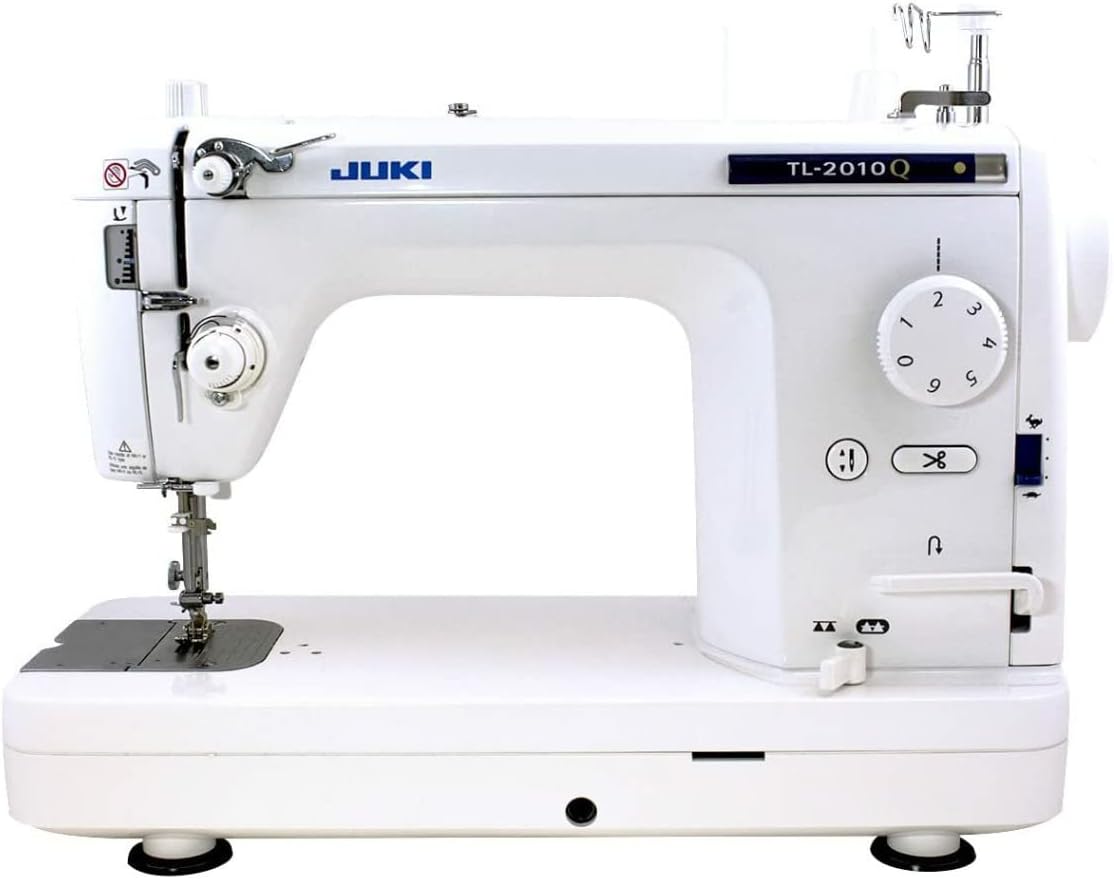
| Brand Name | JUKI |
|---|---|
| Model Number | TL-2010Q |
| Material | Aluminum |
The JUKI TL-2010Q is a single-needle, high-speed machine designed for quilters and serious sewists who need industrial-level stitch performance in a portable package. It delivers consistent straight stitching at high speeds thanks to a robust aluminum build and a dedicated walking foot capability that handles multiple fabric layers and bulky seams with minimal fabric shifting. Typical use cases include quilting, garment construction, and heavy-duty home alterations where stitch quality and dependability matter. Notable features include a powerful motor for faster feed, a large throat space for quilts, and a simple, no-frills control layout that favors reliability over gadgetry. Practical benefits are precise, even stitches on thick fabrics and reduced need for frequent adjustments or repairs. Important limitations are that it is focused on straight-stitch performance only, so users wanting built-in decorative, zigzag, or computerized features will need a different model, and its weight and footprint are larger than lightweight domestic machines despite being more portable than full industrial heads.
Best for: Buyers who want near-industrial straight-stitch performance for quilting and heavy garment work and who prioritize reliable, precise stitching over multifunction features.
Less Ideal for: Casual sewists who need lightweight portability or built-in stitch variety and automated features should consider simpler domestic models instead.
- Durable aluminum construction for long-term reliability
- High-speed straight stitching suitable for quilting and heavy fabrics
- Large throat space that accommodates quilts and bulky projects
- Powerful motor and walking-foot capability for even fabric feed
- Limited to straight-stitch functionality with no built-in decorative or zigzag stitches
- Heavier and larger than basic home machines, so less convenient for frequent transport
Verdict: Choose the JUKI TL-2010Q if you need a portable, heavy-duty straight-stitch machine that delivers industrial-level reliability for quilting and thick fabrics.
VEVOR Industrial Lockstitch JK9808T

| Power Source | ac |
|---|---|
| Motor Power | 550W |
| Max Stitch Speed | 5000 SPM |
| Material Compatibility | cotton, silk, denim, leather, canvas |
The VEVOR JK9808T is a production-oriented lockstitch sewing machine built to handle thick materials and long sessions. Driven by a 550W servo motor, it claims up to 5000 stitches per minute and can sew through as many as ten layers of denim, making it suitable for heavy fabrics like canvas and leather. The machine includes practical touches for workshop use: an LCD for speed and needle position, one-touch reverse, automatic thread trimming, a knee lifter for hands-free presser control, and an LED work light. The metal frame, automatic lubrication, oil window, widened table and adjustable table height improve durability and operator comfort for extended runs. Noise is specified at 80 dB or lower, so it is quieter than many belt-driven industrial heads but still noticeable in small spaces. Setup requires a dedicated workspace because the unit ships with a table stand and is heavy. For users who need factory-style stitch speed and durability without a factory price tag, this model delivers capable performance but expects the footprint and installation needs of an industrial machine.
Best for: Sewing pros and small production shops that prioritize high stitch speed and reliable heavy‑fabric performance for garments, bags, or upholstery.
Less Ideal for: Hobbyists working in small apartments or casual users who need a compact, lightweight machine for occasional sewing.
- High maximum stitch speed (up to 5000 SPM) for production work
- 550W servo motor provides consistent power for heavy fabrics
- Useful workflow features including LCD controls, auto thread trimmer, knee lifter, and one-touch reverse
- Durable metal frame with automatic lubrication and an oil window for maintenance visibility
- Widened table, LED light, and adjustable table height improve comfort for long jobs
- Substantial weight and table footprint require a dedicated workspace and setup
- Noise at up to 80 dB may be noticeable in small or quiet environments
Verdict: Choose this VEVOR model if you need a robust, high-speed industrial lockstitch setup that handles multi-layer heavy fabrics for small-scale production.
SINGER Heavy Duty 4452

| Built-in stitches | 32 |
|---|---|
| Stitch applications | 110 |
| Included presser feet | 6 |
| Power source | Ac/Dc |
The SINGER Heavy Duty 4452 is a metal-framed sewing machine designed to tackle both everyday sewing and heavier projects like denim and canvas. It pairs a more powerful motor and high top speed with 32 built-in stitches and 110 stitch applications, so you can switch between basic, stretch and decorative stitches as needed and make one-step buttonholes quickly. Practical touches such as a top drop-in bobbin with clear cover, stainless steel bed plate, built-in needle threader, and adjustable presser foot pressure make setup and threading faster and improve fabric feed for lightweight and heavy materials. The machine ships with six presser feet including a walking foot and non-stick foot plus extra bobbins and heavy-duty needles, which covers most beginner-to-advanced tasks without buying accessories. Expect a relatively heavy, desktop-style unit that is stable in use but less portable than compact travel machines, and note it is a mechanical model so advanced computerized features are not available.
Best for: Buyers who want a reliable, workshop-capable machine that prioritizes power, durability, and a complete set of accessories for tackling heavy fabrics and frequent sewing projects.
Less Ideal for: If you need a lightweight travel machine, a compact portable unit, or advanced computerized stitch programming, this heavier mechanical model is not the best fit.
- Robust metal frame and stronger motor for sewing multiple layers and thick fabrics
- High stitching speed with 32 built-in stitches and 110 stitch applications for versatile use
- Includes six presser feet and heavy-duty accessories for quilting, zipper, buttonholes and tricky materials
- Top drop-in jam-proof bobbin with clear cover and built-in needle threader for easier setup and monitoring
- Relatively heavy and less convenient to carry for true portable shop use
- Mechanical controls mean no computerized stitch customization or digital displays
Verdict: Choose the SINGER 4452 when you need a tough, high-speed sewing machine that handles heavy fabrics and comes ready with the accessories to start working immediately.
Guoydir GK9 Handheld Sewing Machine

| Power Source | ac |
|---|---|
| Input Voltage | 110 volts |
| Motor Power | 190W |
| Stitch Speed | 1,800–2,000 stitches/min |
The Guoydir GK9 is a handheld bag sewing machine built for fast, on-site sealing of sacks and heavy materials rather than household garment work. It ships ready to run with a test thread and spare polyester thread, and plugs into 110V power to drive a 190W motor that reaches 1,800–2,000 stitches per minute using 230# needles and single-line chain stitching. In practice the GK9 is easy to use one-handed, noticeably portable at about 6.6 pounds, and durable enough for repetitive warehouse, farm, or shipping-center tasks where you need to close burlap, sand, or kraft bags quickly. The high RPM motor and heavy-duty metal body make for clean, consistent stitches in thicker materials up to the specified thickness range. Limitations include its focus on industrial bag sealing rather than fine fabric work and the need to use the specific needle/thread types it ships with, which means occasional sourcing of compatible consumables for continued heavy use.
Best for: Buyers needing a budget-friendly, portable machine to quickly seal sacks and heavy materials in warehouses, farms, or shipping operations where speed and durability matter more than fine stitching.
Less Ideal for: People who need a multi-purpose household sewing machine for delicate fabrics, tailoring, or detailed stitch work should choose a home sewing machine instead.
- High stitch speed (1,800–2,000 stitches per minute) for fast bag sealing
- Ready-to-use out of the box with pre-installed thread and spare rolls
- Built with a metal body and a 190W motor suited for repetitive industrial tasks
- Portable one-hand operation for on-site and mobile use
- Designed for bag sealing and heavy materials, not for precision garment sewing
- Requires specific 230# needles and thread types which may need separate sourcing
Verdict: A rugged, ready-to-run handheld bag sewing machine that delivers fast, portable industrial sealing on a budget.
JUKI TL-2010Q Sewing Machine
| Power Source | Treadle Powered |
|---|---|
| Material | Aluminum |
| Model Number | MO-735 |
The JUKI TL-2010Q is built as a high-performance single-needle lockstitch machine intended for quilting, tailoring and apparel work where steady, straight stitching is required. It is typically used on a tabletop, in a cabinet cutout, or mounted on light quilting frames and includes a carrying handle for portability. Notable features are an automatic thread trimmer that clips needle and bobbin threads at the end of a seam, a knee lifter that raises the presser foot up to 12 mm for handling varying material thicknesses, and an automatic needle threader for quick startup. In practice the machine delivers consistent stitch quality and handles light to midweight fabrics reliably, and the sturdier aluminum construction and treadle power option make it suited for extended use without electronic fragility. The main limitations are its single-stitch lockstitch design, which lacks decorative or zigzag stitching, and the machine is relatively heavy for a "portable" unit, so it is less convenient for frequent transport than lighter hobby machines.
Best for: Buyers who prioritize long-term reliability and consistent straight-stitch performance for quilting, tailoring, or other production sewing will appreciate this machine.
Less Ideal for: Those who need multiple stitch types, frequent ultralight transport, or a very lightweight travel machine should consider other models.
- Automatic thread trimmer speeds finishing and reduces manual trimming
- Knee lifter lets you raise the presser foot hands-free up to 12 mm for thick materials
- Automatic needle threader reduces eyestrain and speeds setup
- Sturdy aluminum construction and treadle power option suit heavy use and reduce reliance on electronics
- Single-needle lockstitch only, so it cannot do zigzag or decorative stitches
- At about 38 pounds it is heavier than common portable hobby machines
Verdict: Choose the JUKI TL-2010Q when you need a durable, high-performance straight-stitch machine built for reliable, production-style sewing.
SINGER Heavy Duty 4423

| Built-in stitches | 23 |
|---|---|
| Stitch applications | 97 |
| Max sewing speed | 1,100 stitches per minute |
| Power source | Corded Electric |
| Input voltage | 120 volts |
The SINGER Heavy Duty 4423 is a mechanically simple, purpose-driven sewing machine that emphasizes speed and strength for demanding home and light industrial tasks. It delivers up to 1,100 stitches per minute powered by a stronger motor and a heavy-duty metal interior frame, which helps it pierce thick fabrics like denim and canvas without bogging down. The machine includes 23 built-in stitches that translate into 97 stitch applications, a top drop-in bobbin for easier thread visibility, an automatic needle threader to speed setup, and LED lighting over the work area. Practical benefits include a stainless steel bedplate for smooth fabric feed and a selection of presser feet and accessories packed in the tray so you can start sewing right away. Trade-offs are a mostly plastic exterior that limits impact resistance compared with fully commercial machines and a mechanical control layout that lacks advanced computerized stitch customization. For buyers who need reliable high-speed stitching and core durability in a portable package, the 4423 is a solid choice; those needing industrial-grade enclosure or advanced digital controls should consider purpose-built commercial units instead.
Best for: Buyers who want a reliable, fast machine that handles heavy fabrics and multiple project types and who value proven performance and strong user feedback when making a purchase.
Less Ideal for: Shops that require fully commercial, enclosed-metal machines or users who need advanced computerized stitch programming and automated features.
- Powerful motor and heavy-duty metal interior frame for sewing thick fabrics
- High top speed (1,100 stitches per minute) speeds through large projects
- Top drop-in bobbin and automatic needle threader simplify setup and reduce interruptions
- Includes multiple presser feet and common accessories to start sewing immediately
- Plastic exterior reduces impact resistance compared with full commercial machines
- Not a computerized machine so stitch customization is limited
Verdict: Choose the SINGER 4423 when you need a portable, high-speed machine that reliably handles heavy fabrics and established real-world performance.
Brother XM2701 Sewing Machine

| Built-in stitches | 27 |
|---|---|
| Power source | Corded Electric |
| Input voltage | 120 volts |
| Included feet | 6 quick-change feet |
The Brother XM2701 is a compact, mechanical sewing machine aimed at general home use and beginner to intermediate sewers. It offers 27 built-in stitches including utility, decorative, and a one-step auto-size buttonhole, and comes with six quick-change presser feet that let you tackle hems, zippers, blind hems, and button sewing. Practical features include an automatic needle threader, jam-resistant drop-in top bobbin with automatic winding, and a bright LED work light, all of which make setup and small jobs easier. The free arm is handy for cuffs, sleeves, and pant legs, and the dial controls let you change stitch type, length, and width without a steep learning curve. Limitations are its mechanical dial interface and lighter-duty build compared with industrial machines, so very heavy fabrics or nonstop high-volume production are outside its sweet spot. For everyday alterations, garment sewing, quilting starts, and craft work it balances useful features with straightforward operation and portability.
Best for: Buyers who want a reliable, easy-to-use machine for home sewing, mending, and small creative projects and who value simple setup and low learning friction.
Less Ideal for: People who need a heavy-duty industrial machine for nonstop production or who require advanced computerized functions for complex patterning should look elsewhere.
- 27 built-in stitches including utility, decorative, and one-step auto-size buttonhole
- Automatic needle threader and jam-resistant drop-in top bobbin simplify setup
- Includes six presser feet and accessories for common tasks like zippers and button sewing
- Free arm design makes sewing cuffs, sleeves, and pant legs easier
- Compact and lightweight for easy storage and portability
- Not designed for heavy industrial use or continuous high-volume sewing
- Mechanical dial controls lack advanced computerized features
Verdict: A practical, portable sewing machine that delivers straightforward, beginner-friendly performance for everyday home sewing tasks.
Choosing the Right Portable Industrial Sewing Machine: Key Factors to Consider
Motor Power And Torque
Motor power determines whether a portable industrial sewing machine can handle heavy fabrics and multiple layers without bogging down. Higher torque helps the needle penetrate dense materials and maintain consistent stitch formation, especially on seams with multiple layers or sewn hardware.
When assessing power, consider continuous operating capability rather than just peak ratings. A motor that sustains torque at working speeds reduces skipped stitches and heat buildup. Also check whether the motor speed is adjustable or paired with a reliable controller for better process control.
Stitch Speed And Control
Stitch speed affects throughput but also stitch quality. Machines with higher maximum stitches per minute will complete jobs faster, but you also need precise speed control for starts, ends, and corners on heavy or delicate assemblies.
Look for variable-speed controls, reverse stitching or tacking functions, and reliable presser foot pressure adjustments. Smooth acceleration and the ability to work at low speeds without stalling are important for accuracy on complex seams.
Build Quality And Components
The materials and engineering of the head, needle bar, feed mechanism, and tension assembly determine long-term reliability. Metal frames and hardened components resist wear from high-volume use and abrasive materials.
Examine how exposed moving parts are protected from lint and debris. Robust component design reduces frequent part replacement and helps maintain stitch consistency over thousands of cycles.
Ease Of Maintenance And Serviceability
Workshop machines require regular cleaning, lubrication, and occasional adjustments or part replacements. Machines designed for easy access to oiling points, quick-change needles, and straightforward tension adjustments minimize downtime.
Consider how simple it is to obtain replacement parts and whether routine service tasks can be done with basic tools. Clear, accessible service points and a logical internal layout save time and lower operating costs.
Portability And Installation
Portable industrial sewing machines need to balance weight and power so they can be moved when necessary while staying stable during use. Look at mounting options, whether the machine includes a stand or table mount, and if the weight requires special handling for transport.
Also consider how easily the machine connects to power and whether wiring or controllers are compact enough for mobile setups. Quick-release mounts or compact footprints make relocation and on-site work simpler.
Feed Mechanism And Needle Options
The feed system controls fabric movement and affects stitch regularity on different materials. Walking feet, compound-feed, or adjustable feed dog setups offer better handling of thick or layered fabrics.
Needle size range and compatibility with industrial needle types matter for specialty materials. Having flexible needle options and a feed mechanism that can be tuned for the material reduces skipped stitches and uneven seam allowance.
Setting Up A Portable Industrial Sewing Station
A reliable setup starts with a stable mounting surface and proper alignment of the machine head to the table or stand. Use a mounting plate or brackets designed for the machine to prevent vibration and ensure consistent stitch length and tension.
Position the motor and controller so cables do not interfere with fabric feeding. Secure the foot pedal and test speed control before running production. If you move the machine frequently, label adjustment points and take photos of the optimal setup for faster reassembly.
- Use a rigid table or mounting plate to minimize vibration
- Route cables neatly to avoid snags during sewing
- Test speed and tension on scrap material before starting a job
Common Maintenance Tasks To Keep Machines Running
Regular maintenance extends service life and keeps stitching consistent. Basic tasks include clearing lint from the bobbin area, oiling recommended points, checking needle condition, and verifying thread path tension.
Schedule periodic deeper inspections to check the timing between hook and needle, examine feed dog condition, and replace worn bearings or belts. Keep a small toolkit and maintenance log to track when parts were serviced or replaced.
- Clean bobbin and feed areas after heavy use
- Oil per manufacturer guidelines, using correct lubricants
- Replace needles regularly and inspect for burrs
Matching Machine Features To Project Needs
Different projects demand different feature sets. Upholstery, leatherwork, and canvas require strong motors, specialized needles, and aggressive feed systems. Apparel or lighter goods benefit from finer stitch control and smaller needle options.
Think about the most common materials you will sew and choose machines that handle those fabrics without constant adjustment. If you switch between materials often, prioritize versatility in feed and tension adjustments.
- Heavy materials need higher torque and larger needles
- Frequent material changes favor easy tension and foot-pressure adjustments
- Consider available presser feet and optional attachments for specialty work
Noise, Heat, And Workspace Considerations
Portable industrial machines can be louder and run hotter than home machines. Plan the workspace for adequate ventilation and consider sound dampening if noise is a concern for shared spaces.
Monitor machine temperature during long runs; excessive heat can indicate an overload or a motor that needs servicing. Provide a stable, clean surface and adequate lighting to catch issues early.
- Provide ventilation for long production runs
- Use sound-absorbing surfaces if noise is an issue
- Keep adequate lighting over the sewing area
Accessories And Add-Ons That Improve Productivity
Useful accessories include thread stands or guides for larger cones, heavy-duty presser feet, and clamps for holding bulky work. A good set of spare needles, bobbins, and an emergency toolkit reduces interruptions.
Consider adding a small work lamp, material guides, or jigs to accelerate repetitive tasks and increase seam consistency. Accessories that simplify handling heavy or awkward pieces provide measurable time savings.
- Thread stands for large cones reduce tension issues
- Clamps and fixtures help manage heavy or large pieces
- Keep spare service parts and needles on hand
How We Chose the Best Portable Industrial Sewing Machine
We prioritized attributes that matter to people who use portable industrial sewing machines in workshops, small-batch production, or for heavy materials. Key evaluation criteria included motor durability and power delivery because consistent torque under load prevents skipped stitches and slowdown on thick seams. Stitch speed and control were assessed to balance throughput with stitch quality and to ensure the machine can be throttled or finely adjusted for different work. Build quality and materials were considered to ensure long life under daily use, including the condition of the needle bar, feed dogs, and tension assemblies. Ease of maintenance and access to common service points was another selection filter, since straightforward cleaning and basic repairs reduce downtime. We also looked at portability features such as mounting options, weight relative to power, and whether the machine can be transported and reinstalled without special tools. We excluded machines intended only for light home sewing or single-purpose tasks that cannot sustain continuous heavy stitching. Units lacking basic serviceability, inadequate motor torque, or poor parts availability were not considered. The final list reflects machines that meet practical workshop needs across the concrete dimensions above.
Our full evaluation process is outlined in our review methodology.
FAQ
Can a portable industrial machine handle leather and thick canvas?
Often yes. Many portable industrial machines are built with enough torque and a feed mechanism suited to leather and canvas. You must match needle size and use an appropriate presser foot, and test on scrap to confirm stitch quality.
How often should I replace needles in frequent-use settings?
Usually needles should be changed after several hours of continuous heavy use or as soon as you notice burrs, bent points, or skipped stitches. Replacing needles proactively prevents damage to fabric and to machine components.
Is a heavier machine always better for heavy-duty work?
Not necessarily. Heavier machines can be more stable, but motor torque and component design matter more for heavy-duty performance. A well-designed portable unit balances weight with power and proper mounting.
What safety precautions are important with these machines?
Keep fingers clear of the needle and feed area, use proper lighting, and ensure the machine is securely mounted. Disconnect power before servicing and follow recommended maintenance intervals to avoid unexpected failures.
Can I use standard domestic needles and bobbins with a portable industrial head?
It depends. Many industrial machines use different needle and bobbin systems than domestic units. Verify compatibility before attempting to swap parts and use industrial-grade needles for best results.
Final Verdict
Choosing the right portable industrial sewing machine means prioritizing the dimensions that affect your daily output: motor torque, stitch consistency, and serviceability. Balance maximum stitch speed with the ability to control starts, stops, and slow stitching for corners or detailed work. Focus on machines with accessible maintenance points, robust feed systems, and mounting options that suit your workspace. By matching machine capabilities to the materials and production style you use most, you can select a reliable unit that reduces downtime and delivers consistent seams.