
Note: This article contains affiliate links. If you click on these links and make a purchase, we may earn a small commission at no extra cost to you. This helps support our research and content. Read our full affiliate disclosure here.
A dependable residential smoke detector is one of the simplest upgrades that can make a meaningful difference in home safety. You want units that detect both fast-flaming and smoldering fires, minimize nuisance alarms, and install cleanly so they actually get used and maintained. This guide brings together the top shortlisted residential smoke detectors across common installation styles and features. We evaluated units based on sensing performance, installation and wiring options, power and battery life, and long-term upkeep needs. Read on to find options suited to hardwired systems, battery-only installs, and for households where false alarms are a frequent problem.
Top Picks at a Glance
| Best Overall The best all-around choice for most situations | X-Sense Combination Smoke & CO Detector XP0H-WN |  |
| Best Quality Built to a higher standard if you want something more solid | X-Sense SC07 Combination Detector |  |
| Best Value The sweet spot between price and what you get | Kidde 20SD10 Smoke Detector |  |
| Best Budget The cheapest option that still gets the job done reliably | Kidde 10SDR Smoke Detector | 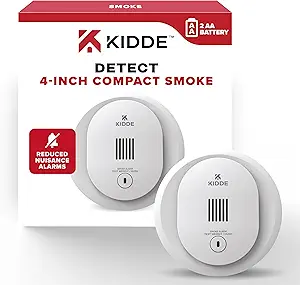 |
| Top Rated A top-rated pick with lots of positive feedback | HEIMAN Smart Smoke Detector S1-R Kit |  |
| Most Popular A crowd favorite that many people choose with confidence | BRK First Alert 9120BFF |  |
| Best Seller A high-volume bestseller chosen again and again | First Alert SMI100 Smoke Alarm | 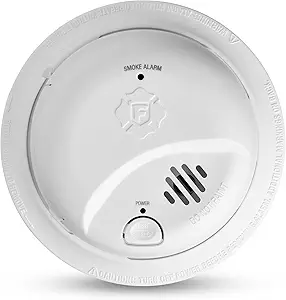 |
X-Sense Combination Smoke & CO Detector XP0H-WN
| Power Source | 10-Year Sealed Battery |
|---|---|
| Sensor Type | Electrochemical, Photoelectric |
| Alarm | Audible |
| Battery Type | Lithium metal |
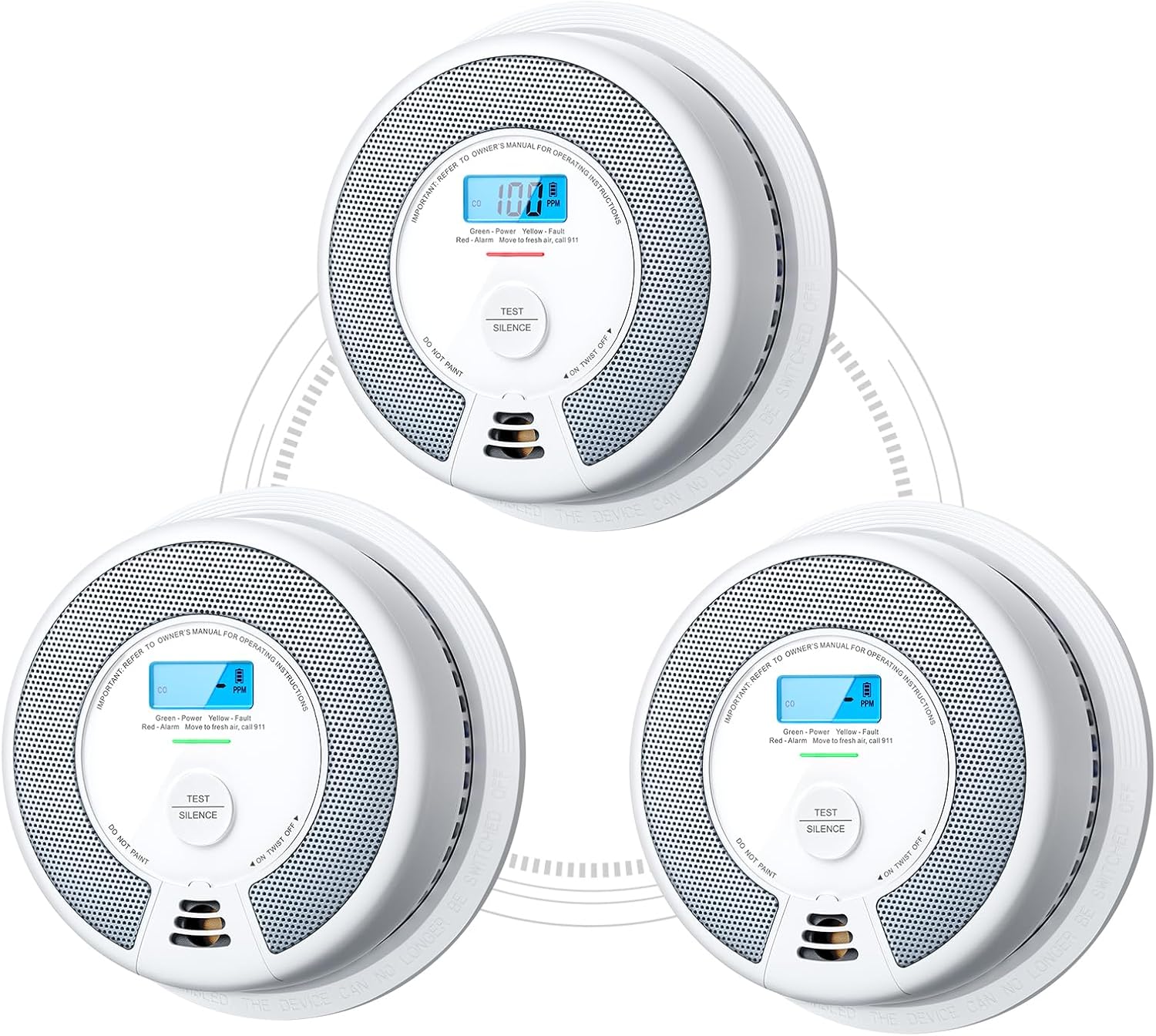
The X-Sense XP0H-WN combines photoelectric smoke sensing and electrochemical CO sensing in a single, easy-to-install alarm intended for home use. It runs on a 10-year sealed lithium battery, so once mounted you can expect a decade of power without battery swaps, and its RF interconnect lets multiple units sound together when one detects danger. The large 5.7-inch mounting bracket helps cover old ceiling marks for a cleaner install and the unit meets UL 217 and UL 2034 safety standards. In practice it is used the same way as other ceiling alarms—mount, test, and let the unit monitor continuously—while optional remote controls can test or silence interconnected alarms without ladders. Trade-offs are minimal but include no Wi-Fi connectivity or smartphone alerts, so you will not get remote notifications or app logging; hardwiring is not supported because this is a battery-sealed model. For a balanced residential setup this model delivers long-life power, combined detection, and straightforward interconnection for whole-home alerts.
Best for: Buyers who want a low-maintenance, reliable home alarm that combines smoke and CO detection with long-life batteries and easy wireless interconnect for coordinated household alerts.
Less Ideal for: People who need smart, app-based monitoring, remote notifications, or a hardwired, line-powered alarm system should consider other options.
- Two-in-one detection with photoelectric smoke and electrochemical CO sensors in one unit
- 10-year sealed lithium battery provides long maintenance-free operation
- RF wireless interconnect causes all alarms to sound when one detects danger
- UL 217 and UL 2034 certification confirms compliance with safety standards
- Large 5.7-inch mounting bracket covers old screw holes for cleaner installation
- No Wi-Fi or app connectivity so alerts and controls are local only
- Not hardwired—may not meet preferences for line-powered systems in some homes
Verdict: Choose this X-Sense model if you want a straightforward, low-maintenance combination smoke and CO alarm with a 10-year sealed battery and reliable wireless interconnect for whole-home alerts.
X-Sense SC07 Combination Detector

| Power Source | 10-Year Sealed Battery |
|---|---|
| Alarm | 85 dB |
| Sensor Type | Photoelectric, Electrochemical |
| Battery Type | Lithium metal |
| Safety Standards | UL 217 & UL 2034 |
The X-Sense SC07 combines a photoelectric smoke sensor and an electrochemical CO sensor into a single, easy-to-install alarm designed for long-term, low-maintenance use. It is intended to be mounted on a wall or ceiling and runs on a built-in 10-year sealed lithium battery so you avoid annual battery swaps and low-battery chirps. The unit produces an 85 dB alarm and includes an LCD for quick status checks, and it meets UL 217 and UL 2034 safety standards for smoke and CO detection. Because it is a basic standalone model it does not support wireless interconnection or smart-home features, making it simple but isolated from other alarms. The sealed battery and dual-sensor design make it a solid pick for homeowners who prioritize reliable detection and minimal upkeep, while buyers who want networked alarms or app control will need a different model.
Best for: A homeowner who values reliable, low-maintenance protection and fast detection of smoldering fires and carbon monoxide without needing smart features.
Less Ideal for: People who want networked alarms that communicate across a house or integrate with smart-home systems should choose an interconnected or Wi-Fi model instead.
- Dual sensors: photoelectric smoke and electrochemical CO for broader detection coverage.
- 10-year sealed lithium battery eliminates yearly battery replacement and low-battery chirps.
- UL 217 and UL 2034 certified, supporting code-compliant residential installation.
- Simple mounting with included bracket and hardware for quick installation.
- No wireless interconnection or smart-home connectivity, so alarms do not communicate with each other.
- Basic standalone feature set with no networked alerts or remote monitoring.
Verdict: Buy this if you want a reliable, maintenance-free standalone smoke and CO detector that prioritizes long-term performance over smart connectivity.
Kidde 20SD10 Smoke Detector

| Sensor Type | Photoelectric |
|---|---|
| Power Source | Built-in 10-year battery |
| Alarm Volume | 85 dB |
| Compatible Devices | Standalone (Not Interconnectable) |
The Kidde 20SD10 is a straightforward photoelectric smoke detector meant to provide long-term, low-maintenance protection for homes. It uses advanced sensing to cut down on nuisance alarms from cooking or steam while promising faster detection of smoldering fires, and it alerts with an 85 dB alarm plus a red LED for visual indication. The sealed 10-year battery is built in, eliminating regular battery changes and low-battery chirps and simplifying installation and upkeep. The unit is standalone only, so it will not interconnect with other alarms or smart home systems, but it meets UL 217 10th Edition standards and is rated for typical household humidity and temperature ranges. Practical buyers will appreciate the reduced maintenance and claimed faster detection, while those needing networked interconnectivity or multi-room coordination will need a different model. The plastic enclosure and compact form factor make it easy to mount on ceilings or walls in apartments and houses where a reliable, code-compliant basic alarm is the priority.
Best for: Buyers who prioritize a low-maintenance, code-compliant smoke alarm for individual rooms or rental units and want reliable detection without recurring battery chores.
Less Ideal for: Users who need interconnected alarms, smart home integration, or whole-house coordinated notifications should consider networked or interconnectable models instead.
- Sealed 10-year battery eliminates routine replacements and low-battery chirps
- Photoelectric sensor reduces false alarms from cooking and steam
- 85 dB alarm plus red LED provides clear audible and visual alerts
- Tested to UL 217 10th Edition for code-compliant performance
- Standalone design is not interconnectable with other alarms or smart systems
- No voice alerts or smart notifications for remote monitoring
Verdict: Choose the Kidde 20SD10 if you want a reliable, low-maintenance photoelectric smoke alarm that runs worry-free for 10 years.
Kidde 10SDR Smoke Detector

| Power Source | Battery Powered |
|---|---|
| Sensor Type | Photoelectric |
| Alarm Volume | 85 dB |
| Included Media | 2 AA Batteries, Mounting Hardware, User Guide |
The Kidde 10SDR is a compact, AA battery-powered photoelectric smoke detector intended for homes and small spaces where simple installation and reliable detection matter. It detects smoldering fires faster than previous Kidde models, emits an 85 dB alarm and a red LED for visual warning, and includes a Test & Hush button to temporarily silence nuisance alerts from cooking or steam. The unit runs on two AA batteries so it keeps working during power outages and is easy to mount without wiring, which makes it a quick upgrade for rental units or older homes. It is tested to UL 217 10th Edition and backed by a 10-year limited warranty, which supports code-compliant installation. The compact design and reduced false-alarm sensing are practical for bedrooms, hallways, and small apartments, though battery maintenance (replace every six months) is required and there is no interconnect or smart capability for whole-house alerts.
Best for: Buyers looking for an affordable, easy-to-install smoke alarm to protect individual rooms or rental units and who prioritize reliable detection over smart connectivity.
Less Ideal for: Users who want interconnected alarms or smart-home integration across multiple rooms should choose a wired or wireless-interconnect model instead.
- Photoelectric sensor tuned to reduce false alarms from cooking and steam
- AA battery operation allows installation without wiring and works during power outages
- Loud 85 dB alarm plus red LED for clear audible and visual warnings
- Compact form factor that fits bedrooms, hallways, and small spaces
- No wireless interconnect or smart features for whole-home alerts
- Requires battery changes every six months rather than a sealed long-life battery
Verdict: A practical, budget-friendly smoke detector that gives fast, reliable photoelectric detection and easy battery-powered installation for single-room protection.
HEIMAN Smart Smoke Detector S1-R Kit

| Power Source | 10-Year Battery Powered |
|---|---|
| Sensor Type | Photoelectric |
| Compatible Devices | Google Home, Heiman APP, Home Assistant, IFTTT, SmartThings |
| Alarm | Audible |
| Battery Average Life | 10 years |
This HEIMAN kit combines three photoelectric smoke detectors with a smart gateway to provide both local wireless interlinking and remote mobile alerts when paired to a 2.4 GHz network. The detectors use dual-beam photoelectric sensing to focus on slow-smoldering fires while cutting down on nuisance alarms from cooking and dust, and the units emit an 85 dB siren with visual LEDs and a one-touch test/silence button for everyday use. Setup is straightforward using the included gateway and the Heiman Home app, and the magnetic or screw mounting options make installation quick. The sealed CR123A batteries are rated for 10 years, eliminating annual battery changes and reducing maintenance. Limitations to note are the gateway requirement for remote notifications and the 2.4 GHz-only Wi-Fi support, which means it will not connect on 5 GHz networks, and advanced smart integrations depend on configuring compatible platforms. For buyers prioritizing consistent, low-maintenance whole-home protection, these detectors deliver dependable coverage and simplified upkeep.
Best for: Buyers who want a low-maintenance, whole-home smoke alarm system that minimizes nuisance alerts and provides reliable local and remote warnings for long-term residential protection.
Less Ideal for: People who need direct 5 GHz Wi-Fi support or who want a standalone alarm without any hub or app dependency should consider other models.
- Wireless interlinked operation so one alarm triggers all units locally
- Included gateway enables remote smartphone and email alerts via 2.4 GHz Wi-Fi
- Photoelectric dual-beam sensor reduces false alarms from cooking and dust
- Sealed CR123A battery rated for 10 years removes routine battery swaps
- Tool-free magnetic or screw mounting speeds installation
- Gateway and app required for remote alerts and smart-platform integrations
- Only supports 2.4 GHz Wi-Fi, not compatible with 5 GHz networks
Verdict: A low-maintenance, UL-certified whole-home kit that prioritizes dependable, long-life smoke detection with fewer false alarms and smart alerts via the included gateway.
BRK First Alert 9120BFF

| Power Source | Battery Powered |
|---|---|
| Alarm | Audible |
| Sensor Type | Ionization |
| Operating Humidity | 10-95% RH |
The BRK First Alert 9120BFF is a hardwired smoke alarm intended as a primary home protection device that stays powered from your household electrical system and uses a 9V backup battery for outages. It uses an ionization sensor to detect fast, flaming fires and sounds an 85 dB audible alarm when triggered. Installation is aimed at replacing or adding hardwired detectors and the universal gasketless mount and tamper-resistant locking pins simplify aligning and securing the unit. The alarm can interconnect with up to 12 other compatible First Alert or BRK hardwired alarms so that all units sound if any detects smoke, and a latching indicator helps identify the originating alarm. A single test/silence button makes routine checks and temporary silencing straightforward. Because it is an ionization-only detector, it is better at rapidly flaming fires than slow smoldering ones, so pairing with photoelectric units or using dual-sensor strategies is recommended for broader coverage.
Best for: Buyers who prioritize reliable, always-on household protection and want a recognized, easy-to-install hardwired alarm that integrates with other home units for synchronized alerts.
Less Ideal for: People seeking a single alarm that handles all smoke types equally well without pairing should consider models with photoelectric or dual sensors instead.
- Hardwired 120V power with 9V battery backup for continuous operation during outages
- Ionization sensor responds quickly to fast, flaming fires
- Interconnects with up to 12 compatible BRK/First Alert hardwired alarms for whole-home alerts
- Gasketless universal mount and tamper-resistant locking pins for easier installation and security
- Ionization-only sensing is less sensitive to slow, smoldering fires compared with photoelectric sensors
Verdict: A dependable hardwired alarm that gives risk-conscious buyers continuous, interconnected protection against fast flaming fires.
First Alert SMI100 Smoke Alarm

| Power Source | Battery Powered |
|---|---|
| Sensor Type | Ionization |
| Built-In Media | 9V Alkaline Battery |
| Operating Humidity | 10-95% RH |
The First Alert SMI100 is a simple, battery-powered ionization smoke alarm intended for straightforward residential protection. It installs easily on ceilings or walls and uses a front-access 9V battery compartment for fast replacements, while a test/silence button makes routine checks and temporary nuisance-silencing convenient. The Precision Detection technology is designed to cut down on false alarms from cooking without delaying detection of fast-burning fires, and the unit includes an end-of-life warning so you know when to replace the alarm. Because it is battery powered and not hardwired, it is portable between rooms and stays active through power outages, but it does require regular battery changes and does not offer interconnected alarms or smart features. For buyers wanting a no-frills, reliable detector that meets current industry standards, this unit provides dependable basic protection; those who need networked alerts or long-life sealed batteries will want to look elsewhere.
Best for: Homeowners seeking a straightforward, reliable standalone smoke alarm that is easy to install and maintain and reduces common nuisance triggers.
Less Ideal for: People who need interconnected systems, smart alerts, or long-life sealed-battery detectors for hands-off maintenance should consider other models.
- Precision Detection reduces nuisance alarms from cooking while maintaining fast smoke detection
- Battery powered with front-access 9V compartment for easy installation and battery changes
- Test/silence button and end-of-life warning simplify maintenance and safety checks
- Uses a replaceable 9V battery rather than a long-life sealed battery
- No hardwiring, interconnectivity, or smart/home integration features
Verdict: A no-nonsense, battery-operated ionization alarm that reliably reduces cooking false alarms and is easy to install and maintain.
Choosing the Right Residential Smoke Detector: Key Factors to Consider
Sensing Technology
Smoke detectors typically use ionization, photoelectric, or a combination of both sensing methods. Each method responds differently to fire types: ionization is faster on small fast-flaming fires, while photoelectric performs better on smoldering, smoky fires. Combination units offer broader coverage but may be more expensive and have different false-alarm profiles.
Choosing the right sensing technology affects how quickly a detector responds to the common fire scenarios in your home. Consider the typical risk sources in your residence, such as cooking-related smoke, upholstered furniture, or electrical panels, and match the sensing approach to those risks.
Power Source And Backup
Detectors come as battery-only, hardwired with battery backup, or integrated into broader home power systems. Battery-only units are easy to place anywhere but require regular battery checks and timely replacement. Hardwired units reduce the need for battery changes and often support interconnection across multiple detectors, but they need compatible wiring and a reliable backup battery in a power outage.
When assessing power, look at expected battery life under normal operation, whether the unit uses replaceable or sealed long-life batteries, and how the device signals low-battery and end-of-life. Reliable backup power and clear low-power alerts are critical for continuous protection.
Interconnection And Smart Features
Interconnected detectors alert the entire home when one sensor trips, which is important for larger homes or multi-level residences. Interconnection can be via hardwired low-voltage wiring or wireless mesh protocols. Smart features such as remote alerts, silence from a mobile app, and integration with other safety devices can be useful but add complexity.
Decide whether you need simple local interconnection or cloud-connected notifications. For households with limited tech experience, prioritize reliable local interconnection and straightforward audible alerts over advanced app-based features.
Installation And Mounting
Proper placement and a secure mount are essential for detector performance. Ceiling mounting is standard because smoke rises; wall mounting has specific height limits. Consider the ease of installing the detector where you need it, including whether it requires wiring, a junction box, or special mounting plates.
If you are replacing existing detectors, check compatibility with the current mounting hardware and wiring to avoid unnecessary electrical work. Ease of installation affects whether detectors are actually placed in ideal locations.
Maintenance And Lifetime
Smoke detectors have recommended lifetimes and maintenance tasks that keep them effective. Regular testing, battery replacement, and periodic cleaning to remove dust or insects help maintain sensitivity. Many detectors include an end-of-life indicator to prompt replacement after a set number of years.
Consider the practical maintenance burden: how often batteries must be replaced, whether the unit supports sealed long-life cells, and how easy it is to test and clean. Lower maintenance systems increase the chance the detector will remain operational long term.
Placement And Coverage Guidelines
Place detectors on every level of the home, inside sleeping areas, and outside sleeping areas in hallways. For single-level homes, aim for detectors in major living spaces and near bedrooms. For multi-level homes, install detectors near stairways so alarms are heard throughout the house.
Mount detectors on ceilings whenever possible; if mounting on a wall, follow manufacturer spacing from the ceiling. Avoid placement too close to kitchens and bathrooms where routine cooking or steam will trigger nuisance alarms. Keep detectors at least 10 feet from cooking appliances and away from vents or ducts that can delay smoke movement.
- Install at least one detector per floor and additional units for larger or more complex floor plans
- Avoid corners and dead-air spaces where smoke might not reach the sensor quickly
- Follow local building codes for required placement and interconnection
Reducing False Alarms
False alarms are a major reason homeowners disable or remove detectors. To reduce nuisance triggers, choose detectors with adjustable sensitivity or with sensing technologies less prone to kitchen smoke. Proper placement and using a detector with a hush or temporary silence function also help manage occasional, nonhazardous smoke events.
Regular cleaning prevents dust and insects from compromising the sensor. If nuisance alarms persist despite correct placement and maintenance, consider switching to a different sensing approach or adding a nearby ventilation solution to reduce transient smoke and steam.
- Use photoelectric or combination sensors near cooking areas
- Clean detectors every six months to prevent dust accumulation
- Test hush functions to ensure you can silence benign alarms safely
Hardwired Versus Battery-Only Systems
Hardwired detectors with battery backup are preferred in many homes because they provide continuous power and interconnection without relying solely on replaceable batteries. However, they require compatible wiring and possibly a licensed electrician for installation. Battery-only models offer flexibility and are ideal for retrofit situations or homes without suitable wiring.
Evaluate whether your home wiring supports interconnection and if you need units that work with existing mounting plates. For homes without reliable power, sealed long-life battery units can offer extended protection with minimal maintenance.
- Hardwired with backup supports whole-home alerts
- Battery-only units are flexible for rental units or difficult-to-wire areas
- Consider sealed long-life batteries to reduce maintenance visits
Testing, Cleaning, And End-Of-Life
Make testing a routine. Use the built-in test button at least once a month to confirm alarms and interconnection behavior. Replace batteries promptly when low-battery signals sound and follow the manufacturer schedule for full unit replacement when end-of-life indicators activate.
Clean detectors gently with a vacuum brush attachment or compressed air on a low setting to remove dust. Keep records of installation and replacement dates so you can plan proactive replacements before units lose sensitivity.
- Test monthly and log results
- Clean sensors every three to six months depending on home dust levels
- Replace detectors according to the manufacturer-specified lifespan
Choosing Features For Your Household
Consider household composition and lifestyle when selecting detector features. Homes with children or older adults benefit from louder alarms and visual indicators. Busy kitchens, workshops, or garages might need specialized placement and detectors less sensitive to nonfire particulates.
If you value remote alerts and automation, choose detectors that integrate with home monitoring systems. For low-tech households, prioritize clear local alerts and simple maintenance over app-based features that require ongoing account management.
- Select loudness and visual signaling appropriate for hearing-impaired residents
- Match detector sensitivity to the activity level in different rooms
- Decide if remote notifications are necessary or optional for your household
How We Chose the Best Residential Smoke Detector
We focused on the technical and practical dimensions that matter for residential smoke detection. Our selection filters prioritized reliable sensing across fire types, clear alarm audibility and signaling, installation flexibility for different home wiring setups, and battery longevity or backup capabilities. We also weighed ease of testing and silencing, documented maintenance intervals, and whether the unit supports interconnection with other detectors or home safety systems. Units were excluded if they lacked accessible specifications for sensing technology, did not provide clear mounting or wiring instructions, or had insufficient documentation on battery life and end-of-life behavior. We also filtered out devices with unclear alarm output levels or ambiguous maintenance procedures. The final list includes detectors that strike a balance between detection accuracy, install and upkeep practicality, and features that reduce unwanted alarms while maintaining quick response to real fire conditions.
Our full evaluation process is outlined in our review methodology.
FAQ
How often should I test my residential smoke detector?
Test the detector using its built-in button at least once a month. Monthly tests confirm the alarm, interconnection response, and battery condition so you can address failures promptly.
Can I install a residential smoke detector myself?
Many battery-only detectors can be installed by homeowners with basic tools. Hardwired units may require electrical knowledge or a qualified electrician, especially when tying into existing wiring or interconnection networks.
What is the expected lifespan of a residential smoke detector?
Most detectors have a manufacturer-specified lifespan, often around 8 to 10 years. End-of-life indicators or documentation will tell you when to replace the entire unit rather than just the battery.
Should I use combination smoke and carbon monoxide detectors?
Combination units can save space and simplify maintenance by monitoring both hazards. They are convenient for many homes, but ensure the combined unit meets local code requirements and provides clear separate alerts for each hazard.
How can I reduce nuisance alarms from cooking?
Place detectors away from immediate cooking areas, use a detector type less sensitive to brief cooking smoke, and use proper ventilation when cooking. Cleaning the detector and testing hush functions also helps manage false alarms.
Final Verdict
Prioritize detectors that reliably sense the types of fires most likely in your home, fit your wiring and placement constraints, and have clear maintenance signals. Balance detection capability against the practicalities of installation and ongoing upkeep to ensure detectors remain functional and effective. Ultimately, choose units that you will test, maintain, and replace on schedule so the system offers continuous protection throughout its service life.