
Note: This article contains affiliate links. If you click on these links and make a purchase, we may earn a small commission at no extra cost to you. This helps support our research and content. Read our full affiliate disclosure here.
If you want smart locking features without replacing your entire deadbolt, a retrofit smart lock lets you upgrade the interior mechanism while keeping the exterior hardware. You get remote access, auto-locking, and guest codes without rekeying or changing your door finish. This guide covers six top-rated retrofit smart locks shortlisted for ease of installation, compatibility with common door types, and everyday reliability. Below we explain what mattered in our selection and what to expect during setup, so you can pick a model that fits your door and skill level.
Top Picks at a Glance
| Best Overall The best all-around choice for most situations | Schlage Encode WiFi Deadbolt |  |
| Best Quality Built to a higher standard if you want something more solid | Level Lock Pro D4 |  |
| Best Value The sweet spot between price and what you get | ULTRALOQ U-Bolt WiFi |  |
| Top Rated A top-rated pick with lots of positive feedback | Wyze Lock Bolt v2 |  |
| Most Popular A crowd favorite that many people choose with confidence | August Wi‑Fi Smart Lock (4th Gen) |  |
| Best Seller A high-volume bestseller chosen again and again | ULTRALOQ Bolt SE Smart Deadbolt | 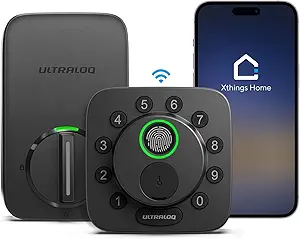 |
Schlage Encode WiFi Deadbolt

| Connectivity Protocol | Wi-Fi |
|---|---|
| Lock Type | Keypad |
| Controller Type | Amazon Alexa, Google Assistant, Vera |
| Included Components | Installation Hardware, Installation Instructions |
The Schlage Encode is a retrofit smart deadbolt designed to replace a standard deadbolt without hardwiring and gives remote access through built-in WiFi. It installs with just a screwdriver and includes hardware, four AA batteries and a backup key, making it a straightforward DIY swap for most residential doors. Once on your network the lock pairs with the Schlage Home app to create and schedule up to 100 access codes, view usage history, and receive push notifications, and it also integrates with voice assistants and Ring for hands-free control. Notable security features include an encrypted connection, a built-in alarm for forced-entry detection, and a fingerprint-resistant touchscreen. Practical benefits include one-touch locking, customizable auto-lock timing, and low-battery alerts both on the keypad and in the app. Limitations to consider are battery reliance—batteries are included but will need replacement over time—and the feature set depends on the Schlage Home app and your WiFi reliability rather than a local hub.
Best for: Homeowners wanting a robust, easy-to-install retrofit smart lock that offers remote control, multiple user codes, and strong security without adding a hub.
Less Ideal for: People who prefer a hardwired or battery-free lock solution or those without a reliable home WiFi network should consider alternatives.
- Built-in WiFi for remote lock/unlock and monitoring with no separate hub
- Easy DIY installation that fits standard residential doors with just a screwdriver
- Supports up to 100 unique access codes and provides usage history and notifications
- Built-in alarm and BHMA-certified high ratings for security, durability, and finish
- Runs on AA batteries so it requires periodic battery replacement
- Advanced features and notifications depend on app connectivity and home WiFi stability
Verdict: A strong, retrofit-friendly smart deadbolt that provides full remote control and advanced access management without requiring a separate hub.
Level Lock Pro D4

| Lock Type | Deadbolt |
|---|---|
| Connectivity Protocol | Matter, Bluetooth |
| Control Method | App, Remote, Voice |
| Additional Features | Apple home keys, Fob Unlock, One-Touch Lock |
| Controller Type | Amazon Alexa, Android, Apple Home, Google Assistant, iOS |
The Level Lock Pro installs like a traditional deadbolt but packs modern smart-lock features into a much smaller interior footprint, keeping your door free of bulky hardware. It supports Bluetooth for local control and Matter for broader smart-home integration, enabling Apple Home Key, voice assistants, NFC fobs, touch-to-unlock and physical-key access. Door status detection and activity history give practical feedback about whether a door is left open and who used it, and remote access is possible with a Matter hub or the Level Connect bridge. Security certifications (BHMA AAA, ANSI Grade 1) and bump-and-pick resistant hardware make this a solid choice where durability matters. The lock is designed for DIY retrofit on standard U.S. doors with simple screw-based installation and includes basic accessories like a strike plate, NFC fobs, and CR2 battery. Limitations include the need for a separate Matter hub or Wi-Fi bridge for out-of-home control and paid or optional accessories like the keypad for additional entry methods, which adds to the total system cost.
Best for: Buyers who want a high-performance retrofit smart deadbolt that prioritizes security, minimal visual impact, and robust smart-home integration for a polished, professional result.
Less Ideal for: People who need remote control without adding a hub or bridge or who want an all-in-one package with a built-in keypad included out of the box.
- Nearly invisible retrofit design preserves the door’s appearance by hiding electronics inside the door
- Matter and Bluetooth support for local control and smart-home integrations including Apple Home Key
- BHMA AAA and ANSI Grade 1 security certification with bump-and-pick resistant cylinder
- Door status detection and activity history provide practical monitoring of access events
- Includes NFC key fobs, physical keys, and an ANSI-standard strike plate for out-of-box use
- Remote access requires a Matter-compatible hub or the Level Connect Wi‑Fi Bridge sold separately
- Keypad and some extended features are sold separately, increasing total system cost
Verdict: Choose the Level Lock Pro when you want a high-security, nearly invisible retrofit smart deadbolt that integrates with Matter and Apple Home while keeping a traditional door appearance.
ULTRALOQ U-Bolt WiFi

| Connectivity Protocol | Bluetooth, Wi-Fi |
|---|---|
| Lock Type | Combination Lock, Deadbolt, Keypad |
| Controller Type | Amazon Alexa, Android, Google Assistant, SmartThings, iOS |
| Included Components | 2 Backup Keys, 4 AA Alkaline Batteries, Door Sensor, Mounting Hardware |
The ULTRALOQ U-Bolt WiFi is a retrofit smart deadbolt that replaces a standard deadbolt and adds built-in Wi‑Fi, keypad entry, app control, and a physical key for backup. It is typically used to give homeowners and rentals remote access, create temporary or scheduled passcodes, and get real-time door status and alerts via the app and included door sensor. Notable features include native 2.4 GHz Wi‑Fi (no bridge), auto-lock and auto-unlock, compatibility with Alexa, Google Assistant and SmartThings, and ANSI/BHMA Grade 1 construction in a zinc alloy body for heavy-duty durability. Practical benefits are simple DIY installation with common tools, the ability to share up to 50 custom codes for guests or cleaners, and long battery life with low-battery notifications. Expect reliable remote control within typical home Wi‑Fi range and weather resistance for outdoor use, but you will need a stable 2.4 GHz connection and placement of the router within recommended distance for best results. The lock offers robust security features and rental-friendly access controls, which make it a solid retrofit choice for owners who want dependable smart access without professional installation.
Best for: Buyers who want a durable, feature-rich retrofit smart deadbolt that adds remote access, scheduled codes, and smart home integration without hiring a locksmith.
Less Ideal for: People who need battery-free or wired power solutions or those who cannot provide a reliable 2.4 GHz Wi‑Fi signal at the door should consider other options.
- Built-in 2.4 GHz Wi‑Fi for remote control without a separate bridge
- ANSI/BHMA Grade 1 zinc alloy construction for high durability
- Multiple access methods: keypad passcodes, app/eKeys, auto-unlock, and physical keys
- Includes door sensor and supports up to 50 custom passcodes for flexible guest access
- Works with Alexa, Google Assistant, and SmartThings for voice and automation integration
- Requires a stable 2.4 GHz Wi‑Fi signal near the door for reliable remote features
- Uses AA batteries rather than rechargeable cells, requiring periodic replacement
Verdict: A heavy-duty, retrofit smart deadbolt that delivers bridge-free Wi‑Fi remote access, flexible passcodes, and strong security for DIY installers and rental hosts.
Wyze Lock Bolt v2

| Connectivity Protocol | Wi-Fi |
|---|---|
| Lock Type | Biometric, Deadbolt, Keypad |
| Additional Features | Auto-Lock |
| Style Name | Fingerprint Smart Lock Bolt v2 |
The Wyze Lock Bolt v2 is a retrofit smart deadbolt designed to replace a standard bolt and provide fingerprint-first keyless entry. It uses an AI self-learning scanner that adapts to fingerprints over time for faster unlocking, and also supports keypad codes, app control over built-in Wi‑Fi, voice assistants, and manual backup keys. Practical features include auto-lock, tamper alarms, IP53 weather resistance, and USB‑C emergency power when batteries are depleted. Setup is typical for smart locks: install the bolt hardware, pair it with the Wyze app, and enroll fingerprints and codes. For daily use it delivers near-instant unlocks and remote control for letting in guests or checking lock status. The product balances convenience and security with up to 50 stored fingerprints or codes and BHMA2 durability, but it is battery powered so you will need to keep spare AAs or use the USB‑C port in an emergency. The lock is built for exterior doors where Wi‑Fi control and fingerprint speed matter, though advanced installers should verify fit and alignment during retrofits.
Best for: Buyers who prioritize consistent, quick keyless access and remote control for a retrofit front door and want a product that improves fingerprint accuracy over time.
Less Ideal for: People unwilling to perform any door modification during installation or those who need a completely maintenance-free mechanical lock with no battery dependence.
- Fast AI-learning fingerprint unlocks that improve over time
- Built-in Wi‑Fi for remote control and integration with voice assistants
- Multiple entry methods: fingerprint, keypad codes, app, and physical key backup
- IP53 weather resistance and BHMA2-rated durability for exterior use
- USB‑C emergency power plus included batteries and tamper alarms
- Requires periodic battery replacement and relies on batteries for normal operation
- May need careful alignment or minor door prep during retrofit installation
Verdict: Choose the Wyze Lock Bolt v2 when you want a retrofit deadbolt that delivers fast, improving fingerprint access plus full Wi‑Fi control for reliable everyday keyless entry.
August Wi‑Fi Smart Lock (4th Gen)

| Included components | August Wi‑Fi Smart Lock, Batteries, Mounting Hardware |
|---|---|
| Connectivity protocol | Wi‑Fi |
| Lock type | Biometric, Deadbolt, Smart Lock, Wi‑Fi |
| Controller type | Amazon Alexa, Google Assistant, Vera |
| Model name | August Wi‑Fi Smart Lock (4th Generation) |
The August Wi‑Fi Smart Lock (4th Generation) converts an existing single‑cylinder deadbolt into a connected lock using a compact interior unit that installs in minutes and preserves your exterior keys. It connects to your home network without an extra hub, so you can lock and unlock from the August app, grant timed guest keys, and view an activity feed. DoorSense and auto‑lock/auto‑unlock simplify hands‑free use, while built‑in compatibility with Alexa, Google Assistant, Apple HomeKit, and SmartThings lets it fit into common smart home setups. The smaller footprint compared with the previous model keeps the inside of the door unobtrusive and the phone‑based biometric unlocking option adds a layer of two‑factor convenience. Expect straightforward setup and reliable daily use, but advanced users wanting integrated keypads or a separate keypad accessory will need to buy those items separately, and full functionality requires the app and a Wi‑Fi connection.
Best for: Buyers who want a proven retrofit smart lock that installs quickly, connects directly to Wi‑Fi, and provides visible social proof through app features like guest keys and activity history.
Less Ideal for: If you need a lock with built‑in keypad codes out of the box or prefer a completely mechanical solution without app dependence, consider other options.
- Retrofits over an existing deadbolt so you keep exterior keys and hardware appearance
- Built‑in Wi‑Fi for remote control and voice assistant integration without a separate hub
- Compact interior design that is smaller than prior generation models
- Guest keys with time limits and an activity feed for tracking entrances and exits
- Requires the August app and a Wi‑Fi connection for most remote and advanced features
- Keypad or phone‑free code entry requires purchasing an additional keypad accessory
Verdict: If you want an easy, hub‑free retrofit that gives reliable remote access and guest control, this August Wi‑Fi Smart Lock is a top practical choice.
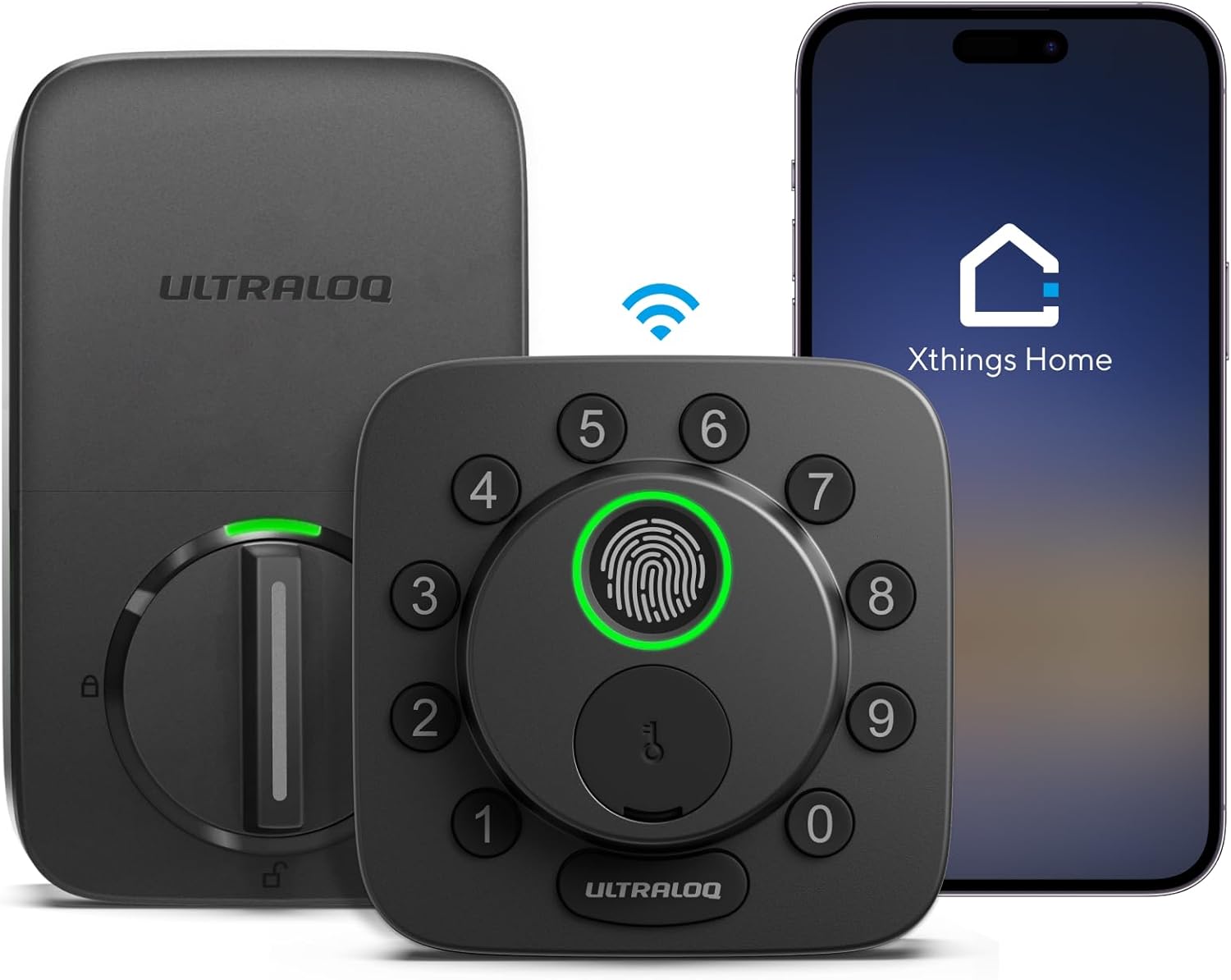
ULTRALOQ Bolt SE Smart Deadbolt
| Connectivity Protocol | Bluetooth, Matter, Wi-Fi |
|---|---|
| Lock Type | Biometric, Deadbolt, Keypad |
| Additional Features | Auto Lock, AI-driven Fingerprint Scanner, App Remote Control |
| Protection Rating | IP65 waterproof |
| Warranty | Lifetime mechanical and 18-month electronic warranty |
The ULTRALOQ Bolt SE is a retrofit-friendly smart deadbolt that replaces a standard deadbolt without drilling or wiring and offers multiple access methods including fingerprint, keypad codes, app control, voice and two mechanical backup keys. It stores up to 50 fingerprints and 50 passcodes, unlocks by fingerprint in about 0.3 seconds, and provides remote control via built-in Wi‑Fi or Matter-over-Thread when you have a compatible hub. Practical features include auto-lock, activity history and shareable eKeys for guests, plus IP65 weather resistance and ANSI/BHMA certification for durability. Thread-powered efficiency and Matter support extend battery life to around 18 months on four AAs, and the lock uses local storage with 128-bit AES encryption for user data. Expect simple DIY installation with only a screwdriver, but Matter features require a Thread border router and Wi‑Fi remote access is limited to 2.4 GHz networks; the lock also needs occasional battery replacement and the advanced ecosystem features depend on your existing smart-home hub choices.
Best for: Homeowners who want a secure, easy-to-install retrofit lock with multiple entry options and reliable smart-home integration, and who prefer established security standards and vendor support.
Less Ideal for: Anyone without a 2.4 GHz Wi‑Fi network or a Matter/Thread-enabled hub, or buyers who want a completely hands-off installation without configuring smart-home connections.
- Multiple unlocking options: fingerprint, keypad, app, voice and mechanical keys
- Built-in Wi‑Fi and Matter-over-Thread support for remote access and smart home integration
- Fast, AI-driven fingerprint reader with up to 50 fingerprints stored
- IP65 weather resistance and ANSI/BHMA certification for reliable exterior use
- Long battery life up to 18 months on 4 AA batteries thanks to Thread efficiency
- Matter features require a compatible Thread border router, adding setup complexity
- Remote Wi‑Fi control requires 2.4 GHz network and a router within roughly 70 feet
- Advanced features depend on the wider smart-home ecosystem you already own
Verdict: For a risk-averse retrofit buyer, the ULTRALOQ Bolt SE delivers proven durability, multiple secure access methods and both Wi‑Fi and Matter connectivity for confident smart-lock upgrades.
Choosing the Right Retrofit Smart Lock: Key Factors to Consider
Door and Deadbolt Compatibility
Measure your door thickness, backset, and the style of the existing deadbolt before choosing a retrofit smart lock. Many retrofit units are designed to work with a standard single-cylinder deadbolt and attach to the interior thumbturn, but variations in tailpiece length, thumbturn shape, or unusually thick doors can block fitment. If you have a nonstandard deadbolt or a reinforced strike plate, confirm the lock's compatibility documentation or measured clearances.
Compatibility matters because an otherwise well-featured smart lock becomes unusable if it cannot mechanically interface with your existing hardware. Checking these dimensions ahead of time prevents returns and installation delays, and ensures the retrofit unit preserves your door's exterior look while enabling the smart features you want.
Installation Skill and Tools Required
Retrofit smart locks range from simple snap-on designs to replacements that require partial disassembly of the deadbolt. Consider how comfortable you are with basic hand tools, removing the interior trim plate, and aligning mechanical components. Some models only need a screwdriver and a few minutes; others require drilling, adjusting the tailpiece length, or shimming for proper alignment.
Installation effort affects the total cost of getting a smart lock in place and the likelihood of a clean, reliable fit. If you prefer a quick DIY install, prioritize kits that advertise tool-light installation and include clear templates or guides. If you are less experienced, budget time or consider professional help for more complex installs to avoid misalignment that could cause binding or failure.
Connectivity and Smart Home Integration
Decide how you want to control the lock and which smart home systems you want it to work with. Many retrofit locks offer Bluetooth for local control and a separate Wi-Fi bridge or hub for remote access and voice assistant integration. Native support for common ecosystems can streamline routines, remote locking, and status notifications.
Connectivity choices impact convenience and privacy. Bluetooth-only locks limit remote features but can be simpler and less dependent on cloud services. Locks with optional bridges add remote access and app notifications but also increase power draw and potential attack surface. Balance the need for remote control against simplicity and the types of automations you plan to use.
Power, Battery Life, and Failure Modes
Understand power requirements and battery maintenance for any retrofit smart lock. Most models use AA or lithium batteries and provide low-battery warnings via the app or LED indicators. Consider how long the batteries typically last under normal use and whether the lock offers emergency power options, such as a visible micro-USB/USB-C terminal for temporary power or a mechanical key override.
Battery life affects long-term convenience and the risk of lockouts. A model with short battery expectancy or poor low-battery notifications increases the chance of needing a last-minute battery swap. Prefer locks with clear alerts, straightforward battery replacement, and safe fallback options so you can regain entry if electronics fail.
Security and Tamper Resistance
Retrofit smart locks must preserve or improve the physical security of your door while adding remote features. Look for devices that implement secure pairing, encrypted communications, and tamper-detection mechanisms. Also check whether the lock maintains mechanical backups such as a functioning exterior key or a reliable mechanical override to prevent loss of access if electronics are compromised.
Security matters because retrofit locks sit on existing hardware that may have different protections than integrated smart deadbolts. Choose products that clearly document their security features and provide firmware update mechanisms to address vulnerabilities. A strong security posture reduces the risk that added convenience creates new attack vectors.
User Access Management and Guest Controls
Consider how the lock handles user permissions, temporary codes, and activity logs. Different retrofit locks provide varying levels of control over who can enter and when, from simple shared codes to time-limited virtual keys managed through an app. Evaluate how easy it is to add or revoke access, whether codes can be generated remotely, and if the lock records events for audit.
Robust access management matters for households that regularly host guests, contractors, or short-term visitors. Good management features reduce friction when granting temporary access and help you monitor entries without needing to be physically present.
Preparing Your Door for a Retrofit Installation
Before you open the package, take a few minutes to inspect the door and deadbolt. Remove the interior trim plate and note the tailpiece shape and length, whether the thumbturn is curved or flat, and how the strike plate aligns with the latch. These simple checks reveal whether a snap-on retrofit unit will seat cleanly or if you need a model that supports tailpiece adjustments.
If you find tight clearances or an atypical thumbturn, measure the distances and plan for minor adjustments like filing a slot in the trim or adding a thin shim. Avoid force-fitting components because misalignment can cause the lock to bind and drain batteries faster.
- Confirm door thickness and backset measurement
- Check tailpiece length and thumbturn geometry
- Inspect strike plate alignment and latch travel
Hands-On Installation Tips and Common Pitfalls
Work methodically during installation: loosen screws just enough to remove the trim, keep parts organized, and test the thumbturn rotation before final tightening. Many failures come from overtightening screws that distort the mounting plate or misaligned tailpieces that prevent smooth operation.
If your retrofit lock uses adhesives or a mounting plate, follow the template orientation exactly. After the initial assemble, cycle the lock several times manually and with the electronics powered to ensure smooth operation across temperature and humidity changes.
- Avoid over-tightening mounting screws
- Cycle the lock manually before finishing installation
- Use the included templates and recheck orientations
Bridges, Hubs, and Remote Access Choices
Decide whether you need remote access and what form it will take. A dedicated Wi-Fi bridge lets you control the lock from anywhere and receive push notifications. Alternatively, some setups use a home automation hub to centralize devices. Weigh the added complexity and power requirements of a bridge against the convenience of remote control.
If privacy and minimal cloud dependency are priorities, consider a solution that supports local control via Bluetooth or a hub that keeps traffic within your home network. For users who want voice control and routines, confirm that the lock's bridge or hub supports your chosen ecosystem.
- Wi-Fi bridge enables remote control and notifications
- Bluetooth-only operation favors simplicity and privacy
- Hubs provide broader automation but add complexity
Maintenance and Long-Term Reliability
Plan for occasional maintenance. Replace batteries proactively when the app warns you or on a schedule aligned with the manufacturer's estimated life span. Periodically check mounting screws and the deadbolt's internal alignment to prevent wear that leads to binding.
Keep firmware updated if the lock supports updates. These updates often address reliability and security issues. For purely mechanical upkeep, lubricate the deadbolt and strike area according to standard door-hardware maintenance practices rather than using heavy oils that attract dust.
- Replace batteries on early warnings to prevent lockout
- Check mechanical alignment every few months
- Install firmware updates promptly when available
Accessibility and Emergency Overrides
Consider how the lock handles emergencies and accessibility scenarios. Verify there is a clear mechanical override or a way to provide temporary power if batteries die. For households with mobility limitations, look for locks with intuitive physical controls and the ability to integrate with remote assistants or automation rules that unlock the door on arrival.
Plan fail-safes such as keeping a spare key in a secure location or using a trusted neighbor as an emergency contact. These measures reduce the risk of being locked out due to electronic failure.
- Confirm mechanical key or emergency power options
- Design automations for arrival routines if needed
- Establish a clear plan for emergency access
How We Chose the Best Retrofit Smart Lock
We prioritized retrofit smart locks that deliver true retrofit convenience: models that attach to an existing deadbolt tailpiece or interior thumbturn without altering the exterior hardware. Our evaluation focused on four to six concrete criteria that matter to real users. We checked compatibility with common door thicknesses, existing deadbolt styles, and interior thumbturn geometries to avoid surprises during installation. We evaluated installation effort based on whether the lock requires only basic tools and minimal drilling or more advanced carpentry. We assessed electronic reliability through reported connectivity options such as Bluetooth and Wi-Fi bridge support and examined battery life expectations and low-battery alerts. Finally, we considered security features like tamper detection, secure pairing, and local backup options such as physical keys or mechanical override. We excluded products that require replacing the entire deadbolt assembly or that need professional installation as a standard step. We also filtered out devices lacking clear compatibility specs or those with minimal user control options. The result is a set of retrofit smart locks that fit typical homeowner doors, simplify installation, and offer solid day-to-day usability.
Our full evaluation process is outlined in our review methodology.
FAQ
Will a retrofit smart lock fit any deadbolt?
Not always. Retrofit units are typically designed for standard single-cylinder deadbolts and common door thicknesses. You should measure tailpiece length, thumbturn profile, and backset to confirm compatibility before purchasing.
How long do batteries usually last in these locks?
Battery life depends on use and connectivity. With moderate use and Bluetooth operation, many units run several months to a year. Using a Wi-Fi bridge or frequent remote commands will shorten battery life, so check the manufacturer's estimate and low-battery alerts.
Can I still use my physical key with a retrofit smart lock?
Yes. Retrofit smart locks attach to the interior side and typically leave the exterior cylinder and keyway intact, allowing normal key operation as a mechanical backup.
Do I need a separate bridge for remote access?
Often yes. Many retrofit locks use Bluetooth for local control and require an optional Wi-Fi bridge to enable remote access, push notifications, and voice assistant integrations.
Will installing a retrofit lock damage my door finish?
If installed correctly, retrofit locks should not alter the exterior finish because they use the existing deadbolt cylinder and mounting points. Improper installation or forced adjustments can cause scratches or misalignment, so follow templates and use proper tools.
Are retrofit smart locks secure against tampering?
Security varies by design. Look for locks with encrypted communications, tamper alerts, and solid mechanical backups. Keeping firmware updated and using secure network practices improves overall protection.
Final Verdict
A retrofit smart lock is a practical way to add smart functionality while keeping your existing deadbolt and exterior hardware. Prioritize compatibility with your door's deadbolt, realistic installation effort, and the connectivity level that matches your desired remote access. Balance battery life and fail-safe options so you avoid lockouts, and evaluate the access management features if you frequently grant temporary entry. Focusing on these tradeoffs will help you choose a retrofit solution that adds convenience without compromising security or your door's appearance.