
Note: This article contains affiliate links. If you click on these links and make a purchase, we may earn a small commission at no extra cost to you. This helps support our research and content. Read our full affiliate disclosure here.
Picking the right self-cleaning hot-and-cold water dispenser matters when you want dependable hot water for beverages and chilled water for drinking without constant upkeep. The right dispenser keeps water safe between uses, limits mineral buildup, and makes daily operation simple for a busy kitchen, office corner, or break room. This guide covers the top five self-cleaning hot-and-cold water dispensers we shortlisted for low-maintenance sanitation, temperature reliability, and user convenience. We explain the criteria that matter and what features to prioritize so you can pick a unit that fits your routine and space. Read on to see why each shortlisted option earned a spot and how to match one to your needs.
Top Picks at a Glance
| Best Overall The best all-around choice for most situations | EUHOMY Bottom-Load Water Dispenser |  |
| Best Quality Built to a higher standard if you want something more solid | iSpring DS4-S Water Dispenser |  |
| Best Budget The cheapest option that still gets the job done reliably | Seoqudcty Bottom Loading Water Dispenser |  |
| Top Rated A top-rated pick with lots of positive feedback | Avalon A4 Bottom Loading Water Cooler |  |
| Most Popular A crowd favorite that many people choose with confidence | Brio Bottom Loading Water Cooler | 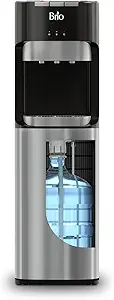 |
EUHOMY Bottom-Load Water Dispenser

| Capacity | 5 gallons |
|---|---|
| Upper Temperature Rating | 194 °F |
| Lower Temperature Rating | 39.2 °F |
| Installation Type | Freestanding |
This EUHOMY bottom-load dispenser is designed for homes or small offices that want hot, cold, and room-temperature water without lifting heavy bottles. It accepts standard 5-gallon bottles in a bottom-loading design, includes an automatic UV self-cleaning cycle that runs every two hours, and shows status with LED indicators. Hot water reaches manufacturer-claimed temps around 194 to 203°F and the dispenser offers a 0.68-gallon hot reservoir for frequent use, while cold water cools into the low 40s°F range for refreshing drinks. Practical touches include a child safety lock on the hot spout, a night light to see cup fill levels, a removable drip tray, and adjustable feet for leveling. Expect straightforward daily use: plug in, install the bottle in the base, and dispense from three separate taps. Limitations are typical for this class — it is a freestanding, relatively tall unit that requires floor space and regular filter or UV maintenance to keep sanitizer performance optimal, and settling temperatures can vary with ambient room conditions and bottle temperature.
Best for: Buyers who want a low-effort, family-friendly water dispenser that covers hot drinks, cold beverages, and everyday hydration while minimizing bottle lifting and routine manual cleaning.
Less Ideal for: People who need a compact countertop unit or who want a completely maintenance-free, filterless system should look at other form factors or integrated-plumbed models.
- Bottom-loading design removes heavy lifting and simplifies bottle replacement.
- Built-in UV self-cleaning cycle with LED indicator for ongoing sanitization.
- Three temperature outputs (hot, room, cold) cover coffee, drinking, and cooking needs.
- Child safety lock and night light improve safety and usability.
- Removable drip tray and adjustable feet simplify cleaning and placement.
- Requires floor space and is fairly tall, so not suited to small countertops.
- UV system and internal components need periodic maintenance for best performance.
Verdict: Choose this EUHOMY bottom-load dispenser if you want a hands-off, self-cleaning solution that delivers hot, cold, and room-temperature water without lifting heavy bottles.
iSpring DS4-S Water Dispenser

| Material Type | Stainless Steel |
|---|---|
| Model Number | DS4-S |
| Included Components | Water dispenser, filters |
| Number of Items | 1 |
The iSpring DS4-S is a freestanding bottleless dispenser that delivers instant hot, cold, and room-temperature filtered water through a built-in 4-stage filtration stack. It is typically plumbed to a cold-water line using the included installation kit and tubing, then used for everyday drinking, coffee and tea prep, and chilled water on demand. Notable features include sediment, carbon, and post-carbon stages plus a compound stage that targets chlorine, heavy metals and PFAS, and a child safety lock for the hot tap. The stainless steel cabinet looks durable and the unit is compact enough for kitchens, small offices, or dorms. Filter replacement intervals are outlined for each stage, which keeps maintenance predictable, and the dispenser is promoted as having a self-cleaning function that reduces microbial buildup in hot lines. Expect reliable filtered water delivery and simplified upkeep, though you will need periodic filter changes and a cold-water feed to operate it; installation is DIY-friendly but requires space and a water connection. This model suits buyers who want steady performance and multiple temperature outputs from a single, integrated filtration dispenser.
Best for: Buyers who prioritize consistent filtration performance and immediate access to multiple water temperatures for daily household or small-office use.
Less Ideal for: People without a nearby cold-water supply or those who need a purely portable, plug-and-play dispenser that requires no plumbing connection.
- Instant hot, cold, and room-temperature water from one unit
- Built-in 4-stage filtration targeting sediments, chlorine, heavy metals and PFAS
- Child safety lock for hot water
- Stainless steel exterior for durability and a compact footprint
- Includes a full DIY installation kit with tubing and adapters
- Requires a dedicated cold-water feed and occasional filter replacements
- Self-cleaning is a promoted feature but periodic manual maintenance may still be needed
Verdict: Choose the iSpring DS4-S when you want a durable, high-performance bottleless dispenser that combines multi-temperature delivery with a multi-stage filter system for cleaner-tasting water.
Seoqudcty Bottom Loading Water Dispenser

| Wattage | 620 watts |
|---|---|
| Access Location | Bottom Loading |
| Upper Temperature Rating | 194 °F |
| Lower Temperature Rating | 55.4 °F |
| Capacity | 5.28 gallons |
This Seoqudcty bottom-loading dispenser supplies near-boiling hot water and chilled water from a 20L bucket without lifting heavy bottles. It is built around a 304 stainless steel liner with a polypropylene exterior, and the unit combines a 450W heater and 70W cooling system to deliver hot water up to 194°F and cold water down to about 55°F. Bottom loading and one-touch push-button taps make bottle changes and single-handed pouring simple, and a detachable drip tray plus a drain plug ease routine cleaning. Safety features include automatic shutoff, anti-dry burn protection, and indicator lights for power and temperature status. The dispenser is reasonably compact and lightweight for moving between rooms. Expect modest cooling/heating throughput relative to larger commercial units and basic controls rather than advanced temperature presets, but for everyday household or small office use it provides reliable hot-and-cold service with straightforward maintenance.
Best for: Budget-minded buyers who want a simple, self-cleaning hot-and-cold dispenser for home, small office, or gym use and value easy bottle changes and hygienic stainless liner.
Less Ideal for: Large offices or high-traffic commercial settings that need high throughput, fast recovery, or fine-grain temperature control.
- Bottom-loading design makes bottle changes easy and reduces lifting
- 304 stainless steel liner resists rust and supports hygienic water contact
- Delivers both hot (up to 194°F) and cold (~55°F) water for year-round use
- Detachable drip tray and drain plug simplify cleaning and maintenance
- Cooling and heating output is modest (0.16 gal/hour), so it can be slow under heavy demand
- Basic two-setting controls lack precise temperature adjustment
Verdict: A cost-conscious, easy-to-use bottom-loading dispenser that reliably delivers hot and cold water with straightforward self-cleaning and safety features.
Avalon A4 Bottom Loading Water Cooler

| Wattage | 400 watts |
|---|---|
| Access Location | Bottom |
| Number of settings | 3 |
| Lower Temperature Rating | 8.3 °C |
| Capacity | 5 gallons |
The Avalon A4 is a bottom-loading water dispenser that delivers hot, cold, and room-temperature water from 3- to 5-gallon bottles without lifting the jug into the top. It is typically used in kitchens, offices, or break rooms where easy bottle swaps and visible night-time dispensing are helpful. Notable features include three temperature settings, a built-in nightlight, an empty-bottle indicator, and BioGuard antimicrobial treatment on high-contact areas for cleaner surfaces. The unit's heating and cooling systems provide piping hot and crisp cold outputs and the stainless steel cabinet gives a durable, low-profile look for busy settings. Because the bottle sits in the lower compartment, refilling is easier and spills are reduced, but you will still need to replace bottles and perform occasional internal maintenance. If a true self-cleaning cycle is required, this model's antimicrobial coating reduces bacterial growth but does not replace regular cleaning of internal lines and reservoirs. The A4 suits environments that prioritize dependable dispensing and simplified bottle handling while accepting normal maintenance tasks for sanitary performance.
Best for: Buyers who want a reliable, low-fuss water dispenser for shared spaces and value easier bottle changes and antimicrobial surface protection.
Less Ideal for: People who need a fully automated self-cleaning dispenser or want a plumbed-in system that eliminates bottled water handling.
- Bottom-loading design reduces lifting and spills and simplifies bottle changes.
- Three temperature settings (hot, cold, room) for versatile use.
- BioGuard antimicrobial coating on high-contact areas for added surface hygiene.
- Nightlight and empty-bottle indicator improve usability in low light and alert when refill is needed.
- Stainless steel cabinet offers durable, easy-to-clean exterior.
- Does not include an automated internal self-cleaning cycle; manual cleaning of internal lines may still be needed.
- Uses bottled water only so ongoing bottle purchases and storage are required.
Verdict: Choose the Avalon A4 if you want a durable, bottom-loading hot-and-cold dispenser that simplifies bottle changes and adds antimicrobial surface protection.
Brio Bottom Loading Water Cooler

| Wattage | 500 watts |
|---|---|
| Installation Type | Freestanding |
| Access Location | Bottom |
| Number of settings | 3 |
| Upper Temperature Rating | 198 °F |
The Brio bottom-loading water cooler provides on-demand hot, cold, and room-temperature water without the heavy lifting of top-load bottles. It is designed for freestanding placement and accepts 3- or 5-gallon jugs that slide into the cabinet, and the stainless steel reservoirs aim to preserve water taste. Everyday use centers on quick beverage prep, with a child-safety lock on the hot spout and an LED reminder that signals when the bottle is empty. Practical touches include a digital display, three temperature settings, and a stainless steel finish that fits home or office spaces. The unit is corded and rated at 500 watts, so it needs a dedicated outlet and will draw noticeable power while heating. It does not list advanced self-cleaning ozone or UV on this model, so users who want automated sanitizing will need a different Brio variant. Setup is straightforward but the cooler is relatively heavy, so plan placement ahead. For buyers who value easy bottle replacement, stable temperature control, and a child lock, this cooler performs predictably; if you need built-in self-cleaning, choose a model that specifies that feature.
Best for: Buyers seeking a reliable, low-effort dispenser for homes or small offices who prioritize easy bottle changes, predictable temperature options, and safety features.
Less Ideal for: People who want an automatic self-sanitizing cooler or a lightweight, highly portable dispenser should consider other models designed for those needs.
- Bottom-load design eliminates heavy lifting and fits 3- or 5-gallon bottles
- Three temperature settings for hot, cold, and room-temperature water
- Child-safety lock on the hot spout for safer hot-water dispensing
- Stainless steel reservoirs help maintain water taste and purity
- LED indicator alerts when the bottle needs replacement
- No listed built-in self-cleaning ozone or UV features on this specific model
- Relatively heavy unit requires planning for placement and movement
Verdict: Choose this Brio bottom-load cooler if you want an easy-to-use hot-and-cold dispenser that removes heavy lifting and adds safety with a child lock.
Choosing the Right Self-Cleaning Hot-and-Cold Water Dispenser: Key Factors to Consider
Sanitation Method And Frequency
How the dispenser performs its self-cleaning matters more than the mere presence of a cleaning cycle. Automated sanitation can use UV light, high-temperature flushes, ozone generation, or rinse cycles; each method has tradeoffs in effectiveness, energy use, and impact on taste. Consider how often the unit runs its cleaning cycle and whether the cycle is fully automatic, user-initiated, or requires consumables.
A method that runs regularly and transparently will reduce biofilm and mineral deposits without frequent manual intervention. If a system relies on replaceable cartridges for sanitation, factor in ongoing costs and availability. Units that allow you to schedule or trigger cleaning cycles provide greater control for high-use settings.
Temperature Stability And Range
Reliable hot output temperature is essential for safe beverage preparation and for killing common microbes when a thermal sanitation phase is used. Likewise, consistent cold temperatures ensure palatable drinking water and help limit bacterial growth between uses. Look for units with independent temperature controls or clearly stated temperature ranges for both hot and cold reservoirs.
Pay attention to how quickly the dispenser reaches set temperatures and whether it maintains them under continuous use. In busy environments, a unit with a larger thermal reservoir or stronger heating/cooling components will hold temperatures more steadily. Temperature readouts or presets simplify daily operation and help confirm the unit is functioning as expected.
Filter And Consumables Accessibility
Many hot-and-cold water dispensers include internal filters for taste, odor, and particulate removal. When filters are easy to access and change, routine maintenance is simpler and more likely to be performed on schedule. Check if the unit supports standard filter sizes or if it uses proprietary cartridges that could be harder to source.
Also consider whether the self-cleaning system depends on consumables such as UV lamps or ozone cells. If so, confirm replacement intervals and whether the dispenser provides notifications for end-of-life. Ease of accessing the filter housing and clear instructions reduce downtime and keep water quality high.
User Interface And Safety Features
Clear, intuitive controls make it simple to dispense water, start cleaning cycles, and adjust temperatures. Features like lockable hot taps, child-safety interlocks, and one-touch sanitation reduce the chance of accidental burns or unwanted operation. Indicators for cleaning status, filter life, and error conditions help you address maintenance promptly.
A logical control layout and readable displays speed learning for new users in shared spaces. Consider whether the unit has physical buttons, a touchscreen, or app connectivity and choose the level of complexity that fits your environment and the people who will operate it.
Footprint And Installation Needs
Physical size, weight, and installation type determine where a dispenser will fit and how convenient it will be to use. Countertop models require a stable surface and nearby power and possibly a drain, while freestanding or plumbed-in units demand floor space and professional hookup. Evaluate clearance above and around the unit for filter access and cleaning.
Consider mobility if you need to relocate the dispenser periodically. Heavier, plumbed units may offer higher capacity but will limit flexibility. Also check electrical requirements and whether the unit needs any specialized water line or drain connection.
Material Durability And Serviceability
Materials that come into contact with water should resist corrosion and staining to preserve water taste and extend service life. Stainless steel or BPA-free plastics are common choices; evaluate whether internal tanks are replaceable or accessible for servicing. A well-documented parts list and straightforward service points reduce the time and cost of repairs.
Inspect warranty coverage and whether the manufacturer provides clear troubleshooting documentation. Units designed with modular parts tend to be easier to repair and maintain, which matters if you expect heavy daily use.
How Self-Cleaning Systems Work
Self-cleaning hot-and-cold dispensers typically use one of a few sanitation approaches: thermal flushes that heat water to a sanitizing temperature, UV-C lamps that irradiate internal surfaces, ozone or oxidizing cycles that break down contaminants, or automated rinses that reduce deposits. Each approach targets microbial control or mineral buildup in different ways and has implications for energy use and taste.
Some systems combine methods, such as a UV lamp plus periodic hot-water flushes, to address multiple contamination vectors. Understand which method a unit uses and how it fits your usage patterns. Frequent low-intensity cleaning may suit daily high-use settings, while deeper thermal cycles may be preferable for intermittent use.
- Thermal flushing heats internal pathways to reduce microbes
- UV systems sanitize without heating but require lamp maintenance
- Ozone and oxidizers are effective but may need post-cycle ventilation
- Regular rinse cycles help limit mineral accumulation between deep cleans
Installation Options And What They Mean
Decide whether you want a countertop plug-in model or a plumbed, freestanding unit. Countertop dispensers offer portability and simpler setup but usually have smaller internal reservoirs. Plumbed units provide continuous supply and higher throughput but need a water line and occasionally a drain connection.
Installation affects who should service the unit. Plumbed models often require professional installation for safe connections and to meet local codes. Countertop units can typically be set up by a homeowner, but both styles benefit from following the manufacturer's placement and ventilation guidelines to ensure the self-cleaning systems function properly.
- Countertop: portable, easier setup, smaller capacity
- Plumbed: continuous supply, higher capacity, requires hookup
- Consider access for filter changes and cleaning cycle vents
Energy Use And Operating Costs
Self-cleaning mechanisms add energy and sometimes consumable costs. Thermal sanitation cycles consume extra electricity for heating, while UV lamps and ozone generators use power and may need periodic replacement. Factor these operating costs into long-term ownership plans, especially for high-usage environments.
Compare units on standby energy draw and the duration of cleaning cycles. A dispenser with efficient insulation can reduce energy lost from heating or cooling reservoirs, which lowers the frequency of active heating or cooling and reduces total consumption.
- Thermal cleaning increases heater activity and energy use
- UV and ozone need occasional replacements
- Well-insulated tanks reduce active heating and cooling cycles
Maintenance Tips To Keep Systems Effective
Even automated systems need routine checks. Schedule visual inspections of seals, taps, and drain paths to catch leaks or wear early. Replace filters and consumables on the recommended intervals, and record cleaning cycle activity if the unit lacks automatic logs.
Run manual rinses after extended idle periods and before heavy use if the dispenser has been idle. Keep the exterior and drip tray clean to prevent staining and odor transfer. Follow manufacturer guidelines for descaling if mineral buildup is present, using recommended products and procedures to avoid damaging internal components.
- Inspect seals and taps monthly
- Replace filters according to labeled intervals
- Run a manual flush after long idle periods
How We Chose the Best Self-Cleaning Hot-and-Cold Water Dispenser
We started by focusing on units explicitly marketed as self-cleaning or equipped with automated sanitation cycles, then narrowed candidates by features that materially affect everyday use. Our evaluation prioritized sanitation effectiveness and clarity of the cleaning method, because automated cleaning is the core promise of these dispensers. We also weighed temperature accuracy for both hot and cold outputs, since consistent serving temperatures affect beverage quality and safety. User controls and accessibility were reviewed to ensure operators of varying skill can start cleaning cycles and dispense water without confusion. Build quality and serviceability were considered to assess long-term reliability and ease of routine maintenance. We excluded units that require manual disassembly for routine sanitation or that lacked documented cleaning cycles. We also removed models primarily intended for single-temperature use or that do not provide both hot and cold delivery. The final shortlist represents units that combine documented self-cleaning mechanisms, stable temperature control, straightforward user interfaces, durable construction, and clear maintenance instructions.
Our full evaluation process is outlined in our review methodology.
FAQ
How often do self-cleaning cycles run on these dispensers?
It depends on the unit and the selected mode. Some units run short sanitation cycles daily or hourly, while deeper thermal cycles may operate weekly or monthly. Check the unit settings to see if cycles are automatic or user-initiated and whether you can adjust their frequency.
Do self-cleaning dispensers eliminate the need to replace filters?
No. Self-cleaning targets microbial growth and sediment in pathways but usually does not renew spent filter media. Filters still need periodic replacement to maintain taste and particulate removal. Review filter life recommendations and access for replacement.
Are thermal sanitation cycles safe for countertops and nearby surfaces?
Thermal cycles are generally contained within the unit, but they use energy to heat internal water and may vent minimal heat. Ensure adequate clearance and follow installation guidelines to avoid heat-related issues. If in doubt, choose a model with insulation or lower external heat output.
Can I use a self-cleaning dispenser in a commercial setting?
Many models are intended for residential or light-commercial use. For heavy commercial demand, choose dispensers rated for high throughput and with serviceable components. Verify the unit's duty cycle and recommended usage to match your environment.
What maintenance should I do between automatic cleanings?
Perform regular visual inspections, empty and clean the drip tray, and replace filters and consumables when indicated. Run a manual rinse if the dispenser has been idle, and address leaks or unusual tastes promptly to prevent larger issues.
Final Verdict
When choosing a self-cleaning hot-and-cold water dispenser, prioritize the sanitation method, temperature consistency, and ease of routine maintenance. Decide whether portability or a plumbed installation better suits your space and how much ongoing consumable replacement you are willing to manage. Balance energy use and serviceability against the level of automation you want. Focus on units that document their cleaning approach, provide accessible filters and consumables, and offer clear controls and safety features. That combination will deliver dependable hot and cold water with the lowest ongoing maintenance burden, letting you spend less time on upkeep and more on use.