
Note: This article contains affiliate links. If you click on these links and make a purchase, we may earn a small commission at no extra cost to you. This helps support our research and content. Read our full affiliate disclosure here.
If you are just starting to sew and want a dependable machine without overspending, choosing the right sewing machine matters. A beginner-friendly model can make the difference between learning quickly and getting frustrated. This guide focuses on compact, easy-to-use sewing machines that balance simple controls, dependable stitch quality, and durable construction for home sewing projects. Below are the top shortlisted machines chosen for new sewists on a budget. We evaluated models on setup simplicity, stitch options, build and durability, and user support so you can pick a machine that helps you learn and complete basic mending, crafts, and small sewing projects. Read on to see which features matter most and how to match a machine to the projects you want to tackle.
Top Picks at a Glance
| Best Overall The best all-around choice for most situations | Janome 2212 Sewing Machine |  |
| Best Quality Built to a higher standard if you want something more solid | Janome Cat Fancy 001FANCY |  |
| Best Value The sweet spot between price and what you get | SINGER MX60 Sewing Machine |  |
| Best Budget The cheapest option that still gets the job done reliably | KPCB Tech Beginner Sewing Machine FHSM-201 |  |
| Top Rated A top-rated pick with lots of positive feedback | Brother CS5055 Sewing Machine |  |
| Most Popular A crowd favorite that many people choose with confidence | Magicfly Mini Sewing Machine MF600 |  |
| Best Seller A high-volume bestseller chosen again and again | Brother XM2701 Sewing Machine |  |
Janome 2212 Sewing Machine
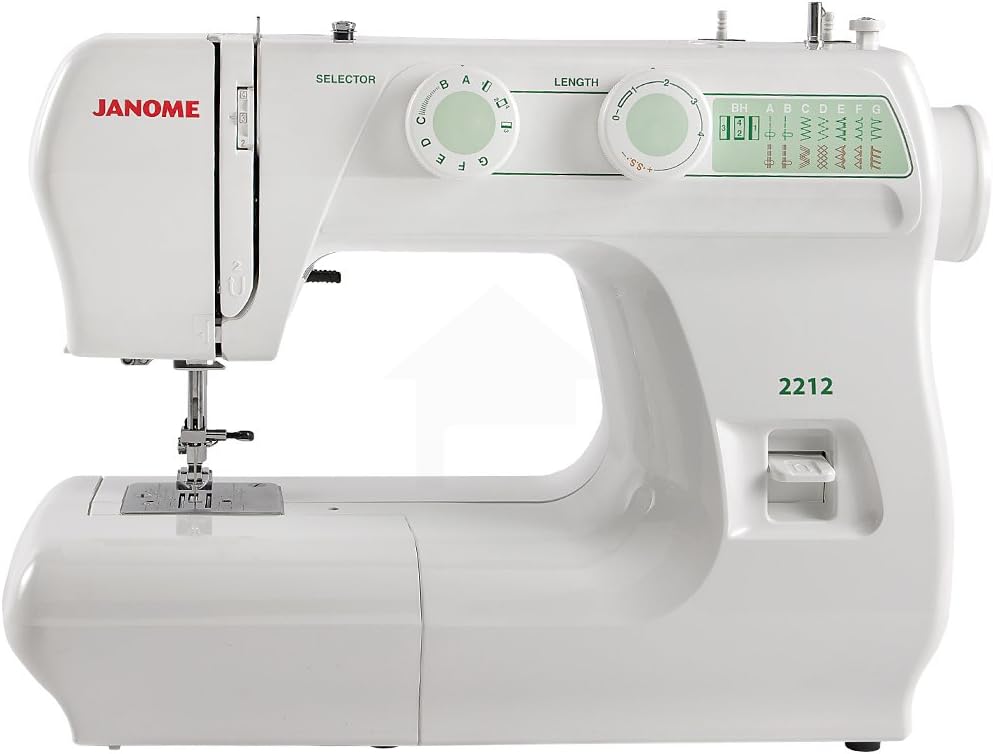
| Stitches | 12 built-in stitches |
|---|---|
| Buttonhole | 1 four-step buttonhole |
| Stitch length | Maximum 4 mm |
| Stitch width | Maximum 5 mm |
| Power Source | ac |
The Janome 2212 is a no-frills, entry-level mechanical sewing machine designed to teach fundamentals without digital complexity. It uses a simple dial for stitch selection and offers 12 built-in stitches plus a four-step buttonhole, making it suitable for basic garment sewing, repairs, and light home-decor projects. Practical features include a free arm for cuffs and sleeves, drop-feed capability for quilting and darning, an extra-high presser foot lift to handle moderate seams, and snap-on presser feet for quick changes. The front-loading vertical oscillating bobbin and five-piece feed dog help with reliable fabric feeding, and the included accessories cover common starter needs. Because it is lightweight and portable, the 2212 is easy to move between rooms or store when not in use. Limitations to note are its mechanical controls and modest stitch selection, which means less automation and fewer decorative options than computerized machines, and it is not intended for heavy industrial fabrics. For someone learning to sew who wants a durable, easy-to-understand machine, the Janome 2212 covers the essentials effectively.
Best for: Buyers wanting a durable, easy-to-use machine that teaches sewing fundamentals and handles everyday garment sewing and small projects without digital complexity.
Less Ideal for: Those who need extensive decorative stitches, advanced automation, or higher-capacity heavy-duty sewing for industrial materials should consider a different model.
- Simple mechanical controls make it easy for beginners to learn stitch selection and adjustments
- Free arm and drop-feed add versatility for mending, sleeves, and basic quilting
- Extra-high presser foot lift and 5-piece feed dog handle moderate seams and various fabrics
- Lightweight and portable for easy storage and transport
- Includes common starter accessories such as multiple presser feet, bobbins, needles, and a seam ripper
- Limited to 12 stitches and a four-step buttonhole so fewer decorative or specialty stitch options
- Mechanical operation lacks computerized automation like needle up/down or memory functions
Verdict: A straightforward, portable mechanical machine that gives beginners the essential features to learn sewing reliably and affordably.
Janome Cat Fancy 001FANCY
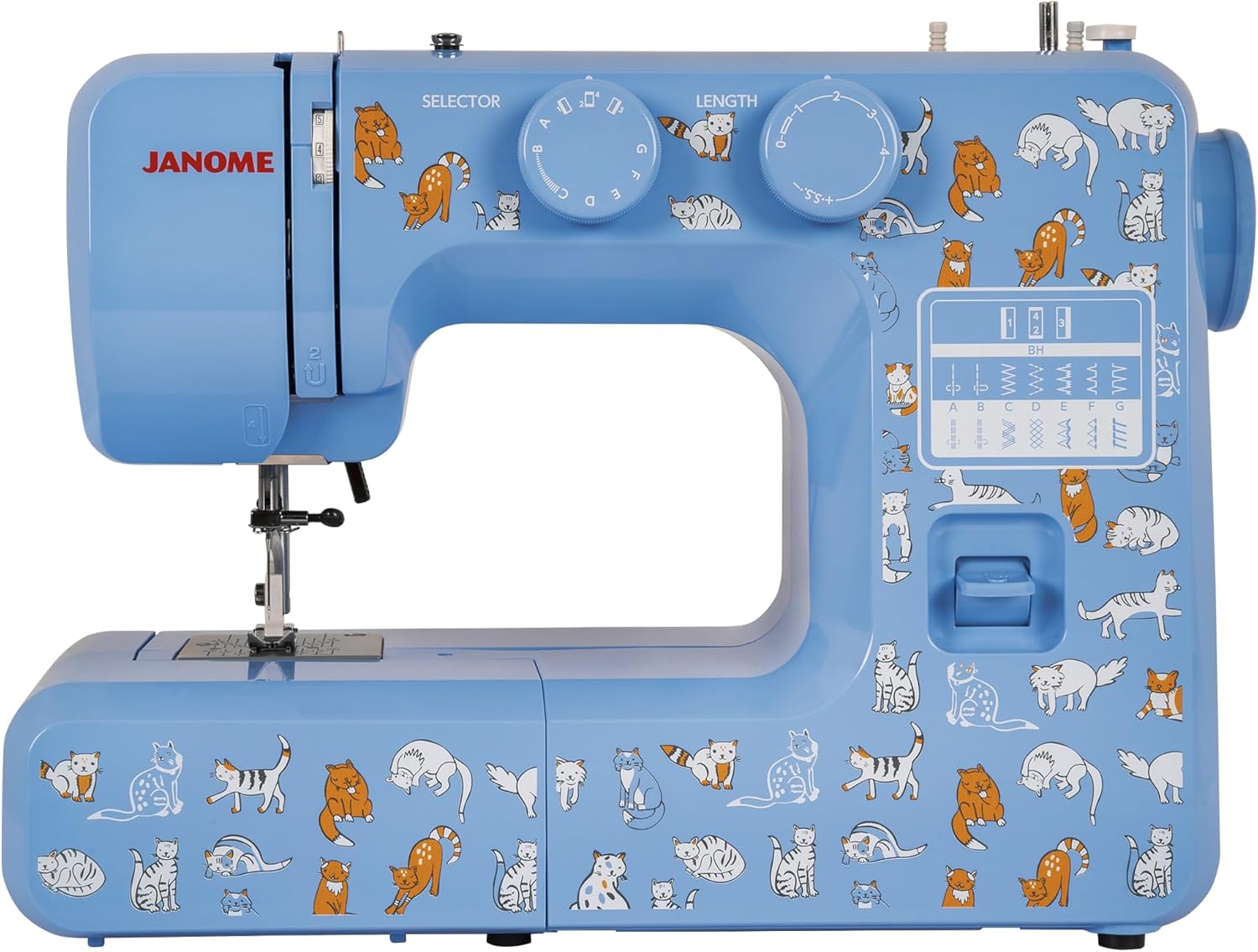
| Built-in stitches | 15 |
|---|---|
| Buttonhole | 4-step buttonhole |
| Maximum sewing speed | 800 stitches per minute |
| Feed system | 3-piece feed dog system |
| Power source | Electric |
The Janome Cat Fancy is a compact, user-friendly mechanical sewing machine aimed at new sewists who want a reliable workhorse without complexity. It provides 15 common stitches plus a four-step buttonhole, adjustable stitch length and width, and snap-on presser feet that make switching tasks fast. The 3-piece feed dog system and extra-high presser foot lift help the machine feed layered fabrics and light quilting smoothly, while the removable free arm simplifies sewing cuffs and hems. A front-loading bobbin with visible threading guide and included quick-start materials make setup and troubleshooting straightforward. The interior metal frame gives steadiness during use and supports the machine's top speed of up to 800 stitches per minute for efficient stitching. Limitations include its mechanical controls which lack digital stitch memory or automatic buttonholes, and it is best suited for garment sewing, home decor and light quilting rather than heavy industrial or thick-leather projects.
Best for: A buyer who wants a durable, easy-to-learn machine that performs well across garments, home decor, and light quilting projects while prioritizing practical reliability over digital features.
Less Ideal for: Those needing automated stitch programming, one-step buttonholes, or a machine built for heavy-duty leather, canvas, or commercial production should look elsewhere.
- Beginner-friendly features: visible bobbin guide, quick-start guide, and tutorial videos make setup easy.
- Sturdy interior metal frame for stable stitching and consistent fabric feed.
- Versatile stitch options with 15 built-in stitches and adjustable length/width for multiple projects.
- Free arm and included presser feet expand usefulness for hems, zippers, and buttonholes.
- Mechanical controls lack digital conveniences like automatic one-step buttonholes or programmable stitches.
- Not intended for very heavy materials or industrial-scale sewing tasks.
Verdict: A solid, beginner-focused sewing machine that delivers dependable, performance-oriented stitching for everyday sewing projects.
SINGER MX60 Sewing Machine

| Model Number | MX60 |
|---|---|
| Power Source | Corded Electric |
| Included Components | All purpose foot, zipper foot, buttonhole foot, darning plate, needles, bobbins |
| Stitch Applications | 57 applications |
The SINGER MX60 is a compact, entry-level mechanical sewing machine aimed at beginners and hobbyists who need a dependable machine for mending, simple garments, quilts, and crafts. It offers six built-in stitches delivered across 57 stitch applications via preset length and width, plus a 4-step buttonhole and three included presser feet for common tasks. The heavy-duty metal frame keeps the unit stable so seams run smoothly and the top-drop bobbin and LED light make threading and working in low light easier. Its small footprint and low weight make it easy to move to classes or stow between projects, and the included accessory kit supplies basic feet, bobbins, needles, and tools to get started. Limitations include a very small stitch selection compared with computerized models and limited advanced controls, so it is not ideal for intensive tailoring, heavy industrial fabrics, or users who want automated stitch programming. For straightforward home sewing, though, it balances durability and simplicity well.
Best for: Buyers who want a simple, durable machine for learning to sew, repairing clothes, and making basic projects without the complexity of computerized models.
Less Ideal for: Sewers who plan to work frequently with heavy fabrics, need many decorative stitches, or want computerized features and automatic programming.
- Lightweight and portable for easy transport and storage
- Heavy-duty metal frame for stable, skip-free sewing
- Preset stitch length and width simplify use for beginners
- Includes essential accessory kit (feet, bobbins, needles, tools)
- Only six built-in stitches, limiting advanced decorative and utility options
- Mechanical controls lack the precision and automation of computerized machines
Verdict: A straightforward, durable beginner sewing machine that delivers portability and the core features most new sewers need.
KPCB Tech Beginner Sewing Machine FHSM-201

| Power Source | AC adapter |
|---|
This mini sewing machine is aimed at new sewists who want an inexpensive, ready-to-use kit. It includes a small electric machine with two speed settings, a finger guard for safety, an extension table, and a large bundle of 8×8 fabric squares plus basic tools like bobbins, needles, a needle threader, and scissors. The double-thread design and motor let it handle light projects and up to about five layers of fabric, so it is suitable for practice, repairs, patchwork, and small craft projects. Setup is supported by tutorial videos and a manual in multiple languages, which helps beginners learn threading and basic operation. Expect simplified controls and modest build quality from the plastic housing and compact footprint, so it is best for light home use rather than heavy garment production. The included accessories and safety features make it a strong starter package, but advanced stitch options and heavy-duty performance are limited compared with full-size machines.
Best for: Buyers who want an affordable, all-in-one starter setup to learn sewing and tackle small craft projects will appreciate this kit and its learning resources.
Less Ideal for: People who need a heavy-duty or feature-rich machine for frequent garment sewing, denim, or professional use should choose a larger, more robust model instead.
- Complete starter kit with fabric bundle and basic sewing tools included
- Two speed settings and finger guard make learning safer and more controllable
- Double-thread design can sew multiple fabric layers for small projects
- Extension table expands workspace for patchwork and craft pieces
- Tutorial videos and multilingual manual help beginners get started
- Plastic, mini construction limits durability for heavy or frequent use
- Simplified controls mean fewer stitch types and customization options
Verdict: For budget-minded beginners who want a ready-to-run starter kit with safety features and learning resources, this mini machine delivers the essentials to learn and practice sewing.
Brother CS5055 Sewing Machine
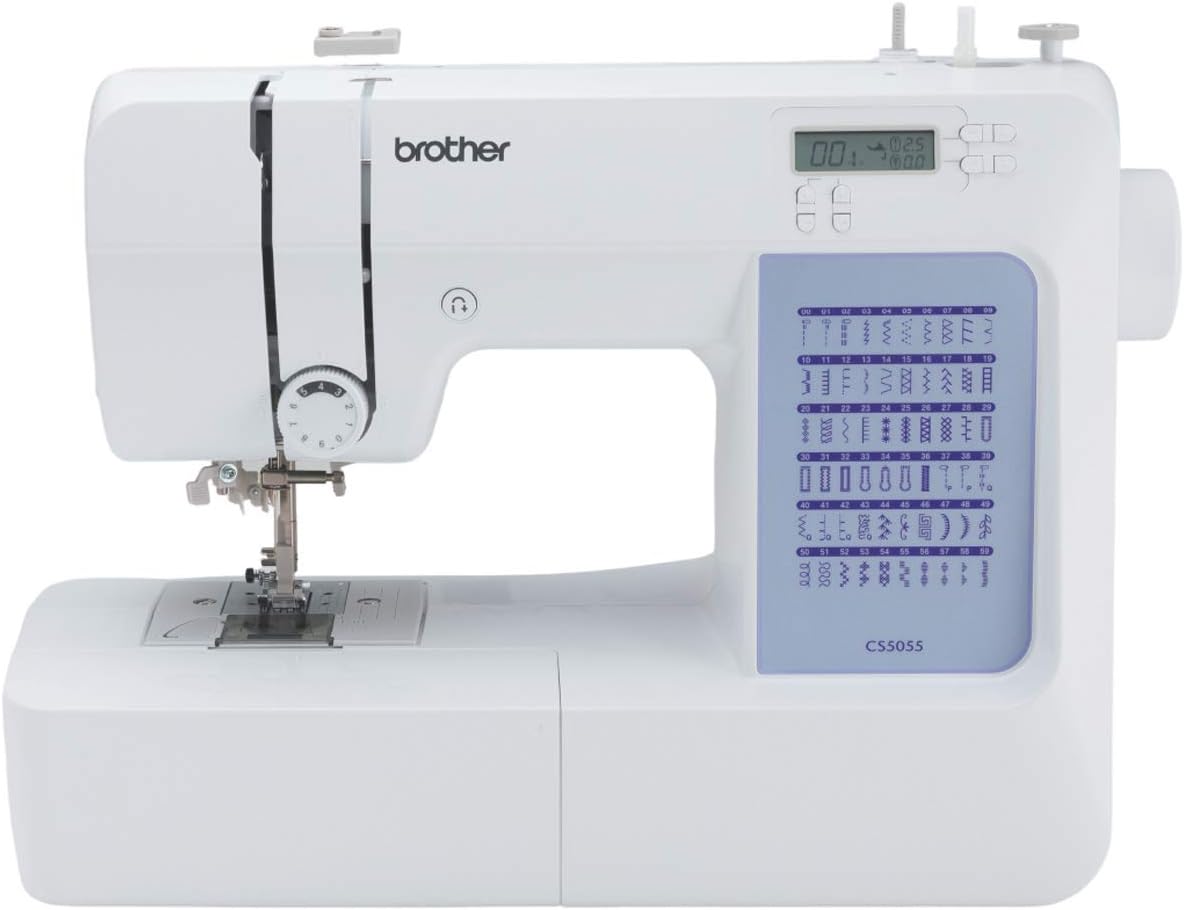
| Power Source | Corded Electric |
|---|---|
| Input Voltage | 120 volts |
The Brother CS5055 is a lightweight computerized sewing machine designed to get beginners sewing quickly while still offering features that matter as skills grow. It provides 60 built-in stitches, seven one-step auto-size buttonholes, and an LCD that shows stitch settings and suggested presser foot, which makes selecting and adjusting stitches straightforward. Practical conveniences include an automatic needle threader, quick-set jam-resistant drop-in bobbin, bright LED work light, and a variety of included presser feet for common tasks like zigzag, blind hem, zipper, and buttonholes. The metal frame and fixed needle bar help keep stitches even when working through medium-weight fabrics, and the machine handles denim and tweed better than many entry-level units. Trade-offs are that it is a basic computerized model without advanced quilting attachments or large extension tables, and very heavy industrial or specialized sewing is beyond its scope. For most home sewers learning techniques, mending, and garment or home-decor projects, it balances ease of use and dependable construction.
Best for: Buyers who want a dependable, easy-to-use first sewing machine that will last through beginner projects and grow with basic skill improvements.
Less Ideal for: Users needing heavy-duty industrial sewing, large quilting tables, or advanced embroidery functions should consider more specialized machines.
- 60 built-in stitches and 7 one-step auto-size buttonholes for versatile home sewing
- Automatic needle threader and quick-set drop-in bobbin reduce setup time and jams
- Metal frame and fixed needle bar for steadier stitching and better handling of medium-weight fabrics
- Includes seven presser feet and useful accessories to start a variety of projects
- Clear LCD shows stitch, width, length, and suggested foot for easier stitch selection
- Not equipped with advanced quilting or large-format workspace accessories
- Limited to standard home sewing electrical specs and not intended for heavy industrial use
Verdict: A reliable, user-friendly computerized machine that gives beginners durable, practical features to learn on and keep using as skills improve.
Magicfly Mini Sewing Machine MF600

| Power Source | Battery Powered |
|---|---|
| Model Number | MF600 |
| Item Type Name | Mini Portable Sewing Machine |
The Magicfly MF600 is a compact, entry-level sewing machine aimed at basic repairs, simple projects, and learners. It runs on battery or AC power and can be operated with the included foot pedal or a start button, with a built-in light for working on darker fabrics. The unit offers two speeds so beginners can slow down while learning and speed up for straightforward seams, and a dual-thread design intended to strengthen stitches and simplify thread endings. An extension table and a generous accessory kit (bobbins, needles, threader, seam ripper, tape measure and more) make it easier to handle slightly larger pieces and to get started without buying extras. Expect a single fixed stitch type and limited stitch adjustment, so this is best for hems, mending and simple craft projects rather than tailoring or decorative sewing. The plastic construction keeps it lightweight and portable, but it is not built for heavy fabrics or continuous high-volume use.
Best for: Buyers who want an inexpensive, ready-to-use machine to learn basic sewing, handle mending, and complete small craft projects without a steep learning curve.
Less Ideal for: People who need a durable machine for heavy fabrics, professional sewing, multiple stitch patterns, or advanced garment construction should consider a more capable model.
- Dual power operation for battery or AC use adds portability and flexibility.
- Two-speed control helps new sewers learn at a manageable pace.
- Includes extension table and a comprehensive starter kit so beginners have necessary accessories.
- Built-in light improves visibility when working on darker fabrics or in low light.
- Only a single fixed stitch is available, so stitch variety and advanced functions are limited.
- Plastic construction and mini form factor are not suited for heavy fabrics or long continuous sewing sessions.
Verdict: A simple, portable starter machine that gives first-time sewers the basic tools and flexibility to learn and do small repairs without extra purchases.
Brother XM2701 Sewing Machine

| Built-in stitches | 27 |
|---|---|
| Included presser feet | 6 |
| Power source | Corded Electric |
| Input voltage | 120 volts |
The Brother XM2701 is a straightforward mechanical sewing machine aimed at beginners and home sewers who want a reliable, easy-to-use machine without extra complexity. It offers 27 built-in stitches, a one-step auto-size buttonholer, and six quick-change presser feet that cover common tasks like zippers, hemming, and decorative stitching. Practical touches include an automatic needle threader, jam-resistant top drop-in bobbin, automatic bobbin winder, and a bright LED work light, which make setup and everyday sewing less frustrating. The free arm simplifies sewing cuffs, sleeves, and pant legs, and stitch selection and adjustments are done with simple dials rather than menus. Because it is a mechanical, corded machine, it is durable and predictable, though it lacks computerized features like programmable stitches or an LCD. The XM2701 is portable and includes basic accessories and an illustrated manual, so it is ready to use out of the box, but advanced sewists who want more automation or specialty functions may find it limiting.
Best for: Buyers who want a dependable, easy-to-learn sewing machine for mending, garment sewing, and beginner projects and who prefer predictable mechanical controls over computerized complexity.
Less Ideal for: Sewists who need advanced computerized features, extensive stitch customization, or a machine built for heavy-duty commercial sewing should consider other models.
- Beginner-friendly features: automatic needle threader, drop-in bobbin, and simple dial controls
- Versatile stitch set with 27 built-in stitches and one-step auto-size buttonhole
- Includes six quick-change presser feet and necessary accessories for common sewing tasks
- Free arm and bright LED light make garment repairs and small projects easier
- Mechanical design lacks computerized automation and programmable stitch memory
- Not intended for heavy industrial use or large, continuous high-volume projects
Verdict: The XM2701 is a reliable, no-frills beginner machine that makes learning to sew and handling common home sewing tasks simple and frustration-free.
Choosing the Right Sewing Machine for Beginners on a Budget: Key Factors to Consider
Ease Of Setup And Threading
Simple, logical threading paths and an intuitive bobbin system reduce early frustration and speed the learning process. Beginners benefit from machines with clear diagrams, color-coded paths, or guided threading aids that let them start sewing within minutes.
A machine that is hard to thread or requires fiddly adjustments discourages practice. Look for front-loading bobbins or easy top-loading systems and a clearly labeled tension control so you can focus on stitching technique rather than constant re-threading.
Stitch Options And Quality
Even basic sewing tasks need consistent stitch length and tension to produce neat seams. For beginners, a modest selection of essential stitches—straight, zigzag, and a few stretch or decorative stitches—is usually enough, provided each stitch runs evenly across lightweight and midweight fabrics.
Pay attention to stitch length and width adjustability and how the machine performs on multiple fabric types. A machine that holds tension well and produces even stitches will make learning garment construction and repairs much easier.
User Controls And Learning Tools
Controls that are large, clearly labeled, and logically placed help new users learn faster. Mechanical dials or a simple LCD with straightforward buttons tend to be less intimidating than complex menus. Look for features like automatic needle threaders, tension presets, stitch guides, and clearly marked foot pressure or presser foot change mechanisms.
Included learning aids such as printed manuals, quick-start cards, tutorial videos, or built-in stitch diagrams are valuable. These resources shorten the practice cycle and reduce reliance on external help when you are teaching yourself to sew.
Build Quality And Stability
A stable sewing platform prevents fabric from shifting and leads to straighter seams. Machines with a solid internal frame or reinforced chassis resist vibration and deliver more consistent stitch formation, especially when using the foot pedal.
Consider accessory storage and how components like the presser foot, feed dogs, and needle clamp are built. Robust, easy-to-replace parts reduce downtime and extend the useful life of an entry-level machine.
Maintenance Needs And Serviceability
Regular cleaning of lint and periodic oiling keep even inexpensive machines running smoothly. Beginners should choose machines with accessible bobbin areas, removable needle plates, and straightforward access to feed dogs for cleaning.
Check how easy it is to replace common wear items such as needles, presser feet, and light bulbs. Availability of clear maintenance instructions and basic service guidance helps keep the machine reliable without specialized tools.
Foot Pedal Feel And Speed Control
The responsiveness of the foot pedal and the machine's top speed affect how comfortable a beginner feels while sewing. A pedal with predictable acceleration and a reasonable maximum speed prevents loss of control during learning.
Machines with adjustable speed settings or dual-speed options are helpful for practicing fine control. If the pedal is jerky or overly sensitive, it can lead to uneven seams and a steeper learning curve.
Starter Projects To Build Confidence
Choose small, manageable projects that teach a single skill at a time. Mending a torn hem teaches seam finishing, a simple tote bag teaches straight seams and topstitching, and pillow covers teach measuring and aligning fabric layers.
Work with fabrics appropriate to your machine and skill level. Begin with cotton and basic woven fabrics before attempting knits or heavyweight materials. Each completed project builds practical skills and motivation.
- Mend or shorten a pair of pajama pants to practice seams and thread management
- Create a simple drawstring bag to learn straight seams and turning techniques
- Sew a basic pillow cover with an envelope closure to practice measuring and finishing
Essential Accessories Every Beginner Should Have
A small accessory kit can make a big difference. Recommended items include extra universal needles in multiple sizes, quality polyester thread, a seam ripper, measuring tape, fabric scissors, and a set of pins or clips.
A small cutting mat and rotary cutter are optional but speed up fabric cutting and improve accuracy for straight seams. Replace needles regularly and store accessories in a dedicated box to keep your workspace organized.
- Spare needles: sizes 70/10, 80/12, and 90/14
- A variety of presser feet if not included with the machine, especially a zipper foot and a buttonhole foot
- Basic maintenance kit: small brush, screwdriver, and sewing machine oil
Tips For Sewing Different Fabric Types
Start with woven cottons because they are stable and forgiving. When you move to knits, switch to a stretch or ballpoint needle and use a narrow zigzag or stretch stitch to allow seams to stretch without breaking.
For slippery synthetics, use a straight stitch plate if available, a walking foot, or tissue-paper stabilizer to prevent fabric from slipping. Lightweight fabrics often benefit from reduced presser-foot pressure and a smaller needle size.
- Use the correct needle type and size for the fabric
- Test stitches on scrap fabric before sewing your project
- Adjust tension and stitch length based on fabric behavior
Setting Up A Beginner Sewing Space
Designate a stable, well-lit workspace with room for fabric to feed freely off the table. A flat surface at a comfortable height prevents back strain and helps manage longer seams. Good lighting, ideally a directional task light, reduces eye strain and improves accuracy.
Keep frequently used tools within arm's reach and store patterns and fabrics in labeled bins. A small folding table or movable cart can expand your work area when needed while still allowing the machine to stay set up between sessions.
- Good lighting and a stable table are more important than having a large room
- Organize tools so you do not interrupt sewing to search for small items
- Consider a dedicated power strip to avoid unplugging the machine frequently
Basic Troubleshooting For New Sewists
Many common problems are simple to fix. Uneven stitches often indicate incorrect threading or tension; rethreading both the top thread and the bobbin usually resolves this. Skipped stitches commonly stem from a bent or dull needle, so replace the needle regularly.
If the machine jams, stop sewing immediately, raise the presser foot, and gently remove the fabric. Clean the bobbin area, remove lint, and check that the bobbin is inserted correctly. Keeping a concise maintenance checklist reduces downtime and preserves stitch quality.
- Always test on scrap fabric after changing needles or threads
- Keep a small manual or quick-reference card nearby with common fixes
- Document recurring issues to identify whether maintenance or service is needed
How We Chose the Best Sewing Machine for Beginners on a Budget
We prioritized machines that make the learning curve as short as possible while still delivering dependable, usable results. Key evaluation criteria included ease of setup and first use, since beginners need straightforward threading, bobbin loading, and clear controls. We also looked at stitch quality and consistency across common fabrics, because even simple repairs or garments depend on clean, even stitches. Build quality and durability were assessed by examining chassis materials, thread path robustness, and accessory storage, with a focus on models likely to last through regular practice. Usability features such as foot pedal responsiveness, presser foot options, and clear instructional guides or tutorials were factored in. Finally, we checked maintenance needs and serviceability to ensure buyers would not face undue upkeep barriers. We excluded advanced industrial or high-end quilting machines and heavy-duty specialty units that exceed typical beginner budgets or require advanced skills. The shortlist favors machines that balance practical functionality and low complexity, making them well suited for first-time sewists and simple home projects.
Our full evaluation process is outlined in our review methodology.
FAQ
What basic stitches should a beginner sewing machine include?
A beginner machine should offer a straight stitch and zigzag at minimum, plus a basic buttonhole and a few decorative or stretch stitches. These cover mending, simple garments, and basic hems.
How important is an automatic needle threader for a new sewist?
An automatic needle threader is a useful convenience that saves time and reduces frustration, especially for those with limited dexterity. It is helpful but not essential if the machine is otherwise easy to thread.
Can I learn to sew well on an inexpensive machine?
Often yes. A well-built, simple machine with reliable stitch formation and easy controls is sufficient to learn foundational skills. The key is consistent use and proper maintenance rather than a high-end feature set.
How often should I change the needle on a beginner machine?
You should change needles regularly, typically after 6 to 8 hours of sewing or when you notice skipped stitches, fabric snags, or a pull in the fabric. Frequent replacement keeps stitches clean and prevents damage.
Is maintenance difficult for entry-level sewing machines?
Maintenance is generally straightforward. Regularly cleaning lint from the bobbin area, changing needles, and following basic oiling recommendations will keep most beginner machines running well without professional service.
Final Verdict
When choosing a sewing machine for beginners on a budget, prioritize ease of use, dependable stitch quality, and straightforward maintenance. These attributes shorten the learning curve and deliver usable results for mending, simple garments, and craft projects. Be realistic about your initial project types and match the machine features—such as accessible threading, essential stitch options, and stable build—to those needs. Accept some tradeoffs on advanced features in exchange for simplicity and reliability. A modest, well-designed machine that encourages daily practice will teach more and cost less in the long run than a complex model that sits unused. Focus on the factors outlined above to choose confidently and start sewing.