
Note: This article contains affiliate links. If you click on these links and make a purchase, we may earn a small commission at no extra cost to you. This helps support our research and content. Read our full affiliate disclosure here.
If you make costumes, a sewing machine for cosplay can be the difference between a frantic last-minute fix and a polished finished piece. Cosplay projects demand handling everything from delicate stretch knits to heavy upholstery fabrics, plus careful topstitching and decorative work. This guide spotlights seven shortlisted sewing machines that excel at the tasks cosplayers encounter most often. We'll outline the features that matter for costume construction and stability, including stitch options, fabric feed, and accessory support, so you can pick a machine that fits the fabrics and techniques you use.
Top Picks at a Glance
| Best Overall The best all-around choice for most situations | Janome 1522DG Sewing Machine | 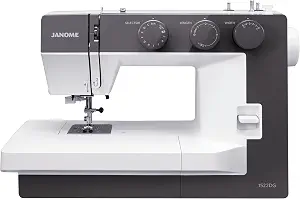 |
| Best Quality Built to a higher standard if you want something more solid | Janome JW8100 Sewing Machine |  |
| Best Value The sweet spot between price and what you get | SINGER M3330 Sewing Machine |  |
| Best Budget The cheapest option that still gets the job done reliably | Magicfly Mini Sewing Machine MF600 |  |
| Top Rated A top-rated pick with lots of positive feedback | Brother HC1850 Sewing & Quilting Machine |  |
| Most Popular A crowd favorite that many people choose with confidence | SINGER Heavy Duty 4423 |  |
| Best Seller A high-volume bestseller chosen again and again | Brother XM2701 Sewing Machine |  |
Janome 1522DG Sewing Machine

| Stitches | 22 built‑in stitches |
|---|---|
| Buttonhole | 1‑step buttonhole |
| Frame | Metal interior frame |
| Power Source | ac_dc |
The Janome 1522DG is a mechanically driven, full‑sized sewing machine aimed at home sewists who want reliable, straightforward performance. It delivers 22 built‑in stitches plus a one‑step buttonhole and runs on a vertical oscillating hook bobbin system for consistent stitch quality across fabrics. Notable conveniences include a built‑in needle threader, auto‑declutch bobbin winder, extra‑wide extension table, adjustable presser foot pressure, snap‑on presser feet, and an LED work light, which make setup and common tasks quick and low friction. The metal interior frame gives it stability for quilting and multi‑layer cosplay pieces while the free arm and high presser foot lift help with sleeves, seams, and thicker trims. Its maximum speed and stitch adjustments allow for both utility sewing and decorative work, though as a mechanical model it lacks computerized stitch memory or specialty embroidery functions. For makers building costumes, it balances durability and practical features without an intimidating learning curve.
Best for: Cosplayers who want a dependable, no‑frills machine that handles a wide range of fabrics and layers and prioritizes durability and easy setup over advanced computerized features.
Less Ideal for: Costume makers who need built‑in embroidery, programmable stitch sequences, or the smallest lightweight travel machine for frequent transport should consider other options.
- Solid metal frame provides stability for quilting and multi‑layer fabric work
- 22 built‑in stitches plus one‑step buttonhole cover most costume sewing needs
- Adjustable presser foot pressure helps with delicate fabrics and heavy layers
- Convenient features like built‑in needle threader and auto‑declutch bobbin winder speed setup
- Extra‑wide extension table and roomy workspace make handling large costume panels easier
- Mechanical controls mean no computerized stitch programming or memory
- Heavier and less compact than some portable or travel machines
Verdict: A sturdy, feature‑focused mechanical machine that gives cosplayers reliable stitch quality and practical tools for sewing multi‑layer garments and props.
Janome JW8100 Sewing Machine

| Power Source | Corded Electric |
|---|---|
| Number of Items | 1 |
| Included Components | Multiple accessory feet, extension table, bobbins, needles, foot control |
The Janome JW8100 is a feature-rich computerized sewing machine that handles a wide range of home sewing and quilting tasks. It offers 100 stitches and seven one-step buttonholes selectable via a backlit LCD, plus a start/stop button, speed control slider, and needle up/down controls for precise stitching. Practical conveniences include a built-in needle threader, jam-proof drop-in bobbin, auto-declutch bobbin winder, and a 7-piece feed dog system that helps feed layers evenly. The included extra-wide extension table, even feed foot, and 1/4" quilting foot make large cosplay pieces and patchwork easier to manage, and the assortment of accessory feet and tools covers zippers, satin stitching, and buttonholes out of the box. For users focused on project control and stitch variety, the machine balances usability with solid feeding performance, though its 12-pound weight and corded setup make it less portable for workshops or frequent travel. The JW8100 is well suited to sewists who want a reliable, versatile machine for costume construction and quilting-sized fabric work.
Best for: Cosplayers and hobby sewists who prioritize stitch variety, reliable fabric feeding, and control for constructing detailed costumes and quilted garment elements.
Less Ideal for: People who need a lightweight, travel-friendly machine or who want wireless connectivity and app-driven features.
- Large stitch library (100 stitches) and seven one-step buttonholes for diverse seam and decorative work
- Backlit LCD and intuitive controls including start/stop and speed slider for precise stitch control
- 7-piece feed dog system and even feed foot help manage multiple layers and prevent fabric shifting
- Includes extra-wide extension table and quilting-specific feet useful for large cosplay panels and quilted details
- Relatively heavy and corded, so not ideal for portable or travel use
- No built-in Wi-Fi or advanced connectivity features
Verdict: A versatile, control-focused machine that delivers stitch variety and dependable feeding—well suited for cosplay construction and quilting projects.
SINGER M3330 Sewing Machine
| Stitch Applications | 97 |
|---|---|
| Built-in Stitches | 23 |
| Power Source | Corded Electric |
| Included Components | Accessory Kit, 4 Presser Feet |
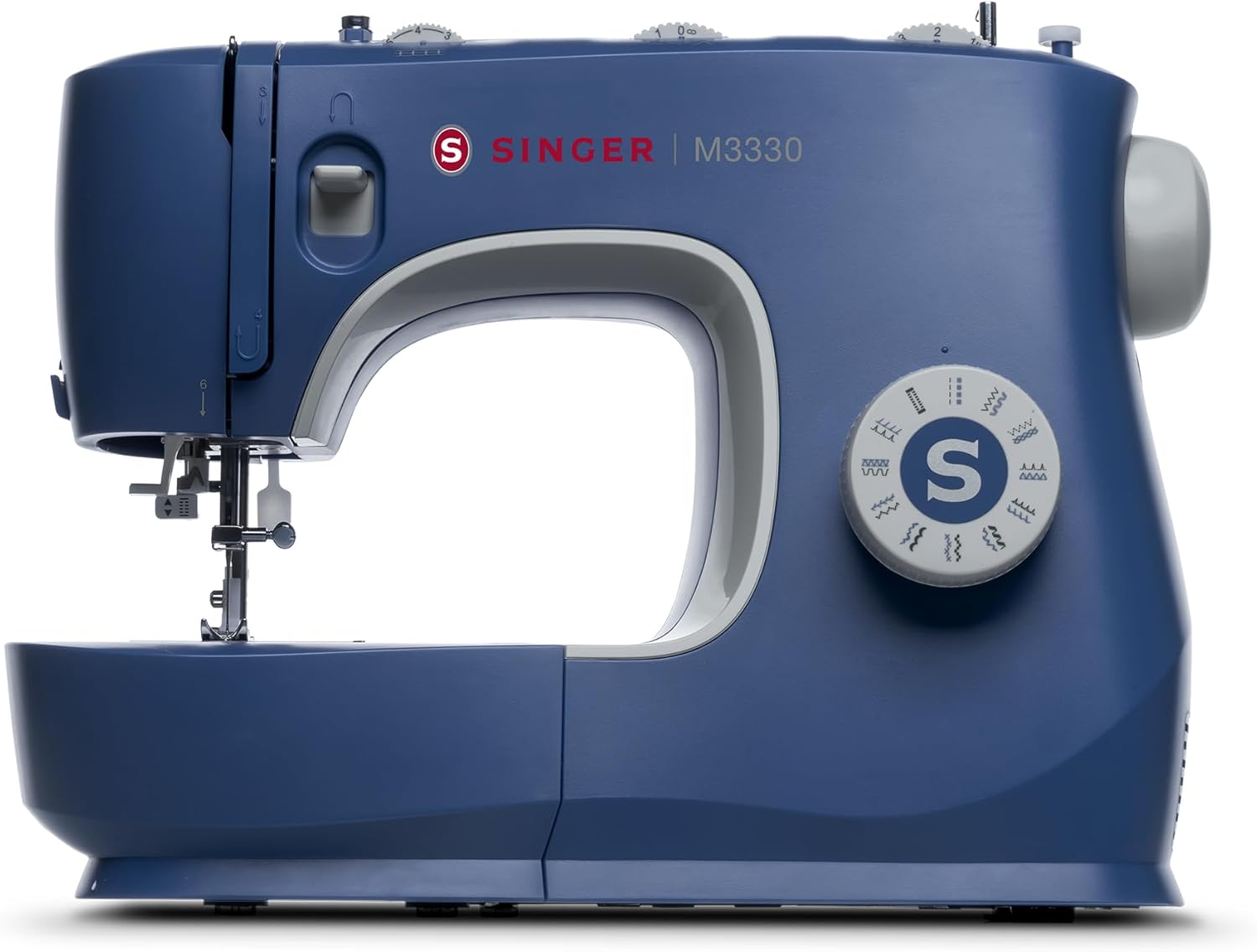
The SINGER M3330 is a mechanically driven sewing machine aimed at hobbyists and beginners that balances durability and easy operation. It provides 23 built-in stitches that the manufacturer says deliver 97 stitch applications, a one-step buttonhole, a built-in needle threader, front-loading bobbin, snap-on presser feet, and a free arm for sewing cuffs and sleeves. The metal frame and LED work light give stable stitching and good visibility for detailed work such as costume seams and decorative topstitching, while included accessory feet and tools let you start a range of projects right away. Being a mechanical model, it is straightforward to adjust stitch length and width with dials rather than menus, which many makers find predictable when working with layers or heavier costume fabrics. Limits include the lack of computerized stitch memory or automatic tension, so very complex decorative patterns or rapid automated sequences are not supported, and heavier industrial materials may require a heavy-duty or walking-foot machine. For cosplay makers who value reliability, clear controls, and useful accessories, the M3330 is a practical, no-frills machine that covers most costume construction needs.
Best for: Cosplay makers looking for a reliable, easy-to-use machine that handles common costume construction and decorative stitches without the complexity of computerized models.
Less Ideal for: Professionals who need automated stitch programming, very high-volume production, or a machine specifically built for sewing very thick or specialty materials.
- Sturdy metal frame provides stable stitching for layered costume fabrics
- 23 built-in stitches with adjustable length and width for diverse sewing tasks
- One-step buttonhole and built-in needle threader speed common costume tasks
- Includes accessory kit and multiple presser feet so you can start immediately
- Mechanical controls lack computerized stitch memory and automatic tension
- Not designed for continuous heavy industrial use on very thick materials
Verdict: A durable, straightforward mechanical machine that gives cosplay makers the essential stitches, accessories, and stability needed for most costume builds.
Magicfly Mini Sewing Machine MF600

| Power Source | Battery Powered |
|---|---|
| Model Number | MF600 |
The Magicfly MF600 is a small, lightweight sewing machine designed for simple hemming, mending, and basic costume construction. It accepts AC or battery power and can be operated by button or included foot pedal, which makes it usable at a table or on the go; a built-in light helps when working on dark fabrics or detailed areas. The unit offers dual-speed control for moderate control over stitch pace and a single fixed stitch pattern that is durable for straightforward seams. An extension table and a large accessory kit—bobbins, needles, threader, seam ripper, tape measure and storage bag—make it easier to handle slightly larger panels and keep supplies organized. Limitations include the single stitch type with no reverse or decorative stitches and a plastic, mini chassis that will struggle with heavy fabrics, multiple layers, or intensive cosplay builds. For light cosplay pieces, alterations, and practice work this machine is convenient, but it is not a substitute for a full-size, heavy-duty sewing machine when building structured costumes or working with thick materials.
Best for: Cosplayers on a tight budget who need an inexpensive, portable machine for light costume tweaks, practice pieces, and simple fabric construction.
Less Ideal for: Anyone building structured armor, heavy layered garments, or frequent, high-volume sewing who needs multiple stitch types and a heavy-duty machine.
- Runs on AC or batteries for portable use
- Includes foot pedal and built-in light for easier control and visibility
- Extension table and generous accessory kit help with larger pieces and basic repairs
- Dual-speed control lets beginners adjust sewing pace
- Only a single fixed stitch with no reverse or decorative options
- Plastic mini-frame is not suited to heavy fabrics or prolonged heavy use
Verdict: A very affordable, portable beginner machine that works well for light cosplay alterations and practice but not for heavy or highly detailed costume construction.
Brother HC1850 Sewing & Quilting Machine

| Built-in stitches | 185 |
|---|---|
| Included presser feet | 8 |
| Power source | Corded Electric |
| Input voltage | 120 volts |
The Brother HC1850 is a full-featured computerized sewing and quilting machine aimed at hobbyists who want a reliable, versatile workhorse for garments, costumes, and quilts. It provides 185 built-in stitches including alphanumeric stitches and eight one-step auto-size buttonholes, selectable via a backlit LCD and push-button controls. Practical features like an advanced automatic needle threader, jam-resistant drop-in top bobbin, variable speed control, and an exceptional feed system make setup and everyday sewing smoother and faster. The wide detachable extension table and spring-action quilting foot help when handling larger cosplay pieces or layered fabrics, while the included set of eight presser feet covers common tasks like zippers, blind hems, and buttonholes. Because the machine is lightweight and has a built-in carry handle, it is easy to take to classes or events. Limitations include a 120V US-only rating and a machine intended for light to medium/heavy domestic fabrics rather than continuous industrial workloads, so very heavy leather or long commercial runs may be outside its sweet spot.
Best for: Cosplayers and costume makers who prioritize a dependable, feature-rich domestic machine that handles a wide range of fabrics and decorative stitches while being easy to set up and transport.
Less Ideal for: Users who need an industrial-grade machine for continuous high-volume production or who primarily sew extremely thick leather or other specialty heavy materials.
- Large library of 185 built-in stitches including alphanumeric options for decorative and monogramming work
- Automatic needle threader and drop-in top bobbin reduce setup time and thread jams
- Wide extension table and spring-action quilting foot support larger fabric pieces and free-motion quilting
- Variable speed control and LCD make stitch selection and sewing pace easy to manage
- Includes eight presser feet and starter accessories so you can begin sewing immediately
- Designed for 120V US power, not suitable for use in regions without compatible power
- Not intended for heavy industrial continuous production or very thick specialty leathers
Verdict: A versatile, reliable computerized sewing and quilting machine well suited to cosplay makers who want a feature-packed home machine for construction and decorative work.
SINGER Heavy Duty 4423

| Built-in stitches | 23 |
|---|---|
| Stitch applications | 97 |
| Max sewing speed | 1,100 stitches per minute |
| Power source | Corded Electric |
| Input voltage | 120 volts |
The SINGER Heavy Duty 4423 is a straightforward mechanical machine designed for fast, durable sewing. It delivers up to 1,100 stitches per minute with a stronger motor and a heavy-duty metal interior frame, so it powers through denim, canvas, and layered costume materials while still handling lightweight fabrics when you reduce presser-foot pressure. The machine includes 23 built-in stitches that combine into 97 stitch applications, a top drop-in bobbin for easy thread monitoring, LED lighting, and an automatic needle threader to speed setup. Four essential presser feet and a basic accessory kit are stored in the tray for immediate use. For cosplay makers this model is useful for heavy seams, quick construction, and decorative stitches without a steep learning curve. Limitations are its mechanical control layout, which lacks computerized stitch memory or fine digital adjustments, and the machine is heavier and less compact than travel-oriented models.
Best for: Cosplayers who want a dependable, fast machine that can sew heavy costume materials and speed up construction while relying on proven, widely reviewed hardware.
Less Ideal for: Users who need computerized features, delicate specialty stitch programming, or an ultra-light portable machine for travel to events and workshops.
- Powerful motor and heavy-duty metal frame handle thick fabrics and multiple layers
- High top speed (1,100 stitches per minute) speeds up large or time-sensitive projects
- Top drop-in bobbin and LED light make threading and monitoring easy during long builds
- Includes useful presser feet and accessories for zippers, buttonholes, and general sewing
- Mechanical interface lacks computerized stitch customization and memory
- Relatively heavy and bulky compared with compact or portable machines
Verdict: Choose the 4423 if you need a fast, rugged machine that reliably sews heavy costume fabrics and gets cosplay builds done quickly.
Brother XM2701 Sewing Machine

| Power Source | Corded Electric |
|---|---|
| Input Voltage | 120 volts |
| Built-in Stitches | 27 |
| Included Sewing Feet | 6 |
The Brother XM2701 is a straightforward mechanical sewing machine aimed at beginners and everyday home sewers but capable of handling more ambitious projects like cosplay costume construction. It offers 27 built-in stitches including stretch and decorative options, a one-step auto-size buttonholer, and six quick-change presser feet that cover zippers, hems, and button sewing. Practical features such as an automatic needle threader, jam-resistant drop-in top bobbin, automatic bobbin winder, and a bright LED work light make setup and longer sessions easier. The free arm lets you finish cuffs and sleeves, which is useful when working on costume details. Because it is a mechanical model, stitch selection and adjustments are done with dials instead of a digital menu, which keeps operation simple but limits advanced programming and stitch memory. The machine is designed for standard 120V US use and is lightweight enough to move between workspaces, but heavier or highly technical cosplay elements like thick multiple-layer armor or heavy upholstery may require a heavier-duty or specialized machine.
Best for: Cosplayers who want a dependable, easy-to-use machine for sewing garments, costumes, and typical fabric-based props and who prioritize reliability and straightforward controls.
Less Ideal for: Builders who routinely sew very thick layers, leather, or heavy structural costume pieces should consider a heavy-duty or industrial machine instead.
- 27 built-in stitches including utility and decorative options
- Automatic needle threader and jam-resistant drop-in bobbin for easier setup
- Includes six presser feet covering common tasks like zippers and buttonholes
- Free arm and LED work light improve handling small or tubular costume pieces
- Lightweight and portable for moving between work areas
- Mechanical dial controls limit advanced stitch programming and presets
- Not designed for very heavy or industrial materials used in some armor or prop builds
Verdict: A reliable, beginner-friendly machine that gives cosplayers an easy, no-frills way to sew and finish most fabric costumes.
Choosing the Right Sewing Machine for Cosplay: Key Factors to Consider
Stitch Variety and Adjustability
Cosplay projects require both functional seams and decorative finishes. A machine with multiple stitch types and adjustable stitch length and width lets you switch from secure construction stitches to delicate zigzag or decorative stitches for topstitching and applique.
Adjustable tension and the ability to fine-tune stitch settings matter when you work with thin synthetics or stretchy knits, because improper settings cause puckering, skipped stitches, or weak seams. Machines that offer clear, graduated dials or digital controls reduce trial-and-error and speed up finishing.
Fabric Feed and Presser Foot Options
How a machine feeds fabric is critical when you handle slippery satin, layered vinyl, or lightweight knits common in cosplay. A reliable feed dog system and a presser foot range that includes walking feet or Teflon-style feet improve smooth movement across fabrics and prevent stretching or shifting.
Removable or adjustable presser feet make it easier to install specialty feet for zippers, piping, or rolled hems. For structural work like attaching interfacing or underlining, the machine should maintain consistent layers without pulling or bunching.
Motor Power and Speed Control
Some costume elements include heavy trims, multiple fabric layers, or dense interfacing. A machine with sufficient motor torque handles these without bogging down. Variable speed control is useful for precision work like applique and topstitching, where slower speeds improve control and cleaner results.
Look for machines with a good balance of top speed and low-speed responsiveness. Overly aggressive default speeds can cause mistakes on detailed work, while weak motors can stall on seams that include bulky trims.
Accessory Support and Workspace
Cosplay often uses nonstandard elements such as zippers, boning channels, elastic, and decorative trim. A machine that accepts a range of accessories and presser feet lets you adapt to these needs without jury-rigging. A detachable free arm or a sufficiently large flatbed area improves handling of cuffs, sleeves, and curved seams.
Flatbeds with an accessory storage compartment are convenient for keeping commonly used feet and tools at hand during complex builds. Consider whether the machine accepts common feet standards to avoid hunting for proprietary parts.
Ease of Threading, Bobbin Access, and Maintenance
Spending less time setting up and more time sewing makes a big difference on deadline-driven projects. Machines with intuitive threading paths, clear diagrams, and top-load bobbins speed routine setup and reduce frustration. Easy access to the bobbin area and removable plates make cleaning lint and loose threads straightforward, which keeps stitch quality consistent.
Maintenance accessibility also matters for longevity. Machines that allow simple oiling or have user-replaceable parts reduce downtime and keep a machine working through intense cosplay seasons.
Portability and Workshop Fit
Some makers need a machine that travels to conventions or workshop meetups. Portability considerations include overall weight, included carrying case, and whether the machine stores feet and accessories securely. Lighter machines are easier to transport but may trade off some durability or motor power.
Also consider where you will sew at home. A machine that fits your dedicated table or can be easily mounted into a flat surface helps when working large costume pieces and maintaining a steady workspace.
Choosing the Right Needle and Thread
Needle size and type are as important as machine selection when sewing for cosplay. Match needle type to fabric: ballpoint or stretch needles for knits, microtex for fine synthetics, and heavy-duty or denim needles for thick layers and upholstery trims. Changing needles frequently prevents skipped stitches and reduces fabric damage.
Thread choice also affects seam strength and appearance. Polyester thread is a versatile general purpose option that handles stretch and resists abrasion. For visible topstitching, consider specialty threads made for decorative finishes, but test them first to ensure they feed cleanly through the machine.
- Always test stitch and tension on scrap fabric before sewing a seam.
- Replace needles after every few hours of heavy use or after hitting pins or hardware.
- Use a thread that matches both fabric weight and the intended seam stress.
Working with Specialty Materials
Cosplay often incorporates vinyl, faux leather, thermoplastics, and layered foam. These materials require different handling. For sticky or slippery surfaces, use a walking foot or a Teflon-coated foot to reduce drag and shifting. For bonded or laminated fabrics, avoid using pins that leave permanent holes; use clips or fabric weights instead.
When sewing through foam or layered costume armor, consider using a longer stitch length and reinforcing stitches at stress points. If a material cannot be sewn cleanly, mechanical fasteners or adhesives may be preferable for structural elements, while sewn edges are better for wearable comfort and stretch.
- Use clips instead of pins on vinyl and foam.
- Increase stitch length slightly when sewing foam-backed fabrics.
- Test adhesives and stitches on scraps to ensure compatibility.
Finishing Techniques That Improve Durability
Clean finishing extends the life of costume garments and improves appearance. Use reinforced seams or double-stitched topstitching on high-stress areas like shoulder straps and waistbands. Bias tape or folded bindings can clean raw edges while adding decorative contrast.
For stretch fabrics, use appropriate seam types such as narrow zigzag or stretch stitch to retain elasticity. Press seams carefully with a low-heat iron and a protective cloth to avoid melting synthetic fabrics.
- Backstitch or use bar tacks at seam starts and ends for extra strength.
- Consider French seams or bound seams for delicate sheers to prevent fraying.
- Use interfacing selectively to add structure without sacrificing mobility.
Setting Up a Cosplay Sewing Workspace
A dedicated sewing area improves workflow. Arrange good lighting over the stitch area and have a large, flat surface for pattern layout and pressing. Keep common tools—scissors, rotary cutter, measuring tape, and clips—within arm's reach to move smoothly between assembly steps.
Organize storage for fabrics, trims, and small hardware so you can quickly retrieve items during construction. If space allows, set up an adjustable ironing station nearby; pressing between steps yields cleaner seams and better-fit garments.
- Use vertical storage for fabrics to see prints and colors at a glance.
- Keep a lint roller and soft brushes handy for delicate materials.
- Label pattern pieces and small hardware bags to avoid mix-ups.
When to Seek Professional Repair or Service
Regular maintenance can prevent breakdowns, but some issues need expert attention. If a machine persistently skips stitches after needle and tension checks, or if the motor behaves irregularly under normal loads, seek professional servicing. Repair technicians can recalibrate timing and replace worn drive components safely.
Also consider service if internal oiling or belt replacement is needed and you are not comfortable disassembling the case. Professional service extends a machine's usable life and preserves consistent stitch quality across heavy cosplay seasons.
- Document recurring issues and error symptoms before consulting a technician.
- Keep a record of maintenance and servicing to track wear patterns.
- Ask technicians about expected turnaround times to plan around event deadlines.
How We Chose the Best Sewing Machine for Cosplay
We selected machines that meet the practical demands of costume makers by focusing on features that directly affect construction, finishing, and repeatable results. Key evaluation criteria included stitch variety and control, which determines the range of seams and decorative finishes you can execute; fabric handling and feed stability, which affect how reliably the machine moves knits, slippery synthetics, and layered materials; motor strength and speed control for working through heavier trims or multiple fabric layers without strain; and accessory and presser-foot compatibility to support zippers, braids, cording, and topstitching. We also considered build durability and serviceability, because cosplay sewing often pushes machines with extended sessions and varied materials. Ease of use and maintenance were assessed to ensure thoughtful features like simple threading, clear tension adjustments, and accessible bobbin systems. We excluded machines that are strictly single-purpose hobby units or those that lack the basic stitch control and feed needed for costume construction. Our picks prioritize machines that let makers finish pieces with clean seams, stable hems, and reliable decorative work.
Our full evaluation process is outlined in our review methodology.
FAQ
What stitch types are essential for cosplay sewing?
Essential stitches include straight stitch for construction, zigzag or stretch stitches for knit fabrics, and a narrow zigzag or overedge stitch for finishing raw edges. Decorative stitches are useful for embellishment but test them first on scraps.
Can I sew foam and vinyl with a regular home sewing machine?
Often yes, if the machine has sufficient motor torque and you use the right feet and needles. Use a walking foot or Teflon-type foot for vinyl, longer stitch lengths for foam, and clips in place of pins to avoid permanent holes.
How important is needle choice for costume fabrics?
Very important. Needle type and size affect stitch quality and fabric damage. Use stretch or ballpoint needles for knits, microtex for fine synthetics, and heavy-duty needles for thick or layered materials.
Do I need a sewing machine with many decorative stitches?
Not necessarily. Functional stitch options and reliable feed are more important for durable construction. Decorative stitches are helpful for finishing but should be considered secondary to consistent stitch formation and fabric handling.
How often should I service my sewing machine if I use it for cosplay?
Service frequency depends on use intensity. For regular heavy use, a yearly professional service is common, with routine cleaning and bobbin-area lint removal every few project hours to maintain performance.
Final Verdict
For cosplay makers, prioritize machines that deliver reliable fabric handling, a useful selection of adjustable stitches, and enough motor strength for layered or trimmed work. Accessory support and easy maintenance will save time and reduce frustration during complex builds. Balance portability with durability based on whether you travel to events. Focus on the criteria that match your most common materials and techniques to choose a sewing machine for cosplay that will produce consistent, professional-looking costumes.