
Note: This article contains affiliate links. If you click on these links and make a purchase, we may earn a small commission at no extra cost to you. This helps support our research and content. Read our full affiliate disclosure here.
If you plan to do free-motion quilting, the right sewing machine makes the difference between frustration and fluid stitching. Free-motion quilting demands smooth feed, a comfortable work area, and precise stitch control so you can guide layers of batting and fabric without fighting the machine. This guide covers the top shortlisted sewing machines for free-motion quilting that balance stitch quality, throat space, and quilting-friendly features. Below you will find concise product summaries and a clear evaluation framework so you can match a machine to your quilting style and workspace. The picks were chosen for real-world quilting needs like stitch control, presser-foot options, and reliable tension systems.
Top Picks at a Glance
| Best Overall The best all-around choice for most situations | Juki HZL-F600 Sewing Machine |  |
| Best Quality Built to a higher standard if you want something more solid | JUKI TL-2010Q Sewing Machine |  |
| Best Value The sweet spot between price and what you get | Janome JW8100 Sewing Machine |  |
| Best Budget The cheapest option that still gets the job done reliably | EverSewn Charlotte Sewing Machine |  |
| Top Rated A top-rated pick with lots of positive feedback | Brother HC1850 Sewing Machine |  |
| Most Popular A crowd favorite that many people choose with confidence | Brother XM2701 Sewing Machine |  |
| Best Seller A high-volume bestseller chosen again and again | SINGER Heavy Duty 4452 |  |
Juki HZL-F600 Sewing Machine

| Power Source | AC |
|---|---|
| Material | Metal |
The Juki HZL-F600 is a midweight computerized sewing and quilting machine geared toward users who want lots of built-in stitch options and straightforward electronic controls. It offers 255 stitches across basic, stretch, decorative, lettering and buttonhole categories that you pick using a simple stitch selector and see on the LCD display, which keeps selecting and adjustments quick during quilting sessions. The machine includes an automatic needle threader and a jam-resistant mechanism to reduce setup frustration, and a variety of presser feet and accessories stored in the accessory tray for common tasks. For free-motion quilting the stable metal construction and wide stitch library give you the flexibility to experiment with decorative fills and lettering, though the listing does not specify a dedicated free-motion foot or throat space dimensions which serious long-arm quilters may prefer. The machine runs on AC power and comes with a dust cover for storage. It is a practical, feature-rich choice for quilters who want dependable electronics and a broad stitch palette without stepping up to industrial equipment.
Best for: Quilters who want a stable, feature-rich computerized machine with many stitch options and easy electronic controls for experimenting with decorative quilting and lettering.
Less Ideal for: Those who need a machine optimized specifically for extensive free-motion work or large quilt beds should consider specialist long-arm or heavy-duty quilting-focused models instead.
- Large library of 255 built-in stitches covering basic, stretch, decorative, lettering and buttonholes
- Intuitive LCD stitch selector that speeds stitch selection and adjustments
- Automatic needle threader reduces eye strain and speeds setup
- Metal construction that adds stability for quilting tasks
- Includes a variety of accessories stored in an accessory tray and a dust cover for protection
- No throat space or dedicated free-motion quilting foot specified in the listing
- Item weight may make it less convenient to move between sewing locations
Verdict: A practical computerized quilting machine that gives balanced stitch variety and reliable electronics for quilters who want flexibility without buying industrial equipment.
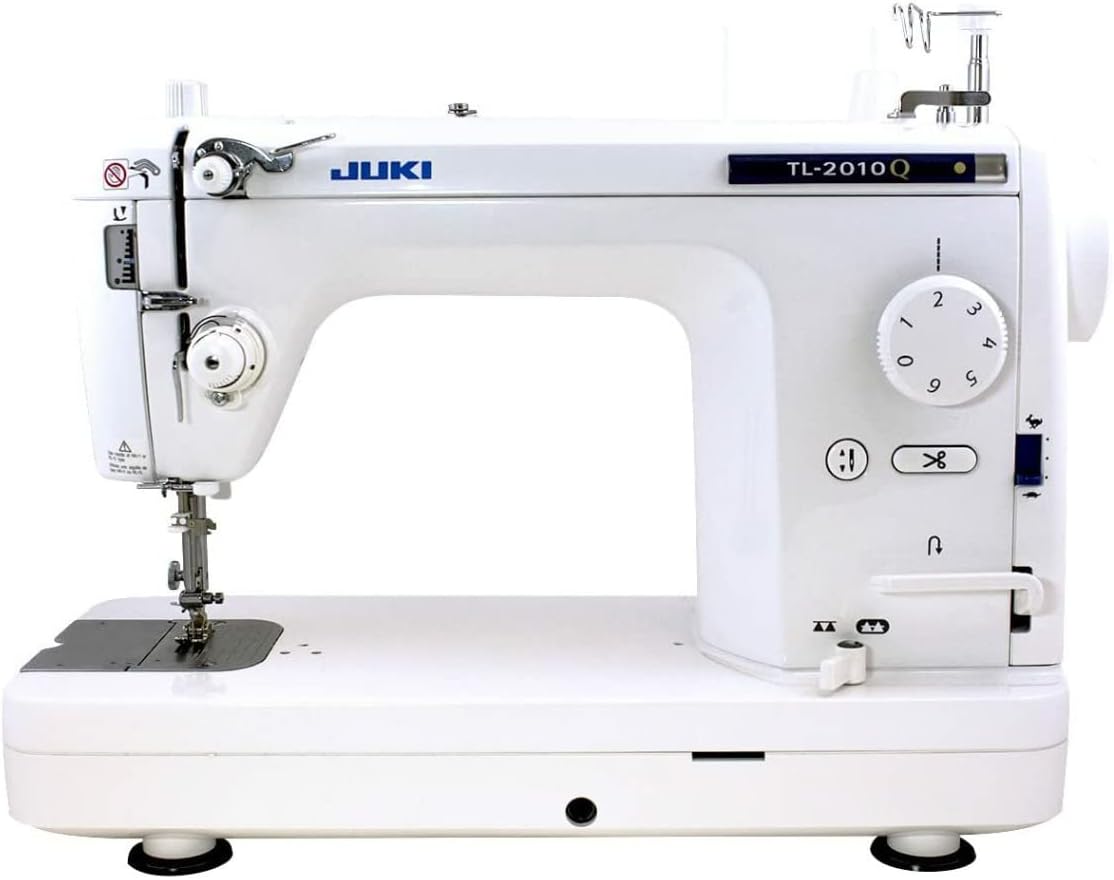
JUKI TL-2010Q Sewing Machine
| Power Source | Treadle Powered |
|---|---|
| Material | Aluminum |
The JUKI TL-2010Q is a high-speed, single-needle lockstitch machine built for straight stitching and quilting tasks where control and consistency matter. It is typically used on a tabletop or mounted into a cabinet and includes a removable extension table that helps when managing large quilt projects. Notable features include an automatic thread trimmer that clips needle and bobbin threads at the end of a stitch, a knee lifter for hands-free presser foot control, and an automatic needle threader to speed setup. In practice the machine delivers smooth, even stitches at production speeds and handles light to heavyweight fabrics thanks to a presser foot lift of up to 12 mm, which makes feeding multiple layers easier. The portable aluminum body and built-in carrying handle make it easy to move between workspaces, but the machine is heavier than typical hobby models and requires a sturdy surface for best results. If you prioritize stitch quality, reliable feeding, and features that speed quilting workflows, the TL-2010Q performs well; if you need a lightweight travel machine or multi-stitch decorative capabilities, this is more of a dedicated straight-stitch/quilting workhorse.
Best for: Quilters and sewists who value stitch quality and reliable fabric feeding for free-motion and large quilting projects and who prioritize a production-capable, performance-oriented machine.
Less Ideal for: Casual hobbyists wanting a lightweight travel machine or users seeking built-in decorative stitch flexibility and beginner-friendly multi-stitch menus.
- Automatic thread trimmer trims both needle and bobbin threads for faster project finishing
- Knee lifter allows hands-free presser foot control for smoother fabric manipulation during quilting
- High-performance lockstitch mechanism produces consistent, even stitches at production speeds
- Generous presser foot lift (up to 12 mm) handles multiple fabric layers and heavyweight materials
- Single needle, straight-stitch design lacks built-in decorative or multiple stitch options
Verdict: A performance-focused straight-stitch quilting machine that delivers professional feed control and finishing features ideal for serious free-motion quilters.
Janome JW8100 Sewing Machine

| Power Source | Corded Electric |
|---|---|
| Included Components | Extension table, Even Feed Foot, Quarter Inch Foot, Hard Cover, assorted accessories |
| Maximum Stitch Length | 5mm |
The Janome JW8100 is a feature-rich computerized sewing machine built to handle garment sewing and quilting projects. It offers 100 stitches and seven one-step buttonholes selectable via a backlit LCD, plus convenient controls like start/stop, needle up/down, speed slider, and a built-in threader that streamline everyday sewing. Quilters will appreciate the included extra-wide extension table, even-feed foot, and a 1/4" quilting foot that make managing blocks and layered fabric easier, while the 7-piece feed dog system promotes even fabric movement for consistent seams. Practical conveniences such as an auto-declutch bobbin winder and jam-proof drop-in bobbin reduce interruptions during long sessions. Trade-offs include a primarily domestic-machine build and feature set rather than heavy-duty industrial power, so very thick multi-layer quilting beyond home use may feel limiting, and the weight and enclosed size make it less portable. For those focused on home quilting and versatile sewing tasks, the JW8100 balances capability and user-friendly controls without excess complexity.
Best for: Budget-conscious quilters and hobby sewists who want a dependable, feature-packed home machine that simplifies piecing and quilt assembly while offering room to grow.
Less Ideal for: People needing an industrial-strength longarm or a highly portable travel machine should look elsewhere.
- 100 built-in stitches and 7 one-step buttonholes for design flexibility
- Included extra-wide extension table and quilting feet for easier large-project handling
- 7-piece feed dog system and even-feed foot promote consistent fabric feeding
- User-friendly controls including LCD, start/stop, speed slider, and built-in threader
- Designed as a home machine rather than an industrial-grade unit for very heavy multi-layer quilting
- Relatively heavy and not optimized for frequent transport
Verdict: A practical, quilting-ready computerized home machine that gives hobbyists robust stitch options and helpful quilting accessories without unnecessary complexity.
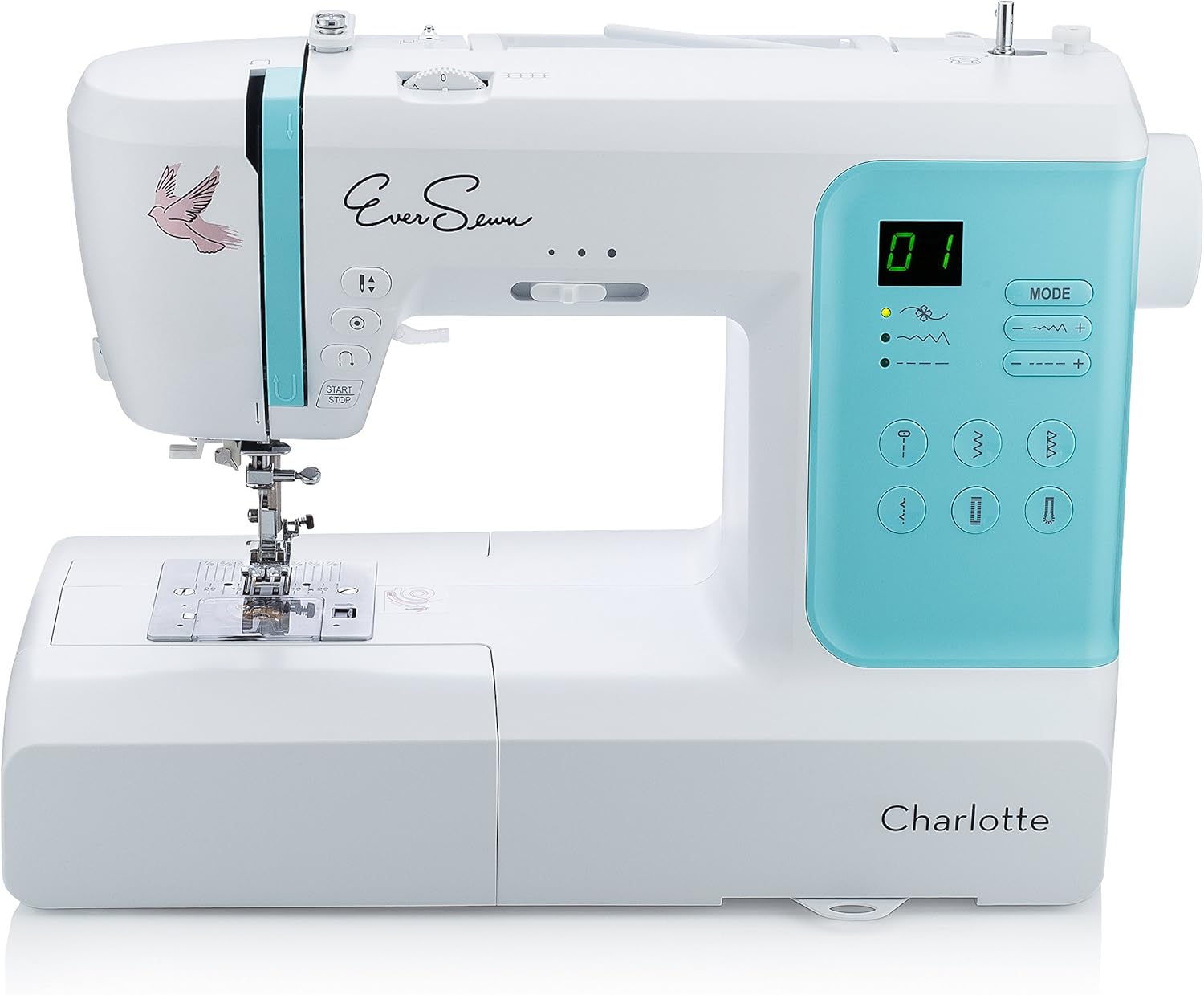
EverSewn Charlotte Sewing Machine
| Stitch count | 80 stitches |
|---|---|
| Max stitch width | 7 mm |
| Sewing space | 6.5 inch |
| Power source | 110 V, 120 V |
The EverSewn Charlotte is a budget-friendly computerized sewing machine built with quilting and free-motion stitching in mind. It offers up to 80 stitch patterns, a 7mm maximum stitch width, a 6.5-inch sewing space, and a feed dog drop for free-motion work, plus fingertip speed control and an automatic needle threader for easier setup. Included accessories such as seven presser feet, multiple bobbins, and an edge/quilting guide make it ready for patchwork and quilting practice right out of the box. Practical benefits include a clear drop-in bobbin plate for monitoring thread, adjustable sewing speed for delicate control during free-motion quilting, and a metal construction that helps with stability while stitching. Limitations are typical for machines in this price bracket: it lacks advanced commercial-grade power and very large throat space found on dedicated quilting machines, and heavier layers may require a walking foot or external accessories for best results. For quilters starting to learn free-motion techniques, it balances usable quilting features with an approachable price.
Best for: Quilters on a tight budget who want a capable, beginner-friendly machine to learn and practice free-motion quilting without buying specialized equipment.
Less Ideal for: Experienced quilters who need large throat space, heavy-duty power for thick quilts, or commercial-grade continuous quilting performance.
- Feed dog drop and 6.5-inch workspace support free-motion quilting practice
- Automatic needle threader and fingertip speed control simplify setup and control
- Includes seven presser feet and quilting accessories so you can start quilting immediately
- Drop-in bobbin with clear cover plate lets you monitor bobbin thread easily
- Smaller throat space and home-grade power limit handling of very thick multi-layer quilts
- Not as durable or feature-rich as higher-end dedicated long-arm or high-end quilting machines
Verdict: A practical, affordable computerized sewing machine that gives beginner quilters the free-motion features they need to learn and practice quilting.
Brother HC1850 Sewing Machine

| Built-in stitches | 185 |
|---|---|
| Included presser feet | 8 |
| Power source | Corded Electric |
| Input voltage | 120 volts_of_alternating_current |
The Brother HC1850 is a feature-packed computerized sewing and quilting machine aimed at hobbyists who want reliable, versatile performance for quilting and general sewing. It offers 185 built-in stitches including alphanumeric stitches and eight one-step auto-size buttonholes, which makes selecting decorative or utility stitches quick via the backlit LCD and push-button controls. Quilting features include a spring-action quilting foot, wide extension table for handling large projects, drop feed for free-motion quilting, and a quilt guide to help keep stitching consistent. Practical conveniences like automatic needle threading, a jam-resistant top drop-in bobbin, variable speed control, and a carrying handle make setup and transport straightforward. The machine is built to handle a range of fabrics from lightweight apparel to medium-weight quilting cotton and denim when paired with appropriate needles. Limitations include the machine being intended only for 120V US use and that advanced users seeking industrial-level speed or heavy-duty multi-layer quilting might prefer a heavier duty or specialized long-arm machine.
Best for: Quilters and home sewists who prioritize a dependable, easy-to-use machine with built-in quilting features and practical automation to speed project work.
Less Ideal for: Professional studios or quilters who need industrial speeds, extended heavy-duty stamina, or a dedicated long-arm quilting machine for very large or thick projects.
- Extensive stitch library (185 stitches plus 55 alphanumeric) for decorative and utility sewing
- Spring-action quilting foot, wide extension table, and drop-feed capability for free-motion quilting
- Automatic needle threader and jam-resistant top drop-in bobbin simplify setup and reduce interruptions
- Variable speed control and intuitive LCD/buttons make stitch selection and tempo easy to manage
- Designed for home/portable use so not optimized for industrial heavy-duty or very thick multi-layer quilting
Verdict: A reliable, feature-rich computerized machine that supports free-motion quilting and everyday sewing with user-friendly automation and quilting-ready accessories.
Brother XM2701 Sewing Machine

| Stitches | 27 built-in stitches |
|---|---|
| Power Source | Corded Electric |
| Input Voltage | 120 volts |
| Included Feet | 6 quick-change presser feet |
| Bobbin Type | Top drop-in jam-resistant bobbin |
The Brother XM2701 is a compact, user-friendly mechanical sewing machine aimed at home sewers and beginners who want a reliable workhorse for common tasks. It offers 27 built-in stitches, an automatic one-step buttonholer, and six quick-change presser feet including zipper and button-sewing feet, which makes it handy for everyday garment work, mending, and small craft projects. The free arm and bright LED light simplify sewing cuffs, sleeves, and cylindrical pieces, and the automatic needle threader plus jam-resistant drop-in bobbin reduce setup frustration. Because it is mechanical with dial-based stitch selection and manual tension control, it is sturdy and predictable but lacks the precision stitch-control and speed features of computerized machines favored for advanced free-motion quilting. It can handle mid-weight fabrics and with correct needles and adjustments you can attempt basic free-motion quilting, though serious quilters will miss a larger throat space and dedicated darning/free-motion presser foot. The XM2701 is portable and straightforward for those who value simplicity and proven performance backed by broad user ratings and brand support.
Best for: Buyers who want a straightforward, well-supported machine for learning, everyday sewing, and occasional quilting practice and who prefer proven, easy-to-use features over advanced computerized controls.
Less Ideal for: Quilters who plan frequent, ambitious free-motion quilting or large quilts that require a larger throat space, specialized free-motion feet, and finer stitch control should consider a machine designed specifically for quilting.
- Beginner-friendly threading with automatic needle threader and clear threading guides.
- Jam-resistant drop-in top bobbin and automatic bobbin winding for easier setup.
- Includes 27 built-in stitches and 6 quick-change presser feet for common sewing tasks.
- Free arm and built-in LED light improve handling of cuffs, sleeves, and small projects.
- Lightweight, portable design suitable for casual use and classes.
- Limited throat space and absence of a dedicated free-motion foot reduce comfort for extensive free-motion quilting.
- Mechanical controls lack the fine stitch customization and speed control of computerized machines.
- Not optimized for very heavy-duty or high-speed quilting projects.
Verdict: A reliable, beginner-focused mechanical machine that’s great for learning and everyday sewing, but only suitable for light or occasional free-motion quilting.
SINGER Heavy Duty 4452

| Built-in stitches | 32 |
|---|---|
| Stitch applications | 110 |
| Top bobbin | Drop-in with clear cover |
| Power source | Ac/Dc |
The SINGER Heavy Duty 4452 is built to handle demanding home sewing projects that include thick materials like denim and canvas while still working on lightweight fabrics. Its stronger motor and stainless steel bed plate deliver faster, higher-power stitching up to 1100 stitches per minute, and the full metal frame adds stability for straight, consistent stitching. You get 32 built-in stitches that translate into 110 stitch applications and a one-step buttonhole, plus a top drop-in bobbin with a clear cover for easier thread monitoring. The machine includes six presser feet chosen for versatility, including a walking foot and non-stick foot useful when feeding slippery or layered materials during free-motion quilting. Practical conveniences such as a built-in needle threader and included accessories make setup and routine use straightforward. Limitations to note for quilting: it is a mechanical heavy-duty home machine rather than a specialized long-arm or high-shank quilting machine, so very large quilts or extensive long-arm quilting will feel constrained by throat space and lack of advanced feed/digital controls.
Best for: Buyers who prioritize a sturdy, easy-to-use machine that can reliably handle heavy fabrics and multi-layered projects for home quilting and mending.
Less Ideal for: Quilters who need a dedicated long-arm setup, large throat space, or advanced computerized stitch programming should look at specialty quilting machines instead.
- Powerful motor and metal frame for consistent stitching on thick fabrics
- Top drop-in bobbin with clear cover for easier monitoring and jam resistance
- Includes a walking foot and non-stick foot useful when handling multiple layers or slippery materials
- Built-in needle threader and a full accessory kit reduce setup time and make the machine ready to use
- Not a dedicated quilting/long-arm machine so throat space and specialized quilting controls are limited
- Mechanical controls lack advanced digital stitch customization
Verdict: Choose the 4452 if you want a rugged, straightforward heavy-duty machine that reliably handles thick fabrics and layered quilting tasks at home.
Choosing the Right Sewing Machine for Free-Motion Quilting: Key Factors to Consider
Throat Space and Working Area
Throat space is the distance from the needle to the machine body on the right. Larger throat space gives you room to maneuver bulky quilts and lets you guide the fabric without constantly shifting layers or bunching. For free-motion quilting, the extra leverage from a roomy workspace reduces hand strain and helps produce smoother, more consistent motifs.
A compact throat forces you to handle the bulk closer to the needle, which can cause uneven feeding and tighten stitches. Consider the depth and height of the throat and how that interacts with your existing quilting table or extension platform. If you work with larger projects, prioritize machines with the widest practical throat space you can accommodate in your sewing area.
Stitch Control and Variable Speed
Free-motion quilting requires precise control over stitch length and speed so the machine's feed rate and your hand movement match. Machines with variable speed settings or a low-speed mode let you cruise at a steady tempo for consistent stitches. A clear, accessible stitch-length dial or digital control helps you make small adjustments while quilting.
Look for machines that respond predictably at low speeds and that maintain stitch formation when you slow down. Some models include adjustable acceleration or foot-pedal sensitivity, which can be helpful when working on detailed patterns or tight curves.
Feed System and Needle Clearance
The way fabric is moved under the needle matters more for free-motion work than for utility sewing. A reliable feed system that can be disengaged or that allows drop feed and/or a hopper mechanism makes it possible to move the quilt freely. Equally important is needle-to-bed clearance so multiple layers pass under the needle without resistance.
Inspect how the machine performs on layered samples and whether it requires specialty needles or thicker presser feet. Machines that allow smooth vertical needle travel and a tall presser foot will handle batting stacks with fewer skipped stitches.
Presser-Foot Options and Pressure Adjustment
Having a dedicated free-motion or darning foot is essential for free-motion quilting. The foot should provide visibility of the needle and minimal interference with fabric movement. Adjustable presser pressure lets you fine-tune how much grip the foot exerts on the quilt sandwich, which reduces puckering on lighter fabrics and improves control on thicker layers.
Also consider compatibility with specialty feet such as walking feet or open-toe quilting feet for hybrid techniques. The more straightforward it is to swap feet and alter pressure on the fly, the less interruption to your workflow.
Motor Strength and Continuous Stitching
Quilting through multiple layers puts sustained load on the motor. A motor with adequate torque maintains stitch formation and resists bogging down when you feed thicker material or slow the stitch speed. Higher torque also helps with consistent needle penetration and fewer skipped stitches when working dense patterns.
If you plan long quilting sessions or dense quilting patterns, favor machines designed for continuous operation. Consider professional-style motors or machines noted for steady torque rather than those optimized only for short bursts of utility sewing.
Tension Management and Ease of Adjustment
Proper tension is crucial to balanced stitching in free-motion quilting because you are often manipulating stitch length independently of the machine feed. Machines that offer clear, incremental tension adjustments let you dial in the right setting for layered fabrics and batting thickness. Visual or numbered indicators make returning to a known baseline easier.
Also look for machines that allow quick top-tension and bobbin access so you can troubleshoot pull-up or thread nesting without breaking your workflow. If tension adjustment is fiddly or poorly labeled, it will slow you down and increase trial-and-error when switching materials.
Setting Up Your Machine for Free-Motion Quilting
Before you start quilting, switch to the recommended free-motion foot and set the presser pressure appropriately. Lower or disengage the feed dogs if your technique requires full manual control over fabric movement.
Use a heavier needle designed for quilting and thread that matches your batting and top fabric. Tension and stitch length should be adjusted on scrap layered samples until you get even stitches through the sandwich.
If your machine has variable speed control, set a comfortable maximum and practice holding a steady pace with the foot pedal. Make small incremental adjustments rather than big jumps to find a reliable rhythm.
- Install a darning or free-motion foot for better visibility
- Use a quilting needle and test on a layered sample
- Lower feed dogs or use a collector plate as needed
Workspace and Ergonomics for Quilting Sessions
Position your machine at a height where your shoulders stay relaxed and your forearms are parallel to the tabletop. Long quilting sessions become easier when you avoid reaching up or hunching over the work.
Consider an extension table or a large, flat surface that supports the quilt sandwich without catching the edges. A supported work area prevents the weight of the quilt from tugging the fabric and distorting stitching.
Good lighting and a comfortable chair can significantly reduce fatigue. A magnifier or bright LED lamp is helpful when stitching dense patterns or tiny motifs.
- Use an extension table to support quilt bulk
- Keep shoulders relaxed and maintain neutral wrist alignment
- Ensure strong, adjustable lighting over the needle area
Techniques to Improve Free-Motion Results
Practice consistent hand speed more than trying to match a machine's feed exactly. Smooth, even motion produces more uniform stitches than variable, jerky movements.
Anchor the quilt with minimal pins or clips close to the work area to avoid creating tension in the sandwich. Too many pins can bind the layers and cause uneven feeding.
Start with simple designs to build confidence and gradually progress to denser fills or intricate motifs. Use tracing or marking tools to guide placement until freehand motion feels natural.
- Work in small sections to keep bulk manageable
- Use temporary spray basting or minimal pins near the current quilting area
- Begin with flowing motifs before attempting tight geometric fills
Maintenance Tips to Keep Stitching Smooth
Regularly clean lint and fiber buildup from around the feed dogs, bobbin area, and needle bar. Accumulated lint changes tension behavior and can lead to skipped stitches on thick quilts.
Use the manufacturer-recommended lubricants for moving metal parts when specified. A well-lubricated machine runs cooler and more consistently under the sustained loads of quilting.
Check needle condition frequently and replace needles after several hours of heavy quilting or when you notice skipped stitches. Dull or bent needles will mar fabric and create uneven tension.
- Clean the bobbin case and feed dogs after large projects
- Replace needles regularly and use the correct size for batting
- Follow service intervals for tension calibration and motor checks
Accessories That Make Quilting Easier
An extension table is one of the most helpful accessories because it supports the quilt and reduces drag. Look for a flat table that aligns flush with the sewing surface.
Invest in a dedicated free-motion foot and, if needed, a hopping or sliding foot for specialty textures. A quilting bar or ruler system can help with consistent spacing and repeatable motifs.
Extra bobbins, a quality needle assortment, and a reliable quilting thread reduce interruptions. Keep a small toolkit for quick onsite adjustments and thread changes.
- Extension table for support
- Free-motion and open-toe feet
- Rulers, quilting bars, and extra bobbins
How We Chose the Best Sewing Machine for Free-Motion Quilting
We prioritized features that directly affect free-motion quilting performance and user experience. Key evaluation criteria included stitch control and adaptability, throat space and workspace geometry, feed system and needle clearance, motor power and consistent stitch formation, and presser-foot options including darning or free-motion feet. We also considered ease of adjusting tension and stitch length while quilting and overall build stability when handling bulky quilts. We excluded machines that lack the minimum throat space or do not support a free-motion or darning foot. Lightweight toy machines and models without adjustable presser pressure or reliable reverse stitching were not considered. The shortlist focuses on machines that provide the mechanical and ergonomic foundations quilters need: ample throat depth, accessible stitch controls, smooth feed or drop-feed compatibility, and a robust motor for even stitching through multiple layers. Editorial filtering emphasized features that matter most during continuous quilting sessions rather than cosmetic extras. Durability of key components, quality of included quilting feet, and the ability to fine-tune tension under load were deciding factors. We also screened for clear user-adjustable settings and reasonable accessory support for quilting tasks.
Our full evaluation process is outlined in our review methodology.
FAQ
Do I need a special needle for free-motion quilting?
Often you do. Quilting needles are stronger and have a different taper suited for piercing multiple layers without bending. Using a needle sized to the batting and thread reduces skipped stitches and fabric damage.
Can I free-motion quilt on a standard home sewing machine?
Usually yes, provided the machine has enough throat space, a free-motion foot, and the ability to lower or disengage feed dogs. Check motor stability and presser-foot clearance for handling layered quilts.
How important is the feed dog system for quilting?
Quite important. Being able to lower or disengage the feed dogs is key for free-motion control. A stable feed mechanism also helps when you need to engage it for other quilting techniques like stitch-in-the-ditch.
What stitch length should I use for free-motion quilting?
It depends on your hand speed and design. Aim for a consistent stitch length rather than a specific number. Practice on a sample sandwich to find a length that looks even and holds the layers together securely.
How do I prevent puckering when quilting light fabric?
Reduce presser pressure and use a finer needle and thread appropriate to the fabric weight. Also baste the layers securely and test tension on a sample to avoid pulling the top fabric into the quilt sandwich.
Final Verdict
Focus first on throat space, stitch control, and the ability to adjust presser pressure and tension when choosing a machine for free-motion quilting. These features have the biggest impact on how smoothly you can guide the quilt and how consistent stitches look across layers. Balance motor strength and accessory support with the workspace you have available. Prioritize machines that let you set a steady speed, swap in a proper free-motion foot, and support the quilt bulk with an extension table. That approach will help you pick a machine that performs reliably for long quilting sessions.