
Note: This article contains affiliate links. If you click on these links and make a purchase, we may earn a small commission at no extra cost to you. This helps support our research and content. Read our full affiliate disclosure here.
Picking the right sewing machine for quilting under $500 matters because quilting places extra demands on stitching consistency, throat space, and presser-foot control. You need a machine that can handle multiple fabric layers, varied thread types, and long seam runs without bogging down or producing uneven stitches. This guide presents six shortlisted sewing machines that balance quilting performance with budget constraints. Each option was evaluated for stitch quality, ease of handling thick quilts, and long-term reliability. Read on for the key features we examined and practical notes to help you choose the best machine for your quilting projects.
Top Picks at a Glance
| Best Quality Built to a higher standard if you want something more solid | Janome JW8100 Sewing Machine |  |
| Best Value The sweet spot between price and what you get | Janome 1522 Sewing Machine |  |
| Best Budget The cheapest option that still gets the job done reliably | SINGER M1500 Sewing Machine |  |
| Top Rated A top-rated pick with lots of positive feedback | Brother HC1850 Sewing & Quilting Machine |  |
| Most Popular A crowd favorite that many people choose with confidence | SINGER Heavy Duty 4423 |  |
| Best Seller A high-volume bestseller chosen again and again | Brother XM2701 Sewing Machine |  |
Janome JW8100 Sewing Machine

| Built-in stitches | 100 |
|---|---|
| Buttonholes | 7 one-step |
| Maximum stitch length | 5mm |
| Power source | Corded Electric |
The Janome JW8100 is a midrange computerized sewing machine aimed at quilters and serious hobbyists who want reliable performance without stepping up to pro gear. It offers 100 built-in stitches, seven one-step buttonholes, a backlit LCD for quick stitch selection, and convenient controls like start/stop, speed slider, needle up/down and a built-in threader. The 7-piece feed dog system and included even-feed foot help move layered fabrics evenly, which is useful for piecing and quilting, and the extra-wide extension table makes handling large projects much easier. The machine also includes a jam-proof drop-in bobbin and an auto-declutch bobbin winder that speed setup. Practical limitations are that it is a consumer machine rather than industrial grade, so heavy leather or very thick multi-layer upholstery work may be challenging, and advanced users seeking extensive stitch customization or embroidery will find the feature set focused on general sewing and quilting rather than specialty functions. For home quilters wanting dependable stitch quality and helpful quilting accessories, the JW8100 delivers solid value.
Best for: Quilters and committed home sewists seeking a performance-oriented, reliable machine for patchwork, garments, and large quilting projects who value stitch quality and user-friendly controls.
Less Ideal for: Those who need industrial-strength heavy-duty sewing, built-in embroidery, or deep customization for commercial production should consider higher-end or specialized machines.
- 100 built-in stitches and 7 one-step buttonholes for versatile stitch choices
- Backlit LCD and easy-access controls including start/stop and speed slider for precise operation
- 7-piece feed dog system plus even-feed foot for smooth handling of layered fabrics
- Includes quilting-friendly accessories such as extra-wide extension table and 1/4" quilting foot
- Jam-proof drop-in bobbin and auto-declutch bobbin winder speed up setup and reduce interruptions
- Not intended for heavy industrial or very thick leather work
- Limited advanced customization and no built-in embroidery functionality
Verdict: A dependable, quilting-ready computerized machine that delivers strong stitch quality and useful accessories for performance-minded home quilters under $500.
Janome 1522 Sewing Machine
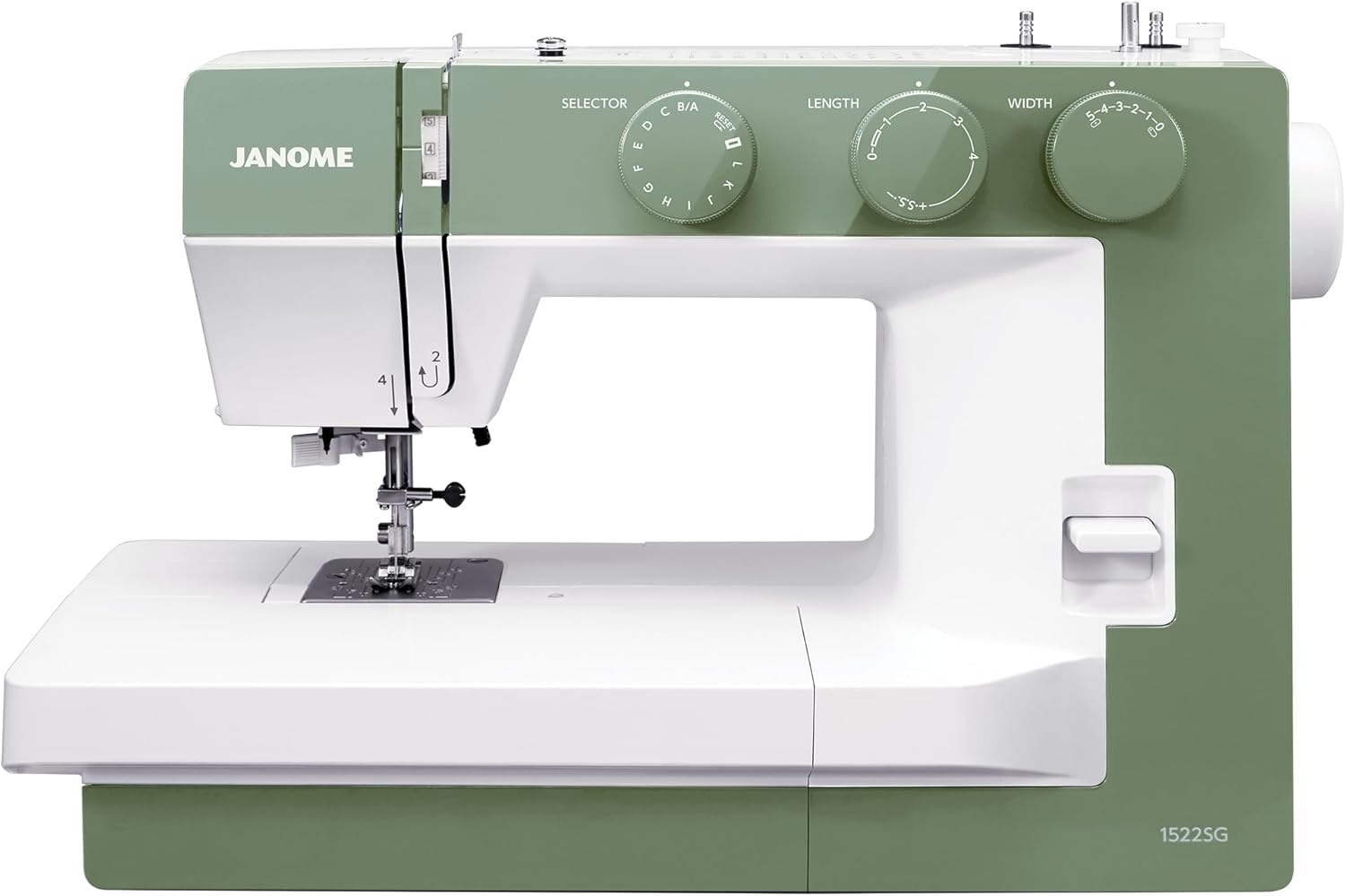
| Built-in stitches | 22 |
|---|---|
| Buttonhole | 1-step |
| Maximum sewing speed | 800 stitches per minute |
| Power source | Electric |
The Janome 1522 is a straightforward, mechanically driven machine that balances everyday sewing and light quilting needs. It provides 22 useful stitches plus a one-step buttonhole, adjustable stitch length and width, and a foot pressure dial so you can tailor feed and pressure for thin or multiple-layer fabrics. The metal interior frame and three-piece feed dog system help produce even stitching across varied materials, and practical touches like a built-in needle threader, auto-declutch bobbin winder, extra-wide extension tray and bright LED light make set up and extended sewing sessions easier. Included presser feet and a removable extension table let you tackle garments, home decor, and small quilts without immediately buying extras. Limitations are its fully mechanical controls and a maximum speed of 800 SPM, which mean it lacks computerized stitch programming, memory, and some of the automation that more advanced quilting machines offer. For sewists focused on reliable, no-frills performance, the 1522 is a solid workhorse; power users who need high-speed quilting features or automated quilting stitches may want a different model.
Best for: Buyers who prioritize dependable, easy-to-use mechanics and a practical feature set for sewing and small-to-medium quilting projects without paying for computerized extras.
Less Ideal for: Quilters who expect automated stitch programming, very high sewing speeds, or specialized long-arm features should consider more advanced or computerized quilting machines.
- Sturdy metal interior frame for consistent stitching across fabrics
- Foot pressure dial and adjustable stitch length/width for handling thin to multiple layers
- Extra-wide extension tray and free arm for quilting and bulky projects
- Built-in needle threader and LED light simplify setup and long sessions
- Comes with six presser feet and essential accessories out of the box
- Mechanical controls lack computerized automation and stitch memory
- Maximum sewing speed of 800 SPM is moderate compared with higher-end quilting machines
Verdict: A reliable mechanical sewing machine that gives beginners and practical sewists the core features needed to sew and quilt well without unnecessary complexity.
SINGER M1500 Sewing Machine

| Stitch Applications | 57 |
|---|---|
| Built-In Stitches | 6 |
| Buttonhole | 4-step |
| Power Source | Corded Electric |
The SINGER M1500 is a compact, entry-level mechanical sewing machine designed for basic garment sewing, quilting pieces, crafts, and mending. It offers 6 built-in stitch types that provide 57 stitch applications via preset stitch length and width, which makes stitch selection simple using the dial. Notable features include a four-step buttonhole, top-drop bobbin, easy-to-follow threading guides, and an LED work light, plus a small accessory kit with common presser feet and needles. Its lightweight, portable design makes it easy to carry to classes or move around a small studio, and the preset settings reduce setup time for beginners. Trade-offs are its simpler mechanical controls and limited built-in stitch variety compared with midrange computerized machines, so advanced stitch customization and high-speed professional sewing are not its strengths. For quilters it handles piecing and basic quilting tasks well but you may miss a larger throat space and specialized quilting feet found on pricier models.
Best for: Buyers seeking an affordable, easy-to-use machine for learning to sew, piecing quilts, and routine mending who prioritize portability and straightforward controls over advanced features.
Less Ideal for: Experienced quiltmakers who need a larger throat space, advanced stitch programming, or high-speed, heavy-duty performance for large or complex quilting projects.
- Lightweight and portable for easy transport and storage
- Simple stitch selection with preset stitch length and width, beginner-friendly
- Includes common presser feet and accessories for basic sewing tasks
- LED light and top-drop bobbin for clearer visibility and easier bobbin changes
- Mechanical controls limit fine stitch customization compared with computerized models
- Smaller sewing space may feel restrictive for larger quilting projects
Verdict: A compact, budget-friendly machine that makes piecing quilts and basic sewing easy for beginners and casual quilters under $500.
Brother HC1850 Sewing & Quilting Machine

| Built-in stitches | 185 |
|---|---|
| Sewing feet included | 8 |
| Power source | Corded Electric |
| Input voltage | 120 volts AC |
The Brother HC1850 is a feature-rich computerized sewing and quilting machine aimed at hobbyists and small-scale quilters. It provides 185 built-in stitches including 55 alphanumeric stitches and eight one-step auto-size buttonholes, selectable via a backlit LCD and push-button controls. Practical features like an advanced automatic needle threader, jam-resistant top-drop bobbin, variable speed control, and a strong feed system make everyday sewing, garment work, and free-motion quilting easier. The included wide extension table, spring-action quilting foot, and several specialized presser feet help when handling larger quilt projects. The machine is lightweight and portable so you can bring it to classes, and Brother supplies a solid set of accessories to get started. Limitations include that it is intended for 120V use only and it is not a heavy industrial machine, so very thick multi-layered or continuous high-volume commercial sewing will push its limits. For home quilters wanting reliable, versatile performance without stepping up to pro equipment, the HC1850 balances features and usability well.
Best for: Home quilters and sewing hobbyists who prioritize a dependable, easy-to-use machine with quilting features and a broad stitch selection for a range of projects.
Less Ideal for: People who need a commercial-grade, heavy-duty machine for continuous high-volume production or users requiring multi-voltage international operation.
- 185 built-in stitches including alphanumeric characters and 8 auto-size buttonholes for versatile stitching options
- Automatic needle threader and jam-resistant top-drop bobbin reduce setup time and thread jams
- Wide extension table and spring-action quilting foot support free-motion quilting and large projects
- Variable speed control and strong feed system yield consistent stitch quality across different fabrics
- Designed for 120V use only, limiting use outside supported regions
- Not intended for industrial or very high-volume commercial sewing tasks
Verdict: The HC1850 is a reliable, feature-packed home sewing and quilting machine that gives quilters a wide stitch selection and practical quilting tools without stepping up to pro equipment.
SINGER Heavy Duty 4423

| Built-in stitches | 23 (97 applications) |
|---|---|
| Max sewing speed | 1,100 stitches per minute |
| Power source | Corded Electric |
| Input voltage | 120 volts |
The SINGER Heavy Duty 4423 is a straightforward mechanical sewing machine built around a powerful motor and a metal interior frame to handle heavier fabrics like denim and canvas. It offers 23 built-in stitches that translate into 97 stitch applications, a top drop-in bobbin for easier monitoring of thread, an automatic needle threader to speed setup, and an LED light that improves visibility while quilting or sewing detailed areas. The machine runs at up to 1,100 stitches per minute, which makes long seams and quilt piecing faster than typical entry-level machines, and the included presser feet and accessories give you the basics to start quilting and garment repairs. Limitations include its predominantly plastic exterior and a mechanical control layout that lacks computerized stitch adjustment or memory, so fine stitch customization and advanced quilting features like automatic tension or built-in walking feet are absent. For quilters who want a durable, fast, no-frills machine for piecing and general sewing, the 4423 delivers solid performance, but those seeking advanced quilting-specific functions will need to look elsewhere.
Best for: Quilters who prioritize a durable, high-speed machine for piecing, home decor sewing, and working through heavy fabrics and layers while valuing proven performance and user reviews.
Less Ideal for: If you want advanced quilting features like automatic tension control, programmable stitch sequences, or a built-in walking foot, choose a more feature-rich computerized quilting machine instead.
- Powerful motor and heavy-duty metal frame for sewing thick fabrics without skipping
- High maximum speed (1,100 stitches per minute) for faster piecing and long seams
- Top drop-in bobbin and automatic needle threader reduce setup interruptions
- Includes multiple presser feet and basic accessories to start quilting and mending
- Mechanical controls lack computerized stitch customization and advanced quilting functions
- Mostly plastic exterior which may feel less robust than full metal-cased machines
Verdict: Buy this if you want a fast, rugged, no-frills sewing machine that reliably handles thick fabrics and speeds up quilt piecing.
Brother XM2701 Sewing Machine

| Built-in stitches | 27 |
|---|---|
| Included presser feet | 6 |
| Power source | Corded Electric |
| Input voltage | 120 volts |
The Brother XM2701 is a straightforward, beginner-friendly mechanical sewing machine that handles everyday sewing, mending, and light quilting tasks. It offers 27 built-in stitches—including utility, decorative, and quilting stitches—and a one-step auto-size buttonholer, so you can tackle basic quilt piecing, binding, and decorative topstitching without needing advanced settings. Practical features like the automatic needle threader, jam-resistant drop-in top bobbin, automatic bobbin winding, a bright LED work light, and six quick-change presser feet make setup and switching tasks fast. The free arm is useful for sewing cuffs and narrow quilt components, while stitch selection via dials keeps operation simple and predictable. Because it is a mechanical, entry-level machine, you should not expect high-speed performance, extensive stitch customization, or heavy-duty capability for thick multi-layer quilts without the right needles and slower feed. For everyday home use and quilt beginners who prioritize reliability and easy setup, the XM2701 delivers a dependable, no-frills platform that grows with basic skills.
Best for: Buyers who want a dependable, easy-to-use machine for basic quilting, garment sewing, and home repairs with low learning friction and predictable mechanical controls.
Less Ideal for: Experienced quilters who need advanced stitch programming, high-speed performance, or a machine built for frequent sewing of very thick quilt sandwiches should consider a more capable, heavy-duty model.
- 27 built-in stitches including quilting and decorative options
- Automatic needle threader and jam-resistant top drop-in bobbin for easier setup
- Includes six quick-change presser feet and automatic one-step buttonholer
- Bright built-in LED light and free arm for small cylindrical sewing tasks
- Mechanical controls limit precise stitch customization compared with computerized machines
- Not designed for sustained heavy-duty sewing of very thick, multi-layer quilts
Verdict: A reliable, beginner-focused mechanical machine that gives risk-averse buyers a simple, feature-focused platform for basic quilting and everyday sewing.
Choosing the Right Sewing Machine: Key Factors to Consider
Stitch Quality and Adjustment
Stitch quality is the foundation of quilting. Consistent stitch formation across a range of fabrics and batting thicknesses prevents puckering and skipped stitches. Adjustable stitch length and width let you set tight stitches for piecing and longer stitches for quilting layers. Look for machines that maintain consistent tension when switching thread weights and that include reliable tension adjustment mechanisms.
A sewing machine that produces even stitches reduces the need for rework and helps your finished quilt lie flat. When evaluating stitch quality, consider how the machine handles both straight lines and decorative stitches at the speeds you plan to sew.
Throat Space and Working Area
Quilting requires space. A larger throat or harp area gives you more room to maneuver blocks, borders, and quilt tops when basting and quilting. Small throat spaces force you to wrestle the quilt, which can lead to uneven stitches and user fatigue. Free-arm designs are useful for small projects but are often limiting for full quilt assemblies.
If you plan to quilt larger pieces or do free-motion quilting, prioritize machines with a more generous working area. Consider how the machine supports quilt weight and whether table attachments are available or necessary to stabilize large projects.
Feeding System and Material Control
The feed mechanism determines how well multiple layers move through the machine without shifting. A strong, synchronized feed dog system and presser-foot pressure adjustment help maintain even layer movement. Some machines offer walking feet or dual-feed options that are particularly helpful when stitching quilt sandwiches to avoid layer slippage.
Also check for smooth fabric advance at both low and moderate sewing speeds. Reliable feeding reduces the need for frequent pinning or clipping and improves seam alignment across long seams.
Motor Power and Durability
Quilting stresses the motor and internal components because you are often sewing through batting, multiple fabric layers, and sometimes dense seams. A durable motor with steady torque prevents bogging and helps maintain consistent stitch speed. Metal internal components or reinforced gear trains usually indicate better longevity for sustained quilting use.
Durability also extends to how easy the machine is to service and how readily common wear parts can be maintained. Machines with accessible bobbin areas, removable plates, and straightforward lubrication points will typically hold up better under regular quilting workloads.
Ease of Use and Maintenance
Quilters benefit from intuitive controls and straightforward maintenance so more time is spent sewing and less on setup. Features like a clear threading path, automatic or assistive needle threaders, and simple bobbin systems reduce frustration. Presser-foot compatibility and quick-change capabilities for quilting feet streamline workflow when switching between piecing and quilting.
Routine maintenance tasks such as cleaning lint from the bobbin area and changing needles should be easy to perform. Machines with clear user manuals and accessible parts make it easier for hobbyists to keep equipment in good condition, which matters when tackling long-term quilting projects.
Sewing Machine Setup for Quilting
Setup plays a big role in quilting success. Start with the right needle and thread combination for the fabric and batting you are using. A topstitch or quilting needle in a size appropriate to your fabric weight reduces skipped stitches and needle deflection.
Adjust presser-foot pressure and stitch length before beginning a quilt top. Lowering presser-foot pressure slightly can help when approaching dense seams, while a slightly longer stitch length can ease fabric feed and prevent bunching. Use a walking foot when piecing or when you need the layers to feed evenly.
- Choose the correct needle type and size for fabric layers
- Use a walking foot or dual-feed option for thick sandwiches
- Test tension and stitch length on a sample quilt sandwich
Thread, Needles, and Supplies That Make a Difference
Selecting the right thread and needle combination affects stitch appearance and machine performance. Strong polyester thread is a common choice for piecing because it handles stress and feeds well. For visible quilting stitches, consider cotton or specialty threads chosen for appearance and texture.
Keep a stock of quality needles in assorted sizes and replace them regularly. Quilting through multiple layers dulls needles faster than light sewing, so changing needles often preserves stitch quality and prevents fabric snags.
- Use quality threads to avoid lint buildup and breakage
- Rotate needles frequently during long quilting sessions
- Have dedicated quilting presser feet and spare bobbins
Techniques to Manage Thick Seams and Bulk
Thick seams are unavoidable in a quilt and can cause needle deflection or skipped stitches. Chain piecing with careful seam pressing reduces bulk accumulation, and grading seams before joining blocks can make subsequent machine quilting smoother. When stitching across bulky intersections, slow down and use short, steady strokes to maintain control.
Consider starting seams at a point with fewer layers or easing the fabric through with hands to prevent sudden jumps in thickness. Many quilters also use a denim or heavy-duty needle when crossing thick seam intersections to ensure penetration and reduce stress on the motor.
- Grade seams to reduce combined thickness
- Sew slowly across bulky intersections
- Use heavy-duty needles for dense seam crossings
Accessories That Improve Quilting Workflow
Several accessories can greatly improve quilting comfort and results. A walking foot helps feed layers evenly. A larger extension table makes handling big quilt tops easier and prevents the quilt from pulling as you sew. Specialty quilting feet, such as free-motion darning feet, assist with different quilting styles.
Good lighting, a reliable cutting mat, and accurate rulers also reduce mistakes and speed up the process. Organizing spare bobbins, thread, and needles near your machine keeps workflow smooth during long sessions.
- Walking foot for even feeding
- Extension or quilting table for support
- Free-motion foot for creative quilting
Maintenance Tips to Keep a Quilting Machine Dependable
Frequent cleaning and light maintenance are essential when quilting because batting and thread generate lint. Remove the throat plate and clean the bobbin compartment after every few projects and inspect for thread build-up. Follow the manufacturer's lubrication points and service intervals for consistent performance.
Replace needles often and use the correct size for your materials. If a machine shows hesitation or inconsistent stitches, stop and diagnose issues rather than pushing through, as continued use can cause damage under heavy quilting loads.
- Clean the bobbin area regularly to prevent lint buildup
- Follow recommended lubrication and service schedules
- Replace needles and check tension before each major project
How We Chose the Best Sewing Machine
We focused on machines that meet the specific demands of quiltmaking while staying under the $500 ceiling. Selection began with features that directly affect quilting performance: stitch consistency across multiple fabric layers, a roomy throat or free-arm configuration for maneuvering blocks and borders, presser-foot pressure adjustment, and a strong feeding system to prevent shifting of quilt layers. We also prioritized motor durability and gearbox construction because sustained quilting sessions expose weaknesses quickly. Ease of threading, availability of quilting presser feet, adjustable stitch length and width, and accessible maintenance were included to reflect real-world use. We excluded machines lacking clear capability to sew through batting and multiple fabric layers or those with minimal throat space that impede quilt handling. Portable novelty machines and models intended strictly for light mending were filtered out. Our evaluation emphasized measurable specs and commonly reported durability indicators rather than marketing claims. The resulting list highlights machines that provide dependable stitch quality, thoughtful quilting-specific features, and sound build for extended quilting projects.
Our full evaluation process is outlined in our review methodology.
FAQ
Can a machine under $500 handle multiple batting layers?
Often yes. Many machines in this price range can handle multiple batting layers if they have a solid feed system and adequate motor torque. Success depends on using the correct needle, presser-foot, and sometimes a walking foot to manage layer movement.
Do I need a walking foot for quilting?
A walking foot is very helpful for piecing and quilting because it feeds the quilt sandwich evenly. It is not strictly required for every technique, but it reduces shifting and produces more consistent seams when working with multiple layers.
How important is throat space for quilting?
Throat space is important when you are handling larger quilt tops or doing free-motion quilting. More space makes it easier to maneuver the fabric and reduces the need for frequent repositioning, which leads to better stitch consistency.
How often should I change needles when quilting?
Needles should be changed more frequently than in light sewing. For extended quilting sessions or when sewing through dense seams, change needles every few hours of sewing or when you notice skipped stitches or increased thread breakage.
What maintenance keeps a quilting machine reliable?
Regularly clean lint from the bobbin area, change needles often, and follow basic lubrication guidelines for moving parts. Address stitch irregularities early to prevent wear caused by continued use under heavy load.
Final Verdict
Prioritize stitch quality, feeding capability, and a roomy working area when choosing a sewing machine for quilting under $500. Expect tradeoffs between specialty features and budget limits, but focus on core strengths: consistent tension, reliable feed, and motor durability. If you plan to tackle large quilts or heavy batting regularly, favor machines with better throat space and feeding accessories. With those priorities in mind, you can confidently select a machine that delivers dependable results for piecing and quilting.