
Note: This article contains affiliate links. If you click on these links and make a purchase, we may earn a small commission at no extra cost to you. This helps support our research and content. Read our full affiliate disclosure here.
Choosing the right smart thermostat for a gas furnace matters because it directly affects home comfort, safety, and heating costs. The wrong unit can be hard to wire, incompatible with an existing control system, or too limited in scheduling and remote-control features. This guide focuses on the top smart thermostat options suited to gas furnace systems and explains the technical and usability factors that matter. Below are seven shortlisted smart thermostats selected for their furnace-specific compatibility, control options, and reliability. Read on to understand how we evaluated connectivity, wiring, and control features so you can pick the best match for your heating setup.
Top Picks at a Glance
| Best Overall The best all-around choice for most situations | Google Nest Learning Thermostat (4th Gen) |  |
| Best Quality Built to a higher standard if you want something more solid | ecobee Smart Thermostat Premium Bundle |  |
| Best Value The sweet spot between price and what you get | Honeywell Home T5 Smart Thermostat |  |
| Best Budget The cheapest option that still gets the job done reliably | Sensi Lite ST25 Smart Thermostat | 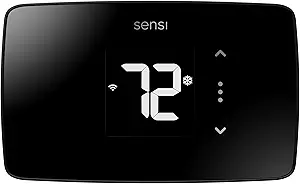 |
| Top Rated A top-rated pick with lots of positive feedback | Sensi Touch ST75 Thermostat |  |
| Most Popular A crowd favorite that many people choose with confidence | Google Nest Thermostat |  |
| Best Seller A high-volume bestseller chosen again and again | Amazon Smart Thermostat |  |
Google Nest Learning Thermostat (4th Gen)

| Controller Type | Amazon Alexa, Android, Apple HomeKit, Google Assistant, iOS |
|---|---|
| Power Source | Battery Powered |
| Voltage | 24 volts |
| Display Type | graphical lcd, ips |
| Included Components | Nest Temperature Sensor (2nd gen) |
The Nest Learning Thermostat (4th Gen) is a wall-mounted smart thermostat that learns your preferred temperatures and suggests schedule tweaks through the Google Home app. It pairs with voice assistants and Matter-enabled systems, and the included Nest Temperature Sensor lets you prioritize the climate in a specific room. Dynamic Farsight and a larger graphical IPS display make status and temps easy to read from across a room, while Adaptive Eco and Natural Heating and Cooling use outdoor conditions to reduce HVAC run time. Setup is intended to be a DIY 40-minute install for most 24V systems, and System Health alerts can notify you if your heating or cooling needs attention. The thermostat is battery powered with optional 24V connection and supports common gas furnace configurations, though full compatibility should be confirmed with the Nest compatibility checker. If you want a learning thermostat that blends energy-saving automation with visible, remote control and a room sensor included, this model fits that role well.
Best for: Buyers who want an easy-to-use, energy-minded smart thermostat that learns household routines and gives centralized app and voice control for a gas furnace system.
Less Ideal for: People who need a simple non-networked thermostat or who prefer a basic programmable unit without app-based controls or learning features.
- Learns schedule and suggests energy-saving adjustments to reduce HVAC runtime
- Includes a Nest Temperature Sensor to manage hot and cold spots remotely
- Works with voice assistants and the Google Home app and supports Matter for smart-home integration
- Larger graphical IPS display with Dynamic Farsight improves visibility across a room
- System Health and adaptive features use outdoor data to optimize heating and cooling
- Compatibility with some HVAC configurations may require checking the compatibility tool before purchase
- Advanced features and app notifications require a Google Home account and app setup
Verdict: Choose this Nest thermostat if you want a smart, learning controller with remote sensing and app-driven energy features tailored to gas furnace setups.
ecobee Smart Thermostat Premium Bundle

| Controller Type | Apple HomeKit, Amazon Alexa, Samsung SmartThings |
|---|---|
| Control Method | App |
| Connectivity Protocol | Wi-Fi |
| Display Type | lcd touch screen |
| Power Source | Corded Electric |
The ecobee Smart Thermostat Premium bundle combines a high-end touchscreen thermostat with doorbell camera and sensors to provide climate control plus home security in a single package. As a thermostat it offers Wi-Fi app control, Apple HomeKit, Alexa and SmartThings integration, occupancy sensing, air quality monitoring, and auto-scheduling to reduce heating costs, which is useful for managing a gas furnace efficiently. The unit can pause HVAC when a door or window is left open and sends real-time alerts and temperature notifications to prevent damage. Included sensors extend occupancy detection and help the system maintain comfort in the rooms that matter. Beyond HVAC, the bundle adds a Full HD doorbell with two-way talk, door/window contact sensors, and built-in smoke alarm detection tied into ecobee Smart Security features. Expect straightforward wall mounting and a clear LCD touchscreen, but some advanced security functions require an ecobee Smart Security subscription and professional monitoring is optional. For buyers who want thermostat performance plus integrated security, this bundle brings both without needing separate systems.
Best for: Homeowners who prioritize maximizing gas furnace efficiency while also wanting integrated security and smart-home compatibility in a single, polished device.
Less Ideal for: Buyers who only need a simple programmable thermostat without security features or those who want a subscription-free video/security solution.
- Integrates thermostat, doorbell camera, and sensors into one app for unified control
- Supports HomeKit, Alexa, and SmartThings for broad smart home interoperability
- Occupancy sensing and SmartSensor support improve room-level comfort and furnace efficiency
- Built-in air quality monitoring and smoke alarm detection add home health and safety alerts
- Smart energy features can pause HVAC when doors or windows are left open to save fuel
- Key security and video storage features require an ecobee Smart Security subscription
- Some advanced monitoring options may need optional professional monitoring or additional setup
Verdict: Choose this bundle if you want a premium smart thermostat that optimizes gas furnace performance while adding built-in security and sensors under one app.
Honeywell Home T5 Smart Thermostat

| Connectivity Technology | Wi-Fi |
|---|---|
| Temperature Control Type | Heating and Cooling |
| Power Source | Corded Electric |
| Display Type | LCD |
| Number of Batteries | 1 AAA batteries required. |
The Honeywell Home T5 is a midrange smart thermostat that provides basic smart scheduling, geofence-based Auto Away/Home, and remote control from the Resideo app or compatible voice assistants. It is typically installed on a low-voltage HVAC system and can be set up with 7-day flexible schedules or allowed to adapt automatically via location-based controls. Notable features include ENERGY STAR qualification, filter and temperature alerts, touchpad LCD controls, and compatibility with Alexa, Google Assistant, and Apple HomeKit. For gas furnace owners the T5 supports heating and cooling and offers energy reports and the potential for utility rebate programs. Limitations to note are the C‑wire requirement in many homes and the absence of advanced learning algorithms found in higher-end models, so energy savings rely on correct scheduling or geofencing rather than full self-learning. Installation is straightforward for someone comfortable with basic wiring, and the app provides clear setup guidance and status alerts.
Best for: Buyers who want a reliable, no‑frills smart thermostat that reduces HVAC runtime through scheduling and geofencing and who prefer a straightforward app-driven setup and basic energy reporting.
Less Ideal for: Users seeking a fully self-learning thermostat or those who cannot provide a C‑wire without running new wiring or using an adapter.
- Supports Wi‑Fi and major voice assistants for remote control and voice commands
- Geofencing and Auto Away/Home modes that help cut runtime when nobody is home
- ENERGY STAR certified with monthly energy reports and rebate eligibility information
- 7‑day programmable schedules plus touchpad LCD for local control and alerts
- May require a C‑wire or adapter for power in some gas furnace setups
- Does not include advanced self-learning temperature optimization found on higher-end smart thermostats
Verdict: A practical, ENERGY STAR certified smart thermostat that delivers remote control, geofencing, and scheduling for gas furnace owners who want straightforward energy savings without complex learning features.
Sensi Lite ST25 Smart Thermostat
| Connectivity Technology | Wi‑Fi |
|---|---|
| Control Method | App, Touch, Voice |
| Power Source | Battery or C‑wire |
| Specific Uses For Product | Air Conditioner, Boiler, Furnace, Heat Pump |
| Number of Batteries | 2 AAA (included) |
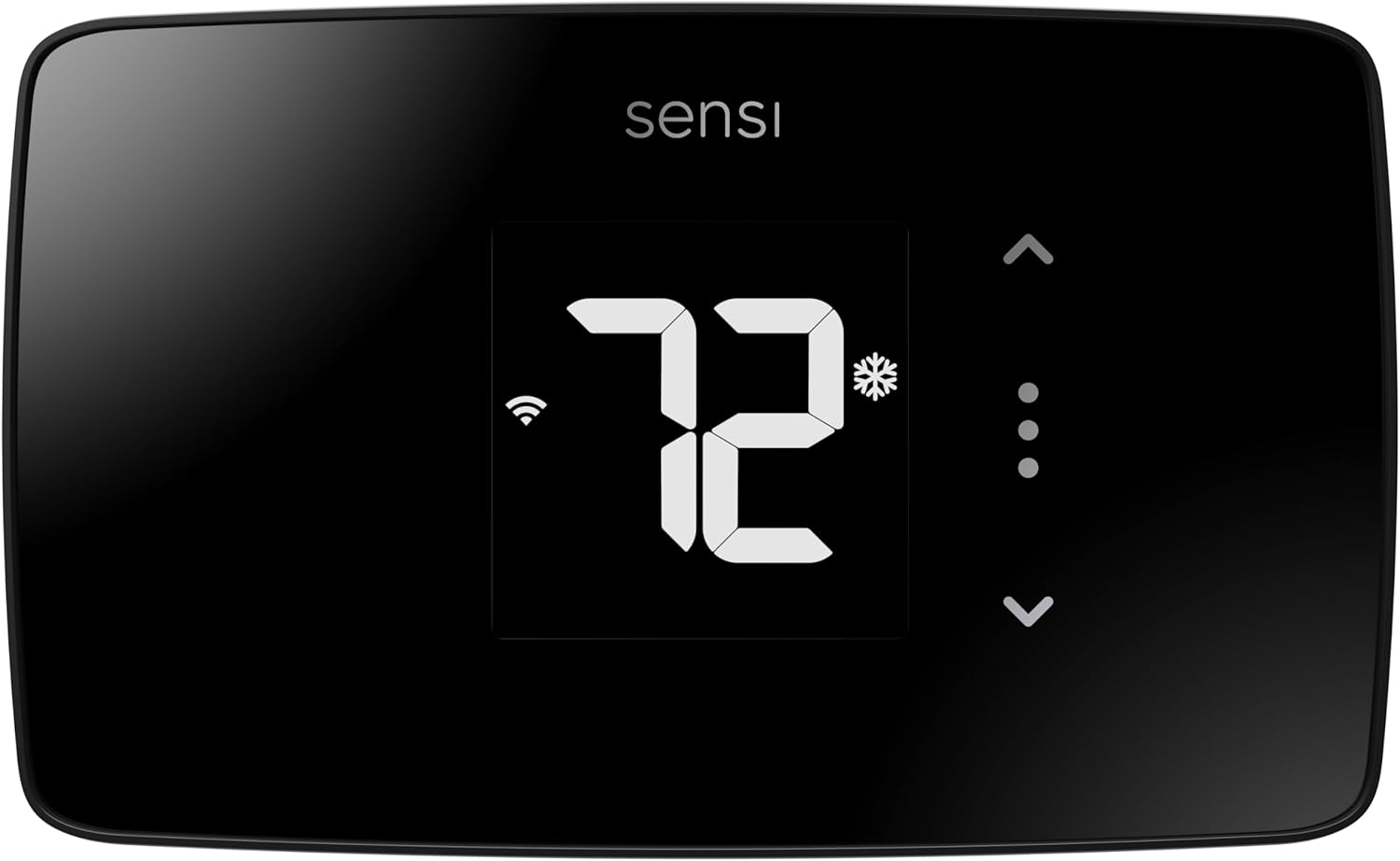
The Sensi Lite ST25 is a straightforward smart thermostat aimed at basic smart control and energy savings without extra frills. It connects to 2.4 GHz Wi‑Fi and works with Alexa, Google Assistant, and SmartThings so you can change temperatures from the app, by voice, or at the unit. Installation is designed for DIY with a built‑in level and included mounting hardware, and it will run on two AAA batteries or a C‑wire where required. The Sensi app offers scheduling, geofencing, and usage reports that support modest energy reductions, and the unit meets Energy Star specs. Practical limits include a simple LCD display and no advanced learning algorithms or dual‑stage HVAC controls, so it is best for standard single‑stage gas furnaces and basic zoned systems. Its privacy-friendly data policy is a plus for buyers wary of cloud data sharing. If you want reliable remote control and energy features on a budget, the Sensi Lite covers the essentials cleanly.
Best for: Buyers seeking an affordable, no‑frills smart thermostat for a gas furnace who prioritize easy DIY setup, app and voice control, and energy savings without advanced HVAC complexity.
Less Ideal for: Homes that need multi‑stage, dual‑fuel, or complex zoning control or users who want adaptive learning thermostats and a touchscreen interface.
- Easy DIY installation with built‑in level and included hardware
- Works with Alexa, Google Assistant, and SmartThings for voice and app control
- Energy Star certified with scheduling, geofencing, and usage reports to help reduce HVAC energy
- Runs on batteries or C‑wire for flexible power options
- Privacy policy that limits sharing of personal thermostat data
- Basic LCD and controls lack advanced learning or multi‑stage HVAC features
- Requires 2.4 GHz Wi‑Fi which may not work on 5 GHz‑only networks
Verdict: A budget-friendly, Energy Star smart thermostat that gives reliable app and voice control plus simple DIY installation for standard gas furnaces.
Sensi Touch ST75 Thermostat

| Connectivity Technology | Wi-Fi (2.4 GHz) |
|---|---|
| Control Method | App, Touch, Voice |
| Display Type | LCD color touchscreen |
| Temperature Control Type | programmable |
| Power Source | AC/DC (C‑wire required) |
The Sensi Touch ST75 is a wall‑mounted smart thermostat that gives you remote control of a gas furnace or other HVAC equipment through a 4.3‑inch color touchscreen and the Sensi mobile app. It connects on 2.4 GHz Wi‑Fi and supports voice assistants and common smart home platforms, letting you change schedules, monitor usage reports, and receive maintenance alerts from anywhere. Installation is geared to DIYers with illuminated quick‑connect terminals and a built‑in level, but a common C‑wire is required for operation. Practical features include geofencing, filter reminders, and programmable schedules that can reduce HVAC energy use; the device is Energy Star certified and offers basic usage reporting for tracking savings. Limitations include the C‑wire requirement and reliance on 2.4 GHz Wi‑Fi only, so homes with only battery power setups or 5 GHz‑only networks will need additional wiring or network changes. The thermostat focuses on straightforward control and system monitoring rather than advanced multi‑zone or learning algorithms, making it a reliable, easy‑to‑manage option for standard gas furnace setups.
Best for: Buyers who prioritize a dependable, easy‑to‑install smart thermostat for a gas furnace and want clear remote control and basic energy monitoring without complex setup.
Less Ideal for: People seeking adaptive learning thermostats, multi‑zone control, or a unit that runs without a C‑wire should consider other options.
- Easy DIY installation with illuminated terminals and built‑in level
- Large color touchscreen and simple app control for remote adjustments
- Energy Star certification with usage reports and maintenance alerts
- Works with major smart platforms and voice assistants for flexible control
- Requires a common C‑wire so it is not suitable for some battery‑only systems
- Limited to 2.4 GHz Wi‑Fi and lacks advanced learning thermostat features
Verdict: A solid, reliability‑focused smart thermostat for gas furnaces that delivers easy DIY installation, dependable app and voice control, and basic energy reporting.
Google Nest Thermostat
| Connectivity Technology | Bluetooth, Wi-Fi |
|---|---|
| Power Source | Battery Powered |
| Display Type | LCD |
| Control Type | Remote Control, Voice Control |
| Number of Batteries | 2 A batteries required. (included) |
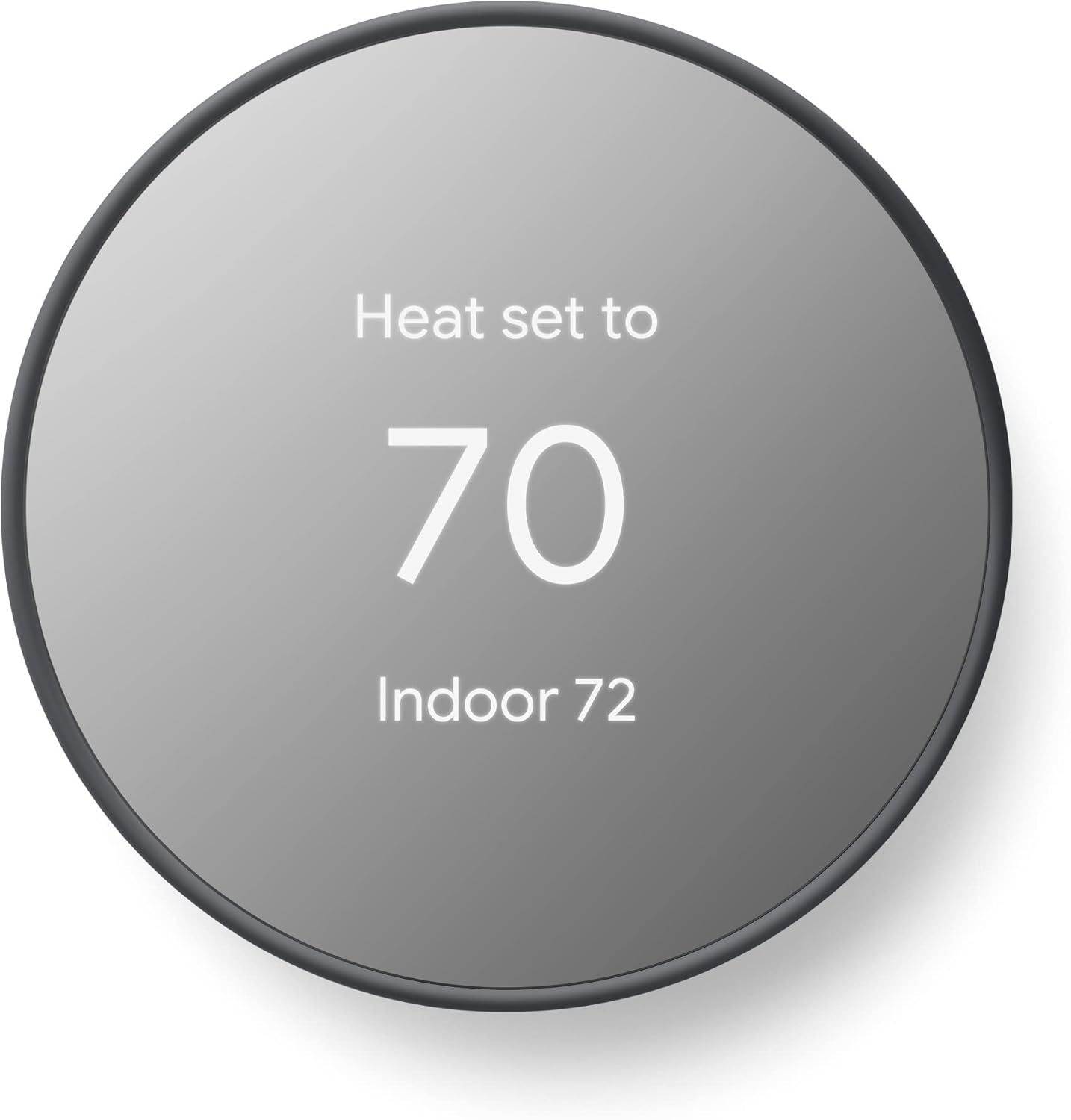
The Google Nest Thermostat is an entry-level smart thermostat that brings app control, voice compatibility, and basic energy-saving features to a home HVAC setup. It installs on a wall plate and is designed for DIY setup in most homes; the unit runs on two AA batteries and supports both Wi‑Fi and Bluetooth for remote control through the Google Home app. Key features include Savings Finder suggestions, Eco Temperature when people are away, and HVAC monitoring that can send alerts if the system behavior looks abnormal. It works with common voice assistants and supports scheduling and remote adjustments from a phone. Practical benefits include simpler remote control of temperature, modest automated savings via schedule suggestions, and integration with other Google smart devices. Important limitations are that some systems may need a C wire or a power accessory to work reliably, advanced energy features like Nest Renew are limited to certain Nest models and service areas, and diagnostic alerts are informative but not a substitute for professional HVAC inspection.
Best for: Buyers who want an affordable, easy-to-use smart thermostat that provides remote and voice control plus basic energy-saving features while preferring products with broad user feedback and proven reliability.
Less Ideal for: Homes with complex or uncommon HVAC wiring where a powered thermostat is required, or buyers who need the highest-end learning features and full Nest Renew support.
- Simple DIY installation designed for typical residential HVAC setups
- Remote control via Google Home app with Wi‑Fi and Bluetooth connectivity
- Voice control compatibility with Google Assistant and Matter-certified assistants
- Savings Finder and Eco Temperature features help reduce energy use automatically
- May require a C wire or power accessory on some heating or cooling systems
- Advanced services like Nest Renew and some alerts are limited by region and model eligibility
Verdict: A straightforward, budget-friendly smart thermostat that delivers reliable app and voice control plus basic energy-saving features for typical gas-furnace homes.
Amazon Smart Thermostat
| C-wire | Required |
|---|
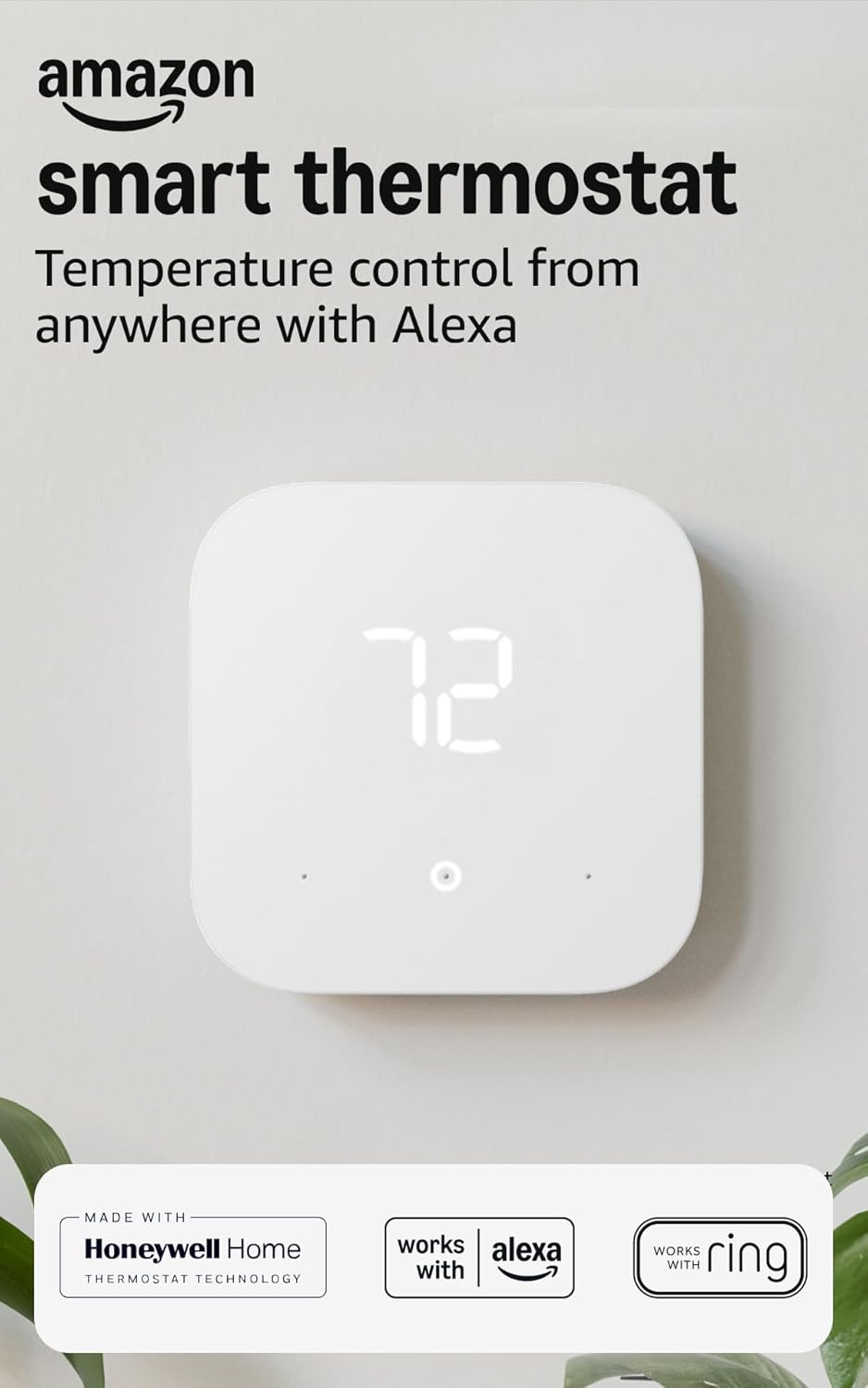
The Amazon Smart Thermostat is a straightforward Wi-Fi thermostat built to work with Alexa and Ring and to help lower energy use in homes with gas furnaces. It provides basic programmable schedules and Alexa-driven automation, plus presence-based adjustments when paired with compatible Alexa devices, and the Alexa app lets you monitor and change temperature remotely. Installation is intended to be DIY with C-wire required, and Amazon guides you through setup in the app; the hardware is built on Honeywell thermostat technology so its control logic and reliability are familiar to mainstream users. Notable benefits include integration with Alexa routines and energy rebate information after purchase, but it does not appear to target advanced HVAC diagnostics or highly customized zoning without additional compatible devices. For buyers who want simple voice control, remote access, and energy-saving schedules with a low-friction setup, this thermostat covers the essentials well.
Best for: Homeowners who want a reliable, low-friction smart thermostat that adds Alexa voice control and basic scheduling to a gas furnace without complex setup or advanced HVAC tuning.
Less Ideal for: Users who need full professional HVAC diagnostics, multi-zone control, or highly granular system tuning should consider more feature-rich or trade-specific thermostats.
- Works natively with Alexa for voice control and routines
- Remote monitoring and scheduling via the Alexa app
- Built on Honeywell thermostat technology for familiar, reliable control
- Designed to help reduce energy usage and qualifies for rebate info after purchase
- Requires a C-wire for installation, which may need professional wiring in some homes
- Does not advertise advanced HVAC diagnostics or deep zoning controls
Verdict: Choose this thermostat if you want a simple, Alexa-first replacement for a gas furnace thermostat that delivers basic smart schedules and remote control with factory-style reliability.
Choosing the Right Smart Thermostat for Gas Furnaces: Key Factors to Consider
Wiring and C-Wire Requirements
Gas furnaces often rely on low-voltage control circuits and many smart thermostats require a common or C wire to power advanced features. Confirm which terminals your furnace control board exposes, whether a C terminal is present, and if the thermostat supports power stealing or an included power adapter. Improper power solutions can cause intermittent reboots or call faults that affect furnace operation.
If you do not have a C wire, consider thermostats that support battery backup or use alternative power modules designed for furnace systems. Also verify compatibility with two-stage or multi-stage gas furnaces if your system has staged gas valves or multiple heat calls.
Control of Heat Cycles and Short-Cycle Protection
Gas furnaces are sensitive to frequent on/off cycles which reduce efficiency and increase wear. Choose thermostats that include cycle rate limits, minimum run times, or adaptive recovery that learn how long it takes to heat your home. These features help the thermostat avoid short-cycling and ensure the furnace completes safe ignition and combustion cycles.
Look for configurable cycle settings for tuning with older furnaces or high-capacity systems. A thermostat that allows you to set minimum off and on times gives you control to align the thermostat behavior with your furnace manufacturer recommendations.
Compatibility With Furnace Control Types
Gas furnaces may use conventional single-stage, two-stage, modulating gas valves, or millivolt pilot systems. Confirm that the thermostat explicitly supports the control type used by your furnace. A mismatch can result in improper staging, lack of control over auxiliary heat, or no control at all for pilot-based systems.
Thermostats that list explicit support for millivolt or gas valve control save time and installation effort. If your furnace uses a proprietary control module, check that the thermostat can interface with that board or that an adapter is available.
Connectivity and Remote Control
Reliable Wi-Fi and a responsive mobile app are valuable for remote temperature adjustments, scheduling, and receiving alerts about system faults. For gas furnace owners, the ability to monitor diagnostics remotely can help you catch ignition problems or abnormal run cycles early.
Also consider whether the thermostat supports local manual control without the cloud, voice assistant integration if desired, and whether firmware updates are delivered automatically and documented. These connectivity aspects affect day-to-day convenience and long-term reliability.
Energy Management and Scheduling
Smart thermostats offer energy-saving features such as adaptive learning, geofencing, and multi-period scheduling. For gas furnaces, effective scheduling and setback strategies can significantly reduce consumption without sacrificing comfort. Check how flexible the scheduling options are and whether the thermostat supports different schedules for heating seasons.
Evaluate algorithms that predict recovery time so the system reaches target temperatures efficiently. Also review reporting tools that show runtime and savings estimates so you can assess the real impact on your heating bills.
Installation Accessibility and Diagnostics
Installation for furnace-controlled systems sometimes involves working inside the furnace control compartment or matching wire colors to terminal labels. Choose thermostats that provide clear wiring diagrams, terminal labeling, and in-app diagnostics to confirm calls for heat, fan operation, and error states.
Good diagnostic readouts reduce troubleshooting time and can provide installers or homeowners with the information needed to adjust settings or identify mechanical issues before they become serious.
How Smart Thermostats Interact With Gas Furnaces
A smart thermostat replaces the manual control interface and issues low-voltage calls for heat to your furnace control board. It interprets temperature readings, user schedules, and remote commands to decide when to initiate a heating cycle. For gas furnaces this interaction must respect ignition timing and blower control so the ignition sequence and safety interlocks operate correctly.
Modern smart thermostats may offer adaptive or learning behaviors that modify run times based on outdoor conditions and home thermal response. Those behaviors can improve comfort and efficiency, but they must be compatible with the furnace's staging and safety settings to avoid excessive cycles or unintended lockouts.
- Thermostat sends a heat call to the furnace control board through R and W terminals.
- Proper fan control may require configuring G or automatic blower settings.
- Short-cycle protection and minimum run times reduce wear on the furnace.
Common Furnace Wiring Configurations
Most gas furnace systems use a 24V control circuit with terminals labeled R, W, G, C, and sometimes Y for cooling. Some older or simpler furnaces use millivolt systems with a thermopile and no 24V supply, which require specific thermostat support. Two-stage and modulating gas valves add complexity and require thermostats that explicitly support staging.
Before buying, turn off power and check the control board or existing thermostat wires to confirm which terminals are present. Photographs of the control board or wire bundle help installers and support staff verify compatibility remotely.
- Single-stage systems: basic R, W, G, C wiring.
- Two-stage or modulating systems: require staging support.
- Millivolt pilot systems: need millivolt-capable thermostats or adapters.
Setting Up Schedules for Efficient Heating
Effective schedules balance comfort and efficiency by lowering setback temperatures during unoccupied periods and recovering temperature before occupancy. For gas furnaces, longer setbacks can be efficient if the thermostat accounts for recovery time so the furnace does not run at maximum continuously to catch up.
Use multi-period schedules for weekdays and weekends, and consider geo-fencing or location-based features to automate setbacks based on occupant presence. Also monitor runtime reports to refine your schedule so you achieve savings without sacrificing comfort.
- Start with conservative setbacks of 3 to 5 degrees to prevent long recovery runs.
- Use adaptive recovery features if available to avoid overshooting setpoints.
- Enable hold functions for irregular schedules like vacations or long absences.
Troubleshooting Common Installation Issues
If the furnace does not respond after thermostat installation, first verify that the R and W terminals are correctly wired and that the thermostat has power. Check for blown fuses at the furnace control board and ensure the thermostat is configured for the correct system type.
Intermittent behavior often points to power problems such as insufficient C-wire current or incompatible power-stealing designs. Use the thermostat's diagnostic tools or app to view recent activity logs which can reveal frequent on/off cycles or failed ignition attempts.
- Confirm R and W connections and check for voltage at the thermostat base.
- Inspect the furnace control board fuse and replace if blown.
- Use in-app diagnostics to monitor call durations and error codes.
Safety and Maintenance Considerations
Smart thermostats do not replace the need for regular furnace maintenance. Keep your furnace serviced according to manufacturer schedules, and use thermostat runtime reports to spot abnormal operation that suggests mechanical or combustion issues. Regular filter changes also improve heat distribution and reduce furnace strain.
Ensure that any thermostat settings that affect ignition or blower timing are within the furnace manufacturer's safe operating recommendations. If you see repeated ignition failures or safety lockouts after installing a thermostat, disable advanced features and consult a qualified technician.
- Maintain scheduled furnace service and filter replacement.
- Monitor runtime and ignition logs for unusual patterns.
- Consult a technician for persistent ignition or safety errors.
How We Chose the Best Smart Thermostat for Gas Furnaces
We prioritized compatibility with gas furnace control systems, ease of installation for common furnace wiring, and the thermostats' ability to manage heat cycles without causing short-cycling. We evaluated supported wiring configurations including common (C) wire requirements, millivolt and conventional two-stage setups, and whether the unit provides adaptive or learning algorithms tuned for forced-air gas systems. Control and connectivity were another focus: we looked for consistent remote access via Wi-Fi, robust app schedules, and support for local manual overrides. Energy management features such as scheduling granularity, geofencing, and presence-based setbacks were measured for practical savings potential. Usability and maintenance included display clarity, intuitive programming, and whether diagnostics make furnace troubleshooting straightforward. Reliability and safety filters excluded products without clear furnace compatibility documentation or without proven stable firmware updates. We excluded thermostats intended only for electric baseboard or hydronic systems. The final picks balance wiring flexibility, furnace-specific control features, connectivity, and straightforward installation.
Our full evaluation process is outlined in our review methodology.
FAQ
Do all smart thermostats work with gas furnaces?
Not all smart thermostats support every furnace control type. Many work with standard 24V control boards, but some older or millivolt pilot systems require thermostats that explicitly list millivolt support or use an adapter.
What if my system does not have a C wire?
If there is no C wire, look for thermostats that support battery operation, power-stealing modes, or that include a compatible power accessory. Power-stealing is not ideal for all furnaces, so verify manufacturer guidance before choosing that option.
Will a smart thermostat reduce my gas usage?
Smart thermostats can reduce gas consumption through better scheduling, adaptive recovery, and setback strategies, but actual savings depend on your home's insulation, weather, and how aggressively you set setbacks.
Can I install a smart thermostat myself on a gas furnace?
Many homeowners can install a smart thermostat if they are comfortable with low-voltage wiring and turning off power at the furnace. However, if your furnace wiring is nonstandard or you encounter ignition errors, consult a qualified HVAC technician.
How do I avoid short-cycling with a smart thermostat?
Choose thermostats that offer configurable minimum run times and cycle rate limits or adaptive learning that respects furnace recovery. Properly configuring these settings prevents rapid on/off cycling that can harm the furnace.
Final Verdict
Prioritize compatibility and wiring when selecting a smart thermostat for a gas furnace. Confirm the control type, C-wire availability, and whether the thermostat supports the furnace's staging or millivolt needs. Balance connectivity and energy-management features with safeguards like minimum run times and diagnostic transparency. By focusing on furnace compatibility, reliable wiring solutions, and thoughtful scheduling, you can choose a smart thermostat that improves comfort and reduces energy use without introducing operational issues. Select the unit that best matches your furnace control type and installation constraints for a confident upgrade.