
Note: This article contains affiliate links. If you click on these links and make a purchase, we may earn a small commission at no extra cost to you. This helps support our research and content. Read our full affiliate disclosure here.
If you need a smoke detector for high-humidity areas, picking the right model matters for both safety and everyday reliability. High moisture can cause nuisance alarms, sensor drift, and even shorten device life if a unit is not designed for damp environments. This guide shortlists seven top smoke detectors built to perform in bathrooms, basements, laundry rooms, and other humid spaces. We evaluate units for sensor stability, moisture resistance, installation flexibility, and long-term serviceability so you can choose a detector that keeps alert performance consistent where humidity is an ongoing factor. Read on to find the best options for your specific humid locations and the criteria we used to judge them.
Top Picks at a Glance
| Best Overall The best all-around choice for most situations | X-Sense Combination Detector XP0H-WN |  |
| Best Quality Built to a higher standard if you want something more solid | X-Sense SC07 Combination Detector |  |
| Best Value The sweet spot between price and what you get | Kidde 20SDR Smoke Detector |  |
| Best Budget The cheapest option that still gets the job done reliably | Kidde 10SDR Smoke Detector | 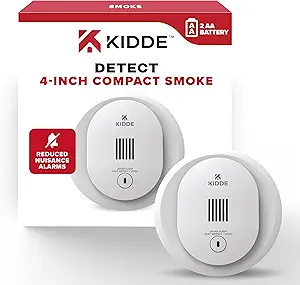 |
| Top Rated A top-rated pick with lots of positive feedback | SITERWELL Photoelectric Smoke Detector GS562A |  |
| Most Popular A crowd favorite that many people choose with confidence | First Alert BRK SC9120B Combination Alarm |  |
| Best Seller A high-volume bestseller chosen again and again | First Alert SMICO100-AC |  |
X-Sense Combination Detector XP0H-WN
| Power Source | 10-Year Sealed Battery |
|---|---|
| Sensor Type | Electrochemical, Photoelectric |
| Product Style | RF Interconnected Model |
| Alarm | Audible |
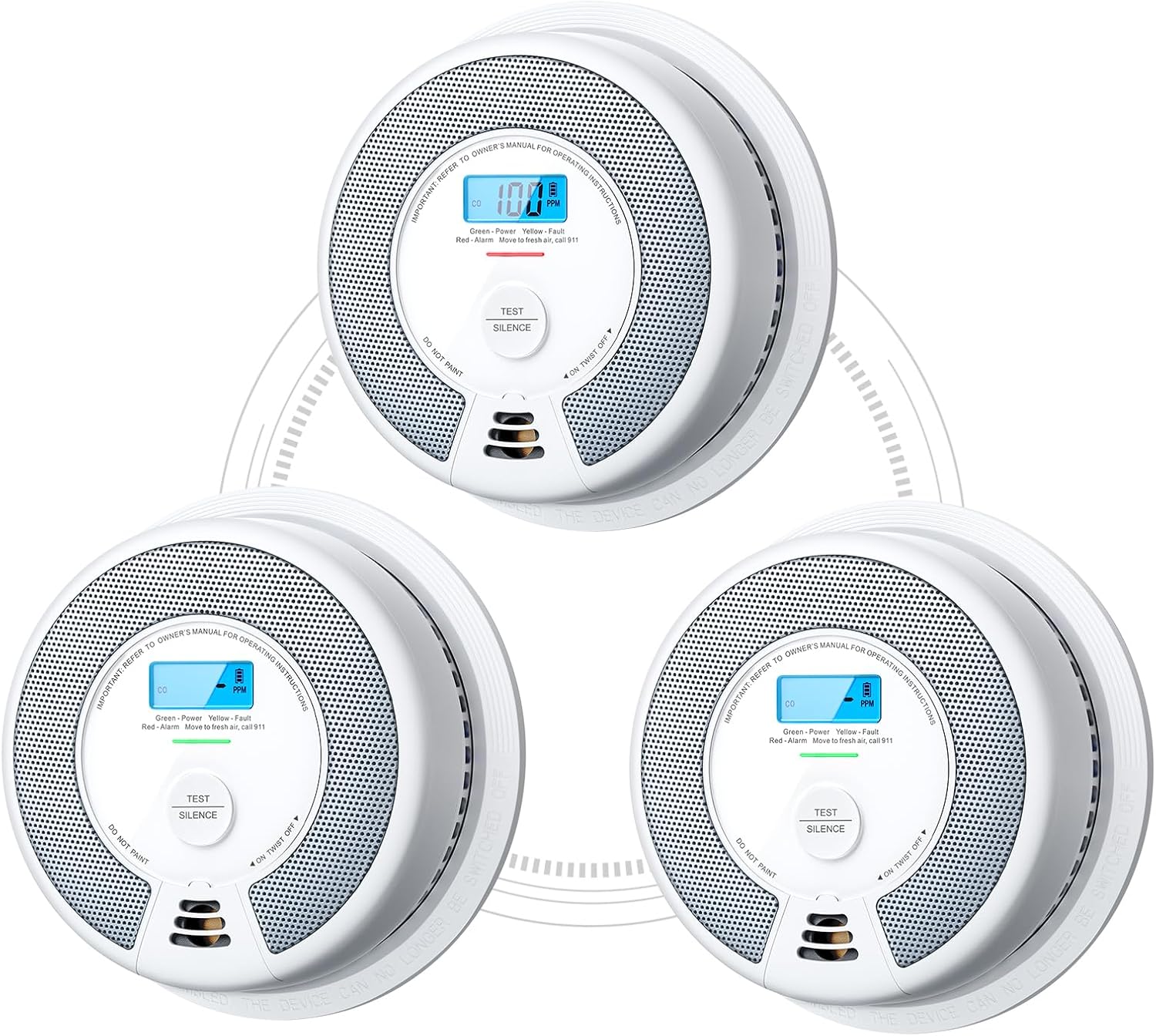
The X-Sense XP0H-WN is a combination smoke and carbon monoxide alarm designed for reliable, low-maintenance home protection. It pairs a photoelectric smoke sensor with an electrochemical CO sensor to detect both hazards and uses RF interconnection so every unit in a group sounds when one detects danger, helping occupants across the house respond. The unit ships with a large 5.7-inch mounting bracket that hides previous screw holes for a cleaner ceiling install and runs on a factory-sealed 10-year lithium battery to eliminate routine battery changes. Practical benefits include simple installation, the ability to silence or test all interconnected units remotely with an optional remote, and UL certification for both smoke and CO standards. For high-humidity areas this model's heat-resistant PC enclosure and photoelectric sensor are less prone to nuisance alarms from steam than some ionization sensors, but users should still mount it away from direct steam sources. The detector does not include Wi-Fi, so remote alerts through a phone are not available, and full remote control requires purchasing the separate remote accessory.
Best for: Homeowners seeking a low-maintenance, whole-home smoke and CO solution that reduces false alarms in humid environments and minimizes battery upkeep.
Less Ideal for: People who need smartphone notifications or full smart-home integration should consider detectors with Wi-Fi and app support.
- Combined photoelectric smoke and electrochemical CO sensing for two-hazard protection
- 10-year sealed lithium battery eliminates regular battery changes
- RF interconnection makes all units sound together for whole-home alerts
- Large 5.7-inch mounting bracket conceals old screw holes for cleaner installs
- UL 217 and UL 2034 certified for smoke and CO detection
- No Wi-Fi connectivity or smartphone alerts
- Remote testing/silencing requires purchasing an optional remote
Verdict: Choose this X-Sense detector if you want reliable two-hazard detection with a 10-year sealed battery and RF interconnection for fuss-free, whole-home safety in humid areas.
X-Sense SC07 Combination Detector

| Power Source | 10-Year Sealed Battery |
|---|---|
| Sensor Type | Photoelectric, Electrochemical |
| Alarm | 85 dB |
| Battery Type | Lithium metal |
The X-Sense SC07 combines a photoelectric smoke sensor and an electrochemical CO sensor into a single, easy-to-install unit powered by a sealed 10-year lithium battery. It mounts to a ceiling or wall with the included bracket and gives continuous protection without the need to swap batteries, which is useful in humid spaces where maintenance visits are inconvenient. The photoelectric sensor is better at catching smoldering, slow-developing fires that can occur in damp environments and the electrochemical CO sensor provides reliable carbon monoxide detection. The unit is UL 217 and UL 2034 certified and includes an 85 dB alarm and an LCD for status readout. Limitations are that the SC07 is a basic standalone model so it does not support wireless interconnection, Wi-Fi, or app control, and it will not link to other detectors for whole-home alerts. For a high-humidity area where you want long-lasting, low-maintenance local detection, the SC07 offers a practical, performance-focused option.
Best for: Buyers who prioritize dependable, low-maintenance local detection in moist or high-humidity rooms and want sensors tuned to catch smoldering fires and carbon monoxide without ongoing battery chores.
Less Ideal for: People who need networked alarms, app notifications, or an interconnected system for whole-home alerts should choose a model with wireless interconnect or smart features.
- Built-in sealed lithium battery rated for 10 years eliminates battery replacements
- Photoelectric smoke sensor reduces cooking and steam false alarms and catches smoldering fires
- Electrochemical CO sensor provides continuous carbon monoxide monitoring
- UL 217 and UL 2034 certifications confirm independent safety testing
- Simple ceiling or wall installation with included bracket and hardware
- No wireless interconnection or Wi-Fi so it cannot link with other alarms for whole-home alerts
- Lacks app control and remote notifications
Verdict: Choose the SC07 if you want long-lasting, maintenance-free local smoke and CO protection optimized for detecting smoldering fires in high-humidity areas.
Kidde 20SDR Smoke Detector
| Power Source | Battery Powered |
|---|---|
| Sensor Type | Photoelectric |
| Alarm Volume | 85 dB |
| Operating Humidity | Up to 95% relative humidity (RH), non-condensing |
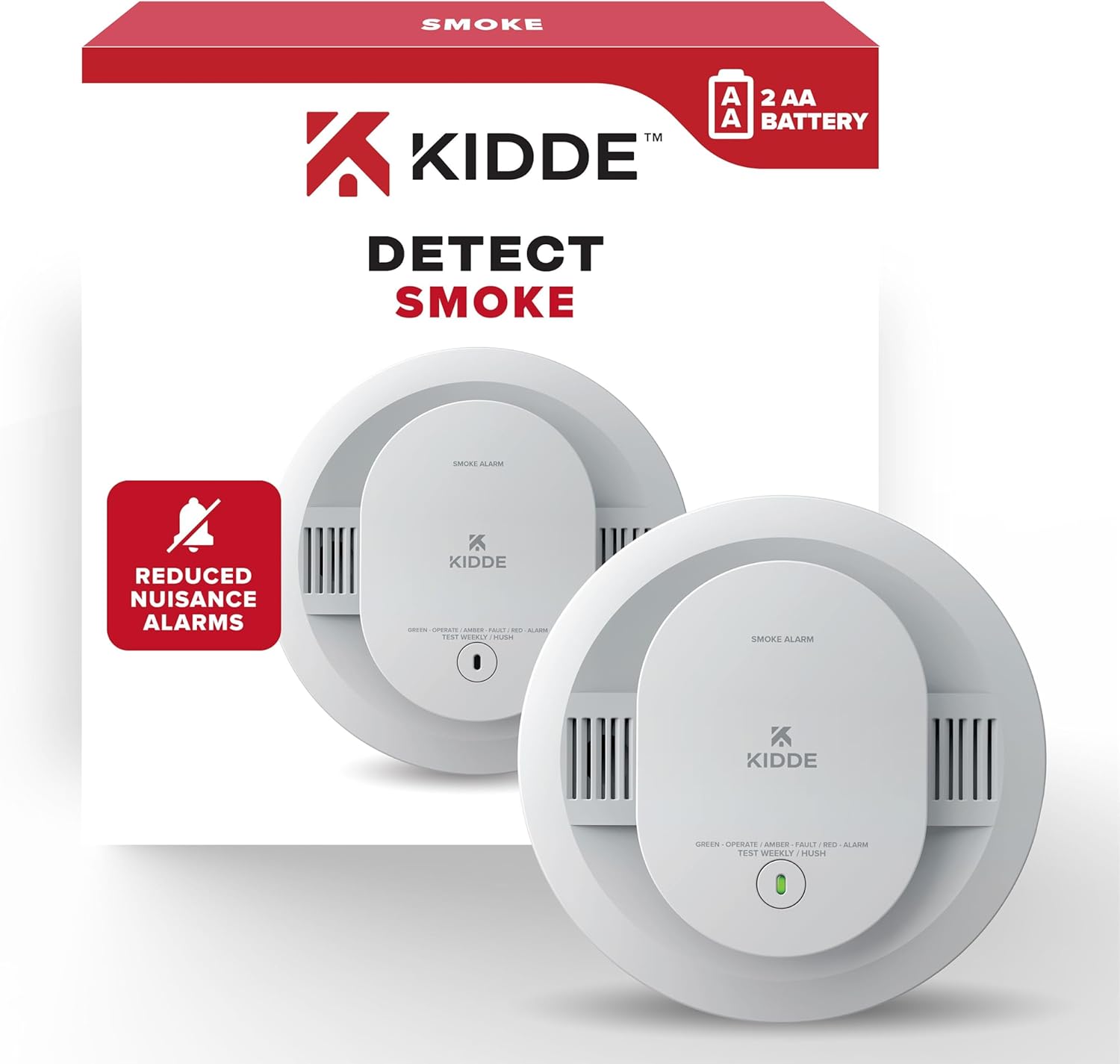
The Kidde 20SDR is a photoelectric smoke detector intended for simple, no-wiring installation using two AA batteries (included). It detects smoldering and smoky fires with faster response claims and signals with an 85 dB alarm plus a red LED status light, while a test and hush button make routine checks and temporary silencing quick. The unit uses sensing logic designed to cut down on nuisance alarms from cooking or steam, which helps in kitchens and humid rooms where false alarms are more common. It is rated for operation up to 95% relative humidity and meets UL 217 10th Edition, so it aligns with safety standards for moist environments. Expect straightforward installation with included mounting hardware and periodic battery changes roughly every six months; the alarm will chirp on low battery. The 10-year limited warranty backs defects from purchase. Limitations are that it is a standalone, non-interconnectable alarm and it relies on replaceable AA batteries rather than a sealed 10-year power source, so it needs more regular maintenance than long-life sealed models.
Best for: Buyers who want a reliable, easy-to-install smoke detector that performs well in humid or steam-prone rooms and who prioritize straightforward maintenance and compliance with current safety standards.
Less Ideal for: People who need a networked or hardwired alarm system for whole-home interconnectivity or who prefer sealed 10-year battery units that require less frequent battery upkeep.
- Photoelectric sensor reduces response time to smoldering fires and helps detect smoky fires early
- Rated to operate up to 95% relative humidity, suitable for moist areas
- Includes two AA batteries and mounting hardware for quick, no-wiring installation
- Test and hush button for easy maintenance and temporary silencing of nuisance alarms
- Meets UL 217 10th Edition safety standard
- Not interconnectable with other alarms for whole-home signaling
- Uses replaceable AA batteries requiring periodic replacement rather than a sealed 10-year battery
Verdict: A practical, code‑compliant photoelectric alarm built to resist false triggers and operate reliably in high-humidity rooms while remaining simple to install and maintain.
Kidde 10SDR Smoke Detector

| Power Source | Battery Powered |
|---|---|
| Sensor Type | Photoelectric |
| Alarm Volume | 85 dB |
| Operating Humidity | Up to 95% relative humidity (RH) |
The Kidde 10SDR is a compact, AA battery-powered photoelectric smoke detector intended for homes and small spaces where wiring is not available. It detects smoldering fires more quickly than older models, sounds an 85 dB alarm, and shows status with a red LED. The unit uses sensing logic to reduce false triggers from cooking or steam and includes a Test & Hush button for temporary silencing without removing power. Installation is simple: mount the base, insert two AA batteries, and the detector is ready to protect through power outages. It is rated to operate up to 95% relative humidity and meets UL 217 10th Edition standards, which makes it suitable for bathrooms, laundry rooms, and other humid areas where reliable photoelectric sensing and moisture tolerance are needed. Limitations include the need to replace batteries every six months for optimal operation and no interconnect capability with other alarms, so it works best as a standalone unit rather than part of a networked system.
Best for: Buyers who need a reliable, code-compliant standalone smoke alarm for humid areas or rental units and want a simple, no-wiring installation that minimizes false alarms.
Less Ideal for: People who need a networked or hardwired alarm system that interconnects across multiple rooms or who prefer long-life sealed lithium models that rarely need battery changes.
- Photoelectric sensor tuned to detect smoldering fires quickly
- Operates on two AA batteries for easy, no-wiring installation and power-outage protection
- Rated to function in up to 95% relative humidity, suitable for damp rooms
- Test & Hush button for temporary silencing of nuisance alarms
- Meets UL 217 10th Edition standards
- No interconnect feature to alert other detectors in the home
- Requires battery replacement about every six months for reliable operation
Verdict: A compact, humidity-tolerant photoelectric alarm that gives reliable standalone smoke detection without wiring, ideal for budget-conscious homes and damp rooms.
SITERWELL Photoelectric Smoke Detector GS562A

| Sensor Type | Photoelectric |
|---|---|
| Power Source | Battery Powered (9V backup) |
| Alarm | Audible |
| Operating Humidity | 10-95% RH non-condensing |
| Upper Temperature Rating | 100 °F |
This SITERWELL photoelectric smoke detector is a hardwired, interconnected alarm designed to spot smoldering fires quickly while minimizing nuisance triggers. It uses a high-sensitivity photoelectric sensor that the manufacturer says responds fast to combustion particles and is less likely to be set off by cooking. The unit includes a 9V backup battery to keep protection during power outages and provides audible alarm, test/silence button, and LED status lights for straightforward monitoring. A Do Not Disturb mode silences repeated low-voltage or fault alerts for about ten hours, which helps prevent nighttime disturbances from nonemergency triggers. Installation is typical for hardwired detectors and the supplied mounting plate and screws fit common fixtures. Limits to note: this is a single-station hardwired detector intended for interconnected systems and does not list wireless network features or multi-sensor fire detection, and the upper operating temperature is specified at 100°F which is relevant in very hot, humid locations.
Best for: Buyers who prioritize dependable, low-false-alarm smoke detection for living spaces and want a hardwired detector that continues to work during outages and fits into an interconnected home alarm network.
Less Ideal for: People who need smart/home‑network integration, multi-sensor detection, or devices rated for consistently higher temperature environments should consider other options.
- Photoelectric sensor tuned for smoldering fires and reduced false alarms from cooking
- Hardwired interconnected capability lets alarms trigger across a system
- 9V backup battery provides protection during power outages
- Do Not Disturb mode limits nuisance alerts overnight
- Simple mounting plate and included hardware for standard installation
- Upper temperature rating of 100°F may restrict use in very hot environments
- No network connectivity or multi-sensor (ionization/heat) hybrid detection
Verdict: Choose this model if you want a reliable photoelectric hardwired alarm that reduces nuisance triggers and keeps working during power outages.
First Alert BRK SC9120B Combination Alarm

| Power Source | Battery Powered,Hardwired |
|---|---|
| Alarm | Audible |
| Sensor Type | electrochemical,ionization |
| Operating Humidity | 10-95% RH |
The First Alert BRK SC9120B combines ionization smoke detection with an electrochemical CO sensor in a hardwired unit that includes a 9V battery backup and interconnect capability for linked alarms. It is typically installed on ceilings or high walls and wired into a home electrical system using a quick plug-in connector, then mounted with the included bracket; if one unit detects a threat it will trigger other compatible alarms on the circuit. The face has indicator lights and a single test/silence button for monthly checks and quieting nuisance alerts, while internal self-tests and a latching alarm indicator help identify the initiating unit. Tamper-resistant locking brackets and a side-load battery drawer add practical durability. For high-humidity environments the sensor types and listed operating humidity range make it more robust than many basic units, but ionization sensors can be sensitive to extreme conditions so placement away from direct steam sources is still recommended.
Best for: Buyers who prioritize proven, networked detection and want the reassurance of a battery-backed hardwired alarm with clear indicators and tamper resistance for family safety in challenging environments.
Less Ideal for: People who need a detector specifically certified for constant exposure to steam or direct moisture sources should consider specialized waterproof or humidity-rated alarms instead.
- Hardwired with 9V battery backup for continuous monitoring during power outages
- Combines ionization smoke sensing and electrochemical CO sensing in one unit
- Interconnectable with up to 18 compatible devices so all alarms sound together
- Single test/silence button and automatic internal self-tests simplify maintenance
- Tamper-resistant locks and universal mounting bracket for secure installation
- Ionization smoke sensors can give nuisance alerts near steam or cooking and may require careful placement
- Not explicitly marketed as humidity-rated beyond the general operating humidity range
Verdict: A reliable hardwired smoke and CO combination alarm with battery backup and interconnect support, well suited for homeowners who want networked, continuously powered protection in higher-humidity settings.
First Alert SMICO100-AC

| Unit Count | 3 Count |
|---|---|
| Power Source | Corded Electric |
| Alarm | Smoke, CO |
| Sensor Type | Ionization |
| Built-In Media | Easy Adapter Plug, 9V Battery |
The First Alert SMICO100-AC is a hardwire 2-in-1 smoke and CO alarm designed for whole-home protection by interconnecting multiple units so when one alarm sounds they all do. It uses First Alert Precision Detection to reduce nuisance alerts from normal cooking while still detecting dangerous smoke, and a quick-connect plug makes installation faster without rewiring. The unit is normally powered from household electricity with a 9V battery backup to keep the alarm active during outages, and a test/silence button simplifies routine checks and temporary silencing. For humid areas this model's ionization sensor and precision sensing aim to limit false alarms from steam, though ionization sensors are generally more responsive to fast flaming fires than slow smoldering ones. The product ships in a 3-count pack for coverage of multiple rooms or floors. Expect reliable baseline protection and easy interconnect wiring, but buyers seeking the most humidity-tolerant or photoelectric-focused detection may prefer models with photoelectric sensors instead.
Best for: Risk-averse homeowners who want reliable, whole-home wired protection with battery backup and easy installation across multiple rooms.
Less Ideal for: People who prioritize photoelectric detection or explicitly need a detector rated for high-moisture or damp environments should consider alternative models designed for humid locations.
- Combination smoke and carbon monoxide detection in one unit for consolidated protection.
- Hardwire power with 9V battery backup ensures continuous operation during outages.
- Interconnect capability creates whole-home alerting when one unit detects danger.
- Quick Connect plug simplifies installation without complex rewiring.
- Test/silence button makes regular testing and temporary silencing straightforward.
- Uses an ionization sensor which can be less sensitive to slow, smoldering fires compared with photoelectric sensors.
- Not specifically specified as humidity-rated or listed for damp locations in the provided specs.
Verdict: Buy this if you want a dependable hardwired smoke and CO combo with battery backup and easy interconnect for whole-home coverage.
Choosing the Right Smoke Detector for High-Humidity Areas: Key Factors to Consider
Sensor Type and Humidity Performance
Different sensor technologies respond to smoke and moisture in different ways. Photoelectric sensors are generally better at detecting smoldering fires and are less prone to interference from steam than some ionization sensors. Some manufacturers add humidity-tolerant coatings or physical barriers that reduce condensation contact with the sensing element.
Understanding how a sensor behaves in moist air helps you choose a detector that maintains sensitivity to smoke while minimizing nuisance alarms caused by steam from showers, boiling water, or laundry. Look for explicitly stated humidity performance or test data when possible.
Ingress Protection and Enclosure Design
A detector's enclosure design determines how much moisture can reach the sensor and internal electronics. Units with tighter seals, moisture-resistant gaskets, or a higher ingress protection rating provide better defense against condensation and splashes.
Consider models that position the sensing chamber away from direct steam paths or include a small protective hood. Proper enclosure design lowers the risk of corrosion at contact points and helps the unit meet its stated operating humidity range over time.
False-Alarm Mitigation Features
Humidity increases the chance of nuisance alarms, so features that reduce false triggers are important. Look for built-in algorithms that ignore short, transient changes typical of steam, hysteresis that requires sustained signals before alarming, or adaptive thresholds that compensate for background humidity.
Some detectors also include temporary hush or delay modes for known steam events. While these features reduce interruptions, they should not remove essential alarm responsiveness during a genuine smoke event.
Power Options and Backup
Reliable power is critical for continuous monitoring in damp areas where environmental stress can affect battery life. Hardwired units with battery backup ensure monitoring during power outages, while long-life sealed batteries reduce maintenance frequency in hard-to-reach locations.
Consider whether a replaceable battery, sealed lithium cell, or hardwired supply with backup best suits the installation. Also evaluate how humidity could impact battery contacts and whether the design isolates power terminals from moist air.
Ease of Maintenance and Cleaning
High-humidity environments can cause surface buildup and accelerate corrosion, so detectors that are easy to inspect and maintain will perform better long term. Features such as removable sensor covers, accessible battery compartments, and washable exterior grills make routine checks and cleaning straightforward.
Regular maintenance routines should be simple to perform without specialty tools. Products that include clear maintenance guidance and recommended cleaning intervals help you keep units operating reliably.
Mounting Location and Installation Flexibility
Where you place the detector in a humid space affects both its detection ability and its exposure to moisture. A ceiling-mounted detector may avoid direct steam from a shower that hits wall-mounted units, while wall placement can be preferable in basements or low ceilings.
Choose detectors that offer flexible mounting hardware and clear guidance for humid locations. Some models include angled mounts, short extension bases, or specific clearance recommendations that let you position the unit to reduce steam exposure while maintaining detection coverage.
Where to Install Detectors in Humid Spaces
Correct placement minimizes false alarms and keeps sensors functioning longer. In bathrooms, install detectors outside the immediate shower or tub area and follow recommended clearance from doors and ventilation fans. Avoid mounting directly above shower heads or clothes dryers where steam and lint are highest.
In basements and laundry rooms, ceiling placement near the center of the room is often best, but keep detectors away from steam vents, humidifiers, and washing machine exhaust. If the space has localized moisture sources, consider positioning a detector on the opposite side of the source and using additional units to achieve full coverage.
- Maintain manufacturer-recommended clearances from showers, sinks, and dryer vents.
- Place detectors on ceilings when possible to reduce direct steam exposure.
- Use multiple detectors rather than putting one unit too close to a moisture source.
Maintenance Routines for Humid Environments
Regular inspection and light cleaning prevent performance degradation. Check detectors monthly for dust, lint, or visible condensation. Wipe external housings with a dry cloth and gently remove debris from vents with compressed air or a soft brush.
Replace batteries according to the manufacturer's schedule and test alarms regularly. In very humid spaces, increase the frequency of visual inspections and consider swapping to sealed long-life power sources to reduce exposure during battery replacement.
- Test alarms monthly using the test button.
- Inspect and clean vents every three months in damp spaces.
- Replace units that show corrosion or persistent false alarms.
Combating Nuisance Alarms From Steam
Nuisance alarms are the top frustration in moist areas. Use detectors with humidity-aware sensing algorithms and avoid placing units in direct steam paths. If a space routinely produces short steam bursts, select a detector that provides a temporary hush or steam-delay function so routine household activities do not disable protection.
Also consider improving ventilation and redirecting steam sources where possible. Exhaust fans, vent ducts, and simple behavioral changes like using shower curtains or machine vent hoods can reduce steam reaching the detector and cut down false triggers.
- Install or upgrade ventilation to reduce ambient steam.
- Use detectors with configurable delay or hush modes.
- Position units outside immediate steam zones and follow clearance guidance.
Understanding Operating Specs and Ratings
Manufacturers provide operating temperature and relative humidity ranges that indicate where a detector should function reliably. Check these specifications and choose models with rated humidity ranges that exceed the typical conditions in your intended location. A wider operating humidity range means the unit is designed to tolerate higher moisture without losing sensitivity.
Also look for any ingress protection or environmental ratings that signal better sealing. While not every consumer unit will have a formal IP rating, descriptive notes about splash or moisture resistance can guide choices for humid rooms.
- Compare the stated operating humidity range to your local conditions.
- Prioritize units with explicit moisture-tolerance claims.
- Avoid installing units outside their rated environmental envelope.
When to Choose Hardwired Vs Battery-Powered Units
Hardwired detectors with battery backup are attractive where continuous power and interconnectivity are priorities. They often provide consistent monitoring and reduce the chance of a unit being unpowered. However, consider how wiring and junctions are protected from humidity; routing and sealed connections matter in damp areas.
Battery-powered units, especially those with sealed long-life batteries, reduce concerns about corroded wiring but require periodic replacement. For hard-to-reach humid locations, a sealed battery option can minimize maintenance visits while ensuring reliable operation.
- Use hardwired units if you want interconnect capability and constant power.
- Prefer sealed long-life batteries for remote or difficult-to-access humid areas.
- Ensure any electrical connections near humid spaces are properly sealed.
How We Chose the Best Smoke Detector for High-Humidity Areas
We focused on features and construction that matter most when a detector must function reliably in sustained humidity. Primary evaluation criteria included sensor type and stability under moisture exposure, enclosure and ingress protection, anti-false-alarm design, power and battery options for continuous operation, and installation flexibility for typical humid rooms. We also considered long-term durability indicators such as corrosion-resistant contacts, replaceable filters or covers, and clear humidity-related operating specs from manufacturers. Products were excluded if they lacked any explicit humidity-tolerance guidance, used sensors known to be highly prone to false alarms in damp air without mitigation, or did not offer installation options appropriate for bathrooms, basements, or laundry areas. We prioritized units with tested moisture resistance, user-accessible maintenance features, and design choices that limit condensation reach to the sensing chamber. These filters ensure the listed detectors are suited for repeated exposure to elevated relative humidity while still providing dependable smoke detection.
Our full evaluation process is outlined in our review methodology.
FAQ
Can I put a smoke detector inside a bathroom?
You can place a smoke detector near a bathroom but avoid mounting it inside the shower area or directly above a tub. Position the detector outside the immediate steam zone and follow manufacturer clearances to reduce nuisance alarms while maintaining detection coverage.
How does humidity cause false alarms?
High humidity and steam can create tiny droplets that scatter light or change sensor readings, which some detectors interpret as smoke. Detectors designed for humid areas use sensor placement, coatings, or algorithms to distinguish moisture from combustion particles and reduce false triggers.
How often should I test or replace detectors in humid rooms?
Test alarms monthly and visually inspect units every one to three months for corrosion or buildup in humid spaces. Replace detectors according to the manufacturer's end-of-life guidance or sooner if persistent false alarms, corrosion, or sensor degradation appears.
Are photoelectric sensors better for humid environments?
Photoelectric sensors are typically less sensitive to small steam droplets than some other technologies, making them a common choice for humid areas. That said, the overall design and moisture-mitigation features are equally important in preventing false alarms.
Will ventilation help reduce detector issues?
Yes. Proper ventilation lowers ambient humidity and directs steam away from detectors, which reduces nuisance alarms and decreases long-term moisture exposure. Exhaust fans, vents, and improved airflow are effective complementary measures.
Final Verdict
For humid spaces, prioritize detectors with humidity-tolerant sensors, moisture-resistant enclosures, and features that reduce false alarms. Balance power choices against maintenance access and favor installation locations that avoid direct steam paths. By focusing on sensor stability, sealed construction, and easy maintenance, you can select a detector that provides reliable protection in bathrooms, basements, and laundry areas. Choose based on the operating humidity rating and practical installation guidance to ensure consistent detection without frequent nuisance alarms.