
Note: This article contains affiliate links. If you click on these links and make a purchase, we may earn a small commission at no extra cost to you. This helps support our research and content. Read our full affiliate disclosure here.
If you want noticeably better-tasting, safer tap water at a dedicated faucet, an under-sink water filter for faucet use is one of the most effective upgrades you can make. These systems hide under the cabinet, free up counter space, and treat water before it reaches a dedicated drinking faucet or a separate dispenser. Choosing the right under-sink unit matters because filtration capability, flow rate, and installation complexity all affect day-to-day convenience and long-term maintenance. This guide shortlists seven top under-sink water filters for faucet setups, selected for real-world household needs. We evaluated filtration effectiveness, ease of installation, filter life and cost, and how each system performs with common municipal and well-water concerns. Read on to find the features that matter most and decide which style suits your sink and routine.
Top Picks at a Glance
| Best Overall The best all-around choice for most situations | APEC Water ROES-50 |  |
| Best Quality Built to a higher standard if you want something more solid | iSpring RCC7AK-BN RO System |  |
| Best Value The sweet spot between price and what you get | PUREPLUS WFS5300A Under-Sink Filter |  |
| Best Budget The cheapest option that still gets the job done reliably | Dreamwills DS10 Under Sink Filter | 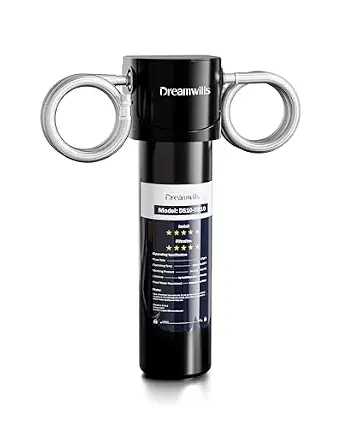 |
| Top Rated A top-rated pick with lots of positive feedback | Waterdrop WD-10UB Under Sink Filter |  |
| Most Popular A crowd favorite that many people choose with confidence | Waterdrop WD-10UA Under Sink Filter | 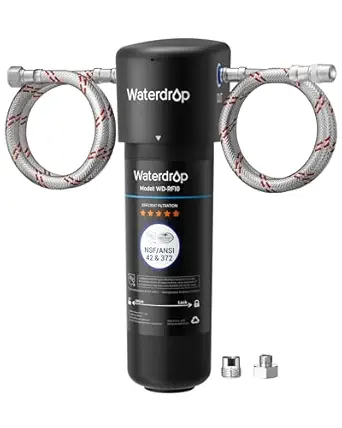 |
| Best Seller A high-volume bestseller chosen again and again | ICEPURE WFS5300A Under-Sink Filter |  |
APEC Water ROES-50

| Purification Method | Reverse Osmosis |
|---|---|
| Filtration Stages | 5-Stage |
| Capacity | 50 gallons |
| Operating Pressure Range | 40-85 psi |
| Filter Life Cycle | 6 months |
The APEC Water ROES-50 is a five-stage under-sink reverse osmosis system designed to deliver very low-TDS, great-tasting water for household drinking and cooking. It mounts under the sink with a separate faucet and includes a storage tank so you have steady flow for filling glasses, pitchers, and kettles. The filtration train uses prefilters to protect the RO membrane, an RO membrane to remove the bulk of dissolved solids and contaminants, and post-filtration to polish taste and odor, which together the listing says reduce 99% or more of common impurities including lead, chlorine, fluoride, and many others. Installation is DIY-friendly with quick-connect fittings and colored tubing, and routine maintenance is limited to periodic filter and membrane replacement every 6 to 24 months depending on incoming water quality. Limitations to note are the modest production rate compared with tankless RO options and the need for under-sink space to mount the system and tank, but for most kitchens this model balances performance, proven contaminant rejection, and serviceability.
Best for: Buyers who want a reliable, proven under-sink RO that delivers very low-TDS drinking water for everyday kitchen use and value straightforward DIY installation and maintenance.
Less Ideal for: Homes that need very high daily RO output or have minimal under-sink space should consider higher-capacity or tankless alternatives instead.
- Five-stage RO train removes a wide range of contaminants for very low TDS water
- Produces up to 50 gallons per day suitable for typical household drinking needs
- Includes storage tank and dedicated faucet for steady flow
- DIY-friendly quick-connect fittings and color-coded tubing simplify installation and servicing
- Comes with a replacement Filter-Max-ES50 set included in the package contents
- Maximum flow rate and daily output are lower than some higher-capacity or tankless RO units
- Requires under-sink space for the system and storage tank
Verdict: An easy-to-install, five-stage RO system that delivers reliably pure drinking water for most households.
iSpring RCC7AK-BN RO System

| Purification Method | Reverse Osmosis, Alkaline, Activated Carbon, Carbon block |
|---|---|
| Power Source | No Power Needed |
| Maximum Flow Rate | 284 liters_per_day |
| Supported Water TDS Level Maximum (PPM) | 750 |
| Filter Life Cycle | 6 months |
The iSpring RCC7AK-BN is a six-stage under-sink reverse osmosis system that removes a broad range of contaminants and adds minerals back into the water for improved taste and balanced pH. It installs under the sink and supplies a dedicated brushed-nickel faucet, with a patented top-mounted fastening design that makes countertop mounting and faucet replacement easier without working below the sink. The system is NSF/ANSI 58 certified and combines sediment, carbon, RO membrane, and an alkaline mineral stage to reduce TDS, PFAS, lead, chlorine and many other contaminants while restoring minerals. It runs without electricity, uses push-to-connect fittings and a transparent first-stage housing for visual filter checks, and pairs with a storage tank for steady delivery. Expect routine filter changes on a 6-month to multi-year cadence depending on the cartridge, and plan for the physical space and occasional DIY maintenance that comes with under-sink RO systems. The clear housing and online installation videos make setup and upkeep approachable for homeowners comfortable with basic plumbing tasks.
Best for: Buyers who prioritize high contaminant reduction and water quality and are willing to install and maintain an under-sink RO system to get near-pure, mineral-balanced drinking water.
Less Ideal for: People who want a maintenance-free or countertop solution or who cannot accommodate an under-sink storage tank and plumbing modifications.
- NSF/ANSI 58 full-system certification for verified contaminant reduction
- Six-stage filtration including alkaline remineralization for improved taste and pH
- Electricity-free operation suitable for kitchens without power at the sink
- Transparent first-stage housing for easy visual checks of sediment buildup
- Top-mounted faucet fastener simplifies installation from above the sink
- Requires under-sink space and periodic cartridge replacements on a set schedule
- Installation and filter changes are DIY-friendly but need basic plumbing comfort
Verdict: Choose the RCC7AK-BN if you want a certified, high-performance under-sink RO that removes a wide range of contaminants and returns mineral-rich, better-tasting drinking water.
PUREPLUS WFS5300A Under-Sink Filter

| Purification Method | Activated Carbon |
|---|---|
| Maximum Flow Rate | 2.5 gpm |
| Capacity | 22000 gallons |
| Supported Water TDS Level Maximum (PPM) | 500 |
| Filter Life Cycle | 5 years |
The PUREPLUS WFS5300A is an under-sink activated carbon cartridge system designed to deliver long-lasting, better-tasting drinking water at the kitchen tap. It uses a composite coconut-shell carbon block certified to NSF/ANSI 42 to reduce chlorine, odor, heavy metals and sediment down to about 0.5 microns while retaining beneficial minerals. The unit is sized for an estimated 22,000-gallon service life (about five years) and supports flow up to 2.5 gpm, so it can supply a faucet for drinking and cooking without a noticeable drop in pressure on most household lines. Installation is intended for cold-water lines and uses quick-connect fittings to simplify hookup under a counter, and the system is built from lead-free, food-grade materials for safety. Limitations include the lack of TDS or reverse-osmosis level purification and a specified cold-water-only requirement, so it will not remove dissolved solids or replace a whole-house softening system. For buyers who want a low-maintenance, high-capacity faucet filter, this balances long filter life with straightforward installation.
Best for: Buyers who prioritize low-maintenance, long-lived filtration for their kitchen faucet and want a simple under-sink system that improves taste and removes chlorine without frequent cartridge changes.
Less Ideal for: Households needing to lower TDS, remove dissolved salts, or treat hot water should consider RO systems or whole-house solutions instead.
- Very high rated capacity of 22,000 gallons for multi-year use
- NSF/ANSI 42 certified carbon filtration for chlorine, taste, odor, and sediment reduction
- Up to 2.5 gallons per minute flow rate suitable for faucet use
- Quick-connect fittings and cold-water hookup simplify under-sink installation
- Built from lead-free, food-grade materials with recognized certifications
- Does not reduce total dissolved solids (TDS) or provide RO-level purification
- Restricted to cold water supply only
Verdict: Choose this under-sink filter if you want a high-capacity, NSF-certified carbon system that reliably improves faucet water taste with minimal maintenance.
Dreamwills DS10 Under Sink Filter

| Maximum Flow Rate | 1.3 gpm |
|---|---|
| Purification Method | Carbon Block |
| Supported Water TDS Level Maximum (PPM) | 600 |
| Filter Life Cycle | 2 years |
| Capacity | 8000 gallons |
The Dreamwills DS10 is an under-sink carbon block filter designed to provide steady, ready-to-drink cold water at a calibrated 1.3 gallons per minute. It installs without tools using included adapters and hoses, so it fits into crowded cabinets and is aimed at simple DIY swaps. The filter uses coconut shell carbon and is tested to NSF/ANSI 42 for chlorine and aesthetic reduction, which helps improve taste and remove bleach-like odors while retaining beneficial minerals. Dreamwills limits the service cycle to about 8,000 gallons or 12 months to keep the carbon fresh and reduce the chance of bacterial growth that can occur with longer life claims. Practical strengths are the fast flow rate for filling glasses and kettles, compact footprint, and a straightforward replacement process; limitations include cold-water-only use and a planned annual replacement that may be more frequent than higher-capacity cartridges. For buyers prioritizing clear drinking water and easy install on a budget, the DS10 is a sensible choice.
Best for: Buyers who want an affordable, easy-to-install under-sink filter that delivers noticeably better tasting cold tap water with minimal fuss and straightforward maintenance.
Less Ideal for: Homes needing hot-water filtration, very high-volume households that prefer multi-year cartridges, or users wanting advanced contaminant removal beyond chlorine and taste.
- Hydraulically calibrated 1.3 GPM flow fills an 8 oz glass quickly while maintaining contact time for filtration
- NSF/ANSI 42 tested for chlorine and aesthetic reduction, improving taste and odor
- Tool-free installation with included adapters makes DIY fitting under most kitchen sinks simple
- Compact housing fits into tight cabinet spaces without crowding other plumbing
- Rated for cold water only, so it cannot be used on hot supply lines
- One-year / 8,000-gallon lifespan requires annual replacements for consistent performance
Verdict: A budget-friendly, compact under-sink carbon filter that delivers fast, NSF-tested improvement to cold tap taste with simple tool-free installation.
Waterdrop WD-10UB Under Sink Filter

| Installation Type | Under Sink |
|---|---|
| Purification Method | Activated Carbon |
| Maximum Flow Rate | 0.75 gpm |
| Filter Life Cycle | 1 years |
| Supported Water TDS Level Maximum (PPM) | 700 |
The Waterdrop WD-10UB is an under-sink activated carbon filtration system that installs on cold water lines and supplies a separate drinking faucet. It uses multistage filtration and an activated carbon block to target chlorine, bad taste and odor, PFAS/PFOA/PFOS and lead, and the cartridge is rated for about 11,000 gallons or roughly one year of use. Installation is straightforward thanks to push-to-connect fittings and a 3/8"–1/2" convertor, and the twist-and-lock filter cartridge makes replacements quick without tools. The unit is designed for municipal cold water only and retains beneficial minerals while removing contaminants, so it is suitable for drinking, cooking and beverage prep. Flow-wise the system supports up to 0.75 gpm at 60 psi (and the faucet can handle higher flows), giving usable faucet output without a long wait. Limits to note are that it is not intended for well water or hot water, and supported TDS reduction is not claimed so a TDS meter will not reflect contaminant removal. For buyers wanting a reliable, easy-to-service under-sink filter that focuses on chemical and heavy-metal reduction, this is a practical choice.
Best for: Buyers who prioritize a dependable, low-maintenance under-sink filter for everyday drinking and cooking water and want straightforward installation and yearly cartridge replacement.
Less Ideal for: People with untreated well water, users who need hot-water filtration, or households requiring ultrafine particulate or microbial filtration should consider other solutions.
- Certified to reduce chlorine, taste and odor and tested to reduce lead and PFAS-related contaminants
- Includes a dedicated stainless steel faucet for separate filtered water
- Quick, tool-free installation with push-to-connect fittings and twist-and-lock filter replacement
- Long cartridge life rated at about 11,000 gallons or one year of typical use
- Designed to retain beneficial minerals while removing harmful contaminants
- Designed for municipal cold water only and not suitable for well water or hot water
- Manufacturer flow specification varies by measurement point so actual household flow may be lower than faucet rating
Verdict: Choose the WD-10UB if you want a reliable, easy-to-install under-sink filter with a dedicated faucet and long-lasting carbon cartridge for chemical and heavy-metal reduction.
Waterdrop WD-10UA Under Sink Filter

| Purification Method | Activated Carbon |
|---|---|
| Maximum Flow Rate | 2.5 gpm |
| Filter Life Cycle | 1 years |
| Supported Water TDS Level Maximum (PPM) | 700 |
| Other Special Features of the Product | NSF/ANSI 42&372, PFAS, PFOA/PFOS and Chlorine Reduction |
The Waterdrop WD-10UA is a compact under-sink activated carbon filter built for household tap water. It installs directly onto the cold-water feed with push-to-connect fittings and a twist-and-lock cartridge that the manufacturer says enables tool-free swapouts in seconds. In daily use it provides drinking and cooking water with reduced chlorine, lead, PFAS/PFOA/PFOS and improved taste while retaining beneficial minerals. The unit is NSF/ANSI 42 certified, rated for municipal cold water only, and has a tested flow performance suitable for a faucet (manufacturer lists up to 1.33 gpm from the 3/8" outlet and 0.75 gpm at 60 psi). The cartridge life is specified as 12 months for typical household use and replacements use the WD-RF10 filter. Practical limitations include cold-water-only operation and the system is not intended for well water or hot lines, and it does not reduce TDS. Its compact footprint and included fittings make it a straightforward choice for renters or homeowners wanting a factory-quality under-sink filter without complex plumbing changes.
Best for: Buyers who prioritize proven contaminant reduction and straightforward, low-effort installation backed by many user reviews and certifications.
Less Ideal for: Users with well water, hot-water filtration needs, or who require TDS reduction or ultra-fine particulate removal should consider different systems.
- NSF/ANSI 42 certification for chlorine and taste reduction
- Tool-free twist-and-lock cartridge and push-to-connect fittings for fast installation and replacement
- Designed to remove PFAS, PFOA/PFOS and lead while retaining beneficial minerals
- Compact under-sink footprint with included hoses and converter fittings
- Designed for municipal cold water only so not suitable for well water or hot-water lines
- Does not reduce total dissolved solids (TDS)
Verdict: A compact, NSF-certified under-sink filter that reliably reduces chlorine, lead, and PFAS while offering fast, tool-free installation and year-long cartridge life.
ICEPURE WFS5300A Under-Sink Filter

| Capacity | 22000 gallons |
|---|---|
| Filter Life Cycle | 3 years |
| Maximum Flow Rate | 2.5 gpm |
| Purification Method | Activated Carbon |
The ICEPURE WFS5300A is an under-sink activated-carbon cartridge filter designed to improve taste and reduce chlorine, lead concerns and large particulates for a dedicated drinking-water line. It installs directly onto a 1/2" or 3/8" cold water supply without drilling a new faucet hole and the vendor emphasizes a quick plug-and-play fit with a tool-free filter change. The unit is NSF/ANSI 42 and 372 certified, uses coconut-shell carbon with a 0.5 micron outer layer, and is rated for 22,000 gallons or about three years of service under normal municipal water use. With a tested flow of up to 2.5 gpm it can supply faucet drinking and cooking needs without a noticeable slowdown. Practical benefits include long filter life that reduces replacement frequency and food-grade materials for safety. Important limits are that it is only for cold-water lines and requires compatible 1/2" or 3/8" female NPT fittings; it also focuses on chlorine, taste, odor and sediment rather than comprehensive multi-stage contaminant removal like some reverse-osmosis systems.
Best for: Buyers who prioritize certified, low-maintenance drinking-water filtration and want an easy-install under-sink solution that keeps replacement frequency low.
Less Ideal for: Homes needing whole-house treatment, hot-water filtration, or comprehensive contaminant removal like reverse-osmosis or multi-stage systems should consider other options.
- NSF/ANSI 42 and 372 certifications for chlorine, taste and lead-free materials
- High-rated service life of 22,000 gallons (about 3 years) reduces replacement frequency
- Tested flow rate up to 2.5 gallons per minute supports normal faucet use
- Quick plug-and-play installation and tool-free 2-second filter change
- Only designed for cold-water lines and specific 1/2" or 3/8" female NPT fittings
- Single-stage activated carbon design does not remove all dissolved contaminants or reduce TDS
Verdict: Choose this certified, long-life under-sink carbon filter if you want an easy-to-install drinking-water solution with high flow and minimal maintenance.
Choosing the Right Under-Sink Water Filter for Faucet: Key Factors to Consider
Filtration Capability
Different under-sink filters target different contaminants. Some are optimized for chlorine taste and odor, while others reduce heavy metals, volatile organic compounds, or cysts. Knowing which contaminants are present in your water—through municipal reports or a test kit—lets you pick a cartridge chemistry and pore rating that address your concerns.
Higher-stage systems can combine sediment, activated carbon, and specialized media to handle multiple issues. Prioritize certified reduction claims for the specific contaminants you care about rather than generic performance statements.
Flow Rate and Faucet Compatibility
Under-sink filters can restrict water flow compared with an unfiltered tap. Check the system's rated gallons per minute at typical household pressure so the dedicated faucet dispenses water fast enough for common tasks. If you expect to fill pitchers or water bottles frequently, choose a model with a higher flow rating.
Also confirm the faucet type the system supports. Some installations route filtered water to a single dedicated drinking faucet, while others integrate with existing faucet lines. Match the product to how you want to use the faucet to avoid surprises during installation.
Installation Complexity
Installation may be a simple DIY job or require additional plumbing work. Typical installs involve mounting a filter housing under the sink, tapping the cold-water line, and running a small tube to a dedicated faucet hole. Look for systems that include clear instructions, labeled fittings, and common adapter sizes.
Consider cabinet space and the orientation of supply lines. If you are not comfortable with basic plumbing tasks, plan for professional help. Also factor in whether the unit requires electrical power, which adds complexity and may not be suitable for every under-sink location.
Filter Life and Ongoing Costs
Cartridge replacement frequency and cost directly affect the long-term cost of ownership. Some filters offer long-life cartridges rated for thousands of gallons, while others require more frequent changes. Estimate your household usage to calculate annual replacement needs.
Also check whether the cartridges are easy to replace and whether routine maintenance is limited to simple cartridge swaps. Systems with fewer proprietary parts and widely available replacements can be more economical over time.
Materials, Durability, and Leak Protection
Under-sink units live in a damp environment and must resist corrosion and leaks. Look for robust housings, reinforced fittings, and included shutoff valves or pressure-relief features. Systems with clear drip trays or built-in leak detectors provide extra protection for cabinetry.
A solid warranty and accessible customer support are important indicators of durability. Prefer designs with metal or reinforced plastic fittings at connection points to minimize the risk of failures at high-use joints.
Certifications and Test Data
Third-party certifications and published test results give confidence that performance claims are accurate. Certifications from recognized labs for specific contaminant reduction help you evaluate how a filter will perform for chlorine, lead, VOCs, or microbial cysts.
When choosing a system, review the scope of any certification and whether it applies to the contaminants you need removed. Certification for one contaminant does not guarantee broad-spectrum performance.
Dedicated Faucet Vs Integrated Supply
Under-sink systems route filtered water in two common ways. A dedicated faucet installs a small spout in your sink or countertop that dispenses only filtered water, keeping the regular sink faucet on the unfiltered supply. This approach isolates filtration and often maximizes flow to the dedicated outlet.
Integrated supply solutions divert filtered water through an existing faucet or a secondary line. These can be convenient when you do not want an extra faucet hole, but they may require more complex plumbing or valves and can restrict flow through the primary faucet.
- Dedicated faucet: separate outlet, usually higher perceived water quality for drinking and cooking.
- Integrated supply: fewer fixtures, may need adapters and careful routing.
Common Installation Steps
Typical installation begins with turning off the cold-water supply under the sink, mounting the filter housing to the cabinet wall, and connecting the inlet to the cold-water line. A small-diameter tube runs from the filter outlet up to the dedicated faucet or the chosen connection point.
Many kits include adapters and a simple saddle valve or T-fitting. After connections are tightened, flush the system per instructions to remove trapped air and carbon fines. Testing for leaks before finishing the job prevents cabinet damage and ensures secure fittings.
- Tools often required: adjustable wrench, drill for faucet hole if needed, and a bucket for water catch
- Always follow manufacturer torque guidance for fittings to avoid over-tightening
Maintaining Performance Over Time
Routine maintenance is primarily cartridge replacement and occasional checks for leaks or mineral build-up. Keep a replacement schedule based on the rated gallon life and your actual usage history to avoid performance degradation.
Flushing the new cartridge after installation is essential to clear trapped media dust. If your water has high sediment, consider a pre-filter or a sediment cartridge to protect downstream carbon stages and extend life.
- Record the install date and estimated replacement date on the cartridge for easy tracking
- Inspect fittings and tubing every few months for signs of wear or seepage
Sizing and Cabinet Planning
Under-sink space varies widely. Measure cabinet depth, height, and the available wall area before selecting a unit. Multi-stage canisters take more vertical space, while compact single canister designs fit into tighter cabinets.
Also account for other items stored under the sink, such as cleaning supplies or garbage disposals. Provide clearance for cartridge removal and replacement so that you can service the system without uninstalling it.
- Leave a few inches of clearance below the filter housing to pull out cartridges
- Confirm that tubing length included in the kit reaches the faucet location without stress
Addressing Hard Water and Scale
Carbon-based under-sink filters reduce taste and odor and many chemical contaminants but do not typically remove dissolved minerals that cause scale. If your water is hard, you may still see buildup on kettles or fixtures despite filtered drinking water.
Combine an under-sink drinking water filter with a whole-house softening solution if scale is a household problem. For point-of-use scale control, look for specialized cartridges labeled for hardness reduction, understanding these are less common and have tradeoffs in capacity.
- Hardness-specific cartridges can reduce mineral content but often require more frequent replacement
- Check whether faucet aerators need periodic cleaning to maintain flow if minerals accumulate
How We Chose the Best Under-Sink Water Filter for Faucet
We prioritized systems that balance measurable filtration performance with straightforward installation and practical lifetime costs. Key evaluation criteria included: 1) contaminant reduction—ability to reduce chlorine, lead, VOCs, and common hard-water contaminants when applicable; 2) flow rate and cold-water output—enough gallons per minute to supply a dedicated faucet without long waits; 3) filter life and replacement cost—intervals and ease of replacing cartridges; 4) installation complexity and required tools—clear instructions and compatibility with standard under-sink plumbing; and 5) build quality and leak protection—durable housings, solid fittings, and included shutoff or pressure-relief features. We excluded countertop or whole-house systems and any filter solutions that require specialized plumbing modifications beyond typical DIY skills. Units were favored that provide clear performance specifications and third-party testing data. The lineup emphasizes systems that perform well for both municipal and common well-water issues, while keeping ongoing maintenance reasonable for most households.
Our full evaluation process is outlined in our review methodology.
FAQ
How often should I replace the under-sink filter cartridge?
Replacement frequency usually depends on the cartridge capacity and your household usage. Many cartridges are rated for 6 to 12 months or a specific gallon capacity. If water flow slows or taste changes, replace the cartridge sooner.
Can I install an under-sink filter myself without a plumber?
Many under-sink filters are designed for DIY installation and include adapters for standard supply lines. Basic plumbing skills are sufficient for most installs, but if you are uncomfortable cutting or tapping supply lines, consider professional help.
Will an under-sink filter remove lead and chlorine?
Some under-sink cartridges are formulated and certified to reduce lead and chlorine. Check the product specifications or certification claims to confirm which contaminants a particular cartridge is tested to reduce.
Does an under-sink filter affect water pressure at the faucet?
A properly sized under-sink filter may slightly reduce pressure or flow compared with an unfiltered tap. Choosing a model with an adequate flow rate for your needs minimizes noticeable differences during everyday use.
What if my water has high sediment or iron?
High sediment or iron can clog carbon cartridges more quickly. Consider a pre-sediment stage or a filter specifically designed to handle iron and particulates to protect primary carbon stages and extend service life.
Final Verdict
When choosing an under-sink water filter for a faucet, prioritize the contaminants you need removed and match the system capacity to your household usage. Balance filtration capability with flow rate and installation simplicity so the system fits your cabinet space and DIY comfort level. Account for long-term cartridge costs and look for clear certification or test data for the specific contaminants you care about. Focus on systems that offer straightforward access for replacement, reliable fittings to prevent leaks, and the filtration stages that address your water report. With those priorities in mind, you can confidently choose an under-sink solution that delivers cleaner, better-tasting water at your faucet.