
Note: This article contains affiliate links. If you click on these links and make a purchase, we may earn a small commission at no extra cost to you. This helps support our research and content. Read our full affiliate disclosure here.
If you are focused on reducing fluoride in your drinking water, the right water filter makes a measurable difference for daily use. A filter designed specifically for fluoride removal changes how you approach hydration, cooking, and beverage prep by removing a contaminant many standard filters do not target. This guide shortlists seven top water filters for fluoride removal that suit different setups and household needs. We evaluated each option for fluoride reduction performance, practical flow and capacity, and long-term upkeep. Read on for the criteria we used and practical guidance to pick the right system for your home.
Top Picks at a Glance
| Best Overall The best all-around choice for most situations | DREO RO Countertop WF112 | 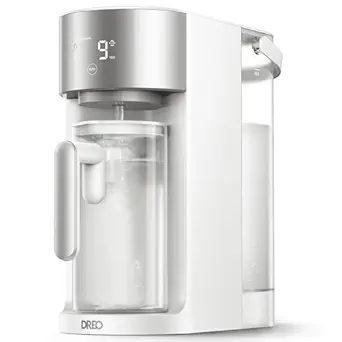 |
| Best Quality Built to a higher standard if you want something more solid | Berkey Royal RB4X2 |  |
| Best Value The sweet spot between price and what you get | ZeroWater 23-Cup Water Dispenser |  |
| Best Budget The cheapest option that still gets the job done reliably | Waterdrop Lucid Pitcher WD-PT-07B |  |
| Top Rated A top-rated pick with lots of positive feedback | Waterdrop WD-10UA Under Sink Filter | 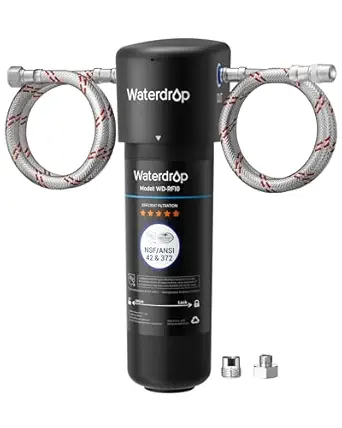 |
| Most Popular A crowd favorite that many people choose with confidence | Brita Large Water Filter Pitcher |  |
| Best Seller A high-volume bestseller chosen again and again | Brita Metro 6-Cup Pitcher |  |
DREO RO Countertop WF112

| Purification Method | Reverse Osmosis |
|---|---|
| Capacity | 3 liters |
| Pure to Drain Rate | 3:1 |
| Included Components | WF112 Body, RO Filter, Autofill Pitcher |
| Filter Life | 265 gallons (1000L) |
The DREO WF112 is a countertop reverse osmosis system designed to deliver low-TDS water without permanent installation. It uses a multi-stage (7-in-1) RO filter and reports real-time TDS for both feed and product water, so you can see fluoride and other dissolved solids reduction at a glance. Setup is installation-free: the unit sits on the counter and fills a 3 liter reservoir while an included 1.1L autofill pitcher lets you grab filtered water quickly. The system supports auto-flush/self-clean cycles to keep internal lines clear and a twist-in replacement filter makes servicing straightforward. The manufacturer quotes a 3:1 pure-to-drain ratio and a filter life of roughly 265 gallons (1000 L), which balances water waste against effective contaminant removal. Limitations include a modest daily capacity suited to one to two people and reliance on periodic filter changes, so it is not ideal where high throughput or whole-house treatment is needed. For its size it provides strong contaminant removal and clear monitoring tools that simplify maintenance.
Best for: Buyers who want a portable, installation-free RO unit that shows real-time TDS readings and provides reliably low-TDS drinking water for one to two people.
Less Ideal for: Homes needing high daily filtered volumes, whole-house treatment, or higher-capacity family use should consider under-sink or plumbed systems instead.
- 7-stage RO filtration with built-in TDS meter for visible reduction in dissolved solids
- Autofill pitcher and 3L reservoir for convenient, installation-free use
- Self-cleaning/auto-flush feature helps reduce biofilm and maintenance needs
- Twist-to-install filter cartridge simplifies replacements
- Filter capacity is limited to about 265 gallons before replacement is needed
- 3:1 pure-to-drain ratio still produces wastewater compared with non-RO options
Verdict: If you want a compact, installation-free countertop RO that visibly monitors TDS and removes fluoride-level contaminants, the DREO WF112 is a convenient pick for one to two people.
Berkey Royal RB4X2

| Capacity | 12.65 liters |
|---|---|
| Material Type | AISI 304 Stainless Steel |
| Purification Method | Black Berkey proprietary filter media + PF-2 elements |
| Power Source | Gravity |
| Supported Water TDS Level Maximum (PPM) | 1000 |
The Royal Berkey RB4X2 is a gravity-fed stainless steel countertop filter built for households that need reliable, high-performance filtration without plumbing or power. It pairs two Black Berkey purification elements with two PF-2 fluoride and arsenic reduction elements so you get broad-spectrum contaminant removal plus specific reduction of fluoride and certain arsenic species. Typical use is simple: fill the polished upper chamber, let gravity pull water through the filters into the lower chamber, and dispense from the spigot for drinking, cooking, or filling bottles. The system is tested to reduce hundreds of common contaminants and the Black Berkey elements are rated for long service life, making ongoing cost per gallon low. The stainless construction is durable and countertop-friendly, and the unit can be expanded to more elements for higher throughput. Expect a slower fill-to-use time compared with active systems and routine maintenance to keep peak performance, but for people focused on fluoride reduction and thorough contaminant removal without electricity, this is a strong, long-lasting option.
Best for: Buyers who prioritize independent contaminant removal and verified fluoride reduction without relying on plumbing or electricity and who want a durable countertop system for everyday drinking water.
Less Ideal for: People who need high-volume, instant filtered water for large households or who prefer a hard‑plumbed or electric filtration system with faster flow rates.
- Includes PF-2 elements specifically designed to reduce fluoride and arsenic when used with Black Berkey elements
- Black Berkey elements are independently tested to remove or reduce 200+ common contaminants
- Durable AISI 304 stainless steel construction suitable for countertop use
- Expandable to up to 4 Black Berkey and 4 PF-2 elements for increased flow and capacity
- Gravity-fed design has slower output than powered filtration systems
- Requires periodic maintenance and eventual filter replacement based on source water quality
Verdict: If you want a countertop system that combines proven Black Berkey purification with PF-2 filters for targeted fluoride reduction without needing power or plumbing, this system delivers reliable, long-lasting performance.
ZeroWater 23-Cup Water Dispenser

| Capacity | 5.4 liters |
|---|---|
| Purification Method | Ion Exchange |
| Power Source | Manual/Gravity-fed |
| Included Components | 23-Cup Dispenser, 5-Stage Filter, TDS Meter |
| Certification | IAPMO certified to reduce PFOA/PFOS, lead, chromium, mercury |
The ZeroWater 23-Cup Dispenser is a gravity-fed, countertop filtration system designed for households that want low-TDS drinking water without a plumbed installation. Its five-stage ion exchange filter reduces total dissolved solids and is IAPMO certified to reduce lead, PFOA/PFOS, chromium and mercury, and the included TDS meter makes it easy to check when the filter needs replacing. Ready-Pour technology lets you drink while the reservoir is still filtering and the spigot makes filling bottles convenient for daily use. Because it is manual and uses proprietary ZeroWater replacement filters, expect ongoing filter costs and the need to replace cartridges based on your water quality and usage. The plastic construction keeps weight and cost down but is less premium than glass or stainless options. This dispenser is best used on a counter or in a small office where users want measurable reductions in dissolved solids and certified removal of certain contaminants.
Best for: Buyers who prioritize measurable reduction of dissolved solids and certified removal of heavy metals and PFAS and who prefer a simple, non-plumbed countertop system.
Less Ideal for: People who want a plumbed-in under-sink solution, glass or stainless construction, or a filter that uses universal cartridges should look elsewhere.
- Five-stage ion exchange filtration that targets dissolved solids and certified contaminants
- Includes a TDS meter so you can monitor filter life and water quality
- Large 23-cup capacity reduces refill frequency for families or small offices
- Ready-Pour spigot allows dispensing while the reservoir refills
- Requires proprietary replacement filters so ongoing cost and availability matter
- Made of plastic which feels less premium and may stain over time
Verdict: Choose this dispenser if you want a large, countertop filter with a TDS meter and certified five-stage filtration to drive dissolved solids and certain contaminants down to near zero.
Waterdrop Lucid Pitcher WD-PT-07B

| Capacity | 2.4 liters |
|---|---|
| Filter Life Cycle | 200 gallons / 3 months |
| Purification Method | Activated Carbon |
| Maximum Flow Rate | 0.5 gpm |
The Waterdrop Lucid pitcher is a compact, non-electric countertop pitcher that uses a multi-stage activated carbon filter to improve taste and reduce contaminants commonly found in tap water. It holds about 10 cups and fits most refrigerators, making it convenient for daily drinking, cooking, coffee and tea. Notable features include an LED smart indicator that monitors filter life and a hands-free lid for cleaner pouring. The filter is rated for roughly 200 gallons or three months, which the vendor positions as a longer lifespan than many basic pitcher filters, so replacements are less frequent. Practical benefits are straightforward: noticeably reduced chlorine and some heavy metals that improve flavor, simple maintenance, and no power required. Important limitations for this article topic are that the product description does not claim TDS reduction and it does not specifically advertise fluoride removal, so it may not address fluoride the way dedicated fluoride-removal systems do.
Best for: Buyers looking for an inexpensive, low-maintenance pitcher that improves taste and reduces common contaminants for everyday drinking water.
Less Ideal for: Households specifically needing certified fluoride reduction or TDS lowering should consider dedicated fluoride-targeted or reverse osmosis systems instead.
- Long-life filter rated up to 200 gallons or about three months between changes
- LED indicator shows filter usage status and reminds when replacement is due
- Hands-free lid design reduces dust exposure during pouring
- Compact 10-cup capacity that fits most refrigerator doors
- Manufacturer does not claim fluoride removal or TDS reduction
- Replacement filter compatibility requires verifying model (PF-01A) before ordering
Verdict: A budget-friendly pitcher that reliably improves taste and reduces common contaminants but is not marketed as a fluoride-removal solution.
Waterdrop WD-10UA Under Sink Filter

| Purification Method | Activated Carbon |
|---|---|
| Installation Type | Under Sink |
| Maximum Flow Rate | 2.5 gpm |
| Filter Life Cycle | 1 years |
| Material Type | NSF/ANSI Approved Components |
The Waterdrop WD-10UA is an under-sink activated carbon filtration system meant for standard municipal cold water feeds. It installs directly to a 3/8" or 1/2" cold-water line using push-to-connect fittings and a twist-and-lock cartridge, making install and cartridge swaps quick without tools. The filter targets chlorine, bad taste and odor, lead, and certain PFAS/PFOA compounds while retaining beneficial minerals, and Waterdrop rates the cartridge for roughly 12 months of household use. Practical benefits include a compact vertical housing that fits easily under most cabinets, a relatively fast flow for this class (manufacturer-stated up to 1.33 gpm from the 3/8" outlet), and NSF/ANSI component-level approvals that support its contaminant claims. Important limitations: it is designed only for cold, municipal water (not well water or hot water), it uses a single-stage carbon approach so it will not remove fluoride or provide ultrafiltration-level particle removal unless paired with compatible upgraded cartridges, and replacement filter compatibility and lifespan depend on local water quality. For buyers who prioritize dependable, easy-to-service under-sink filtration for tap-sourced water, this system is straightforward and practical.
Best for: Buyers who want a reliable, low-maintenance under-sink filter for municipal cold tap water and value easy installation and predictable annual cartridge replacement.
Less Ideal for: People needing fluoride removal, bacterial/ultrafiltration, or treatment for well water should look for systems with dedicated fluoride or UF/RO stages instead.
- Quick twist-and-lock cartridge and push-to-connect fittings for fast tool-free installation and changing.
- NSF/ANSI approved components that back the product's contaminant reduction claims.
- Compact vertical housing fits easily under cabinets and in confined spaces.
- Manufacturer-rated 12-month filter life suitable for typical household municipal water use.
- Not intended for well water or hot water applications.
- Single-stage activated carbon does not remove fluoride without adding a compatible specialty cartridge.
Verdict: Choose the WD-10UA if you need a compact, easy-to-install under-sink carbon filter that reliably improves municipal tap water taste and reduces chlorine and certain PFAS and lead.
Brita Large Water Filter Pitcher

| Capacity | 10 ounces |
|---|---|
| Purification Method | Granular Activated Carbon |
| Filter Life Cycle | 2 months |
| Power Source | Manual |
| Material Type | Plastic |
The Brita Large Water Filter Pitcher is a freestanding, manual pitcher designed to make tap water taste better by reducing chlorine odor and selected metals using granular activated carbon and ion exchange media in the included filter. You fill the flip-top lid reservoir and filtered water collects in the 10-cup pitcher for pouring or refrigeration, and a sticker indicator reminds you when to replace the filter (about every 40 gallons or 2 months). The pitcher is lightweight plastic and fits on fridge shelves, so it is convenient for everyday use and families who want an easy way to reduce common tap contaminants and avoid single-use bottles. Important limitations for this article: the product and its filter are certified to reduce chlorine, copper, cadmium and mercury but are not intended to remove fluoride or to purify microbiologically unsafe water, so it will not meet fluoride-removal needs. The practical benefits are simple operation, fridge-friendly shape, and widely available replacement filters, while buyers needing fluoride reduction will need a different filtration method.
Best for: Buyers who prioritize proven contaminant reduction for taste and common metals and who want an easy, fridge-friendly pitcher with clear replacement cadence and broad user acceptance.
Less Ideal for: People specifically seeking fluoride removal or a purification system for microbiologically unsafe water should choose a specialized filter or treatment system instead.
- Reduces chlorine taste and odor plus select heavy metals like copper, cadmium and mercury
- Compact 10-cup capacity that fits refrigerator shelves and pours easily
- Includes one replaceable Brita filter with a typical life of about 40 gallons or 2 months
- BPA-free plastic construction and lightweight for everyday handling
- Not designed or certified to remove fluoride
- Plastic pitcher and reservoir may retain minor carbon dust during initial fills
Verdict: Choose this pitcher if you want a simple, fridge-friendly solution to improve tap water taste and reduce chlorine and certain metals, but not for fluoride removal.
Brita Metro 6-Cup Pitcher

| Filter Life Cycle | 2 months |
|---|---|
| Maximum Flow Rate | 9.7 milliliters_per_second |
| Supported Water TDS Level Maximum (PPM) | 500 |
| Upper Temperature Rating | 85 °F |
| LowerTemperature Range | 32 °F |
The Brita Metro 6-cup pitcher is a space-saving, plastic pitcher designed for everyday filtered tap water in small households or dorms. You fill the top reservoir and water passes through a Brita Standard filter that uses activated carbon and ion-exchange resin to reduce chlorine taste and odor and select heavy metals like copper, mercury, and cadmium, while the SmartLight filter indicator tracks filter life and signals replacement roughly every 40 gallons or two months. Its slim profile fits most refrigerator doors and the easy-fill lid makes refilling convenient without removing the pitcher. The included Standard filter is compatible across Brita pitchers and replaces many single-use bottles, which helps lower recurring bottled-water costs. Important to know for this article's focus: Brita Standard and Plus filters are not marketed or certified for fluoride removal, so this pitcher will not reliably remove fluoride from tap water. For buyers prioritizing fluoride reduction you should look at systems specifically certified for that purpose.
Best for: A cautious buyer who wants an easy, certified way to improve tap water taste and reduce chlorine and some heavy metals without complex installation, especially for small households or dorms.
Less Ideal for: Anyone whose primary concern is fluoride removal or who needs an NSF-certified fluoride-reduction system should choose a filter or system specifically certified for that contaminant.
- Compact, fridge-friendly 6-cup design fits most mini-fridge doors
- SmartLight indicator notifies when the Standard filter needs replacing
- Reduces chlorine taste and odor plus select heavy metals for better-tasting water
- Standard filters are widely compatible across Brita pitchers and replace many single-use bottles
- Standard filters are not certified to remove fluoride
- Made of plastic rather than higher-end materials
Verdict: This pitcher is a reliable, fridge-friendly choice for improving taste and reducing chlorine and select heavy metals but it is not suitable if you need fluoride removal.
Choosing the Right Water Filter for Fluoride Removal: Key Factors to Consider
Measured Fluoride Removal
How much fluoride the system removes matters more than marketing claims. Look for filters with independently verified reduction percentages or lab test results that specify inlet and outlet concentrations. Performance should be shown across realistic flow rates and water chemistries rather than just ideal conditions.
Knowing the expected post-filter fluoride concentration helps you compare systems on the basis of safety goals and local water levels. If your municipal supply already has low fluoride, a modest reduction may be enough; if levels are higher, prefer systems that demonstrate higher percentage removal and lower final concentrations.
Flow Rate and Daily Throughput
A filter that removes fluoride but flows too slowly will frustrate daily use. Check rated flow rates and practical throughput before choosing a system. Whole-system or under-sink units typically deliver steady flow for kitchen taps, while point-of-use or pitcher-style filters may be slower and better for occasional use.
Consider household size and peak usage times. Larger families need higher throughput or a storage tank to avoid long waits. Also evaluate whether the manufacturer specifies flow at realistic pressure ranges, as municipal water pressure affects delivered flow.
Filter Life and Replacement Frequency
Filter longevity affects both convenience and cost of ownership. Units with shorter-lived cartridges may offer excellent removal but require frequent replacement, which increases maintenance time and ongoing expense. Conversely, long-life cartridges reduce service frequency but may cost more upfront.
Check the stated liters or gallons per cartridge and whether that estimate is based on average water quality. Hard water or high particulate loads can shorten life. Also verify whether replacement filters are readily available and whether the changeover process is straightforward to avoid downtime.
Installation Requirements and Compatibility
Installation constraints determine whether you can use a system where you need it. Some fluoride-removal systems require under-sink space, a dedicated faucet, or a connection to the cold-water line. Countertop or pitcher options may need minimal installation but offer lower capacity.
If you rent or prefer minimal plumbing changes, choose systems with simple, reversible installations. For a built-in kitchen solution, confirm that under-sink dimensions and connection types match your plumbing to avoid unexpected adapters or professional installation.
Maintenance and Monitoring
Ongoing maintenance keeps fluoride reduction consistent. Look for clear replacement schedules, indicator systems that signal when media is spent, and straightforward cartridge replacement procedures. Systems that require backwashing or periodic sanitizing add extra steps to upkeep.
Consider whether the system has accessible customer support and whether replacement parts are commonly stocked. Simpler maintenance routines help ensure the system remains effective without frequent service visits.
Byproduct and Water Taste Impact
Some fluoride-removal media can alter water taste or remove beneficial minerals. Understand how the chosen technology affects overall water quality and flavor. For users sensitive to taste changes, systems that balance contaminant removal with mineral retention may be preferable.
If preserving certain minerals is important, check whether the system includes remineralization stages or if it is known to produce noticeably flat-tasting water. Taste considerations can influence whether you use the system for drinking, cooking, or both.
Common Technologies That Remove Fluoride
A few established technologies are used to reduce fluoride. Activated alumina is a common media that selectively adsorbs fluoride when contact time and pH are appropriate. Reverse osmosis membranes provide high removal rates for many dissolved solids including fluoride when configured properly. Certain specialized ion-exchange resins are formulated to target fluoride while leaving other ions relatively unaffected.
Each technology has tradeoffs. Reverse osmosis can deliver strong removal but may require a storage tank and produces some wastewater. Adsorptive media can be efficient and produce little waste but relies on periodic media replacement and may be sensitive to water pH. Understanding the underlying method helps set expectations for performance, maintenance, and installation.
- Activated alumina: good fluoride adsorption, sensitive to pH and contact time
- Reverse osmosis: high removal across many contaminants, needs tank and drain
- Ion exchange: targeted removal with manageable maintenance in many setups
Testing and Verifying Performance at Home
Confirming that a system actually reduces fluoride requires testing. Home test kits offer a basic check, while certified lab testing gives precise concentrations. If you rely on municipal water reports, compare pre- and post-filter results to see real improvements.
Look for systems with published third-party test reports or NSF/ANSI certifications that cover fluoride or related contaminants. Periodic testing after installation can verify the filter is functioning and indicate when cartridge replacement is necessary.
- Use a home test kit for rough checks and a lab test for precise measurements
- Compare pre- and post-filter levels to validate claimed reduction
- Retest after significant cartridge changes or seasonal water quality shifts
Sizing Solutions for Household Demand
Match system capacity and flow to how much filtered water your household uses. A pitcher or small countertop unit may be fine for one or two people, while families will likely prefer under-sink or whole-kitchen options with higher throughput. Consider whether a storage tank is acceptable for your workflow and counter space.
Also consider future needs. If you plan to expand household use or add a second bathroom faucet for filtered water, choose a system that can scale or be upgraded without replacing the entire unit.
- Estimate daily liters per person and multiply by household size
- Factor in peak times such as mornings and meal prep
- Choose a system with at least 20 to 30 percent more throughput than current average use for headroom
Practical Maintenance Tips
Establish a replacement schedule based on the manufacturer's rated capacity and your local water profile. Keep spare replacement cartridges on hand so performance does not lapse. When changing cartridges, follow sanitary steps to avoid introducing contaminants into the system.
Flush new cartridges as recommended and document installation dates. If the system uses media that is sensitive to pH or chlorine, consider pre-treatment steps such as sediment or chlorine pre-filters to protect fluoride-removal media and extend its life.
- Record cartridge install dates and set calendar reminders for replacement
- Flush new media according to instructions to remove setup debris
- Install sediment or chlorine pre-filters where applicable to protect media
Installation Options and What to Expect
Installation ranges from no-plumb, plug-and-play countertop units to under-sink systems requiring a dedicated faucet and connections to the cold-water feed. Reverse osmosis typically requires a drain connection for reject water and space for a storage tank. Pitcher-style and small countertop filters need minimal setup but deliver lower capacity.
If you are not comfortable with basic plumbing tasks, factor in the potential need for professional installation. Check whether the system includes clear instructions and common adapters for typical sinks and faucets.
- Countertop and pitcher units: minimal installation, lower throughput
- Under-sink units: higher capacity, may require a dedicated faucet
- Reverse osmosis: needs drain and storage tank, higher installation complexity
How We Chose the Best Water Filter for Fluoride Removal
We selected products that demonstrate clear capability to reduce fluoride and that match common household installation styles. Our evaluation prioritized measurable fluoride reduction based on published test data or independently verified lab results, plus sustained flow rate under typical household demand. We also considered system capacity and filter life, since frequent cartridge replacement affects ongoing cost and convenience. Installation complexity and compatibility with common plumbing or countertop setups were reviewed to help buyers understand setup effort. Maintenance needs such as filter replacement frequency and ease of servicing were included because they determine whether the system stays effective over time. We excluded general-purpose carbon-only pitchers and faucet aerator attachments that do not claim or document fluoride reduction. Units without testable performance data or clear specification sheets were not considered. The shortlist balances verified fluoride removal, usable flow and capacity, manageable maintenance, and installation fit for typical home kitchen or under-sink locations.
Our full evaluation process is outlined in our review methodology.
FAQ
Does a standard carbon pitcher remove fluoride?
Usually not. Carbon-only pitchers target chlorine, taste, and some organic compounds but do not reliably remove fluoride. For fluoride reduction, look for systems that explicitly list fluoride removal or use technologies known to target dissolved ions.
How often should I test my filtered water for fluoride?
Testing annually is a reasonable baseline, though test frequency should increase if you notice taste changes, after filter media replacement, or if your source water chemistry changes. Periodic testing confirms the system remains effective.
Will a fluoride-removal system remove other contaminants too?
It depends on the technology. Reverse osmosis systems remove many dissolved solids in addition to fluoride. Adsorptive and ion-exchange media may selectively remove fluoride while leaving other minerals. Check the system specifications for the list of contaminants it reduces.
Can I install a fluoride-removal unit myself?
Many point-of-use and countertop systems are user-installable with basic hand tools. Under-sink and reverse osmosis systems can often be installed by a competent DIYer, but drain connections and tight spaces may make professional installation advisable for some homeowners.
Does removing fluoride change water taste?
Removing fluoride alone typically has minimal direct taste impact, but the overall taste can change if the system also removes minerals or other compounds. If taste is a concern, consider systems that include a remineralization or polishing stage.
Final Verdict
Prioritize verified fluoride removal and realistic flow capacity when choosing a water filter for fluoride removal. Balance removal efficacy with practical considerations such as installation, filter life, and maintenance workload so the system remains effective and convenient over time. Decide whether you need a compact point-of-use solution for occasional drinking water or a higher-capacity under-sink or tanked system for whole-kitchen use. Focus on measurable reduction data and serviceability to choose with confidence.