
Note: This article contains affiliate links. If you click on these links and make a purchase, we may earn a small commission at no extra cost to you. This helps support our research and content. Read our full affiliate disclosure here.
If you spend nights at trailhead camps or basecamps and rely on stored or campground water, installing the right under-sink water filter for hiking can make a big difference in taste and safety. Portable filters and pump filters are great on the trail, but an under-sink setup at a basecamp, cabin, or long-term campsite gives you steady, hands-free access to treated water. This guide covers seven shortlisted under-sink water filters for hiking use, chosen for ease of installation, reliable contaminant reduction, and durable components suited to outdoor or seasonal setups. We evaluate filtration performance, flow rate, ease of maintenance, and build quality to help you pick the option that matches how and where you camp. Read on to see which features matter most for basecamp filtration and why these systems made our list.
Top Picks at a Glance
| Best Overall The best all-around choice for most situations | FRIZZLIFE SW10 Under Sink Filter |  |
| Best Quality Built to a higher standard if you want something more solid | 3M Aqua-Pure FF100 Under-Sink Filter |  |
| Best Value The sweet spot between price and what you get | PUREPLUS WFS5300A Under Sink Filter |  |
| Best Budget The cheapest option that still gets the job done reliably | Dreamwills DS10 Under Sink Filter | 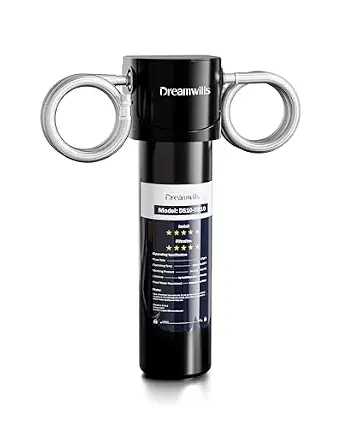 |
| Top Rated A top-rated pick with lots of positive feedback | Waterdrop WD-15UB Under-Sink Filter |  |
| Most Popular A crowd favorite that many people choose with confidence | Waterdrop WD-10UA Under-Sink Filter | 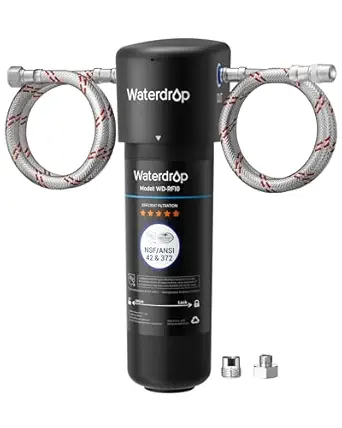 |
| Best Seller A high-volume bestseller chosen again and again | ICEPURE WFS5300A Under-Sink Filter |  |
FRIZZLIFE SW10 Under Sink Filter

| Purification Method | Carbon Block |
|---|---|
| Maximum Flow Rate | 2 gpm |
| Upper Temperature Rating | 100 °F |
| Filter Life Cycle | 16 months |
| Capacity | 8000 gallons |
The FRIZZLIFE SW10 is an under-sink carbon block filter that combines a sediment prefilter and 0.5 micron coconut carbon block in a single replaceable cartridge to cut chlorine, lead, VOCs and common taste and odor issues. It installs directly to a faucet line with included hardware and durable lead-free brass fittings, so typical DIY setups take only a few minutes and replacement is a simple twist-out that does not require swapping a plastic housing. With a rated flow up to 2 gallons per minute the system supports normal kitchen use and can be adapted to an ice maker with an optional kit. The cartridge life is long for this class, listed at about 12 to 16 months or up to 8,000 gallons, which reduces maintenance frequency. Important limits: the unit is for cold water only and is an under-sink point-of-use system, so it does not treat whole-house water or remove every contaminant (do not expect full TDS reduction). For buyers wanting a compact, easy-to-service under-sink filter that focuses on taste, chlorine and heavy metal reduction, the SW10 is a practical choice.
Best for: Buyers who want a compact, low-maintenance under-sink filter that improves drinking water taste and removes common contaminants with straightforward DIY installation and infrequent cartridge changes.
Less Ideal for: People who need whole-house treatment, hot-water filtration, or certifications for contaminants beyond those listed should consider other systems.
- 0.5 micron multi-layer carbon block cartridge reduces chlorine, lead, VOCs and bad taste
- Long cartridge life rated 12–16 months or up to 8,000 gallons per cartridge
- Quick DIY installation with included inlet hose and durable lead-free brass fittings
- High flow rate up to 2 gallons per minute for normal kitchen use
- Cold-water only system so it cannot be used with hot lines
- Point-of-use under-sink design does not provide whole-house filtration
Verdict: A compact, easy-to-install under-sink filter that delivers long-lasting 0.5 micron carbon-block filtration for better tasting, lower-lead cold drinking water.
3M Aqua-Pure FF100 Under-Sink Filter

| Flow rate | Up to 2.5 GPM |
|---|---|
| Capacity | Up to 6,000 gallons |
| Included components | Filter head assembly, FF101 cartridge, mounting screws |
| Certifications | NSF Standard 42 and 53 |
The 3M Aqua-Pure FF100 is an under-sink full-flow filtration system intended to supply drinking and cooking water without a separate faucet. It uses a three-stage process—nonwoven prefilter, pleated sub-micron membrane, and carbon block—to capture larger particles, reduce particulates down to about 0.2 micron, and remove chlorine taste, odor, and some VOCs. Installers mount the included head and FF101 cartridge under the sink and connect to the cold-water line using the 3/8" NPT fittings; the head includes a built-in shut-off and a Sanitary Quick Change (SQC) cartridge design for tool-free, hygienic swaps. The system is NSF certified to standards 42 and 53 and is sized to flow at faucet rate (up to 2.5 GPM), so it preserves water pressure during normal use. It has a claimed capacity up to 6,000 gallons, making it a low-maintenance option for continuous household drinking water. This is a performance-focused under-sink unit that balances high flow, broad contaminant reduction, and easy cartridge changes, though installation requires basic plumbing parts and some DIY skill.
Best for: Buyers who prioritize high-throughput, certified contaminant reduction for everyday drinking and cooking water and want a low-maintenance under-sink solution that preserves faucet pressure.
Less Ideal for: People seeking a portable or backpacking water filter or a separate dedicated drinking-water faucet should look at compact or field-ready filters instead.
- Triple-stage filtration that reduces particulates, lead, chlorine taste and odor, and select VOCs.
- Full-flow design rated up to 2.5 gallons per minute to maintain faucet pressure.
- Sanitary Quick Change (SQC) cartridge and built-in shut-off for fast, hygienic filter replacements.
- NSF certified to standards 42 and 53 for verified contaminant reduction.
- Included mounting head and cartridge simplify a one-location installation under the sink.
- Requires plumbing connections and possible additional fittings for installation.
- Not a dedicated countertop or portable unit, so it cannot be used away from the sink.
Verdict: Choose the FF100 when you want a certified, high-flow under-sink filter that delivers continuous, better-tasting drinking water with easy, sanitary cartridge changes.
PUREPLUS WFS5300A Under Sink Filter

| Purification Method | Activated Carbon |
|---|---|
| Capacity | 22000 gallons |
| Maximum Flow Rate | 2.5 gpm |
| Filter Life Cycle | 5 years |
| Certifications | NSF/ANSI 42; NSF/ANSI 372 |
The PUREPLUS WFS5300A is an under-sink activated carbon filter designed to deliver long-lasting, better-tasting water for household use. It installs on a cold water line and uses a 6-in-1 composite coconut shell carbon block to reduce chlorine, odor, heavy metals, and sediment with 0.5 micron filtration and NSF/ANSI 42 certification. The unit is rated for 22,000 gallons or about five years of typical use and supports flow up to 2.5 gpm, so it can supply drinking and cooking water without a noticeable drop in faucet pressure. The quick-connect fittings simplify installation and help minimize leaks, though it requires compatible 1/2" or 3/8" female fittings and a cold-water hookup. Because it retains beneficial minerals and does not lower TDS, it is better for improving taste than for desalination or RO-level purification. Overall, this is a cost-effective, low-maintenance under-counter filter for anyone needing long service life and steady flow for daily kitchen use, with the caveat that it is not intended for removing dissolved solids or replacing a whole-house well treatment system.
Best for: A pragmatic buyer who wants a low-maintenance under-sink filter that delivers long service life and reliable faucet flow for drinking and cooking water in a primary household kitchen.
Less Ideal for: Not a good choice for someone who needs RO-level purification or wants a portable filter for outdoor use while hiking.
- High certified capacity of 22,000 gallons for long service life
- NSF/ANSI 42 certification for chlorine and odor reduction
- Activated carbon block with 0.5 micron filtration removes heavy metals and sediment
- Up to 2.5 gpm flow rate suitable for normal kitchen faucet use
- Quick-connect fittings simplify installation and reduce leak risk
- Does not reduce TDS or act as a reverse-osmosis system
- Requires cold-water connection and compatible female threaded fittings
Verdict: Choose this unit if you want a simple, long-lasting under-sink carbon filter that reliably improves taste and supplies steady faucet flow for everyday kitchen use.
Dreamwills DS10 Under Sink Filter

| Maximum Flow Rate | 1.3 gpm |
|---|---|
| Purification Method | Carbon Block |
| Filter Life Cycle | 2 years |
| Supported Water TDS Level Maximum (PPM) | 600 |
| Capacity | 8000 gallons |
The Dreamwills DS10 is an under-sink carbon block filter that delivers a steady 1.3 gpm flow while reducing chlorine, bad tastes, and odors using coconut shell carbon. It installs without tools by connecting to the cold-water valve, and its compact housing fits easily into crowded cabinets. The manufacturer rates the filter for 8,000 gallons or a 12-month freshness cycle to limit bacteria growth from long-term cartridges, and the unit is tested to NSF/ANSI 42 for chlorine and aesthetic reduction. In practical use it provides near-instant cold drinking water suitable for coffee, cooking, and refilling bottles, with a measured fill time of about three seconds for an 8 oz glass. Limits include the focus on cold water only and its design for typical household under-sink use rather than portable or outdoor applications, and it does not claim TDS reduction. For someone seeking an affordable, easy-to-install kitchen filter that preserves beneficial minerals and improves taste, the DS10 is a straightforward choice.
Best for: Buyers who want an inexpensive, easy-to-install under-sink filter that improves tap taste and odor with minimal fuss and maintenance.
Less Ideal for: If you need a portable filtration solution for backpacking, or require reduction of dissolved solids and advanced contaminant removal, this household under-sink filter is not the right fit.
- Tool-free, do-it-yourself installation for quick setup under the sink
- Hydraulically calibrated 1.3 gpm flow gives fast filling without sacrificing contact time
- NSF/ANSI 42-tested carbon block media reduces chlorine, bad taste, and odors
- Compact housing fits into crowded cabinets and keeps space for other under-sink items
- For cold water only and not designed for portable or outdoor/hiking use
- Does not advertise TDS reduction or removal of dissolved solids
Verdict: A budget-friendly, compact under-sink carbon filter that delivers fast, better-tasting cold tap water with simple tool-free installation.
Waterdrop WD-15UB Under-Sink Filter

| Purification Method | Activated Carbon |
|---|---|
| Maximum Flow Rate | 0.75 gpm |
| Supported Water TDS Level Maximum (PPM) | 700 |
| Filter Life Cycle | 2 years |
| Capacity | 19000 gallons |
The Waterdrop WD-15UB is an under-sink filter built for steady, long-term use with a dedicated stainless steel faucet and push-to-connect fittings for straightforward installation. It uses multistage filtration with activated carbon block media to target PFAS, PFOA/PFOS, chlorine, lead, sediment, and taste and odor issues, and the manufacturer rates the cartridge life at about two years or 19,000 gallons. Practical details include a twist-and-lock replaceable cartridge, a claimed full flow near 0.75 gpm at 60 psi (and a higher outlet spec listed), and fittings that adapt to common 3/8" and 1/2" cold water lines. The system is designed only for cold municipal supply and keeps beneficial minerals while removing contaminants, making it a reliable source of better-tasting drinking water for daily kitchen use or for filling bottles before hikes. Limitations are that it is not suitable for well water or hot lines, and installation still requires under-sink space and a separate faucet hole or use of the included faucet, so it is less useful where plumbing modifications are impractical.
Best for: Buyers who prioritize a dependable, low-maintenance under-sink filter that delivers consistent contaminant reduction and long cartridge life for everyday drinking water and for filling bottles before outdoor trips.
Less Ideal for: People with untreated well water, those needing hot-water filtration, or users who cannot add a separate faucet or access under-sink space should consider other solutions.
- Long rated cartridge life of approximately 19,000 gallons or two years reduces replacement frequency
- Multistage activated carbon block media reduces PFAS, PFOA/PFOS, lead, chlorine, sediment, taste and odor
- Includes a dedicated brushed stainless steel faucet and fittings for a separate drinking water outlet
- Push-to-connect and twist-and-lock design enables quick installation and tool-free cartridge changes
- Only intended for cold, municipal water and not suitable for well water or hot water systems
- Requires under-sink space and a separate faucet hole if you do not use the included faucet
Verdict: Choose this system if you want a low-maintenance, long-life under-sink filter that reliably reduces PFAS, lead, chlorine, and improves tap water taste for everyday use and pre-hike bottle filling.
Waterdrop WD-10UA Under-Sink Filter

| Purification Method | Activated Carbon |
|---|---|
| Maximum Flow Rate | 2.5 gpm |
| Filter Life Cycle | 1 years |
| Supported Water TDS Level Maximum (PPM) | 700 |
| Installation Type | Under Sink |
The Waterdrop WD-10UA is an under-sink activated carbon filter built for basic whole-kitchen use where municipal cold water is the source. It installs with push-to-connect fittings and a twist-and-lock cartridge so homeowners can mount it under a sink and hook directly to standard 3/8" feed valves without drilling. The cartridge is NSF/ANSI 42 certified for chlorine, taste and odor reduction and is rated to reduce PFAS, PFOA/PFOS and lead, delivering noticeably better tasting water for drinking, cooking and beverage prep. Waterdrop rates the cartridge life at about 12 months with municipal water and claims a fast flow using a 3/8" outlet to keep sink performance acceptable. Limitations: it is for cold municipal water only, not for well water or hot water, and it relies on a single-stage activated carbon design so it will not remove all contaminants that multi-stage or membrane systems target. Replacement cartridges are required annually and proper fitting to your existing plumbing is necessary for the advertised quick install.
Best for: Buyers who prioritize proven contaminant reduction and straightforward user feedback and want a compact under-sink filter that is easy to install and maintain for municipal tap water.
Less Ideal for: People who need treatment for well water, microbiological contamination, or who require multi-stage/membrane filtration for heavy industrial contaminants should look at more advanced systems.
- NSF/ANSI 42 certification for chlorine, taste and odor reduction
- Push-to-connect and twist-lock design for fast, tool-minimal installation
- Compatible with standard 3/8" and 1/2" feeds via included converter fitting
- Rated to reduce PFAS, PFOA/PFOS and lead in municipal cold water
- Long single-cartridge service life of up to 12 months under typical municipal conditions
- Not suitable for well water or hot water use
- Single-stage activated carbon filter cannot remove all contaminants like microorganisms or dissolved solids
Verdict: Choose the WD-10UA if you want an NSF-certified, easy-to-install under-sink filter that reliably improves taste and reduces PFAS and lead in municipal cold water.
ICEPURE WFS5300A Under-Sink Filter

| Purification Method | Activated Carbon |
|---|---|
| Maximum Flow Rate | 2.5 gpm |
| Filter Life Cycle | 3 years |
| Capacity | 22000 gallons |
| Other Special Features of the Product | Chlorine Reduction, NSF certified |
The ICEPURE WFS5300A is an under‑sink activated carbon cartridge system designed to deliver improved drinking water taste by reducing chlorine, odor, and some heavy metals. It installs directly on the cold water line and includes a quick plug‑and‑play head and adapter so typical DIYers can fit it under a sink in a few minutes without special tools. The filter uses coconut shell carbon with a 0.5 micron outer layer and is NSF/ANSI 42 and 372 certified, which supports its chlorine reduction and lead‑free claims. Tested flow rate is a robust 2.5 gallons per minute, so it will not noticeably slow faucet use for drinking or cooking. Its main practical benefit is long service life: the cartridge is rated for about 22,000 gallons or roughly three years with normal household use, cutting replacement frequency and running cost. Limitations include cold‑water‑only connection and a specific 1/2" or 3/8" female NPT faucet fit, so some installations may need an adapter or plumber help if fittings differ or hot water filtration is required.
Best for: Buyers who want a low‑hassle, certified under‑sink filter that prioritizes reliable chlorine and taste removal with minimal maintenance and long cartridge life.
Less Ideal for: Those who need hot‑water filtration, want to reduce total dissolved solids, or require a non‑standard faucet connection without using adapters.
- NSF/ANSI 42 and 372 certifications for chlorine reduction and lead‑free materials
- High tested flow rate (2.5 GPM) keeps faucet performance smooth
- Long rated life of 22,000 gallons (~3 years) reduces replacement frequency
- Easy plug‑and‑play installation and quick 2‑second filter changes
- Connects to cold water only and fits 1/2" or 3/8" female NPT threads which may require adapters
- Does not claim TDS reduction so it will not lower dissolved mineral content
Verdict: If you want a certified, low‑maintenance under‑sink filter that delivers high flow and multi‑year cartridge life for better tasting cold drinking water, this is a strong, risk‑averse choice.
Choosing the Right Under-Sink Water Filter for Hiking: Key Factors to Consider
Filtration Capability and Rated Contaminants
Know what contaminants you need the filter to address. For hiking-related basecamp setups, water sources may include municipal hookups at campgrounds, hauled water, or stored cisterns. Filters rated for sediment, chlorine taste and odor, and common protozoa or bacterial reduction are usually sufficient for improving taste and reducing short-term health risks.
If you expect chemical contaminants, heavy metals, or pesticides, you will need cartridges specifically tested for those substances. Check certified reduction claims and the specific contaminant list rather than relying on generic marketing terms. A filter's micron rating gives a practical sense of what it blocks: lower micron ratings capture finer particles but can reduce flow faster.
Flow Rate and Real-World Output
Flow rate matters when you are filling jugs, cooking, or rinsing gear at a campsite sink. Many under-sink filters specify flow at a given pressure; in low-pressure campground plumbing or gravity-fed setups, expect slower flow than lab specs. Choose a system with a balance of acceptable micron rating and adequate flow for your routines.
Also consider water pressure and head height at your installation. Some filters require a minimum pressure to function well. If your basecamp plumbing relies on gravity or a small pump, prioritize systems known to maintain usable flow under those conditions.
Ease of Installation and Compatibility
Campers and seasonal residents often install and uninstall systems or have limited tools on site, so installation simplicity is important. Look for filters with straightforward mounting brackets, common hose and fitting sizes, and clear instructions. Quick-connect fittings reduce the need for specialized tools and make winterizing or temporary removal simpler.
Compatibility with your sink configuration is also critical. Consider under-sink cabinet space, the route of incoming water lines, and whether you need additional adapters to match campsite or cabin plumbing. Systems that offer modular fittings and reversible flow orientation provide more flexibility for varied setups.
Serviceability, Cartridge Availability, and Filter Life
In outdoor and seasonal use, minimizing how often you change cartridges reduces hassle. Check typical service life expressed in gallons or months and whether the cartridges are widely available. Long-lived cartridges are convenient, but very long service intervals may mean larger or bulkier cartridges that are harder to store.
Also consider ease of replacing cartridges without shutting off water to the entire camp plumbing, and whether the manufacturer provides clear maintenance intervals. Filters with integrated indicator lights or simple pressure-drop gauges help you avoid surprise failures while away from home resources.
Durability and Freeze Resistance
Basecamp and campsite installations often face temperature swings, movement, and occasional freezing. Choose housings and fittings that resist cracking and leaks. Some systems are easier to winterize; others may need cartridge removal during cold periods. Metal components and thicker-walled housings typically last longer under rough handling and repeated seasonal installs.
Pay attention to seal types and O-ring quality as these impact long-term leak resistance. If you expect frequent transport or vibration, look for secure mounting designs and shock-resistant materials.
Water Source and Use Patterns
Match the filter capacity to how you plan to use water at camp. If you fill several jugs per day for cooking and drinking, you need a higher throughput and possibly a pre-filter to handle sediment. If your usage is limited to occasional drinks and small meal prep, a compact system with slower flow may be acceptable.
Also consider whether you will need hot-water compatibility for cleaning or if the system is strictly for cold water only. Understand the expected daily gallon demand and choose a filter whose service life and flow match that usage to avoid mid-trip maintenance.
Setting Up an Under-Sink Filter at Basecamp
Installing an under-sink filter in a camp cabin or basecamp kitchen is similar to a light home installation but with a few practical differences. Start by inspecting the cabinet space and measuring clearance for mounting the filter housing and swapping cartridges. Plan the line routing so hoses do not kink or rub against sharp edges.
Use quick-connect fittings or common compression adapters to simplify future removal and winterization. If your campsite water is seasonal, include an inline shutoff valve to isolate the system without draining the entire plumbing. Always test for leaks at low pressure first, then run water for a few minutes to flush new cartridges.
- Measure cabinet space and line routes before buying
- Use a shutoff valve to allow for easy winterizing
- Flush cartridges to remove initial carbon fines and manufacturing residue
Winterizing and Maintaining Seasonal Installations
If you break down camp for winter, prevent freeze damage by draining housings and removing cartridges when temperatures approach freezing. Some filter housings are designed to be left in place after draining, while others recommend removal to avoid stress on fittings.
Regularly inspect O-rings and replace them if hardened or cracked. Keep spare O-rings and a basic tool kit with you during seasonal installs. Store replacement cartridges in a cool, dry place to prolong shelf life.
- Drain and dry housings fully before storage
- Keep spare O-rings and basic tools on hand
- Label cartridges with installation date to track service life
Portable Alternatives and When to Use Them
Under-sink filters are ideal for semi-permanent basecamp setups where a fixed supply of treated water is useful. For backpacking and mobile day trips, portable inline or pump filters are more appropriate because of weight and packability.
Consider pairing an under-sink system at basecamp with a small portable purifier for day hikes. That combination gives you safe, high-volume water at camp and lightweight, on-trail filtration when you need it.
- Under-sink: best for basecamp or cabins
- Portable pump or gravity filters: best for trail use
- Combine systems to cover both basecamp and on-trail needs
Common Installation Mistakes to Avoid
Avoid installing a high-micron, fine-carbon filter without a sediment pre-filter if your source water is cloudy. Fine cartridges will clog quickly and reduce flow. Also, do not overtighten plastic housings; excessive force can crack threads or deform seals.
Another common error is poor mounting that allows housings to vibrate. Secure brackets and position the filter away from direct sunlight and heat sources to protect plastics and seals.
- Always use a sediment pre-filter for turbid sources
- Do not overtighten plastic components
- Secure housing to prevent movement and stress on fittings
Measuring Performance in the Field
Check flow visually and note fill times for common containers during initial setup. If you expect low campsite pressure, measure flow with and without additional head or a small pump to determine if the system meets your needs. Monitoring taste and clarity after a few days gives a practical sense of cartridge effectiveness.
Pressure-drop or simple inline flow meters can provide objective data over time. Track cartridge change intervals against the manufacturer's rated gallons to verify real-world performance with your source water.
- Time fills of common containers to judge usable flow
- Use simple flow meters or pressure gauges for data
- Compare field cartridge life to rated gallons to adjust maintenance
How We Chose the Best Under-Sink Water Filter for Hiking
We focused on criteria that matter when an under-sink water filter is used in hiking and camping contexts where reliability, simplicity, and durability matter. First, filtration capability was essential. Systems had to reduce common contaminants found in natural and campground water—sediment, chlorine taste and odor, and common bacterial or protozoan risks where rated—to provide safer, better-tasting water for cooking and drinking. Second, flow rate and head pressure were evaluated because camp sinks and gravity-fed systems need usable flow without long waits. Third, installation complexity and required tools were assessed; many campers set up and break down seasonally, so units with simpler fittings, clear instructions, and reversible installation scored higher. Fourth, serviceability and filter life were considered since longer-change intervals and easy cartridge replacement reduce downtime while on trips. We also weighed build quality and materials for resistance to vibration, freeze risk, and occasional rough handling common in outdoor installations. Finally, we excluded specialty lab-grade systems and purpose-built high-volume industrial units that are impractical for basecamp or campsite use. The final list prioritizes practical, durable designs that balance effective filtration with field-friendly maintenance.
Our full evaluation process is outlined in our review methodology.
FAQ
Can I use a standard under-sink filter at a campsite sink?
Often yes. Standard under-sink filters can work at camp sinks and cabin bases as long as fittings match and you have space for the housing. Ensure the system is compatible with available pressure and winterize it if temperatures will drop below freezing.
How often will I need to change cartridges in a seasonal setup?
It depends on usage and source water quality. Many cartridges are rated by gallons and months; in seasonal camp use, a cartridge may last a full season if water demand is moderate and the source is relatively clean. Track usage and watch for reduced flow or taste changes.
Do under-sink filters remove bacteria and protozoa?
Some under-sink systems are rated to reduce certain bacteria and protozoa, but not all. Check the system's certified contaminant reduction list. For untreated surface water with pathogen risk, consider additional purification steps or a system specifically rated for microbiological contaminants.
What should I do to prevent freezing in an under-sink unit?
Drain the housing and remove cartridges before freezing temperatures occur. If removal is impractical, insulate the cabinet and pipes and ensure the unit is completely dry. Leaving water in the housing risks cracking and seal damage.
Is installation complicated for a non-plumber at a campsite?
Most systems designed for home and light commercial use have user-friendly installation with basic tools or quick-connect fittings. If you prefer not to handle plumbing, a local technician can install it, but many campers install these themselves by following clear instructions.
Final Verdict
When choosing an under-sink water filter for hiking basecamp use, prioritize filtration capability matched to your expected contaminants and a flow rate that keeps daily tasks efficient. Factor in installation simplicity, cartridge life, and durability for seasonal installs to minimize maintenance and downtime. Balance finer filtration against necessary throughput and choose a system whose maintenance intervals fit your camping schedule. With those priorities in mind, you can select an under-sink system that reliably supplies safer, better-tasting water at camp.