
Note: This article contains affiliate links. If you click on these links and make a purchase, we may earn a small commission at no extra cost to you. This helps support our research and content. Read our full affiliate disclosure here.
If you want cleaner, better-tasting tap water without sacrificing counter space, an under-sink water filter for sink faucet is a practical upgrade. These systems sit under the sink and deliver filtered water directly to a dedicated faucet or to the existing kitchen tap with an adapter. Choosing the right under-sink filter affects water taste, contaminant reduction, and how often you need to change cartridges. This guide shortlists the top-performing under-sink water filters for sink faucet use and evaluates each option across performance, installation, and maintenance. Read on to see which systems suit different water quality needs and household setups before the product list.
Top Picks at a Glance
| Best Overall The best all-around choice for most situations | APEC Water ROES-50 |  |
| Best Quality Built to a higher standard if you want something more solid | Philips AUT9340 Reverse Osmosis |  |
| Best Value The sweet spot between price and what you get | FRIZZLIFE MP99 Under-Sink Filter |  |
| Best Budget The cheapest option that still gets the job done reliably | Dreamwills DS10 Under Sink Filter | 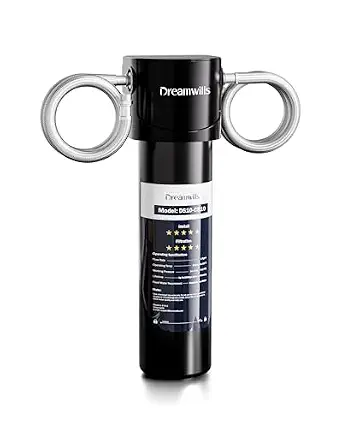 |
| Top Rated A top-rated pick with lots of positive feedback | iSpring RCC7-BN 5-Stage RO |  |
| Most Popular A crowd favorite that many people choose with confidence | Waterdrop WD-10UA Under Sink Filter | 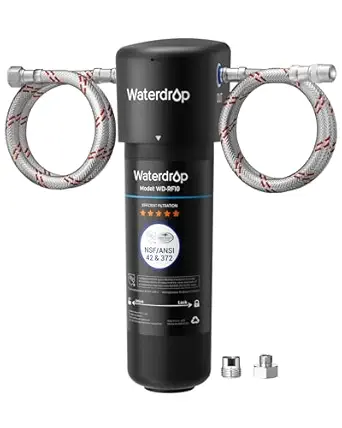 |
| Best Seller A high-volume bestseller chosen again and again | iSpring RCC7AK-BN Reverse Osmosis |  |
APEC Water ROES-50

| Purification Method | Reverse Osmosis |
|---|---|
| Filtration Stages | 5-Stage |
| Capacity | 50 gallons |
| Operating Pressure Range | 40-85 psi |
| Filter Life Cycle | 6 months |
The APEC Water ROES-50 is a five-stage under-sink reverse osmosis system designed to deliver very high-purity drinking water at the kitchen faucet. It mounts under the sink with a separate brushed-nickel faucet and includes a storage tank for steady flow; the five filtration stages remove chlorine, heavy metals, fluoride and many other contaminants for noticeably cleaner taste and odor. Installation is DIY-friendly with quick-connect fittings and color-coded tubing, so a typical homeowner can set it up without special tools. Filters are long-life and staged to protect the RO membrane, with pre-filters generally replaced every 6–12 months and the membrane and post-filter lasting 12–24 months depending on feed water. Practical limitations include the need for an under-sink tank which takes cabinet space and a low steady production rate compared with whole-house systems, so it is best for drinking and cooking rather than supplying all household water. The system is WQA/NSF-certified and comes with replacement filter options, making ongoing maintenance straightforward for buyers who prioritize water quality at the tap.
Best for: Buyers who want a reliable, high-purity under-sink drinking water system for everyday tap water and cooking, and who value certified contaminant rejection with manageable DIY maintenance.
Less Ideal for: Homes that need whole-house filtration or very high daily water demand should choose a point-of-entry system instead, and users without under-sink cabinet space should consider countertop alternatives.
- Five-stage RO filtration removes a wide range of contaminants including heavy metals and fluoride.
- Produces up to 50 gallons per day, enough for drinking and cooking needs.
- Includes tank and faucet for steady flow and convenient dispensing.
- DIY-friendly quick-connect fittings and color-coded tubing simplify installation and service.
- WQA/NSF certified construction and available replacement filters for ongoing maintenance.
- Requires under-sink space for the tank and system components.
- Production rate is limited to 50 GPD so it relies on the storage tank for peak demand.
Verdict: Choose the ROES-50 if you want a certified, DIY-friendly under-sink RO system that reliably delivers very high-purity drinking water at the faucet.
Philips AUT9340 Reverse Osmosis

| Capacity | 400 GPD |
|---|---|
| Other Special Features | 2.3:1 low drain ratio, 5-stage Filtration, Self Cleaning, Tankless |
| Purification Method | Carbon Block, Reverse Osmosis, Post Carbon Block (Coconut Shell) |
| Maximum Flow Rate | 0.28 gpm |
| Operating Pressure Range | 14.5-58 psi |
The Philips AUT9340 is a tankless under-sink RO system designed for steady high-performance purification without a storage tank. It uses a 5-stage filtration stack including an Aquaporin RO membrane to reduce TDS, lead, chlorine and other common tap-water contaminants, and its smart self-flush cycle prevents stagnant water and keeps output fresh. Installation is aimed at standard U.S. plumbing with quick-connect color-coded tubing and a 1/2" feed adapter, and the slim body fits typical cabinets vertically or horizontally. The system runs quietly thanks to automatic pressure stabilization and claims tool-free twist filter changes with a dual-filter arrangement that extends replacement intervals to about one to two years depending on the element. Worth noting for efficiency-focused buyers is the 2.3:1 low drain ratio and 400 GPD capacity, which yields fast purified water with less wastewater than many RO units, though the maximum flow to the faucet is limited by the 0.28 gpm spec and household pressure requirements. Overall, this is a solid option when you want consistent, low-waste RO performance in a compact under-sink package.
Best for: Buyers who prioritize high-purity, low-waste RO performance and want a compact, tankless under-sink system that runs quietly and minimizes maintenance effort.
Less Ideal for: Households that need high instantaneous faucet flow for filling large containers quickly or those without standard under-sink plumbing who cannot use the provided fittings.
- Tankless slim design fits under most cabinets and supports vertical or horizontal mounting.
- Aquaporin RO membrane and 5-stage filtration reduce TDS, lead, chlorine and typical tap contaminants.
- 2.3:1 low drain ratio reduces wastewater compared with standard RO systems.
- Self-flush smart cycles eliminate stagnant water and help preserve filter performance.
- Tool-free quick-twist filter replacement and long filter lifespans lower maintenance frequency and cost.
- Maximum faucet flow is constrained by a 0.28 gpm output rate which may feel slow for some sinks.
- Requires compatible under-sink plumbing and possibly an adapter for 3/8" lines if not supplied.
Verdict: Choose the AUT9340 when you want a compact, tankless RO that delivers consistent high-purity water with a low wastewater ratio and minimal maintenance.
FRIZZLIFE MP99 Under-Sink Filter

| Filtration precision | 0.5 Micron |
|---|---|
| Certifications | NSF/ANSI 42 & 53 |
| Maximum flow rate | 1.5 gpm |
| Filter life cycle | 24 months |
| Capacity | 800 gallons |
The FRIZZLIFE MP99 is an under-sink two-stage filtration system that delivers drinking-quality water through a dedicated faucet and direct feed adapter. It uses a 0.5 micron compound cartridge with ion-exchange and adsorptive media to cut lead, chlorine, PFAS/PFOA, bad taste and particulates while leaving beneficial minerals. Installation is straightforward with the included brass feed adapter and mounting hardware, and the twist-in cartridge plus built-in shutoff cap makes filter replacement quick and mostly tool-free. The system supports a high flow rate up to 1.5 gpm and is rated for about 800 gallons or roughly two years per cartridge under stated conditions, with a manufacturer suggestion to replace more frequently for heavier use. It is designed for cold water only and requires an adapter and dedicated faucet, so it adds a second tap rather than filtering your main kitchen spout. The clear practical benefits are stronger contaminant reduction than basic carbon pitchers and lower recurring waste because only the inner cartridge is replaced, but buyers should confirm fit and space under their sink before purchase.
Best for: Buyers who want a practical, cost-conscious under-sink filter that reliably removes lead and chlorine and values easy maintenance and lower replacement waste.
Less Ideal for: People seeking hot-water filtration, integrated faucet filtering of the main kitchen tap, or those with very limited under-sink space should consider other solutions.
- NSF/ANSI 42 and 53 certified to reduce lead, chlorine, taste and odor
- 0.5 micron two-stage cartridge for fine particulate and contaminant reduction
- Dedicated stainless faucet and brass feed adapter included for easy setup
- Built-in shutoff cap and twist-in cartridge for tool-free cartridge changes
- High flow rate (up to 1.5 gpm) suitable for filling pots and daily use
- Designed for cold water only, not for hot water applications
- Adds a separate faucet rather than integrating with the existing kitchen spout
Verdict: Choose the MP99 if you want a certified under-sink system that delivers strong contaminant reduction, easy tool-free cartridge changes, and lower replacement waste via a replaceable inner cartridge.
Dreamwills DS10 Under Sink Filter

| Maximum Flow Rate | 1.3 gpm |
|---|---|
| Purification Method | Carbon Block |
| Supported Water TDS Level Maximum (PPM) | 600 |
| Filter Life Cycle | 2 years |
| Upper Temperature Rating | 101 °F |
The Dreamwills DS10 is an under-sink carbon block filter intended to improve drinking and cooking water from a dedicated cold-water line. It installs without tools and fits into tight cabinets, supplying up to 1.3 gallons per minute so a glass fills quickly while still giving contact time for the coconut-shell carbon to reduce chlorine, bad tastes, and odors. The system is built from BPA-free materials, meets NSF/ANSI 42 testing for aesthetic reduction, and uses a sanitary 12-month/8,000-gallon replacement cycle to avoid performance drop and bacterial buildup. Installation includes hoses, adapters, tape, and mounting hardware for a typical sink faucet hookup. Limitations are that it is for cold water only, it does not claim to reduce dissolved solids or heavy metals beyond chlorine confirmation, and the 1-year lifespan means annual replacement costs to maintain peak performance.
Best for: Buyers looking for an inexpensive, easy-to-install under-sink filter to remove chlorine and improve taste for everyday drinking and cooking water.
Less Ideal for: Homes that need certified removal of heavy metals, high TDS reduction, or whole-house filtration should look at higher-capacity or specialty systems instead.
- Tool-free installation with included hoses and adapters for quick DIY setup
- Hydraulically calibrated 1.3 gpm flow that fills a glass quickly while allowing effective carbon contact time
- NSF/ANSI 42 tested for chlorine, taste, and odor reduction
- Compact, space-saving design with BPA-free coconut shell carbon media
- Cold water only — cannot be used with hot water
- Filter life is one year which requires regular replacement to maintain performance
Verdict: A budget-friendly, space-saving under-sink carbon filter that delivers fast cold-water flow and reliable chlorine and taste reduction with an easy DIY install.
iSpring RCC7-BN 5-Stage RO

| Purification Method | Reverse Osmosis, Activated Carbon, Carbon block |
|---|---|
| Power Source | No Power Needed |
| Maximum Flow Rate | 3.4 liters per minute |
| Supported Water TDS Level Maximum (PPM) | 750 |
| Capacity | 75 gallons |
The iSpring RCC7-BN is a five-stage under-sink reverse osmosis system designed to give household drinking water a thorough clean. It uses three pre-filters (sediment, GAC, carbon block), a high-precision RO membrane, and a final GAC polishing filter to remove a wide range of contaminants and significantly lower TDS. The unit installs beneath the sink with a dedicated brushed nickel faucet and pressurized tank so you get on-demand filtered water without needing electricity. Practical touches for a reliability-minded buyer include a transparent first-stage housing for quick visual checks, push-to-connect fittings to reduce leak risk, and a check valve to prevent backflow. The system is NSF/ANSI 58 certified and sized for municipal tap water rather than well water, and filter replacements are required on a schedule to maintain performance. Expect a compact but moderately heavy assembly under the sink and routine filter changes to keep water quality high.
Best for: Buyers who prioritize consistent, certified contaminant reduction and want a durable under-sink RO system they can inspect and maintain themselves for reliable tasting drinking water.
Less Ideal for: Homes relying on untreated well water without additional whole-house pretreatment or buyers who need a maintenance-free, no-filter-replacement solution.
- Comprehensive 5-stage filtration removes over 1,000 contaminants and reduces TDS substantially
- NSF/ANSI 58 certification for reverse osmosis performance and safety
- Transparent first-stage housing enables quick visual filter inspection
- Push-to-connect fittings and check valve reduce leak and backflow risk
- Includes dedicated brushed nickel faucet and pressurized storage tank for on-demand water
- Not rated for untreated well water without upstream pretreatment
- Requires periodic filter and membrane replacements to sustain performance
Verdict: Choose the RCC7-BN when you want a certified, serviceable under-sink RO system that reliably delivers bottled-quality drinking water from municipal supplies.
Waterdrop WD-10UA Under Sink Filter

| Purification Method | Activated Carbon |
|---|---|
| Maximum Flow Rate | 2.5 gpm |
| Filter Life Cycle | 1 years |
| Supported Water TDS Level Maximum (PPM) | 700 |
The Waterdrop WD-10UA is an under-sink activated carbon filter built for easy, tool-free installation and year-long use on municipal cold water. It connects directly to standard 3/8" or 1/2" cold water feeds with included fittings and uses a twist-and-lock cartridge that the manufacturer says can be replaced in seconds. The cartridge is NSF/ANSI 42&372 listed and targets chlorine, lead, PFAS/PFOA/PFOS and taste and odor issues, while retaining dissolved beneficial minerals. Practical benefits include a compact footprint that fits most cabinets, a claimed high dirt-adsorption area to reduce clogging, and a stable flow rate suitable for a dedicated drinking faucet or kitchen use. The system is rated for about 12 months of service under municipal conditions and is meant only for cold water and treated supplies, not well water or hot water. Buyers should note compatibility expectations and that replacement filters are needed annually to maintain performance, and that the system does not lower TDS because it preserves dissolved minerals.
Best for: Buyers who want a proven, easy-to-install under-sink filter that reduces chlorine, lead and PFAS and prefer social proof and certifications to validate performance.
Less Ideal for: Homes relying on untreated well water, users who need hot-water filtration, or those seeking systems that significantly lower TDS or perform reverse osmosis.
- NSF/ANSI 42 & 372 certification for reduction of chlorine and lead
- Twist-and-lock cartridge and push-to-connect fittings for quick installation and fast replacements
- Designed to reduce PFAS/PFOA/PFOS and improve taste and odor while keeping beneficial minerals
- Compact under-sink footprint suitable for kitchens, bathrooms, RVs, and offices
- Only intended for cold, municipal water so not suitable for well or hot water use
- Requires yearly filter replacement to maintain rated performance
Verdict: Choose the WD-10UA if you want a certified, compact under-sink carbon filter that delivers year-long reduction of chlorine, lead and PFAS with simple installation.
iSpring RCC7AK-BN Reverse Osmosis

| Purification Method | Reverse Osmosis, Alkaline, Activated Carbon, Carbon block |
|---|---|
| Power Source | No Power Needed |
| Maximum Flow Rate | 284 liters_per_day |
| Supported Water TDS Level Maximum (PPM) | 750 |
| Filter Life Cycle | 6 months |
The iSpring RCC7AK-BN installs under the sink to deliver fully filtered, remineralized drinking water through a dedicated faucet. Its six-stage filtration stack includes sediment and carbon prefilters, a 75 GPD RO membrane, and an alkaline mineral stage that raises pH and restores healthy minerals. The clear first-stage housing and top-mounted faucet fastener make routine checks and the initial installation easier for homeowners who prefer DIY. Because it is NSF/ANSI 58 certified for the complete system, the unit removes a wide range of contaminants including lead, fluoride, chlorine, PFAS, and heavy metals while operating without electricity. Expect regular filter replacements (manufacturer lists a 6-month cycle for some stages) and a storage tank for on-demand flow rather than instant high-volume dispensing. The system is compatible with common feed fittings and offers plentiful online installation resources and lifetime technical support for cautious buyers.
Best for: Homeowners who prioritize verified contaminant removal and prefer a proven, low-maintenance under-sink RO system with clear installation guidance and support.
Less Ideal for: People who need instant high-volume hot or very fast flow from a faucet outlet or those who cannot accommodate under-sink cabinet space and a separate storage tank.
- NSF/ANSI 58 full-system certification for verified contaminant reduction
- Six-stage filtration including an alkaline remineralization stage for balanced pH
- No electricity required so it works during power outages
- Transparent first-stage housing simplifies visual inspections
- Top-mounted faucet fastener and push-to-connect fittings ease DIY installation
- Requires periodic filter changes and a storage tank limits instantaneous high flow
- Under-sink footprint and tubing require some cabinet space and basic plumbing work
Verdict: Choose the RCC7AK-BN if you want a factory-certified, electricity-free under-sink RO system that restores minerals and provides confidently clean drinking water.
Choosing the Right Under-Sink Water Filter for Sink Faucet: Key Factors to Consider
Contaminant Removal and Certification
Knowing what the filter actually removes is the single most important factor. Different cartridges target different contaminants such as chlorine, lead, VOCs, pesticides, or microbial cysts. Look for systems that publish third-party test results or certifications from recognized labs so you can verify reduction claims.
If your water source is municipal, focus on chlorine, chloramine, and common industrial contaminants. If you use well water, prioritize systems that reduce sediment, iron, and microbial risks. Matching the cartridge media to your local water concerns gives you the best outcome for taste and safety.
Installation Complexity
Under-sink filters vary from simple quick-connect kits to systems that need a dedicated faucet hole and more advanced plumbing. Consider how comfortable you are with basic tools and plumbing tasks. Some units include clear step-by-step guides and color-coded fittings that let an average homeowner complete installation in under an hour.
If you rent or cannot alter the counter or existing faucet, choose a system that attaches to the cold-water line without requiring a new faucet hole. Also check whether adapters for different supply-line sizes are included, which can reduce the need for trips to a hardware store.
Filter Capacity and Replacement Frequency
Cartridge life determines how often you need to replace filters and directly affects long-term cost and upkeep. Capacity is usually specified in gallons or months of use. High-capacity filters last longer between changes but may be larger and more expensive initially.
Assess household usage: small households or low consumption can get by with lower-capacity cartridges, while larger families should choose higher-capacity systems to avoid frequent replacements. Consider whether replacement cartridges are easy to find and whether the system uses common, standardized sizes.
Flow Rate and Faucet Performance
A filter that overly restricts flow can make routine kitchen tasks slower and more frustrating. Manufacturers commonly list anticipated flow rates in gallons per minute. Expect some reduction compared with unfiltered tap water, but look for systems that maintain a steady, practical flow for filling pitchers and washing produce.
If you want filtered water through an existing kitchen faucet, check whether the system includes a diverter or whether it requires a separate dedicated faucet. Flow requirements should match how you plan to use the filtered water.
Space Requirements and Under-Sink Fit
Under-sink space is often limited and cluttered with plumbing and garbage disposals. Measure available cabinet height, width, and depth before selecting a unit. Some systems mount vertically, others horizontally, and a few come with compact single-cartridge designs intended for tight spaces.
Also consider how easy it is to swap cartridges in the available space. If replacing filters requires contortions in a tiny cabinet, you may delay maintenance and shorten cartridge life. Choose a layout that allows straightforward access for changes and inspections.
Materials, Fittings, and Leak Protection
Durable materials and robust fittings reduce the risk of leaks and prolong the system lifespan. Look for corrosion-resistant housings, reliable quick-connect fittings, and included mounting brackets or templates. Systems that incorporate clear shutoff valves or bypass fittings make servicing easier.
Pay attention to the warranty and support options as indicators of build quality. A well-made system that includes replacement O-rings and clear maintenance instructions is usually less trouble over time.
Dedicated Faucet Versus Existing Faucet Options
Under-sink systems either route filtered water to a separate dedicated faucet or connect to your existing cold-water line. A dedicated faucet gives clear visual confirmation that the water is filtered and usually isolates the filtered line to avoid bypass. Systems that tie into the existing faucet often use a diverter or adapter, which keeps counter space clear but can complicate switching between filtered and unfiltered water.
Consider how you use filtered water. If you want continuous access for cooking and filling large containers, a dedicated faucet with higher flow may be preferable. If you only need occasional filtered water for drinking, the convenience of connecting to the existing faucet can be attractive.
- Dedicated faucet: simpler user experience, visible indicator of filtered water
- Existing faucet hookup: preserves counter aesthetics, may need a diverter or adapter
- Check faucet hole availability if a dedicated faucet is required
Common Cartridge Types and What They Do
Carbon block cartridges are the most common for removing chlorine, taste, and many organic contaminants. Granular activated carbon can be effective for taste and odor but may allow small particulates through if not paired with a prefilter. Reverse-osmosis modules and specialty media target dissolved solids and specific contaminants such as heavy metals but are bulkier and may require drain connections.
Prefilters for sediment protect downstream media and extend cartridge life. Some systems include multiple stages: a sediment prefilter, a carbon stage, and an optional specialty stage for lead or VOCs. Understanding each stage helps you choose a system matched to your water profile.
- Sediment prefilters extend life of carbon or specialty cartridges
- Carbon block is best for taste and many organic contaminants
- Specialty media required for heavy metals or specific chemicals
Maintenance Tips to Maximize Performance
Track cartridge change intervals and set calendar reminders. Even if flow seems acceptable, cartridges lose efficacy over time and can let contaminants pass once exhausted. Keep replacement cartridges on hand if you rely on filtered water daily.
Inspect fittings periodically for signs of wear or leakage and replace O-rings during cartridge swaps. Flush new cartridges per the manufacturer instructions to remove any carbon fines or trapped air before regular use. Keeping the under-sink area organized with a small tray for parts and a labeled storage spot for replacements streamlines upkeep.
- Set reminders for cartridge replacement
- Flush and prime new cartridges before use
- Inspect fittings and O-rings during each service
Water Testing and Matching a Filter to Your Needs
Testing your water helps target the contaminants you need to reduce. Municipal water quality reports highlight common issues like chlorine, chloramines, and lead concentrations. A simple at-home test can detect hardness, chlorine, and basic metals, while lab testing will identify more complex contaminants.
Once you know the priorities, choose media that addresses them. For example, high lead levels call for cartridges rated for lead reduction. If your main concern is taste and odor, a carbon-based system is usually sufficient.
- Use municipal reports or lab tests for accurate contaminant info
- Pick media matched to the contaminants you actually need to reduce
- Consider multi-stage systems when multiple contaminant classes are present
Common Installation Pitfalls and How to Avoid Them
Plan the routing of supply lines and measure twice before drilling or cutting. Avoid tight bends and kinks in tubing, which reduce flow and stress fittings. Use the included mounting template and secure housings to the cabinet wall to prevent movement and strain on connections.
Confirm you have shutoff valves and tools needed before starting. If your cold-water line has an uncommon size, obtain appropriate adapters ahead of time. When in doubt, take photos of the existing under-sink plumbing to reference during installation or to show a plumber if you need assistance.
- Avoid kinks in tubing and secure housings to cabinet wall
- Confirm supply-line sizes and adapters before beginning
- Keep basic plumbing tools and shutoff valves accessible
How We Chose the Best Under-Sink Water Filter for Sink Faucet
We focused on attributes that matter when selecting an under-sink water filter for a sink faucet. Primary evaluation criteria included contaminant removal performance based on certified reduction claims and filter media type, installation complexity and required tools, filter capacity and cartridge life to estimate maintenance intervals, flow rate and impact on faucet pressure, and build quality including fittings and leak-prevention design. We also considered ongoing operating cost such as replacement cartridge availability and standardization. We excluded systems that require extensive plumbing changes, whole-house units, or filters designed only for pitchers or countertop use. Units that lacked clear performance data or replacement-part availability were not considered. Our selections emphasize realistic, installable options for typical kitchen sinks and prioritize documented filtration capabilities, straightforward installation for an average DIYer, and predictable maintenance needs.
Our full evaluation process is outlined in our review methodology.
FAQ
How often should I change an under-sink filter cartridge?
It usually depends on cartridge capacity and household use. Many cartridges last between three to twelve months or a specified number of gallons. Check the manufacturer's capacity and set reminders based on your daily water consumption.
Can an under-sink filter affect my water pressure?
Yes, some filtration systems reduce flow rate compared with unfiltered water. Systems with larger media or multiple stages may lower pressure more than single-cartridge designs. Look for published flow-rate numbers and choose a unit that maintains acceptable faucet performance for your needs.
Do I need a separate faucet for filtered water?
Not always. Some systems provide a dedicated faucet, while others connect to your existing cold-water line via a diverter or adapter. Choose based on aesthetic preferences, available faucet holes, and whether you want a permanently separate filtered water outlet.
Will an under-sink filter remove hardness from water?
Most standard carbon-based under-sink filters do not remove hardness minerals like calcium and magnesium. Addressing hard water typically requires a water softener or specialized treatment. If scale is a concern, consider pre-treatment options.
Is professional installation necessary?
Many under-sink systems are designed for DIY installation and include quick-connect fittings and instructions. However, if you are uncomfortable with plumbing tasks or if your setup is complex, hiring a plumber can ensure a proper, leak-free installation.
Final Verdict
Choosing the right under-sink water filter for a sink faucet comes down to matching filtration capability to your water issues, picking a system that fits the available space, and ensuring you can support the maintenance schedule. Prioritize certified contaminant reduction for the substances you care about, reasonable cartridge life, and an installation style that suits your skill level. With those tradeoffs in mind, you can select a system that reliably delivers better-tasting, safer tap water at the kitchen sink.