
Note: This article contains affiliate links. If you click on these links and make a purchase, we may earn a small commission at no extra cost to you. This helps support our research and content. Read our full affiliate disclosure here.
If you want better-tasting, lower-contaminant tap water without adding a second faucet on your sink, an under-sink water filter without separate faucet can be an ideal solution. These systems connect to your existing cold-water line and filter at the point of use, keeping your countertop clean while delivering safer water for drinking and cooking. Choosing the right unit matters because filter performance, ease of installation, and ongoing maintenance all affect long-term convenience and water quality. This guide covers the top shortlisted under-sink water filters without separate faucet and explains the evaluation criteria we used, so you can match a system to your home and usage patterns. Read on to see the options and the factors that should guide your choice.
Top Picks at a Glance
| Best Overall The best all-around choice for most situations | Waterdrop WD-15UA Under-Sink Filter |  |
| Best Value The sweet spot between price and what you get | PUREPLUS Under Sink Water Filter WFS5300A |  |
| Best Budget The cheapest option that still gets the job done reliably | Dreamwills DS10 Under Sink Filter | 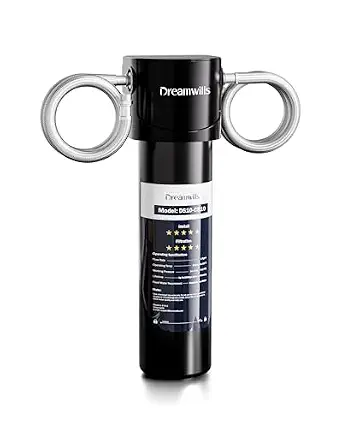 |
| Top Rated A top-rated pick with lots of positive feedback | CuZn UC-200 Under Sink Filter |  |
| Most Popular A crowd favorite that many people choose with confidence | Waterdrop WD-UL12A Under Sink Filter |  |
| Best Seller A high-volume bestseller chosen again and again | ICEPURE WFS5300A Under-Sink Filter |  |
Waterdrop WD-15UA Under-Sink Filter
| Purification Method | Activated Carbon |
|---|---|
| Capacity | 19000 gallons |
| Filter Life Cycle | 2 years |
| Maximum Flow Rate | 0.75 gpm |
| Supported Water TDS Level Maximum (PPM) | 700 |
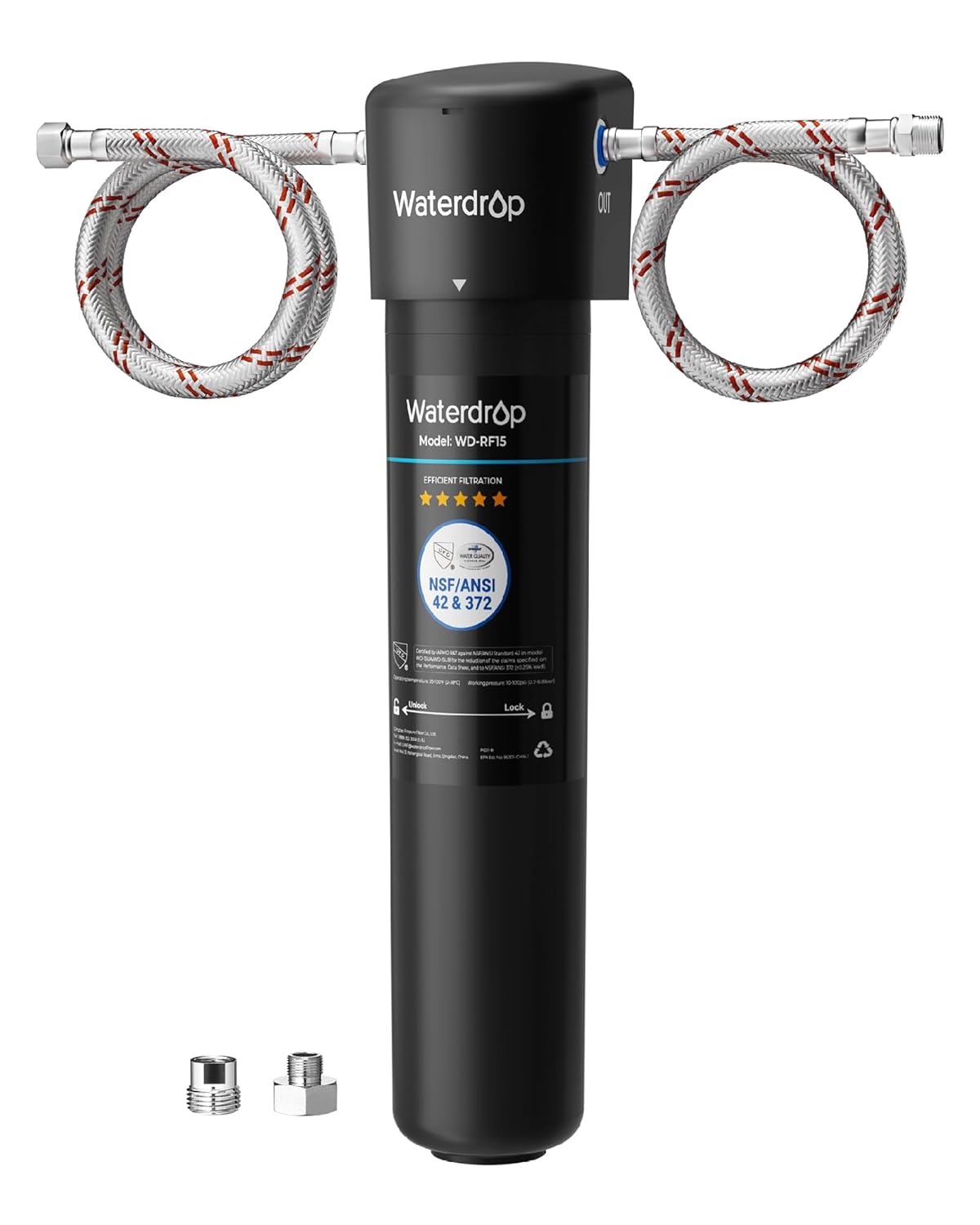
The Waterdrop WD-15UA is an under-sink activated carbon filter that connects directly to the cold-water line and supplies filtered tap water without a separate faucet. It is designed for straightforward installation with push-to-connect fittings and a 3/8" direct-connect hose, so most homeowners can fit it under a sink in minutes without a plumber. The multi-stage cartridge is certified to reduce chlorine, bad taste and odor, lead, PFAS/PFOA/PFOS and other common contaminants and is sized for long life — Waterdrop rates it for about 19,000 gallons or 24 months on municipal water. The system delivers a steady flow (tested at 0.75 gpm at 60 psi) suitable for drinking, cooking, and appliance supply, and the replaceable WD-RF15 cartridge is inexpensive compared with bottled-water alternatives. Key limitations are suitability only for cold municipal water — it is not intended for well water or hot lines — and the larger cartridge footprint, which requires checking under-sink clearance before buying.
Best for: Buyers who want a no-fuss under-sink filter that hooks to the existing cold-water line and prioritizes long filter life and verified reduction of chlorine, lead and PFAS for everyday drinking and cooking.
Less Ideal for: Homes relying on well water, users who need hot-water filtration, or anyone with very tight under-sink clearance who cannot accommodate the larger cartridge footprint.
- Long rated service life (about 19,000 gallons / 24 months) reduces frequency of replacements
- Push-to-connect direct hook-up works without drilling or a separate faucet
- NSF/IAPMO certifications for chlorine and lead reduction provide verified contaminant removal
- Maintains reasonable full flow (0.75 gpm at 60 psi) for everyday kitchen use
- Includes adapter fittings and hoses for 3/8" and 1/2" cold-water lines for broad compatibility with standard sinks
- Not suitable for well water or hot water supply
- Larger filter cartridge may require measuring under-sink space before installation
Verdict: A long-life, direct-connect under-sink carbon filter that delivers certified reduction of common tap contaminants without needing a separate faucet.
PUREPLUS Under Sink Water Filter WFS5300A

| Purification Method | Activated Carbon |
|---|---|
| Maximum Flow Rate | 2.5 gpm |
| Upper Temperature Rating | 100 °F |
| Supported Water TDS Level Maximum (PPM) | 500 |
| Filter Life Cycle | 5 years |
The PUREPLUS WFS5300A is an under-sink activated carbon cartridge system designed to deliver filtered drinking water to your existing faucet without a separate dispenser. Its 6-in-1 composite carbon block reduces chlorine, odor, heavy metals and sediment down to about 0.5 microns and is NSF/ANSI 42 and 372 certified for chlorine reduction and lead-free materials. The unit is built for long life — rated for roughly 22,000 gallons or five years under typical use — and supports flow rates up to 2.5 gpm so water flow from the cold line stays brisk for cooking and filling pitchers. Installation uses quick-connect fittings aimed at simplifying hookup to 1/2" or 3/8" female NPT lines, and the manufacturer recommends flushing the new cartridge for a few minutes to remove carbon fines. Limitations to note are that the system does not lower TDS or act as a reverse-osmosis unit, and it is intended for cold water only, so it will not remove dissolved salts or provide the mineral reduction some buyers want. For someone who wants a long-lasting, high-flow under-sink filter that improves taste and reduces chlorine without adding a separate faucet, this is a practical, cost-effective option.
Best for: Buyers who prioritize a durable, low-maintenance under-sink filter that preserves faucet flow and reduces chlorine and taste issues without adding a separate dispenser.
Less Ideal for: Those needing dissolved solids reduction, mineral-free water for specialized appliances, or hot-water filtration should choose an RO system or models designed for those purposes.
- High rated capacity of 22,000 gallons or about five years between replacements
- NSF/ANSI 42 certified for chlorine reduction and IAPMO-recognized lead-free materials
- Up to 2.5 gallons per minute flow rate preserves good cold-water pressure
- Activated carbon block removes chlorine, odor, sediment and some heavy metals
- Quick-connect fittings simplify installation to standard cold-water lines
- Does not reduce total dissolved solids so it will not replace an RO system
- Cold-water only operation limits some installation locations or uses
Verdict: A high-capacity, fast-flow under-sink carbon filter that delivers better-tasting cold water for years without adding a separate faucet.
Dreamwills DS10 Under Sink Filter

| Maximum Flow Rate | 1.3 gpm |
|---|---|
| Purification Method | Carbon Block |
| Filter Life Cycle | 2 years |
| Supported Water TDS Level Maximum (PPM) | 600 |
| Capacity | 8000 gallons |
The Dreamwills DS10 is an under-sink carbon block filter engineered for simple, everyday cold-water filtration without adding a separate faucet. It installs tool-free and connects to your cold-water valve so the housing sits tucked under the sink while treated water comes from your existing tap. The DS10 uses coconut-shell carbon and is calibrated to a 1.3 GPM flow rate that balances contact time and speed so a glass of water fills quickly while still reducing chlorine, taste, and odors. It is tested to NSF/ANSI 42 for aesthetic reductions and is intended for a 12-month or 8,000-gallon service cycle to keep the medium fresh. Practical benefits include a small footprint for cramped cabinets, included adapters and fittings for direct-connect installs, and a predictable replacement interval that limits bacterial buildup. The main limits are that it is cold-water only, it focuses on chlorine and taste (not broad contaminant removal), and annual replacements are required to maintain performance. For buyers who want a low-cost, easy-to-install under-sink filter that improves everyday drinking and cooking water, the DS10 is a straightforward option.
Best for: Buyers on a budget who want an affordable, easy-to-install under-sink solution to reduce chlorine taste and odors from their kitchen tap without adding a separate faucet.
Less Ideal for: Anyone who needs certified removal of heavy metals, lead, or microbiological contaminants or who requires hot-water filtration should consider a different system.
- Tool-free direct-connect installation for easy DIY setup
- Hydraulically calibrated 1.3 GPM flow for fast filling without sacrificing contact time
- Uses coconut shell carbon to reduce chlorine, bad taste, and odors
- Compact design fits in crowded under-sink spaces and includes necessary adapters
- Cold-water use only, not suitable for hot-water filtration
- Targets aesthetic contaminants primarily and does not claim broad contaminant removal
Verdict: A budget-friendly, compact under-sink carbon filter that delivers fast cold-water flow and clear improvements to taste and odor with tool-free installation.
CuZn UC-200 Under Sink Filter

| Model Number | UC-200 |
|---|---|
| Included Components | Stainless Steel Connection Hose |
| Material Type | NSF Approved Material Components |
The CuZn UC-200 is an inline under-sink filter that connects directly to your cold water supply to cut chlorine, lead, PFAS/PFOS, sediment and other taste and odor causes while preserving beneficial minerals. It uses a three-stage cartridge combining micro sediment membrane, KDF-55 media and coconut shell carbon, and the manufacturer claims the unit can last up to five years or 50,000 gallons depending on water quality. Installation is designed for DIY use with included stainless steel connection hose and no additional faucet drilling, so it fits in kitchens or bathrooms where you want filtered water from the existing tap. Because it does not remove total dissolved solids, it keeps mineral content intact yet will not provide RO-level purity. The long-life cartridge reduces replacement frequency and waste versus 6-month cartridges, but actual longevity depends on incoming water. The UC-200 is a practical pick if you want low-maintenance, taste-focused filtration without changing faucets, though it is not a substitute for reverse osmosis where mineral-free water is required.
Best for: Buyers who prioritize a reliable, low-maintenance under-sink filter that improves taste and reduces common contaminants without installing a separate faucet or frequent cartridge changes.
Less Ideal for: Anyone who needs complete TDS removal or RO-level demineralized water should choose a reverse osmosis system instead.
- Long advertised service life up to 5 years or 50,000 gallons reduces replacement frequency
- Three-stage filtration (sediment membrane, KDF-55, coconut shell carbon) targets chlorine, lead, PFAS and taste/odor issues
- Direct inline connection uses existing faucet so no separate faucet or drilling required
- Includes stainless steel connection hose for straightforward DIY installation
- Does not reduce total dissolved solids (TDS) so it will not produce RO-level purity
- Actual filter life varies with incoming water quality and may be shorter than the maximum claim
Verdict: If you want long-lasting, low-maintenance under-sink filtration that improves taste and reduces lead and PFAS without installing a separate faucet, the UC-200 is a practical choice.
Waterdrop WD-UL12A Under Sink Filter

| Purification Method | Activated Carbon |
|---|---|
| Filter Life Cycle | 1 years |
| Capacity | 11000 gallons |
| Maximum Flow Rate | 0.75 gpm |
The Waterdrop WD-UL12A is a renter-friendly under-sink carbon filtration unit that installs without drilling and delivers treated cold water through your existing faucet. It uses activated carbon to target chlorine, bad taste and odors as well as PFAS, PFOA/PFOS, lead and other chemical contaminants tested to NSF/ANSI 42 & 372, and the cartridge is rated for about 11,000 gallons or roughly 12 months of typical household use. Setup is twist-and-lock with a 3/8" line and included 3/8"–1/2" adapter so you can connect to common sink valves; a suction-cup base and freestanding design avoid cabinet drilling. The unit includes a time-reminder indicator that beeps and turns red when replacement is recommended, which helps ensure on-time maintenance. Practical strengths are the long stated service life, straightforward install for renters, and relatively high flow rate for an under-sink cartridge. Limitations: it is designed for cold-water only, does not claim TDS reduction or multi-stage microfiltration, and bulky cabinet clearance could be a factor despite the freestanding layout.
Best for: Buyers who want a proven, renter-friendly under-sink filter that connects to their existing faucet and prioritizes certified reduction of chlorine, lead and PFAS without drilling or complex plumbing.
Less Ideal for: Those seeking whole-house treatment, hot-water filtration, or ultra-fine microbial removal should look at more advanced multi-stage or hot-capable systems instead.
- No-drill, twist-and-lock installation works with standard 3/8" sink lines and includes a 3/8"–1/2" adapter
- NSF/ANSI 42 & 372 tested activated carbon reduces chlorine, bad taste, odor, PFAS and lead
- Long cartridge life rated at 11,000 gallons or about 12 months
- Built-in time-reminder indicator that beeps and turns red to prompt filter replacement
- Meant for cold-water use only, so it cannot be used on hot lines
- Does not reduce TDS and is not presented as an ultra-fine or multi-stage microbial barrier
Verdict: Choose the WD-UL12A if you need a certified, no-drill under-sink carbon filter that installs quickly and reliably reduces chlorine, lead and PFAS while using your existing faucet.
ICEPURE WFS5300A Under-Sink Filter

| Purification Method | Activated Carbon |
|---|---|
| Capacity | 22,000 gallons |
| Filter Life Cycle | 3 years |
| Maximum Flow Rate | 2.5 gpm |
The ICEPURE WFS5300A is an under-sink activated carbon filtration system designed to deliver improved tasting cold drinking water without a separate faucet. It connects directly to 1/2" or 3/8" female NPT cold-water lines and installs with a simple plug-and-play head so homeowners can typically fit it under the sink in minutes and swap the cartridge in seconds. The filter is NSF/ANSI 42 and 372 certified, targeting chlorine, taste and odor reduction while using coconut shell carbon and a 0.5 micron outer layer to capture sediment and heavy-metal traces. Rated for up to 22,000 gallons or about three years of service, it offers a high flow rate (tested up to 2.5 gpm) so it should not noticeably slow kitchen tap flow. Limitations to keep in mind are that it only handles cold water and requires the correct faucet thread type, and large households with higher contaminant removal needs may prefer multi-stage systems that also reduce total dissolved solids or microbial contaminants.
Best for: A cautious buyer who wants a certified, low-maintenance under-sink filter that improves drinking water taste without adding a separate faucet and values long cartridge life and simple DIY installation.
Less Ideal for: Homes needing hot-water filtration, systems that must reduce TDS or microbes, or kitchens without a compatible cold-water faucet connection should consider other solutions.
- NSF/ANSI 42 and 372 certifications for chlorine reduction and lead-free construction
- Long rated service life of 22,000 gallons (~3 years) reduces replacement frequency
- High tested flow rate up to 2.5 gallons per minute preserves normal tap performance
- Tool-free plug-and-play install and quick cartridge changes make DIY setup fast
- Cold-water only so it cannot be used on hot lines or for whole-sink hot/cold mixing
- Requires compatible 1/2" or 3/8" female NPT faucet connection which may need an adapter
Verdict: Choose the ICEPURE WFS5300A if you want a certified, high-capacity under-sink carbon filter that installs quickly and delivers long-lasting chlorine and taste improvement without a separate faucet.
Choosing the Right Under-Sink Water Filter Without Separate Faucet: Key Factors to Consider
Filtration Performance and Target Contaminants
Different under-sink systems use distinct media such as carbon block, activated carbon, ion exchange, and specialty membranes. Each media targets different contaminants. Carbon-based media are effective for taste and chlorine reduction and can remove some organic compounds, while tighter membranes like ultrafiltration or reverse osmosis remove dissolved solids and many inorganic contaminants.
Understanding which contaminants you want to reduce is essential. If municipal chlorine taste is the main issue, a carbon-focused system will likely be sufficient and offers simpler maintenance. If you need reduction of lead, nitrates, or fluoride, look for systems and media types specified to reduce those contaminants. Certification or test data that lists specific reductions gives a clearer expectation of performance than generic claims.
Installation Requirements and Plumbing Compatibility
Under-sink filters without a separate faucet typically tap into the existing cold-water shutoff and route filtered water back to the cold-water feed or directly to the sink mixing valve. Check whether the unit requires cutting the supply line, adding an adapter, or using push-fit connectors. Measure the available space under the sink, noting obstructions like garbage disposals, piping traps, and electrical outlets.
Consider water pressure and whether the system needs a minimum inlet pressure to function correctly. Some systems may require a small tank or restrict flow enough to affect appliance performance. Plan for the tools and basic plumbing skills required; some homeowners can install these systems themselves, while others will prefer professional help.
Filter Life, Replacement Cost, and Maintenance Frequency
Filter longevity affects both convenience and lifetime cost. Cartridge life ranges widely depending on media type, capacity, and your water quality. A longer-life cartridge reduces the frequency of replacements but may have higher upfront cost. Check how easy it is to access and replace cartridges under the sink and whether the system has quick-release housings or requires tools.
Also consider indicators and serviceability. Some systems include simple visual gauges or flow indicators that signal when to replace filters, while others depend on a calendar schedule. Factor in the availability and price of replacement cartridges over time to estimate ongoing expenditure.
Flow Rate, Pressure Drop, and Daily Use
Flow rate and pressure drop determine how usable the filtered supply feels for everyday tasks. Systems that restrict flow too much make filling pots and jugs slow and can reduce performance at fixtures that need higher flow. Check manufacturer flow ratings at common household pressures and consider whether the system maintains adequate flow for your routine.
If you frequently fill large containers or run multiple fixtures, prioritize systems with higher flow specs or those that include a small buffer tank. For primarily drinking and cooking use, a moderate flow is acceptable if it preserves strong contaminant reduction.
Under-Sink Space Footprint and Mounting Options
Space under the sink is often limited and crowded. Consider the physical footprint of the filter housings, the orientation of cartridges, and mounting hardware. Some systems mount vertically to the cabinet wall, while others sit horizontally or use compact stacked housings to save space.
Think about future access for maintenance and whether the system will obstruct other under-sink elements like the water heater line or disposal connections. A compact, wall-mounted configuration is easier to service in tight cabinets, while larger multi-stage housings require more clearance.
Certifications, Test Data, and Warranty
Independent certification to standards such as those relevant to specific contaminants can provide objective assurance of a system's capabilities. Look for documented test results or certificates that list which contaminants were tested and the reduction levels achieved. Warranties that cover defects and limited performance issues offer additional reassurance.
Also review the supplier's support for replacement parts and technical questions. A clear warranty and accessible customer support reduce risk when installing and maintaining an under-sink filtration system.
How These Systems Tie Into Existing Plumbing
Under-sink filters that do not require a separate faucet typically connect directly to the cold-water shutoff under the sink. A diverter or tee fitting routes water through the filter and back into the cold-water line or mixing valve so filtered water is available at the main kitchen faucet. This approach avoids drilling a new hole in the sink or countertop and maintains a minimalist look.
When planning installation, identify the cold-water shutoff location, required connector sizes, and whether adapters are needed. Some systems use standard compression fittings and quick-connect tubing that simplify hookup, while others need a small saddle valve or inline cut-in. Make sure the chosen system's plumbing fittings match your existing supply lines or that appropriate adapters are available.
- Most systems connect to the cold-water feed with a tee or adapter
- Quick-connect fittings speed DIY installation for many homeowners
- Some setups require cutting the existing supply line and using compression fittings
- Confirm inlet and outlet sizes before purchasing adapters
Common Filter Media Used Under the Sink
Carbon block is the most common under-sink media because it offers strong chlorine and taste reduction and captures many organic contaminants. It performs well for municipal water where taste and odor are the main issues. Granular activated carbon appears in some cartridges but typically has slightly different flow and capacity characteristics.
Advanced systems may combine carbon with ion exchange resin to reduce hard water ions or use a membrane stage for finer particulate and microorganism removal. Reverse osmosis units provide the highest dissolved-solids reduction but often require a storage tank and produce wastewater. Choose the media mix that matches the contaminants you are most concerned about.
- Carbon block: good for chlorine, taste, and many organics
- Ion exchange: reduces some hardness-related ions
- Membranes: tackle fine particulates and dissolved solids
- RO: highest dissolved-solids reduction but may need a tank
Maintenance Tips to Keep Performance Consistent
Regular replacement of cartridges on the recommended schedule is the single best way to maintain filtration performance. Leaving exhausted cartridges in place can reduce flow and allow contaminant breakthrough. Keep a small stash of replacement cartridges so you do not miss scheduled changes.
Flush new cartridges per the manufacturer's instructions to clear fine carbon dust and stabilize flow. Inspect fittings during early use for any slow leaks and retighten as needed. If your area has seasonal changes in water quality, consider checking filter performance or shortening replacement intervals during periods of higher turbidity.
- Replace cartridges on schedule and stock spares
- Flush new cartridges before regular use
- Check fittings for leaks after installation
- Consider seasonal adjustments to replacement intervals
Dealing With Low Water Pressure and Flow Restrictions
If you notice a noticeable drop in faucet pressure after installing an under-sink filter, first verify inlet pressure and compare it to the system's minimum requirements. Some multi-stage cartridges impose resistance that reduces flow, especially as they load with particulates. A system rated for higher flow or one with a small buffer tank can mitigate this.
In homes with consistently low pressure, choose a filter with a low pressure-drop design or consult a plumber to assess whether a booster or pressure regulator adjustment is appropriate. Avoid oversizing filtration capacity for the sake of flow; instead, choose a balanced design that meets both filtration targets and daily use needs.
- Compare system flow ratings at household pressures
- Consider buffer tanks for frequent large-volume use
- Low-pressure homes may need low-resistance cartridge designs
- Professional plumbing help can resolve pressure mismatches
Estimating Long-Term Ownership Costs
Ongoing costs include replacement cartridges and occasional parts such as O-rings or fittings. Calculate a yearly maintenance estimate by dividing the cartridge price by its rated life and adding small allowances for incidental parts. Remember that higher-capacity cartridges often cost more up front but reduce annual replacement frequency.
Also factor in potential service costs if you prefer professional maintenance. Systems that use common, widely available cartridges are generally cheaper to maintain than those with proprietary or single-source parts. A simple cost estimate helps set expectations for total cost of ownership over several years.
- Annualize cartridge cost by capacity and replacement schedule
- Include small parts and potential service labor in estimates
- Common cartridge types tend to be cheaper to source
- Higher-capacity cartridges can lower yearly expenses
How We Chose the Best Under-Sink Water Filter Without Separate Faucet
We focused on systems that install under the sink and route filtered water through the existing cold-water line rather than requiring a dedicated faucet. Our editorial filters prioritized measurable filtration capability, practical installation requirements, maintenance costs, durability, and daily flow performance. Specifically, we examined certified contaminant reduction or equivalent lab-verified claims, the types and lifespans of filter media included, plumbing connections and space footprint under a standard sink, and user-reported ease of cartridge replacement. We also considered water pressure and flow rate under typical household conditions to ensure the system could meet drinking and cooking needs without noticeable pressure loss. Products were excluded if they required a separate countertop or dedicated faucet, relied solely on remineralization without meaningful contaminant reduction, or depended on proprietary replacement parts that severely limited sourcing options. We prioritized systems that balance thorough filtration with straightforward installation and predictable recurring maintenance. The criteria reflect real homeowner tradeoffs: performance versus convenience, upfront complexity versus long-term serviceability, and filter longevity versus replacement cost.
Our full evaluation process is outlined in our review methodology.
FAQ
Can an under-sink filter without a separate faucet connect to my existing cold-water line?
Yes. These systems are designed to tap into the cold-water shutoff and route filtered water back to the existing faucet feed. Installation methods vary, so verify connector types and whether adapters are needed for your supply line.
How often do cartridges need to be replaced?
Replacement intervals vary by cartridge capacity and local water quality but commonly range from 6 to 12 months. High sediment or heavier usage can shorten cartridge life, while lower use or better source water may extend it.
Will an under-sink filter reduce my faucet flow?
Some systems cause a modest pressure drop, especially multi-stage or fine-membrane units. Look for flow-rate specifications at typical home pressures and consider systems designed for low pressure drop if flow matters for your routine.
Do these systems remove lead and other heavy metals?
Removal of specific contaminants like lead depends on the media used and the system's certified reductions. Carbon block media can reduce certain heavy metals when designed and tested for that purpose. Check documented reduction claims for the contaminants you are concerned about.
Are replacement cartridges easy to find and install?
Many under-sink systems use cartridges that are widely available and designed for tool-free or simple access. However, some systems use proprietary cartridges that may be harder to source. Confirm replacement availability before purchasing.
Is professional installation necessary?
Many homeowners can install these systems using standard tools and push-fit connectors, but professional installation is advisable if you are uncomfortable working with plumbing or if space and access under the sink are constrained.
Final Verdict
An under-sink water filter without a separate faucet is a practical choice if you want filtered drinking and cooking water without altering your sink appearance. Prioritize the contaminants you need removed, reasonable cartridge life, and a unit that fits the available under-sink space. Balance filtration performance against expected flow and long-term replacement costs to find a system that meets daily use without frequent intervention. With those tradeoffs in mind, you can confidently select a model that provides consistent water quality and straightforward maintenance.