
Note: This article contains affiliate links. If you click on these links and make a purchase, we may earn a small commission at no extra cost to you. This helps support our research and content. Read our full affiliate disclosure here.
If you want drinking water that tastes better and is free from chlorine taste and fluoride where reduction is desired, choosing the right water filter matters. The right system protects plumbing fixtures and improves the flavor of beverages and cooking water while addressing specific contaminants that standard pitchers and basic cartridges often miss. This guide shortlists seven top water filters for chlorine and fluoride, selected for measurable removal performance, reasonable maintenance intervals, and real-world installation flexibility. Below you will find the evaluation criteria we used and practical guidance to help you pick the best option for your home and water concerns.
Top Picks at a Glance
| Best Overall The best all-around choice for most situations | iSpring RCC7AK-BN RO System |  |
| Best Quality Built to a higher standard if you want something more solid | Big Berkey 2.25-Gallon System |  |
| Best Value The sweet spot between price and what you get | Waterdrop WD-10UA Under Sink Filter | 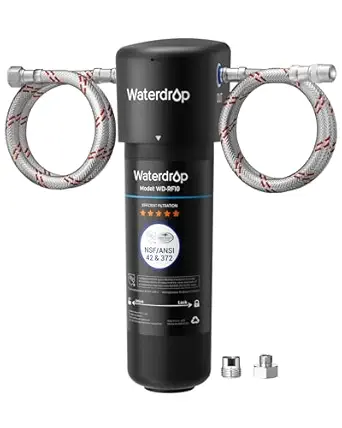 |
| Best Budget The cheapest option that still gets the job done reliably | Waterdrop Lucid Pitcher WD-PT-07B |  |
| Top Rated A top-rated pick with lots of positive feedback | iSpring US31-NC Under-Sink Filter |  |
| Most Popular A crowd favorite that many people choose with confidence | Brita Metro 6-Cup Pitcher |  |
| Best Seller A high-volume bestseller chosen again and again | DREO RO Countertop WF112 | 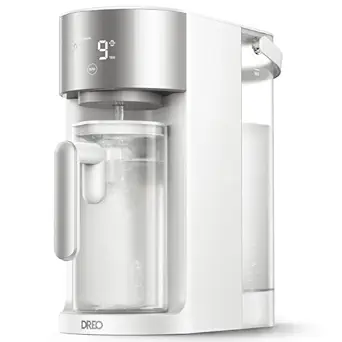 |
iSpring RCC7AK-BN RO System

| Purification Method | Reverse Osmosis, Alkaline, Activated Carbon, Carbon block |
|---|---|
| Power Source | No Power Needed |
| Maximum Flow Rate | 284 liters_per_day |
| Supported Water TDS Level Maximum (PPM) | 750 |
| Filter Life Cycle | 6 months |
The iSpring RCC7AK-BN is a six-stage under-sink reverse osmosis system that combines sediment, carbon, RO membrane, and an alkaline remineralization stage to deliver low-TDS, mineral-balanced drinking water. It is typically installed under a kitchen sink and paired with the included brushed-nickel faucet and storage tank; push-to-connect fittings, color-coded tubing, and online installation videos make it friendly for DIY installers. Notable features include NSF/ANSI 58 full-system certification, a transparent first-stage housing for visual monitoring, and a patent-pending top-mounted faucet fastener that simplifies countertop installation. The alkaline stage restores minerals and raises pH for a spring-water taste while the multi-stage carbon and RO filtration effectively reduce chlorine, fluoride, lead, PFAS, and many other contaminants. Because the system is non-electric it runs quietly, but like all RO units it produces reject water and requires periodic filter and membrane changes on a schedule. Expect routine maintenance every 6 to 12 months depending on filter choices and local water quality.
Best for: Buyers who want a proven, certified under-sink RO system that removes chlorine and fluoride while delivering mineral-balanced drinking water and who prefer a DIY-installable, non-electric solution.
Less Ideal for: People who need a zero-waste or instantaneous point-of-use system or who cannot accommodate an under-sink storage tank and periodic filter maintenance.
- NSF/ANSI 58 certified as a full RO system for verified contaminant reduction
- Alkaline remineralization stage restores minerals and improves water pH and taste
- Transparent first-stage housing makes sediment buildup easy to monitor
- DIY-friendly installation with push-to-connect fittings, color-coded tubing, and top-mounted faucet fastener
- Operates without electricity, so it runs quietly and works during power outages
- Generates RO reject water as part of the filtration process
- Requires periodic filter and membrane replacements on a regular schedule
Verdict: Choose this NSF-certified RO system if you want reliable chlorine and fluoride removal plus a mineral-boosted, great-tasting under-sink drinking water solution that installs without electricity.
Big Berkey 2.25-Gallon System

| Capacity | 8.5 liters |
|---|---|
| Purification Method | Black Berkey proprietary filter media |
| Power Source | Gravity |
| Maximum Flow Rate | 0.03 gpm |
| Material Type | AISI 304 Stainless Steel |
The Big Berkey 2.25-gallon gravity-fed system sits on a countertop and turns ordinary tap or well water into drinkable water using two Black Berkey BB9-2 filter elements. You fill the top chamber and gravity draws water through the proprietary filter media into the lower chamber where a spigot dispenses filtered water. Notable features include highly polished AISI 304 stainless steel construction, an expandable filter capacity (can add two more elements), and independent third-party testing that supports broad contaminant reduction claims. In practice it is simple to assemble and use, requires no power or plumbing, and delivers long filter life—each pair of Black Berkey elements is rated up to 6,000 gallons. Flow rate is modest due to gravity filtration, and the system does not include a dedicated fluoride/arsenic element unless purchased separately, so users seeking specific fluoride reduction need the optional PF-2 elements. The unit is compact for its capacity and well suited for everyday drinking, cooking, and beverage prep where reliable contaminant reduction is the priority.
Best for: Buyers who prioritize high-performance contaminant reduction and long-lasting filter life for everyday drinking water without installing plumbing or using electricity.
Less Ideal for: Those who need instant high-volume dispensing or built-in fluoride removal out of the box should consider other solutions with faster throughput or included specialty cartridges.
- Gravity-fed design requires no electricity or plumbing
- Stainless steel chambers resist corrosion and look durable
- Black Berkey elements are independently tested and rated for broad contaminant reduction
- Expandable to four filter elements for higher throughput or longevity
- Long element lifespan rated up to 6,000 gallons per pair
- Gravity filtration produces a slow flow rate compared with powered systems
- Fluoride reduction requires optional PF-2 elements sold separately
Verdict: Choose the Big Berkey 2.25-gallon system if you want a durable, electricity-free countertop filter that provides broad contaminant reduction and very long filter life.
Waterdrop WD-10UA Under Sink Filter

| Purification Method | Activated Carbon |
|---|---|
| Filter Life Cycle | 1 years |
| Maximum Flow Rate | 2.5 gpm |
| Supported Water TDS Level Maximum (PPM) | 700 |
| Material Type | NSF/ANSI Approved Components |
The Waterdrop WD-10UA is an under-sink activated carbon filter built for straightforward home use where municipal cold water is the source. It connects to standard 3/8" or 1/2" cold water feeds with included fittings and installs quickly using twist-and-lock and push-to-connect hardware. The filter is NSF/ANSI 42 and 372 certified and targets chlorine, PFAS/PFOA, lead, and taste and odor issues, producing water suitable for drinking, cooking, and skincare. Waterdrop claims a long service life for municipal water—about 12 months or 11,000 gallons—and the design increases filtration area to reduce clogging and preserve flow; tested flow rates are listed around 0.75 gpm (60 psi) and an upgraded 3/8" outlet can deliver up to 1.33 gpm. The system is mechanical, requires no power, and replacement cartridges (WD-RF10) are available. Limitations: it is only intended for cold, municipal water (not well or hot water) and does not reduce TDS or remove all contaminants—buyers seeking fluoride removal should confirm filter media or choose a dedicated fluoride-rated model.
Best for: Buyers who want an easy-to-install, low-maintenance under-sink filter that improves taste and reduces chlorine and common municipal contaminants while keeping replacement costs predictable.
Less Ideal for: People on well water, users who need fluoride removal or broad-spectrum contaminant reduction, or those wanting a hot-water-capable system should look at other filtration types.
- NSF/ANSI 42 and 372 certified for chlorine and taste reduction
- Twist-and-lock plus push-to-connect fittings for fast, tool-light installation
- Long rated service life (about 12 months / 11,000 gallons) for typical municipal use
- Increased filtration area to reduce clogging while maintaining flow
- Compatible 3/8" outlet and included convertor for common sink feed valves
- Designed only for cold, municipal water and not suitable for well or hot water
- Does not lower TDS and is not explicitly rated for fluoride removal
Verdict: Choose the WD-10UA if you want a certified, easy-to-install under-sink filter that reliably improves taste and reduces chlorine and common municipal contaminants with minimal upkeep.
Waterdrop Lucid Pitcher WD-PT-07B

| Capacity | 2.4 liters |
|---|---|
| Filter Life Cycle | 200 gallons / 3 months |
| Purification Method | Activated Carbon |
| Certifications | NSF 42, NSF 372 |
The Waterdrop Lucid WD-PT-07B is a countertop 10-cup water filter pitcher built for everyday use at home or in small offices. It uses activated carbon and a five-stage filtration cartridge that is NSF 42 and 372 certified to reduce chlorine, odor, certain metals and PFOA/PFOS, and it does not lower TDS. The pitcher has a hands-free lid for easy pouring and a smart LED indicator to track the 200-gallon or roughly 3-month filter lifespan, so you know when to replace cartridges. Its slim shape is designed to fit most refrigerator doors and the non-electric operation makes it simple to use—fill the reservoir, let it pass through the cartridge, and pour filtered water for drinking, coffee, or tea. Limitations: it will not reduce total dissolved solids so it is not the choice for lowering TDS or heavy mineral removal, and replacement filters are required every few months to maintain performance.
Best for: Buyers who want an affordable, easy-to-use pitcher that reliably improves taste and reduces chlorine and specific contaminants for daily drinking and beverage use.
Less Ideal for: Those who need to lower TDS, remove high mineral hardness, or treat large households requiring higher daily filtered volume should consider different systems.
- NSF 42 and 372 certified to reduce chlorine, odor, and certain metals
- Long filter life rated for about 200 gallons or 3 months
- Smart LED indicator shows filter usage status for timely replacements
- Slim, hands-free lid design fits most fridge doors and resists dust
- Does not reduce total dissolved solids (TDS) so it will not soften hard water or remove dissolved minerals
- Requires periodic replacement filters to maintain certified performance
Verdict: A budget-friendly, NSF-certified pitcher that reliably reduces chlorine and certain contaminants while offering a long-life cartridge and an LED usage indicator.
iSpring US31-NC Under-Sink Filter

| Purification Method | Carbon Block, Sedimentation |
|---|---|
| Maximum Flow Rate | 1 gpm |
| Upper Temperature Rating | 100 °F |
| Filter Life Cycle | 12 months |
| Capacity | 10000 gallons |
The iSpring US31-NC is a three-stage under-sink drinking water system built for steady, everyday use on municipal water supplies. It uses a sediment prefilter plus two carbon block cartridges including a catalytic carbon element to target chloramine, chlorine, VOCs and visible particulates while maintaining TDS so minerals remain in the water. Installation is designed to be user-friendly with a top-mount faucet option and clear housings for quick visual checks, and the system operates on water pressure alone so no power is required. Filters are rated for up to 10,000 gallons or roughly 6 to 12 months depending on water quality, and replacement cartridges are available in compatible part numbers. Practical limitations are that it does not lower TDS or perform reverse osmosis-level contaminant removal, and performance depends on inlet water pressure and regular cartridge changes to maintain flow and contaminant reduction. For households on chloraminated city water that want reliable point-of-use treatment without removing beneficial minerals, this system is a solid, serviceable choice.
Best for: Homeowners on municipal/ chloraminated water who prioritize a reliable, maintenance-friendly under-sink filter that preserves minerals and provides clear visual monitoring.
Less Ideal for: People who need RO-level purification or significant reduction of total dissolved solids should choose a reverse osmosis system instead.
- Targets chloramine and chlorine using catalytic carbon and carbon block stages
- Clear housings allow visible inspection of captured sediment
- Operates without electricity using household water pressure
- High rated capacity up to 10,000 gallons or about 12 months between full replacements
- Includes faucet and full installation kit for under-sink mounting
- Does not reduce TDS or replace reverse osmosis for dissolved solids removal
- Flow and effectiveness depend on meeting recommended water pressure
- Filter replacements are needed every 6 to 12 months based on usage
Verdict: Choose the iSpring US31-NC if you want a durable under-sink system that reliably reduces chloramine and chlorine while keeping healthy minerals in your drinking water.
Brita Metro 6-Cup Pitcher

| Filter Life Cycle | 2 months (about 40 gallons) |
|---|---|
| Supported Water TDS Level Maximum (PPM) | 500 |
| Maximum Flow Rate | 9.7 milliliters_per_second |
| Upper Temperature Rating | 85 °F |
The Brita Metro 6-cup pitcher is a straightforward, fridge-friendly pitcher that delivers filtered tap water without plumbing or power. It uses a Standard Brita filter (included) that Brita certifies to reduce chlorine taste and odor, copper, mercury and cadmium, and the SmartLight indicator tracks the filter life so you know when to replace it (about 40 gallons or two months under average use). The pitcher is BPA-free, easy to fill through the lid, and sized to fit most fridge doors and mini-fridges, making it convenient for dorms, apartments, or small households. Practical benefits include lower single-use bottle waste and simple, tool-free maintenance, and the filter ecosystem means replacements are widely available. Limitations are its modest capacity for larger households and that standard pitcher filters do not target fluoride reduction, so buyers concerned about fluoride should consider a different filter technology or system designed for that contaminant.
Best for: Buyers who want a low-effort, certified pitcher solution to improve tap water taste and reduce chlorine and certain heavy metals for small households, renters, or dorm living.
Less Ideal for: People who need a filter specifically for fluoride removal or those who need higher daily filtered volume should look at alternative filtration systems.
- WQA and NSF/ANSI certified to reduce chlorine taste and odor plus select heavy metals
- SmartLight filter change indicator notifies when the filter reaches its 40-gallon life
- Compact, fridge-door-friendly design with an easy-fill lid
- Included Standard filter is compatible with most Brita pitchers and replacements are readily available
- Does not reduce fluoride as sold with the Standard filter
- Six-cup capacity can require frequent refills for larger households
Verdict: Choose the Brita Metro when you want an easy, certified pitcher that noticeably improves taste and reduces chlorine and select metals in a compact, fridge-friendly package.
DREO RO Countertop WF112

| Purification Method | Reverse Osmosis |
|---|---|
| Capacity | 3 liters |
| Included Components | RO body, RO filter, autofill pitcher |
| Other Features | Built-in TDS meter, change filter indicator, touch control |
| Pure to Drain Rate | 3:1 |
The DREO WF112 is a countertop reverse osmosis system designed to deliver highly filtered drinking water without permanent installation. It uses a 7-stage RO filter and a built-in TDS meter so you can monitor raw and purified water quality, and an autofill pitcher that refills hands-free for convenient daily use. The unit includes a self-cleaning auto-flush routine to rinse internal tubing and a twist-to-install replaceable RO cartridge rated for about 265 gallons (1000 L), which helps keep maintenance simple. DREO advertises a 3:1 pure-to-drain ratio that reduces typical RO waste and a compact footprint that fits on counters or small spaces for one to two people. Important limits are its countertop capacity—a 3 L tank plus a 1.1 L pitcher—so it is aimed at personal or small-household use rather than large families, and replacement filters are consumables you must buy and change periodically. For buyers focused on reducing chlorine and fluoride in tap water, the WF112 applies RO-level purification and real-time TDS readouts to give visible reassurance of performance.
Best for: A cautious buyer who wants strong chlorine and fluoride reduction without plumbing changes and prefers visible, easy-to-understand indicators of water quality and filter status.
Less Ideal for: Large families or high-volume users who need continuous high flow or larger storage should consider whole-house or under-sink RO systems instead.
- 7-stage reverse osmosis filtration capable of removing chlorine, fluoride, and many other impurities.
- Built-in TDS meter and filter-life indicator provide real-time water quality and maintenance feedback.
- Autofill pitcher and installation-free countertop design for easy setup and hands-free refills.
- Self-cleaning auto-flush helps reduce internal contamination and simplifies upkeep.
- Limited total storage capacity suitable for 1–2 people rather than larger households.
- Filter life is finite (about 265 gallons) so replacements are a recurring cost.
Verdict: Choose the DREO WF112 if you want a compact, installation-free RO unit that visibly monitors and reliably reduces chlorine and fluoride for a small household.
Choosing the Right Water Filter for Chlorine and Fluoride: Key Factors to Consider
Contaminant Removal Mechanism
Different filtration technologies tackle chlorine and fluoride in different ways. Activated carbon is highly effective at adsorbing chlorine and improving taste and odor, while fluoride typically requires specific adsorption media such as activated alumina or specially formulated ion-exchange resins. Understanding which mechanism a system uses helps you predict how it performs and what results to expect.
Choosing the right mechanism also affects what other contaminants are removed or left behind. Some multi-stage systems pair carbon with a fluoride-targeted stage to provide broader protection. When assessing claims, look for clear evidence or third-party testing data about the specific contaminants you care about.
Certifications and Test Data
Independent testing and certifications give you confidence that a filter does what it claims. Look for documentation showing percent reduction for chlorine and fluoride under realistic flow and water-quality conditions. Certification bodies or laboratory reports are more useful than marketing copy because they typically follow standardized test protocols.
If lab data is not available, rely on systems with clear technical descriptions of their media and expected reduction ranges. Matching test conditions to your local water chemistry is important because removal performance can vary with pH, mineral content, and chlorine concentration.
Flow Rate and Everyday Convenience
High removal rates are important, but a filter that restricts flow too much becomes a nuisance. Flow rate influences how practical the filter will be for drinking water, cooking, and filling pitchers. Systems designed for point-of-use installation often balance flow and contact time through multi-stage cartridges to preserve usability while maintaining effectiveness.
Consider how you plan to use the system. Under-sink or countertop units that deliver filtered water on demand should have adequate flow for routine tasks. Slower gravity or pitcher-style options can work for smaller households but may be inconvenient for larger families or heavy users.
Maintenance Frequency and Cost
Filter lifespan and ease of replacement are major practical concerns. Some fluoride-targeting media requires more frequent or specialized replacement than basic carbon cartridges. Understand the replacement schedule, how easy it is to swap filters, and any ongoing costs associated with proprietary cartridges.
Simplicity of maintenance reduces the chance of user error that can degrade performance. Systems with clear indicators for replacement or straightforward twist-and-lock cartridges tend to deliver more consistent results over time.
Installation and Space Requirements
Where you can install a filter may determine whether a given option is suitable. Under-sink systems need clearance and sometimes a dedicated faucet deck hole, while countertop or faucet-mounted units avoid plumbing changes but can clutter the sink area. Whole-house options require more space and professional plumbing work and are generally outside the scope of point-of-use chlorine and fluoride reduction.
Check physical dimensions and mounting needs before buying. Consider whether you have room under the sink, access to shutoff valves, and whether you are comfortable doing basic plumbing or prefer plug-and-play installs.
Taste, Odor, and Mineral Effects
Reducing chlorine often improves taste and odor immediately, but media that removes fluoride or minerals can also change the mouthfeel or mineral balance of water. Some users prefer water that retains certain minerals, while others want near-total reduction of dissolved solids.
Consider whether you want a system focused solely on chlorine and fluoride or a broader setup that also removes sediment, lead, or heavy metals. Broader systems can alter taste more dramatically, which some households view as a benefit and others do not.
Types of Filters That Reduce Fluoride and Chlorine
Not all filter types address both chlorine and fluoride. Activated carbon is the common solution for chlorine taste and odor, while fluoride reduction typically requires media such as activated alumina, bone char, or specialized ion-exchange resins. Some multi-stage point-of-use systems combine carbon and a fluoride-specific stage to handle both concerns.
Gravity-fed pitchers and basic faucet cartridges often remove chlorine but may be limited on fluoride. Under-sink or countertop systems that include a dedicated fluoride stage provide stronger reduction but may need more space and maintenance.
- Activated carbon: strong for chlorine taste and odor
- Activated alumina or ion-exchange: designed for fluoride reduction
- Multi-stage systems: combine stages for broader contaminant removal
- Pitchers/gravity: convenient but usually limited fluoride performance
Point-of-Use Vs Whole-House Considerations
Most consumers looking specifically to reduce chlorine taste and fluoride in drinking water choose point-of-use systems such as under-sink, countertop, or dedicated faucet filters. These focus treatment on drinking and cooking water where it matters most. Whole-house systems treat all incoming water but are more complex and costly, and effective fluoride reduction at scale requires larger media beds and professional installation.
If your primary goal is better-tasting drinking water and fluoride reduction at the kitchen tap, a point-of-use system is usually the most practical and cost-effective approach.
- Point-of-use: targets kitchen tap, easier installation
- Whole-house: broader coverage, higher installation effort
- Consider household size and water usage when deciding between approaches
Installing and Maintaining Your Filter
Installation difficulty varies by system. Faucet-mount and countertop units are simplest and often require no tools. Under-sink systems usually need basic plumbing work and may require drilling a hole for a dedicated faucet. Professional installation can be warranted for complex setups or if you prefer not to work on plumbing.
Maintenance includes scheduled cartridge changes and periodic sanitizing of housings. Keep a replacement schedule and inspect O-rings and fittings to avoid leaks. Some systems include change indicators to help you stay on track.
- Check manufacturer instructions for required tools and clearance
- Keep spare cartridges on hand to avoid performance lapses
- Sanitize housings when replacing filters to prevent bacterial growth
Matching a Filter to Your Local Water Chemistry
Local water quality determines which contaminants are present and at what concentrations, and that directly affects filter choice. A utility water report or private laboratory test can tell you chlorine residual and fluoride levels, plus pH and mineral content that influence removal efficiency. Use that data to choose a filter rated for the specific reductions you need.
If fluoride levels are low, a simple carbon-based solution may be adequate for chlorine taste while leaving fluoride largely unchanged. For measurable fluoride reduction, choose a system with proven fluoride-targeting media and documented performance at expected concentrations.
- Review your water quality report before choosing a system
- Match advertised reduction rates to your measured contaminant levels
- Consider pH and mineral content as they affect media performance
Health and Regulatory Notes
Fluoride and chlorine have different public-health roles. Chlorine is used to disinfect water and is typically present at low residual levels from municipal treatment. Fluoride is added in some systems for dental benefits but is a contaminant some households prefer to reduce. When altering fluoride concentration, be aware of local health guidance and consult a professional if you have concerns.
Removing chlorine completely can reduce disinfection residuals at the tap. Most point-of-use systems treat only the dispensed water and do not affect upstream plumbing disinfection. If you have specific health questions, seek advice from a water-quality professional or public-health authority.
- Understand local fluoridation policies and health recommendations
- Point-of-use filters do not change municipal treatment practices
- Consult professionals for questions about health impacts
How We Chose the Best Water Filter for Chlorine and Fluoride
We prioritized technologies and designs that specifically address chlorine taste and odors plus fluoride reduction without sacrificing overall water flow or safety. Our selection filters for proven removal mechanisms such as activated carbon for chlorine and specialized media or adsorption stages for fluoride. We also looked at measured contaminant removal rates when available, typical service life and filter replacement frequency, and whether the system maintains acceptable flow rates for everyday use. Long-term ownership costs and ease of maintenance were part of the judging criteria because frequent, difficult servicing undermines real-world performance. Installation versatility—compatibility with common under-sink or countertop setups, and clear user-friendly instructions—was required for inclusion. We excluded systems that only target general sediment or that lack explicit fluoride reduction capability. We also excluded products without transparent performance data or those that depend on complex external components for basic chlorine or fluoride removal.
Our full evaluation process is outlined in our review methodology.
FAQ
Will a standard carbon filter remove fluoride?
Standard activated carbon is excellent for chlorine taste and odor but is not reliably effective at removing fluoride. Fluoride generally requires a dedicated media such as activated alumina or specialized ion-exchange resin to achieve meaningful reduction.
How often do fluoride-targeting filters need replacement?
Replacement frequency varies by media type, water chemistry, and household use. Many fluoride-specific cartridges have shorter service lives than simple carbon filters, so expect more frequent replacements and plan for ongoing maintenance accordingly.
Can I test my water to see if a filter is working?
Yes. You can use home test kits for chlorine residuals and professional or lab testing for fluoride to verify before-and-after levels. For reliable results, use standardized lab tests for fluoride because home kits may be less precise.
Is professional installation necessary for under-sink systems?
Not always. Many under-sink point-of-use systems are designed for DIY installation with basic tools. Choose professional installation if you are uncomfortable with plumbing, lack space, or the system requires countertop drilling or complex fittings.
Do filters that remove fluoride also remove other contaminants?
Some multi-stage systems remove a range of contaminants including sediment, lead, and certain dissolved solids. However, not all fluoride-targeting media addresses other specific contaminants, so review the system's stated reduction list and supporting test data to confirm coverage.
Final Verdict
Focus your choice on verified removal performance, realistic maintenance needs, and the installation style that fits your kitchen. If fluoride reduction is a priority, select systems with dedicated fluoride media and documented reduction rates. Balance that against flow, ease of maintenance, and long-term replacement costs to find an option that delivers reliable chlorine taste improvement plus the fluoride control you want.