
Note: This article contains affiliate links. If you click on these links and make a purchase, we may earn a small commission at no extra cost to you. This helps support our research and content. Read our full affiliate disclosure here.
If you rely on a private well, installing a dedicated well water filter for your faucet can drastically improve taste, reduce sediment, and protect fixtures and appliances. The right faucet-mounted or under-sink unit makes filtered drinking and cooking water convenient without changing your whole-house system. This guide shortlists the top options for faucet-level filtration, focusing on real-world concerns like contaminant removal, flow rate, and ease of install and upkeep. Below you will find our top picks and a clear explanation of the evaluation criteria used to select them, so you can pick the best solution for your well water.
Top Picks at a Glance
| Best Quality Built to a higher standard if you want something more solid | iSpring RCC7AK-BN Reverse Osmosis |  |
| Best Value The sweet spot between price and what you get | ICEPURE WFS5300A Under-Sink Filter |  |
| Best Budget The cheapest option that still gets the job done reliably | Waterdrop FC-01 Faucet Filter |  |
| Top Rated A top-rated pick with lots of positive feedback | Waterdrop WD-10UA Under-Sink Filter | 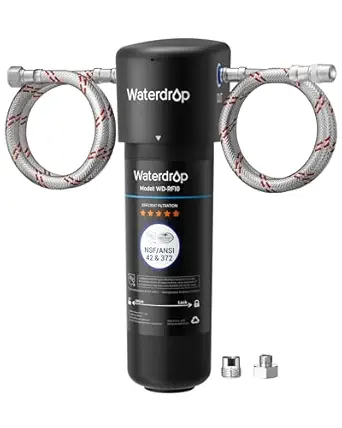 |
| Most Popular A crowd favorite that many people choose with confidence | Brita On Tap Filter System |  |
| Best Seller A high-volume bestseller chosen again and again | PUR Plus Faucet Replacement Filter |  |
iSpring RCC7AK-BN Reverse Osmosis

| Purification Method | Reverse Osmosis, Alkaline, Activated Carbon, Carbon block |
|---|---|
| Power Source | No Power Needed |
| Maximum Flow Rate | 284 liters_per_day |
| Supported Water TDS Level Maximum (PPM) | 750 |
| Filter Life Cycle | 6 months |
The iSpring RCC7AK-BN is a six-stage under-sink reverse osmosis system that combines sediment and carbon prefilters, an RO membrane, and an alkaline remineralization stage to deliver low-TDS, mineral-balanced drinking water. It installs beneath the sink and uses a top-mounted faucet fastener so the faucet can be secured from above, which simplifies countertop installation. Notable features include an NSF/ANSI 58 full-system certification, a transparent first-stage housing for visual filter checks, push-to-connect fittings and color-coded tubing to make DIY installation straightforward, and a 75 GPD rated output suitable for most household faucets. Because it is non-electric it runs off household water pressure and provides broad contaminant reduction including lead, PFAS, chlorine, and fluoride while the AK stage restores healthy minerals and raises pH. Practical limitations are the need for periodic filter and membrane changes (manufacturer recommends staged replacement intervals) and the requirement for adequate incoming water pressure and space under the sink for the tank and filter housings. For buyers focused on performance this system emphasizes thorough contaminant removal plus remineralization rather than convenience features like powered pumps or hot/cold dispensing.
Best for: Buyers who prioritize measured contaminant reduction and water quality for faucet drinking water and want a proven, NSF-certified RO system that restores minerals and taste.
Less Ideal for: People who need a plug-in unit, instant hot/cold dispensing, or have extremely limited under-sink space or low incoming water pressure should consider other solutions.
- NSF/ANSI 58 full-system certification for validated RO performance
- Six-stage filtration including an alkaline remineralization stage for improved taste and pH balance
- Transparent first-stage housing allows quick visual checks for sediment buildup
- 75 GPD rated flow supports typical faucet use without electricity
- DIY-friendly fittings and top-mounted faucet design simplify installation from above
- Requires regular filter and RO membrane replacements on a set schedule
- Needs sufficient household water pressure and under-sink space for tank and components
Verdict: Choose the RCC7AK-BN when you want a high-performance, NSF-certified under-sink RO that removes a wide range of contaminants and returns drinkable, mineral-balanced water to your faucet.
ICEPURE WFS5300A Under-Sink Filter

| Purification Method | Activated Carbon |
|---|---|
| Maximum Flow Rate | 2.5 gpm |
| Filter Life Cycle | 3 years |
| Capacity | 22000 gallons |
| Other Special Features of the Product | Chlorine Reduction, NSF certified |
The ICEPURE WFS5300A is an under-sink activated carbon filtration system designed to provide long-term drinking water improvement without changing your faucet. It installs directly on cold-water lines with included adapters and a compact cartridge-and-head design intended for quick tool-free swaps. The unit is NSF/ANSI 42 and 372 certified, targets chlorine, taste and odor reduction, and uses coconut-shell carbon with a 0.5 micron outer layer to trap sediments and some heavy metals. Its standout feature is the unusually long service life—rated for about 22,000 gallons or roughly three years under typical municipal water use—so you spend less time and money on replacements. The system sustains a high flow rate (tested at 2.5 gpm) so everyday tasks like filling pitchers or making coffee feel normal. Limitations include cold-water-only fitment and need to confirm faucet thread compatibility because it supports 1/2" and 3/8" female NPT connections only, and a single-stage carbon cartridge will not remove dissolved solids or biological contaminants.
Best for: Buyers who want a low-maintenance under-sink filter that noticeably improves taste and odor and minimizes replacement frequency.
Less Ideal for: People who need hot-water filtration, multi-stage contaminant removal, or guaranteed reduction of dissolved solids and bacteria should look at other systems.
- Long rated service life of 22,000 gallons (about 3 years) reduces replacement frequency
- NSF/ANSI 42 and 372 certifications for chlorine, taste, odor reduction and lead-free materials
- High tested flow rate (2.5 gpm) keeps water delivery fast for daily use
- Compact, quick-install cartridge and head design enables tool-free filter changes
- Designed for cold-water line only and will not work on hot water
- Single-stage carbon filter does not reduce TDS or reliably remove microbiological contaminants
Verdict: Choose this under-sink filter if you want a certified, high-flow carbon system that cuts chlorine and taste issues while minimizing how often you change cartridges.
Waterdrop FC-01 Faucet Filter

| Certifications | NSF/ANSI 42 & 372 |
|---|---|
| Lifespan | 320 gallons or 3 months |
| Fit | Standard faucets |
| Included components | Faucet and Filter |
The Waterdrop FC-01 is a simple faucet-mounted filter designed to give you cleaner tap water without installing a whole-house system. It uses activated carbon fiber/carbon block filtration and is NSF/ANSI 42 and 372 certified for chlorine reduction and lead-free materials, making it suitable for everyday drinking and cooking needs. Installation is tool-free on standard faucets and the unit includes adapters and a switch to toggle between filtered and unfiltered water, which helps extend cartridge life. Each cartridge is rated for roughly 320 gallons or about three months of typical use, so it is convenient for renters or anyone who wants an inexpensive point-of-use filter. The limitations are predictable: it will not fit pull-out, spray-style, or sensor faucets and it does not lower TDS, so it will not address dissolved minerals or all well-water contaminants. For basic chlorine and particulate reduction at the kitchen sink, it is an easy, budget-friendly option, but homes needing broader contaminant removal should consider more advanced systems.
Best for: Buyers who want an inexpensive, easy-to-install faucet filter that improves taste and reduces chlorine for everyday sink use without committing to a larger system.
Less Ideal for: Homes that need comprehensive well-water treatment for minerals, bacteria, or heavy metals beyond chlorine reduction should choose a multi-stage or RO system instead.
- NSF/ANSI 42 and 372 certified for chlorine reduction and lead-free materials
- Tool-free installation with included adapters for standard faucets
- Switch lets you choose filtered or unfiltered water to extend cartridge life
- Each cartridge supplies about 320 gallons or three months of typical use
- Does not reduce total dissolved solids so minerals and some well contaminants remain
- Not compatible with pull-out, spray-style, or sensor faucets
Verdict: A low-cost, certified faucet filter that delivers simple chlorine and lead-free material protection for renters and budget-minded sink filtration needs.
Waterdrop WD-10UA Under-Sink Filter

| Purification Method | Activated Carbon |
|---|---|
| Maximum Flow Rate | 2.5 gpm |
| Filter Life Cycle | 1 years |
| Supported Water TDS Level Maximum (PPM) | 700 |
| Capacity | 11000 gallons |
The Waterdrop WD-10UA is a compact under‑sink activated carbon filter intended to connect directly to a cold water feed and provide cleaner tasting water for drinking, cooking, and general kitchen use. It installs with twist‑and‑lock housing and push‑to‑connect fittings that link to standard 3/8" or 1/2" lines, so you can fit it under most sinks without drilling. The cartridge is rated for up to 11,000 gallons or about 12 months on municipal water and is NSF/ANSI 42 and 372 listed for reduction of chlorine, lead and certain PFAS chemicals, which makes it effective at removing taste and odor issues. Waterdrop emphasizes a larger filtration area to reduce clogging and reports tested flow rates around 0.75 to 1.33 gpm depending on connection, so it supplies steady water without major slowdown for everyday kitchen tasks. Limitations: it is built for cold, municipal water only so it is not suitable for hot or well water without preconditioning, and being a single‑stage carbon unit it will not remove dissolved minerals or some well-specific contaminants like iron or bacteria.
Best for: Buyers who prioritize a reliable, easy‑to‑install under‑sink filter for municipal tap water and want certified removal of chlorine, lead and PFAS-like contaminants to improve drinking and cooking water.
Less Ideal for: Homeowners with well water or those needing removal of bacteria, iron, heavy sediment, or dissolved minerals should choose a multi-stage or well‑specific system instead.
- NSF/ANSI 42 and 372 certified for chlorine, lead and taste/odor reduction
- Twist‑and‑lock housing with push‑to‑connect fittings for fast under‑sink installation
- Long single‑filter life rated up to 12 months or 11,000 gallons on municipal water
- Designed outlet flow up to ~1.33 gpm to maintain steady faucet delivery
- Not intended for well water or hot water applications
- Single‑stage activated carbon does not target bacteria, iron, or dissolved minerals
Verdict: A straightforward, certified under‑sink carbon filter that delivers reliable chlorine, lead and taste reduction with easy installation for municipal cold water users.
Brita On Tap Filter System

| Maximum Flow Rate | 0.5 gpm |
|---|---|
| Filter Life Cycle | 4 months |
| Capacity | 100 gallons |
| Supported Water TDS Level Maximum (PPM) | 1000 |
| Operating Pressure Range | 100 pascal |
The Brita On Tap Filter System is a compact faucet-mounted filter that delivers better-tasting, lower-contaminant water without replacing your faucet. It installs directly to standard threaded faucets using included adapters and lets you switch between filtered and unfiltered flow, making it handy for cooking, drinking and quick fills. The system uses Brita carbon-block technology and a replaceable cartridge rated for about 100 gallons or roughly four months of typical household use, with a simple click-in replacement and an indicator to remind you when to change the cartridge. It reduces chlorine taste and odor, lead, sediment and a range of other contaminants that commonly affect well and municipal water. Limitations: it will not fit pull-out or spray-style faucets, its flow rate is modest at 0.5 gpm, and routine filter replacements are required to maintain performance and capacity.
Best for: Buyers who want a proven, easy-to-install faucet filter that reduces common contaminants and improves taste without major plumbing changes and who value visible social proof and certification-backed performance.
Less Ideal for: Homes with pull-out or spray-style faucets or users who need high-flow filtration for filling large pots or frequent high-volume use.
- Certified reduction of chlorine taste and odor and high lead removal
- Easy, tool-free installation to standard faucets with included adapters
- Filter indicator and simple click-in cartridge for straightforward maintenance
- Option to switch between filtered and unfiltered water for versatility
- Does not fit pull-out or spray-style faucets
- Low maximum flow rate of 0.5 gallons per minute
Verdict: A compact, certification-backed faucet filter that delivers noticeable taste and contaminant reduction with tool-free installation and easy cartridge changes.
PUR Plus Faucet Replacement Filter

| Model Number | RF-9999-2 |
|---|---|
| Unit Count | 2 Count |
| Included Components | 2 replacement filters |
| External Testing Certification | NSF, WQA |
These PUR Plus faucet replacement filters are a 2-pack of genuine faucet-mount cartridges built for on-tap filtration and everyday kitchen use. Each cartridge uses a 14-layer, 3-in-1 design and a mineral core intended to reduce lead, PFAS, VOCs, chlorine, microplastics and other common chemical and physical contaminants certified by third parties. Installation is simple with a pull-tab design and they are sized to fit PUR faucet-mount systems, delivering an estimated 100 gallons or about three months of filtered water per filter. In practice they improve taste for drinking and cooking and reduce noticeable chlorine and particulate tastes quickly. The packaging and NSF/WQA certifications back up the filtration claims, which is important for buyers who prioritize tested performance. Limitations are typical for faucet filters: they do not remove microbes and need regular replacement to stay effective, and they only fit PUR faucet-mount models listed by the manufacturer rather than non‑PUR tap systems.
Best for: Buyers who want a reliable, tested faucet-mount filter to improve tap water taste and reduce chemical contaminants without complicated installation or plumbing changes.
Less Ideal for: Homes relying on untreated well sources with microbial concerns or users who need whole-house or under-sink microbial protection should choose a dedicated treatment system instead.
- Third-party certifications (NSF, WQA) supporting contaminant reduction claims
- 14-layer, 3-in-1 filtration design with mineral core for improved taste and targeted contaminant removal
- Simple pull-tab installation for quick cartridge changes
- Two-pack provides six months of nominal coverage if replaced every three months
- Compatible only with specified PUR faucet-mount models
- Does not filter microbes so a separate solution is needed for biological contamination
Verdict: Choose this genuine PUR 2-pack if you want a straightforward, certified faucet-mount filter that improves taste and reduces common chemical contaminants with easy installation.
Choosing the Right Well Water Filter for Faucet: Key Factors to Consider
Contaminant Profile
Know what is in your well water before choosing a faucet filter. Private wells commonly carry sediment, iron, manganese, hardness minerals, and occasionally bacteria or nitrates. A unit that lists specific reductions or uses media targeted to your primary issues will be far more effective than a generic carbon-only cartridge. Get a recent water test, then match the filter media to the contaminants you need to remove.
Choosing based on contaminant profile reduces the chance of buying an underperforming product. For example, filters aimed at taste and chlorine will not address iron staining or microbial risks. Prioritizing contaminant-specific capability helps you select a faucet filter that meaningfully improves water quality at the point of use.
Flow Rate and Faucet Compatibility
Faucet filters must provide enough flow for drinking, cooking, and rinsing without causing excessive pressure drop. Check the unit's rated flow rate and compare it to your household expectations. Higher micron filtration usually reduces flow, so balance filtration fineness with usable flow. Also confirm compatibility with your faucet type and that included adapters cover common thread sizes or offer straightforward alternate mounting methods.
If you have a low-pressure well pump, choose a filter with minimal head loss. Some faucet-mounted designs include a bypass lever to restore full flow when filtration is not needed, which is useful for filling pots or cleaning tasks.
Installation and Space Requirements
Faucet filters come in several form factors: inline under-sink cartridges, faucet-mounted heads, and countertop attachments. Each has different installation needs. Faucet-mounted units are usually the easiest to fit but can look bulky and may not fit all faucet styles. Under-sink inline systems require a short length of tubing and an optional dedicated faucet hole or diverter but hide out of sight.
Consider how comfortable you are with basic plumbing. Many faucet filters are designed for tool-free installation, while others need simple tools and basic plumbing parts. Also check the physical footprint to ensure there is adequate space under the sink or around the faucet for replacement cartridges.
Maintenance Frequency and Filter Cost
Replacement filters determine ongoing cost and convenience. Some cartridges are rated for a few hundred gallons and need frequent swaps in high-sediment well water. Others use larger media beds that last longer but are costlier to replace. Evaluate both the projected lifespan and the replacement price when estimating annual maintenance costs.
Also review how easy it is to change cartridges. Twist-and-lock designs or quick-disconnect housings reduce the chance of leaks and make routine servicing faster. If your well produces heavy sediment, look for pre-filter options or multi-stage systems that protect the finer post-filters and extend cartridge life.
Certification and Documentation
Look for third-party test results or certifications that confirm claimed contaminant reductions. Certifications do not cover every contaminant, but they provide independent verification of performance for specific targets. If certification is not available, clear manufacturer test data showing reduction percentages for the contaminants of concern is the next-best indicator.
Documentation should also include clear instructions, replacement guidance, and parts availability. Good documentation reduces installation errors and helps you maintain peak performance over the life of the filter.
Types of Faucet-Level Filters
Faucet-level filters designed for well water typically fall into three categories: faucet-mounted heads, under-sink inline cartridges, and countertop diverter systems. Faucet-mounted heads attach directly to the spout and switch between filtered and unfiltered flow. Inline cartridges install under the sink and feed a dedicated faucet or an inline tap, offering a cleaner appearance and larger media capacity. Countertop diverter systems sit beside the sink and use a hose to route water through the filter when needed.
Each type has tradeoffs in appearance, capacity, and installation complexity. Under-sink inline cartridges usually provide better filtration options and larger media volumes than faucet-mounted units, but they require more installation space. Faucet-mounted heads are compact and fast to install but may restrict flow more and have smaller cartridges.
- Faucet-mounted: easiest installation, compact, limited media capacity
- Under-sink inline: higher capacity, hidden installation, more flexible media
- Countertop diverter: portable, no permanent plumbing changes, visible at sink
Dealing with Sediment and Iron
Sediment and iron are common well contaminants that can clog fine filters and cause staining. If your water test shows significant sediment or iron, choose a pre-filter or multi-stage setup that removes larger particles first. Sediment pre-filters extend the life of carbon or specialty media and protect flow performance.
Look for media types or cartridges specifically marketed for iron reduction when iron stains or metallic taste are present. Some point-of-use units incorporate oxidizing media or catalytic carbon to target dissolved iron, but these approaches can require periodic regeneration or replacement more often than standard carbon cartridges.
- Install a sediment pre-filter if turbidity is moderate to high
- Consider iron-targeted media if testing shows dissolved or particulate iron
- Check filter change intervals closely when iron is present
Addressing Microbial Concerns at the Faucet
If testing reveals bacterial contamination, point-of-use solutions can offer secondary protection but may not replace the need to remediate the source. Options include filters certified for cyst and bacteria reduction, and in some cases ultraviolet point-of-use units that inactivate microbes passing through the faucet line.
Remember that faucet-level microbial protection treats only the water at that outlet. If you have systemic contamination, work on source protection such as well disinfection or whole-house treatments. For drinking and cooking water, a certified point-of-use microbial filter or UV unit provides an effective additional barrier.
- Use certified microbial-rated cartridges for drinking water safety
- Consider UV for chemical-free microbial inactivation at the faucet
- Treat the well source if contamination is widespread
Installation Tips for Smooth Setup
Before installing, measure the faucet spout, check thread types, and verify space under the sink. Keep basic tools handy, such as an adjustable wrench, plumber tape, and a bucket for residual water. Read the installation guide completely to confirm whether adapters or mounting hardware are included.
When installing under-sink inline cartridges, flush new cartridges for the recommended time to clear initial carbon fines. Tighten fittings to the manufacturer torque recommendations to avoid leaks, but avoid overtightening plastic fittings which can crack. For faucet-mounted heads, test both filtered and bypass positions to confirm the seal and flow direction.
- Measure faucet threads and spout clearance before buying
- Flush new filters fully to remove manufacturing residues
- Use plumber tape on threaded connections to prevent leaks
Maintaining Performance Over Time
Keep a replacement schedule based on both gallons treated and time elapsed. Even if a cartridge is not maxed by volume, biological growth or channeling can reduce performance after long periods. Mark the date of filter change and set calendar reminders to avoid lapses in protection.
Inspect seals and housings during each change and replace O-rings if they show wear. For well water, consider periodically checking pre-filters more frequently than the main cartridge because sediment loads can vary seasonally or after heavy rains.
- Track change dates and gallon usage to maintain filtration effectiveness
- Inspect O-rings and seals at each service interval
- Increase pre-filter frequency when sediment spikes occur
How We Chose the Best Well Water Filter for Faucet
We focused on units designed specifically to treat common private-well issues at the faucet, including sediment, iron, manganese, and microbial concerns when appropriate. Selection prioritized measurable filtration capability such as certified reduction rates or documented media types, plus flow performance to ensure adequate faucet pressure for everyday use. Ease of installation and compatibility with typical faucet fittings were critical because many buyers install these themselves. Durability and replacement filter availability factored heavily, as did maintenance frequency and clarity of replacement guidance. Products were excluded if they were only intended for municipal-treated water, lacked clear contaminant reduction data, or required whole-house plumbing changes. We also filtered out units without accessible replacement parts or clear installation instructions. Our final picks reflect a balance between verified filtration effectiveness, practical installation, long-term upkeep, and typical household flow needs.
Our full evaluation process is outlined in our review methodology.
FAQ
Can a faucet filter remove iron from well water?
Some faucet filters are designed to reduce particulate iron and certain dissolved forms when they include specific media. For significant iron issues you may need a dedicated iron-targeted cartridge or pre-treatment to protect finer filters.
How often should I change a faucet filter cartridge on well water?
It depends on water quality and cartridge capacity, but common intervals range from three to twelve months. High sediment or iron levels shorten lifespan, so monitor flow and taste and follow manufacturer guidance.
Will a faucet filter affect my water pressure?
Finer filtration typically reduces flow rate and can lower pressure at the tap. Look for rated flow metrics and consider units with bypass options or larger media volumes if maintaining pressure is important.
Do I need a professional to install a faucet-level well water filter?
Many faucet-mounted and under-sink inline units are designed for DIY installation with basic tools. Hire a professional if you are uncomfortable with plumbing or if the installation requires permanent alterations to supply lines.
Can a faucet filter protect against bacteria in well water?
Some point-of-use filters and UV units can reduce or inactivate bacteria at the faucet. However, faucet-level solutions treat only that outlet, so addressing the well source is important if bacterial contamination is present throughout the supply.
Final Verdict
When choosing a well water filter for faucet use, match the unit to your water test results and prioritize the contaminants you need to remove. Balance filtration fineness with flow requirements and plan for realistic maintenance intervals based on sediment and iron levels. Favor systems with clear documentation, accessible replacement parts, and installation options that suit your skills and kitchen layout. With the right tradeoffs, a faucet-level filter can deliver safer, better-tasting drinking water without a major plumbing overhaul.