
Note: This article contains affiliate links. If you click on these links and make a purchase, we may earn a small commission at no extra cost to you. This helps support our research and content. Read our full affiliate disclosure here.
If you want consistent, bakery-style baguettes at home, the right bread maker can take the guesswork out of dough mixing and proofing. Baguettes demand a long, narrow shape, controlled fermentation, and strong gluten development, so not every general-purpose machine will produce reliable results. This guide covers seven top bread makers chosen for their ability to handle high-hydration doughs, extended fermentation cycles, and effective crust control. You will find shortlist picks that prioritize shaping, final crust finish, and dough handling, plus the evaluation criteria we used to judge them. Read on to find a machine that fits your baking routine and helps you produce long, crisp loaves more consistently.
Top Picks at a Glance
| Best Overall The best all-around choice for most situations | Zojirushi Home Bakery Supreme BB-CEC20 |  |
| Best Quality Built to a higher standard if you want something more solid | Breville Custom Loaf BBM800XL | 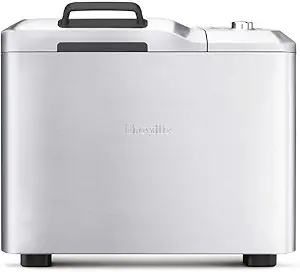 |
| Best Value The sweet spot between price and what you get | Elite Gourmet Bread Maker EBM8103B |  |
| Best Budget The cheapest option that still gets the job done reliably | Amazon Basics 2-Pound Bread Maker |  |
| Top Rated A top-rated pick with lots of positive feedback | KITCHENARM Smart Bread Machine 2LB |  |
| Most Popular A crowd favorite that many people choose with confidence | Cuisinart Bread Maker CBK-110P1ES |  |
| Best Seller A high-volume bestseller chosen again and again | OSIPOTO Bread Maker BM8205 | 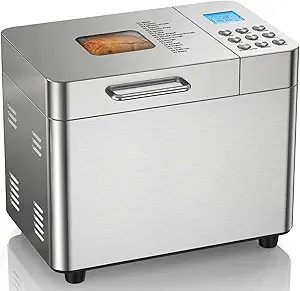 |
Zojirushi Home Bakery Supreme BB-CEC20

| Capacity | 2 pounds |
|---|---|
| Wattage | 700 watts |
| Voltage | 120 volts |
| Number of Programs | 10 |
The Zojirushi Home Bakery Supreme is a versatile bread machine designed to produce consistent, well-shaped rectangular loaves up to 2 pounds. It includes 10 programs covering basic and specialty breads, cake, jam, dough and sourdough starter functions, plus a quick-bake mode and a 13-hour timer for delayed baking. Practical features such as an easy-to-read LCD, adjustable crust shade and a nonstick inner pan simplify daily use and cleanup, while the machine's 700-watt heater and fuzzy logic controls help maintain steady baking temperatures for even browning. The rectangular loaf shape and program list make it suitable for regular sandwich loaves and many specialty recipes, though creating traditional long baguette shapes will require shaping and a separate bake if you want the classic crust and profile. The unit is solidly built with stainless steel accents and comes with measuring cups and a recipe booklet to help you get started. Expect reliable, repeatable loaves and flexible program options, while noting it is optimized for standard rectangular loaves rather than oven-style baguettes.
Best for: Home bakers who want a reliable, all-purpose machine for everyday sandwich loaves and occasional specialty breads, and who value convenience and consistent results.
Less Ideal for: Bakers seeking to produce traditional long baguettes with artisan crust and oven-style steam should look to countertop ovens or specialty shaping methods rather than a loaf-style breadmaker.
- Wide program selection including bread, cake, jam, dough and sourdough starter
- Adjustable crust shade and 13-hour delay timer for planning fresh bread
- Nonstick inner pan and included measuring tools simplify cleanup and portioning
- Rectangular 2-pound loaf pan does not produce a traditional long baguette shape
- Not intended for hand-shaped artisan crusts that need oven steam or direct heat
Verdict: Choose this Zojirushi if you want a dependable, program-rich breadmaker that delivers consistent 2-pound rectangular loaves for everyday baking.
Breville Custom Loaf BBM800XL

| Capacity | 2.5 pounds |
|---|---|
| Wattage | 830 watts |
| Voltage | 120 volts |
| Number of Programs | 13 |
The Breville Custom Loaf BBM800XL is a versatile bread machine designed for home bakers who want control over loaf type and mix-ins while keeping the process mostly hands-off. It supports 13 automatic programs and nine custom recipe slots so you can create and save settings for different doughs, including gluten-free and crusty-loaf cycles, and the smart LCD shows progress from mix to bake. The collapsible kneading paddle mixes ingredients on a platform then folds away before baking to reduce holes in the crumb, and the timed fruit and nut dispenser drops mix-ins at the correct stage. Practical touches include a 60-minute power-interruption backup and included paddles for bread and jam. At 830 watts and a 2.5-pound maximum loaf capacity, it makes bakery-style loaves at home but is a countertop appliance that takes space and requires hand-washing accessory care. For bakers focused on shaping and achieving classic baguette form, its program flexibility helps develop dough, though final shaping and oven baking are still needed for authentic baguette crust and length.
Best for: Bakers who prioritize control over dough development and programmable customization and who plan to use the machine to mix and proof dough before finishing artisanal loaves by hand or in the oven.
Less Ideal for: Users seeking a machine that produces long, thin baguette-style loaves without any post-processing or those who need a compact unit for very small kitchens.
- 13 automatic programs plus nine custom recipe slots for tailored dough and bake profiles
- Collapsible kneading paddle reduces large holes in finished loaves by folding away before bake
- Automatic fruit and nut dispenser times mix-ins accurately for consistent results
- Smart LCD provides clear progress feedback and 60-minute power-interruption protection
- 2.5-pound capacity and machine loaf shape limit ability to produce long traditional baguettes directly
- Requires hand-washing accessories and occupies significant countertop space
Verdict: Choose the Breville Custom Loaf if you want a powerful, programmable machine to handle dough mixing, proofing, and mix-ins while you finish shaping baguettes in the oven for authentic results.
Elite Gourmet Bread Maker EBM8103B

| Capacity | 2 pounds |
|---|---|
| Wattage | 550 watts |
| Number of Programs | 19 |
| Voltage | 120 volts |
The Elite Gourmet EBM8103B automates kneading, rising, and baking to deliver fresh homemade loaves with minimal hands-on time. You add ingredients, pick one of 19 programs (including gluten-free, whole wheat, quick bread, and dough), choose loaf size and crust darkness, and the machine handles the rest; the 15-hour delay timer and 60-minute keep-warm let you schedule baking around your day. The unit supports three loaf sizes up to 2 pounds and includes a nonstick bread pan, kneading blade, and basic accessories, which makes routine baking simple and low-effort. Its compact footprint and 550-watt power draw make it suitable for small kitchens and for use when you do not want to heat a full oven. A practical limitation for baguette seekers is the pan-style loaf shape and preset programs geared to sandwich loaves rather than long artisan baguettes, so achieving a traditional baguette shape or very crisp crust will require additional finishing or separate baking. Still, for everyday fresh bread, doughs, and quick recipes this machine is reliable and easy to use.
Best for: Buyers who prioritize efficient, hands-off baking and want a versatile countertop machine to produce regular sandwich loaves, doughs, and quick breads with minimal fuss.
Less Ideal for: Bakers seeking to produce traditional long baguettes or restaurant-style crusty artisan loaves without additional oven finishing should look at dedicated oven methods or machines designed for baguette shaping.
- Fully automatic knead-rise-bake cycle for low-effort fresh bread
- 19 one-touch programs covering breads, dough, jam, and more
- Three loaf size options up to 2 lb for portion flexibility
- 15-hour delay timer and 60-minute keep-warm for scheduled baking
- Compact, energy-saving design that uses less power than a full oven
- Bakes pan-style loaves only, not shaped baguettes without manual transfer to an oven
- Limited control over steam and crust development for artisan-style crusts
Verdict: Choose this model if you want a practical, programmable machine that reliably produces everyday pan-style loaves and doughs with minimal effort.
Amazon Basics 2-Pound Bread Maker

| Capacity | 2 pounds |
|---|---|
| Wattage | 550 watts |
| Number of Programs | 14 |
| Voltage | 120 volts |
This Amazon Basics bread maker is a straightforward machine for baking up to a 2-pound loaf at home. It automates mixing, kneading, rising, and baking across 14 programs that include dough-only and gluten-free options, and it offers three crust color settings plus an ExpressBake mode that can finish a loaf in under 90 minutes. The nonstick pan and stainless steel housing make cleanup and durability easy for everyday use, while the LCD display and program choices give control without complexity. For baguette-specific baking, the machine handles dough mixing and rising well but produces standard loaf shapes rather than traditional long baguettes, so you will still need to shape and bake on a baking stone or in the oven to get classic baguette form and crust. Power at 550 watts is adequate for home loaves but not unusually fast, and the 2-pound capacity suits families or frequent bakers who want larger loaves. If you want a budget-friendly, reliable machine to prepare dough and bake conventional sandwich-style loaves quickly, this is a practical choice.
Best for: Buyers who want an affordable, no-frills bread machine that reliably makes dough and standard loaves and who plan to finish shaped baguettes in the oven for traditional form and crust.
Less Ideal for: Bakers who want a dedicated appliance that produces long, crusty baguettes straight from the machine or who need commercial-scale throughput.
- Automates mixing, kneading, rising, and baking with 14 preset programs
- ExpressBake mode for loaves in under 90 minutes
- 2-pound capacity for family-size loaves
- Nonstick pan and stainless steel body simplify cleaning and durability
- Produces standard pan loaves, so shaping and oven-baking are needed for traditional baguette shape and crust
- 550-watt motor is adequate but not high-powered for faster or heavier doughs
Verdict: A budget-friendly bread maker that reliably prepares dough and full-size loaves, making it a practical choice for bakers who will shape and finish baguettes in the oven.
KITCHENARM Smart Bread Machine 2LB

| Voltage | 120 volts |
|---|---|
| Capacity | 2 pounds |
| Wattage | 550 watts |
| Number of Programs | 29 |
The KITCHENARM Smart Bread Machine is a full-featured home bread maker that handles everything from basic loaves to specialty doughs using 29 automatic programs and a fully customizable HOME MADE cycle. Typical use is add ingredients, pick a program, and let the machine mix, knead, rise, and bake up to a 2 lb loaf; there are also options for smaller 1.5 lb and 1 lb loaves, crust color selection, a 15-hour delay timer, and a keep-warm function. Notable features include cycle-level programming that lets experienced bakers tweak knead, rest, rise, and bake times, a large LCD for clear status, and add-nuts/remove-paddle alarms for mid-cycle adjustments. The stainless steel housing and ETL certification give a sense of build quality and safety, and the nonstick Teflon pan eases loaf removal. On the downside, the machine is a standard countertop footprint and requires hand-washing of parts, and masterful baguette shaping still needs human attention since this is primarily a pan-bread machine rather than a dedicated baguette former. For reliable everyday loaves and advanced recipe experimentation this machine offers strong, predictable results, but plan to finish and shape elongated loaves by hand if you want traditional baguette form.
Best for: Home bakers who prioritize a reliable, programmable machine that can consistently produce a variety of pan-style loaves and who value the ability to customize cycle timing for recipe tweaking.
Less Ideal for: Bakers who need a device that automatically forms and bakes authentic free-form baguettes or who want fully dishwasher-safe parts should look elsewhere.
- 29 built-in programs including gluten free and sourdough for wide recipe coverage
- Customizable HOME MADE cycle lets you set knead, rest, rise, and bake times
- Three loaf size options and crust color control for flexible batch sizing
- ETL certified stainless steel build with a large LCD for easy operation
- 15-hour delay timer, keep-warm, and interruption recovery for scheduling convenience
- Designed for pan-style loaves so it does not produce traditional free-form baguette shapes without manual finishing
- Bread pan is Teflon coated and parts must be hand washed
Verdict: Choose this programmable, well-built machine if you want a dependable bread maker that lets you customize cycle timing for consistent pan loaves and recipe experimentation.
Cuisinart Bread Maker CBK-110P1ES

| Capacity | 2 pounds |
|---|---|
| Wattage | 550 watts |
| Voltage | 120 volts |
| Number of Programs | 12 |
The Cuisinart CBK-110P1ES is a countertop bread machine that mixes, kneads and bakes loaves up to 2 pounds using one of 12 preset programs. It is typically used for everyday sandwich loaves, quick breads, jams and simple artisanal recipes by selecting loaf size, crust color and a program on the LCD control panel then letting the machine run through knead, rise and bake cycles. Notable features include a removable nonstick vertical bread pan, audible beeps, a 60-minute keep-warm function and a 13-hour delay-start so fresh bread can be timed for mornings. In practice it delivers consistent, evenly baked loaves for routine home baking and is compact enough for smaller kitchens. Limitations for someone seeking baguettes: the vertical pan produces a taller, sandwich-style loaf rather than a long, thin baguette shape and crust crispness and scoring control are limited compared with an oven bake or specialty machine, so results require adapting recipes and accepting a different crumb and crust profile.
Best for: Buyers who want a reliable, easy-to-use machine for regular home loaves and value consistent results backed by strong user feedback and features that simplify routine baking.
Less Ideal for: Bakers seeking authentic, long, thin baguettes with artisan crust and scoring control should look to an oven method or a specialty long-pan solution instead.
- 12 preset programs cover basic breads, cakes and jams for easy one-touch baking
- Three loaf-size and three crust-color options let you tailor quantity and appearance
- Removable nonstick vertical pan simplifies loaf removal and cleanup
- 13-hour delay-start and 60-minute keep-warm add convenience for timed baking
- Vertical pan design cannot produce traditional long baguette shapes
- Limited crust blistering and scoring control compared with oven baking
Verdict: A dependable, compact bread machine that makes consistent sandwich-style loaves with convenient presets and timers, best for everyday home baking rather than true baguette shaping.
OSIPOTO Bread Maker BM8205

| Capacity | 2 pounds |
|---|---|
| Wattage | 600 watts |
| Number of Programs | 17 |
| Voltage | 120 |
The OSIPOTO BM8205 is a compact automatic bread maker designed for straightforward loaves and home bakers who want set-and-forget baking. You add ingredients, pick one of 17 programs and the machine handles mixing, kneading, proofing and baking with a claimed 360 degree heat distribution for even crusts. It supports three loaf sizes up to 2 pounds and three crust darkness settings, plus a 15-hour delay timer and a keep-warm function so fresh bread can be ready on your schedule. The nonstick pan and included measuring tools make cleanup and getting started easier, and the stainless steel case looks durable. For specialty shapes like a traditional baguette the machine will produce sandwich-style loaves rather than long artisan baguettes, so you may need to shape and finish dough outside the machine and use the bake-only or dough programs. The unit runs quietly and includes overheat protection, but power is 600 watts so expect standard home-bread-machine bake times rather than oven-speed results.
Best for: Buyers who prefer predictable, low-effort bread baking and want a reliable machine to make daily sandwich loaves or prepare dough for finishing in an oven.
Less Ideal for: If your priority is producing authentic long, crispy baguettes straight from the machine, this model is not ideal and an oven or dedicated artisan bread oven would be a better choice.
- Large 2 lb capacity with three loaf-size options for family-sized loaves
- 17 preset programs including dough-only and gluten-free options
- 15-hour delay timer and keep-warm function for scheduled baking
- Nonstick pan and included measuring tools simplify cleanup and setup
- Stainless steel housing with quiet 600W operation and overheat protection
- Does not produce traditional long baguette shapes without manual shaping and a separate bake step
- Bake times are typical for bread machines and longer than oven baking
Verdict: A dependable, beginner-friendly bread maker that consistently produces sandwich-style loaves and dough you can finish for baguettes in the oven.
Choosing the Right Bread Maker for Baguettes: Key Factors to Consider
Kneading and Mixing Capability
Baguette doughs often have higher hydration and require thorough gluten development. A machine's kneading system determines how effectively it can handle sticky, wet dough without under-kneading or overworking the gluten. Look for robust blades or paddle designs and motor torque ratings that can sustain longer kneading cycles.
Extended or variable-speed kneading helps because you can tailor the cycle length to the recipe and water content. Machines that allow manual rest periods or intermittent knead cycles also reduce overheating and improve dough texture.
Programmable Fermentation and Proofing
Baguettes benefit from controlled, often longer bulk fermentation and final proofing to develop flavor and structure. A bread maker with flexible programmable settings or multiple fermentation stages lets you mimic traditional step-up proofs. Accurate internal temperature control matters because yeast activity and enzyme function are temperature sensitive.
A machine that supports delayed start, low-temperature proofing, or overnight cold proof cycles gives you more control over timing and flavor development without resorting to manual interventions.
Loaf Shape and Accessory Support
Standard bread machines typically form short, square or rounded loaves. For baguettes you need either a shape-friendly bake chamber, accessories for elongated loaves, or a machine that reliably produces dough you can easily remove and shape by hand. Consider whether the machine has a removable pan design, easy-release surfaces, or included shaping molds.
If you plan to finish shaping and baking in a conventional oven, choose a bread maker that produces a well-kneaded, well-proofed dough that transfers cleanly without damaging the gluten structure.
Crust Settings and Heat Control
Baguette crust is defined by a crisp, blistered exterior and deep color from high-heat baking. Bread makers that offer adjustable crust settings, extended bake time options, or top-heating elements give you more influence over final crust characteristics. Evenness of heat distribution in the bake chamber affects browning and oven spring.
Some machines provide steam or humidity controls which help achieve a thin, crackly crust. If the machine lacks such features, you may need to perform the final bake in a conventional oven to get an ideal crust.
Dough Capacity and Hydration Handling
Capacity matters because baguettes require specific dough volumes to achieve the long shape you want. Verify the machine can handle the amount of dough your recipes call for without overfilling the pan. Equally important is the ability to process high-hydration doughs; overly wet doughs can stick to paddles or overload motors.
Machines with larger pans, removable paddles, and flexible programming for longer kneads are better suited to manage wet doughs and yield consistent results.
Ease of Cleaning and Durability
Working with wet, sticky baguette doughs increases the need for cleaning and can wear parts faster. Look for pans and paddles with nonstick coatings that clean easily and for paddle designs that are simple to remove. Durable motor components and sturdy exterior construction reduce the chance of mechanical issues from frequent, intensive use.
Accessible customer support and easy-to-find replacement parts matter if you plan to bake baguettes regularly, because prolonged high-hydration cycles and longer fermentation schedules can increase wear on seals and moving parts.
When to Use the Bread Maker Versus Hand-Shaping
A bread maker excels at the early stages: precise mixing, steady kneading, and consistent bulk fermentation. Use it to build gluten structure and manage long, timed rises that can be difficult to maintain by hand.
If you prefer a strictly traditional baguette finish, remove the dough after the machine's final proof to shape and bake in a conventional oven. This hybrid approach combines the machine's consistency with hand-shaping techniques that create the classic long loaf and artisan crust.
- Let the machine complete kneading and bulk proof to save time.
- Degas gently when transferring to avoid damaging air pockets.
- Finish baking in a hot oven if you want more oven spring and a blistered crust.
Tips for Converting Baguette Recipes for a Bread Maker
When adapting a baguette recipe, reduce initial hydration slightly or use an extended knead program to accommodate the machine's mixing action. Add water gradually during the first knead to judge dough consistency.
Use shorter, controlled knead pulses rather than continuous high-speed mixing for delicate doughs. Program a longer first rise and a shorter second proof if you will finish shaping and baking outside the machine.
- Start with 5 to 10 percent less water and add as needed during kneading.
- Use the machine's custom program to separate kneading, bulk fermentation, and final proof stages.
Finishing Techniques to Improve Crust and Oven Spring
To get a crisp, blistered crust, score the dough right before baking and bake with steam for the first 8 to 12 minutes. If the bread maker does not provide steam, transfer the proofed loaves to a preheated oven and introduce steam by adding a tray of boiling water or using a steaming method.
Preheating a baking stone or steel and baking at higher temperatures for a shorter time enhances oven spring and creates the ideal crust for baguettes. Monitor color and knock for doneness rather than relying solely on time.
- Score shallow slashes at a 30-degree angle for classic baguette ears.
- Use a preheated stone and hot initial temperature to maximize oven spring.
Maintaining Your Machine for Reliable Baguette Results
Clean paddles and pans promptly after each use to prevent dough buildup that can affect kneading performance. Inspect seals and bearings periodically for wear, particularly if you run frequent high-hydration cycles.
Calibrate temperature-dependent programs if your machine allows it. Small deviations in proofing temperature can change fermentation speed and final loaf texture, so periodic checks ensure consistent results.
- Remove baked-on dough before it hardens to avoid abrasive cleaning.
- Run occasional test bakes with a thermometer to confirm internal temperature accuracy.
How We Chose the Best Bread Maker for Baguettes
We focused on features and performance attributes that directly affect baguette baking rather than broad general-purpose claims. Our evaluation prioritized mixing and kneading systems strong enough to develop gluten in higher-hydration doughs, programmable fermentation and extended proofing cycles, and loaf shaping or accessory support that helps produce elongated loaves. We assessed temperature consistency across kneading, proofing, and baking stages because even small fluctuations affect oven spring and crust development. Additional filters included crust control options, degassing and dough-handling modes, and the availability of manual or custom programs for multi-step recipes. We excluded machines that lack a programmable timer, cannot handle at least one high-hydration dough program, or offer no way to influence bake time and crust darkness. Final consideration was ease of cleaning and durable construction since routine use with wet doughs stresses parts. The result is a list of machines that meet technical needs for authentic baguette shaping and baking while remaining practical for home kitchens.
Our full evaluation process is outlined in our review methodology.
FAQ
Can a bread maker produce authentic baguette crust and shape?
Often a bread maker can produce well-kneaded, properly proofed dough, but the classic long shape and blistered crust usually require final shaping and high-heat baking in a conventional oven.
What settings are most important for baguette dough?
Look for a machine with customizable knead cycles, programmable fermentation length, and adjustable bake settings so you can control hydration handling and crust darkness.
How do I prevent the dough from sticking to the paddles?
Use a light coating of oil or a flour dusting on paddles, add water gradually during kneading, and clean components promptly to avoid sticky buildup that interferes with performance.
Is it better to fully bake baguettes in the bread maker or finish in an oven?
It depends on your machine. If it lacks steam and high-heat baking, finish in a preheated oven to achieve a crisper crust and better oven spring.
How important is motor strength for baguette dough?
Motor torque matters because high-hydration doughs and longer kneading cycles demand sustained power. A weak motor may overheat or underperform during extended cycles.
Final Verdict
Choosing a bread maker for baguettes means prioritizing strong kneading capability, flexible fermentation controls, and features that support elongated shaping. Decide whether you want a machine that handles nearly the entire process or one that prepares dough for final shaping and baking in a conventional oven. Expect tradeoffs between convenience and ultimate crust quality; if crisp, blistered crust is a priority, plan to finish loaves in a hot oven. With the right balance of kneading power and programmable proofing, you can consistently produce superior baguette dough at home.