
Note: This article contains affiliate links. If you click on these links and make a purchase, we may earn a small commission at no extra cost to you. This helps support our research and content. Read our full affiliate disclosure here.
If you juice celery regularly, the right budget juicer can make the difference between an efficient daily habit and a messy chore. Celery is fibrous and stringy, so machines that handle long, wet stalks without clogging will save you time and get more liquid from each bunch. This guide lists seven shortlisted budget juicers chosen specifically for celery use and explains the practical tradeoffs that matter when you want reliable yields on a tight budget. We cover extraction performance, ease of cleaning, and everyday handling so you can pick a model that fits your routine and kitchen.
Top Picks at a Glance
| Best Overall The best all-around choice for most situations | Breville Juice Fountain Plus JE98XL |  |
| Best Quality Built to a higher standard if you want something more solid | Omega Cold Press Juicer J8006HDC |  |
| Best Value The sweet spot between price and what you get | Mueller Ultra Juicer MU-100 |  |
| Best Budget The cheapest option that still gets the job done reliably | QCen 500W Centrifugal Juicer KS-501 | 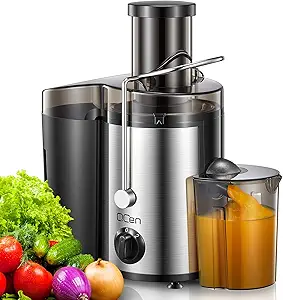 |
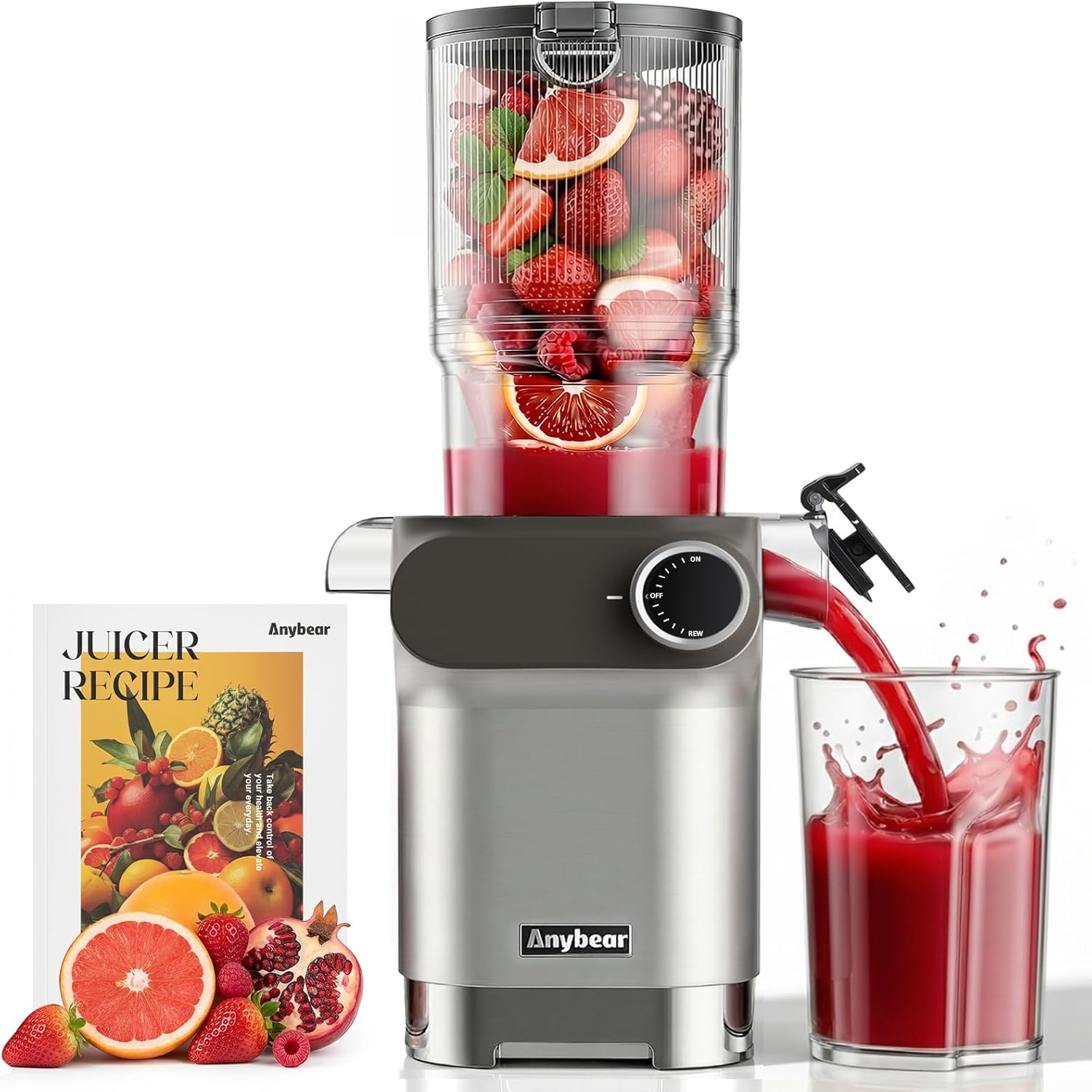
| Top Rated A top-rated pick with lots of positive feedback | anybear Cold Press Juicer SJ054C |  |
| Most Popular A crowd favorite that many people choose with confidence | Hamilton Beach Big Mouth Juicer 67601A |  |
| Best Seller A high-volume bestseller chosen again and again | Juilist Juicer AMR526 |  |
Breville Juice Fountain Plus JE98XL

| Wattage | 850 watts |
|---|---|
| Number of Speeds | 2 |
| Power Source | Corded Electric |
| Capacity | 1 liters |
The Breville Juice Fountain Plus JE98XL is a straightforward centrifugal juicer built for fast everyday use. It accepts whole fruits and vegetables through a 3-inch feed chute so prep time is minimal, and the two-speed control lets you switch to low for softer produce and high for denser items like celery stalks. The 850W motor and titanium-reinforced disc with a stainless steel micro-mesh filter aim to extract juice efficiently while the included 35.2 fl oz jug has a built-in froth separator to reduce foam in the glass. Cleanup is fairly simple because the pulp container detaches and many removable parts are dishwasher safe, though the unit is relatively large and has some weight to it. Expect brisk, froth-reduced juice quickly, but as a centrifugal model it will produce more foam and slightly less nutrient retention than slower masticating juicers. It is best used for quick morning juices or when you want minimal chopping and fast throughput.
Best for: Buyers who want a fast, low-prep juicer for daily use and value quick throughput and easy cleanup over slow-press extraction.
Less Ideal for: Those prioritizing maximum nutrient retention, very quiet operation, or compact countertop storage should consider a slow masticating model or smaller appliance instead.
- 3-inch extra-wide feed chute reduces prep by allowing whole fruits and vegetables
- Two-speed control for softer produce and harder vegetables
- 850W motor with reinforced cutting disc and stainless steel micro-mesh for efficient extraction
- Built-in froth separator in the juice jug yields less foam when pouring
- Removable parts are dishwasher safe for easier cleanup
- As a centrifugal juicer it creates more foam and may extract slightly fewer nutrients than slow masticating models
- Unit is relatively heavy and takes up significant counter space
Verdict: A fast, no-fuss centrifugal juicer that lets you juice celery and other produce with minimal prep and easy cleanup.
Omega Cold Press Juicer J8006HDC

| Wattage | 200 watts |
|---|---|
| Speed | 80 RPM |
| Power Source | Corded Electric |
| Capacity | 32 fluid ounces |
The Omega J8006HDC is a low-speed, triple-stage masticating juicer built for maximum nutrient extraction and versatile kitchen tasks. It runs at 80 RPM with a 200-watt motor and an adjustable end cap with three pressure settings to boost yield from leafy greens like celery and wheatgrass, and it includes attachments for nut butters, baby food, pasta extrusion and homogenizing. The slow speed reduces heat and oxidation so juice stores longer and retains more enzymes, while the automatic pulp ejection and large feed tray make batch juicing straightforward. Removable parts are dishwasher-safe which simplifies cleanup, and the heavy-duty stainless steel construction feels durable. Expect some noise and a relatively heavy, countertop footprint, and it is a single-speed unit so it lacks variable speed control for delicate timing. For celery specifically, the J8006HDC excels at extracting juice and minimizing foam compared with high-speed centrals, but it is larger and heavier than compact models.
Best for: Buyers who prioritize maximum nutrient extraction and high yield from celery and leafy greens and want a durable, versatile machine that can also make nut butters and baby food.
Less Ideal for: Users who need a compact, ultra-quiet or multi-speed juicer for occasional single-cup use should consider smaller or variable-speed models instead.
- Triple-stage masticating system maximizes juice yield from celery and leafy greens
- Low 80 RPM speed reduces heat and oxidation for longer-lasting, nutrient-rich juice
- Includes multiple attachments for nut butter, baby food, pasta and homogenizing
- Removable parts are top-rack dishwasher safe for easier cleanup
- Stainless steel construction and robust motor handle tough produce with steady torque
- Single-speed design lacks variable speed control for fine-tuning extraction
- Relatively heavy and takes significant countertop space compared with compact juicers
- Some operational noise is expected despite being quieter than high-speed extractors
Verdict: Choose the Omega J8006HDC if you want a performance-focused cold-press juicer that maximizes juice yield and nutrient retention from celery and other leafy greens while doubling as a versatile kitchen nutrition system.
Mueller Ultra Juicer MU-100

| Number of Speeds | 2 |
|---|---|
| Wattage | 850 watts |
| Maximum Power | 1100 watts |
| Juice Container Capacity | 34 fl oz (1 liter) |
| Pulp Container Capacity | 68 fl oz (2 liter) |
The Mueller Ultra Juicer is a budget-friendly centrifugal machine built for quick home juicing. It accepts whole or halved produce through a 3-inch feed chute and offers two speed settings to handle softer or firmer items; a safety locking arm and overload auto-shutoff improve everyday safety. Juice is separated into a 34 fl oz jug while pulp is collected in a 68 fl oz container so you can keep or discard solids without extra straining. The stainless steel filter and blades deliver solid extraction for common fruits and vegetables, and parts that contact food are straightforward to rinse or brush clean. It is compact enough for small counters but still produces useful yields thanks to its 850–1100 watt motor range. Limitations include the nature of centrifugal extraction, which yields more foam and less nutrient-retaining juice compared with cold-press models, and the need to cut very large produce to fit despite the wide chute. For someone focused on fast, no-fuss morning juices from carrots, apples, and celery, this machine balances performance and simplicity at a low price point.
Best for: Buyers who prioritize fast, low-effort juicing on a budget and want a compact, reliable machine for daily fruit and vegetable drinks.
Less Ideal for: Those who want maximum nutrient retention, minimal foam, or plan to juice fibrous leafy greens and wheatgrass regularly should consider masticating or cold-press models instead.
- Wide 3-inch feed chute reduces prep for many fruits and vegetables
- Two speed settings let you adjust for soft or hard produce
- Separate juice jug and large pulp container for continuous juicing
- Stainless steel blade and mesh filter for effective extraction
- Safety locking arm and auto shut-off protect against jams and overheating
- Centrifugal design produces more foam and less nutrient-rich juice than cold-press juicers
- Very large items may still require chopping to fit the chute
Verdict: A fast, compact centrifugal juicer that delivers convenient, continuous juicing for budget-minded users who want quick celery and produce juices.
QCen 500W Centrifugal Juicer KS-501

| Maximum Power | 500 watts |
|---|---|
| Number of Speeds | 2 |
| Power Source | Corded Electric |
| Voltage | 120 volts |
| Capacity | 3 liters |
The QCen 500W Centrifugal Juicer is a compact countertop machine that turns whole and cut fruits and vegetables into juice using a high-speed spinning filter basket. It is typically used for quick morning juices and straightforward produce like apples, oranges, and harder stalks such as celery when chopped to fit the feed chute. Notable features include a 500W motor, a 3" wide feed chute that reduces prep, two speed settings for soft or hard produce, a safety lock arm, and detachable BPA-free parts for cleaning. In practice the powerful motor and high speed make it effective at extracting juice from fibrous vegetables like celery, though centrifugal designs tend to produce more foam and slightly less yield than slow masticating juicers. The unit has overload protection to prevent damage from heavy loads and most removable pieces are hand-washable, but the filter basket requires careful cleaning to remove pulp. Its compact footprint fits small kitchens, but users seeking maximum yield from celery or very leafy greens may prefer a slow juicer instead.
Best for: Buyers who want an inexpensive, fast countertop juicer for daily vegetable and fruit drinks and who prioritize quick prep and speed over absolute maximum juice yield.
Less Ideal for: Users whose top priority is extracting the highest possible yield from leafy greens and celery or who want the quietest, lowest-foam operation should consider a slow masticating juicer instead.
- 500W motor provides strong, fast extraction
- 3" wide feed chute reduces chopping and speeds prepping
- Two speed settings let you match speed to soft or hard produce
- Safety lock arm and overload protection add user safety
- Detachable parts make disassembly and hand-washing straightforward
- Centrifugal design can leave more foam and slightly lower yield on celery than slow masticating juicers
- Filter basket and mesh require careful cleaning to remove fibrous pulp
Verdict: A budget-friendly, fast centrifugal juicer that minimizes prep with a wide chute and delivers solid performance for everyday celery juices when you value speed and cost over maximum yield.
anybear Cold Press Juicer SJ054C
| Wattage | 200 watts |
|---|---|
| Voltage | 110 volts |
| Special Features | Easy to Clean |
| Blade Material | Stainless Steel |
The anybear Cold Press Juicer SJ054C is a slow masticating juicer built to extract juice at low speeds with minimal oxidation. It uses a 200W, high-torque motor and a single auger to process whole fruits and vegetables through a 4.3-inch feed chute, which reduces prep time for larger produce and makes continuous juicing easier. The unit emphasizes easy cleaning with a simplified stainless steel filter and three-piece disassembly plus a cleaning brush, and key parts are made from BPA-free Tritan and ABS plastics. Practical benefits include higher juice yield from fibrous produce, quieter operation compared with fast centrifugal machines, and a compact footprint that fits most countertops. Limitations to expect are hand-wash-only care, which adds chores after use, and slower throughput compared with high-speed juicers when processing large volumes. The design favors steady, deliberate juicing sessions rather than quick, high-volume output.
Best for: Buyers who prioritize a reliable, low-oxidation juicing method for everyday vegetable juices and want a machine that consistently produces higher yields with minimal noise.
Less Ideal for: Those who need very fast, high-volume throughput for commercial use or who prefer dishwasher-safe cleanup should consider different models.
- High-torque 200W motor for efficient cold press extraction
- Large 4.3-inch feed chute reduces chopping and speeds prep
- BPA-free Tritan and stainless steel components in contact with juice
- Simplified one-piece filter and included brush make cleaning easier than some slow juicers
- Hand wash only; not dishwasher-safe
- Slower processing speed compared with centrifugal juicers for very large batches
Verdict: Choose this juicer if you want a dependable, low-speed cold press that extracts more juice from fibrous produce like celery while keeping noise and oxidation low.
Hamilton Beach Big Mouth Juicer 67601A

| Maximum Power | 800 watts |
|---|---|
| Power Source | Corded Electric |
| Number of Speeds | 1 |
| Material | Plastic, Stainless Steel |
| Capacity | 5 pounds |
The Hamilton Beach Big Mouth Juicer (67601A) is a centrifugal countertop juicer built for fast, everyday juicing. It uses an 800W motor and a 3-inch feed chute that accepts whole apples, celery stalks, and similarly sized produce so you spend less time prepping. Juice is produced through a stainless steel strainer basket and a removable blade, and pulp is collected in a large bin so you can run multiple batches without stopping. Removable parts are dishwasher-safe and a cleaning brush is included to help clear the strainer. The unit runs at a single speed with a simple knob controller and includes motor overload protection to prevent overheating. Because it is a centrifugal model, it delivers juice quickly but can be a bit louder and may produce slightly more foam than slow juicers, and leafy greens can require packing between harder items for best yields. Its plastic construction keeps weight and cost down while providing straightforward assembly and cleaning.
Best for: Buyers seeking a budget-friendly, no-fuss juicer that speeds up prep and handles whole produce like celery without needing a lot of cutting; ideal for people who prioritize fast daily juice routines backed by extensive user feedback.
Less Ideal for: If you want the quietest operation, maximum dry pulp from leafy greens, or the slow cold-press flavor profile, a masticating (slow) juicer would be a better choice.
- Extra-large 3 inch feed chute reduces pre-cutting for whole fruits and celery stalks
- 800-watt motor for efficient extraction of both hard and soft produce
- Dishwasher-safe removable parts and included cleaning brush simplify cleanup
- Large pulp bin lets you juice several items before emptying
- Stainless steel strainer and blade for durable, food-contact surfaces
- Single speed limits control over extraction for delicate leafy greens
- Centrifugal design can be noisier and produce more foam than masticating juicers
Verdict: Choose this model if you want a proven, budget-friendly centrifugal juicer that handles whole celery stalks with minimal prep.
Juilist Juicer AMR526

| Feed chute | 3" |
|---|---|
| Maximum power | 800 watts |
| Wattage | 400 watts |
| Number of speeds | 3 |
| Material | Stainless Steel |
The Juilist AMR526 is a budget centrifugal juicer built for fast, everyday use. It accepts large pieces through a 3" wide feed chute so you can juice celery stalks and other vegetables with less prep, and the three-speed motor (including a pulse/high setting) handles soft and harder produce. The manufacturer rates maximum power at 800W with a nominal 400W operating rating, which translates to quick extraction and short run times; the unit also includes a visible window so you can monitor extraction and a splash-guard design to reduce mess. Cleanup is straightforward because the removable parts are dishwasher-safe and a cleaning brush is included for the mesh filter. Safety features such as a double lock arm and automatic overheat protection increase reliability for regular use. Expect the normal limits of a centrifugal model: it will produce more foam and slightly drier pulp than a slow masticating juicer and is not intended for sugar cane, frozen produce, or very high-fiber greens used in large amounts. For straightforward, low-effort juicing of celery and mixed produce, it is a practical budget choice.
Best for: Buyers looking for a reliable, low-risk countertop juicer that speeds up prep and cleanup and delivers quick fresh juice for daily use, especially for vegetable blends like celery.
Less Ideal for: Those who prioritize maximum juice yield from leafy greens or want a machine for heavy-duty extraction of sugar cane, frozen fruit, or large amounts of fibrous vegetables should consider a masticating or specialty juicer instead.
- 3" wide feed chute reduces chopping and speeds up prep
- Three speed settings plus pulse for adaptable extraction of soft and hard produce
- Dishwasher-safe removable parts and included cleaning brush simplify cleanup
- Visible window and safety lock arm let you monitor operation and run the machine confidently
- As a centrifugal juicer it produces more foam and less dry pulp than slow masticating models
- Not recommended for sugar cane, frozen produce, or very high-fiber vegetables in large quantities
Verdict: A straightforward, budget-friendly centrifugal juicer that makes quick, low-effort celery and mixed-vegetable juice with easy cleanup and built-in safety features.
Choosing the Right Budget Juicer for Celery: Key Factors to Consider
Extraction Efficiency
How well a juicer separates liquid from celery fibers determines how much juice you get per bunch. Celery is stringy and water-rich, so machines with designs that press or grind and then screen effectively will produce higher yields and drier pulp.
Higher extraction efficiency means fewer trips to the store and lower per-serving cost. For daily celery juicing, prioritize machines with mechanisms that sustain good pressure or shear on fibrous stalks rather than models optimized only for soft fruits.
Clogging and Feed Management
Celery can tangle and compact inside small chutes and screens, causing frequent clogs that interrupt the juicing flow. A wider feed chute, an auger or centrifugal design that sheds long fibers, and reliable pulp-ejection paths reduce the chance of jams.
If you want to juice whole stalks with minimal prep, choose a unit with proven clog resistance. Consider whether stalks need to be chopped and how often you will need to stop to clear blockages when deciding on a budget model.
Ease of Cleaning and Maintenance
Daily juicing routines are only sustainable if cleanup is quick and straightforward. Removable parts that rinse clean, dishwasher-safe components, and accessible screens speed recovery between uses.
Fibrous residues can stick to screens and crevices, so evaluate how easily you can disassemble and scrub the juicer. Models that require long soak times or fiddly tools will reduce real-world convenience even if they perform well on paper.
Motor Capacity and Run Time
Budget machines vary in motor strength and recommended continuous run time. Celery juicing can put sustained load on a motor, so capacity and thermal protection matter more than peak wattage alone.
Look for units rated for longer run cycles or those with thermal cutoffs to avoid burnout. For families or frequent users, a motor that tolerates repeated short sessions without strain will last longer and provide steadier performance.
Pulp Dryness and Waste Volume
Drier pulp indicates more complete extraction and better value from each bunch of celery. The amount and moisture of the expelled pulp also affects cleanup and composting decisions.
If you plan to compost or reuse pulp in recipes, consider how wet or dry the output will be. Drier pulp means you extracted more juice, while wetter pulp can be easier to repurpose but shows lower efficiency.
Countertop Footprint and Usability
Space, weight, and how the unit integrates in your kitchen determine whether you will actually use it regularly. A compact footprint and straightforward controls make daily operation less of a hurdle.
Also think about noise level and stability during use. A budget unit that is loud, bulky, or rattly can be inconvenient for morning routines, even if it extracts well.
Why Celery Is Different Than Other Juicing Produce
Celery is mainly water but has long, stringy fibers that behave differently from berries or oranges. Those fibers can wrap around screens or clog small chutes, and they require either sustained pressure or a cutting mechanism to separate juice efficiently.
Understanding this helps explain why a juicer that performs well on soft fruit might struggle with celery. Performance on fibrous greens is the key metric to prioritize when choosing a budget machine for regular celery use.
- Fibrous structure causes tangling and clogging in narrow-feed machines
- High water content rewards extraction-focused designs
- Pulp dryness is a useful proxy for real-world efficiency
Types of Budget Juicers and How They Handle Celery
Budget juicers generally fall into two categories with different tradeoffs. Centrifugal models spin produce against a blade and screen and often extract quickly but may struggle with long fibers. Masticating or slow auger designs chew and press, often yielding drier pulp but taking more time.
When shopping on a budget, you may trade speed for yield. Consider how much time you can spend per session versus how much juice you want from each bunch of celery.
- Centrifugal: faster, simpler, may clog more with celery
- Masticating/auger: slower, usually better at fibrous greens
Prep Tips to Improve Performance
Even budget units benefit from minimal prep. Trimming leaves, removing very thick base sections, and cutting stalks into lengths that match the feed chute reduce the chance of jams and improve consistency of extraction.
If your chosen model has a narrow chute, pre-cut celery into shorter pieces. For wider chutes or auger designs, you can often feed longer stalks, which saves time on chopping.
- Trim tough bases and remove excess leaves for easier feeding
- Cut stalks to the recommended length for your juicer
- Pulse or alternate feeding to prevent compacting long fibers
Cleaning Workflow for Daily Use
Establish a quick cleaning routine to keep celery juicing sustainable. Rinse removable parts immediately, scrape pulp away from screens before it dries, and use a small brush to clear mesh. Soaking overnight is a fallback but adds delay to morning routines.
Look for designs with fewer nooks where fibers can lodge. A consistent post-use wipe and rinse typically prevents buildup and preserves extraction efficiency over time.
- Rinse immediately to prevent dried-on residue
- Use the provided brush or a soft toothbrush for screens
- Dry and reassemble promptly to avoid odor or mold
Noise, Stability, and Real-World Convenience
Noise and vibration are easy to underestimate when you rely on a juicer every day. A quieter motor and stable base make morning routines less disruptive. Budget machines can vary widely in how they handle unbalanced loads that occur with long celery stalks.
Consider where the unit will live and whether you need to limit runtime or use it near sleeping areas. Practical convenience often determines whether a budget buy remains useful over months of daily use.
- Rubber feet or a heavier base reduce movement
- Quieter motors are preferable for early-morning juicing
- Shorter run cycles may require rest breaks for larger batches
How We Chose the Best Budget Juicer for Celery
We focused on factors that matter to people who juice celery often and want a reliable machine without a high price tag. The selection prioritized extraction efficiency for long, fibrous stalks, how easily the unit resists clogging and handles pulp, cleaning and disassembly time, motor durability under extended runs, and overall daily convenience including feed-chute design and juice separation. We excluded devices intended only for soft fruits or citrus presses that lack the mechanical design to process celery consistently. We also filtered out models with short manufacturer-recommended run times or known issues with overheating. Our evaluation relied on spec comparisons, user reports about long-fiber produce handling, and practical usability signals such as chute width and pulp ejection design. The result is a set of budget-focused juicers that balance consistent celery extraction, manageable upkeep, and build features that support frequent use.
Our full evaluation process is outlined in our review methodology.
FAQ
Can a budget juicer handle whole celery stalks without chopping?
It depends on the feed-chute size and the machine type. Wide-chute centrifugal models or auger-style units can often take longer stalks, while narrow-chute machines usually require cutting celery into shorter pieces to avoid jams.
How can I reduce clogging when juicing celery?
Trim thick bases, cut stalks to the recommended length, and feed more slowly or in short bursts. Alternating with a firmer item, like a cucumber piece, can help push fibers through some machines.
Is it better to buy a slow auger or a centrifugal model for celery?
Slow auger designs typically extract more juice from fibrous greens and produce drier pulp, while centrifugal models are faster but may struggle more with stringy fibers. Your choice should balance desired yield versus speed and budget constraints.
How often should I clean the juicer when juicing celery daily?
Rinse removable parts after each use and scrub screens as needed to prevent buildup. A quick rinse and brush after every session keeps maintenance low; deep cleaning weekly is usually sufficient unless you notice residue buildup.
Will juicing celery damage a budget juicer motor?
Sustained heavy loads can strain lower-capacity motors. Choose a model rated for longer run times or use shorter sessions with breaks to avoid overheating. Units with thermal protection are preferable for frequent celery juicing.
Final Verdict
When choosing a budget juicer for celery, prioritize extraction efficiency, clog resistance, and ease of cleaning. Expect tradeoffs between speed and yield: faster centrifugal units may save time but often leave wetter pulp, while slower augers usually extract more juice per bunch. Consider motor run time and the unit footprint to match your kitchen routine. By focusing on the factors outlined here, you can pick an affordable model that delivers consistent celery juice without creating a burdensome cleanup routine.