
Note: This article contains affiliate links. If you click on these links and make a purchase, we may earn a small commission at no extra cost to you. This helps support our research and content. Read our full affiliate disclosure here.
If you squeeze lemons regularly for drinks, dressings, or baking, the right budget lemon juicer saves time and reduces waste. A good economical juicer should extract as much liquid as possible while staying easy to clean and durable enough for repeated home use. This guide shortlists the top budget lemon juicers that balance extraction efficiency, build quality, and straightforward maintenance. Below you will find concise evaluations based on practical homeowner concerns and measurable performance traits, followed by buying factors to help match a pick to your routine.
Top Picks at a Glance
| Best Overall The best all-around choice for most situations | Elite Gourmet ETS623 Citrus Juicer |  |
| Best Quality Built to a higher standard if you want something more solid | Cuisinart Pulp Control CCJ-500P1 | 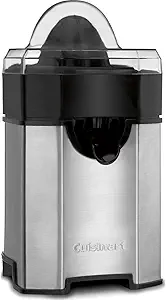 |
| Best Value The sweet spot between price and what you get | OXO Good Grips 2‑in‑1 Citrus Juicer |  |
| Best Budget The cheapest option that still gets the job done reliably | YZC Lemon Squeezer 2-Pack |  |
| Top Rated A top-rated pick with lots of positive feedback | Zulay Metal 2-in-1 Lemon Squeezer | 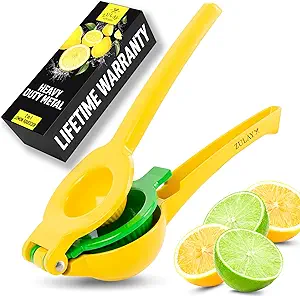 |
| Most Popular A crowd favorite that many people choose with confidence | BLACK+DECKER Citrus Juicer CJ625 |  |
| Best Seller A high-volume bestseller chosen again and again | Juilist Centrifugal Juicer AMR526 |  |
Elite Gourmet ETS623 Citrus Juicer

| Maximum Power | 40 watts |
|---|---|
| Power Source | Corded Electric |
| Capacity | 24 oz |
| Special Features | Quiet Motor |
The Elite Gourmet ETS623 is a small, budget-friendly electric citrus juicer designed for quick home juicing of lemons, limes, oranges, and grapefruit. It uses a 40-watt motor with an auto-reversing reamer that spins in both directions as you press a halved fruit, which helps boost extraction compared with lower-power models. Juice collects in a 24-ounce container with an integrated pulp and seed filter and an easy-pour spout so you can serve directly from the jug. Detachable parts are dishwasher-safe on the top rack for faster cleanup, and the compact footprint fits tight counters and small kitchens. Practical limits include modest capacity for batch juicing and a corded design that needs countertop space while in use, but for everyday citrus needs it delivers faster yield and smoother juice than many no-frills manual or 25-watt electric models.
Best for: Buyers seeking an affordable, space-saving electric juicer that speeds up daily lemon and citrus prep and delivers smoother juice than manual presses.
Less Ideal for: Users who need to juice large quantities at once or prefer a cordless or industrial-strength juicer for heavy, frequent use should consider larger-capacity models.
- 40-watt motor with auto-reversing reamer for improved juice extraction
- 24 oz container with built-in pulp and seed filter and easy-pour spout
- Compact footprint suitable for small kitchens, dorms, and RVs
- Detachable parts are top-rack dishwasher safe for easier cleanup
- Smaller 24 oz capacity limits large batch juicing
- Corded design requires counter space and access to an outlet
Verdict: A compact, budget-friendly electric citrus juicer that improves extraction over basic models and is ideal for everyday lemon and small-batch citrus use.
Cuisinart Pulp Control CCJ-500P1

| Capacity | 12 ounces |
|---|---|
| Number of Speeds | 3 |
| Power Source | Corded Electric |
| Material | Stainless Steel |
The Cuisinart CCJ-500P1 is a small electric citrus juicer designed to squeeze everything from limes to grapefruits with minimal fuss. It uses an auto-reversing universal reamer and a final-spin feature to extract more juice, and three pulp-control settings let you dial how much pulp ends up in the glass. The extra-long snap-up spout reduces drips and fits taller glasses while removable parts are dishwasher safe for easy cleanup. At countertop-friendly size and simple button controls, it works well for daily juice or cocktail prep without taking much space. Power is modest which keeps it quiet and energy-efficient but means it is not intended for heavy commercial use or continuous large-batch juicing. For buyers focused on getting efficient juice extraction and straightforward operation on a budget, this model delivers reliable everyday performance in a compact package.
Best for: Buyers who want an efficient, no-frills countertop juicer that maximizes juice from citrus and is easy to clean and store for everyday home use.
Less Ideal for: People who need a high-throughput machine for frequent large-batch or commercial juicing should look at more heavy-duty extractors.
- Auto-reversing reamer and final-spin feature improve juice extraction
- Three pulp-control settings let you adjust pulp level
- Dishwasher-safe removable parts for easy cleanup
- Compact footprint and extra-long spout reduce drips and fit taller glasses
- Modest power makes it less suited for heavy continuous juicing
Verdict: A compact, budget-friendly citrus juicer that squeezes extra juice with adjustable pulp control and easy cleanup, making it a strong choice for performance-minded home users.
OXO Good Grips 2‑in‑1 Citrus Juicer

| Capacity | 350 ml |
|---|---|
| Power Source | Manual |
| Material | Plastic |
| Special Features | Pulp Control |
| Care | Dishwasher Safe |
This OXO 2‑in‑1 Citrus Juicer is a straightforward manual tool for squeezing lemons through grapefruits. It includes two removable reamers so you can switch between small and large fruit, and the reamers nest for tidy storage. The body has easy‑to‑read measurement markings up to 350 ml and a contoured grip that makes hand juicing less messy, while the pour spout is designed to be drip‑free. Because all plastic parts are dishwasher safe and BPA free, cleanup is simple. Its manual operation means no electricity and minimal noise, but you will need to apply elbow grease for larger batches or very firm fruit. The plastic construction keeps cost and weight down, though it is not as heavy‑duty as metal reamers if you juice constantly. For everyday kitchen use and occasional baking or drinks, it delivers accurate, low‑fuss results at a budget friendly size.
Best for: Buyers who want a low‑cost, no‑frills citrus juicer for everyday kitchen tasks and occasional baking or cocktail prep, prioritizing ease of use and easy cleanup.
Less Ideal for: Avoid this if you juice large volumes frequently or need a heavy‑duty commercial‑style reamer; a motorized or metal press will be more efficient and long lasting.
- Two reamer sizes cover small and large citrus without extra tools
- Clear measurement markings up to 350 ml for precise yields
- Drip‑free pour spout and contoured grip reduce mess while juicing
- Removable, dishwasher‑safe parts make cleaning easy
- All‑plastic construction is less durable than metal alternatives
- Manual operation can be tiring for large batches
Verdict: A simple, budget friendly manual juicer that handles lemons to grapefruits with two reamers and easy cleanup, ideal for practical home cooks.
YZC Lemon Squeezer 2-Pack

| Power Source | Manual |
|---|---|
| Material | Plastic |
| Capacity | 75 ml |
| Product Care Instructions | Dishwasher Safe |
The YZC Lemon Squeezer is a simple hand-held citrus reamer sold as a two-pack that squeezes juice into a small built-in chamber and closes with a lid for short-term storage. Made of clear, BPA-free plastic and rated dishwasher safe, these squeezers are best for limes, lemons, and small oranges when you need a quick splash of juice for drinks, dressings, or single-serve recipes. The molded reamer and enclosed cup reduce seeds and pulp compared with open reamers, and the compact 75 ml capacity makes it easy to pour directly into a glass or store a little extra in the included lid. Expect modest extraction compared with larger presses, so you will need to ream a few times for a full recipe. Because they are lightweight and low-cost, they work well as disposable-proof tools for casual cooking or a home bar, though they are not suited for heavy commercial use or juicing large volumes.
Best for: Buyers prioritizing a low-cost, no-frills citrus tool for occasional home use or a simple home bar will appreciate this two-pack for quick single-serve juicing and short-term juice storage.
Less Ideal for: People who need to extract larger volumes regularly, want the highest juice yield, or prefer a heavy-duty metal press should choose a different tool.
- Includes two squeezers with lids for storing small amounts of juice
- BPA-free clear plastic construction that is dishwasher safe
- Built-in chamber catches juice and helps minimize seeds and pulp
- Compact, lightweight design that is easy to store and travel with
- Small 75 ml capacity limits use to single servings or small recipes
- Plastic reamer and cup deliver lower extraction efficiency than metal presses
Verdict: A cheap, compact two-pack that delivers convenient single-serve citrus juice and short-term storage for budget-oriented home cooks.
Zulay Metal 2-in-1 Lemon Squeezer

| Material | Aluminum |
|---|---|
| Power Source | Manual |
| Blade Material | Stainless Steel |
| Capacity | 0.5 liters |
The Zulay Metal 2-in-1 Lemon Squeezer is a compact hand juicer that uses a hinged press and perforated bowl to squeeze small citrus quickly without electricity. You cut a fruit half, nest it in the bowl and press the ergonomic handle to force juice through the holes while seeds and larger pulp stay behind. Its aluminum construction and stainless steel blade parts give it a sturdy, heavier feel than plastic models, and the bowl design aims to maximize extraction so you get more juice with less effort. It cleans easily by rinsing or placing in the dishwasher, and the simple manual design takes up minimal counter or drawer space. Limitations are inherent to manual presses: it is best for single servings and smaller citrus, not large oranges, and extended heavy use can tire the hand more than a levered commercial press. For buyers prioritizing a reliable, no-fuss juicer on a budget, this model delivers consistent performance and durability for everyday citrus needs.
Best for: Buyers who want a dependable, low-maintenance citrus press that performs reliably for everyday single-serve juice and occasional cocktail or cooking use.
Less Ideal for: People who need to juice large volumes regularly or who require a powered juicer for large oranges and high-throughput tasks should look elsewhere.
- Solid aluminum construction feels durable compared with plastic juicers
- Ergonomic handle reduces hand strain during typical use
- Perforated bowl filters seeds and larger pulp for smoother juice
- Compact manual design requires no power and stores easily
- Dishwasher-safe parts for quick cleanup
- Best suited to lemons, limes, and small oranges rather than large citrus
- Manual operation can be tiring for high-volume juicing
Verdict: A sturdy, no-frills manual citrus press that reliably extracts more juice than plastic squeezer options, making it the best budget pick for dependable everyday lemon and lime juicing.
BLACK+DECKER Citrus Juicer CJ625

| Special Features | Auto-Reversing |
|---|---|
| Wattage | 150 watts |
| Power Source | Corded Electric |
| Voltage | 120 volts |
| Blade Material | Stainless Steel |
The BLACK+DECKER CJ625 is a simple, budget-friendly electric citrus juicer that makes quick work of lemons and oranges. It uses auto-reversing juicing cones and a built-in stirrer to extract more juice with less manual effort, and comes with small and large cones to fit different fruit sizes. Juice collects in a clear, marked pitcher with a drip-free spout and removable pulp basket for easy disposal or reuse. The unit is corded and meant for countertop use, and most removable parts are dishwasher safe which keeps cleanup straightforward. Power is modest so it runs efficiently for frequent small batches but it is not designed for continuous heavy commercial use. The plastic construction keeps the price and weight down but may feel less durable than higher-end models. For everyday home use it delivers solid juice yield, easy measuring, and a compact footprint that stores well in a kitchen cabinet.
Best for: Buyers seeking an affordable, easy-to-use countertop citrus juicer that reliably extracts juice for daily home use and values straightforward cleanup and clear yield measurement.
Less Ideal for: People who need a heavy-duty or commercial juicer for large-volume juicing sessions or who prefer premium metal construction should look elsewhere.
- Auto-reversing cones and stirrer improve juice extraction from citrus
- Adjustable pulp control with removable pulp basket for preferred texture
- Clear pitcher with measurement markings and drip-free spout simplifies pouring
- Dishwasher-safe removable parts make cleanup easy
- Plastic construction may feel less durable than metal-bodied models
- Modest continuous power not suited for heavy commercial use
Verdict: A straightforward, budget-friendly citrus juicer that extracts well and cleans up easily, making it a smart pick for everyday home lemon and orange juicing.
Juilist Centrifugal Juicer AMR526

| Maximum Power | 800 watts |
|---|---|
| Wattage | 400 watts |
| Feed Chute | 3" |
| Number of Speeds | 3 |
| Product Care Instructions | Dishwasher Safe |
The Juilist centrifugal juicer is a budget-friendly countertop juicer designed for quick daily use. It accepts whole or halved fruit through a 3" wide mouth, uses a stainless steel cutting disc and micro-mesh filter to separate juice from pulp, and offers three speeds for soft, hard, and pulse juicing. The motor is rated at 400 watts with a peak power claim up to 800 watts, which helps extract juice quickly; the manufacturer says it can deliver higher yield than comparable 800W machines. Cleanup is straightforward because the juicer includes a cleaning brush and many removable parts are dishwasher-safe. Safety features include a double lock arm, non-slip base, and overheat protection. Expect the usual centrifugal juicer limits: it is best for common fruits and harder vegetables rather than high-fiber or frozen produce, and it will produce more foam and slightly less nutrient-dense juice than a slow masticating model. Its compact footprint makes it easy to store on small counters, but users prioritizing quiet operation or maximum pulp-free yield may prefer other technologies.
Best for: Buyers who want an affordable, easy-to-use countertop juicer for everyday citrus and mixed-fruit juices and who value quick cleanup and simple controls.
Less Ideal for: Do not choose this if you need near-pulp-free juice, silent operation, or plan to juice mostly fibrous greens or frozen produce regularly.
- 3" wide feed chute reduces prep time by fitting larger pieces or halved fruit
- Three speed settings including a pulse function for customizing extraction
- Stainless steel cutting disc and micro-mesh filter for reliable juice separation
- Dishwasher-safe parts and included brush make cleaning easier
- Safety features like double lock arm and overheat protection add reassurance
- Not suitable for frozen or very high-fiber produce which can clog or strain the motor
- Centrifugal design produces more foam and slightly less nutrient retention than slow juicers
Verdict: A compact, low-cost centrifugal juicer that delivers fast, easy juicing and simple cleanup for everyday citrus and fruit use.
Choosing the Right Budget Lemon Juicer: Key Factors to Consider
Extraction Efficiency
How much juice the juicer yields from a lemon matters because small differences change how many fruits you must process. A more efficient press reduces waste and saves time when you need larger quantities for recipes or beverages.
Extraction efficiency is affected by reamer shape, applied pressure, and whether the unit collects pulp and seeds effectively. For budget models, look for designs that concentrate force on the fruit rather than absorbing it into flexible components, because that helps get more liquid per lemon.
Ease of Cleaning
You are far more likely to use a juicer that rinses quickly and does not require careful hand-scrubbing. Dishwasher-safe parts, simple assemblies with few crevices, and smooth materials cut cleanup time significantly.
Sticky citrus oils can linger, so consider how easily the device separates into cleanable pieces and whether small holes or ridges trap pulp. Cleaning time affects daily convenience more than a small advantage in extraction.
Build Quality and Materials
Durable materials and solid construction determine how long a budget juicer will last under repeated strain. Metal reamers, reinforced plastics, and corrosion-resistant finishes withstand acids and repeated squeezing better than thin, brittle plastics.
Inspect how parts fit together and whether handles or hinges feel sturdy. A marginally heavier unit with better materials often outlives a lighter one that flexes or cracks, making it a smarter value despite a low upfront cost.
Ergonomics and Required Effort
Comfortable operation matters because repeated hand pressing can fatigue the user. Look for lever or hinged designs that multiply force and minimize wrist strain, or handheld reamers with comfortable grips for occasional use.
Consider how much downward pressure is required, how comfortable the handle is, and whether the device stays stable during use. Reduced effort encourages consistent use and lowers the risk of slips that can spill juice or cause minor injuries.
Citrus Size Compatibility
Lemons, limes, and small oranges vary in size. A versatile juicer accommodates different fruit diameters without losing efficiency or needing awkward repositioning. Some reamers and cone sizes work better with small limes but underperform on larger lemons.
If you plan to squeeze multiple citrus types, favor adjustable or medium-sized reamers and flexible collection bowls that capture juice without overflow. Compatibility reduces the need for multiple tools.
Pulp and Seed Control
Some recipes call for pulp, others do not, and seeds are always unwelcome. Effective pulp filtration and seed separation let you control final texture without extra straining.
Look for integrated strainers or reamer shapes that deflect seeds away from the juice. The ability to dial pulp levels or easily remove seeds during or after pressing improves the speed and cleanliness of final preparation.
Manual Lever Vs Handheld Reamer
Budget lemon juicers generally fall into two ergonomic classes: lever or hinged presses and handheld reamers. Lever designs use mechanical advantage to reduce the force you must apply, making them comfortable for repeated squeezing of several lemons. Handheld reamers are compact and inexpensive but require more wrist and hand work.
Choose a lever-style unit if you press citrus often or need to extract larger volumes. A handheld reamer works fine for occasional use, small batches, or travelers who need something compact.
- Lever presses: lower manual effort, more stable, better for frequent use
- Handheld reamers: portable, simple, minimal parts to clean
- Consider countertop footprint and storage when picking between the two
What To Expect From Build Materials
Many budget juicers blend plastic, stainless steel, and silicone. Stainless-steel reamers and reinforced hinges resist acid corrosion and are less likely to crack. Soft-touch grips improve comfort but check that they do not trap pulp or odors.
Avoid very thin, brittle plastics that flex under pressure. A modest increase in material density often means longer life and fewer broken parts.
- Stainless parts: better longevity and cleanliness
- High-quality plastics: lighter but look for thick-walled pieces
- Silicone seals: help reduce leaks but should be removable for cleaning
Cleaning and Short-Term Maintenance Tips
Rinse citrus oil and pulp immediately after use to prevent staining and smell. Disassemble any removable parts and wash with warm soapy water or place dishwasher-safe components on the top rack. For tight crevices, a small brush speeds cleaning.
Inspect seals, hinges, and any strainers periodically for trapped pulp that can degrade materials. Simple daily rinsing and less frequent deeper cleaning preserves performance.
- Rinse right away to avoid sticky residue
- Use a small brush for strainers and narrow channels
- Dry parts thoroughly to prevent corrosion on metal components
Space and Storage Considerations
Even budget presses vary in size. Measure storage spots before buying, especially if you keep appliances in cabinets. Collapsible or compact handhelds are easier to tuck away, while lever presses may need countertop room or larger cabinets.
Consider weight and balance for shelf storage. A heavier, sturdier press can sit on a lower shelf safely, while lighter items might be best stored in an accessible drawer.
- Check dimensions for cabinet clearance
- Think about where you will rinse and drain juice
- If counter space is limited, prefer compact or foldable designs
Using a Budget Juicer for Recipes
For dressings, marinades, and cocktails, consistent small pours and minimal pulp are usually preferred. Use a fine strainer or built-in filter when clarity is important. For baking or preserving, maximum juice yield may be a higher priority than absolute clarity.
Match the juicer to how you use lemon juice. If you frequently need seedless, pulp-free juice, choose a model with reliable strainers or that lets you press directly into a container to catch seeds easily.
- Fine straining yields clearer juice for beverages
- Higher extraction helps when recipes call for larger amounts
- Collect juice directly into a measuring cup to avoid spills
How We Chose the Best Budget Lemon Juicer
We focused on features that matter for everyday citrus pressing on a limited budget. Primary evaluation criteria included extraction efficiency, which measures how much juice a unit yields from a typical lemon; ease of cleaning, assessing whether parts rinse clean quickly or are dishwasher-safe; build and durability, considering materials and construction likely to survive frequent use; ergonomics and ease of use, covering hand comfort and how much force or effort is needed; and overall versatility, meaning whether the model handles different citrus sizes and simple non-citrus tasks. We excluded specialty commercial machines and heavy electric presses that exceed the budget positioning. We also filtered out single-use designs that are difficult to clean or made from fragile materials. The final list includes only products that demonstrated solid juice yield, dependable materials, and simple maintenance in home use scenarios. These criteria align with the scoring metrics below and help surface options that perform well for regular kitchen use without costing much.
Our full evaluation process is outlined in our review methodology.
FAQ
Can a budget lemon juicer produce enough juice for larger recipes?
Often yes. Many budget models extract a high percentage of available juice when used correctly. Lever-style presses tend to be more efficient for larger batches, while handheld reamers may require more fruit and effort.
Are inexpensive juicers difficult to clean?
Not necessarily. Some budget designs have few parts and smooth surfaces that rinse clean quickly. Check for removable strainers and dishwasher-safe components if cleanup time is a major concern.
Will a budget juicer handle limes and small oranges as well?
Depends on the reamer size and design. Many budget models accept a range of citrus sizes, but very small limes or large oranges may require repositioning or a different cone. Versatile designs with medium-sized reamers work best across types.
How can I reduce pulp and seeds when using a basic juicer?
Use a built-in strainer or pour the juice through a fine-mesh sieve after pressing. Some reamer shapes also deflect seeds away from the juice. Press gently at first to loosen juice and then apply full pressure to minimize pulp breakup.
Do metal parts on budget juicers corrode from lemon acid?
High-quality stainless components resist acid and are the best choice for longevity. Lower-grade metals can discolor or corrode over time, so check materials and drying practices to reduce the risk.
Final Verdict
When choosing a budget lemon juicer, prioritize extraction efficiency, ease of cleaning, and comfortable operation. Durable materials and a design that suits how often and how much citrus you process will deliver the best long-term value. Balance the tradeoff between compact handheld models and lever-style presses: pick a lever if you squeeze frequently and a reamer if you need a space-saving, occasional-use tool. With the right priorities, a modestly priced juicer can serve daily needs reliably.