
Note: This article contains affiliate links. If you click on these links and make a purchase, we may earn a small commission at no extra cost to you. This helps support our research and content. Read our full affiliate disclosure here.
If you want fresh homemade loaves without the usual long wait, a fast bread maker can change how you plan meals and snacks. These machines shorten rise and bake cycles while aiming to preserve crumb structure and crust color, so you can have bread that feels homemade even on a busy schedule. This guide outlines the top shortlisted Fast Bread Makers and the practical tradeoffs to expect when prioritizing speed. Read on for an overview of what matters and how each pick addresses key needs like bake time, loaf consistency, and ease of use.
Top Picks at a Glance
| Best Overall The best all-around choice for most situations | Zojirushi Home Bakery Virtuoso Plus BB-PDC20BA |  |
| Best Quality Built to a higher standard if you want something more solid | Breville Custom Loaf BBM800XL | 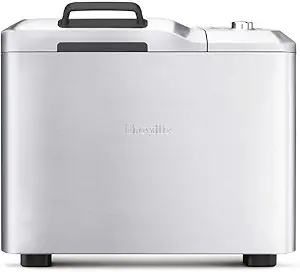 |
| Best Value The sweet spot between price and what you get | Amazon Basics 2-Pound Bread Maker |  |
| Best Budget The cheapest option that still gets the job done reliably | Elite Gourmet Programmable Bread Maker EBM8103M |  |
| Top Rated A top-rated pick with lots of positive feedback | Saluna Bread Maker BM901 |  |
| Most Popular A crowd favorite that many people choose with confidence | Elite Gourmet Bread Maker EBM8103B |  |
| Best Seller A high-volume bestseller chosen again and again | OSIPOTO 2lb Bread Maker BM8708 |  |
Zojirushi Home Bakery Virtuoso Plus BB-PDC20BA

| Capacity | 2 pounds |
|---|---|
| Wattage | 700 watts |
| Voltage | 120 volts |
| Number of Programs | 7 |
The Zojirushi Home Bakery Virtuoso Plus is a thoughtfully engineered countertop breadmaker aimed at reliable, consistent loaves. It bakes up to a 2 lb rectangular loaf using dual heating elements—one in the lid and one under the pan—for more even browning and crust control, and the machine offers seven preset courses including whole wheat, multigrain, gluten free, and rapid whole wheat. Double kneading blades improve dough development and rise, and a removable nonstick pan plus included measuring tools make setup and cleanup straightforward. The large LCD and simple controls let you pick crust shade and delay the end time up to 13 hours so you can wake to fresh bread. The rapid cycles can produce a loaf in about 2 hours 25 minutes, which suits people who want faster results without a separate oven. Trade-offs are its relatively heavy cabinet and hand-wash care instructions, and the unit is built around a single loaf size so it is less flexible if you want smaller loaves or specialty dough types outside the presets.
Best for: Home bakers who want consistently browned, full-size 2 lb loaves with the convenience of rapid cycles and preset healthy programs, and who appreciate a dependable, user-friendly machine.
Less Ideal for: People who need very compact or lightweight machines, want multiple loaf-size options, or prefer dishwasher-safe bread pan components.
- Dual heaters (lid and bottom) for more even baking and consistent crust color
- Multiple healthy and rapid programs including gluten-free and rapid whole wheat
- Double kneading blades that help achieve better dough development and higher rise
- 13-hour delay timer and easy-to-read LCD for scheduled baking and simple control
- Heavy and bulky, which can make repositioning or storage awkward
- Pan and accessories require hand washing rather than dishwasher cleaning
Verdict: Pick the Zojirushi Virtuoso Plus if you want a dependable breadmaker that delivers evenly browned 2 lb loaves quickly with healthy and rapid preset programs.
Breville Custom Loaf BBM800XL

| Capacity | 2.5 pounds |
|---|---|
| Wattage | 830 watts |
| Number of Programs | 13 |
| Voltage | 120 volts |
The Breville Custom Loaf BBM800XL is built for home bakers who want control and consistent results without fuss. It offers 13 automatic programs plus nine user-configurable settings so you can save and recall personal recipes, and a smart LCD shows progress from knead through bake. The collapsible kneading paddle mixes on a platform then folds away before baking to reduce the hole left in the loaf, while an automatic fruit and nut dispenser times mix-ins so add-ins are distributed reliably. The machine handles up to a 2.5 pound loaf and includes a fixed paddle for jam cycles. Practical touches include 60 minutes of power-interruption backup and hand-washable components. On the downside it is a relatively heavy, full-size unit and requires some storage space, and paddles still leave a small tunnel in very light breads. For someone prioritizing speed and repeatable, bakery-style loaves with the flexibility to experiment, this machine delivers predictable results and convenient automation.
Best for: Home bakers who want fast, repeatable, bakery-style loaves with programmable controls and the ability to customize and store recipes.
Less Ideal for: Those who need an ultra-compact or lightweight machine for small kitchens or who want completely paddle-free loafs without any interior hole.
- 13 automatic programs plus nine customizable recipe slots for flexible baking
- Collapsible kneading paddle that minimizes the hole in the finished loaf
- Automatic fruit and nut dispenser times add-ins accurately
- 60 minutes of power-interruption backup protects long cycles
- Clear LCD makes monitoring and manual adjustments straightforward
- Relatively heavy and large for countertop storage
- Kneading paddle can still leave a small tunnel in very airy breads
Verdict: Choose the Breville Custom Loaf BBM800XL when you want a fast, programmable bread maker that produces consistent, customizable loaves with convenient automation.
Amazon Basics 2-Pound Bread Maker

| Capacity | 2 pounds |
|---|---|
| Wattage | 550 watts |
| Voltage | 120 volts |
| Number of Programs | 14 |
This Amazon Basics bread maker is a straightforward countertop machine for people who want fresh bread without fuss. You load ingredients, pick one of 14 programs (including gluten-free and dough-only modes), choose a crust color, and the machine handles mixing, kneading, rising, and baking for up to a 2-pound loaf. The 550-watt motor and nonstick pan make cleanup easier, and the ExpressBake setting can deliver a finished loaf in under 90 minutes, which is useful when you need bread quickly. The LCD display and multiple presets simplify typical use, though the machine is basic compared with pro models that offer steam, custom timer profiles, or multiple loaf shapes. Its stainless steel exterior wipes clean, but the unit is a bit heavy for frequent moving. For everyday loaves, quick bakes, and experimenting with doughs or jams, it does the job reliably at a modest feature set.
Best for: Buyers who prioritize convenience and speed want an affordable machine that reliably produces home-baked loaves and quick breads without a steep learning curve.
Less Ideal for: Bakers seeking professional-level control, specialty loaf shapes, or advanced customization options should consider higher-end models instead.
- 14 preset programs including gluten-free and dough-only modes for flexible baking
- ExpressBake option produces a loaf in under 90 minutes when you need bread fast
- Nonstick pan and stainless steel exterior make cleanup straightforward
- LCD display and selectable crust color simplify operation
- Basic feature set compared with higher-end machines that offer advanced customization or multiple loaf shapes
- Relatively heavy for a small countertop appliance
Verdict: Choose this bread maker if you want a no-nonsense, fast way to bake fresh 2-pound loaves with preset programs and an express 90-minute cycle.
Elite Gourmet Programmable Bread Maker EBM8103M

| Capacity | 2 pounds |
|---|---|
| Wattage | 550 watts |
| Number of Programs | 19 |
| Voltage | 120 volts |
The Elite Gourmet programmable bread maker automates kneading, rising, and baking so you can make fresh loaves with minimal effort. You load ingredients into the nonstick pan, pick one of 19 programs—options include gluten-free, quick bread, dough, and jam—choose loaf size and crust color, then start; the machine handles mixing, kneading, proofing, and baking. Useful features include a 15-hour delay timer to wake up to warm bread and a 60-minute keep-warm function, plus included measuring tools and a blade removal tool that simplify cleanup. At 550 watts it uses less energy than a full oven and the compact footprint fits small kitchens. Limitations are typical for compact home bread machines: the single pan design restricts loaf shape and browning can vary between recipes, so some experimentation is needed for consistent results, and heavy-duty bakers may find the 2 lb capacity small for large families. For buyers prioritizing an easy, hands-off way to get fresh bread quickly, this machine covers most everyday needs well.
Best for: Buyers on a budget who want an inexpensive, easy-to-use machine for daily or weekly fresh loaves without mastering bread baking techniques.
Less Ideal for: Ambitious home bakers who need larger capacity, bakery-style loaves, or full manual control over every stage of the bake.
- Wide variety of 19 preset programs including gluten-free and quick bread for flexible recipes
- Selectable loaf sizes (1, 1.5, 2 lb) and crust color for portion and texture control
- 15-hour delay timer and 60-minute keep-warm let you schedule fresh bread
- Compact, energy-efficient design suitable for small kitchens
- Comes with measuring tools and a blade removal tool to aid cleanup
- Maximum 2 lb loaf capacity may be small for large households
- Single pan limits loaf shape and can produce uneven crust color across recipes
Verdict: A budget-friendly, compact bread maker that delivers fast, hands-off fresh loaves with convenient presets and a programmable delay timer.
Saluna Bread Maker BM901

| Capacity | 2 pounds |
|---|---|
| Wattage | 600 watts |
| Number of Programs | 25 |
| Voltage | 120 volts |
The Saluna BM901 is a full-featured countertop bread maker aimed at everyday home baking and timed fresh bread. It offers 25 programs covering multiple bread types, cakes, special menus and a custom setting, plus three loaf sizes and three crust colors so you can dial in results for different recipes. The touchscreen control and visible lid make selection and monitoring straightforward, while the 13-hour preset timer lets you load ingredients the night before for fresh morning loaves. A built-in automatic nut and fruit dispenser adds inclusions at the correct kneading stage for even distribution. At 600 watts it runs briskly for a domestic machine and the included measuring tools and hook help with basic prep. Cleanup is eased by a removable nonstick aluminum bucket and blades that the listing describes as dishwasher-friendly. Expect reliable, repeatable loaves once you follow the recipes and use the recommended ingredient order, though mastering custom settings and hydration for specialty breads will take a few tries.
Best for: Buyers who prioritize a dependable, feature-rich machine that reliably produces daily loaves with timed convenience and consistent results.
Less Ideal for: Bakers seeking professional-speed performance or those who want extensive manual control for advanced artisan techniques should look elsewhere.
- Wide program selection (25 presets) covers breads, cakes, special menus and a custom mode
- 13-hour delay timer for ready-at-time fresh bread
- Automatic nut and fruit dispenser releases inclusions at the correct kneading stage
- Touchscreen controls with a visible lid for easy monitoring
- Removable nonstick baking bucket and blades that are described as dishwasher-friendly for easier cleaning
- 600W motor may be slower than higher-powered machines for very dense doughs
- Learning curve for custom settings and achieving consistent artisan-style crust and crumb
Verdict: A reliable, feature-packed home bread maker that delivers timed, consistent loaves for everyday baking needs.
Elite Gourmet Bread Maker EBM8103B

| Capacity | 2 pounds |
|---|---|
| Wattage | 550 watts |
| Number of Programs | 19 |
| Voltage | 120 volts |
The Elite Gourmet EBM8103B automates kneading, rising, and baking so you can produce fresh loaves without fiddly steps. It supports three loaf sizes (1, 1.5, and 2 lb) and 19 preset programs that cover everything from gluten-free and whole wheat to quick bread, pizza dough, cake, and jam, making it useful for varied home baking. A 15-hour delay timer and 60-minute keep-warm let you schedule baking for mornings or evening meals, and the compact, 550-watt design uses less energy than an oven and fits small kitchens. The nonstick pan, included kneading blade, and dishwasher-safe parts simplify cleanup, though the single kneading paddle can leave a small hole at the bottom of some loaves and the machine is limited to one loaf at a time. For cooks who want reliable, hands-off bread quickly, the preset variety and scheduling features are practical; if you want artisan-style hearth loaves or larger batches, a conventional oven or stand mixer will still be necessary.
Best for: Buyers who prioritize dependable, hands-off bread baking with a variety of presets and scheduled start times and who value social proof when choosing a low-risk, well-reviewed appliance.
Less Ideal for: People seeking artisan open-crust loaves, very large family batches, or professional bakery output should look at ovens or larger equipment instead.
- Wide selection of 19 preset programs for different breads and doughs
- Three loaf size options including a full 2 lb loaf
- 15-hour delay timer and 60-minute keep-warm for scheduled baking
- Compact, energy-efficient 550W design suited to small kitchens
- Dishwasher-safe parts and included measuring tools for easier cleanup
- Single kneading blade can leave a hole in the bottom of loaves
- Only bakes one loaf at a time, not suitable for large batches
Verdict: A dependable, schedule-friendly bread maker with broad presets that makes fresh 1–2 lb loaves with minimal effort.
OSIPOTO 2lb Bread Maker BM8708

| Capacity | 2 pounds |
|---|---|
| Wattage | 550 watts |
| Number of Programs | 17 |
| Voltage | 120 volts |
The OSIPOTO 2lb Bread Maker is a compact, user-friendly machine that handles everything from basic white loaves to doughs and jams using 17 preset programs. Typical use is straightforward: add ingredients to the removable nonstick pan, choose a program and crust shade, or set the 15-hour delay so a fresh loaf is ready in the morning. The machine's stainless steel exterior and included accessories (measuring cup, spoon, kneading paddle) make setup and everyday baking simple, while the 1-hour keep-warm function keeps bread ready to serve. At 550 watts it bakes efficiently and the nonstick pan and removable paddle reduce cleanup time. Limitations include hand-wash care rather than dishwasher-safe parts and a modest 550W power level that may run longer than higher-wattage models for very large or dense recipes. Noise is described as low but a countertop location still matters during overnight cycles. For buyers who prefer predictable, program-driven baking, this machine delivers consistent results with minimal fuss.
Best for: Buyers who want a dependable, easy-to-use machine that produces consistent loaves with minimal hands-on time and predictable preset controls.
Less Ideal for: If you need dishwasher-safe parts or the fastest, highest-power baking for frequent commercial-scale use, this model is not the best fit.
- Wide program selection with 17 presets for breads, doughs, and jam
- 15-hour delay timer and 1-hour keep-warm for scheduled baking
- Removable nonstick pan and kneading paddle simplify loaf removal and cleaning
- Includes measuring cup, spoon, paddle and recipe book so you can start baking immediately
- Pan and accessories require hand washing rather than dishwasher cleaning
- 550W motor is adequate but may take longer on very dense or larger recipes
Verdict: A straightforward, program-rich 2 lb bread maker that delivers reliable, set-and-forget loaves for risk-averse home bakers.
Choosing the Right Fast Bread Maker: Key Factors to Consider
Bake Speed and Total Turnaround
How quickly a machine turns ingredients into a finished loaf matters most for buyers choosing a Fast Bread Maker. Shorter advertised bake cycles are useful only if they include full dough development stages or reliable mechanical aids like stronger kneading or controlled proofing environments. Faster programs will often compress rise times, so check whether the machine uses temperature control or altered knead intervals to compensate.
Faster turnaround also affects meal planning. If you plan to bake multiple loaves in a day, shorter cycles increase throughput. Keep in mind that extreme speed can affect crumb and oven spring, so balance the need for a quick loaf against acceptable texture for your household's preferences.
Loaf Consistency and Crumb Structure
A fast program must still produce a uniform crumb and consistent loaf volume to be worthwhile. Consistency depends on how the machine handles kneading intensity, rest periods, and proof temperature. Machines that cut corners on any of these can yield dense centers or irregular holes even when the exterior looks fine.
Consider whether you bake different flour types or add inclusions like seeds or nuts. A Fast Bread Maker that maintains consistent results across variations will be more versatile. Look for clear program descriptions indicating how the machine adapts times or temperatures for different recipes.
Program Flexibility and Special Modes
Program variety matters because faster cycles are not a one-size-fits-all solution. Useful features include specific short-cycle modes for white or sandwich loaves, separate dough-only settings for manual shaping, and adjustments for crust darkness and loaf size. Some machines let you tweak knead or rise durations, which helps fine-tune results when working with sourdough starters, whole-grain flours, or enriched doughs.
Flexibility also covers whether the unit supports delayed start or keeps bread warm without overcooking. For busy households, being able to time a fast program to finish near mealtime is a practical benefit.
Ease of Use and Controls
Speed is helpful only if the machine is straightforward to operate. Clear, labeled controls and straightforward program selection reduce mistakes that can spoil fast cycles. A usable display that indicates remaining time and phase (knead, rise, bake) is particularly important in compressed programs where a missed step has less margin for correction.
Accessibility of the baking pan and measuring guides for water, flour, and yeast also influence everyday usability. Machines designed for quick cycles should minimize fiddly setup so you can reliably start a fast program even when you are rushed.
Cleaning, Maintenance, and Longevity
Fast cycles may leave more residue on paddles and inside pans due to shorter rest periods and heavier kneading. Easy-to-remove pans, dishwasher-safe parts, and accessible interiors reduce the chore burden. Consider how often you are willing to clean after each loaf when evaluating models.
Also assess the build quality of paddles and drive mechanisms because more intensive kneading in fast programs can stress components. Durable bearings and solid motor mounts are features that increase a machine's lifespan under frequent use.
Loaf Size, Shape, and Capacity
Not all Fast Bread Makers produce the same loaf size or shape, and capacity influences how you plan meals. Smaller pans may heat faster and finish sooner, but they yield less bread per cycle. Larger pan sizes give you family-sized loaves but can take longer to bake evenly, especially on a fast program.
Think about how you use bread. If you need sandwich-sized loaves or single-serving options, choose a machine with matching pan sizes and consistent results at those capacities.
How Fast Programs Actually Work
Fast bread programs shorten the overall timeline by altering knead durations, proof temperatures, and bake schedules. To prevent dense loaves, manufacturers often increase knead intensity early on to develop gluten quickly while using slightly warmer proof temperatures to accelerate yeast activity.
Understanding these mechanisms helps you set realistic expectations. Faster cycles can approach the texture of traditionally made bread, but they are still a compromise between development time and convenience.
- Shorter knead and proof phases require more aggressive mechanical action.
- Temperature control during proofing is a key differentiator among fast modes.
- Add-ins and whole-grain flours typically need program tweaks for fast cycles.
Tips to Improve Results on a Fast Cycle
Small adjustments to ingredients and handling can significantly improve loaves baked on fast cycles. For example, slightly increasing yeast or using rapid-rise formulas where recommended helps achieve better oven spring. Conversely, reducing sugar or fat marginally can prevent overproofing during higher proof temperatures.
Also consider pre-mixing additions like nuts or fruit into dough near the end of kneading to avoid disrupting gluten structure. Measure ingredients accurately and keep a record of successful tweaks for future runs.
- Use accurate scales for flour and water to maintain hydration.
- Add inclusions at the machine's signal to avoid dough collapse.
- Test one variable at a time when dialing in a new recipe.
Common Tradeoffs When Choosing Speed
Prioritizing bake speed often means sacrificing some texture nuance or flexibility. Faster programs may limit loaf sizes, restrict certain recipes, or require more frequent small adjustments. Expect a tradeoff between absolute fastest times and achieving a tender, open crumb.
For many buyers, the convenience of a warm loaf in under two hours outweighs minor differences in crumb. If you crave artisan-style textures regularly, consider whether the fast-focused machine still offers manual dough or custom program options.
- Very fast cycles can reduce tolerance for measurement error.
- Faster programs may not handle dense whole-grain doughs as well.
- Some models compensate with stronger kneading but higher energy use.
Maintaining Performance Over Time
Regular maintenance keeps a fast bread maker running reliably. Clean the pan and kneading paddle after each use to prevent buildup that can affect kneading efficiency. Inspect seals and paddle attachments periodically for wear because fast cycles can accelerate mechanical stress.
If you bake frequently, plan for annual checks of the motor mount and drive shaft. Following simple upkeep routines extends the life of components that undergo higher loads during compressed programs.
- Remove and clean the paddle and pan after each bake.
- Wipe interior surfaces and vents to prevent overheating.
- Check for unusual noises that indicate worn bearings or mounts.
Accessories and Add-Ons That Help
Certain accessories make fast baking easier or more reliable. A digital kitchen scale for precise measurements, a set of reusable silicone liners for easier cleanup, and a reliable thermometer for occasional spot checks can all improve results. Extra kneading paddles or spare pans reduce downtime when cleaning between bakes.
These small investments help maintain consistency and reduce friction when using fast programs frequently.
- Digital scale for consistent hydration.
- Thermometer to verify internal loaf temperature.
- Spare paddles and pans to swap during cleaning cycles.
How We Chose the Best Fast Bread Maker
We shortlisted Fast Bread Makers based on measurable, buyer-relevant specs and real-world usability. Our evaluation prioritized bake cycle time and program flexibility to ensure machines genuinely reduce total turnaround without forcing inferior texture. We also weighed consistency of loaf volume and crumb structure across different programs and flour types, since speed often stresses yeast and dough handling. User interface and program clarity were assessed to verify that faster cycles do not require complicated setup or constant intervention. Durability and component quality were considered to ensure intense, repeated short cycles do not accelerate wear. Finally, we checked cleaning and maintenance demands because compact fast programs can increase residue or require more frequent upkeep. We excluded machines that sacrifice basic dough development or rely solely on claims of speed without offering distinct short-cycle programs. Overall, we focused on models that balance shorter bake times with consistent, repeatable results and manageable maintenance.
Our full evaluation process is outlined in our review methodology.
FAQ
Will a fast bread maker produce the same texture as a traditional loaf?
Often a fast bread maker can approach traditional texture, but it depends on the recipe and flour. Fast cycles compress development time, which can reduce open crumb and subtle texture. With formula tweaks and proper hydration you can get very good results, though artisan-style loaves may still need longer methods.
Can I bake whole-grain loaves on a fast program?
Usually you can, but whole-grain flours absorb more water and need different knead and rise handling. Some fast machines include specific whole-grain settings or allow program customization. If not, consider using slightly more hydration and monitoring results closely.
How often should I clean the kneading paddle and pan?
You should clean the paddle and pan after every bake to prevent buildup that impacts kneading and heat transfer. For frequent bakers, keeping spare paddles or pans on hand reduces downtime while cleaning.
Does a faster program use more energy?
Not necessarily. Faster cycles may use more intense kneading or slightly higher proof temperatures, but the total runtime can be shorter. Energy use varies by model and program design, so focus on efficiency features and insulation if energy consumption matters.
Are there ingredients that do not work well in fast cycles?
High-fat or heavily enriched doughs can be more sensitive to compressed schedules and may need adjusted timings. Very large inclusions or heavy seeds can also interfere with gluten development in short cycles. Testing small batches helps determine what works reliably.
Final Verdict
When choosing a Fast Bread Maker, prioritize bake speed that comes with clear program design and consistent loaf outcomes. Focus on machines that balance shorter cycles with adequate kneading and controlled proofing so you do not sacrifice crumb and volume for convenience. Consider how often you will bake, the types of flour you use, and the maintenance you are willing to perform. With those priorities in mind, you can confidently pick a fast-capable machine that fits your schedule and produces dependable loaves.