
Note: This article contains affiliate links. If you click on these links and make a purchase, we may earn a small commission at no extra cost to you. This helps support our research and content. Read our full affiliate disclosure here.
If you need a compact tool for quick fabric fixes, a heavy-duty handheld sewing machine can save time and prevent small problems from becoming big ones. These compact machines are designed to handle thicker materials and repeated mending tasks that standard handheld units struggle with. In this guide we shortlisted the top options for durability, stitch reliability, and ease of use so you can find a model suited to home repairs, upholstery touch-ups, or outdoor gear patches. Below you will find concise evaluations and clear criteria we used to judge each pick, followed by practical buying guidance to help you decide.
Top Picks at a Glance
| Best Overall The best all-around choice for most situations | Babulas Bag Sewing Machine GS-970A |  |
| Best Quality Built to a higher standard if you want something more solid | GEARCESS Cordless Bag Closer |  |
| Best Value The sweet spot between price and what you get | Guoydir Bag Sewing Machine GK9 |  |
| Top Rated A top-rated pick with lots of positive feedback | HCYHSLH Heavy Duty Sewing Machine GK9-890 |  |
| Most Popular A crowd favorite that many people choose with confidence | FunSealer Bag Sewing Machine GK9S-110v |  |
Babulas Bag Sewing Machine GS-970A
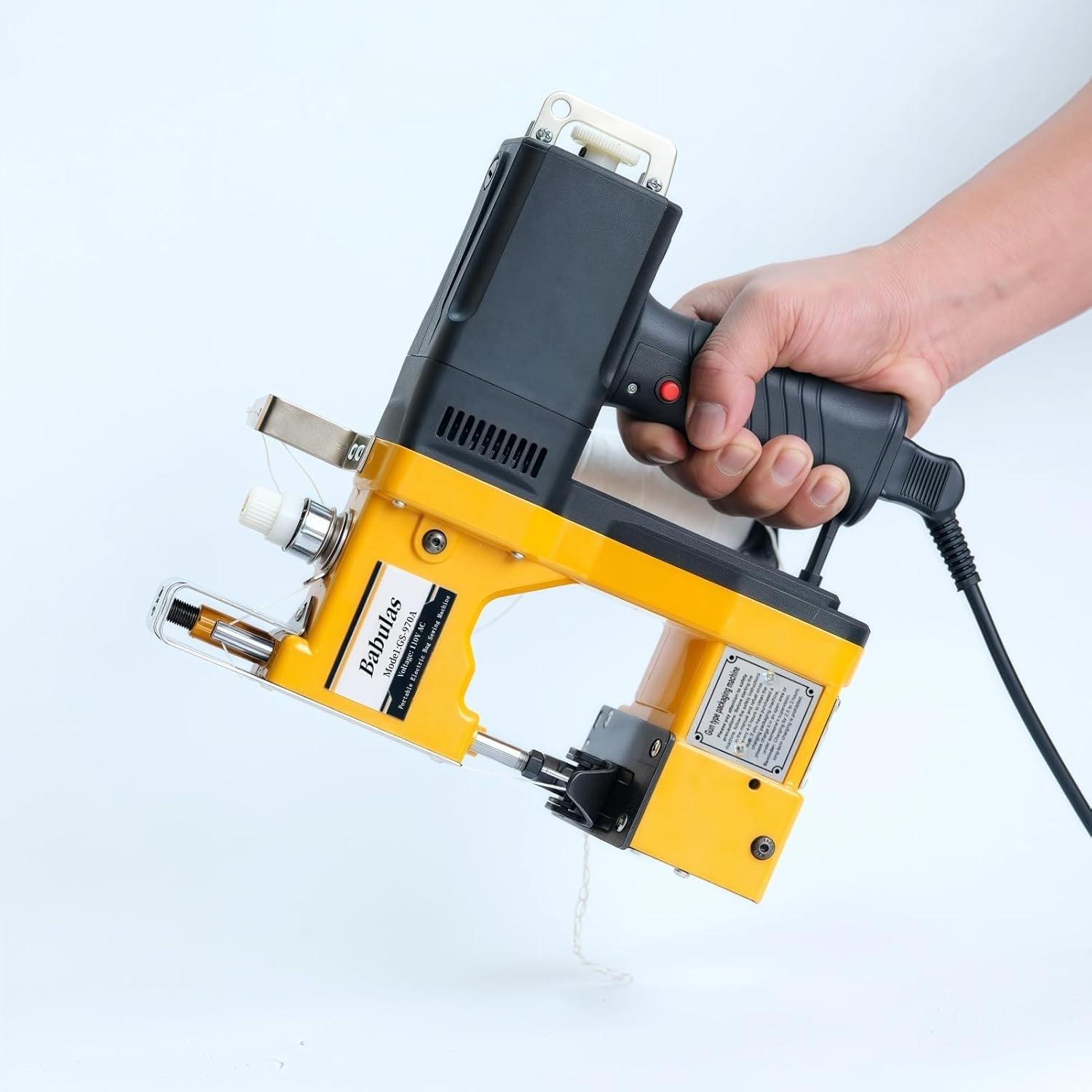
| Power Source | Corded Electric |
|---|---|
| Input Voltage | 110 volts |
| Material | Aluminum, Iron, Plastic |
The Babulas GS-970A is a portable, corded bag sewing machine built for heavy-duty packaging tasks like sealing woven bags, rice sacks, tarps, and canvas. It uses an all-copper motor and a high-strength aluminum alloy frame to deliver industrial durability and stitch speeds of roughly 1,600 to 1,900 stitches per minute, which makes it suitable for high-throughput environments. The unit is intentionally handheld and ergonomic, weighing about 6.4 pounds for extended use, and it includes practical accessories such as spare needles, thread spools, lubricating oil, and a manual plus auto thread cutter. The upgraded thread guide and heat-treated blades improve threading reliability and produce clean cuts. Limitations to note are that it is a specialized packaging tool rather than a general household sewing machine and it requires a 110V corded power source, so it is best for workshop or industrial settings rather than casual home mending. For buyers who need fast, repeatable bag closing in a production setting, it offers strong build and useful extras; hobby sewers will likely find it overbuilt and less versatile.
Best for: Buyers looking for a rugged, production-capable handheld sealer for warehouses, farms, or courier operations who value speed, durability, and bundled accessories.
Less Ideal for: People who need a general-purpose home sewing machine or a battery-powered portable for occasional repairs should look elsewhere.
- Industrial-grade motor and aluminum alloy frame for long runtime and durability
- Very high stitch speed (1,600–1,900 spm) suited to high-volume bag closing
- Ergonomic handheld design and modest weight for extended operation
- Includes practical accessories: spare needles, thread spools, lubricating oil, and cutter set
- Dual-mode thread cutter and upgraded thread guide improve efficiency and reduce thread jams
- Corded 110V power limits use to locations with suitable mains supply
- Designed specifically for bag/packaging work and not for general household sewing tasks
Verdict: If you need a fast, durable handheld bag closer for heavy daily packaging work, the Babulas GS-970A delivers industrial performance and practical accessories in a compact package.
GEARCESS Cordless Bag Closer

| Power Source | Battery Powered |
|---|---|
| Material | Metal |
| Included Components | Cordless Bag Closing Machine |
The GEARCESS cordless bag closer is a portable, battery-powered handheld sewing tool built for packaging and heavy-duty stitching tasks. It uses a brushless motor and two 20V rechargeable batteries to deliver rapid, consistent stitching—advertised at about 2600 stitches per minute and roughly two seconds per bag—which makes it well suited for closing rice bags, burlap, feed sacks, kraft composite bags and similar materials. The unit offers automatic and manual thread cutting and an adjustable stitch spacing feature shown in product visuals, which helps tailor stitch density for different materials. Practical benefits include long battery runtime from the twin 3000mAh packs, a metal construction for durability, and straightforward operation for production-line or occasional heavy use. Limitations are that it is a specialized packaging tool rather than a general textile sewing machine and is recommended for material thicknesses in a roughly 0.3–5 mm range, so very thick or delicate fabrics may be out of scope. Expect some learning curve handling a fast, high-speed handheld device during extended runs.
Best for: Buyers who need a high-throughput, portable closing tool for packaging operations or small-scale production runs and value speed and battery runtime over general sewing versatility.
Less Ideal for: People seeking a multipurpose household or fashion sewing machine or those who work primarily with very thick industrial textiles or very delicate fabrics.
- Brushless motor for higher efficiency and longer service life
- Two 20V 3000mAh batteries for extended runtime and quick swap
- Very fast stitching speed (about 2600 stitches per minute) for high throughput
- Metal construction increases durability for heavy-duty packaging work
- Designed specifically as a bag/packaging closer so not intended for general garment sewing
- Recommended material thickness range limits use on very thick or very delicate fabrics
Verdict: A fast, rugged cordless bag closer built for high-throughput packaging tasks where speed and battery endurance matter most.
Guoydir Bag Sewing Machine GK9

| Power Source | ac |
|---|---|
| Input Voltage | 110 volts |
| Motor Power | 190W |
| Stitch Speed | 1800–2000 stitches per minute |
The Guoydir GK9 is a handheld bag sewing machine built for fast, on-site sealing of heavy materials like burlap, sand bags, kraft paper and leather. It plugs into 110V power and runs a 190W motor that spins at high speed to deliver 1,800–2,000 stitches per minute using 230# needles and single-line chain (101) stitching. It ships ready to use with preinstalled test thread and two extra rolls, and the compact metal body and 6.6 lb weight make it easy to carry for warehouse, farm, or shipping work. The GK9 handles fabric thicknesses from about 0.2 to 6 mm, so it will close thick sacks reliably, and the high RPM motor is suited to frequent, industrial-style tasks. Limitations include its specialized purpose—it is not a household garment machine—and it requires the specified heavy needles and thread for best results, which adds a bit of ongoing consumable cost.
Best for: Buyers who need a portable, tough sewing tool to quickly close sacks or repair heavy materials on-site and prioritize speed and durability over garment sewing features.
Less Ideal for: People wanting a multi-purpose home sewing machine for garments, tailoring, or delicate fabrics should choose a standard domestic machine instead.
- Very fast stitch rate (1,800–2,000 SPM) for high-throughput sealing
- Compact, metal handheld design built for portability and one-hand use
- Ships ready to run with preinstalled thread and extra thread rolls
- Can sew a range of thick materials (0.2–6 mm) suitable for sacks and leather
- Not intended for household garment sewing or fine fabrics
- Requires specific 230# needles and industrial thread, increasing consumable needs
Verdict: Choose the GK9 if you need a durable, high-speed handheld machine to reliably seal heavy sacks and on-site materials.
HCYHSLH Heavy Duty Sewing Machine GK9-890

| Power Source | Electric power |
|---|---|
| Input Voltage | 110 volts |
| Material | Cast Aluminum |
| Stitch Speed | Up to 2,600 stitches per minute |
This handheld heavy-duty sewing machine is built for fast, repetitive sealing of sacks, woven bags, leather and other heavy fabrics. A pure copper motor powers up to 2,600 stitches per minute, and the unit supports both manual and automatic thread cutting for quicker workflow. The adjustable needle-bar height and stitch presser let you change stitch width and simplify threading, while the ergonomic comfort-grip handle makes single-hand operation less tiring during longer tasks. It ships with two thread spools, three blades and a timing belt so you can start basic jobs right away. Practical trade-offs are its basic control set and compact footprint, which keep the machine portable but limit advanced automation and industrial mounting options; the 110V input also means it is intended for standard North American outlets. For logistics, workshop, or small-batch production where speed and reliability on thick materials matter, this machine delivers consistent, high-speed stitches in a lightweight package.
Best for: Buyers who prioritize a reliable, high-speed handheld machine for sealing sacks and heavy fabrics and need a portable tool that performs consistently in repeated production tasks.
Less Ideal for: Workplaces that require full-sized industrial sewing stations, automated feed systems, or specialized factory mounting should choose a different fixed machine.
- High stitch speed up to 2,600 stitches per minute for fast sealing work
- Pure copper motor offers heat resistance suited for prolonged use
- Adjustable needle-bar height and stitch presser for quick threading and variable stitch width
- Ergonomic comfort-grip handle enables single-hand operation and portability
- Includes starter accessories (thread spools, blades, timing belt) so it is ready to use out of the box
- Basic control/interface without advanced automation or mounting features
- Designed for handheld/portable use rather than fixed industrial installation
Verdict: If you need a portable, high-speed sewing tool for reliably sealing heavy bags and fabrics, this handheld industrial closer delivers consistent performance.
FunSealer Bag Sewing Machine GK9S-110v

| Power | 190W |
|---|---|
| Input Voltage | 110 volts_of_alternating_current |
| Sewing thickness | 0.2-10mm |
| Sewing speed | 1500~1700 needle per minute |
| Needle pitch width | 6-11mm |
The FunSealer GK9S-110v is a handheld bag sewing machine built for quick, on‑the‑spot sealing of sandbags, burlap, woven and kraft bags in warehousing or packaging environments. It runs on 110V AC with a 190W motor and sews at roughly 1500–1700 needles per minute, producing a single chain stitch suitable for closing filled bags. The unit ships with extra thread, needles, spare parts and lubrication oil so you can get started immediately. In practice the machine is lightweight enough to carry around a production floor and its built‑in thread cutter speeds the workflow; stitching a 24‑inch bag takes about two seconds per the manufacturer. The sewing thickness range (0.2–10mm) and adjustable needle pitch make it versatile for different bag materials, but the single chain stitch limits applications where a stronger seam or different stitch type is required. Expect industrial performance from a compact, metal‑body tool, though users wanting multi‑stitch finishes or home garment sewing should look elsewhere.
Best for: Buyers who need a portable, no‑nonsense tool to seal filled bags quickly on a packing floor or in small warehouse operations and who prioritize speed and easy setup backed by positive user feedback.
Less Ideal for: Those seeking a versatile sewing machine for clothing, decorative stitching, or multi‑pass industrial seams should consider different machines tailored to those tasks.
- High sewing speed (about 1500–1700 needles per minute) for fast bag closing
- 190W motor handles a range of materials from thin film to heavy woven sacks
- Portable and relatively lightweight for handheld use on packing lines
- Includes starter thread, needles, spare parts and lubrication for immediate use
- Produces a single chain stitch only, which is not as strong as some multi‑stitch industrial seams
- Designed for bag sealing, not suitable for general home garment sewing
Verdict: A compact, heavy‑duty handheld sealer that delivers fast, reliable bag closures for packaging and warehouse work.
Choosing the Right Heavy-Duty Handheld Sewing Machine: Key Factors to Consider
Material Compatibility
A heavy-duty handheld sewing machine must handle a range of fabric weights, from lightweight cotton to denim and canvas. Check the needle types and sizes the unit accepts, plus whether the feed mechanism can grip and move thicker stacks of fabric without skipping stitches. If you plan to mend layered materials like hems over seams or patchwork with multiple layers, prioritize machines rated for heavier fabrics.
Material compatibility also affects the kinds of repairs you can do — upholstery and outdoor gear repairs demand higher needle strength and a more robust feeding action than basic garment repairs.
Motor Strength and Consistency
Look for a motor and drive train designed to maintain stitch quality under load. A strong motor reduces the chance of skipped stitches when sewing through dense or multiple layers. Consistent speed control is important for precise repairs; if the motor bogs down when it meets thicker sections, stitch quality will suffer.
Also consider how the machine dissipates heat during extended use. Frequent heavy repairs require a motor and housing that stay cool enough to avoid damage or performance loss.
Power Source and Battery Life
Heavy-duty handheld machines can be corded, battery-powered, or use replaceable batteries. Battery life and the ability to maintain consistent torque across the charge cycle are critical if you plan to use the tool on the go. For workshop or garage use, a corded option removes runtime worries, while reliable rechargeable battery systems provide portability for field repairs.
Consider whether the unit allows for external power options or hot-swap battery packs and how long typical repair sessions last on a full charge.
Needle Access and Replacement
Regular repairs often mean replacing needles and clearing jams. A design that offers simple, tool-free needle changes and clear access to the bobbin or stitch area saves time and reduces frustration. Check whether the needle clamping mechanism is robust and whether spare needles are standard sizes that are easy to source.
Good access also speeds routine maintenance such as cleaning lint and re-oiling moving parts, which helps maintain stitch consistency and prolongs machine life.
Ergonomics and Control Layout
Because handheld machines are used in tight spots, comfortable grip and intuitive control placement matter. A balanced tool minimizes wrist strain when sewing along seams or around corners. Controls for speed, reverse, or stitch length should be reachable without adjusting your grip too much.
Consider how the machine handles awkward angles and whether the foot or presser arrangement allows you to keep fabric flat and feed smoothly during repairs.
Maintenance and Serviceability
Durable handheld sewing machines perform best when they are easy to maintain. Look for models with replaceable consumables, accessible internal components, and straightforward instructions for routine care. Clear guidance on recommended lubricants, parts replacement intervals, and troubleshooting reduces downtime.
Machines that provide parts lists or user-serviceable components extend usable life and lower long-term ownership effort.
When to Choose a Handheld Over a Full-Size Machine
Handheld sewing machines excel at quick fixes, on-the-spot alterations, and repairs in locations a full-size machine cannot reach. They are ideal for mending curtains while still hanging, fixing tears on outdoor gear in the field, or closing up hems where moving a bulky item to a sewing table is impractical.
If you regularly work with heavy fabrics but need portability, a heavy-duty handheld gives you a balance of power and convenience. However, for long continuous seams or highly decorative work, a full-size machine usually offers better stitch control and durability.
- Good for spot repairs and upholstery touch-ups
- Portable for on-site or travel repairs
- Not a replacement for sustained, high-volume sewing
Thread and Needle Choices for Heavy-Duty Repairs
Choosing the right thread and needle pairing has a major impact on repair durability. Use heavier denier or bonded threads for outdoor fabrics and upholstery to avoid premature breakage. Match needle size and type to the fabric — denim or canvas typically requires a tougher, larger needle than light apparel.
Always test a stitch on a scrap of the same material to confirm tension and stitch formation before working on the actual repair. Proper tension adjustment prevents puckering and ensures the stitches penetrate all fabric layers evenly.
- Use bonded polyester for outdoor or high-stress seams
- Select needle size appropriate for fabric thickness
- Test stitches on scrap material before final repair
Maintaining Your Handheld Sewing Machine
Routine care keeps a handheld unit reliable. Blow out lint from the feed and stitch area after heavy use, check for bent needles, and lightly lubricate moving parts as manufacturer guidance allows. Replace needles regularly when doing dense repairs to avoid damage and skipped stitches.
Store the machine in a dry place and protect it from dust to prevent blockages. If you rely on battery power, follow charging recommendations to preserve battery health and avoid full deep discharges whenever possible.
- Clean lint and debris after heavy sessions
- Change needles frequently when working on tough fabrics
- Follow battery care recommendations for rechargeable units
Common Repairs Where Handheld Machines Shine
Handheld heavy-duty models perform well on hems, patched seams, torn upholstery, and quick alterations. They are particularly useful for repairing outdoor gear such as tents and tarps where portability and the ability to sew through layered fabrics are necessary.
Because these tools are compact, they also make it easier to mend stuffed furniture or car upholstery without removing the item. Keep realistic expectations about stitch appearance; handheld units are optimized for function and durability rather than fine decorative stitching.
- Hems and seam repairs
- Upholstery and automotive touch-ups
- Outdoor gear and tent repairs
Safety Tips for Heavy-Duty Handheld Sewing
Treat the tool like any powered hand tool. Keep fingers clear of the needle path, avoid loose clothing or jewelry around moving parts, and ensure secure lighting when working in tight spaces. If the machine gets jammed, turn power off before attempting to clear obstructions.
Use the correct needle and thread for the material to reduce breakage risk. Replace bent needles immediately and follow manufacturer guidance for any part replacements to maintain safe operation.
- Keep hands and fingers away from the needle
- Turn power off before clearing jams
- Replace bent needles and use appropriate thread
How We Chose the Best Heavy-Duty Handheld Sewing Machine
We focused on practical, measurable attributes that matter for heavy-duty handheld sewing machines. Key evaluation criteria included build durability, which covers frame and motor materials and resistance to bending or wear when used on thicker fabrics. Stitch strength and consistency were assessed by looking at needle compatibility, stitch length control, and feeding action. Usability factors considered included ergonomics, ease of threading, and how intuitive the controls are for quick repairs. Power and runtime measures covered battery life or corded power delivery and whether performance drops under heavier loads. Finally, maintenance and serviceability examined how easy it is to change needles, clear jams, and access common wear parts. We excluded compact craft-only units and any lightweight toy-style handhelds that cannot handle multiple layers or heavier fabrics. Models lacking basic serviceability features such as replaceable needles or clear access to the bobbin area were not considered. Our selections emphasize real-world resilience and repair capability rather than novelty features.
Our full evaluation process is outlined in our review methodology.
FAQ
Can a heavy-duty handheld sewing machine sew through denim or canvas?
Often, yes. Many heavy-duty handheld machines are built to handle multiple layers of medium-weight fabrics like denim and canvas, but performance depends on needle choice and motor strength. Always test on a scrap and use a heavy-duty needle and appropriate thread.
Are handheld machines good for upholstery repairs?
Usually handheld units can manage small upholstery jobs and patch work where portability matters. For large sections or continuous seams, a full-size machine may offer better control and stitch durability.
How long do rechargeable handheld sewing batteries last?
Battery life varies by model and workload. Under moderate repair loads you can expect several repair sessions per charge, but heavy continuous sewing or thicker materials will shorten runtime. Look for models that maintain torque well as the charge drops.
What maintenance does a handheld sewing machine require?
Regular maintenance includes removing lint, checking and replacing needles, light lubrication where specified, and ensuring the feed area is clear. Routine checks help prevent skipped stitches and prolong the machine's usable life.
Can I use standard needles and thread in a heavy-duty handheld?
Often standard-size needles and common threads are compatible, but for heavy-duty work you should use larger needle sizes and stronger thread types. Confirm the needle sizes the machine accepts and choose bonded or heavy-denier thread for stress-prone seams.
Final Verdict
When choosing a heavy-duty handheld sewing machine, focus on the combination of motor strength, needle compatibility, and ease of maintenance. Prioritize models that accept larger needles and heavier thread, offer strong feeding action, and provide clear access for routine upkeep. Consider your typical repair scenarios and whether portability or continuous runtime matters more to you. With those tradeoffs in mind, select the machine that best matches the materials you work on most often and the types of repairs you perform.